Matching Worksheets for Ages 3-6 - Page 4
77 filtered results
-
From - To
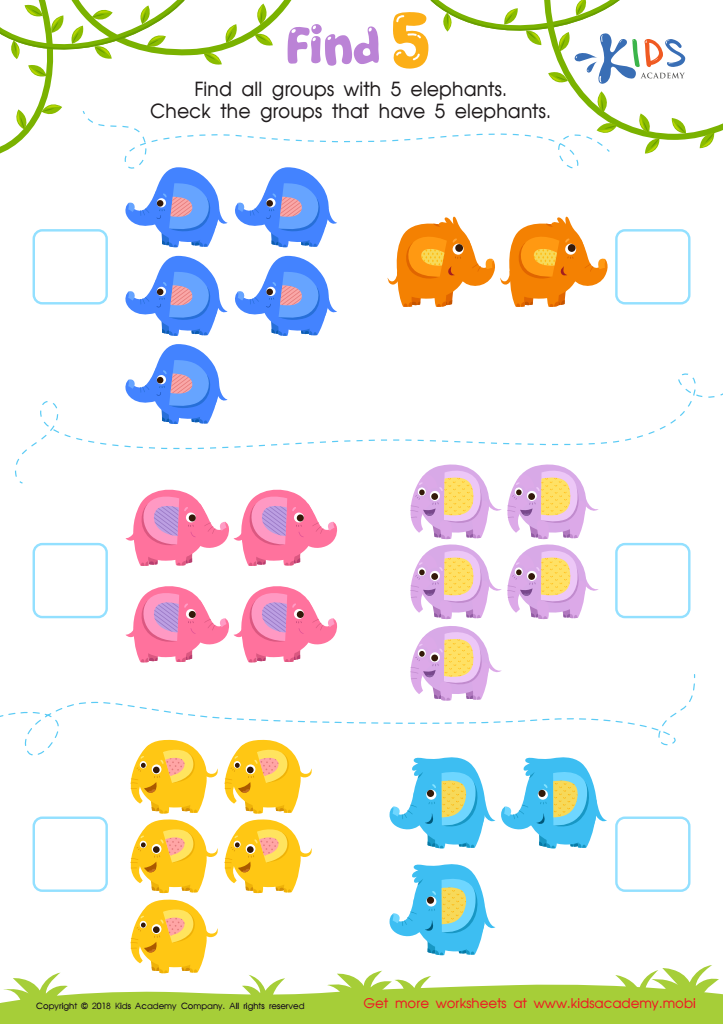
Find 5 Worksheet
 Assign to My Students
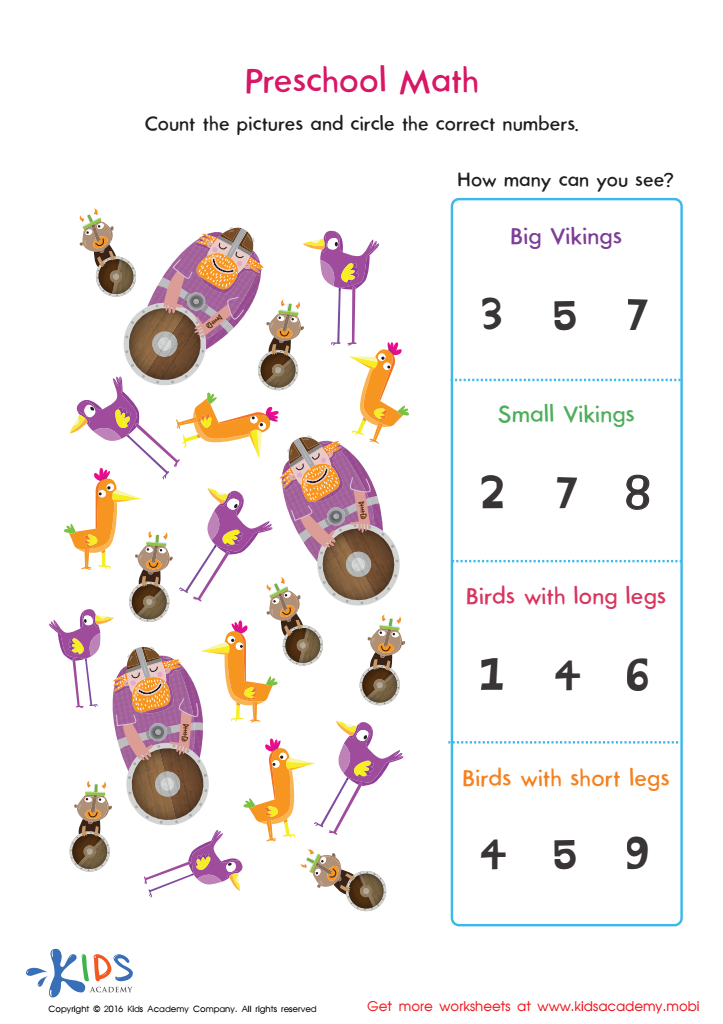
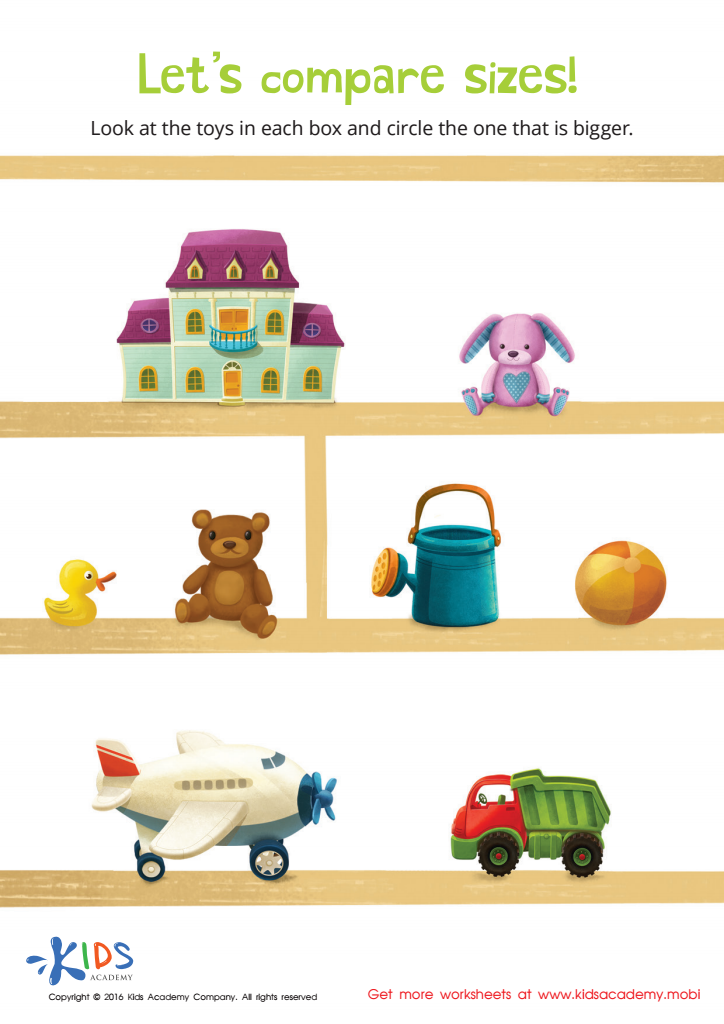
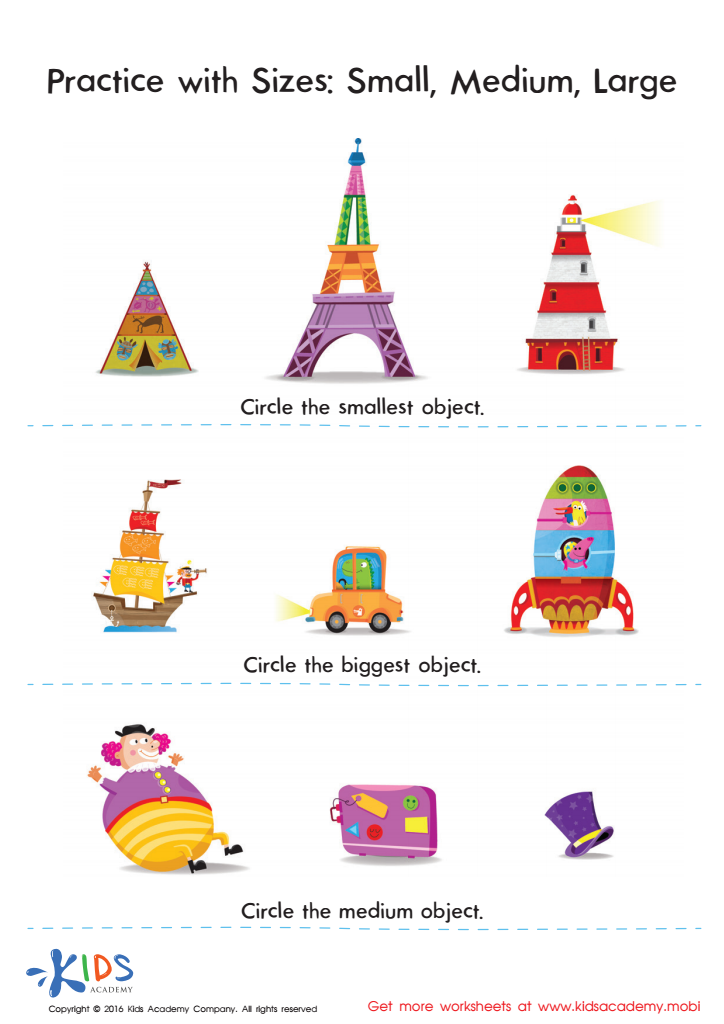
Classifying by Size Sorting Worksheet
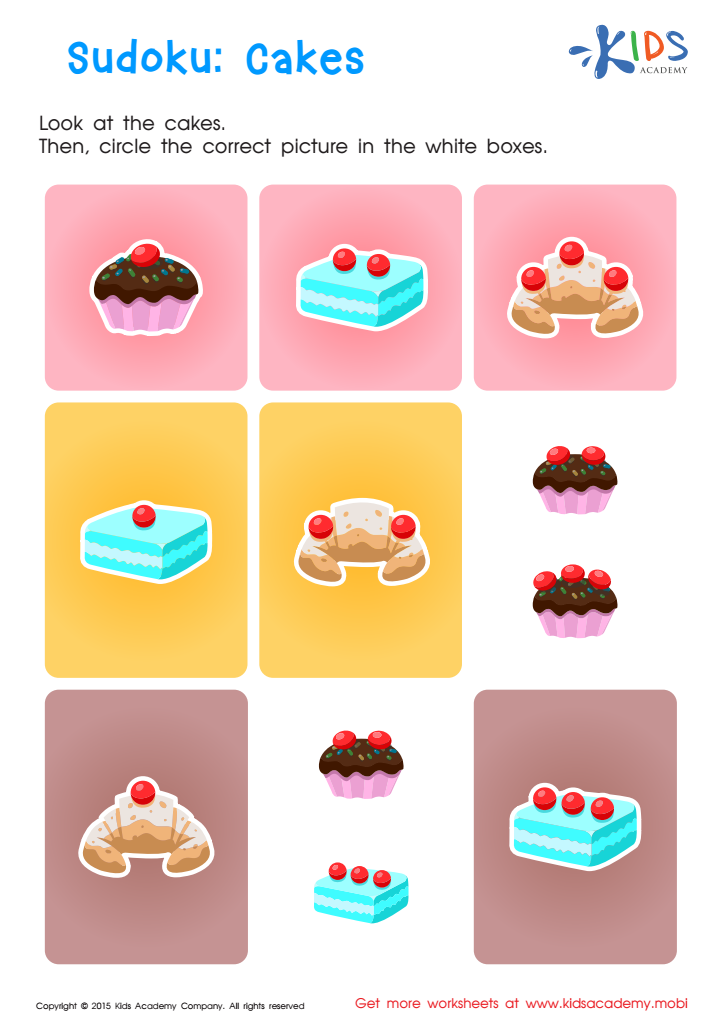
Sudoku Worksheet






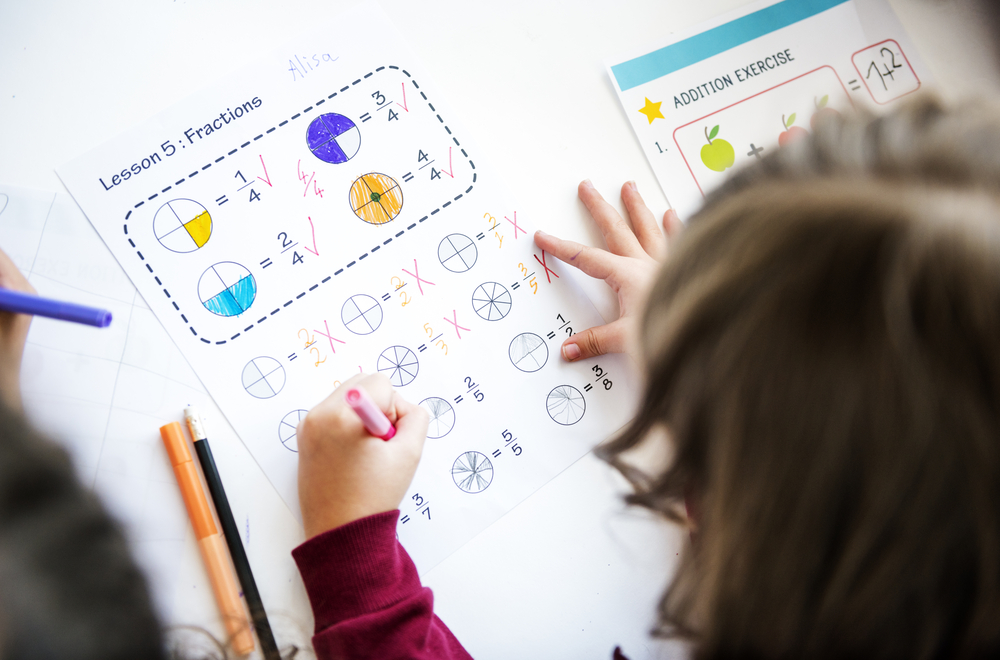

Matching activities for children aged 3 to 6 play a vital role in early childhood development. During this formative stage, children are naturally curious and eager to learn. Engaging in matching games enhances their cognitive skills, such as memory, attention, and concentration. These activities help children recognize patterns and understand relationships between objects, which are foundational skills for future learning.
Matching also supports language development. As children describe objects or name them during games, they expand their vocabulary and improve their communication skills. Furthermore, these activities promote social interaction when done in groups, fostering teamwork and collaborative play. Children learn to take turns, share, and resolve conflicts, which are essential for their social-emotional growth.
Moreover, matching exercises can be tailored to individual interests, making them more compelling and personal, thereby increasing engagement. They can also integrate various subjects, bridging literacy, math, and science concepts in a fun, interactive way. For parents and teachers, investing time in matching activities is an effective and enjoyable method to nurture key skills in young children, ultimately setting a strong foundation for lifelong learning and development.








