Vocabulary Building Matching Worksheets for Ages 3-6
6 filtered results
-
From - To
Welcome to our engaging Vocabulary Building Matching Worksheets designed specifically for children aged 3-6! These fun, interactive worksheets aim to enhance your child's vocabulary through stimulating matching activities. Kids will delight in connecting words with corresponding images, promoting word recognition and comprehension while enjoying the learning process. Our printable resources are not only educational but also cater to various learning styles. Perfect for classrooms or home use, these worksheets are an excellent way to support early language development. Start building your child's vocabulary today with our colorful and captivating matching worksheets, setting a strong foundation for future reading and communication skills!
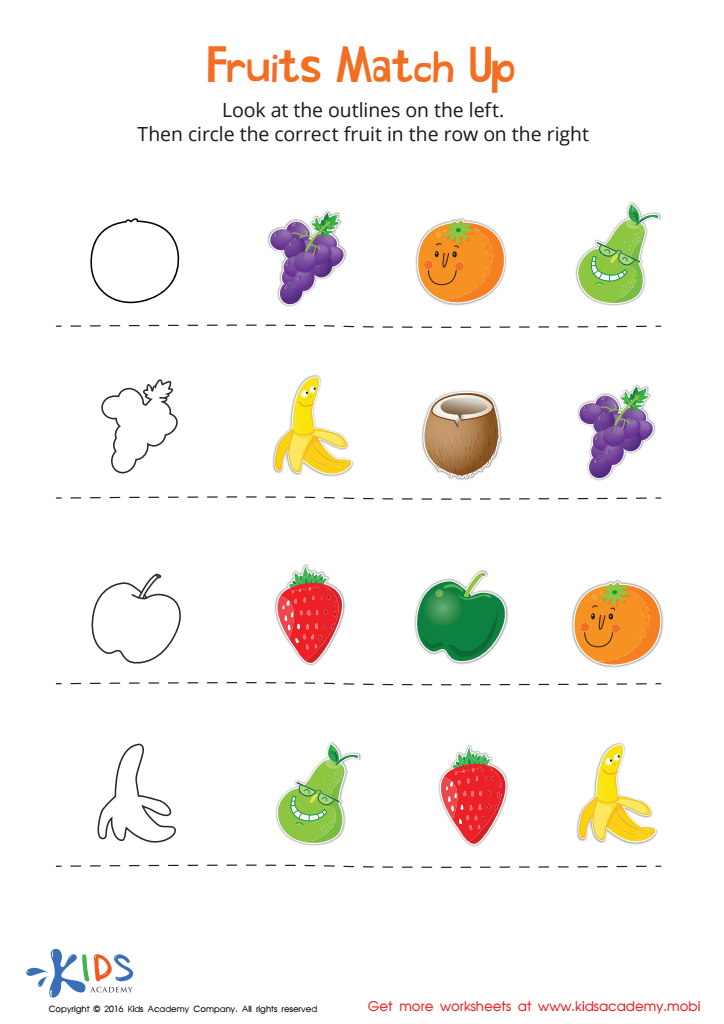
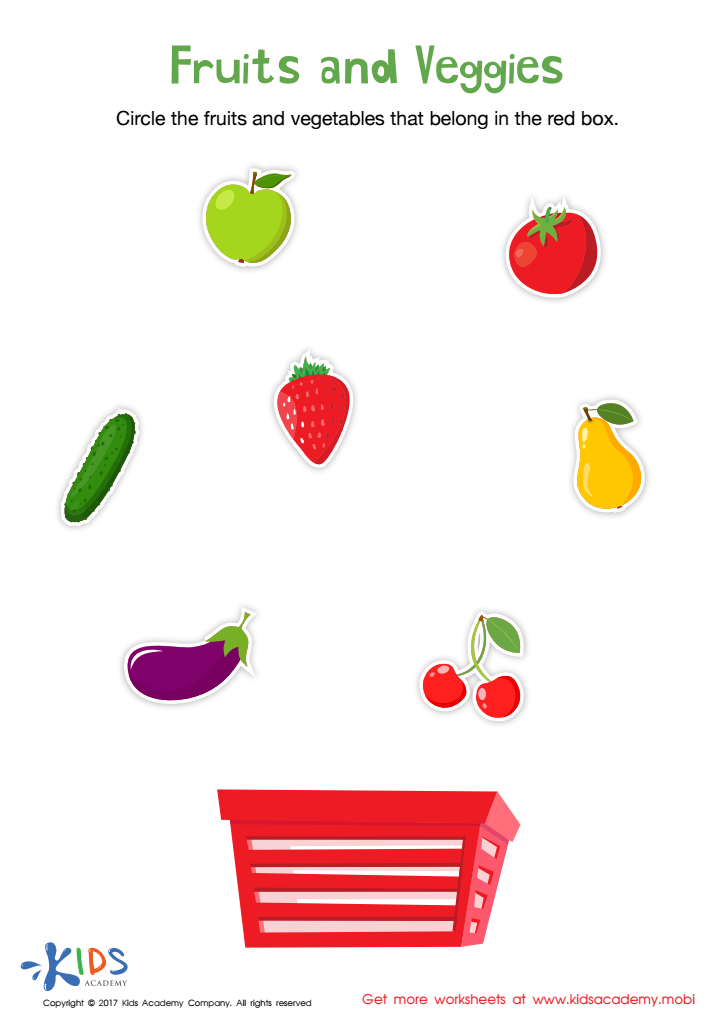
Fruits Match Up Worksheet
 Assign to My Students
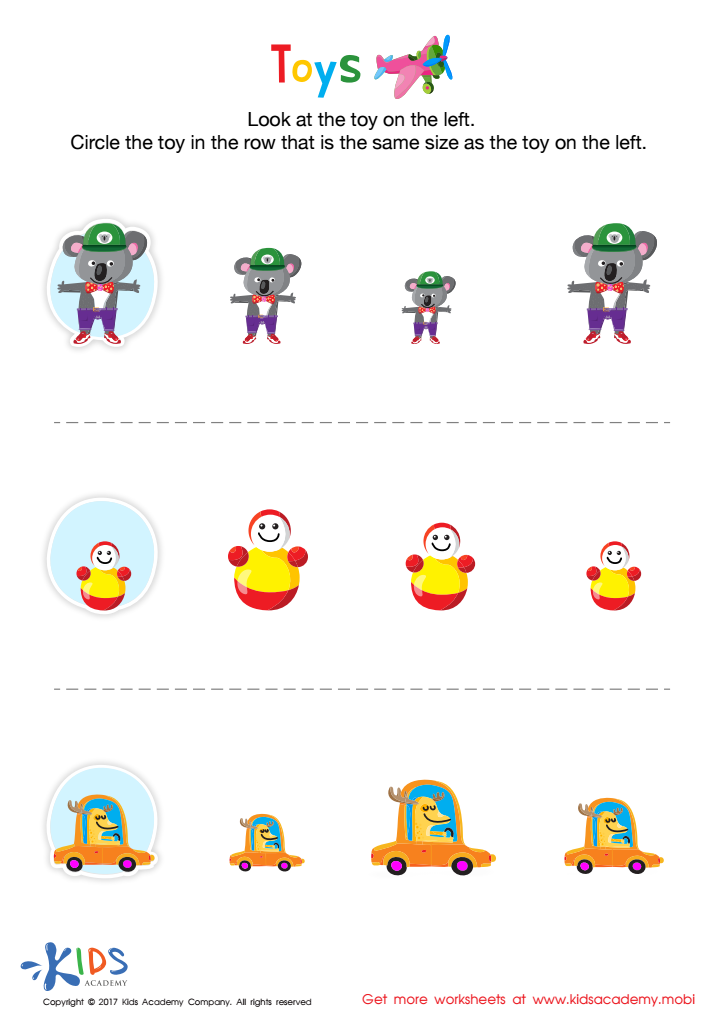
Matching: Classifying Toys by Size Worksheet
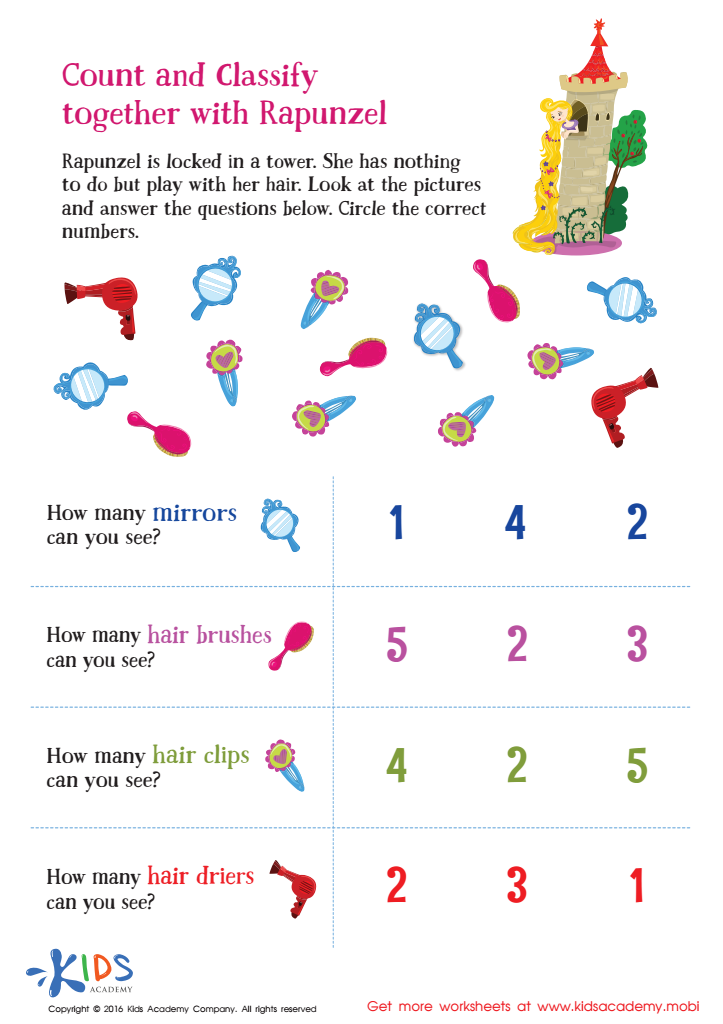
Fairy Tale Worksheet: Count and Classify with Rapunzel
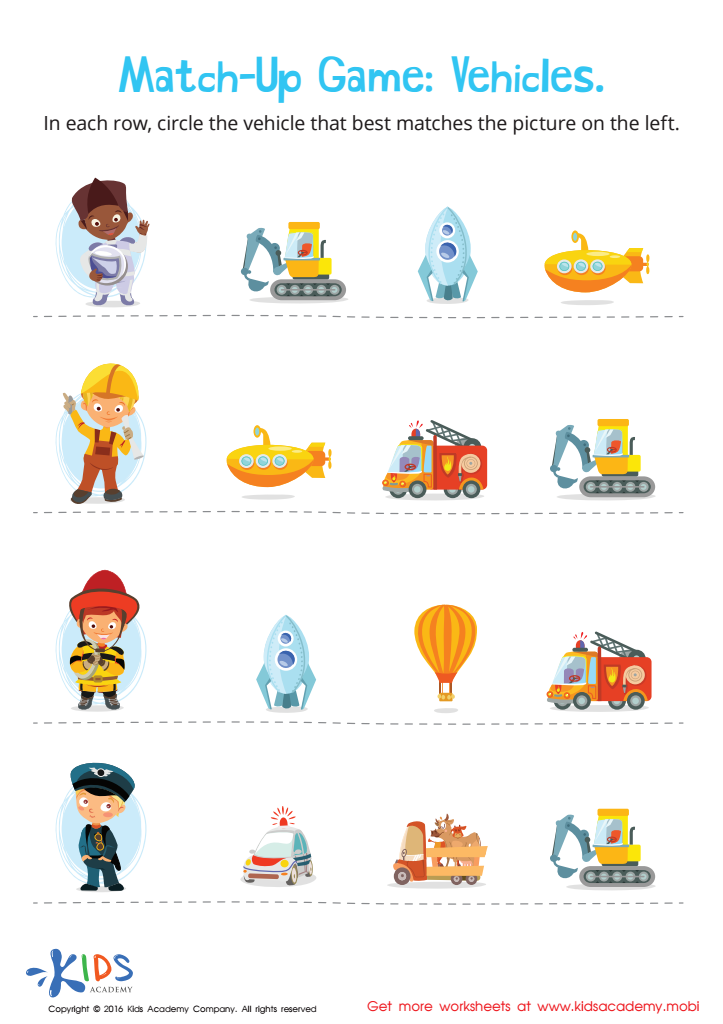
Vehicles Worksheet
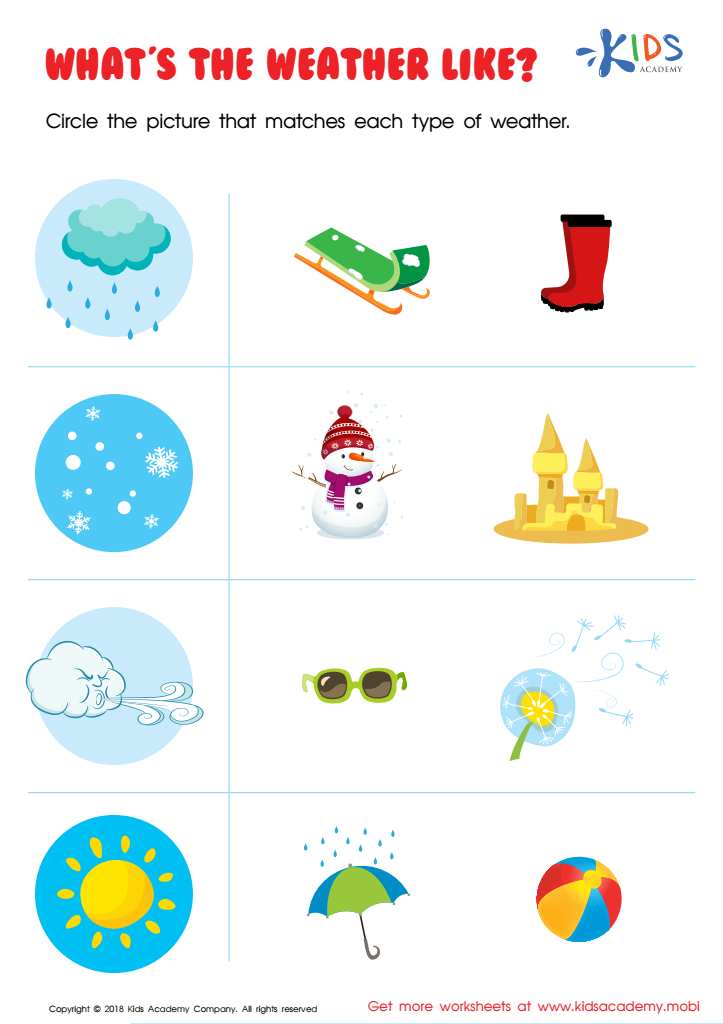
What's the Weather Like? Worksheet


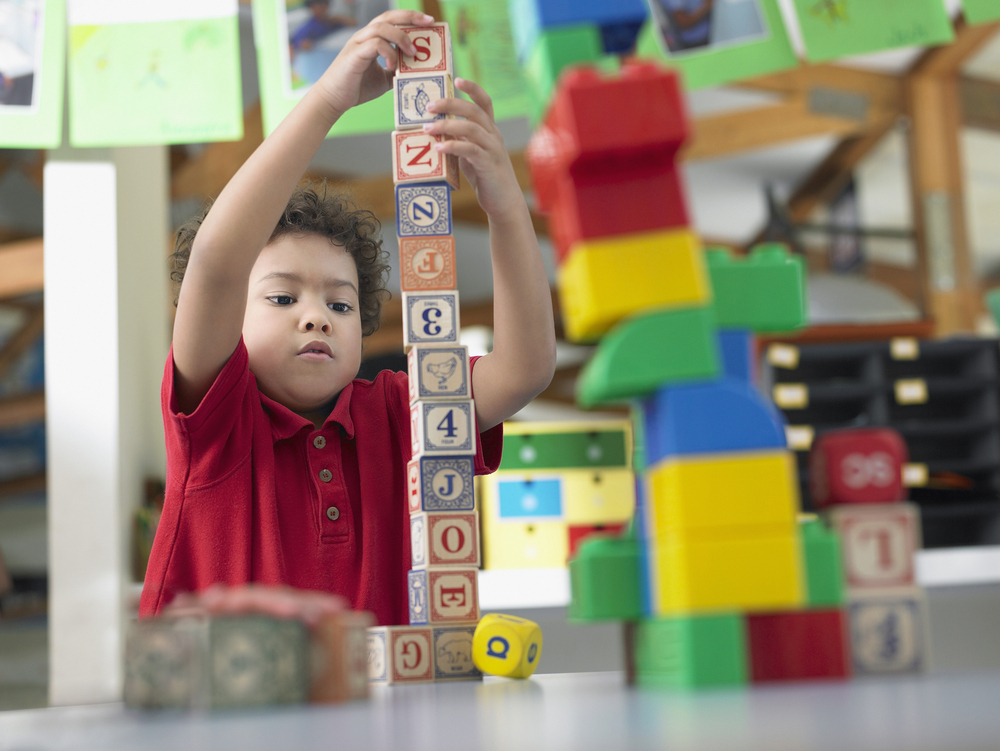





Vocabulary building is a crucial aspect of early childhood development that corresponds directly to a child's capacity to learn and communicate effectively. For parents and teachers, engaging in vocabulary-building activities, such as Vocabulary Building Matching for ages 3-6, offers significant educational value. During these formative years, children's brains are exceptionally receptive, making this the ideal time to introduce new words and concepts.
Vocabulary-building matching games provide a fun and interactive way for young learners to connect words with their meanings or appropriate contexts, reinforcing retention and comprehension. This activity not only enhances language skills but also supports cognitive development, improving reasoning and problem-solving abilities.
Additionally, a rich vocabulary lays the groundwork for later literacy skills; children with robust vocabularies are better equipped for reading, writing, and overall academic success. Vocabulary development can also foster social skills, as it allows children to express their thoughts and feelings more clearly, enhancing communication with peers and adults.
In essence, prioritizing vocabulary building, especially through engaging methods like matching games, nurtures a child’s love for language and learning while equipping them with essential skills for lifelong educational success. Parents and teachers play a vital role in this journey by facilitating enjoyable yet educational experiences.








