Number Sequencing Numbers up to 100 Worksheets for Ages 3-6
6 filtered results
-
From - To
Build a solid numerical foundation for young learners with our "Number Sequencing Numbers up to 100 Worksheets for Ages 3-6." These worksheets are expertly crafted to help children enhance their number recognition, counting, and sequencing skills. Perfectly tailored to early grade children, each activity is designed to engage and challenge kids, promoting confident and fun learning. Through colorful and interactive exercises, children will practice ordering numbers, filling in missing numbers, and more. These worksheets are ideal for classroom use or additional home practice, making math an exciting adventure from the very start! Visit now to download and support your child's learning journey.
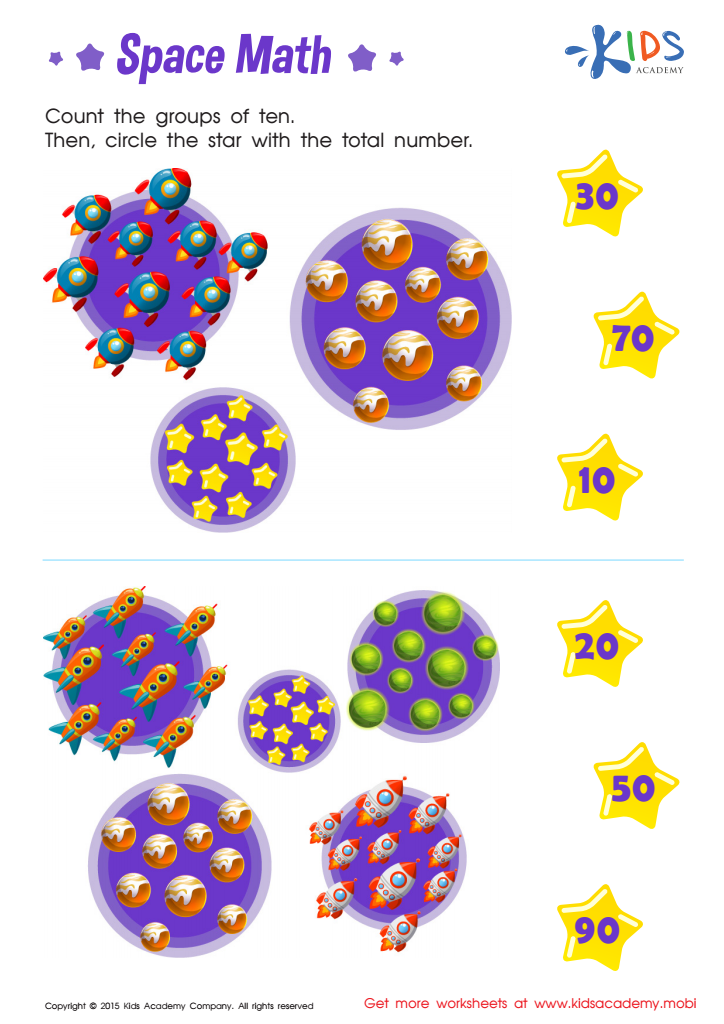
Learn dozens: Space math Worksheet
 Assign to My Students
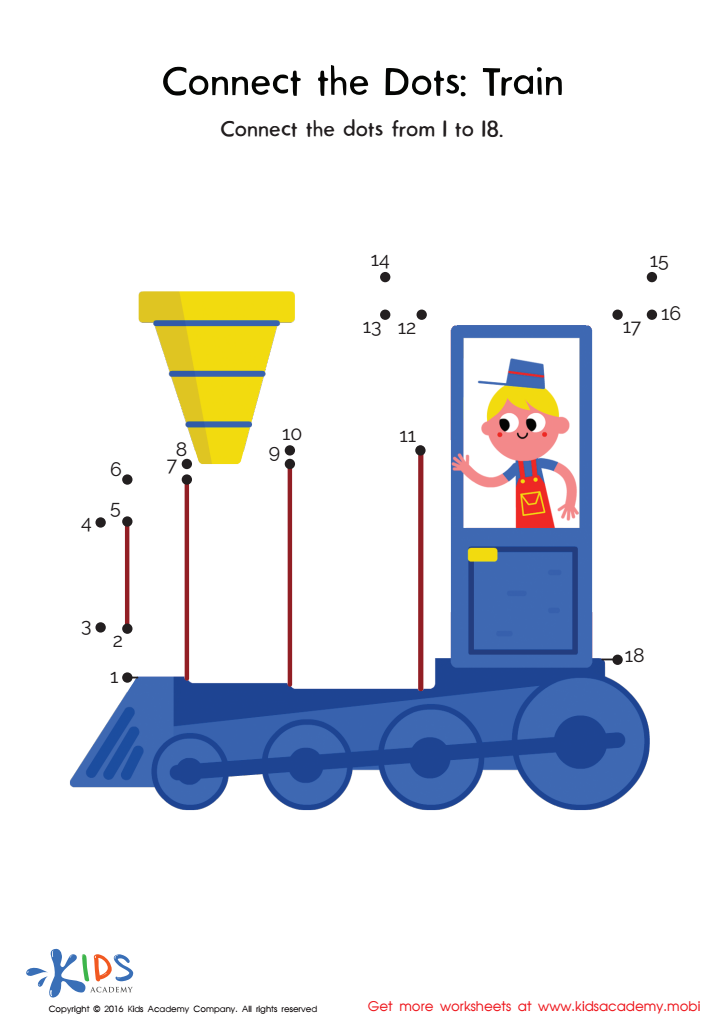
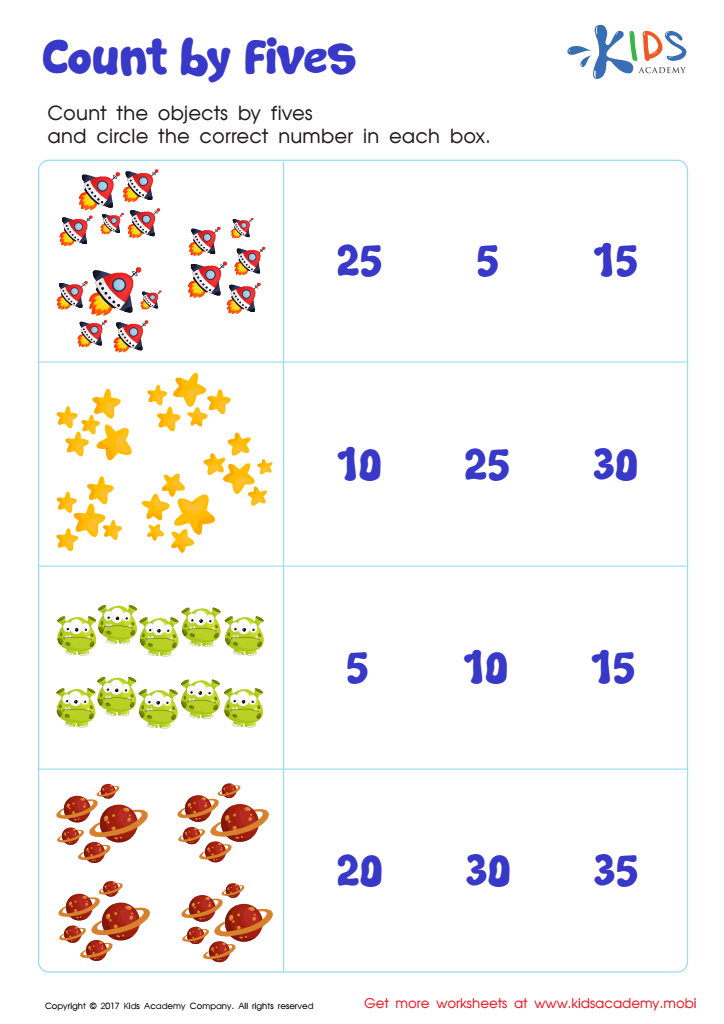
Skip Counting by 5s: Space Math Printable
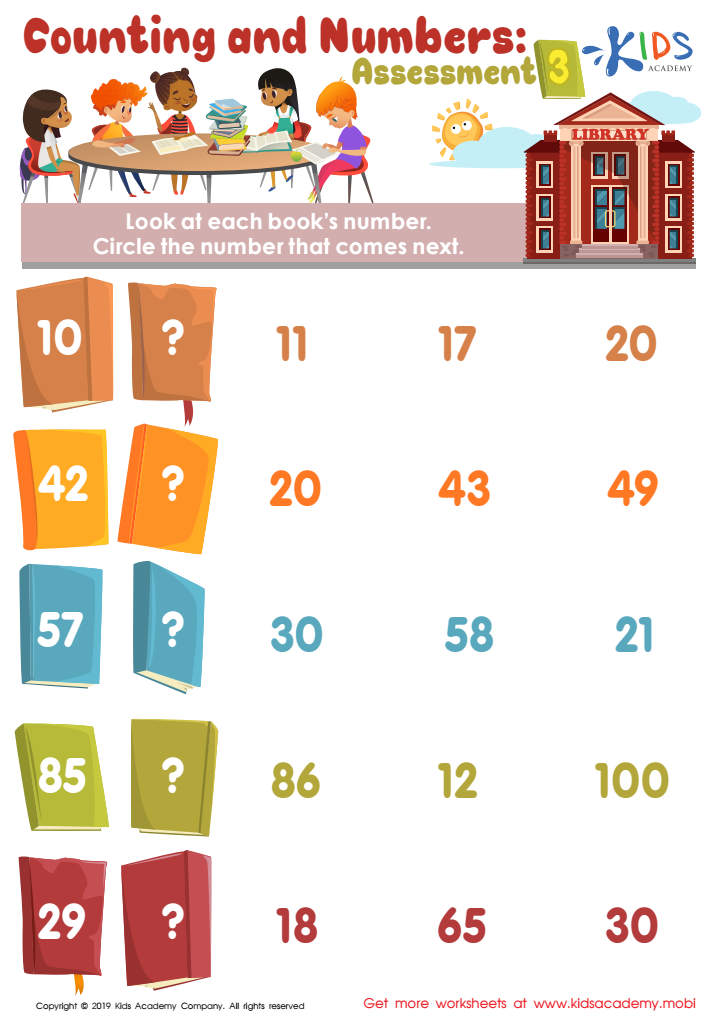
Counting and Numbers: Assessment Worksheet
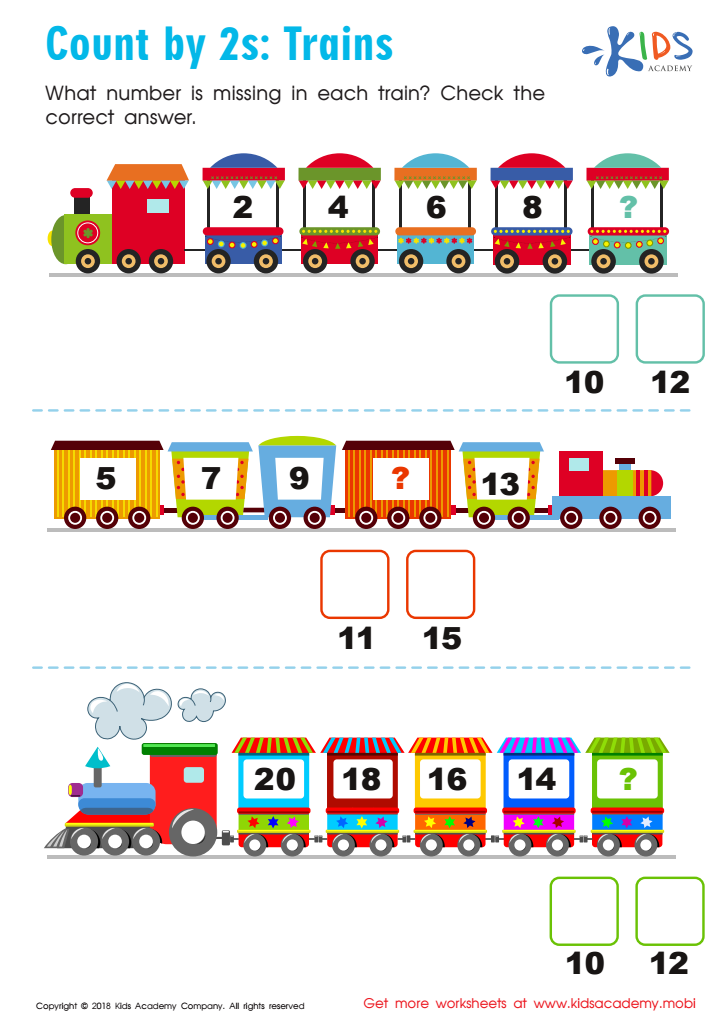
Count by 2's: Trains Worksheet
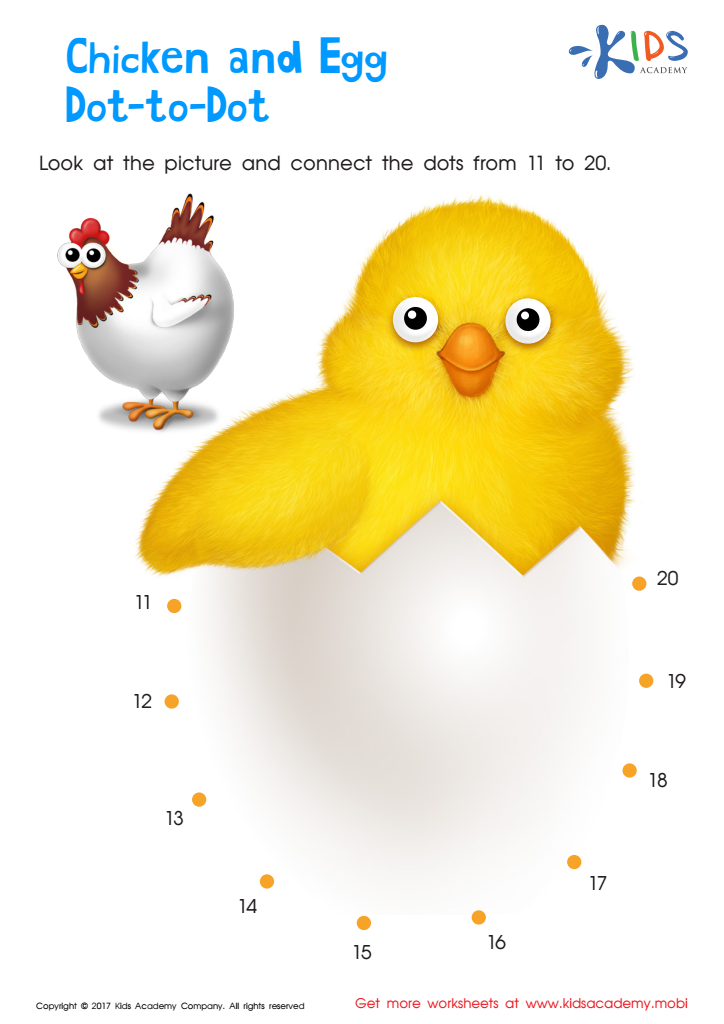
Ordering 11–20: Chicken & Egg Dot–to–dot Worksheet








Number sequencing for young children, particularly those aged 3-6, is vital for their mathematical foundation and cognitive development. At this formative age, understanding how numbers are ordered up to 100 is a cornerstone skill that underpins future learning in mathematics and improves overall logical thinking.
Parents and teachers should care about this concept because it fosters number sense, which is the ability to recognize, relate, and work with numbers instinctively. Mastery of counting and sequencing allows children to grasp the basic principles of addition, subtraction, and other mathematical operations essential for school readiness and beyond.
Furthermore, this skill extends beyond academics. It strengthens cognitive abilities like memory, problem-solving, and critical thinking. Practicing number sequencing helps children understand patterns and develop the ability to predict what comes next, skills that are beneficial in everyday decision-making.
In addition, it boosts children's confidence and readiness for future challenges. Being competent in fundamental math skills equips them with a sense of achievement and motivates a positive attitude towards learning more complex mathematical concepts. Therefore, prioritizing number sequencing in early education supports a child's all-round development and sets the stage for academic success.








