Categorizing objects Science Worksheets for Ages 3-6
4 filtered results
-
From - To
Explore our engaging "Categorizing Objects" science worksheets designed for children aged 3-6! These worksheets offer a fun and interactive way for young learners to identify and classify various objects by their characteristics. By categorizing items based on color, shape, size, and other attributes, children will enhance their observational skills and critical thinking. Our easy-to-use worksheets are perfect for classroom learning or at-home activities, providing an excellent resource to spark curiosity about the world. Foster a love for science in your little ones as they develop important cognitive skills while having fun! Download and start categorizing today!
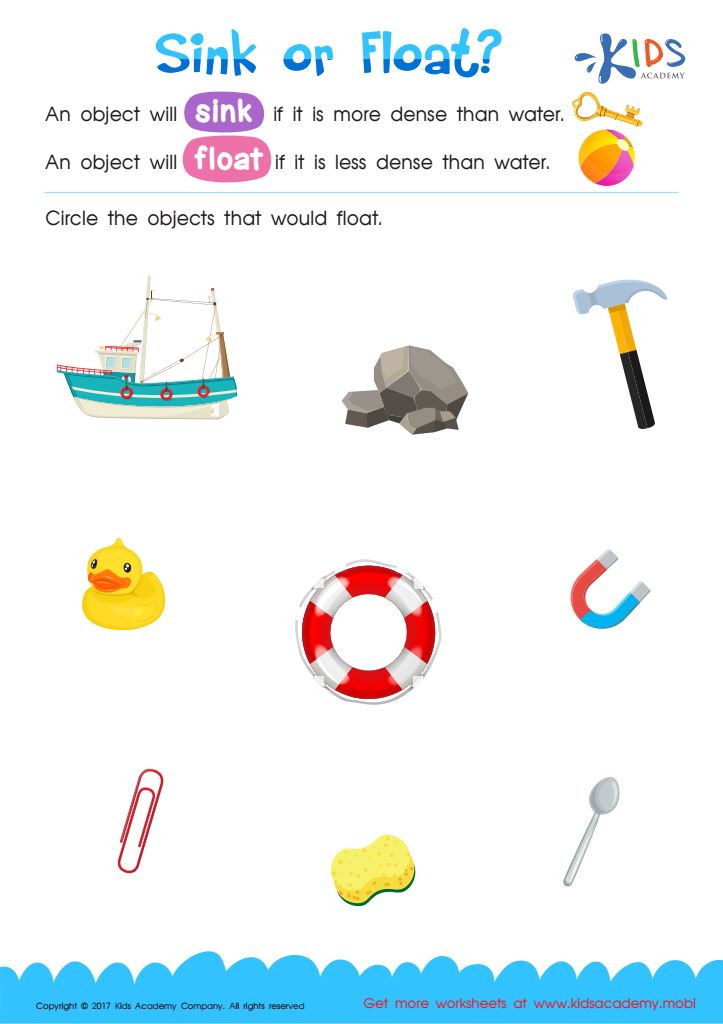
Sink or Float Printable
 Assign to My Students
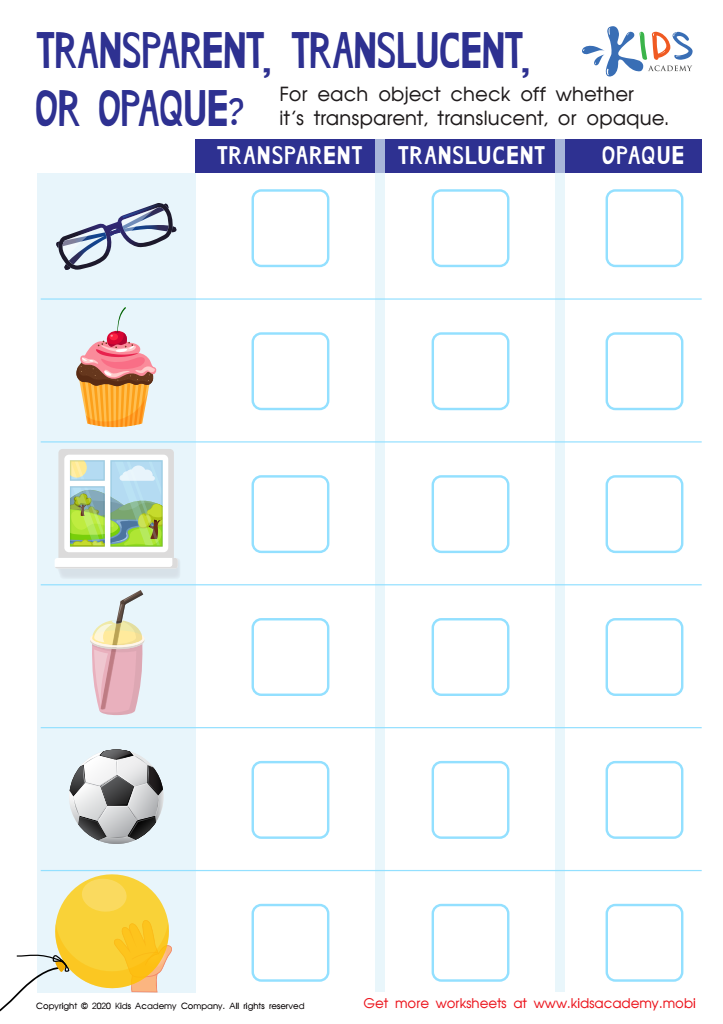
Transparent, Translucent, or Opaque Worksheet
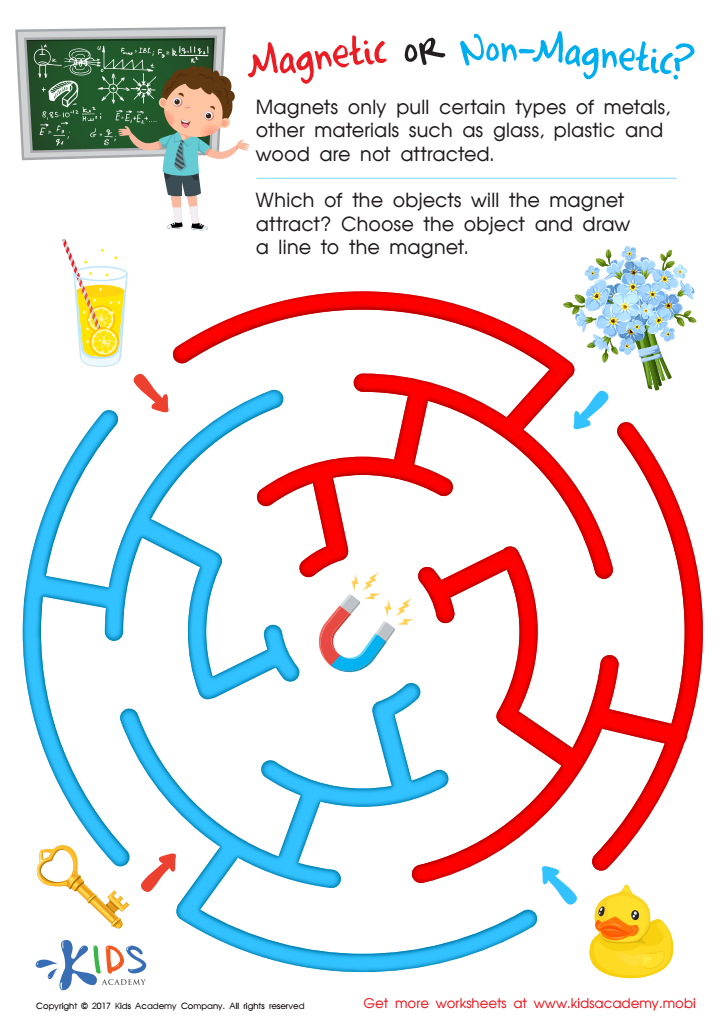
Magnetic or Non–Magnetic Worksheet
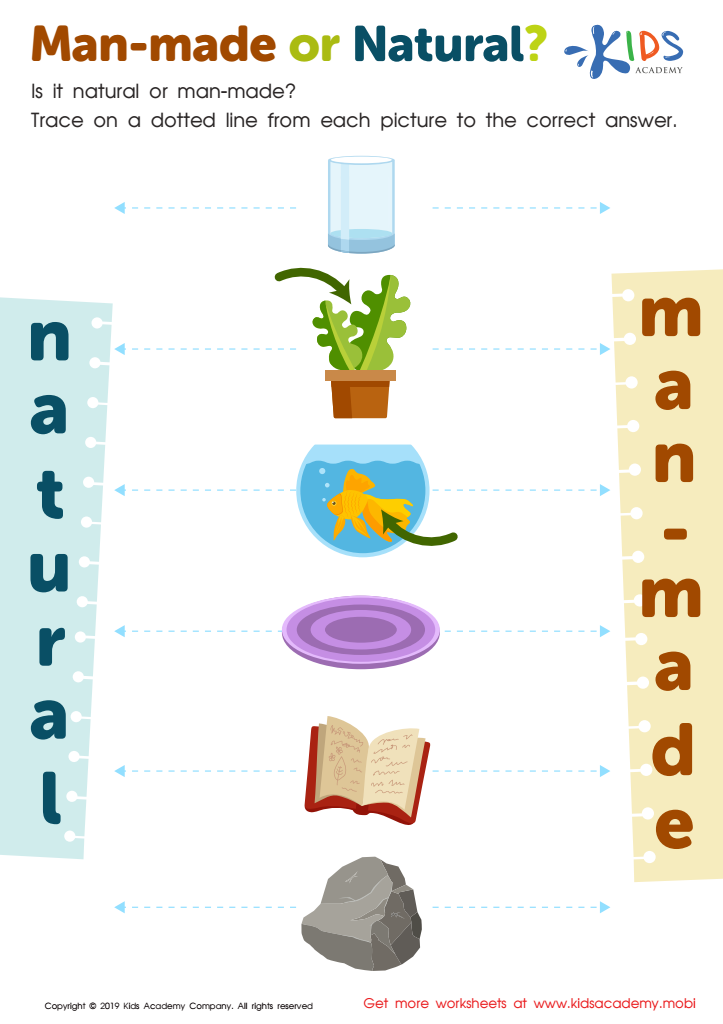
Man-Made or Natural? Worksheet







Categorizing objects is a vital foundational skill for children aged 3-6, impacting their understanding of the world and supporting cognitive development. Parents and teachers should care about this aspect of learning because it cultivates critical thinking and problem-solving skills. When children sort objects based on similarities and differences—such as color, shape, or size—they learn to recognize patterns and make connections.
This fundamental skill aids in language development as children articulate their reasoning behind categorization, helping to expand their vocabulary and communication abilities. Additionally, categorization promotes organizational skills, encouraging children to structure their thoughts and ideas in a logical way.
Engaging in categorization also has mathematical implications; it laid the groundwork for future skills such as counting, sorting, and understanding fractions. Beyond academics, learning how to categorize enhances social skills by encouraging cooperative play and interaction when sorting or organizing items with peers.
In fostering a joy for discovery and exploration, parents and teachers can establish a learning environment rich in curiosity. This early incorporation of categorizing objects shapes children into effective learners, setting a solid foundation for lifelong cognitive and social skills. Thus, investing time in this fundamental activity can yield profound long-term benefits.







