Physical Science Worksheets for Ages 3-6 - Page 3
50 filtered results
-
From - To
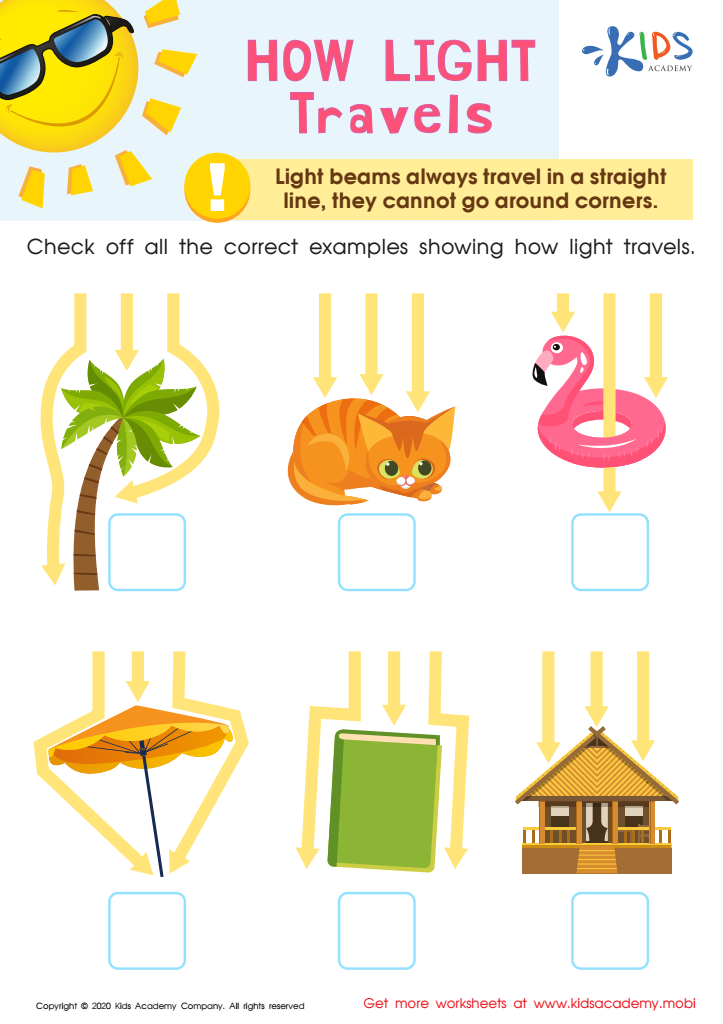
How Light Travels Worksheet
 Assign to My Students
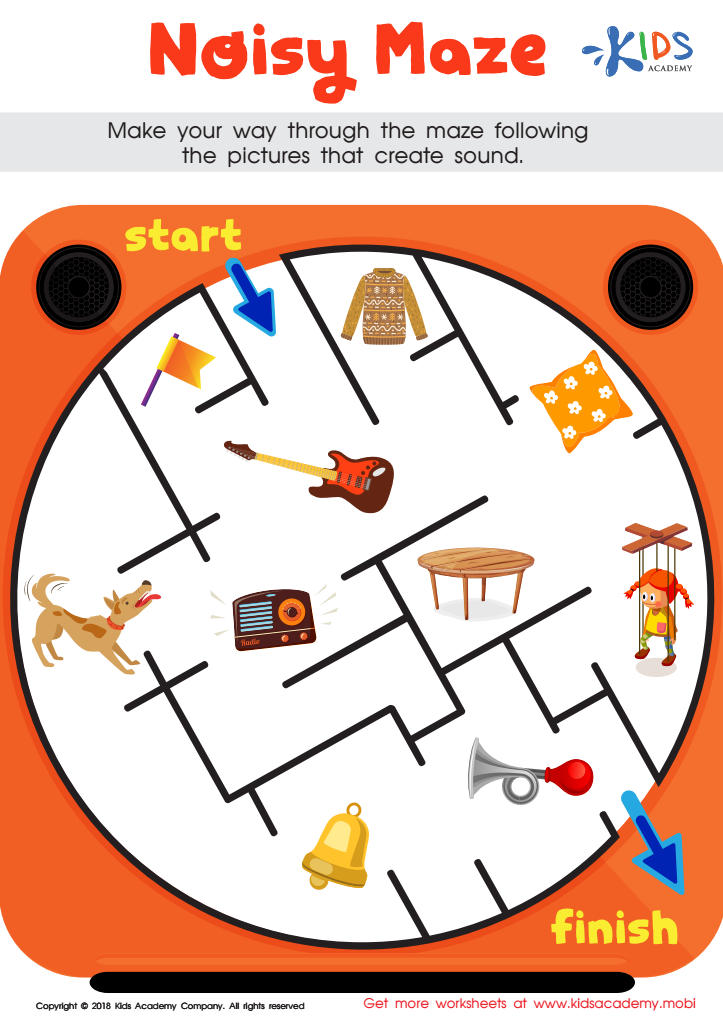
Noisy Maze Worksheet






Physical science for young children, ages 3-6, plays a critical role in their overall development and understanding of the world. At this age, children are naturally curious and constantly exploring their environment. Introducing them to basic physical science concepts can nurture this curiosity, laying a strong foundation for future scientific learning.
Engaging with physical science helps develop essential skills such as observation, critical thinking, and problem-solving. Through simple, interactive experiments, like mixing water with different substances or exploring magnets, children learn about cause and effect, the properties of materials, and fundamental principles like gravity. This hands-on learning is crucial for cognitive development and can make complex ideas accessible and exciting.
Furthermore, early exposure to science fosters a sense of wonder and creativity. It encourages children to ask questions, hypothesize, and explore multiple solutions to problems. These experiences not only build their scientific knowledge but also boost their confidence and enthusiasm for learning in general.
For parents and teachers, incorporating physical science into early education can be a collaborative and enriching experience that strengthens the bond with the child. By fostering a supportive environment where scientific exploration is encouraged, adults can help children develop a lifelong passion for learning and discovery.







