Community Worksheets for Ages 3-6 - Page 4
105 filtered results
-
From - To
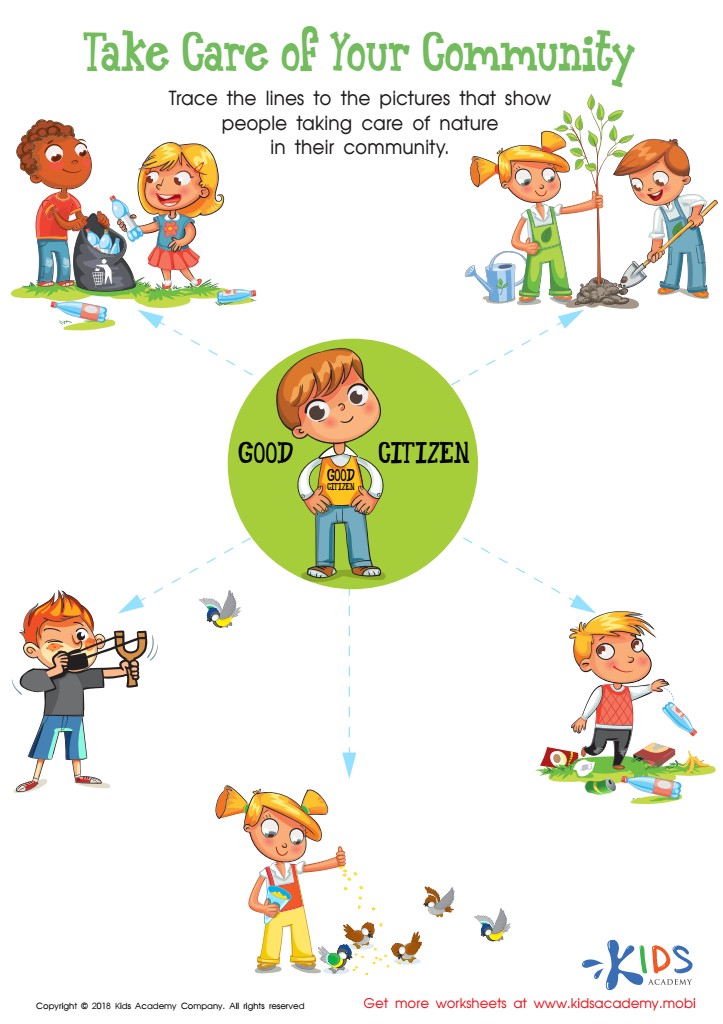
Take Care of your Community Worksheet
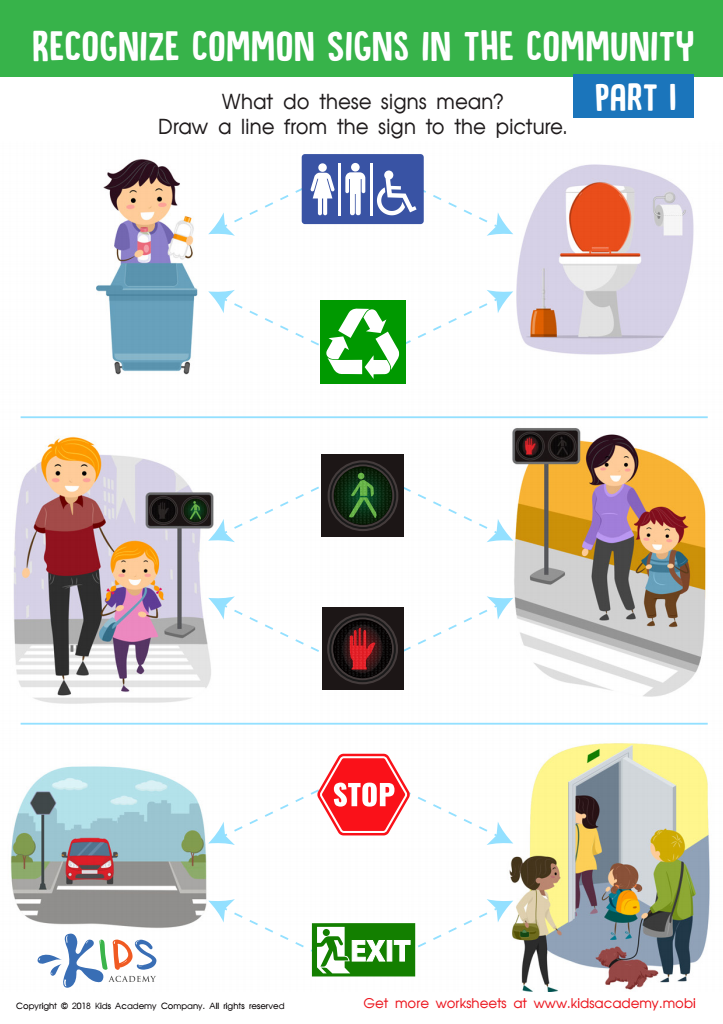
Recognize Common Signs: Part 1 Worksheet
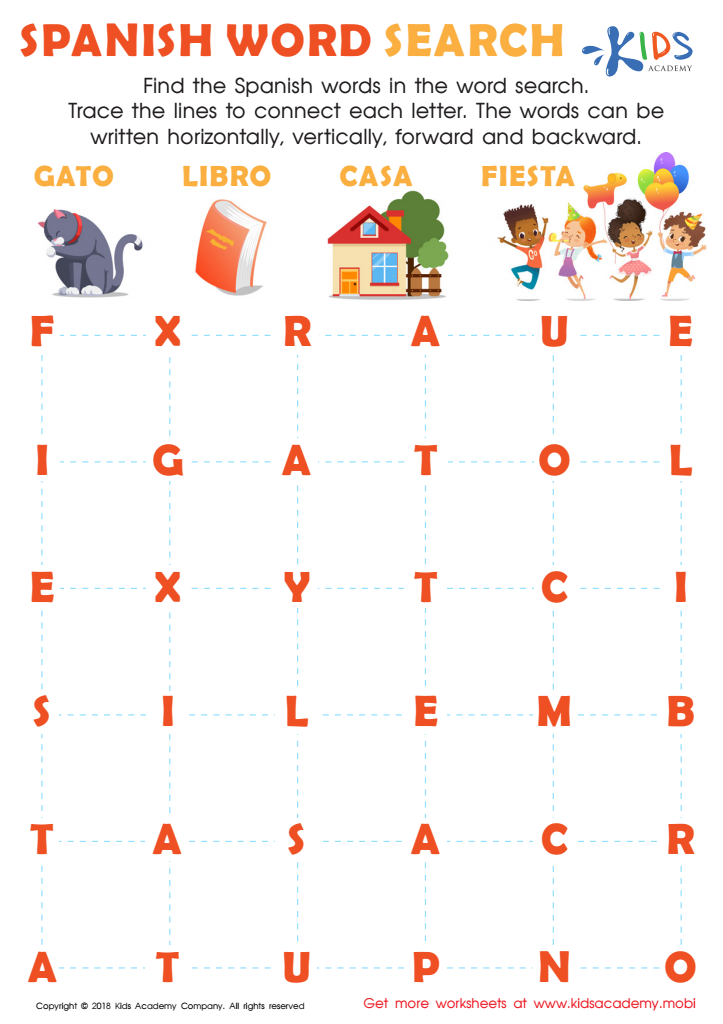
Spanish Word Search Worksheet
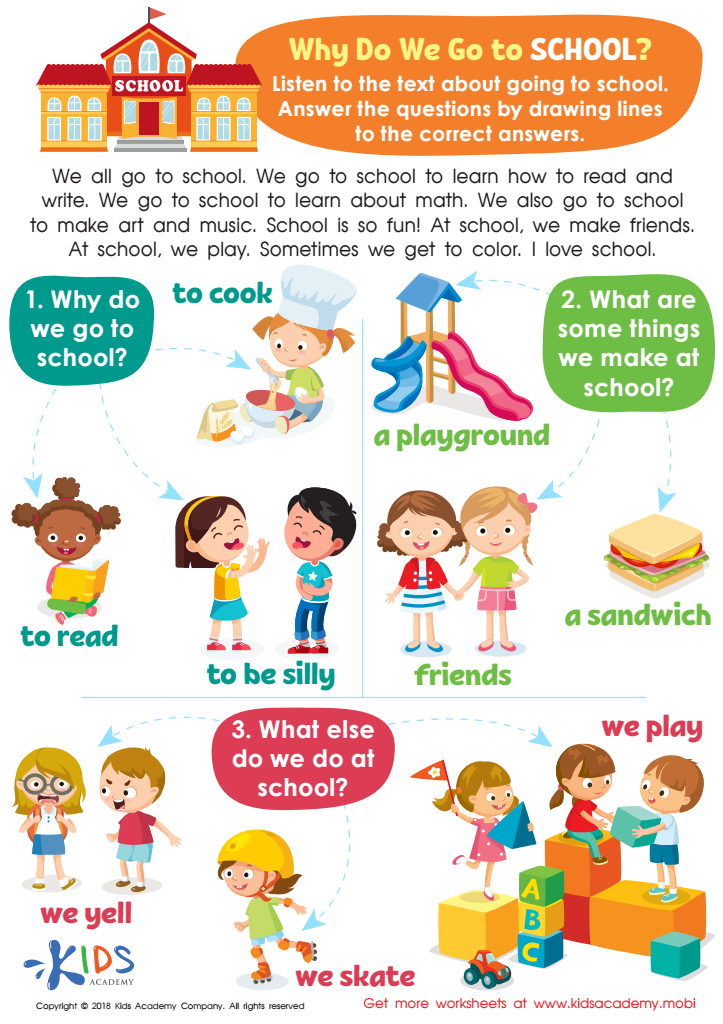
Why Do We Go To School? Worksheet
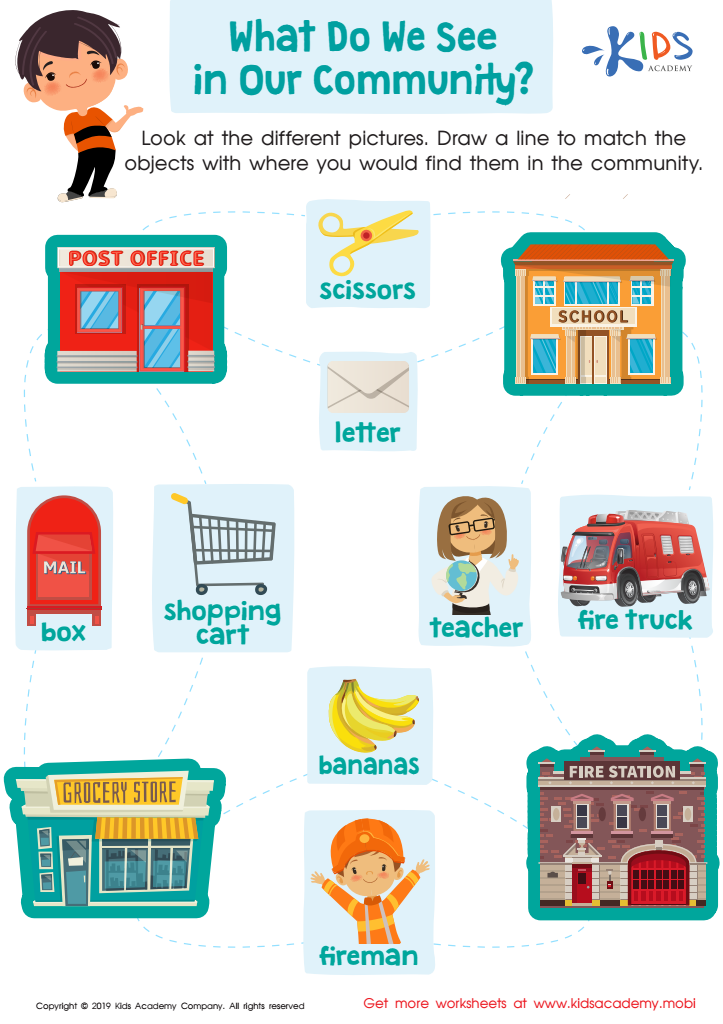
What Do We See in our Community? Worksheet
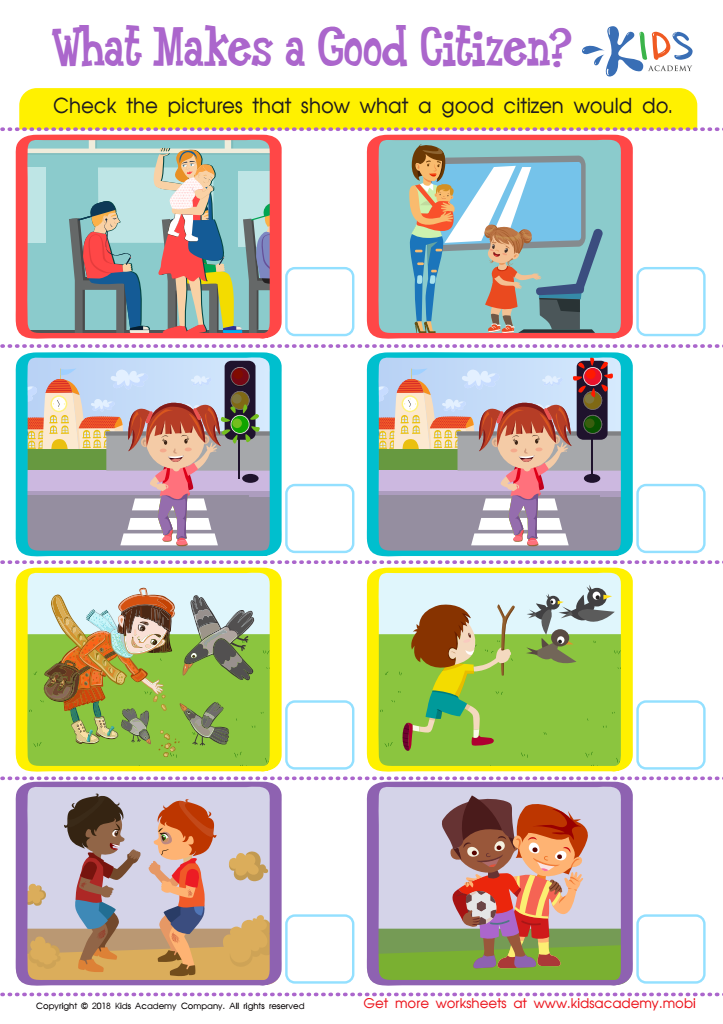
What Makes a Good Citizen? Worksheet
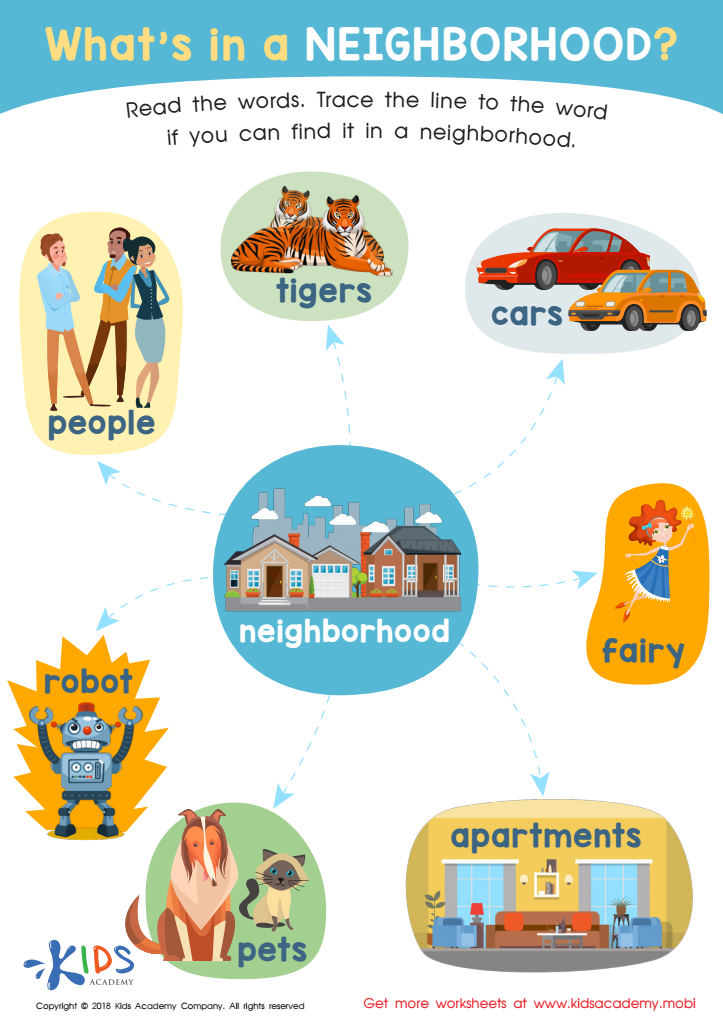
What's in a Neighborhood? Worksheet
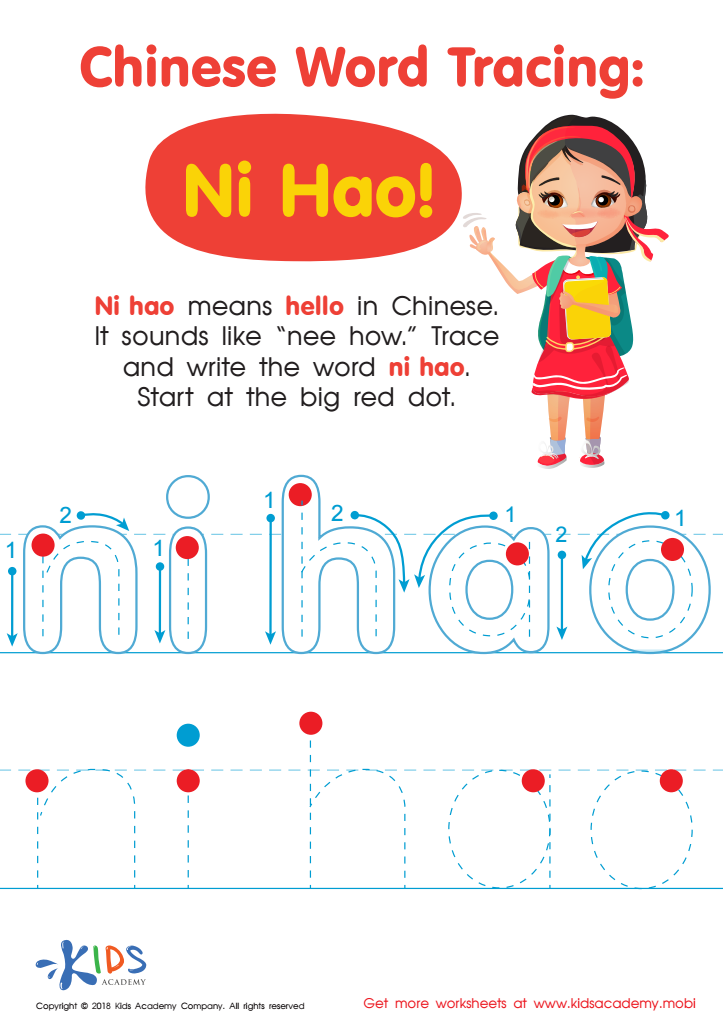
Chinese Word Tracing: Ni Hao Worksheet
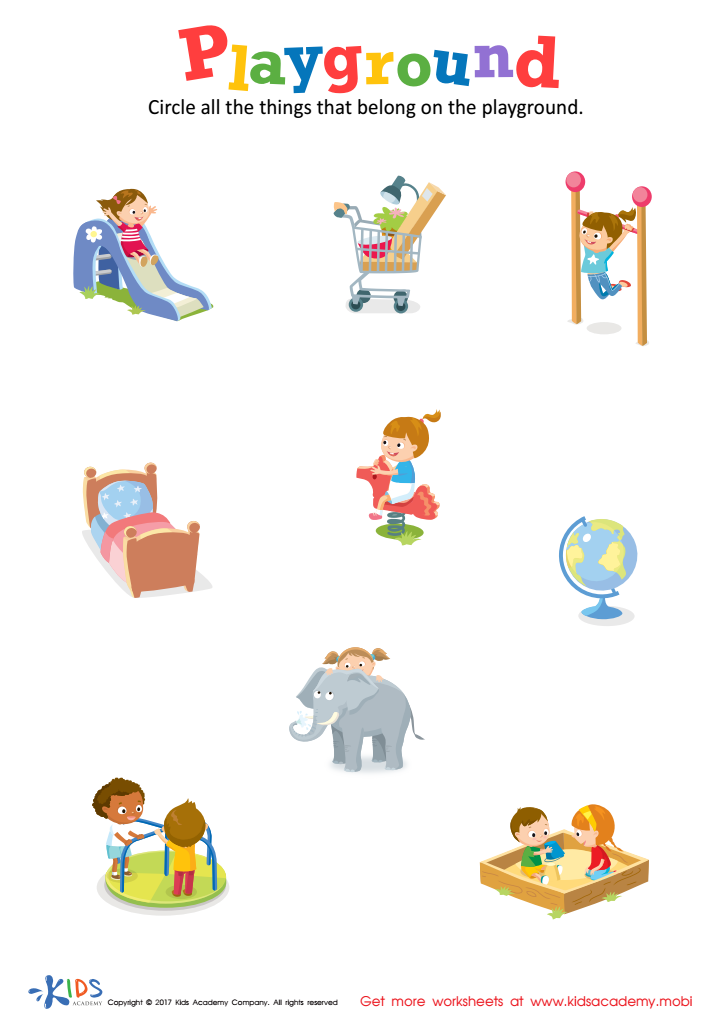
Playground Worksheet
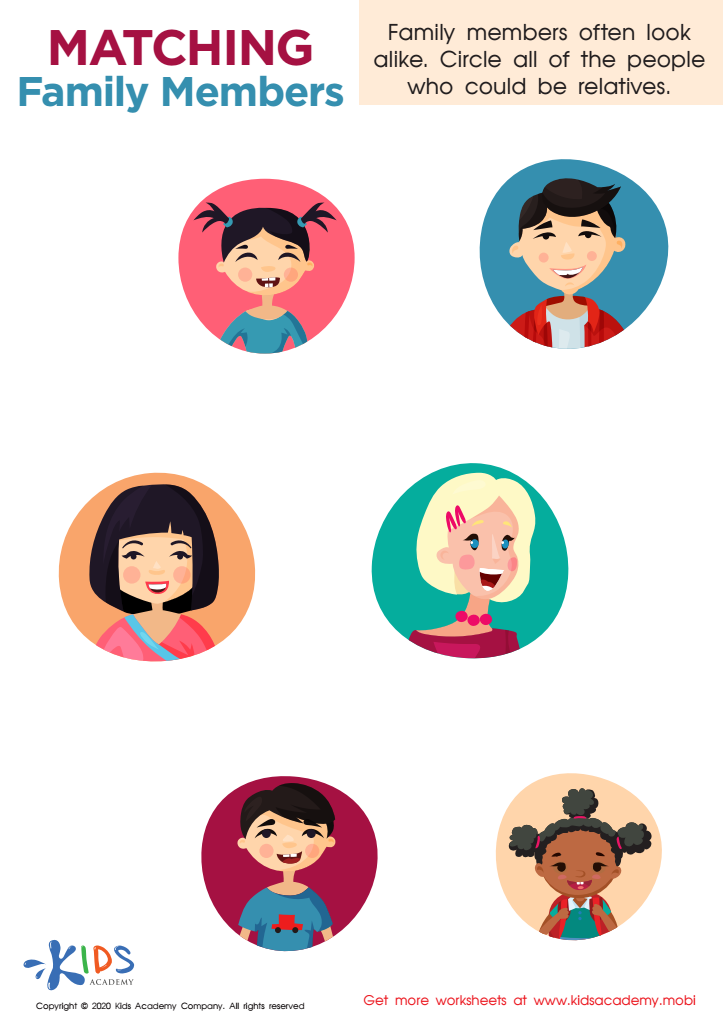
Matching Family Members Worksheet
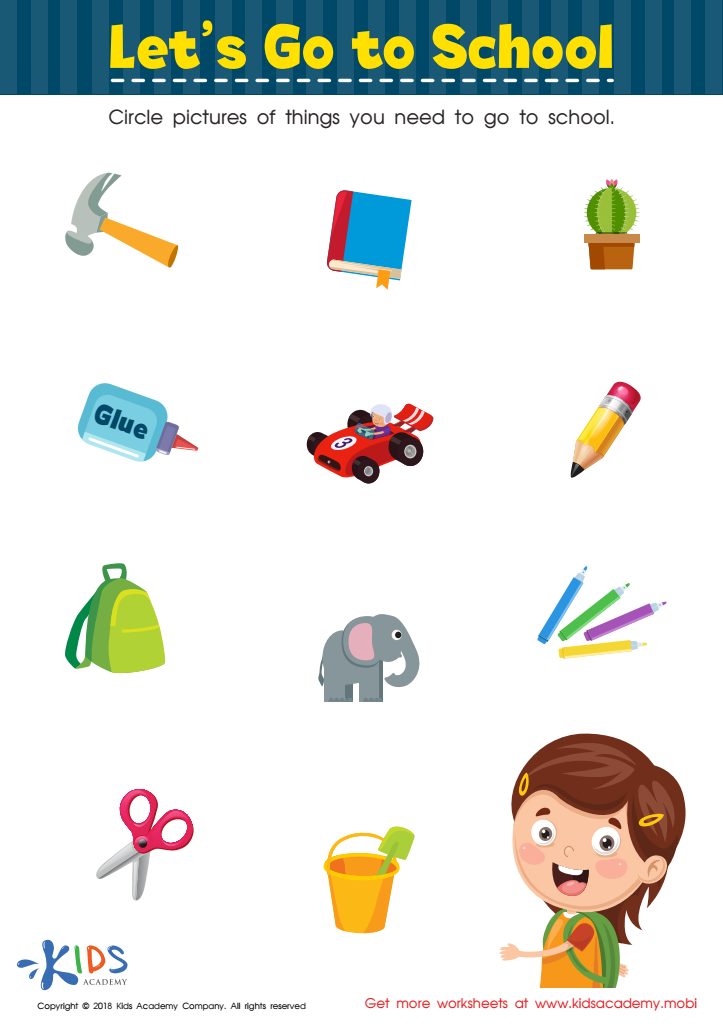
Let's Go to School! Worksheet

Towns Worksheet
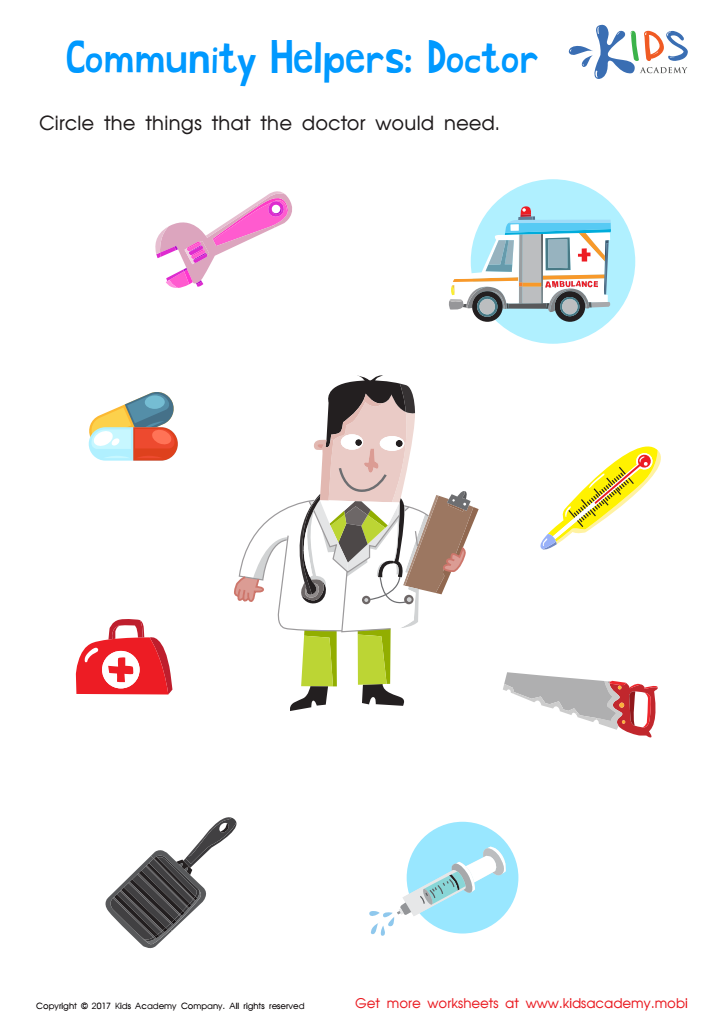
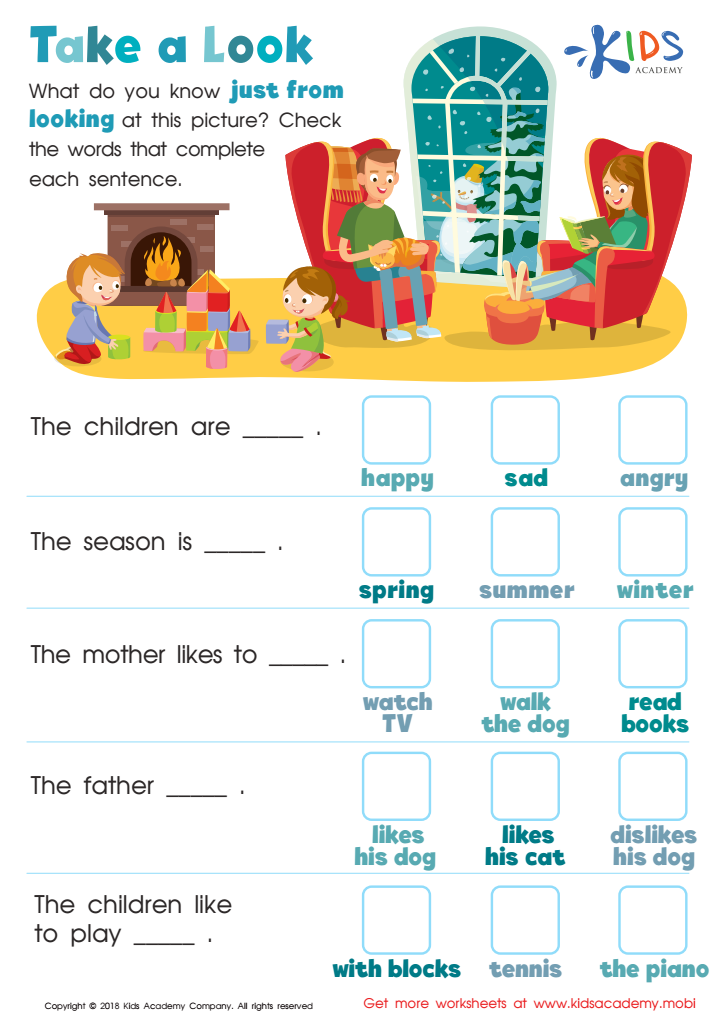
Take a Look - Part 1 Worksheet
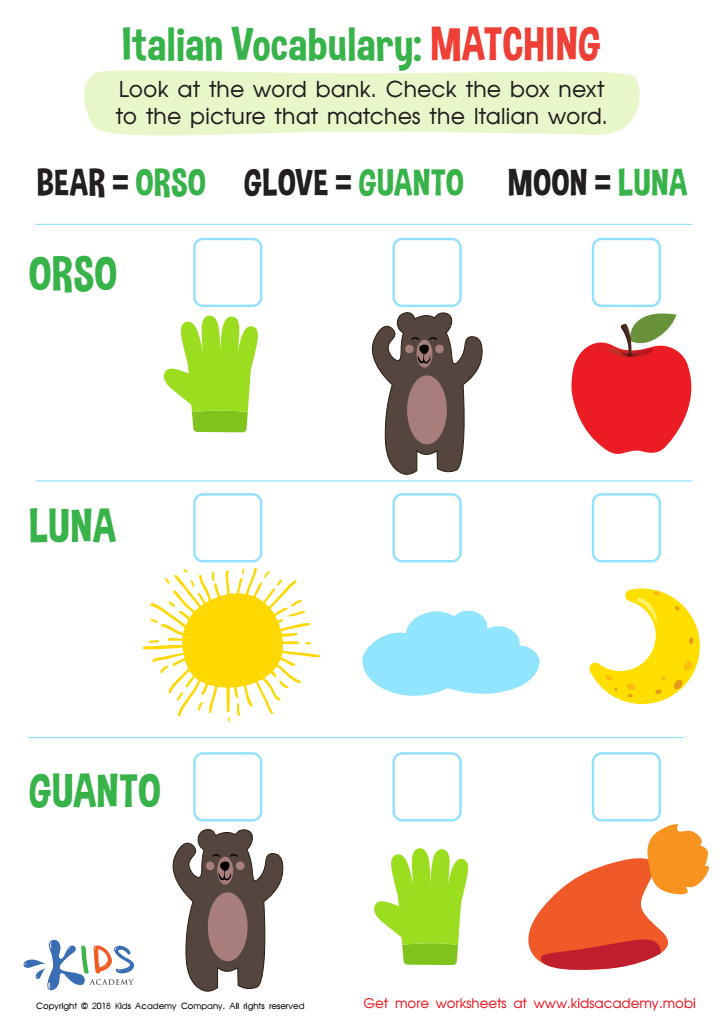
Italian Vocabulary Matching Worksheet
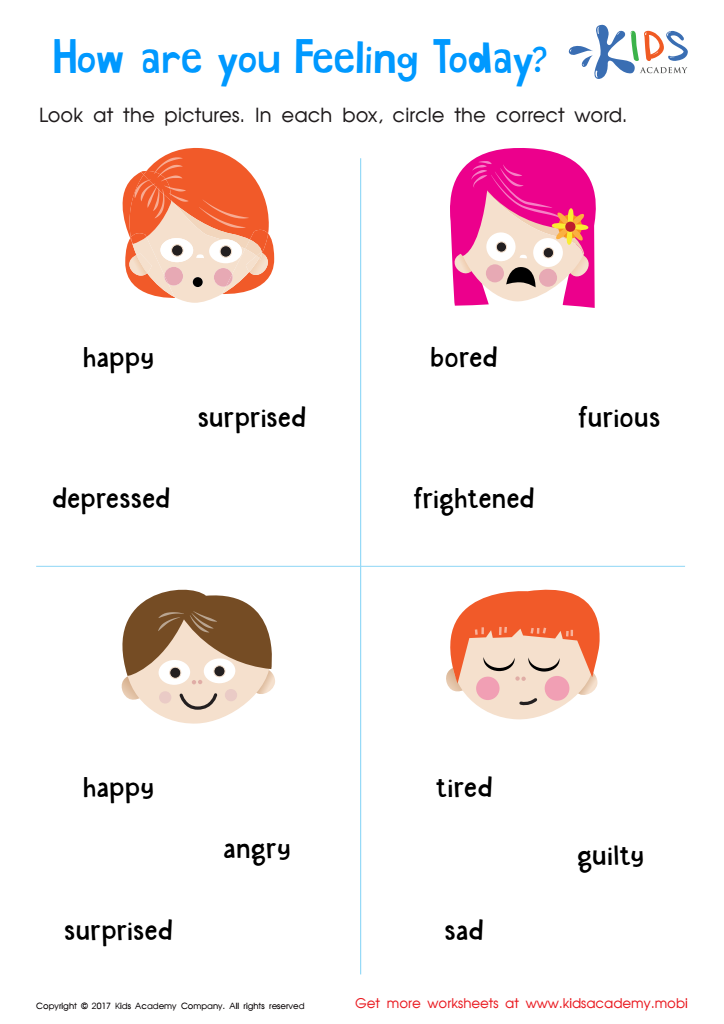
Understanding Feelings Worksheet
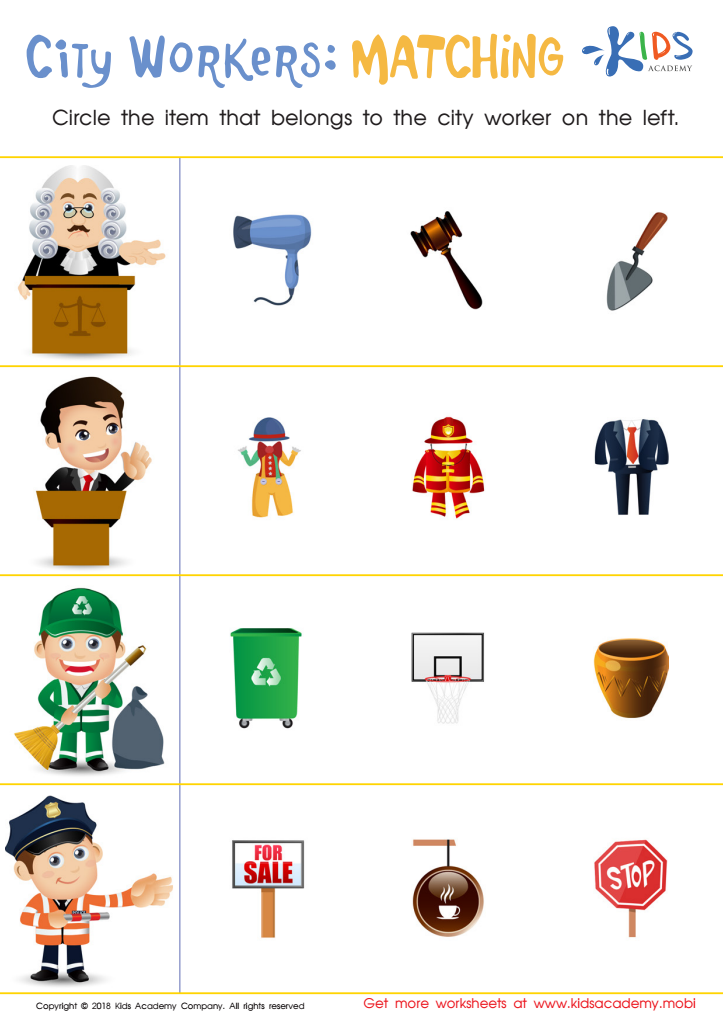
City Workers: Matching Worksheet
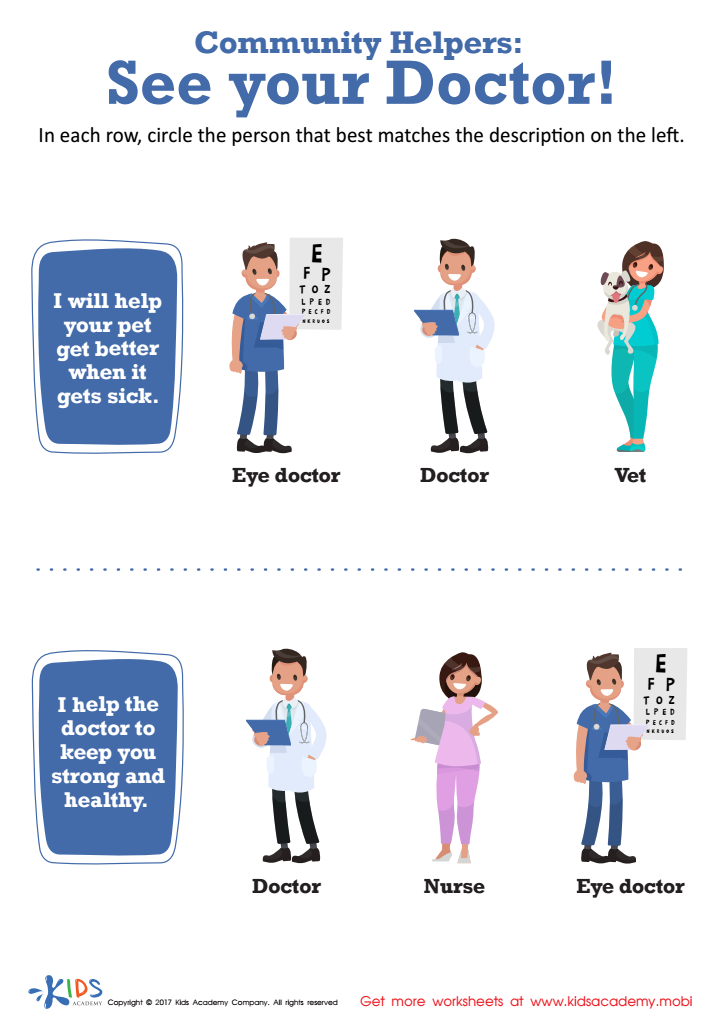
See Your Doctor (Part 2) Printable
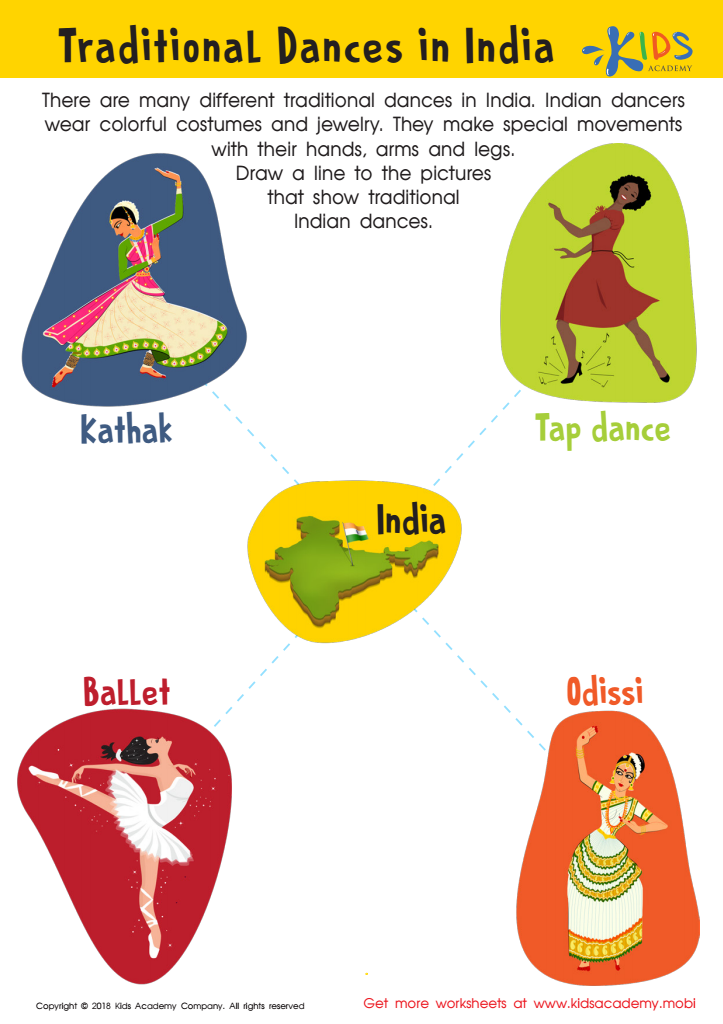
Traditional Dances in India Worksheet
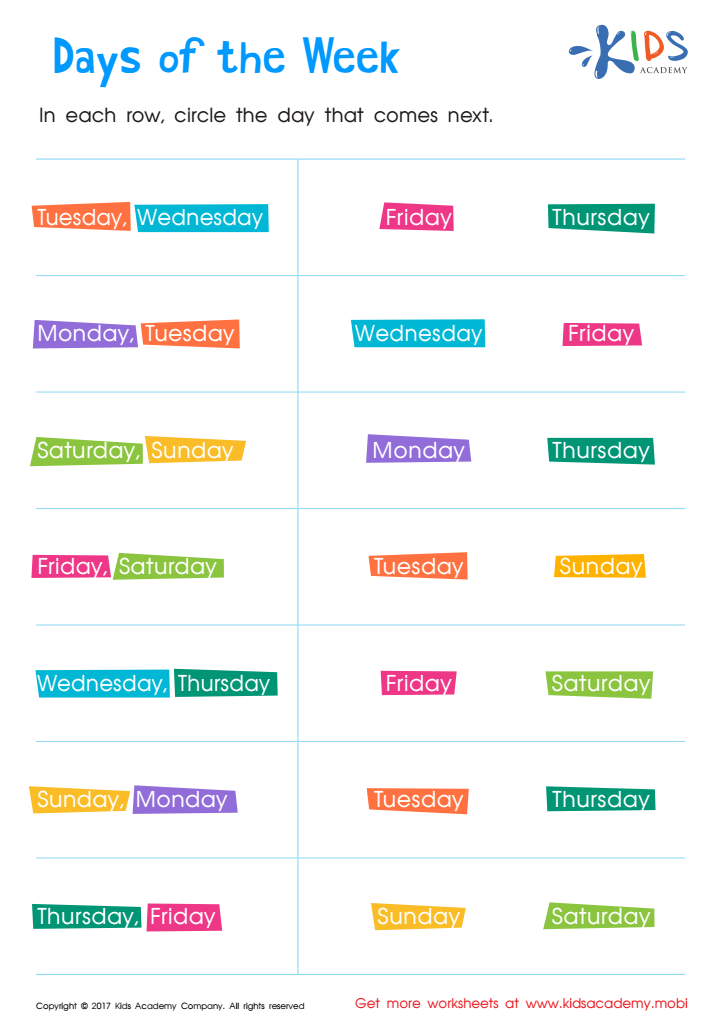
Days of the Week Worksheet
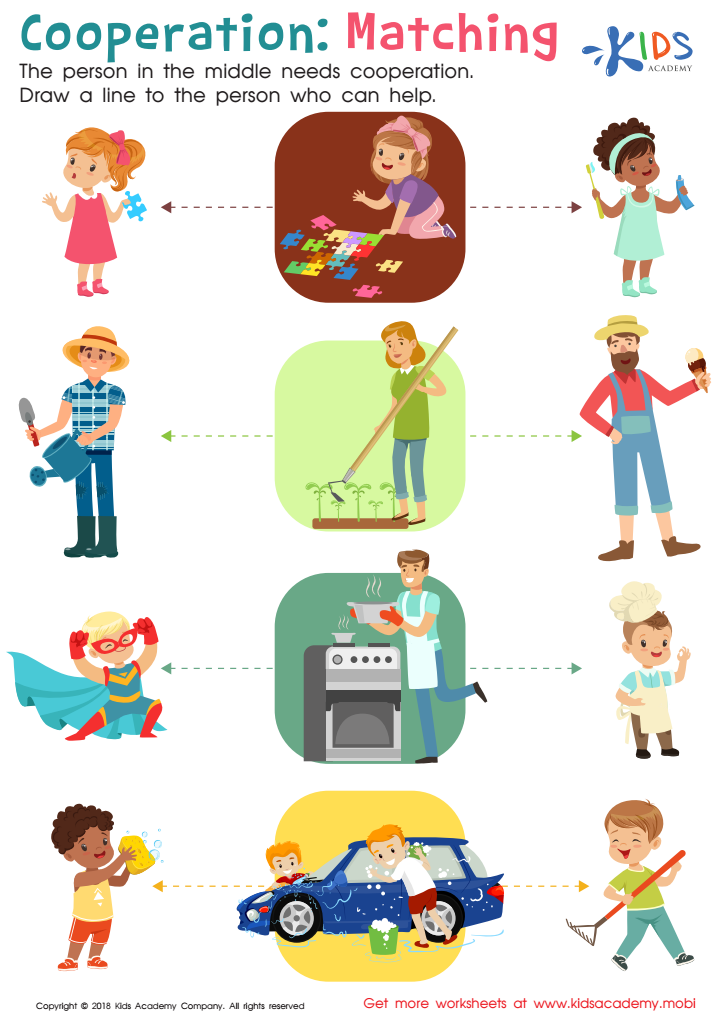
Cooperation: Matching Worksheet
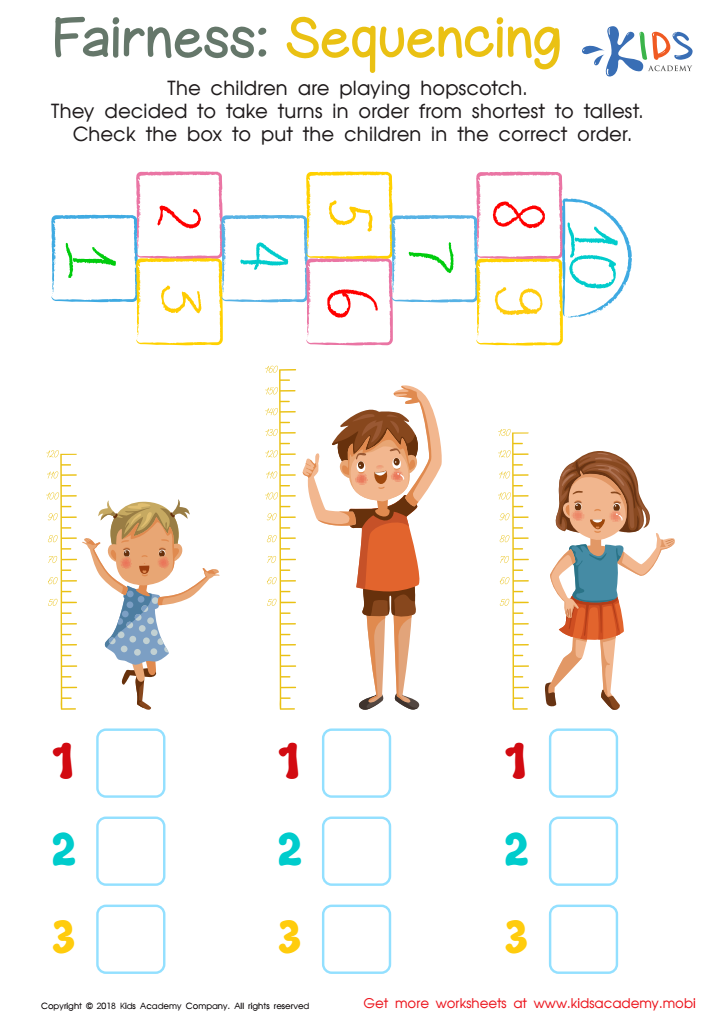
Fairness: Sequencing Worksheet

Family Coloring Page
 Assign to My Students
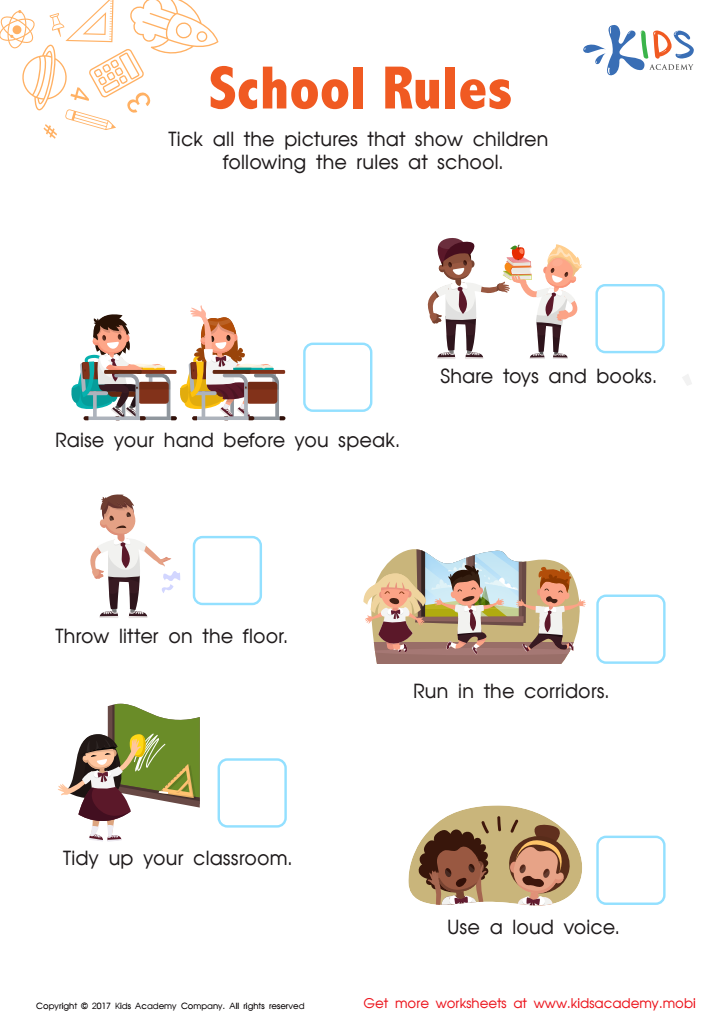
School Rules Worksheet







Parents and teachers should care about community for children ages 3-6 because it lays the foundation for social, emotional, and cognitive development. At this critical age, children are naturally curious and learn best through exploration and interaction with their environment. A strong community provides them with diverse experiences, helping to build their social skills as they engage with peers and adults.
Community settings encourage cooperation, sharing, and communication, essential skills that enable children to navigate social situations. Furthermore, these settings expose children to different cultures, perspectives, and ideas, fostering inclusivity and empathy from a young age.
Additionally, parents and teachers can benefit from a strong community. Networking with others enriches their own parenting and teaching practices through shared resources and support. A collaborative community can create a nurturing environment that enhances children's learning experiences through various activities, such as playgroups, storytimes, and family events.
Ultimately, investing in community development benefits everyone, creating a safe, engaging, and supportive environment where young children can thrive, fostering not just individual growth but a collective one that strengthens the fabric of society.








