Fine Motor Skills ABC Letters Worksheets for Ages 3-7 - Page 2
38 filtered results
-
From - To
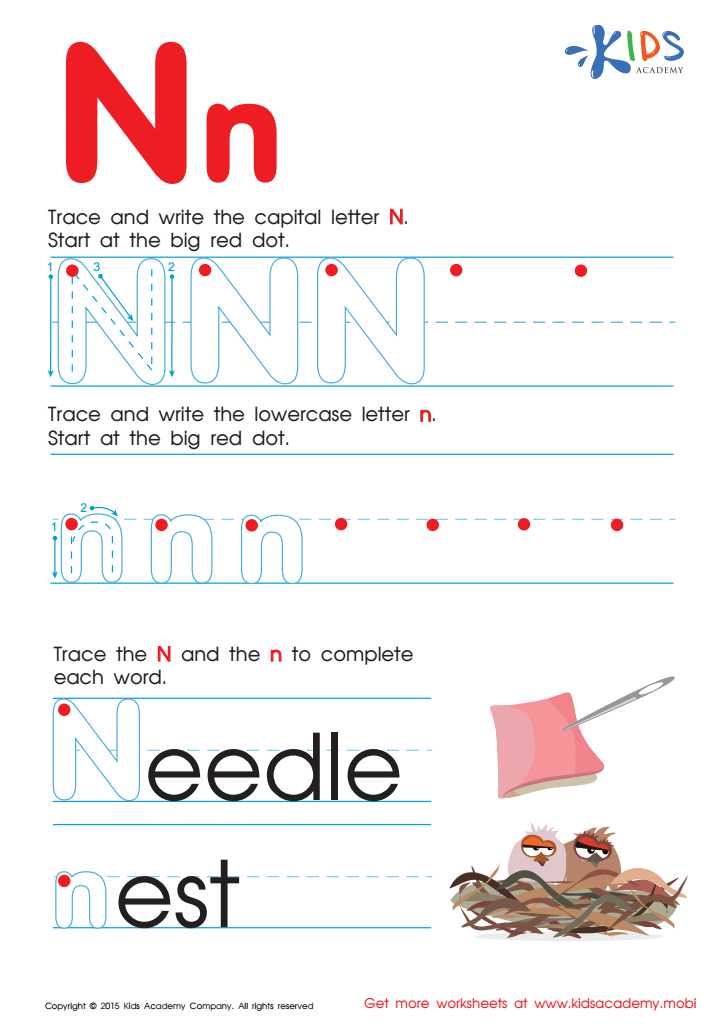
Letter N Tracing Page










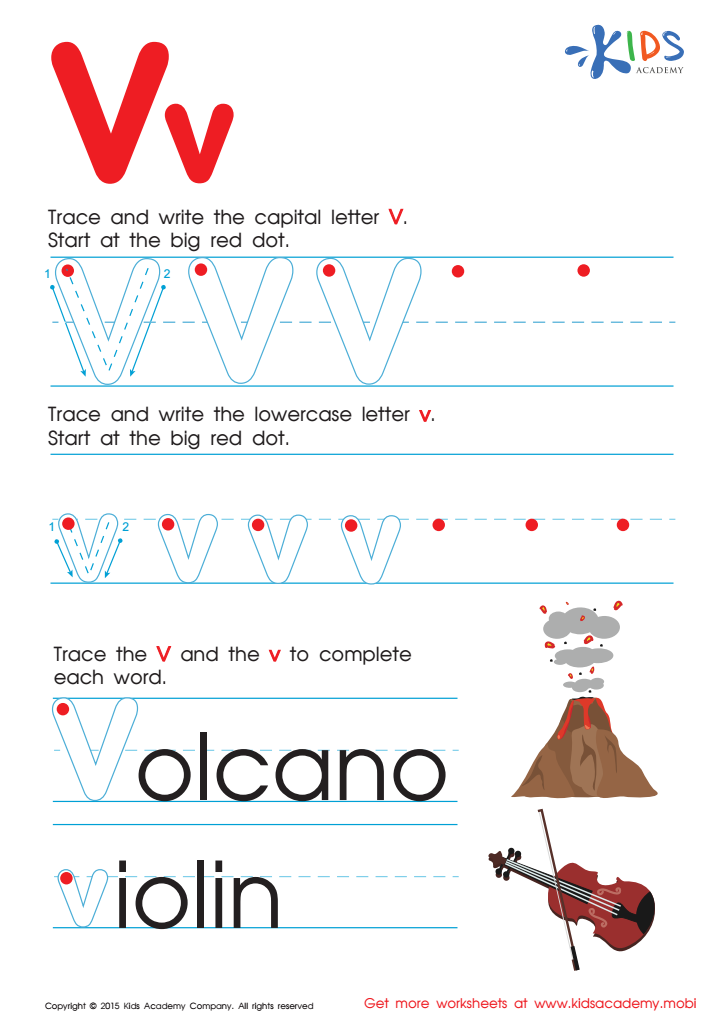
Letter V Tracing Page
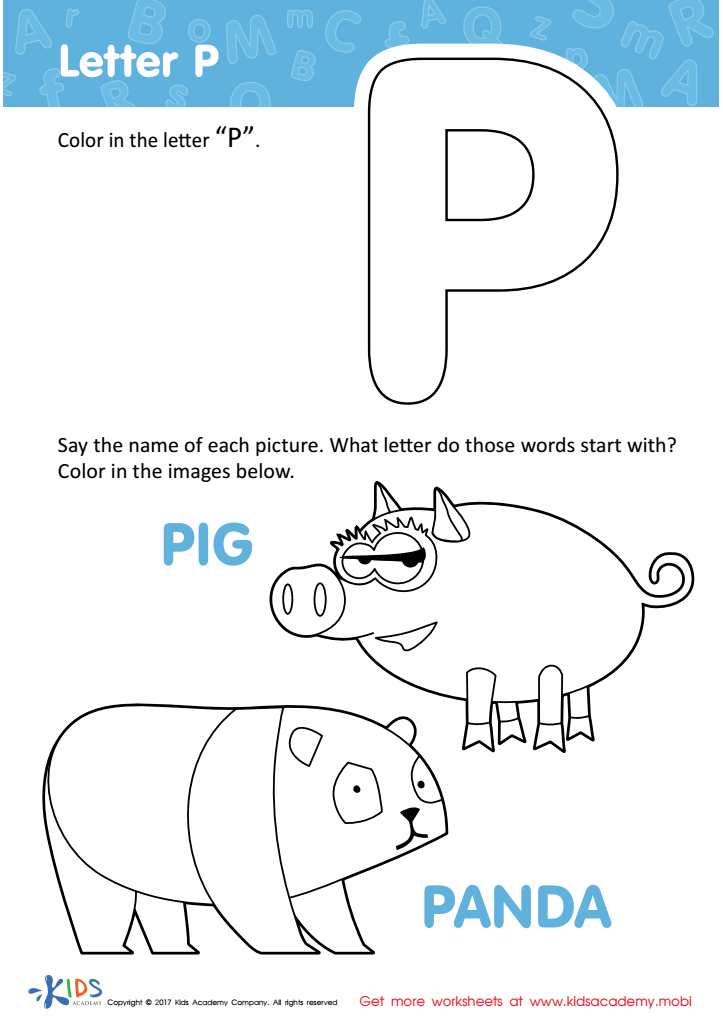
Letter P Coloring Sheet
 Assign to My Students
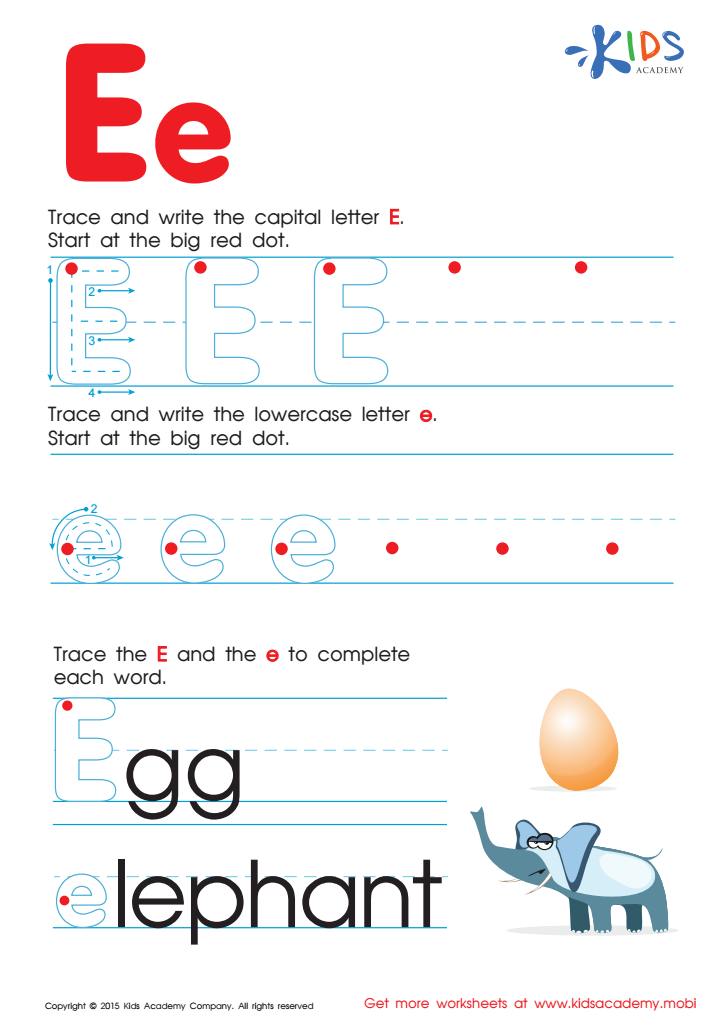
Letter E Tracing Page
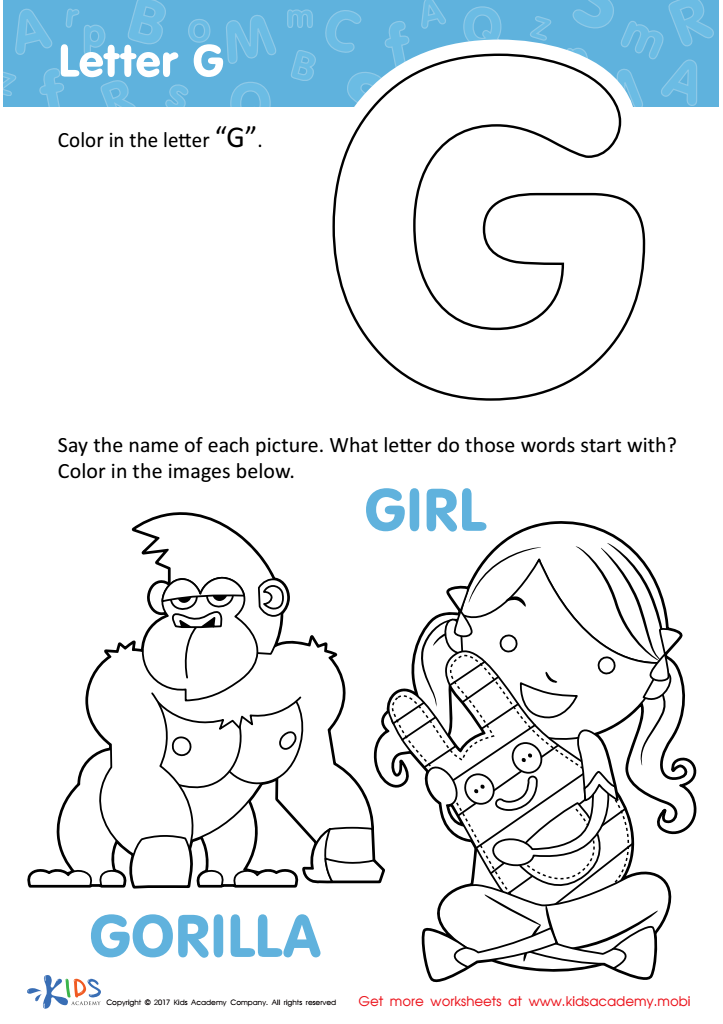
Letter G Coloring Sheet
Assign to My Students
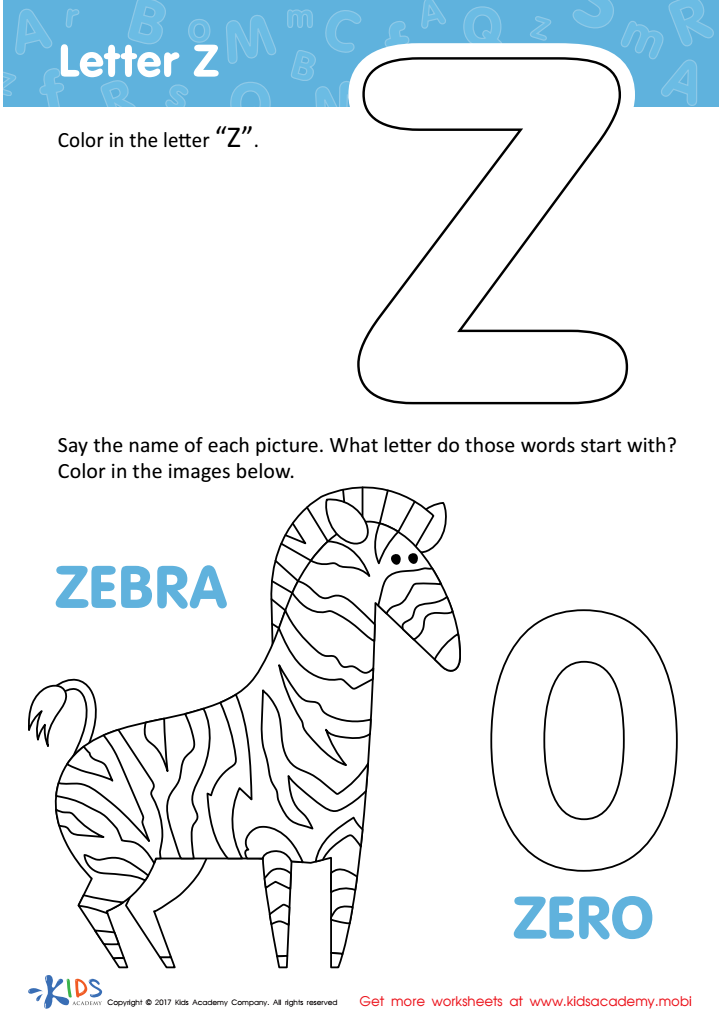
Letter Z Coloring Sheet
Assign to My Students
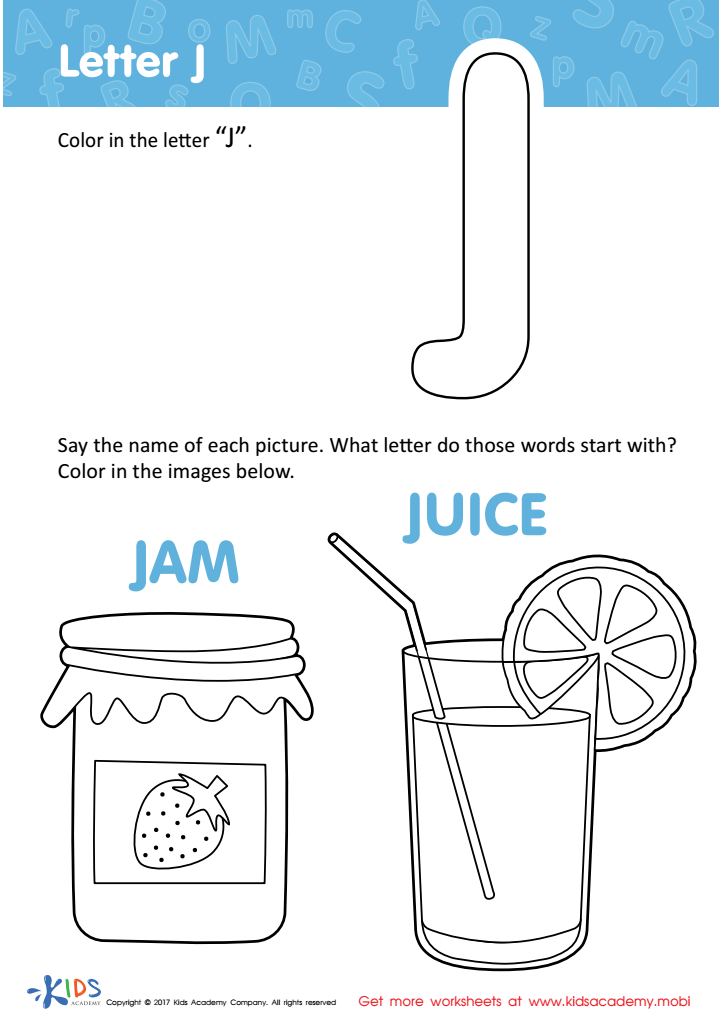
Letter J Coloring Sheet
Assign to My Students
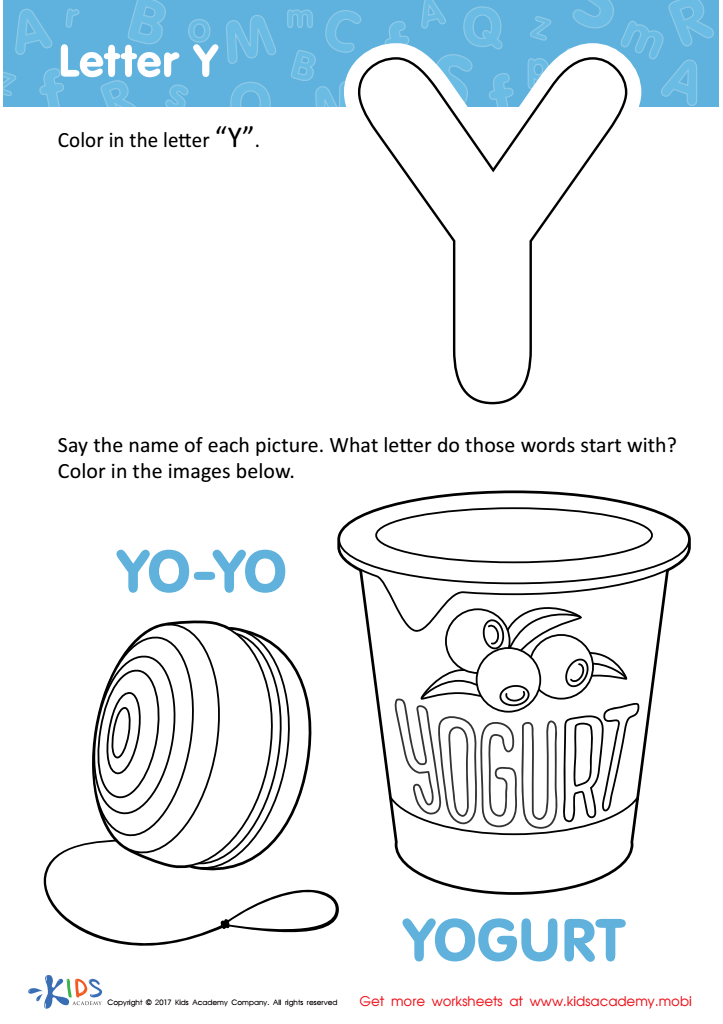
Letter Y Coloring Sheet
Assign to My Students
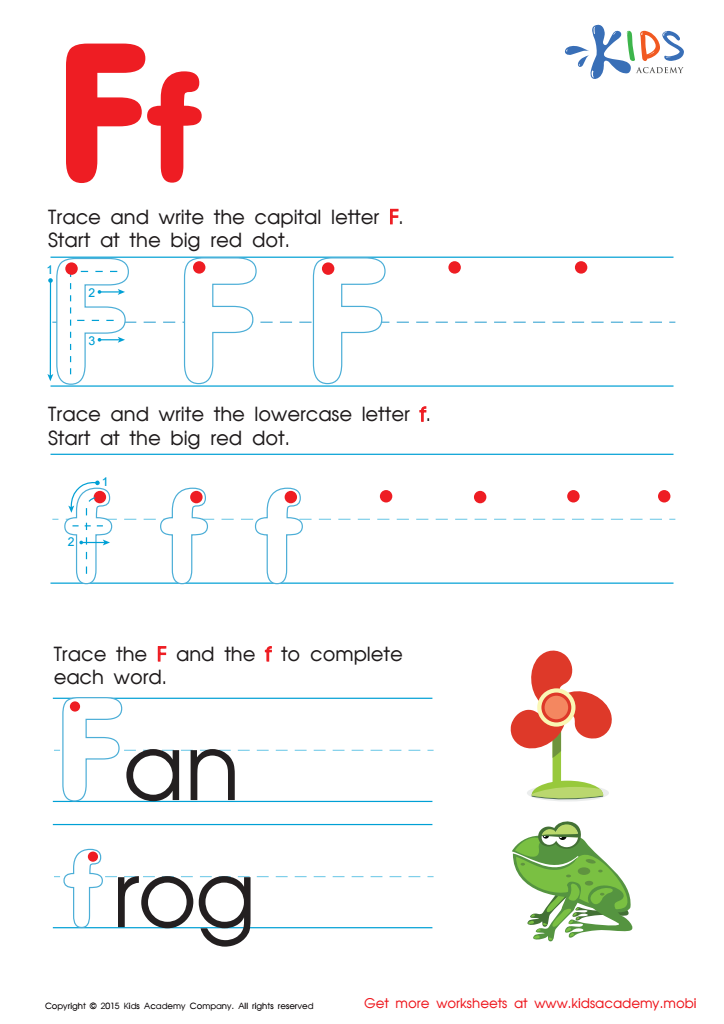
Letter F Tracing Page
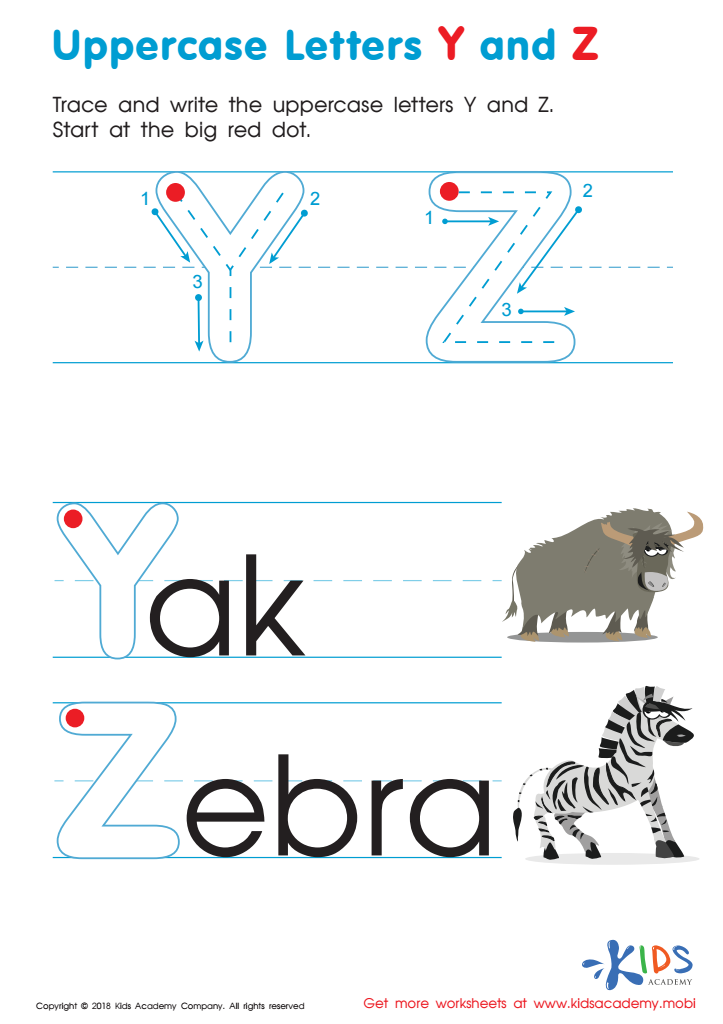
Uppercase Letters Y Z Worksheet
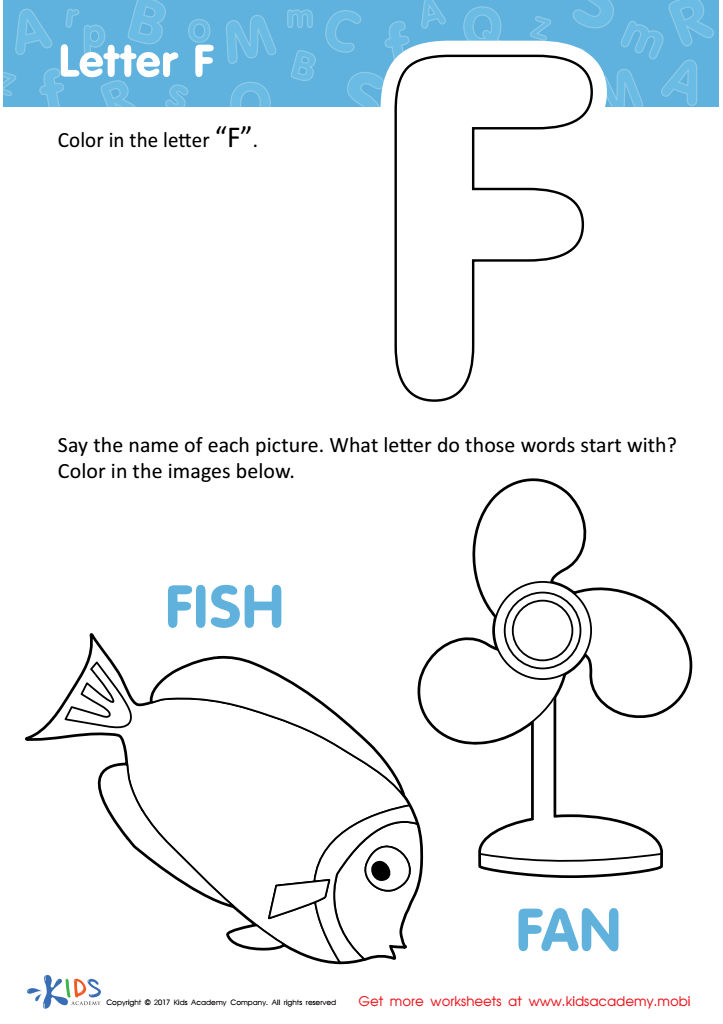
Letter F Coloring Sheet
Assign to My Students
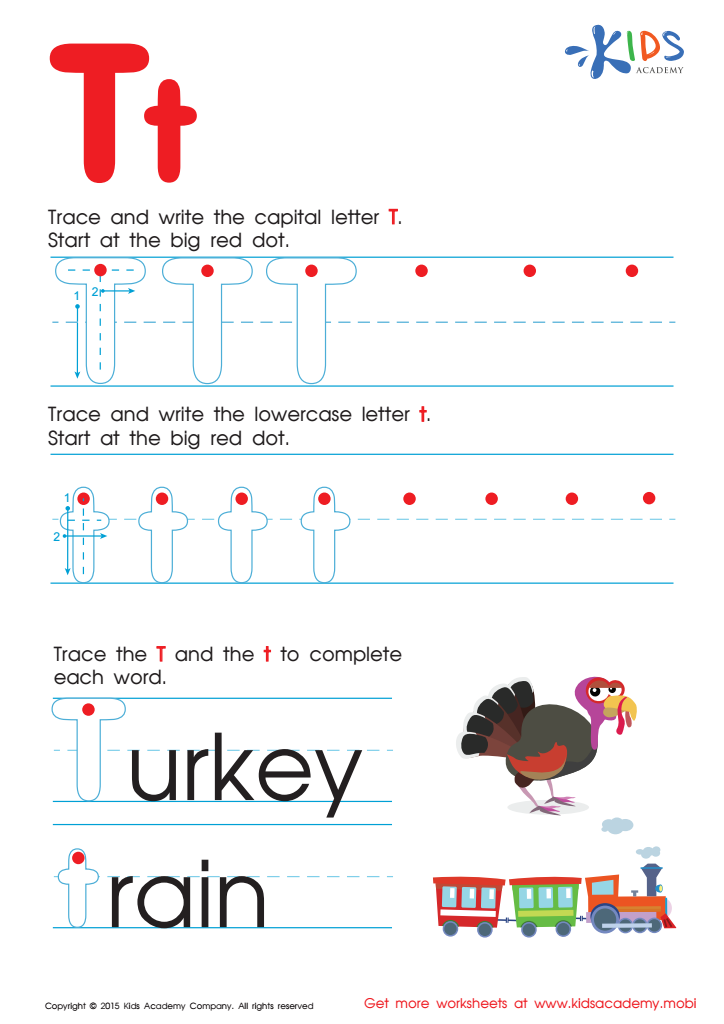
Letter T Tracing Page
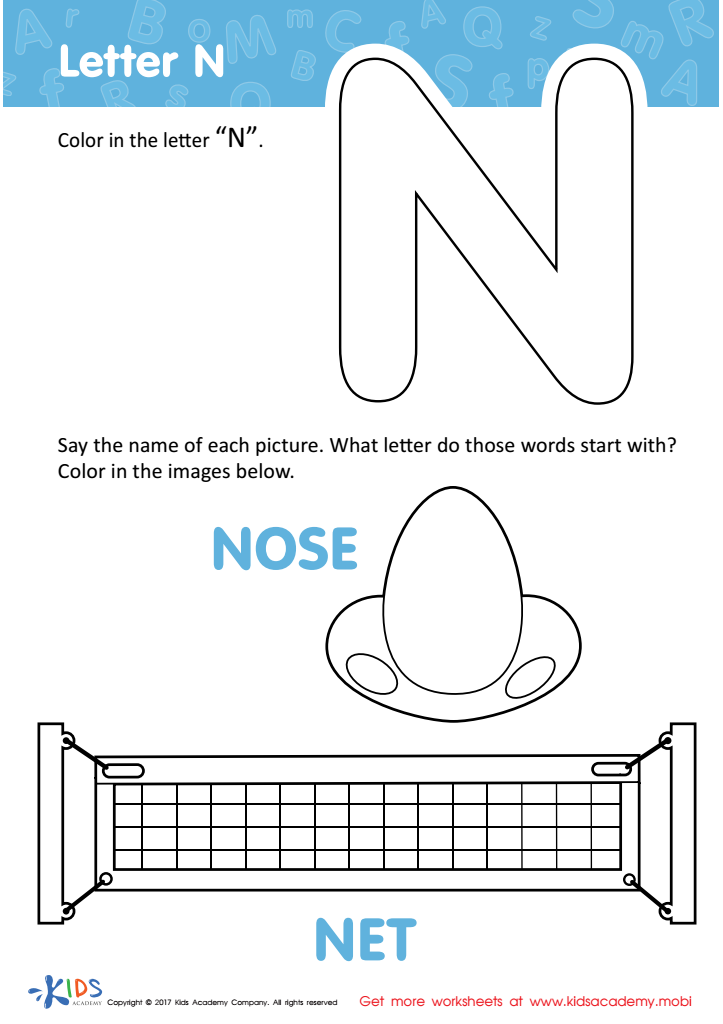
Letter N Coloring Sheet
Assign to My Students

Letter D Tracing Page







Fine motor skills are crucial for children ages 3-7 because they lay the foundation for a range of essential everyday tasks and academic success. At this age, children are developing the ability to manage small movements involving the hands and fingers, which are necessary for tasks like buttoning clothes, tying shoelaces, and, importantly, writing.
Introducing ABC letters while honing fine motor skills serves a dual purpose. First, children practice letter recognition, an essential literacy skill. Recognizing letters and their sounds is the first step towards reading and writing proficiency. Second, the process of forming letters by coloring, tracing, or cutting helps refine their hand-eye coordination and dexterity. These activities not only boost manual precision but also increase a child's muscle memory and strength, which are vital for writing legibly as they progress in school.
Additionally, fine motor skill development fosters independence. As children become more competent in these abilities, they gain confidence and a sense of accomplishment.
Overall, focusing on fine motor skills and ABC letters promotes cognitive and physical growth, prepares children for more complex academic tasks, and builds self-sufficiency. Both parents and teachers should care deeply about nurturing these skills, as they form the cornerstone for future learning and personal independence.







