Alphabet Recognition Alphabet Worksheets for Ages 3-7 - Page 2
64 filtered results
-
From - To
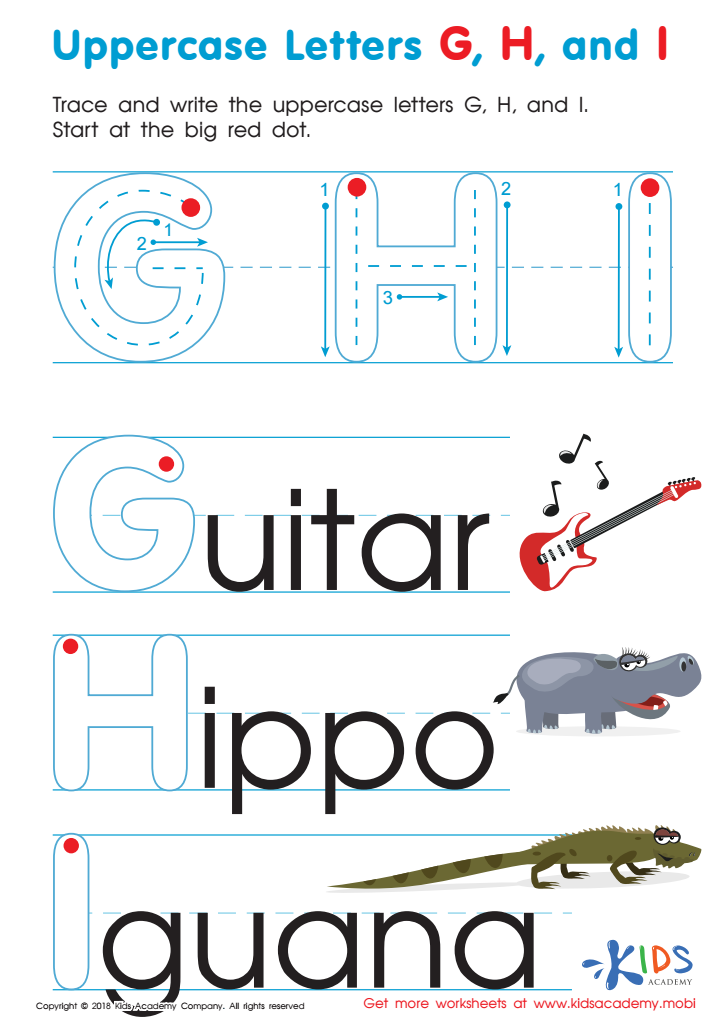
Uppercase Letters G, H, and I Worksheet
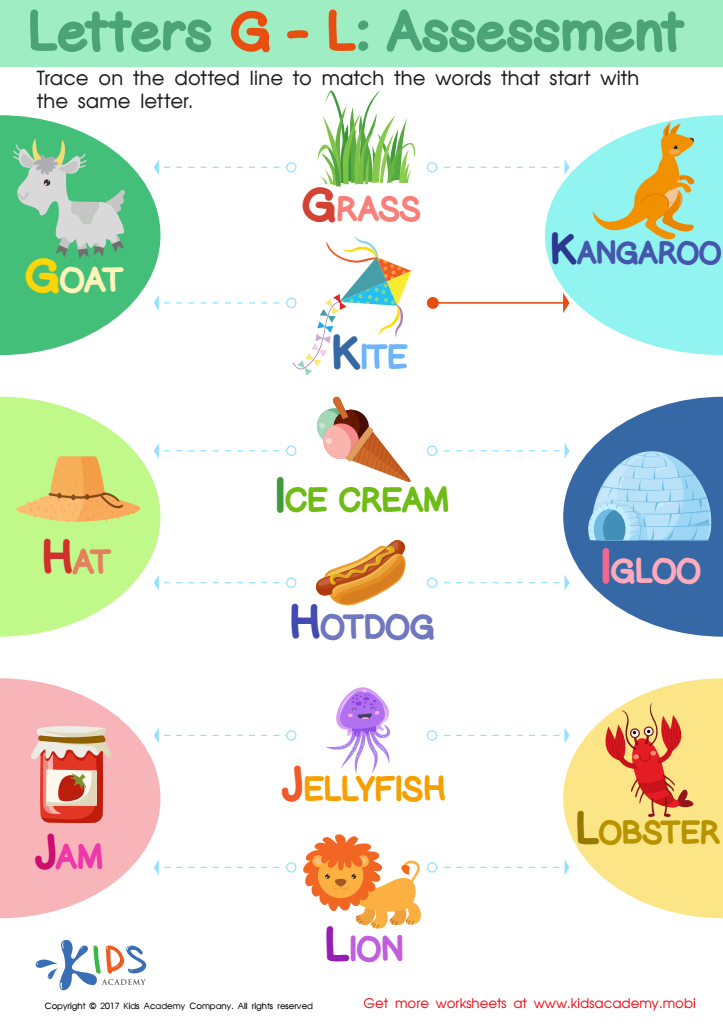
Letters G-L Worksheet
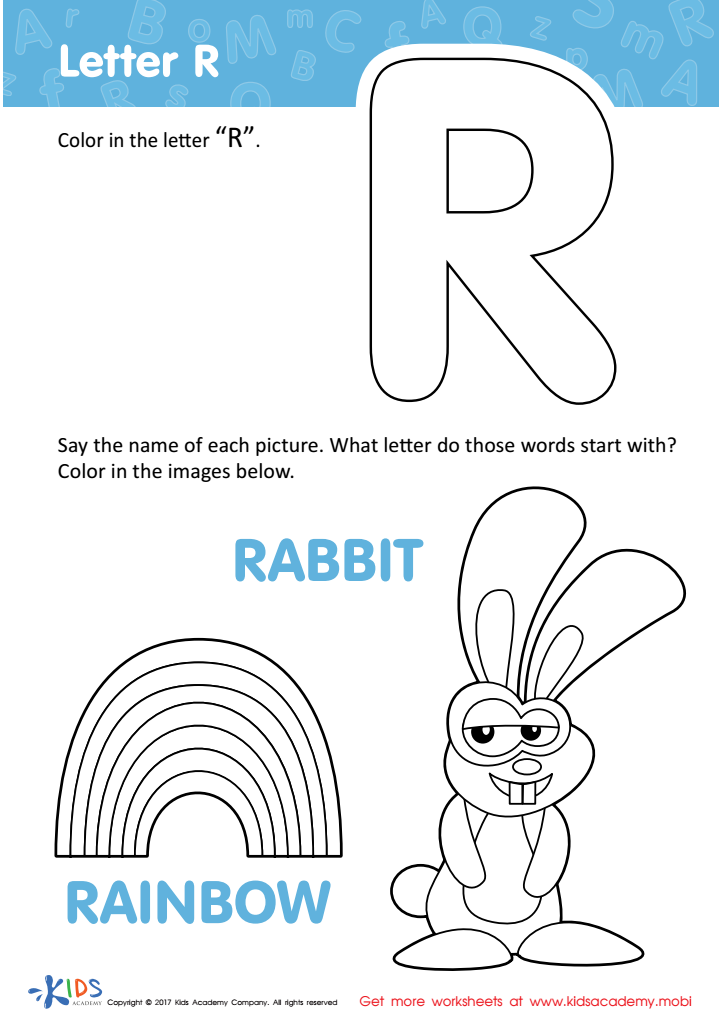
Letter R Coloring Sheet
 Assign to My Students
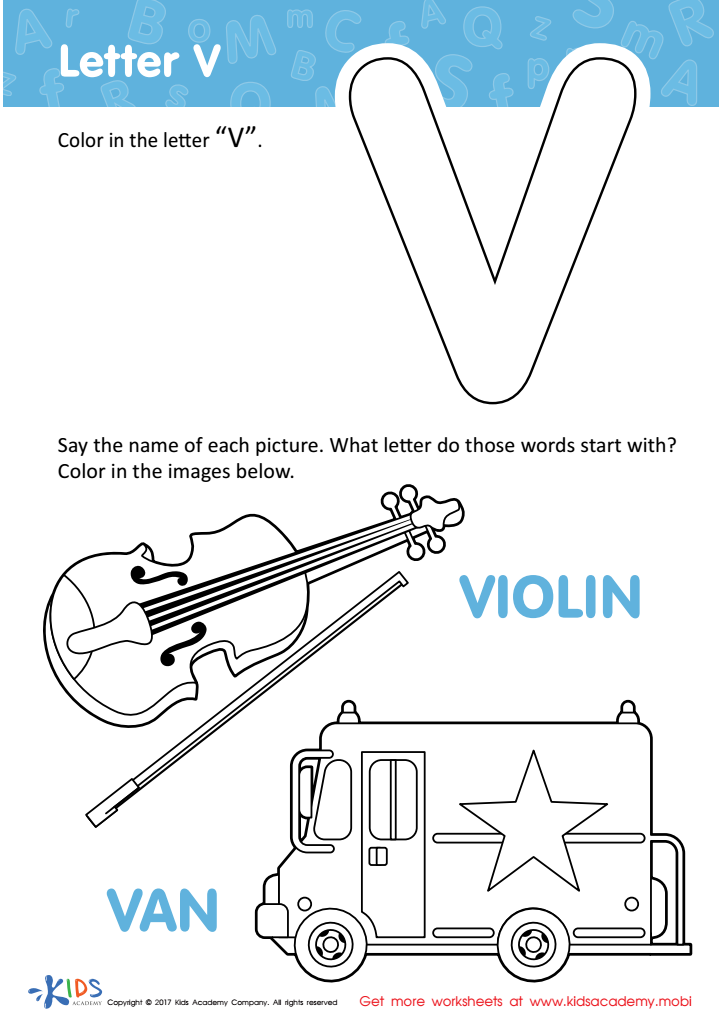
Letter V Coloring Sheet
Assign to My Students
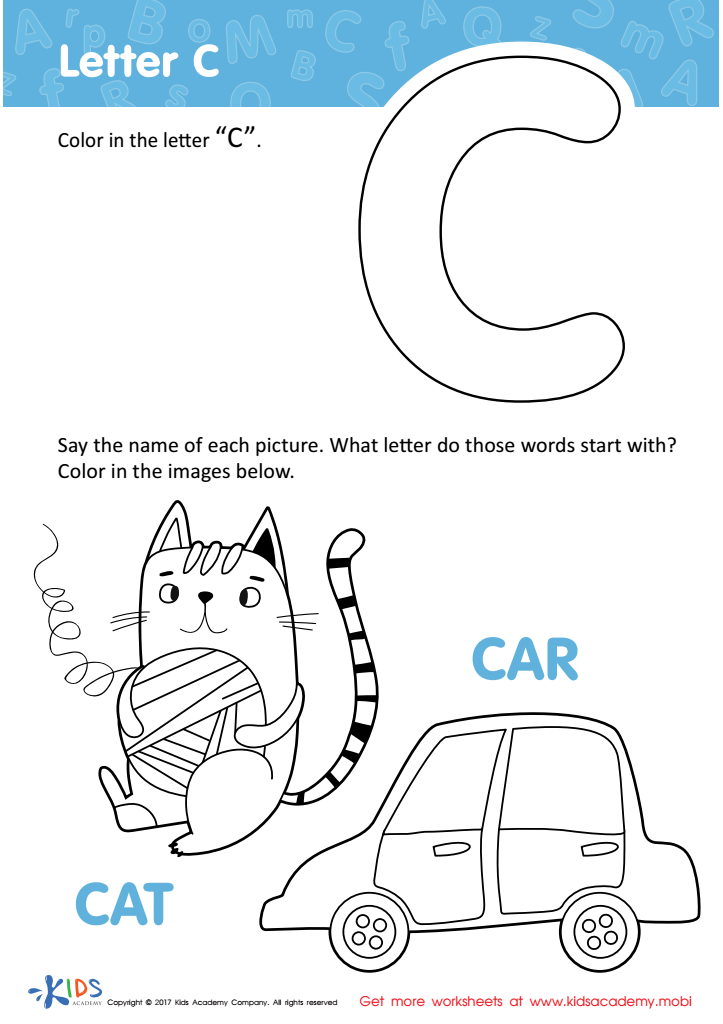
Letter C Coloring Sheet
Assign to My Students
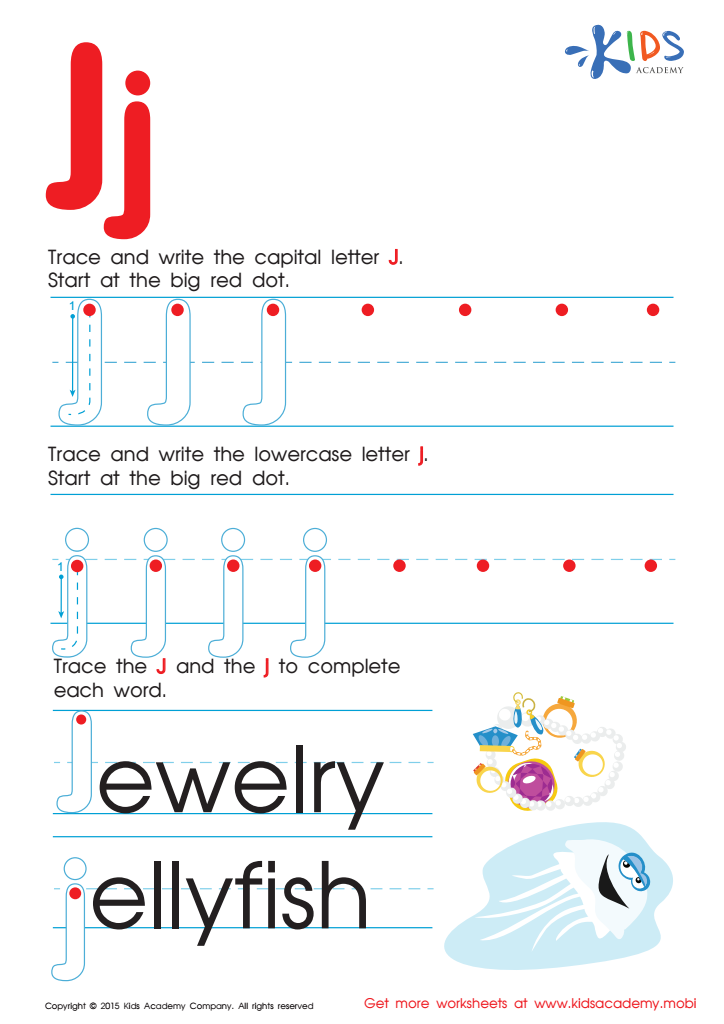
Letter J Tracing Page
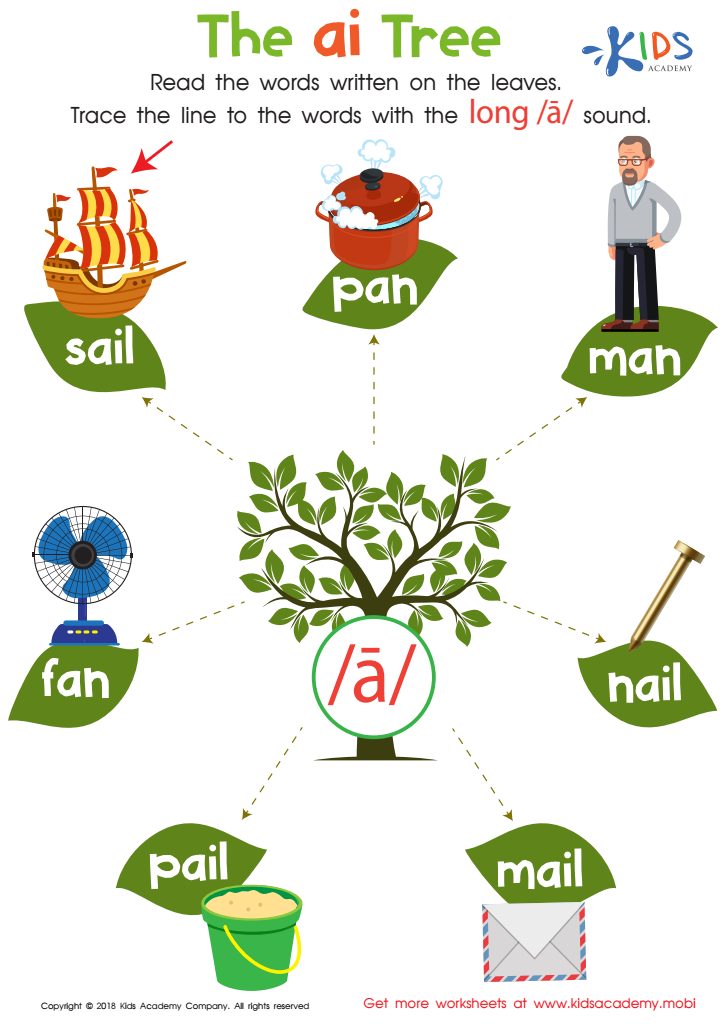
The AI Tree Worksheet
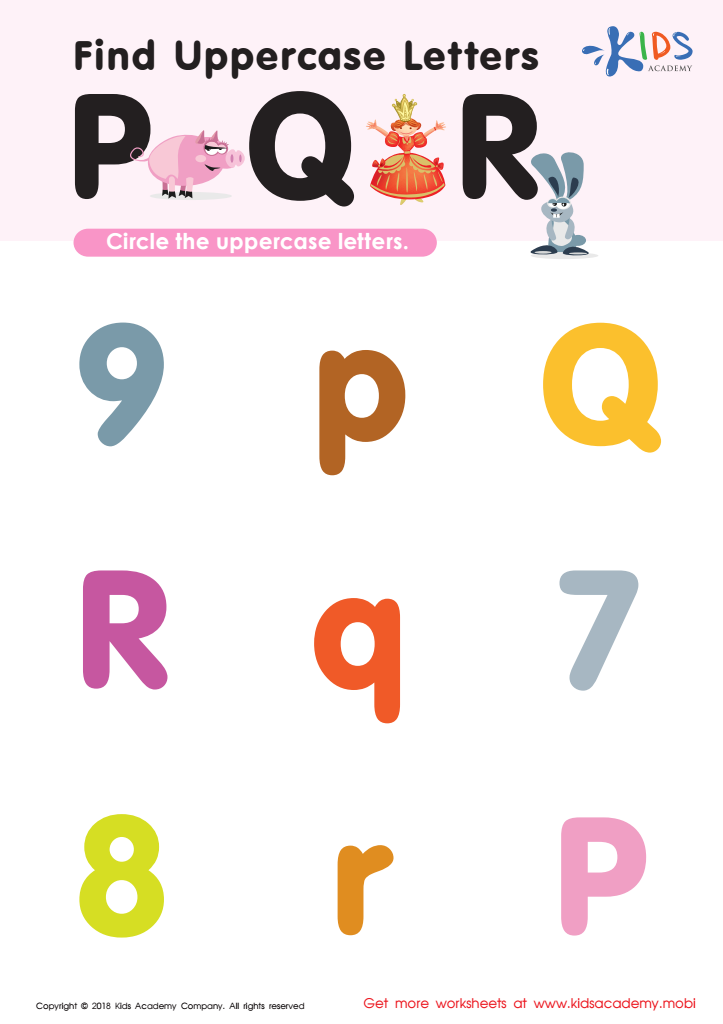
Find Uppercase Letters P, Q, and R Worksheet
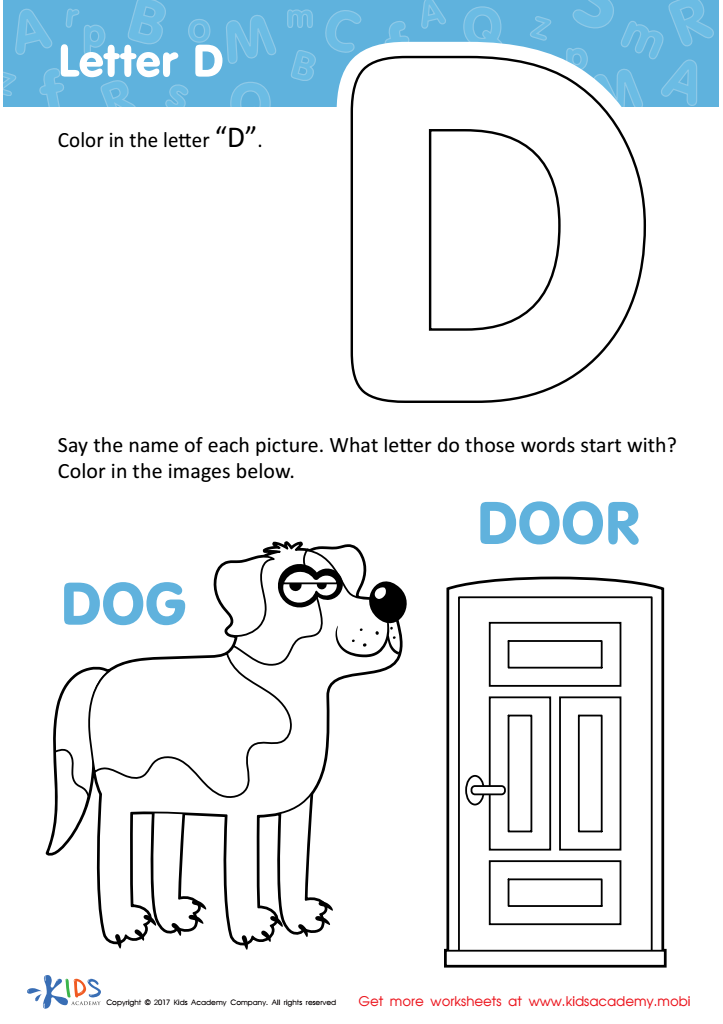
Letter D Coloring Sheet
Assign to My Students
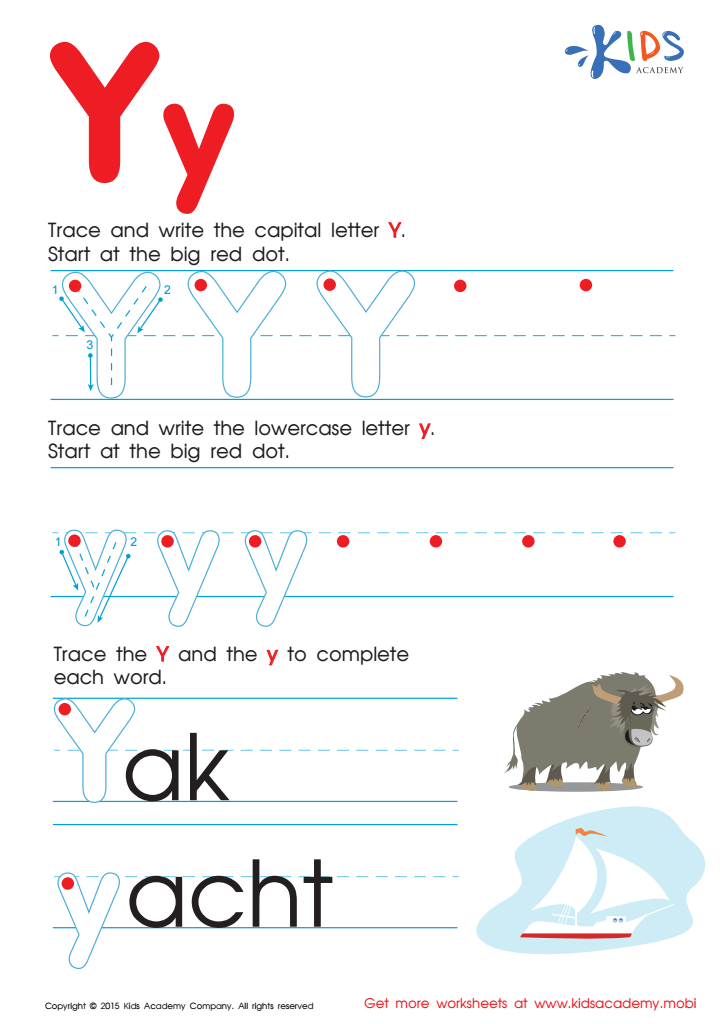
Letter Y Tracing Page
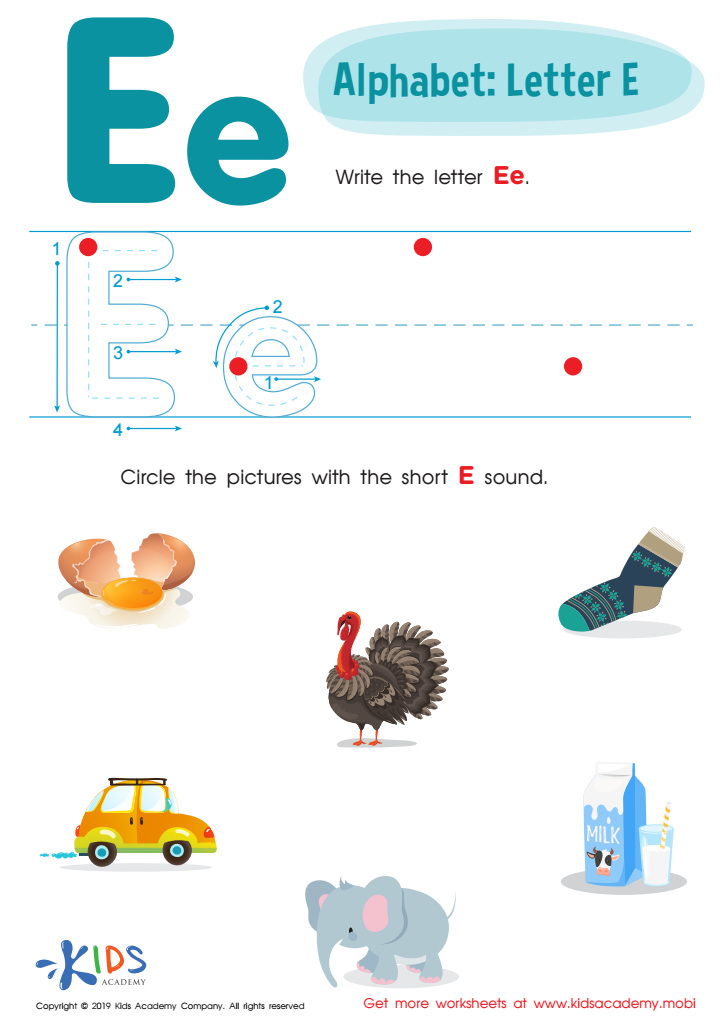
Letter E Tracing Worksheet
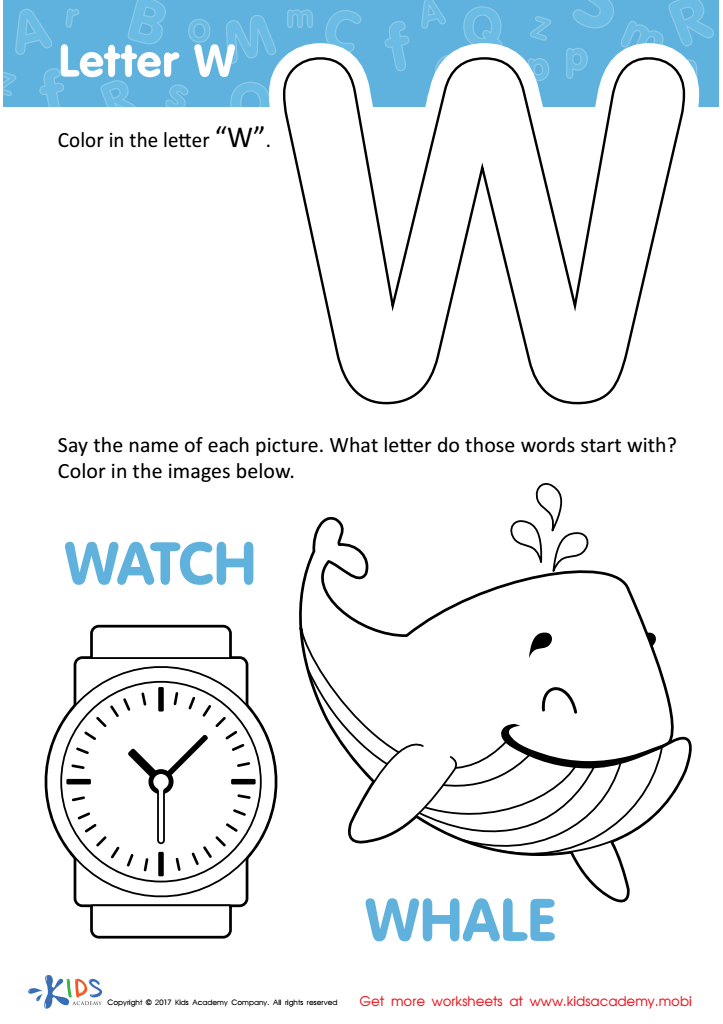
Letter W Coloring Sheet
Assign to My Students
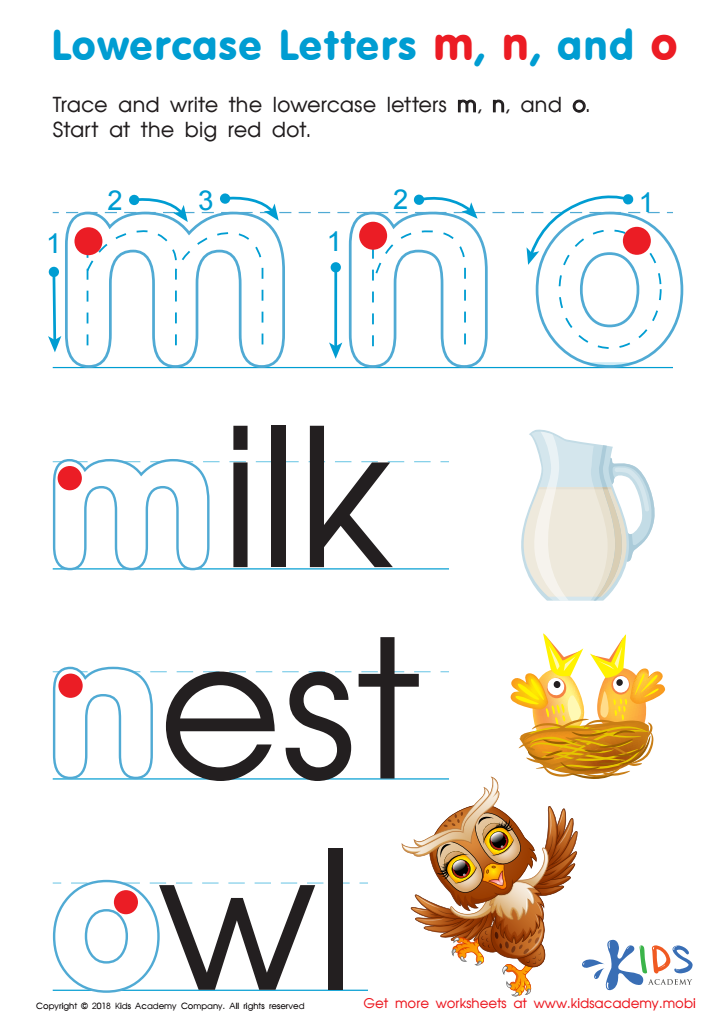
Lowercase Letters m n o Worksheet
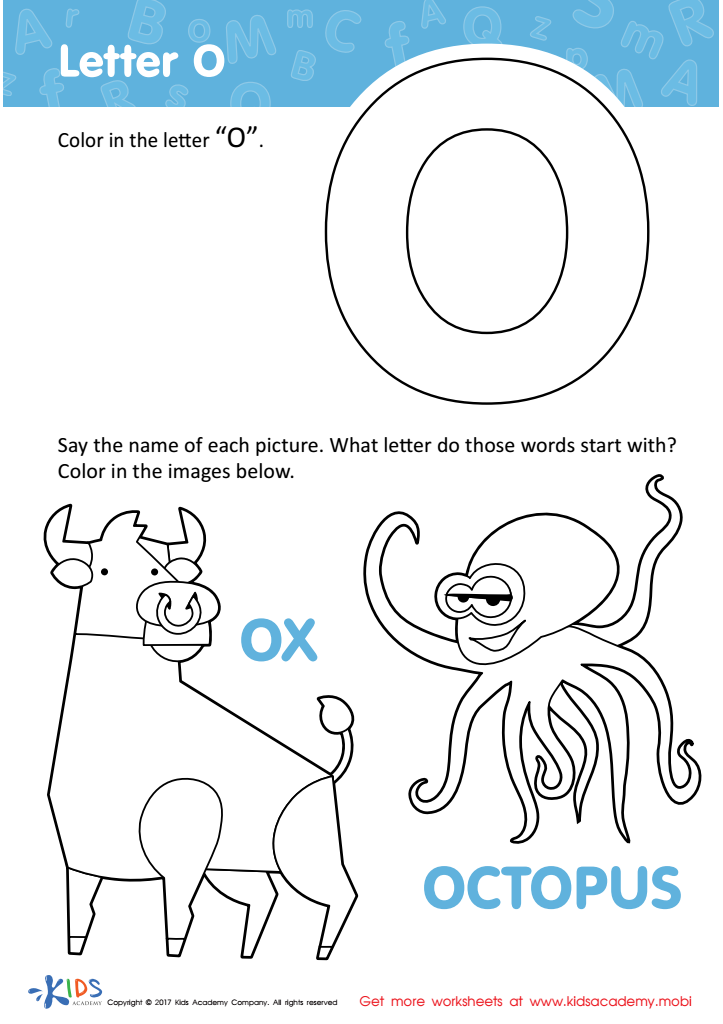
Letter O Coloring Sheet
Assign to My Students
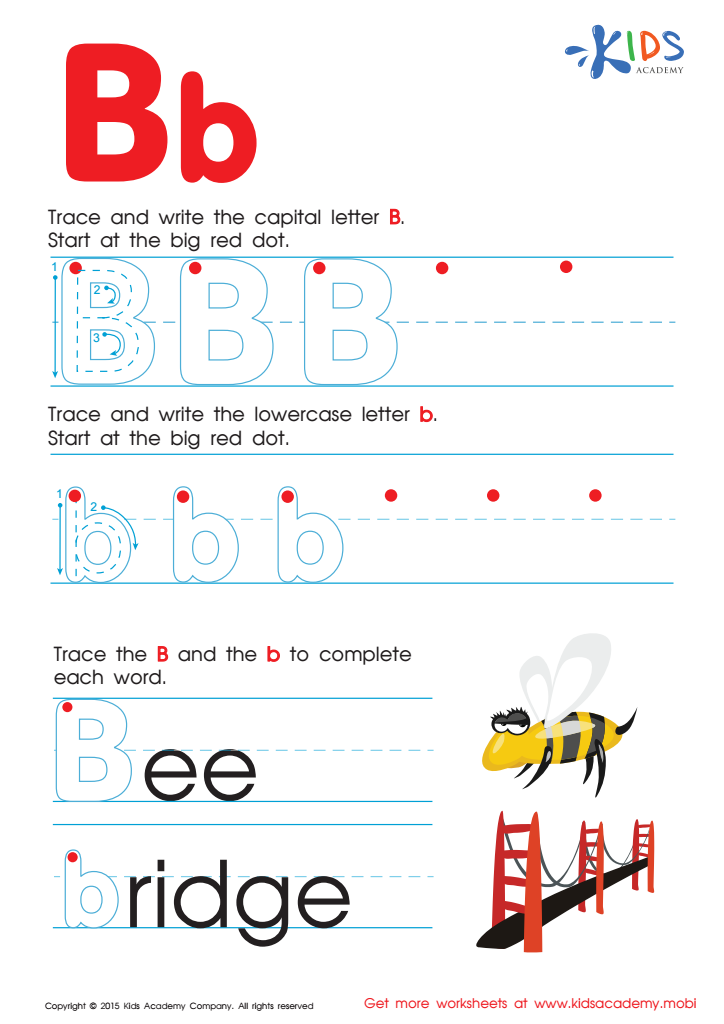
Letter B Tracing Page
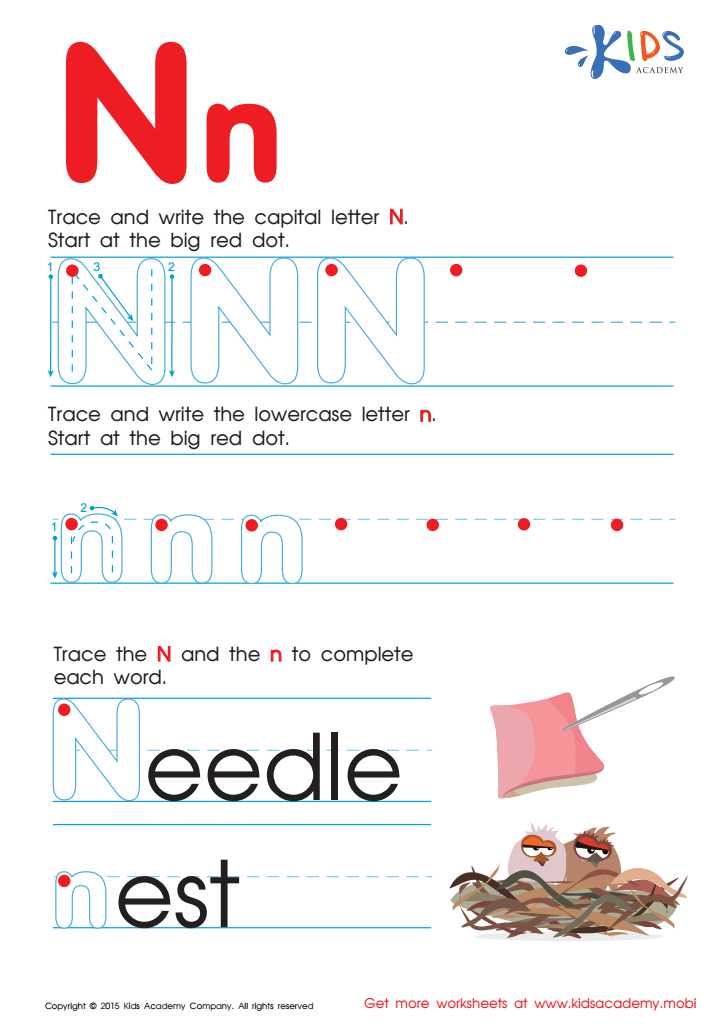
Letter N Tracing Page
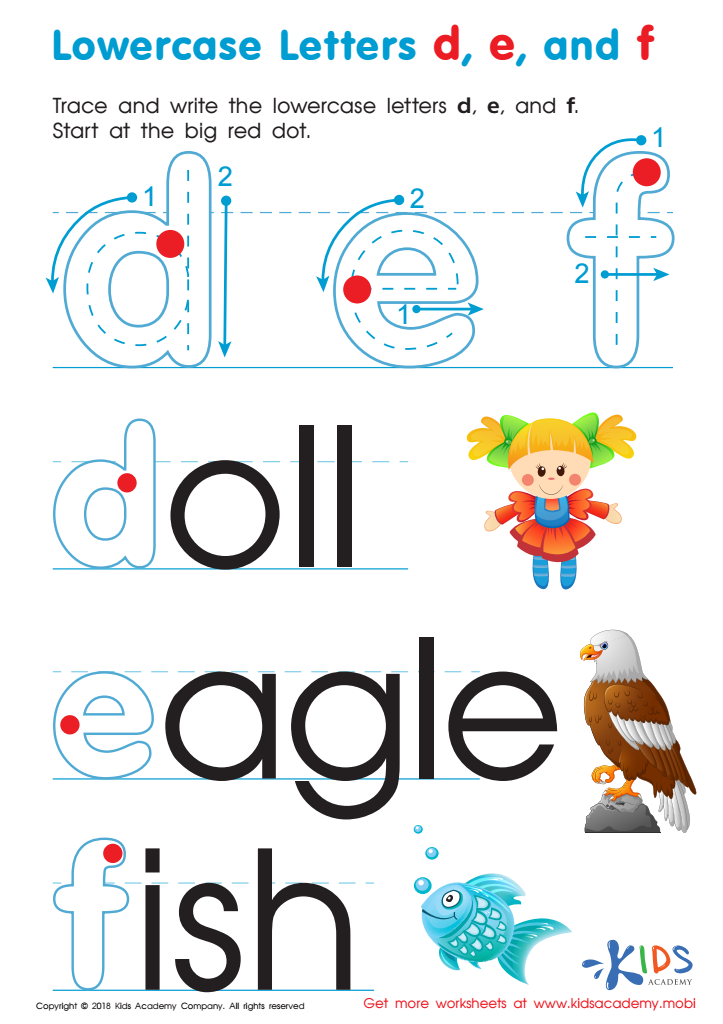
Lowercase Letters d e f Worksheet
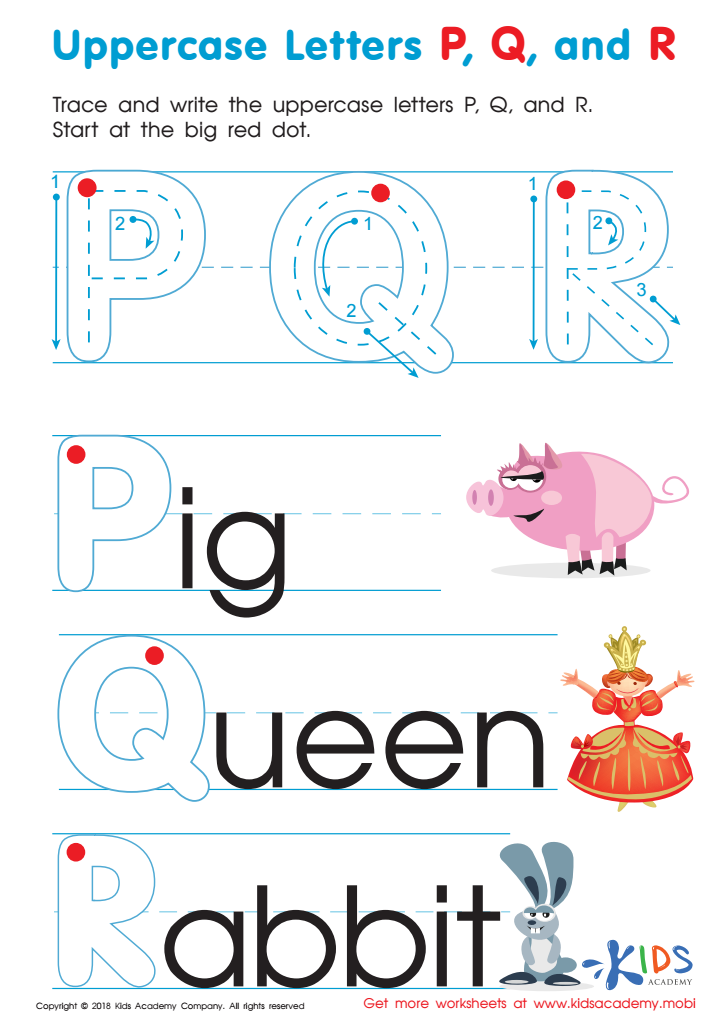
Uppercase Letters P, Q, and R Worksheet
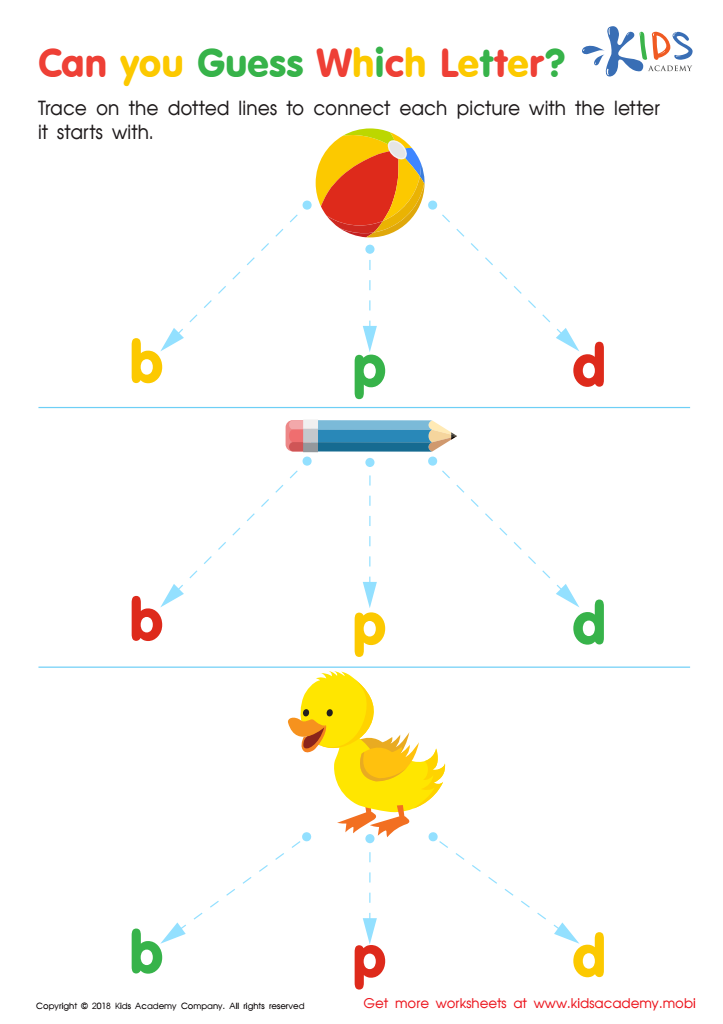
Can you Guess Which Letter? Worksheet
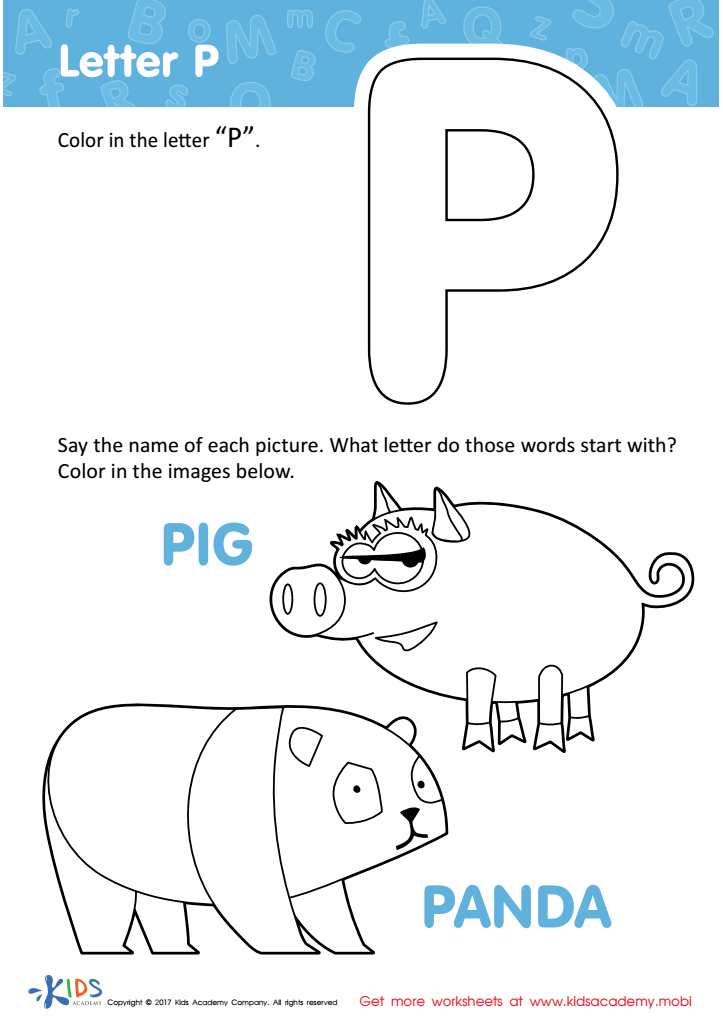
Letter P Coloring Sheet
Assign to My Students
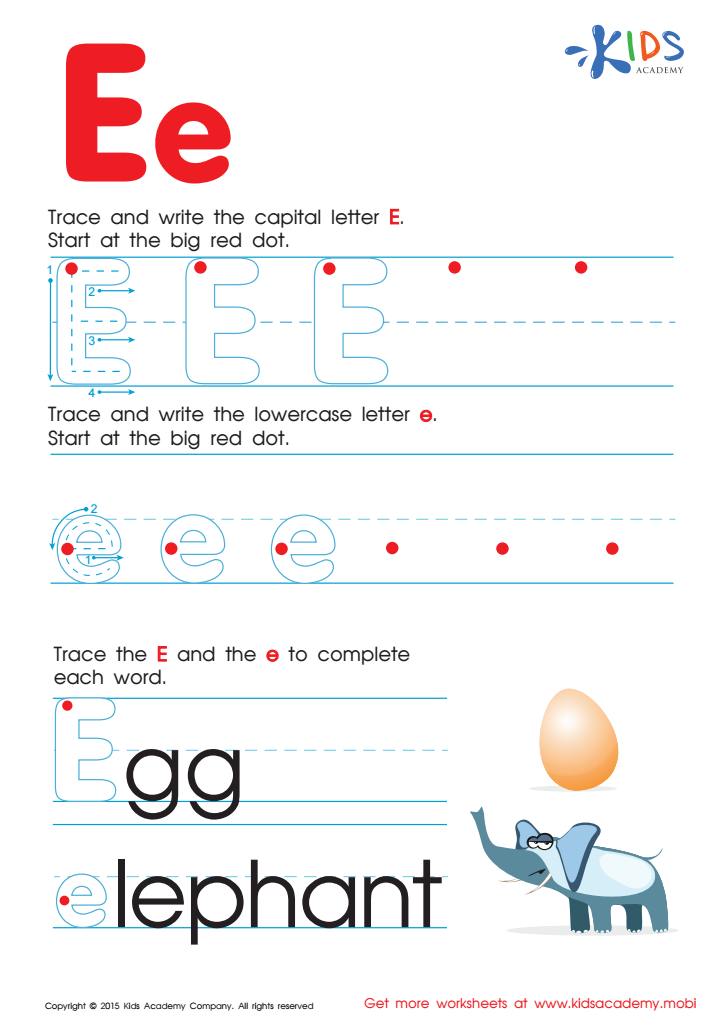
Letter E Tracing Page
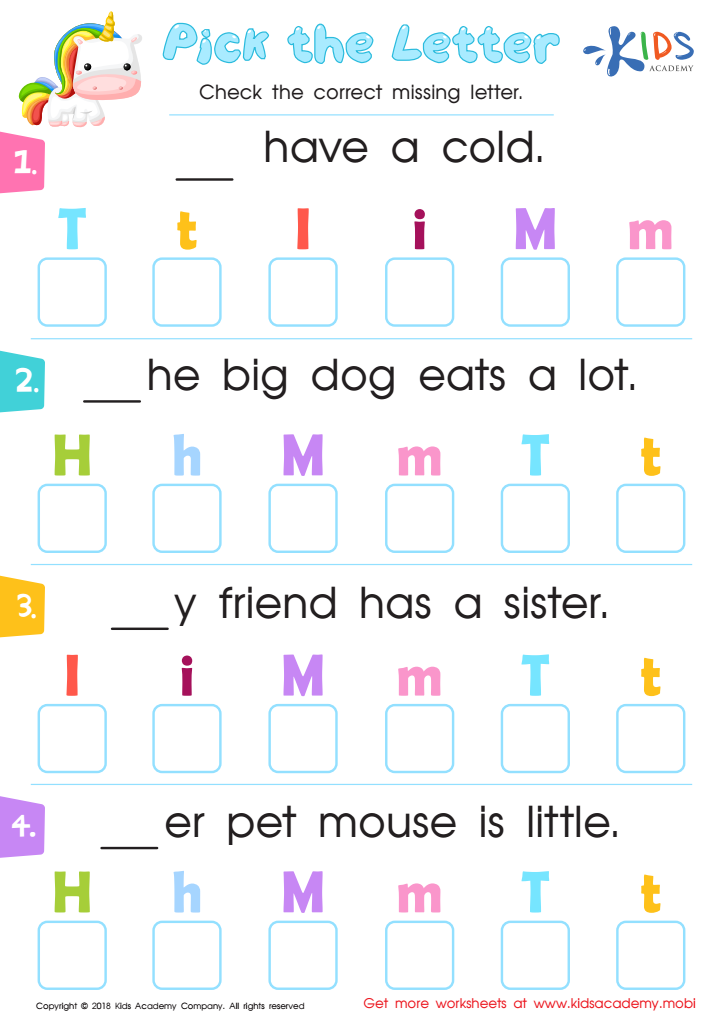
Pick the Letter Worksheet
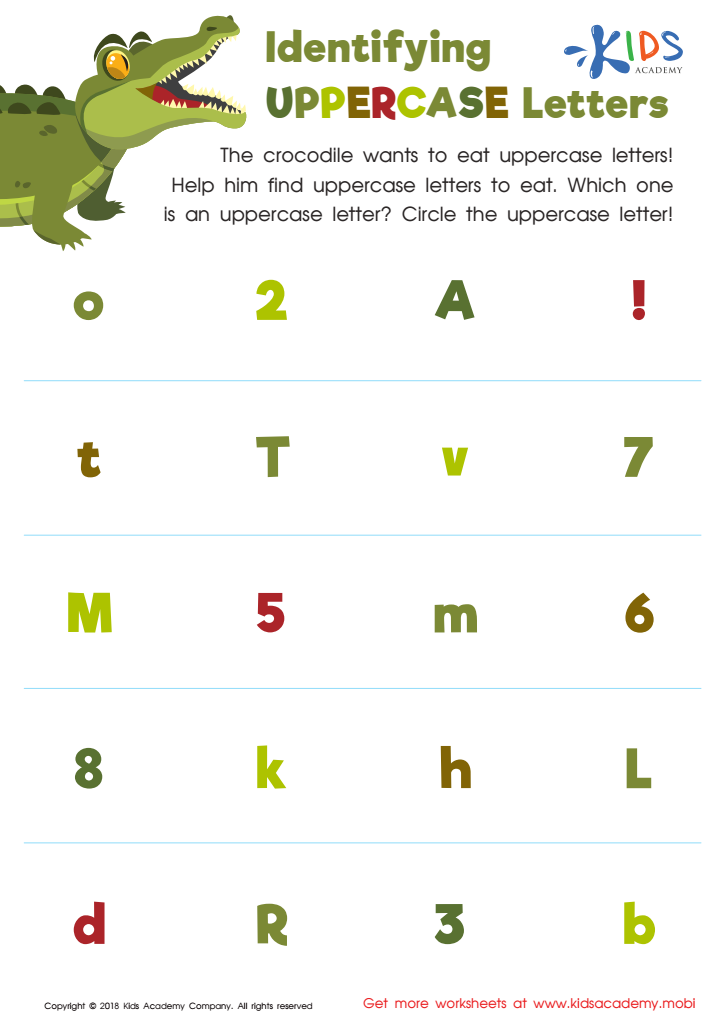
Identifying Uppercase Letters Worksheet
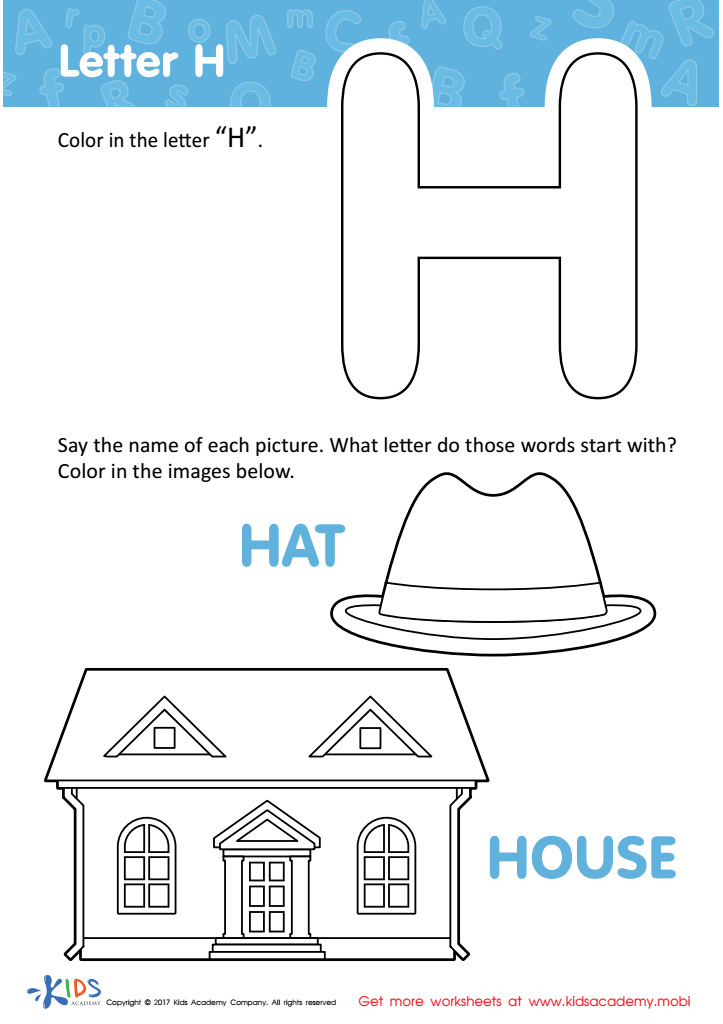
Letter H Coloring Sheet
Assign to My Students








Alphabet recognition in children aged 3-7 is vital as it forms the foundation of successful reading and writing skills. During these formative years, a child's brain is exceptionally receptive to learning basic literacy fundamentals. Recognizing the alphabet is the first step towards phonemic awareness, where children learn to connect specific sounds with individual letters and combinations. This knowledge aids in decoding words, an essential skill for effective reading.
When children are confident in recognizing the alphabet, they are more prepared to engage in more advanced literacy activities, such as sounding out words, spelling, and eventually comprehending text. Additionally, alphabet recognition enhances fine motor skills, as children learn to write letters and words. This foundational understanding of language systems promotes cognitive development, critical thinking, and problem-solving abilities.
Moreover, proficiency in alphabet recognition contributes to social and emotional growth. As children master this skill, they experience a sense of achievement and build self-esteem. It enables smoother transitions into formal schooling environments, encouraging active participation and fostering a positive attitude toward learning. By prioritizing alphabet recognition, parents and teachers set the stage for a child's lifelong educational journey, ensuring they develop strong, robust literacy skills indispensable for all areas of learning.







