Fine Motor Skills Alphabet Worksheets for Ages 3-7 - Page 4
83 filtered results
-
From - To
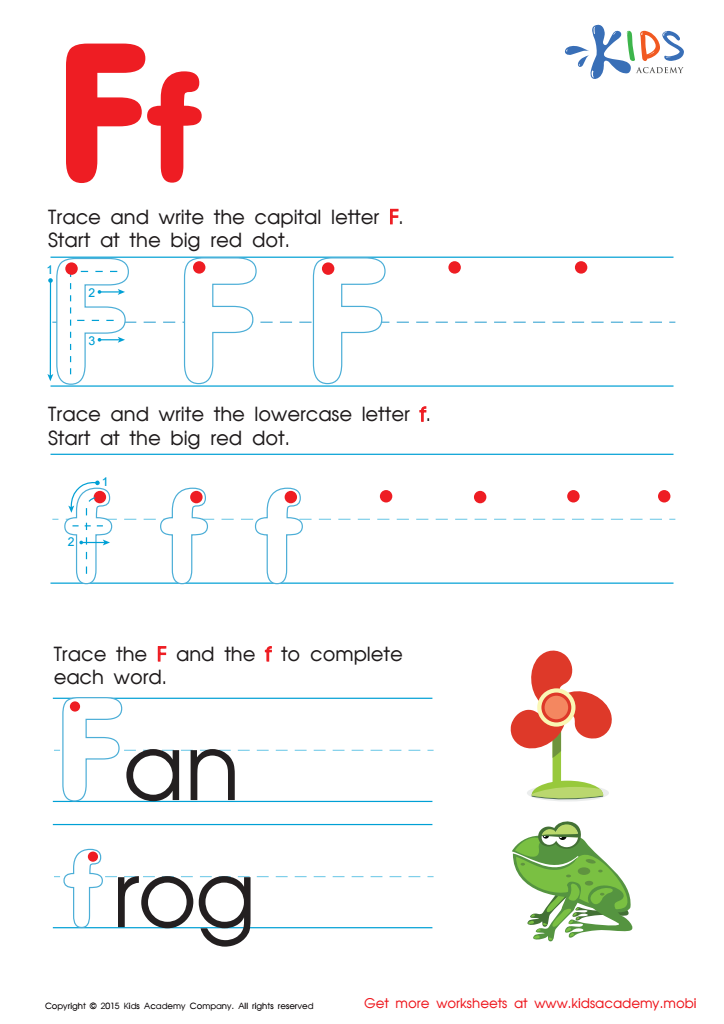
Letter F Tracing Page
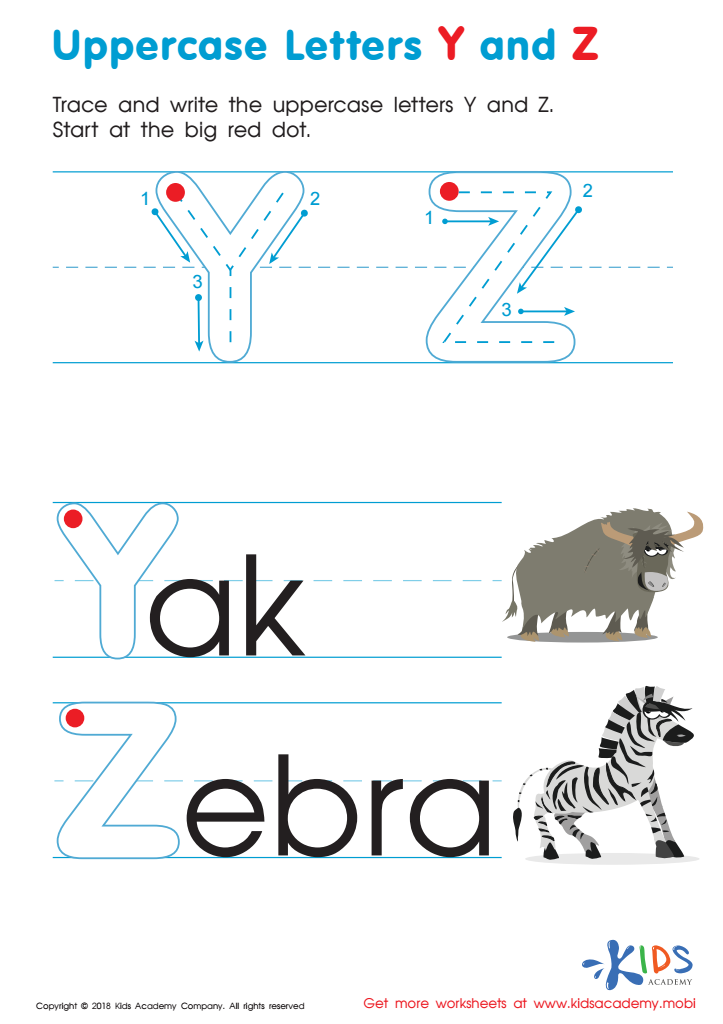
Uppercase Letters Y Z Worksheet
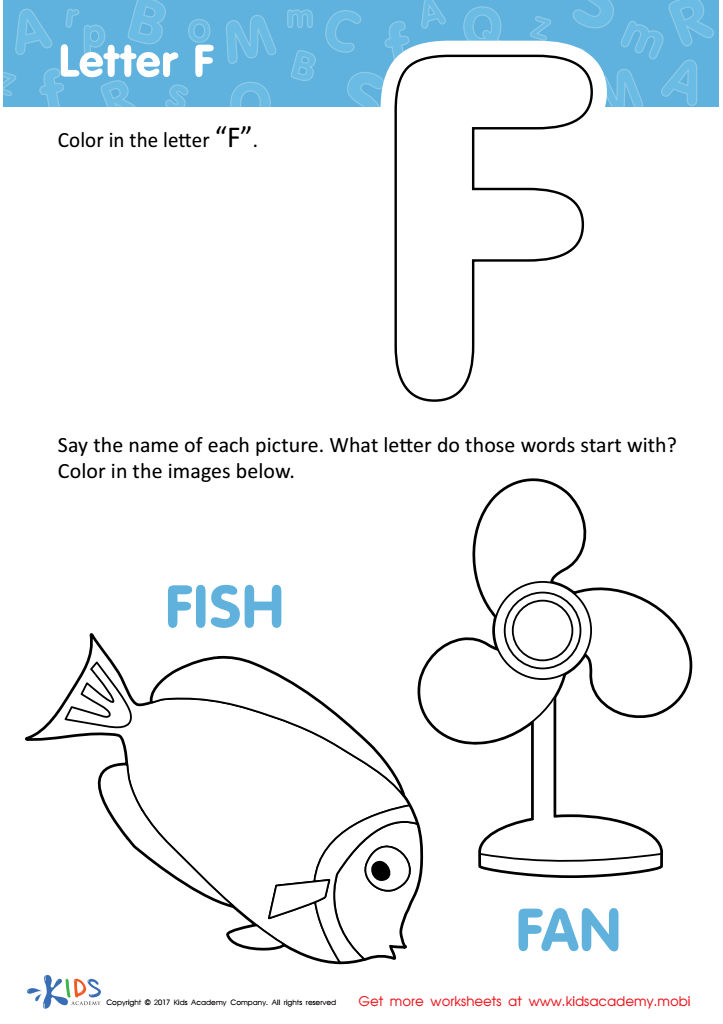
Letter F Coloring Sheet
 Assign to My Students
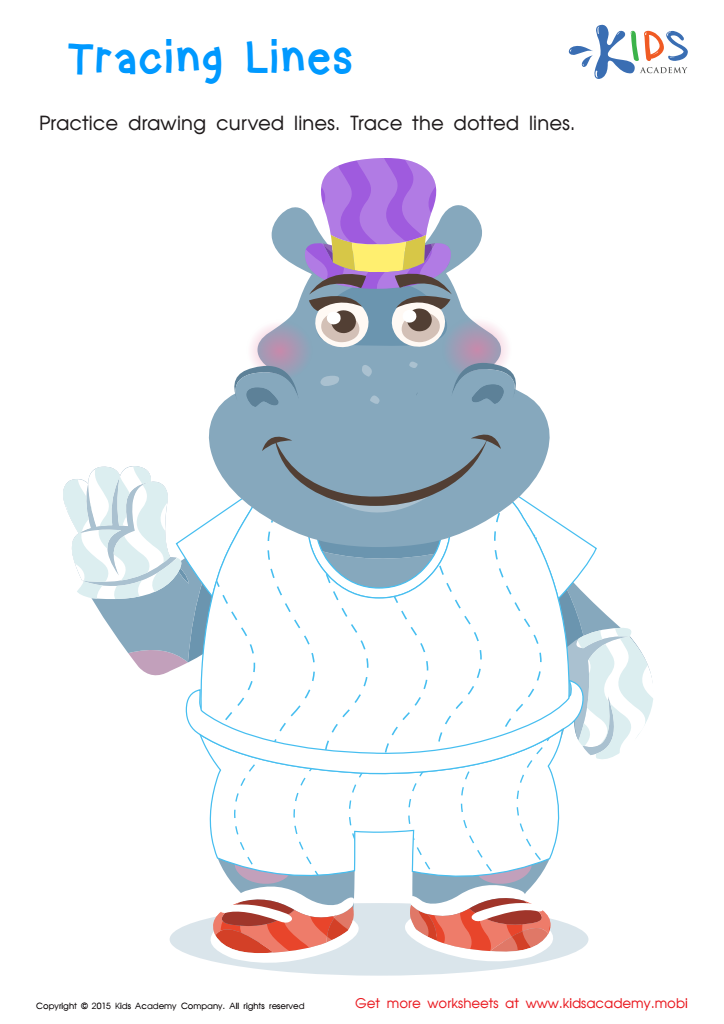
Tracing Lines Worksheet
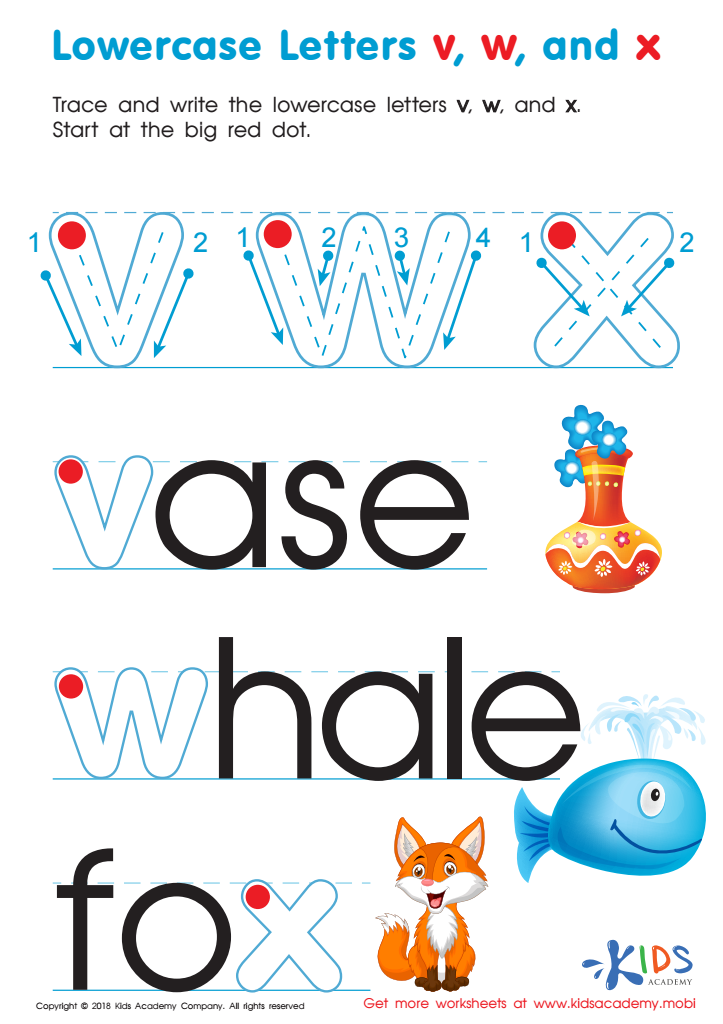
Lowercase Letters v w x Worksheet
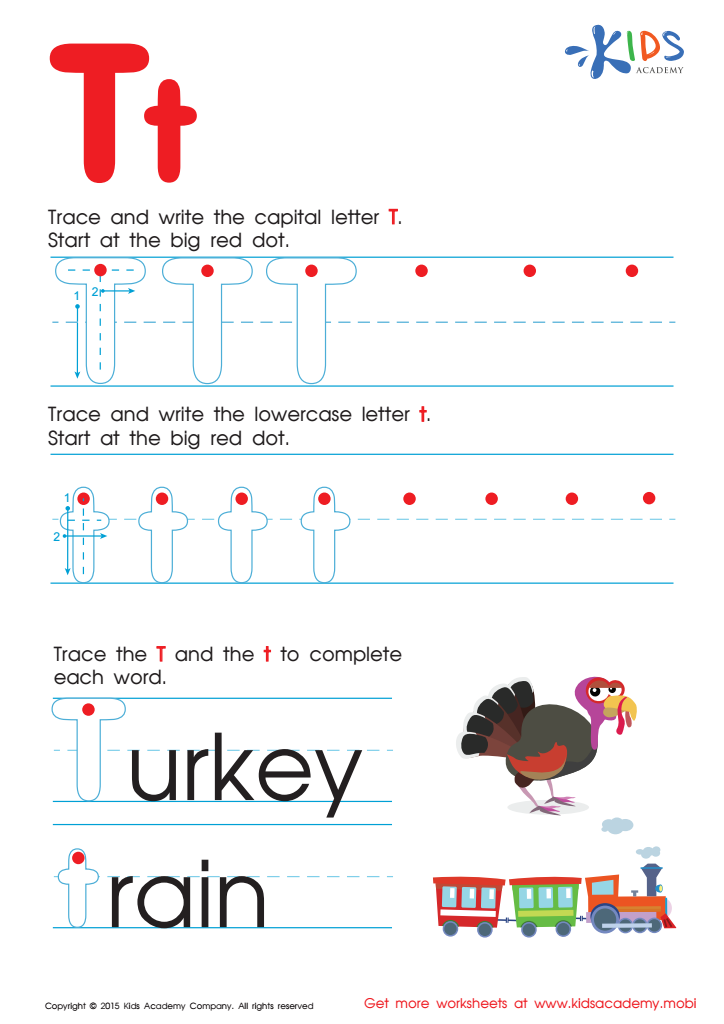
Letter T Tracing Page
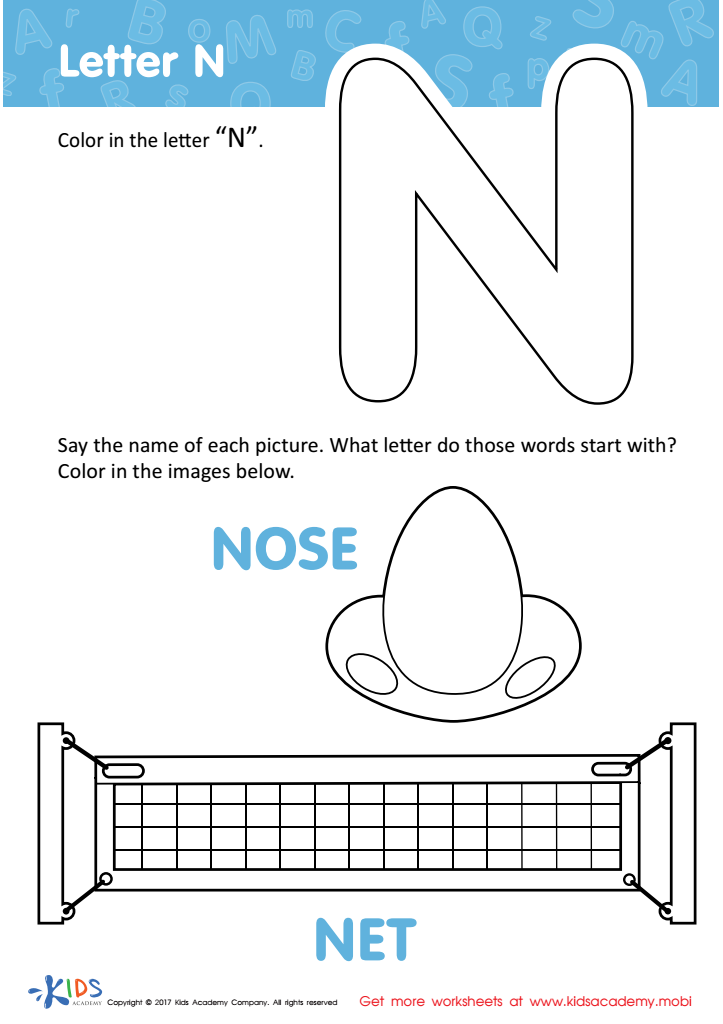
Letter N Coloring Sheet
Assign to My Students
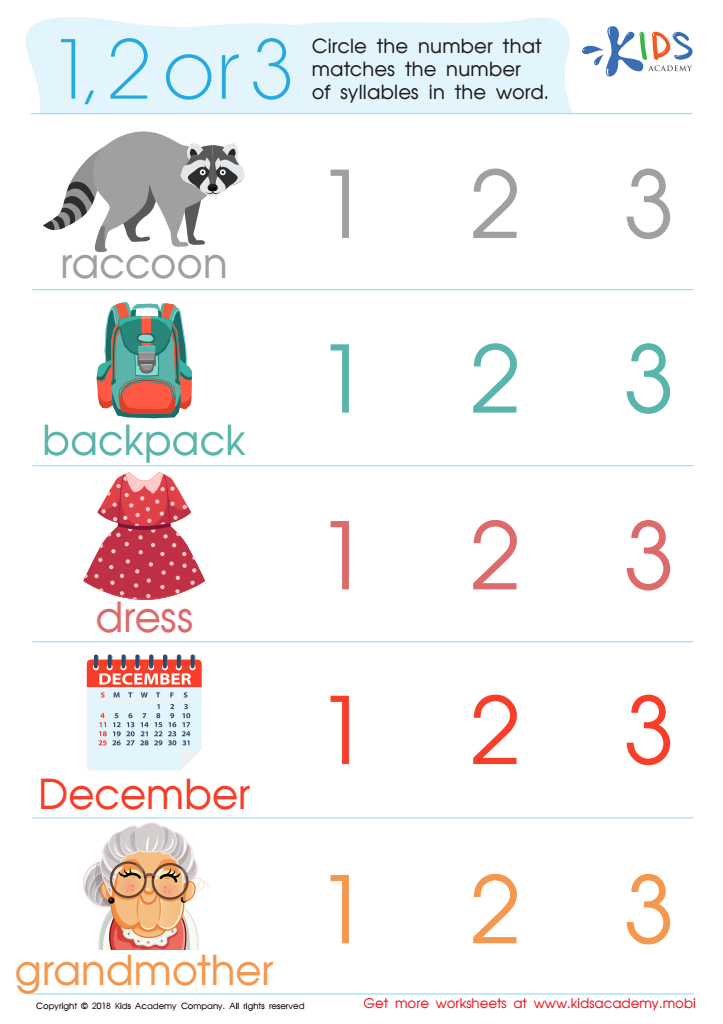
1, 2 or 3? Worksheet

Letter D Tracing Page
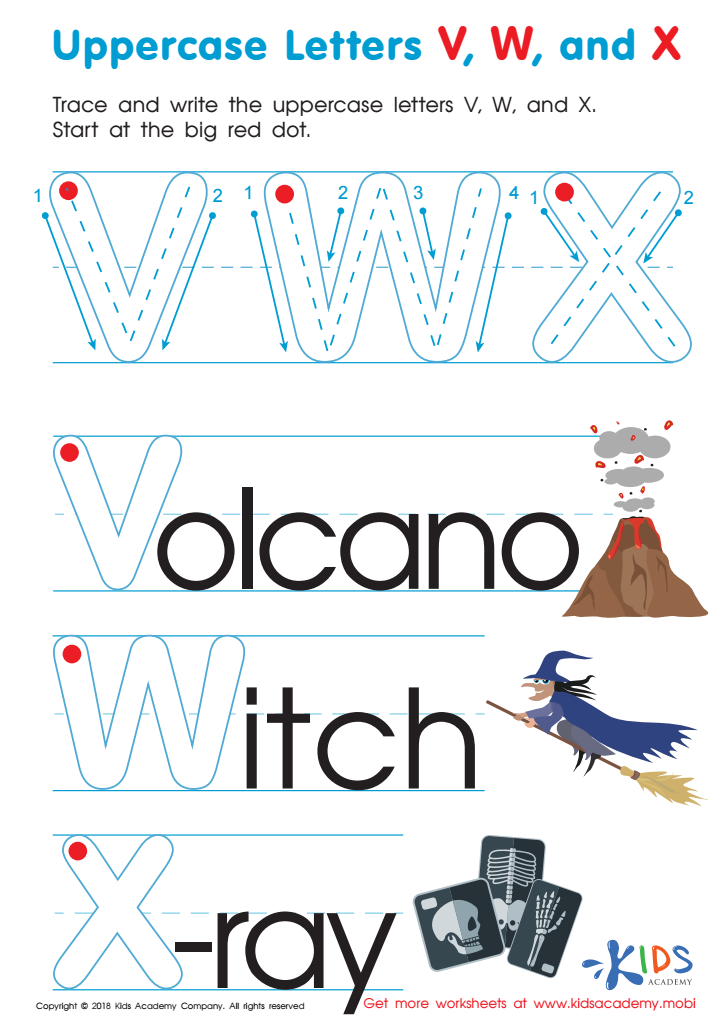
Uppercase Letters V, W, and X Worksheet
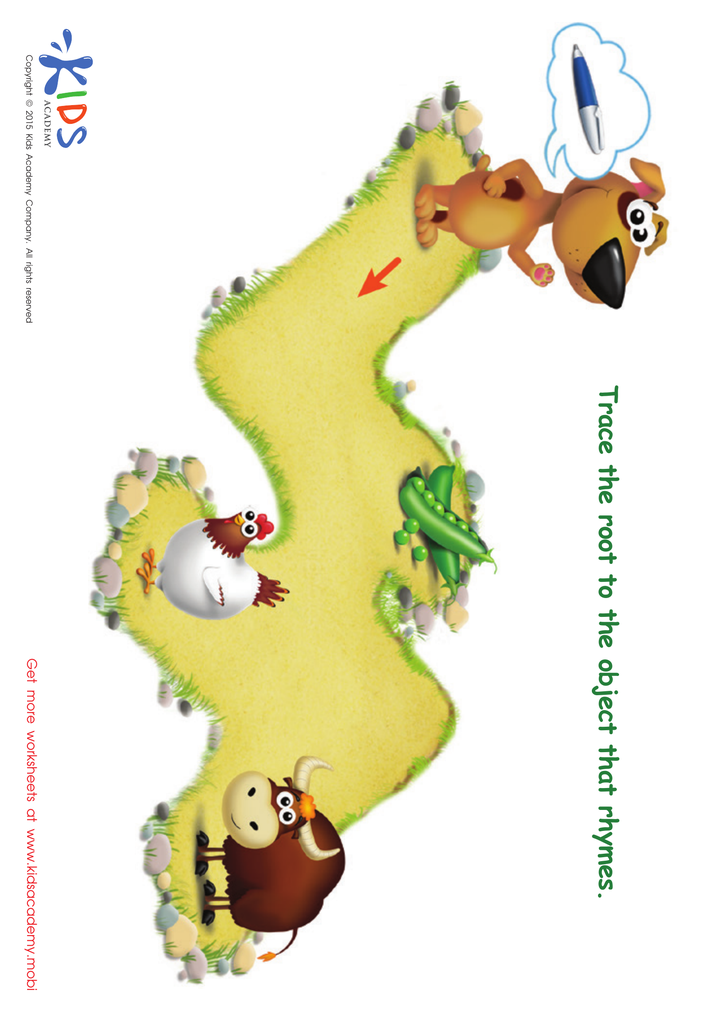
Pen Rhyming Words Worksheet







.jpg)
Parents and teachers should prioritize fine motor skills activities that focus on the alphabet for children aged 3-7 because these skills lay the foundation for academic success and everyday tasks. Fine motor skills involve the coordination of small muscles in the hands and fingers, which are crucial for writing, drawing, and manipulating objects. Developing these skills helps children control tools like pencils, scissors, and crayons, fostering independence in their learning processes.
Enhancing fine motor skills through alphabet activities can also boost cognitive development. Engaging children in tasks such as tracing letters, forming letters with playdough, or practicing letter recognition with puzzles enhances their ability to grasp new concepts both in language understanding and literacy. As they manipulate objects and perform tasks that involve the alphabet, they improve their hand-eye coordination and dexterity, vital for handwriting and other educational activities.
Furthermore, honing these skills can build confidence and a sense of accomplishment in children. When they develop proficiency in their fine motor abilities, they are more likely to participate enthusiastically in learning activities and creatively express themselves. Recognizing the significance of fine motor skills prepares children not just for immediate literacy goals but for lifelong success in an increasingly skill-focused world.







