
Reading skills improvement Alphabet Worksheets for Ages 3-7
10 filtered results
Difficulty Level
Grade
Age
-
From - To
Subject
Activity
Standards
Unlock your child's reading potential with our engaging Alphabet Worksheets designed specifically for ages 3-7! These interactive resources help improve essential reading skills through fun activities that reinforce letter recognition, phonemic awareness, and vocabulary building. Each worksheet is tailored to capture your child's imagination, making learning enjoyable and effective. Perfect for at-home practice or classroom settings, these worksheets encourage a love of reading while providing essential educational foundation. Watch as your young learner gains confidence and excitement in their reading journey! Explore our collection today and give your child a head start in literacy development with the perfect blend of learning and fun.
Favorites
With answer key
Interactive
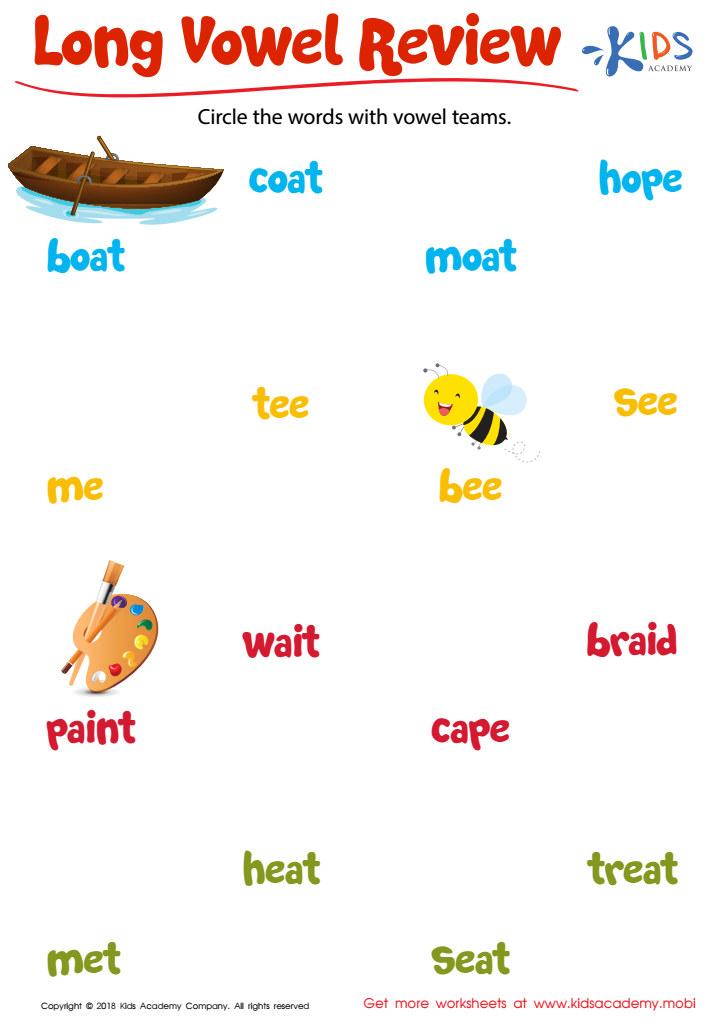
Long Vowel Review Worksheet
Vowel teams like "ea" and "ai" help us make words, and understanding these patterns aids emerging readers in becoming more fluent. This review worksheet has students finding words with vowel teams that make the long vowel sound, and helps them recognize high-frequency words.
 Assign to My Students
Long Vowel Review Worksheet
Worksheet
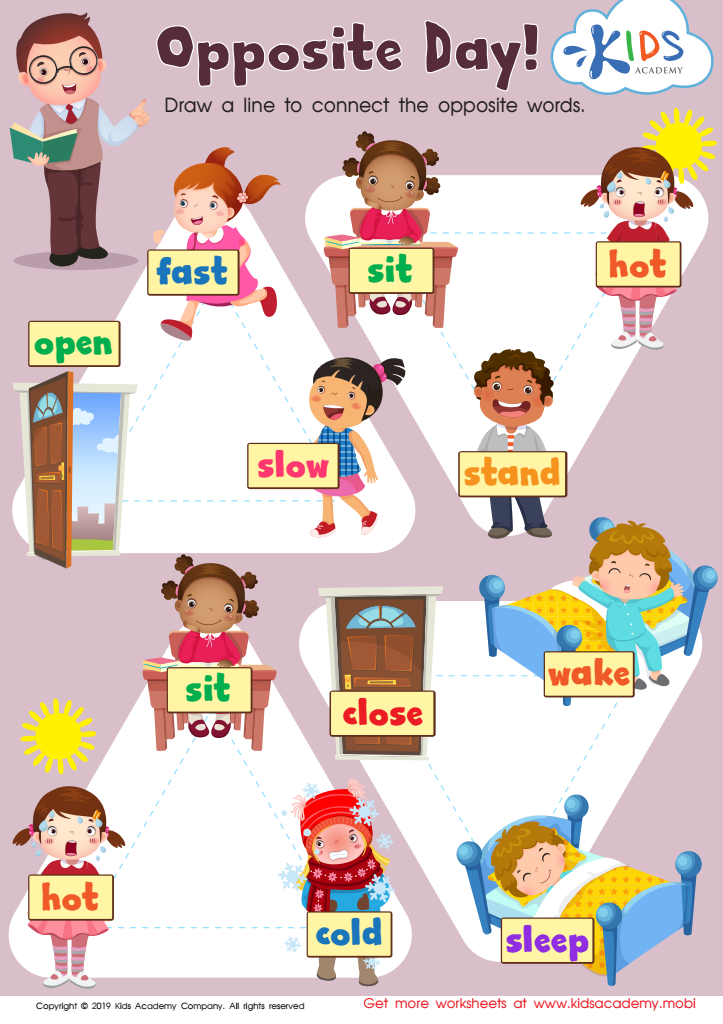
Opposite Day Worksheet
Early learners need to know about opposites to improve their higher-order thinking and critical thinking. This fun worksheet helps them understand the concept, practice opposite words, read high-frequency words and work on fine motor skills. Download the traceable PDF to get started.
Opposite Day Worksheet
Worksheet
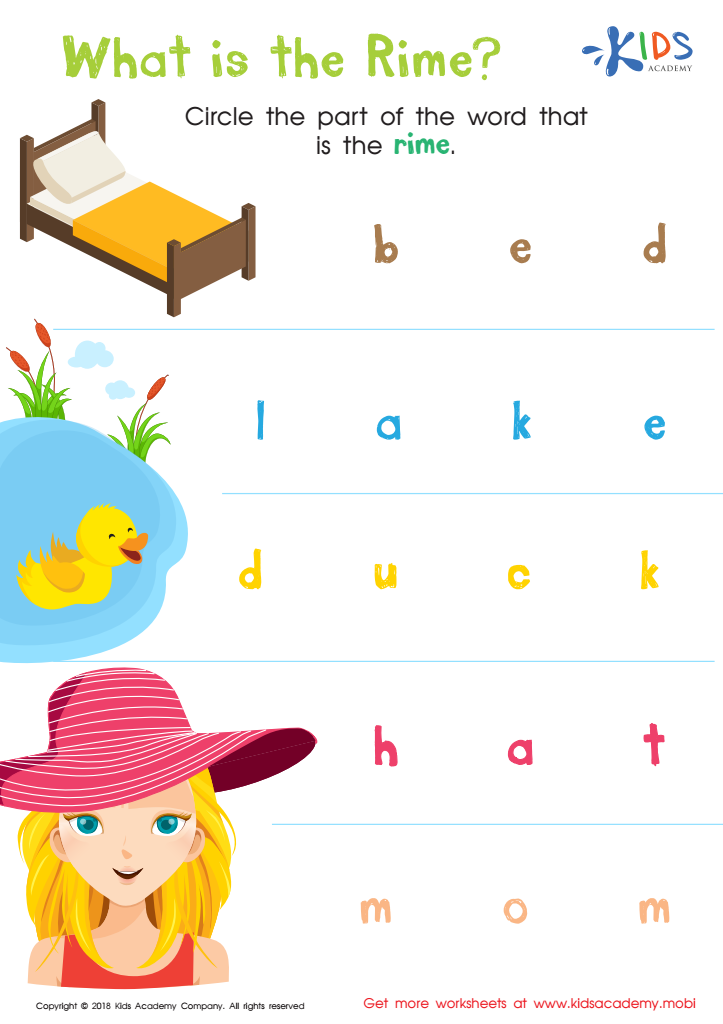
What Is the Rime? Worksheet
Kids will love this PDF worksheet that boosts their reading skills and fine motor skills as they trace the correct rimes for each picture. Knowing onset and rime is key to decoding and fluency, and this worksheet makes it fun! They won't even know they're learning and will be asking for more.
What Is the Rime? Worksheet
Worksheet
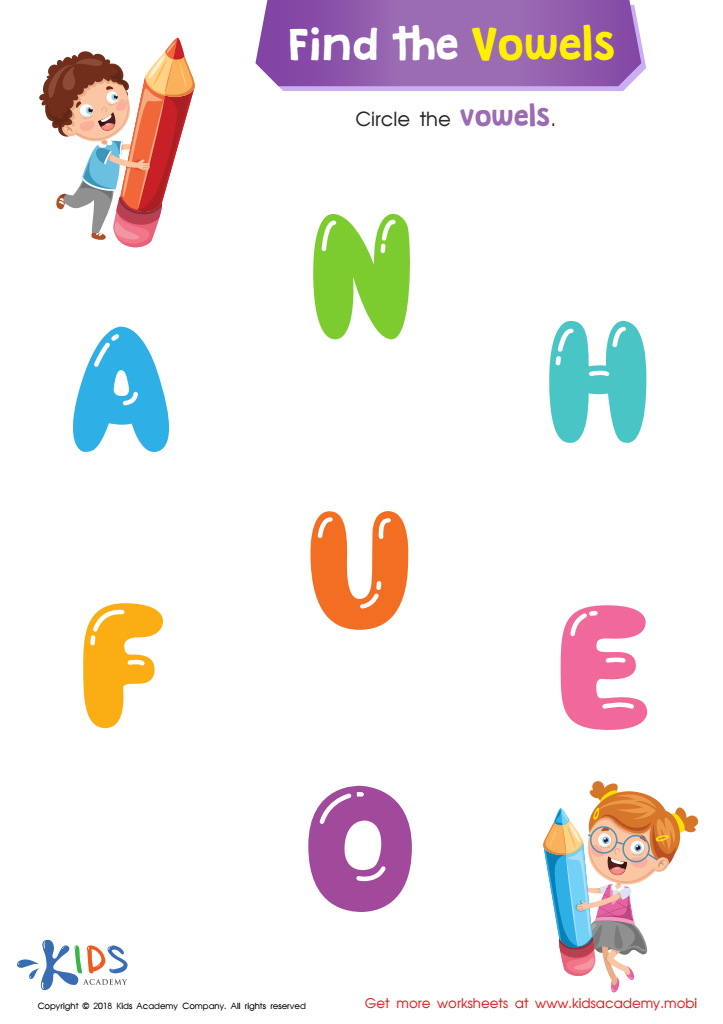
Find the Vowels Reading Worksheet
This worksheet helps kids identify vowels with bright colors and engaging activities to strengthen their visual discrimination and fine motor skills. Young learners will find it easy to succeed and be excited to keep reading!
Find the Vowels Reading Worksheet
Worksheet
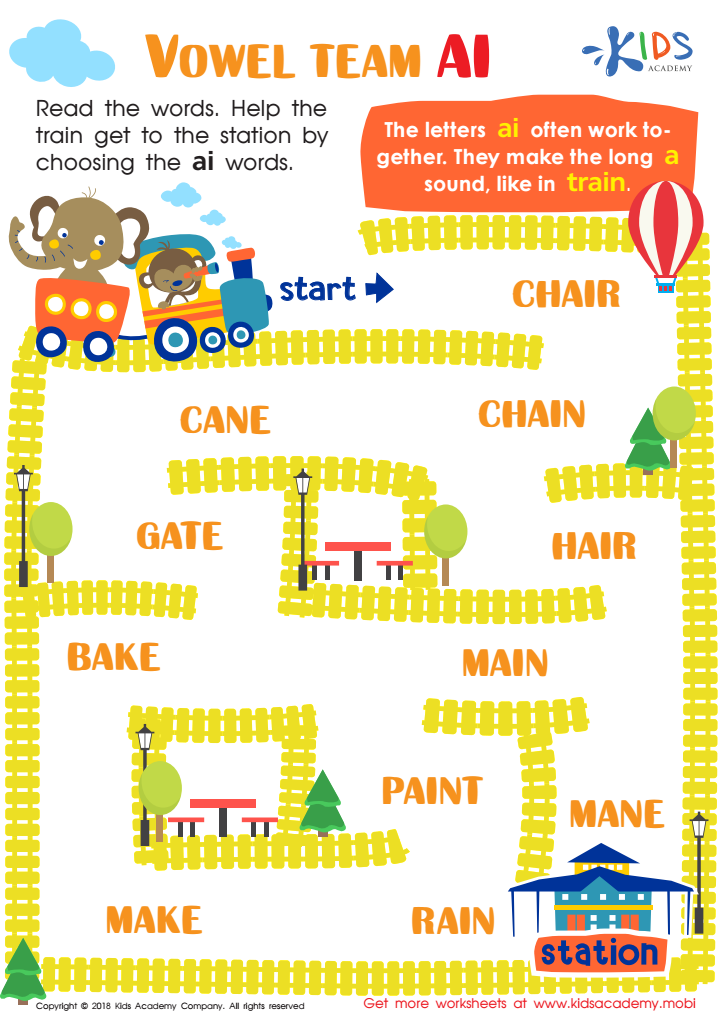
Vowel team ai Worksheet
Kids will have a blast learning about the -ai digraph with this fun worksheet. They'll read words with it and practice their motor skills as they help the animal duo get back to the train station. With success, they'll smile and enjoy the activity!
Vowel team ai Worksheet
Worksheet
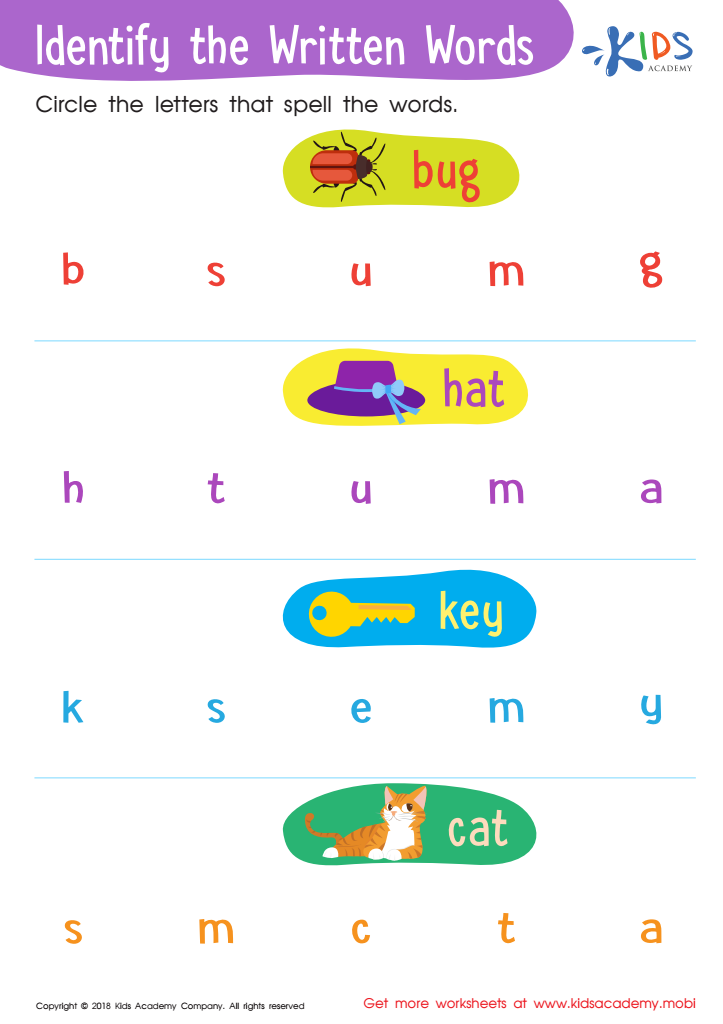
Identify the Written Words Worksheet
Have your students identify the objects on the printout, then spell the words. If they already know how to spell, this exercise should be easy. Help them circle the correct letters from the set to spell out the words. This is a great way to reinforce reading and spelling skills. Max 80 words.
Identify the Written Words Worksheet
Worksheet
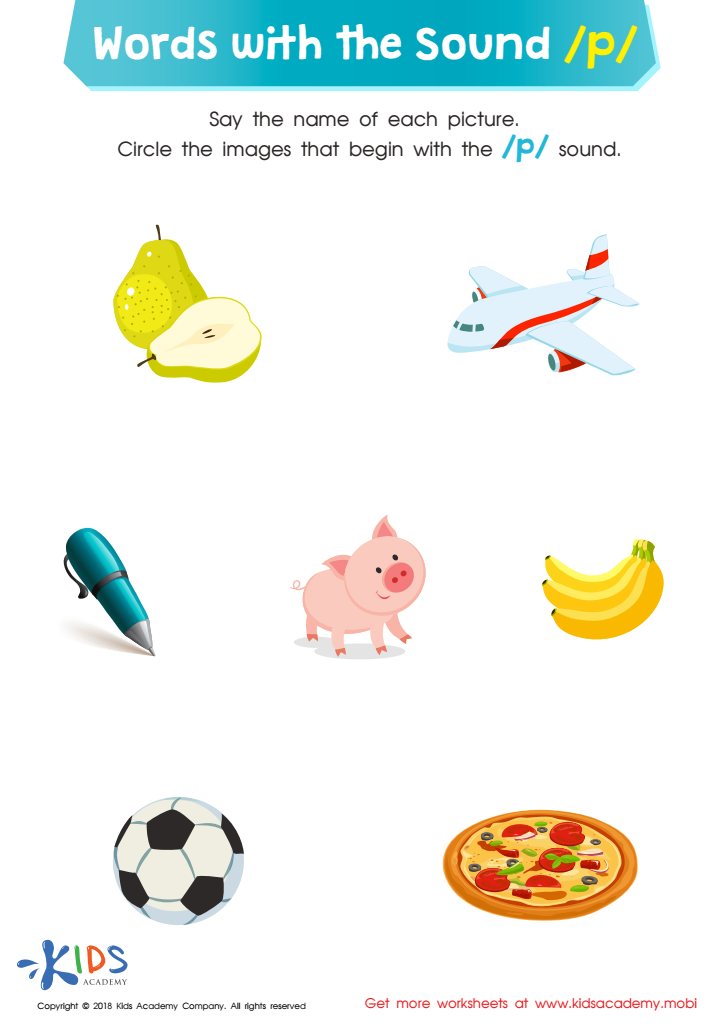
Words with sound p Reading Worksheet
Working on this fun worksheet? Name each picture aloud and listen carefully before circling those that start with the letter «p»! Pizza, pig, plane, or banana - practice phonics to help your child recognize the letter «p» sound for successful early reading and decoding!
Words with sound p Reading Worksheet
Worksheet
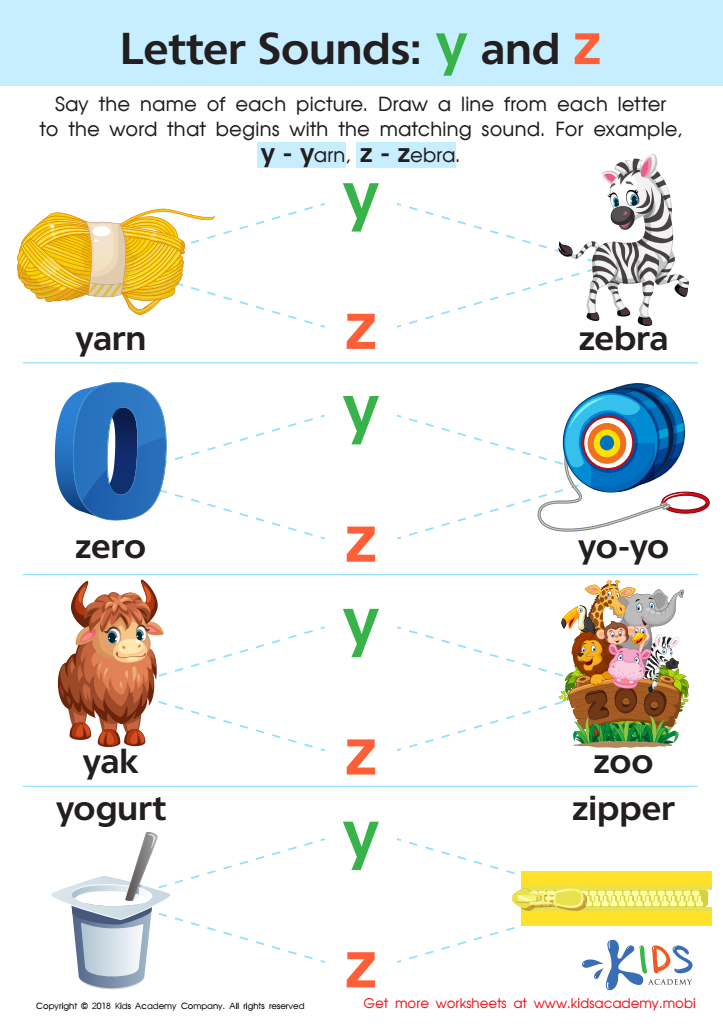
Letter Y and Z Sounds Worksheet
Y and Z can be tricky for kids to learn. Kids Academy has the answer with a great worksheet. "Yo-yo", "yak" and "zebra" help kids recognize, say and trace each letter. Plus, they can read the words and match them to images! Let your child try and help them master phonics at the end of the alphabet.
Letter Y and Z Sounds Worksheet
Worksheet
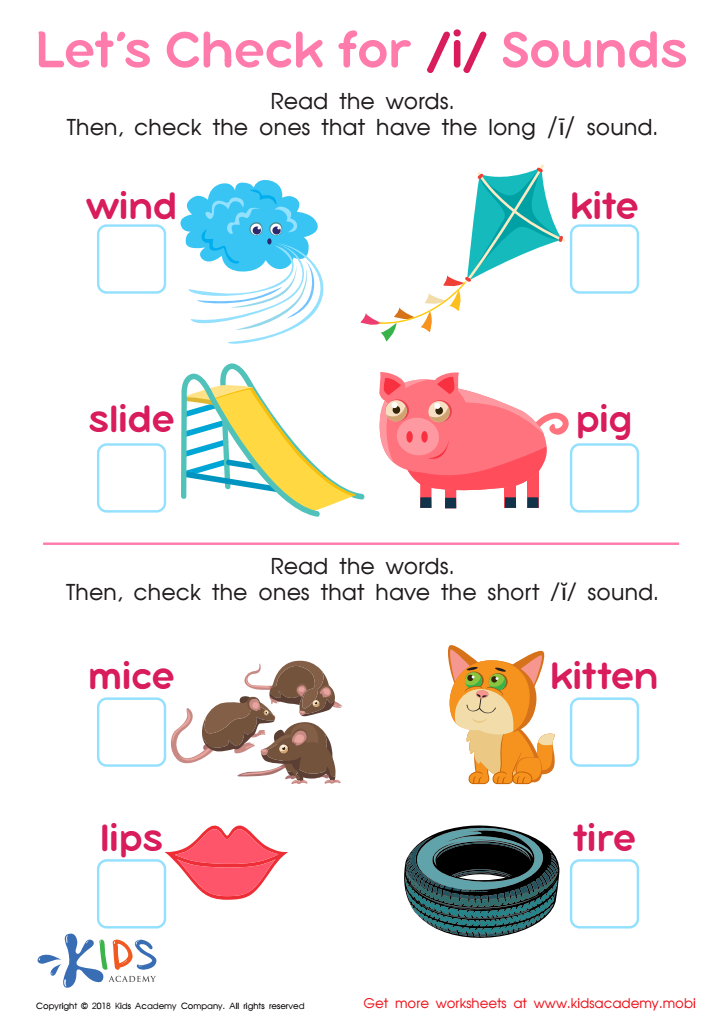
Let's Check for «i» Sounds Worksheet
This fun worksheet with pictures boosts phonics skills - differentiating between long «ī» and short «i» sounds in 1- and 2-syllable words. Kids use picture clues to read words, then check off the correct ones. It's a great way for new readers to practice early reading skills and find success on their own.
Let's Check for «i» Sounds Worksheet
Worksheet
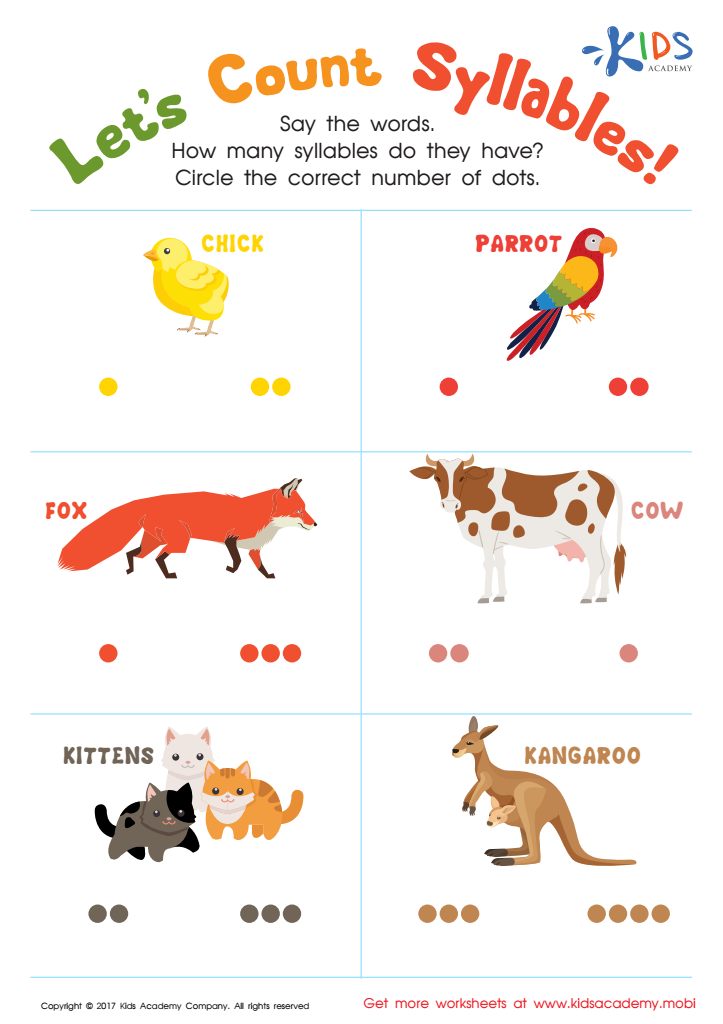
Lets Count Syllables Worksheet
This fun animal worksheet makes learning to read easier by breaking words into syllables. Bright, cheery pictures give context and help kids choose the right syllable count. Count together and enjoy as your child learns and gains success!
Lets Count Syllables Worksheet
Worksheet
Join Kids Academy for Free
Who is primarily going to use this learning content?




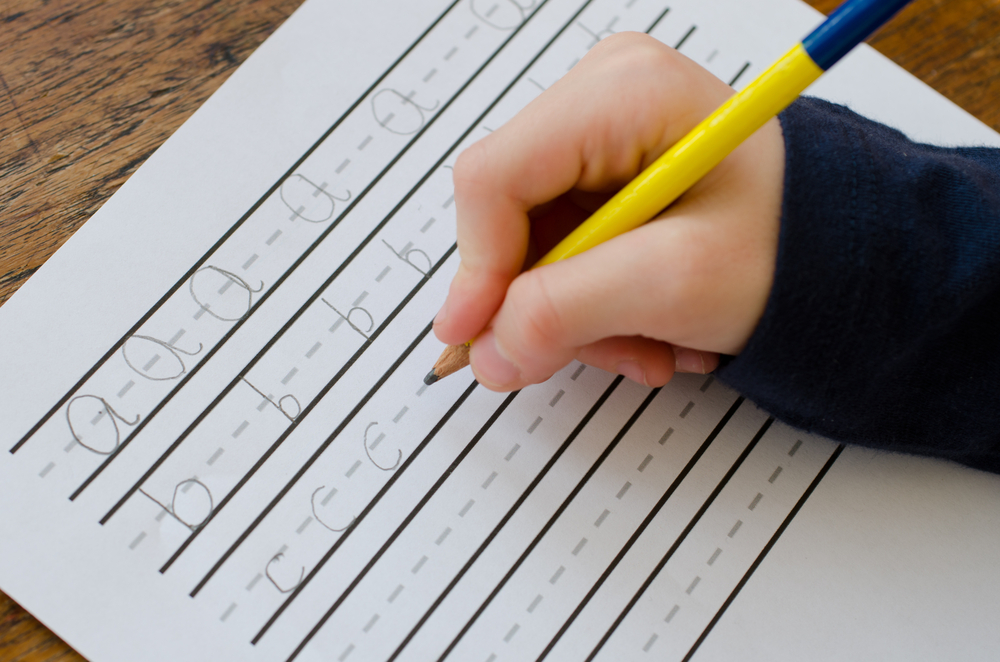


Reading skills are fundamental for a child's overall development, particularly from ages 3 to 7, a crucial period for language acquisition. This stage lays the foundation for future learning and literacy. Parents and teachers should prioritize reading skills improvement for several reasons.
First, early reading fosters cognitive development, enhances vocabulary, and improves comprehension skills, which are vital for academic success. Children who read proficiently are better equipped to grasp concepts across all subjects, leading to a more well-rounded education.
Second, reading stimulates imagination and creativity. Engaging with stories allows children to visualize different scenarios, cultures, and values, promoting empathy and understanding of the world around them.
Furthermore, a strong command of reading skills can instill a lifelong love for learning. When children enjoy reading, they are more likely to explore new ideas independently and become enthusiastic learners.
Lastly, during these formative years, children who develop strong reading skills tend to have improved social interactions and communication abilities, crucial for building relationships.
In conclusion, investing in reading skills improvement from ages 3 to 7 can have profound and lasting impacts, shaping children's futures in education and beyond, making it essential for parents and teachers to prioritize this critical area.







