Sound Association Alphabet Worksheets for Ages 3-7
33 filtered results
-
From - To
Discover our engaging Sound Association Alphabet Worksheets designed specifically for children ages 3-7. These worksheets foster early literacy skills by helping young learners connect sounds with letters and words. Each worksheet offers fun, interactive exercises that reinforce phonemic awareness through vibrant illustrations and activities. Your child will explore the alphabet while developing essential listening skills and improving their vocabulary. Perfect for home or classroom use, our sound association worksheets encourage independent learning and critical thinking. Unlock your child’s potential and make learning fun with our well-crafted resources that cater to early learners' needs. Get started today for a joyful learning experience!
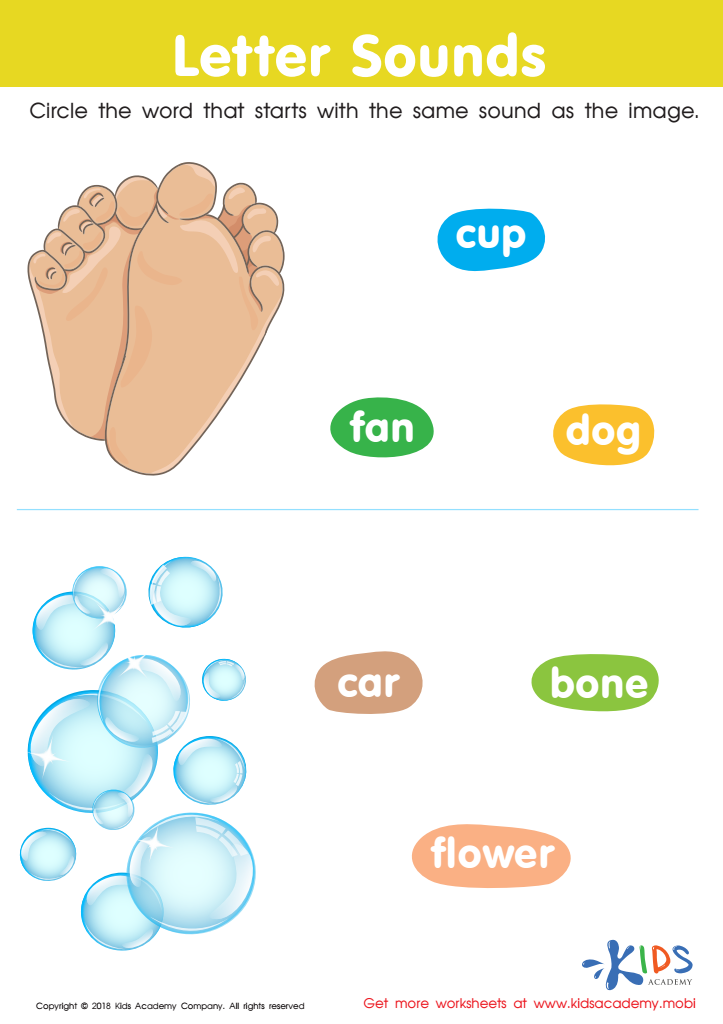
letter sounds Worksheet
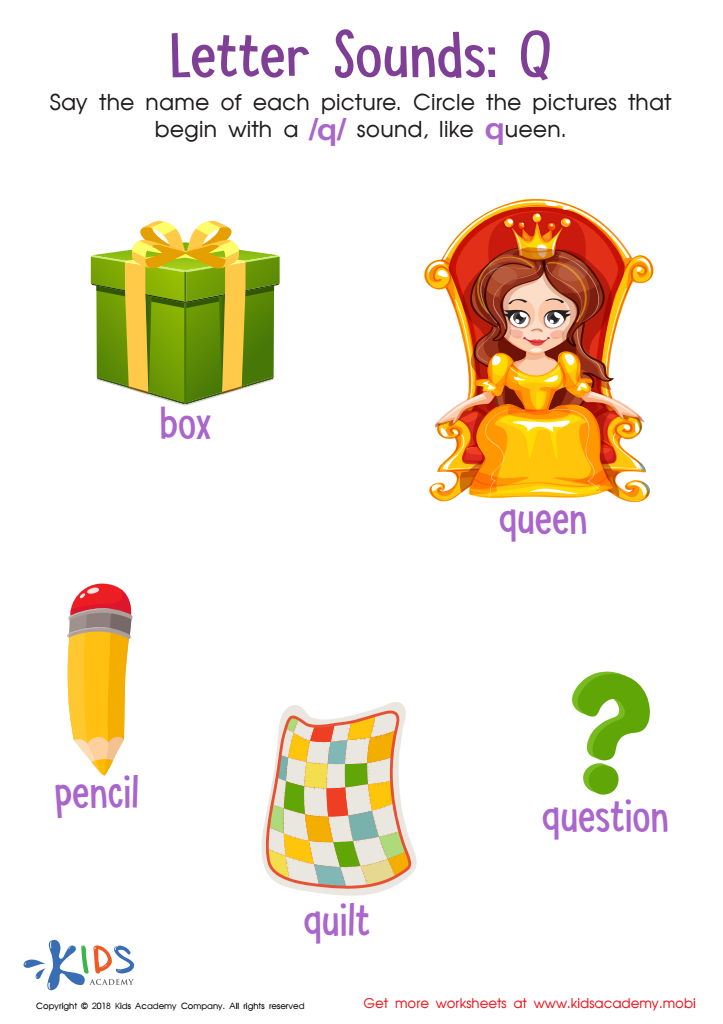
Letter Q Sounds Worksheet
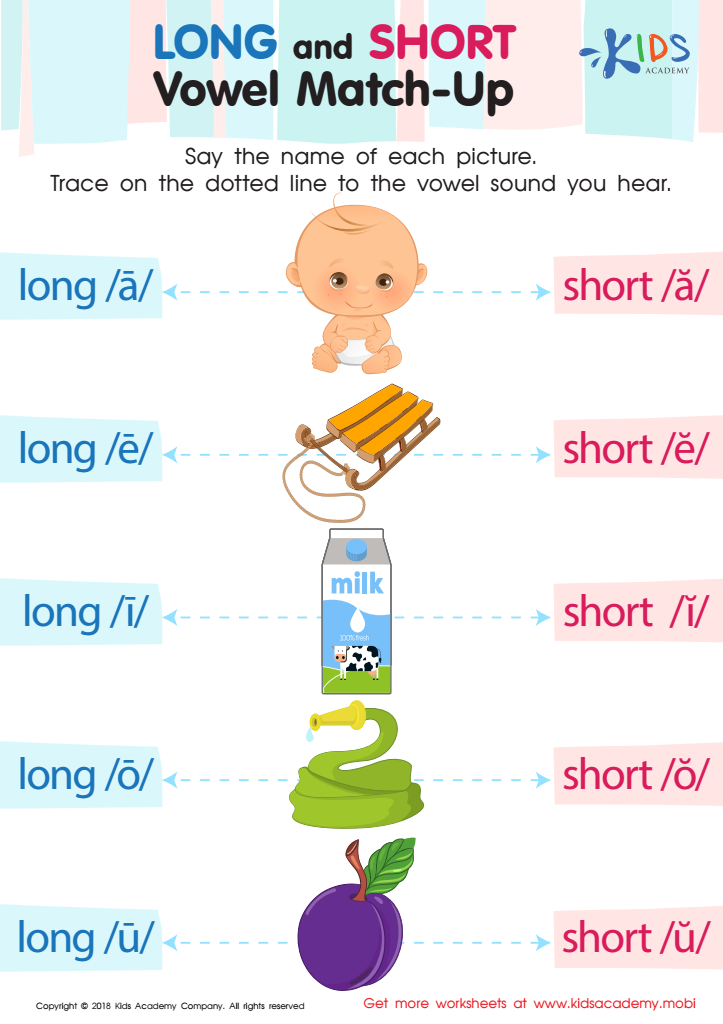
Long and Short Vowel Match up Reading Worksheet
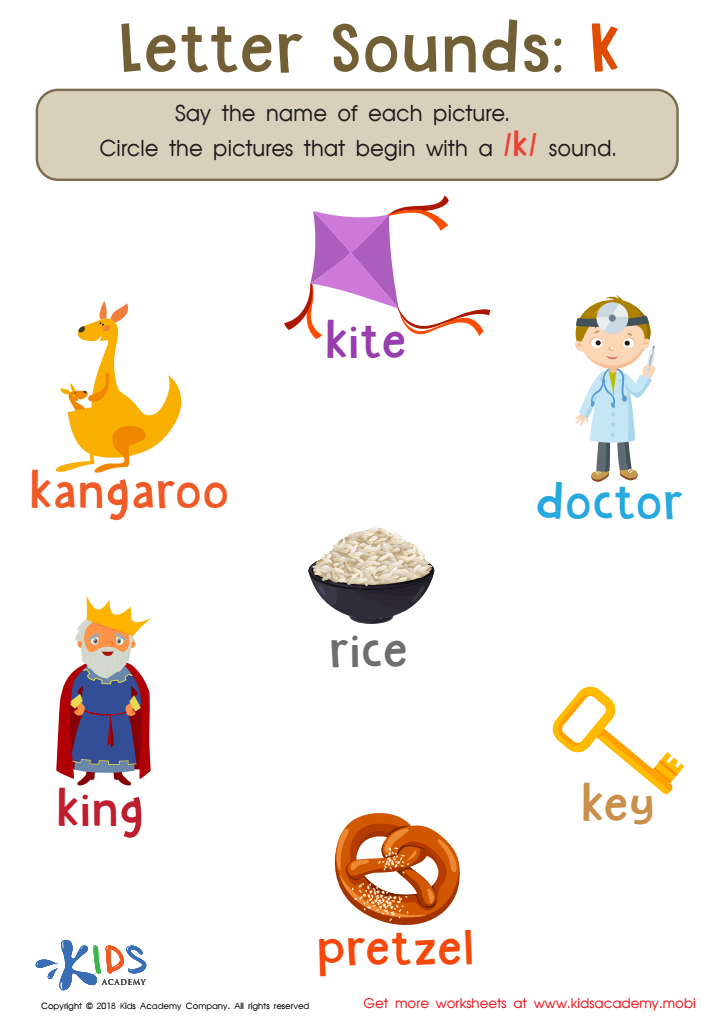
Letter K Sounds Worksheet
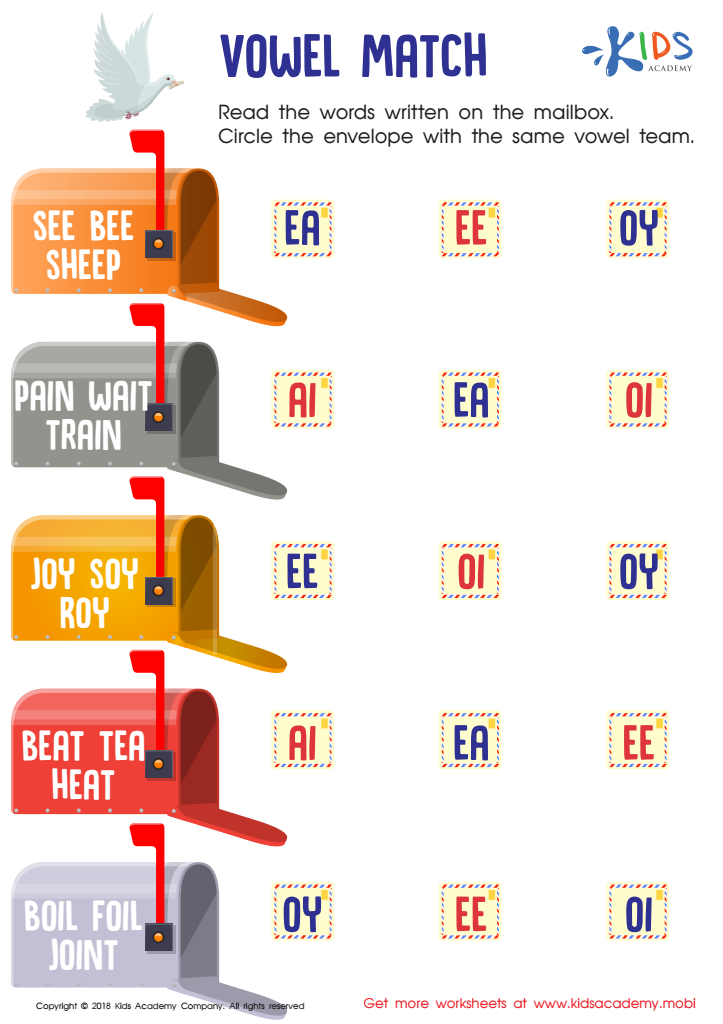
Vowel match Worksheet
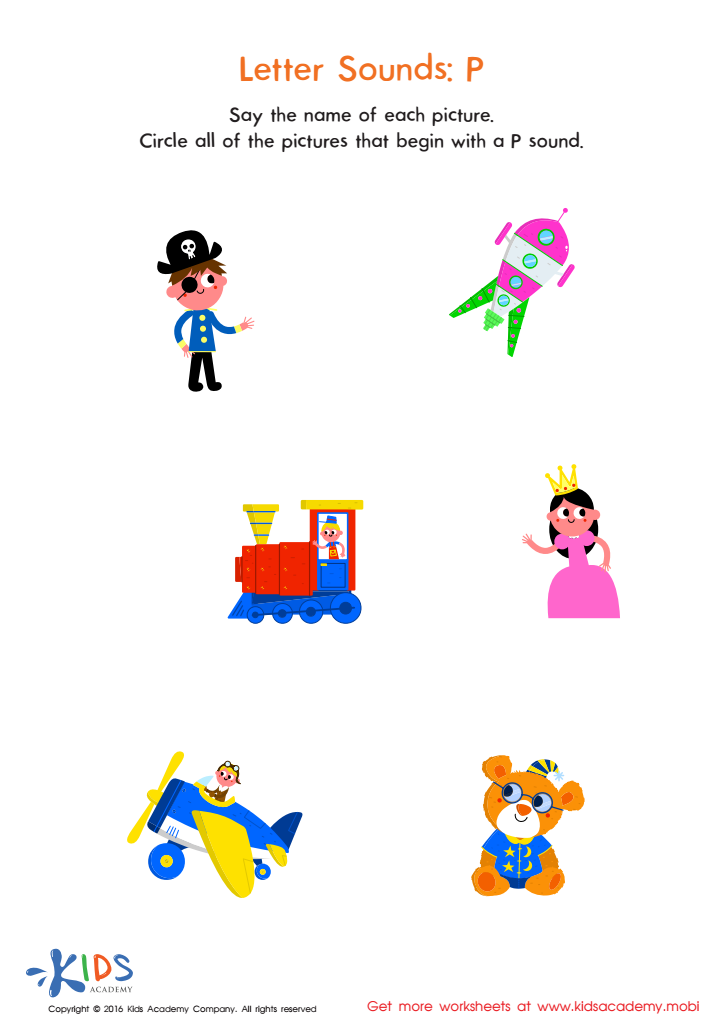
Letter P Sound Worksheet
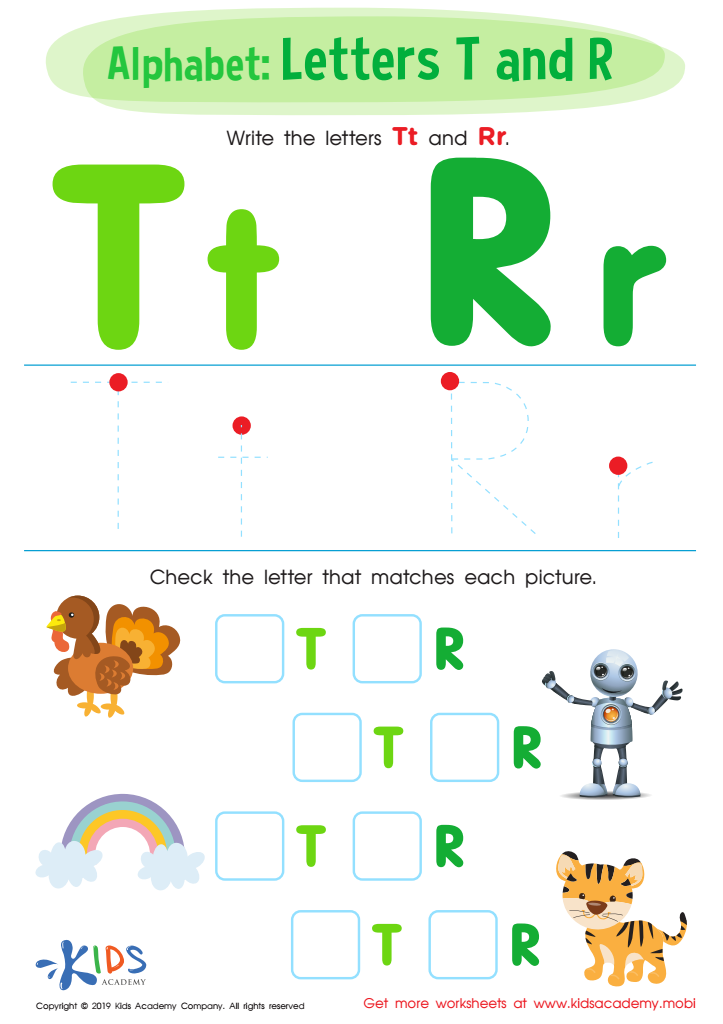
Letters T and R Worksheet
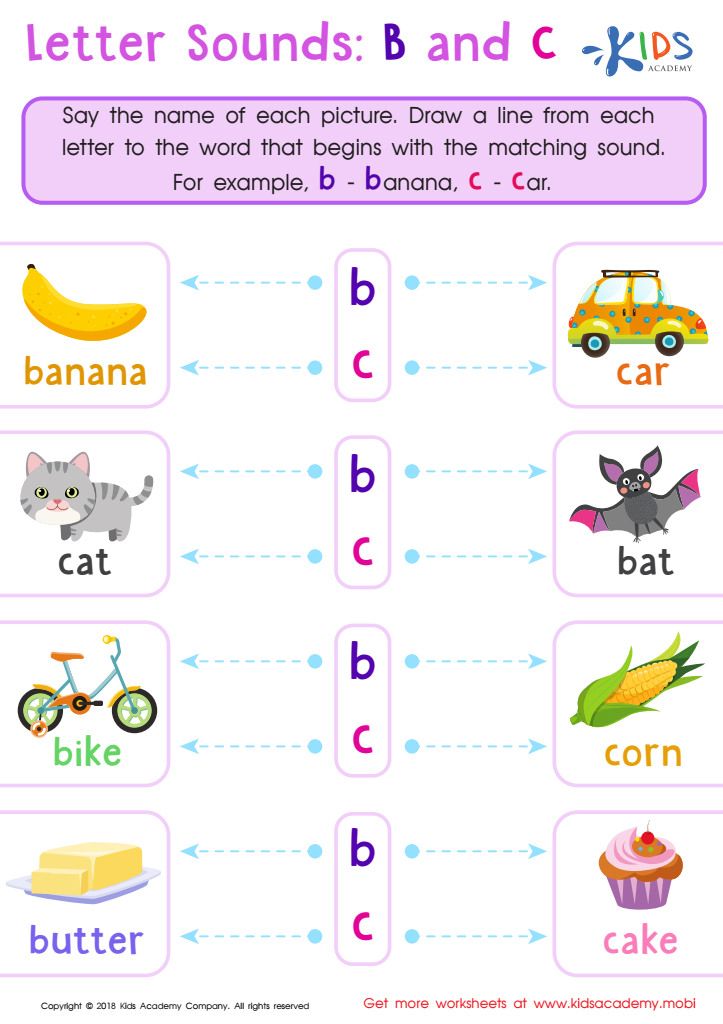
Letter B and C Sounds Worksheet
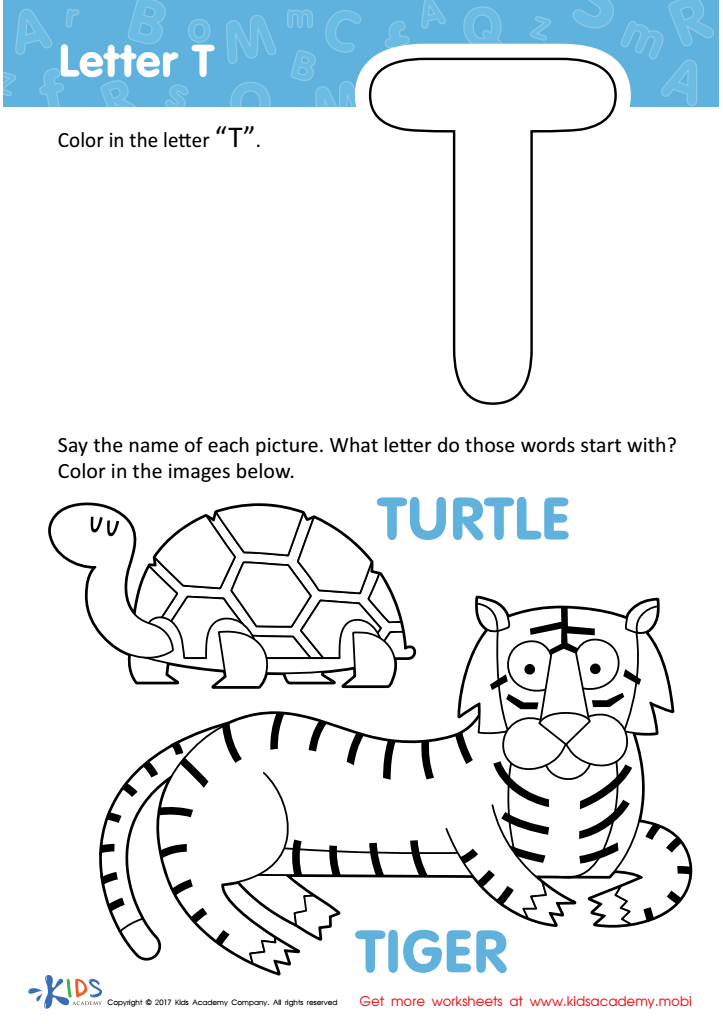
Letter T Coloring Sheet
 Assign to My Students
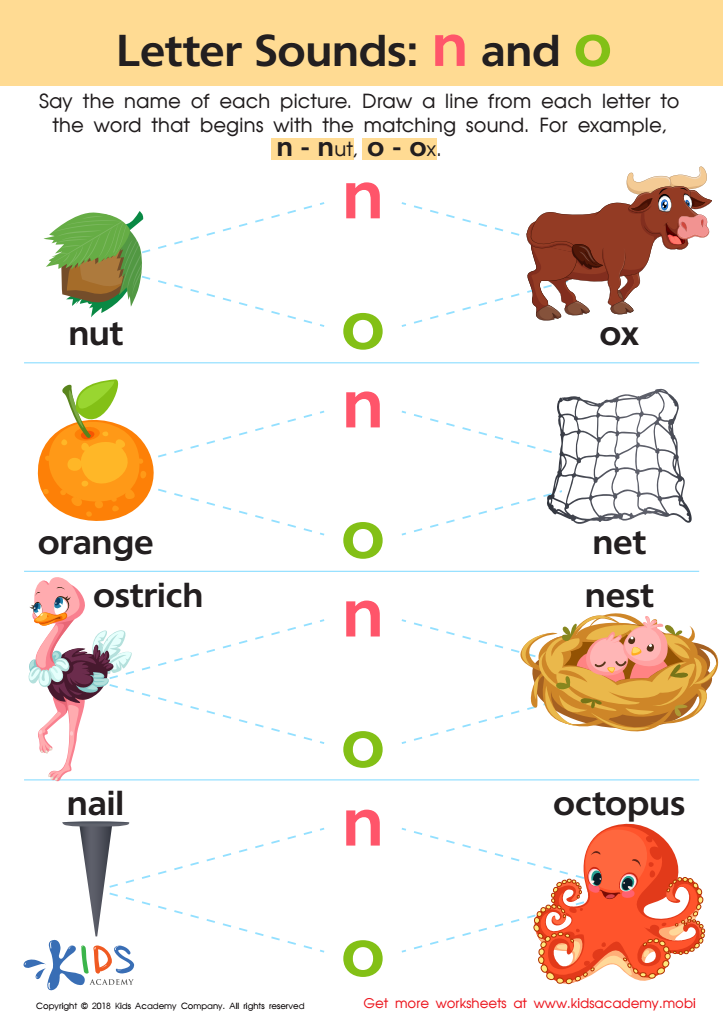
Letter N and O Sounds Worksheet
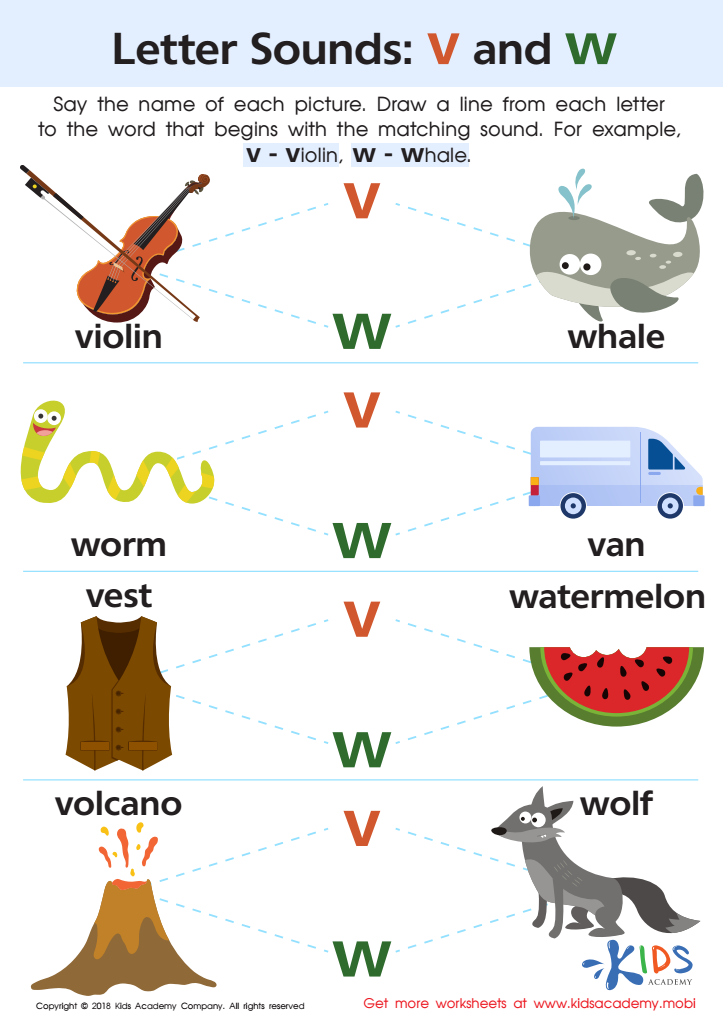
Letter V and W Sounds Worksheet
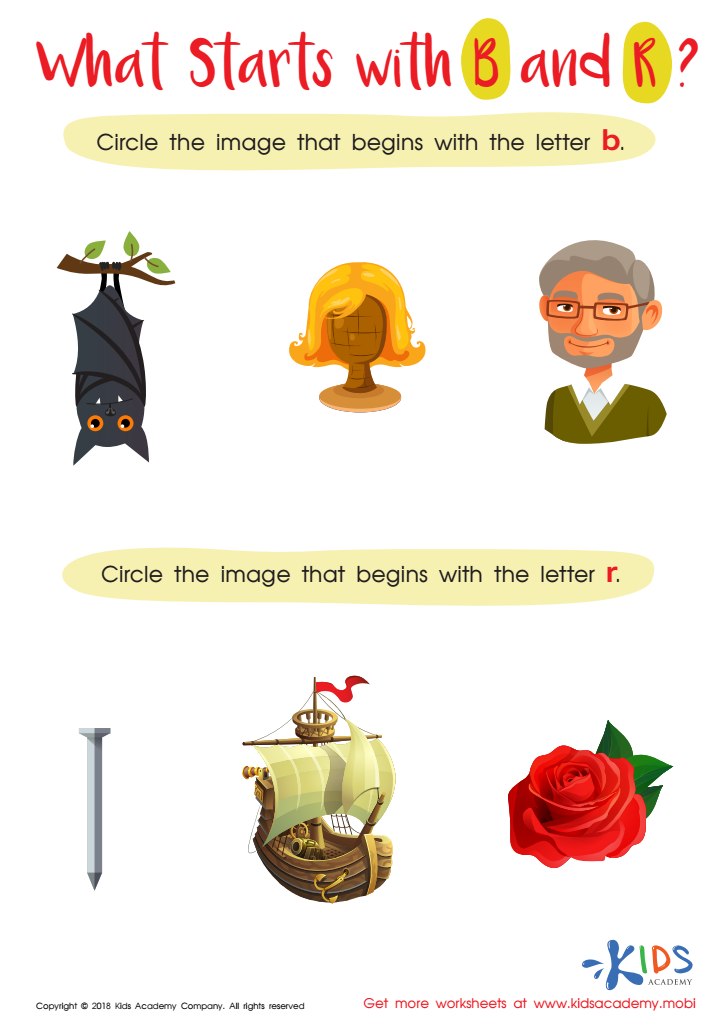
What Starts with B and R? Worksheet
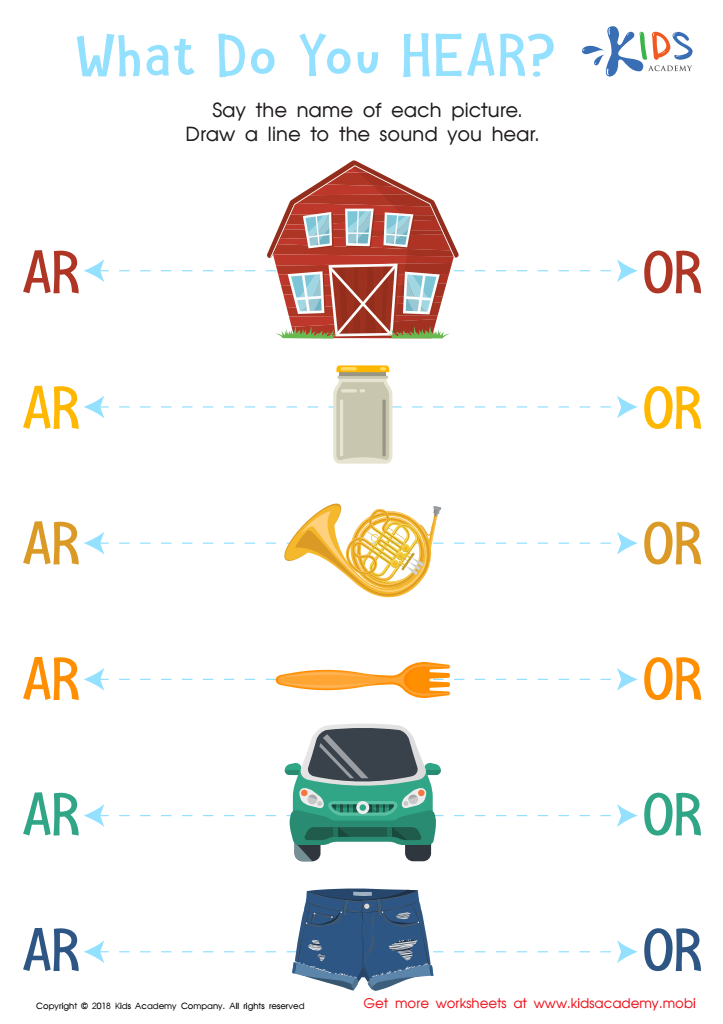
What do you hear Worksheet
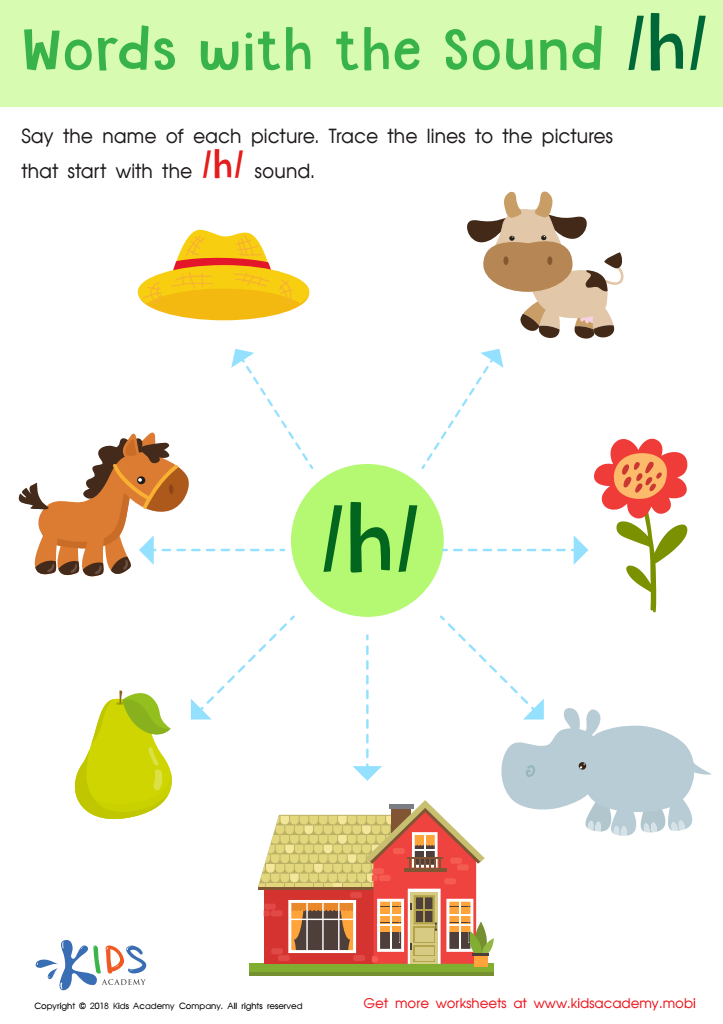
Words with sound h Reading Worksheet
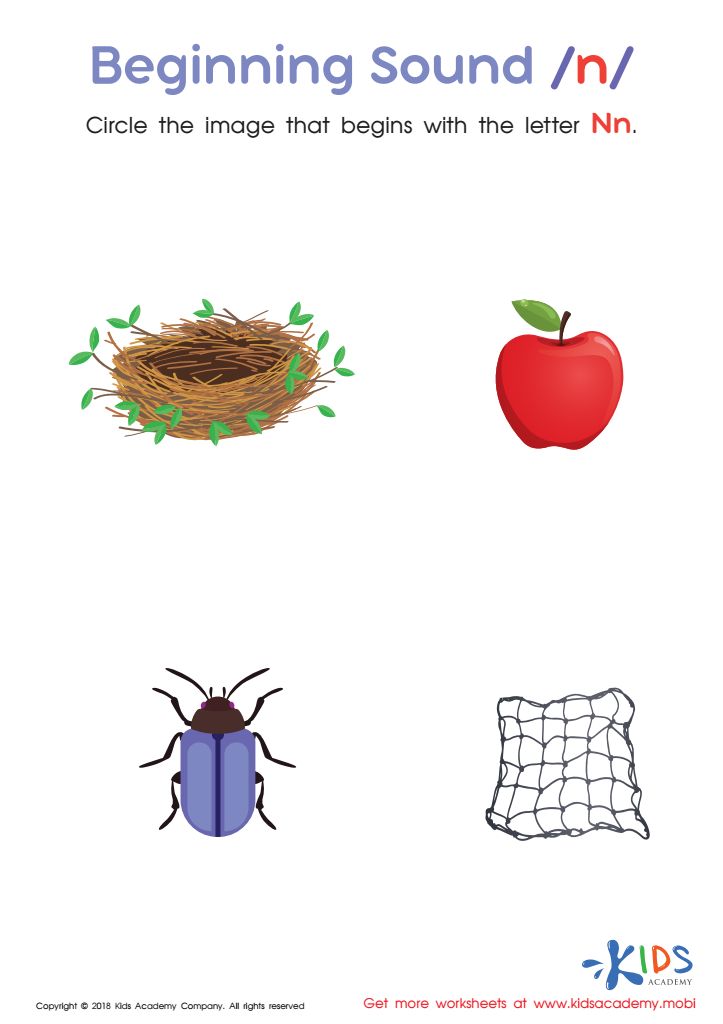
Beginning Sound «n» Worksheet
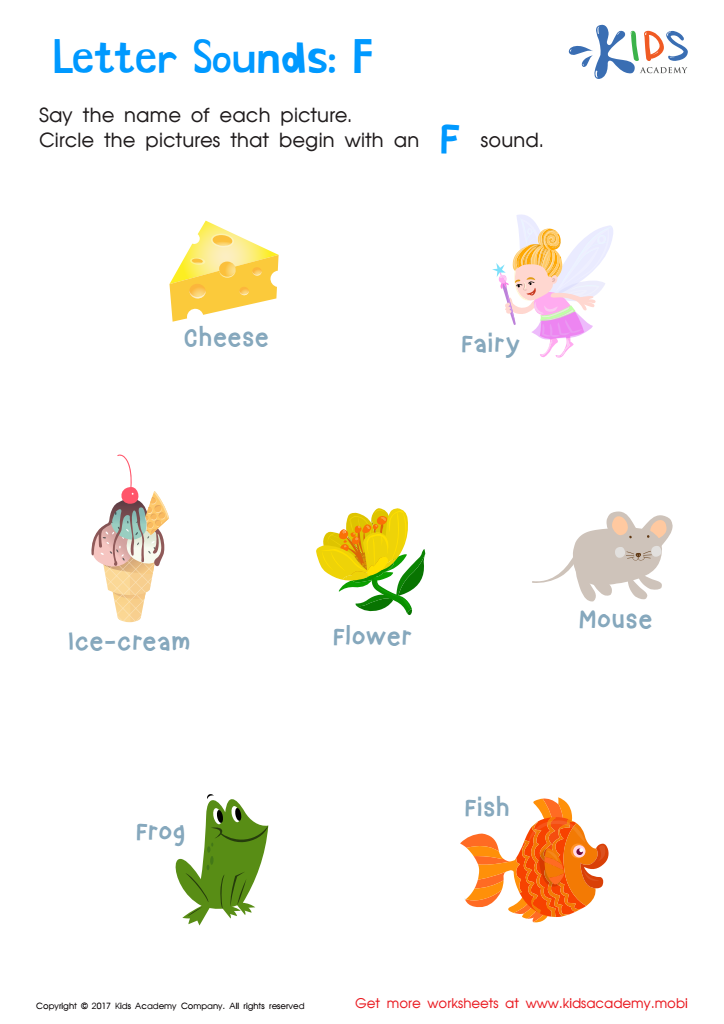
Letter F Sounds Worksheet
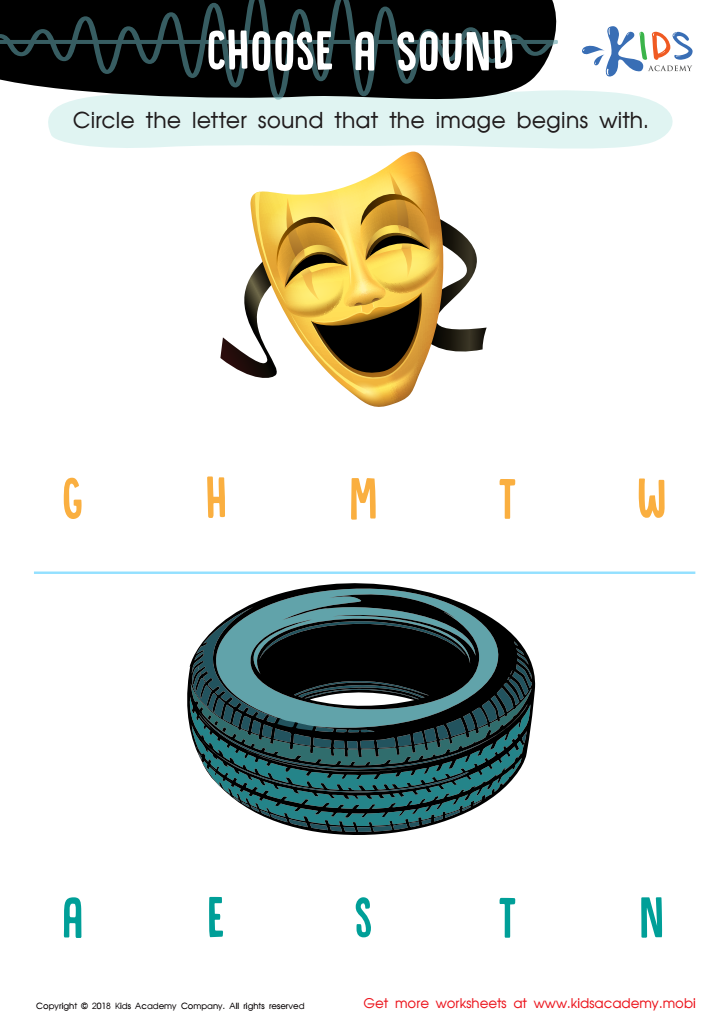
Choose a Sound Worksheet
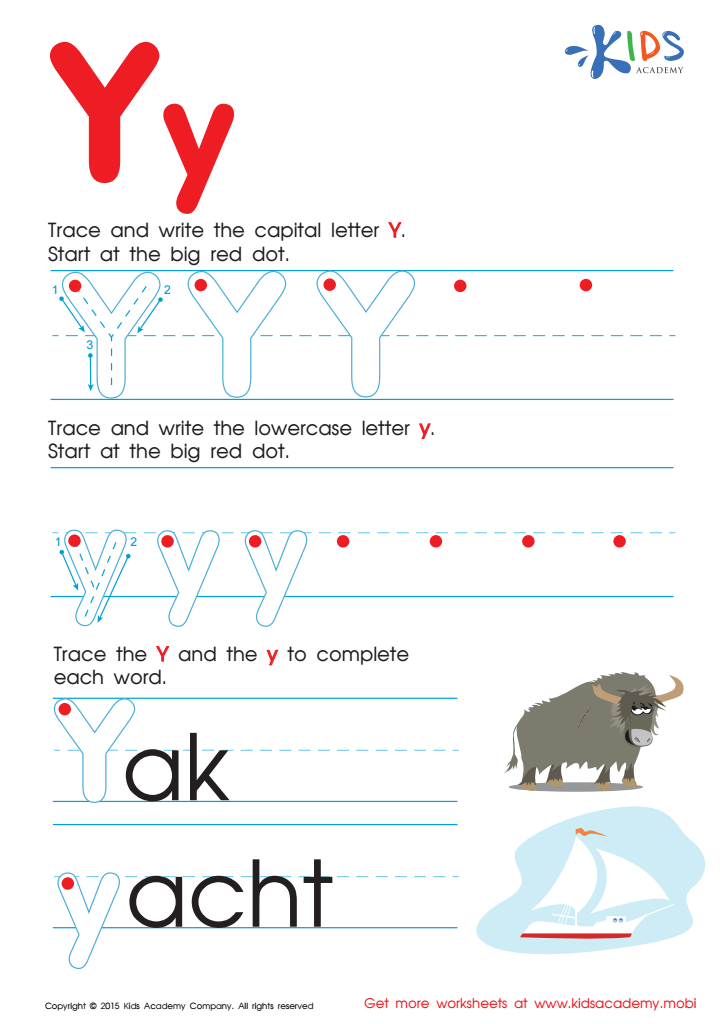
Letter Y Tracing Page
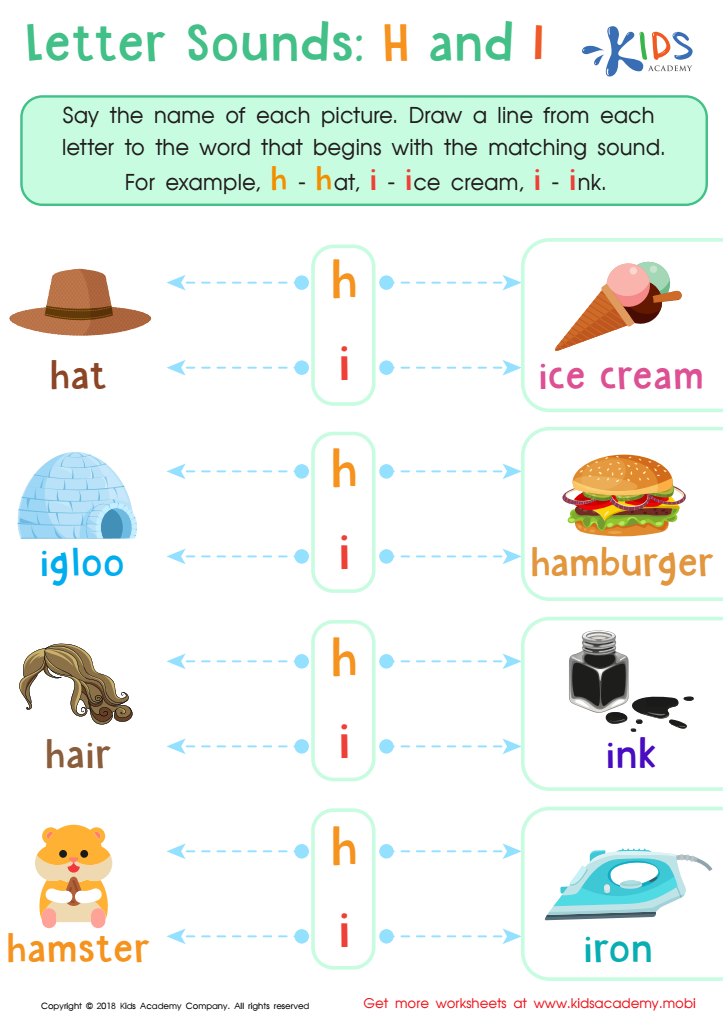
Letter H and I Sounds Worksheet
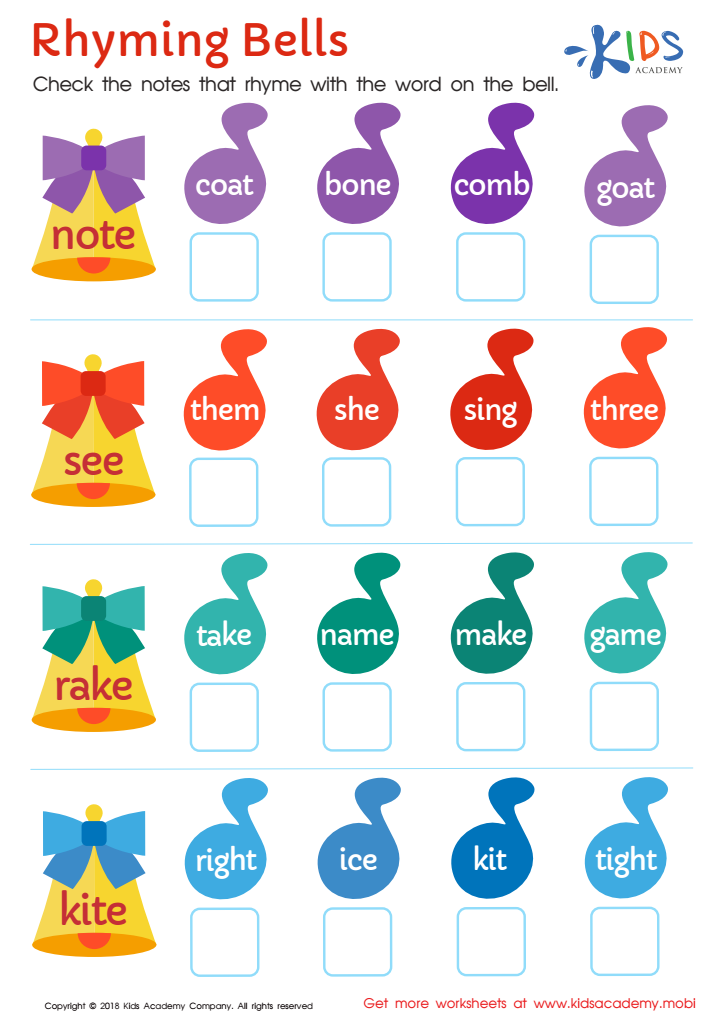
Rhyming Bells Worksheet
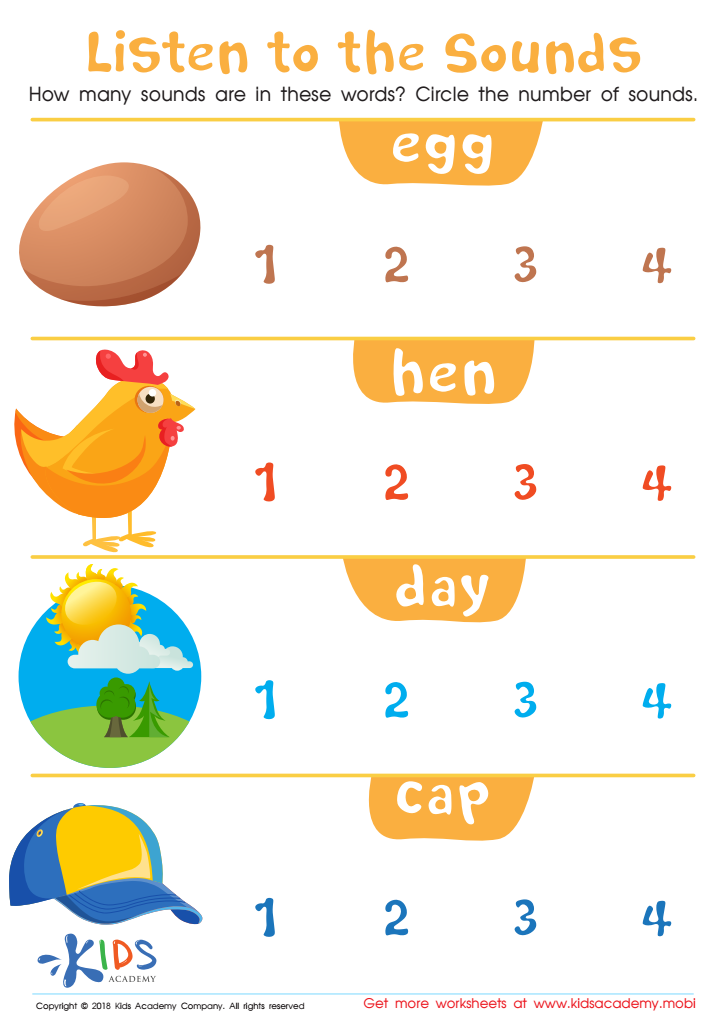
Listen to the Sounds Worksheet
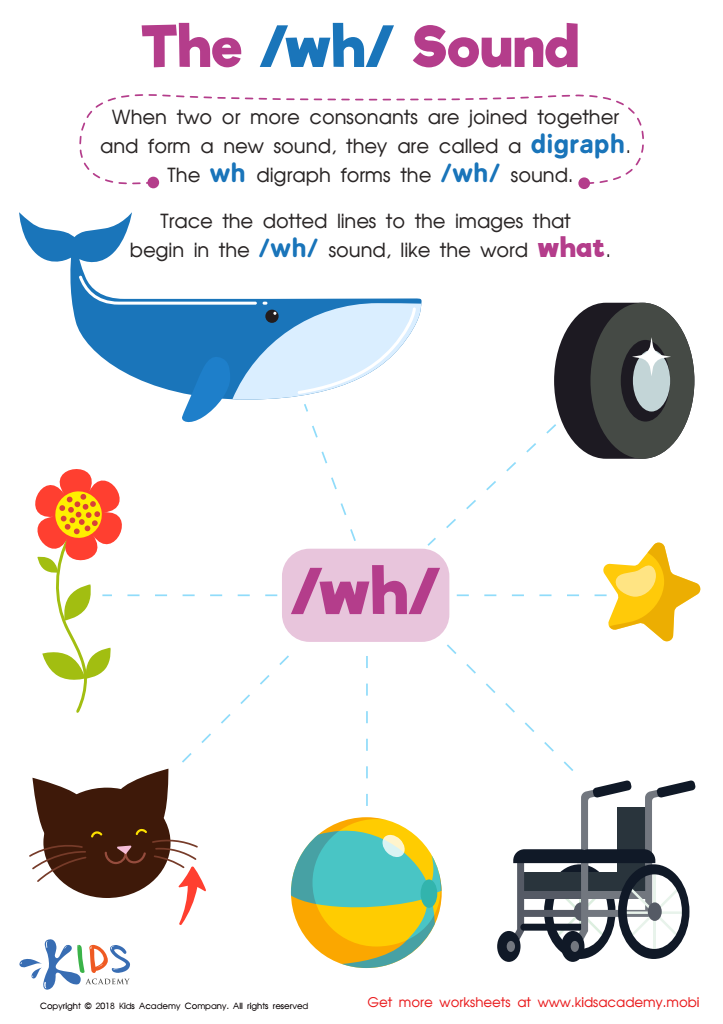
The /wh/ Sound Worksheet
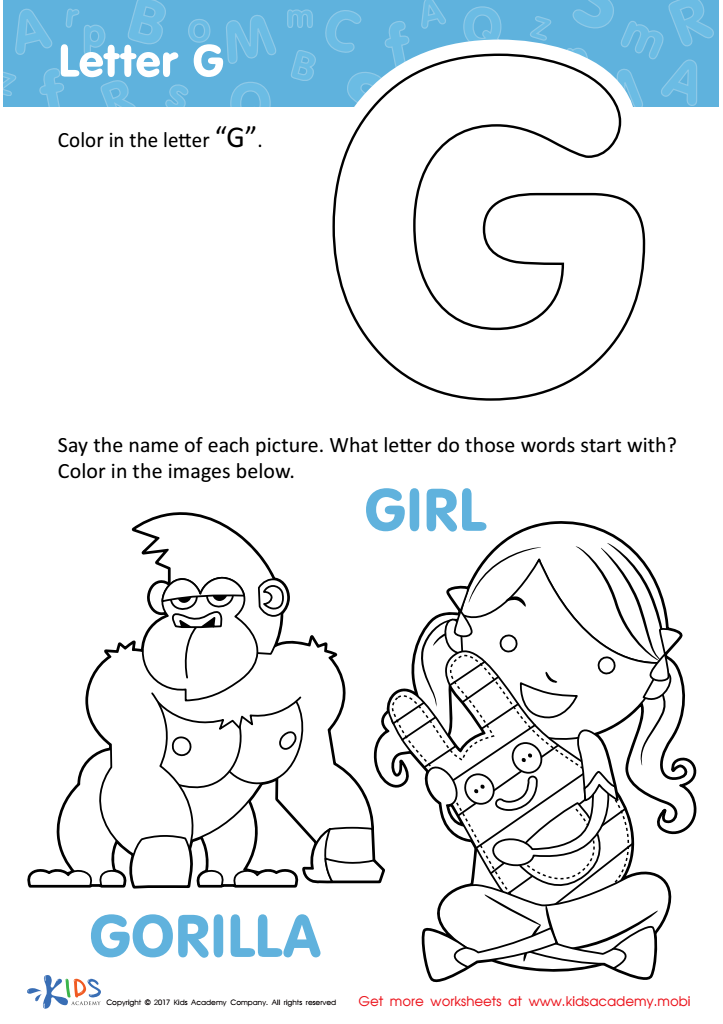
Letter G Coloring Sheet
Assign to My Students
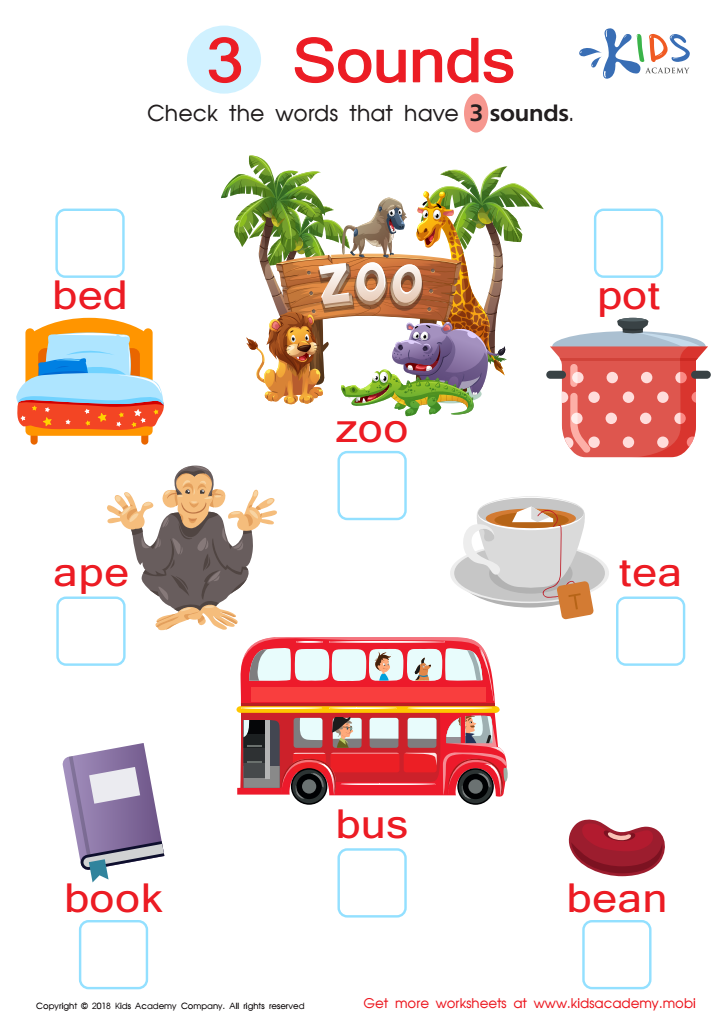
3 Sounds Worksheet








Sound Association Alphabet is crucial for children aged 3-7 as it lays the foundation for reading and language development. At this age, young learners are naturally curious and eager to explore their environment. By integrating sound with letters, children develop phonemic awareness, which is the ability to hear, identify, and manipulate individual sounds in words. This skill is essential for decoding words when they learn to read.
Moreover, understanding sound-letter relationships helps children improve their vocabulary and spelling. As they associate specific sounds with corresponding letters, they begin to recognize patterns in language, making reading more enjoyable and less daunting. This builds confidence and fosters a love for learning.
Parents and teachers play a key role in reinforcing these concepts through engaging activities like storytelling, phonetic games, and singing songs that emphasize sounds. When caregivers show enthusiasm for literacy activities, it encourages children to participate actively and cultivate a positive attitude toward reading.
Investing time in teaching Sound Association Alphabet not only enhances literacy skills but also nurtures cognitive development, critical thinking, and communication skills. Ultimately, when children grasp sound-letter connections, they are better prepared for academic success and lifelong learning.







