Phonological awareness Phonics Worksheets for Ages 3-7
8 filtered results
-
From - To
Discover our engaging Phonological Awareness Phonics Worksheets designed for children ages 3-7! These interactive resources promote essential foundational skills crucial for early reading success. Our colorful worksheets help young learners recognize sounds, syllables, and rhymes through fun activities and games, making learning enjoyable. Tailored to meet developmental milestones, each worksheet encourages practice in identifying phonemes and developing auditory discrimination. Ideal for both classroom settings and home learning, these worksheets empower children to become confident readers. Boost your child’s literacy journey with our carefully crafted phonological awareness worksheets and watch their reading skills flourish! Explore now and inspire a love for learning!
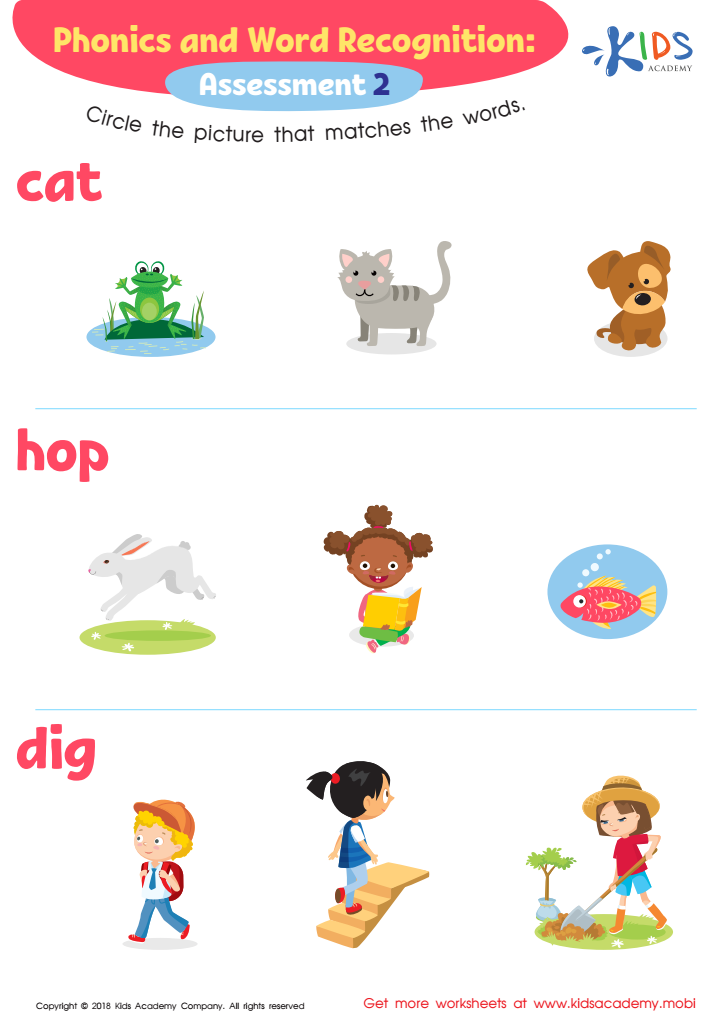
Phonological Awareness: Assessment 2 ELA Worksheet
 Assign to My Students
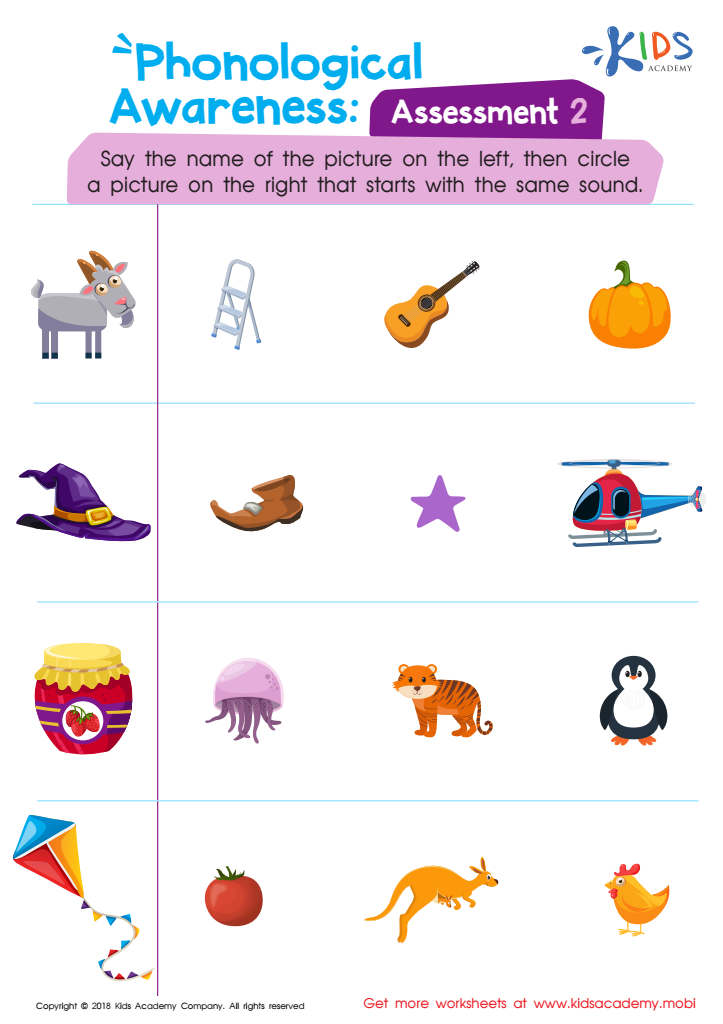
Phonological Awareness: Assessment 2 Worksheet
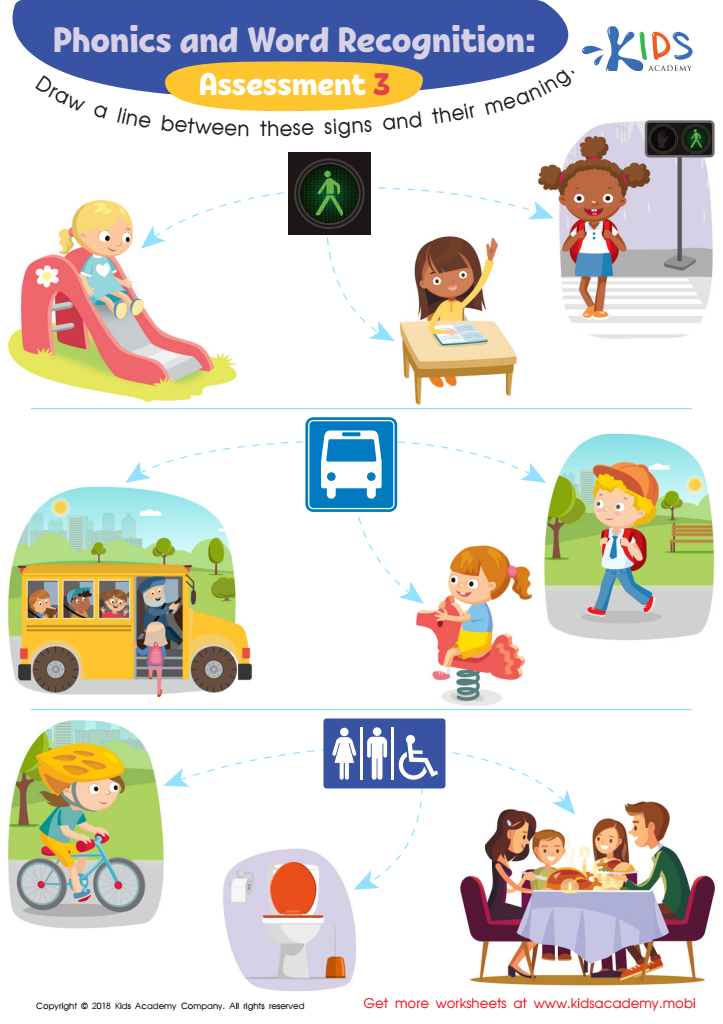
Phonological Awareness: Assessment 3 ELA Worksheet
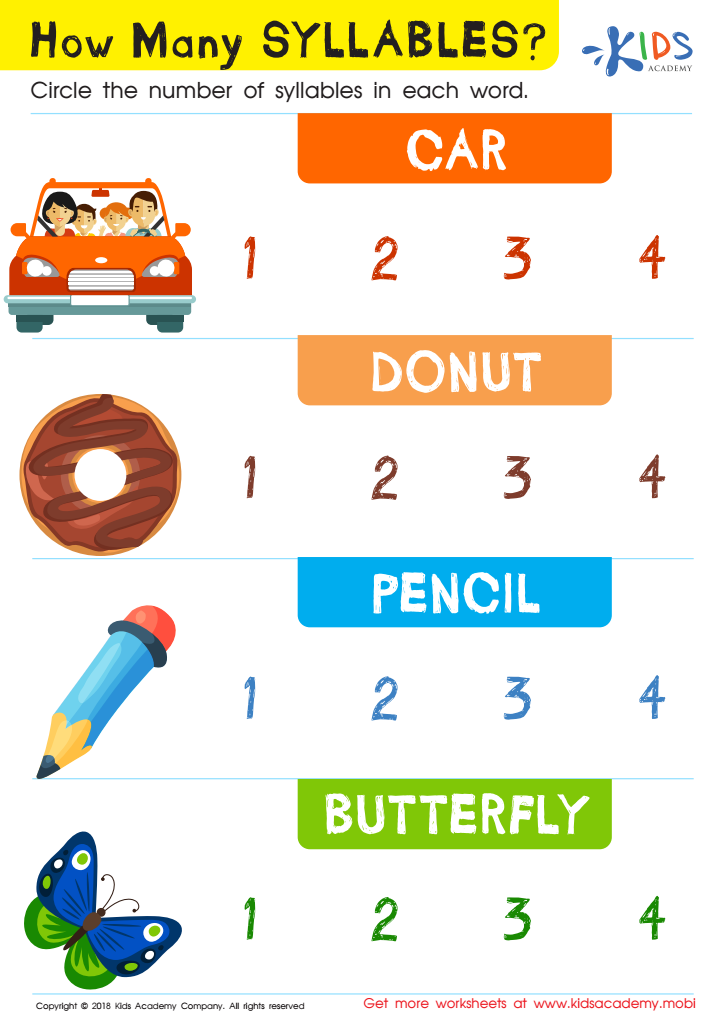
How Many Syllables? Worksheet
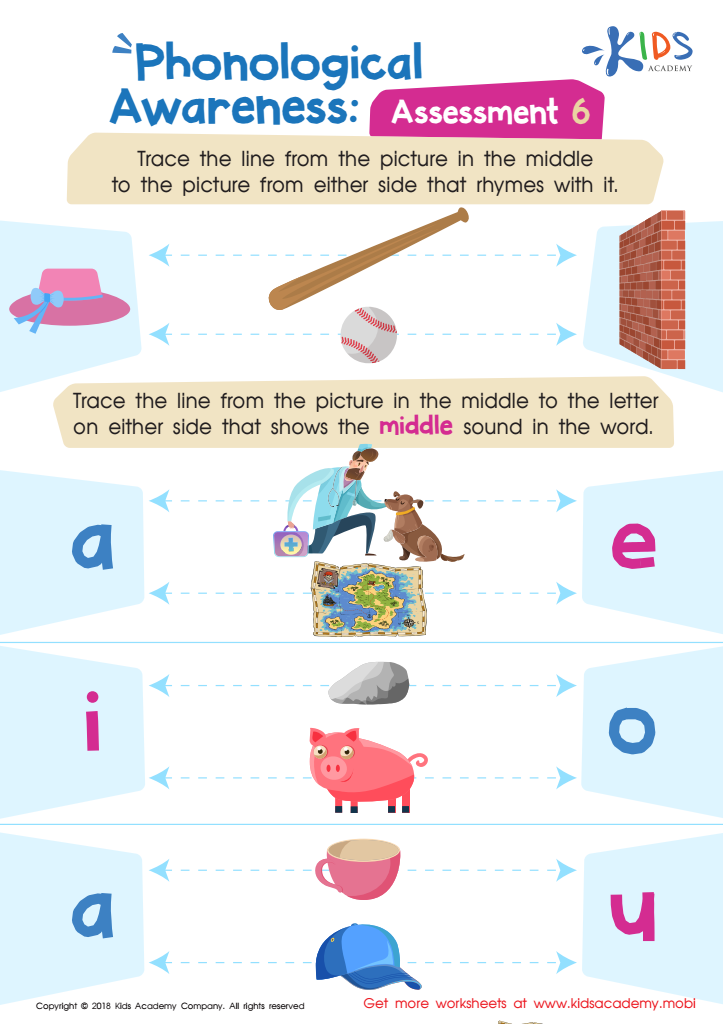
Phonological Awareness: Assessment 6 Worksheet
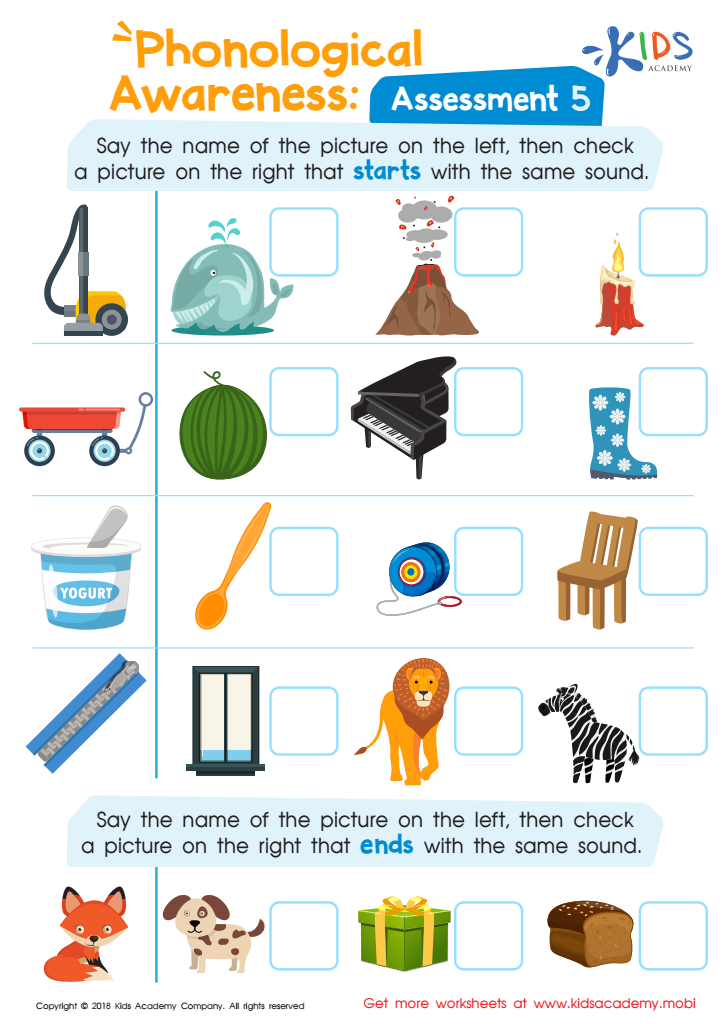
Phonological Awareness: Assessment 5 Worksheet
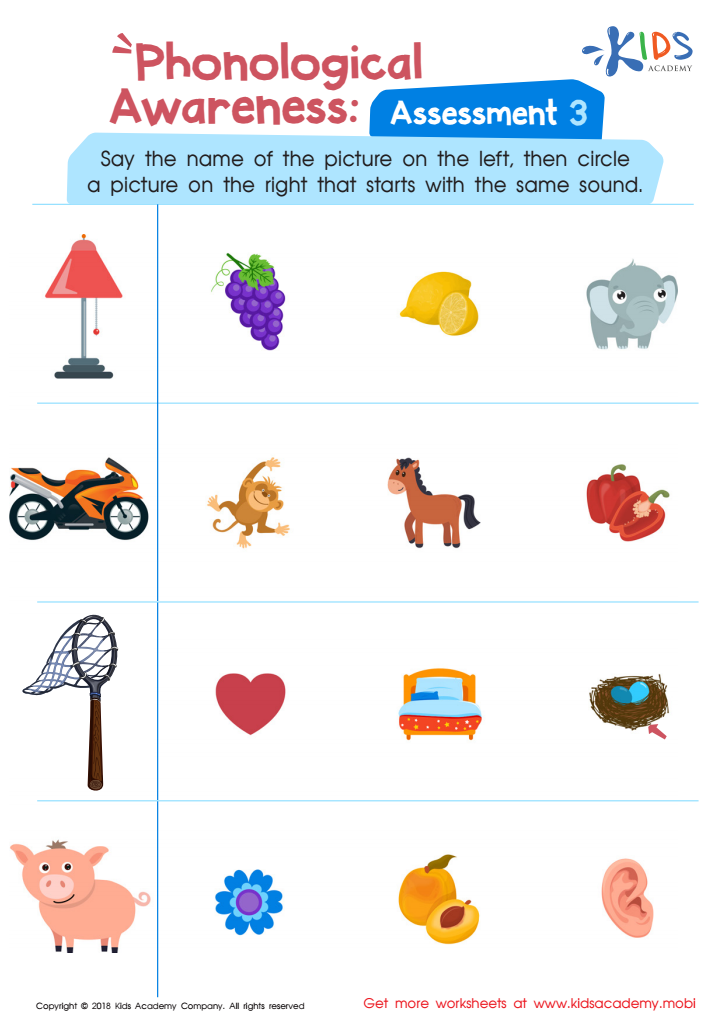
Phonological Awareness: Assessment 3 Worksheet
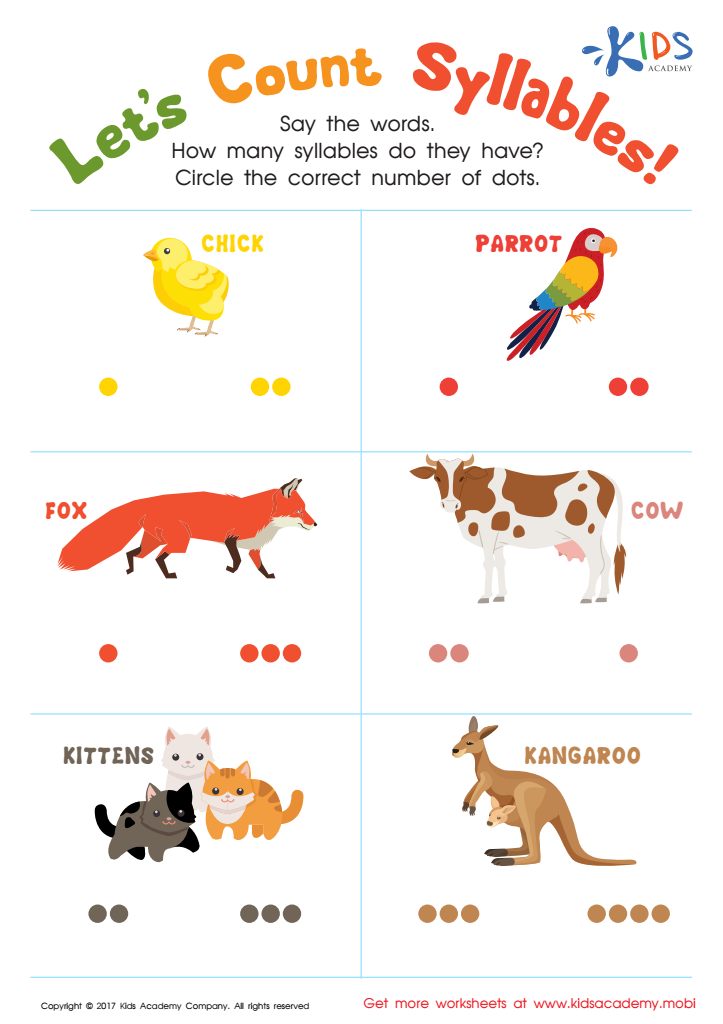
Lets Count Syllables Worksheet








Phonological awareness and phonics are foundational skills in early literacy development, crucial for children aged 3-7. Parents and teachers should prioritize these skills because they contribute significantly to a child's ability to read and write successfully. Phonological awareness—the ability to recognize and manipulate sounds in spoken language—helps children understand that words are made up of smaller sounds, or phonemes. This skill is essential for decoding words and developing strong reading abilities.
Phonics, which involves the relationship between letters and sounds, complements phonological awareness by providing children with the tools to translate these sounds into written language. Mastering phonics equips young learners with strategies to sound out unfamiliar words, enhancing their reading fluency and comprehension.
Moreover, strong phonological awareness and phonics skills can boost a child's confidence in literacy, fostering a love for reading from an early age. Research shows that early intervention in these areas leads to improved reading outcomes and reduces the risk of future learning difficulties. Additionally, when children feel successful in reading, they are more likely to engage with texts, participate in discussions, and develop critical thinking skills. Overall, nurturing these abilities lays the groundwork for academic success and lifelong learning.







