Sound Association Phonics Worksheets for Ages 3-7
28 filtered results
-
From - To
Introduce young learners to the exciting world of phonics with our Sound Association Phonics Worksheets designed for ages 3-7! These engaging worksheets help children connect letters to corresponding sounds using fun activities that build foundational reading skills. Perfect for early grade students, these printables feature colorful images, easy-to-follow instructions, and varied exercises that keep little brains challenged and entertained. By enhancing their phonemic awareness, children improve their ability to read, write, and spell accurately. Download our Sound Association Phonics Worksheets today and watch your child's literacy skills flourish in an enjoyable and interactive way!
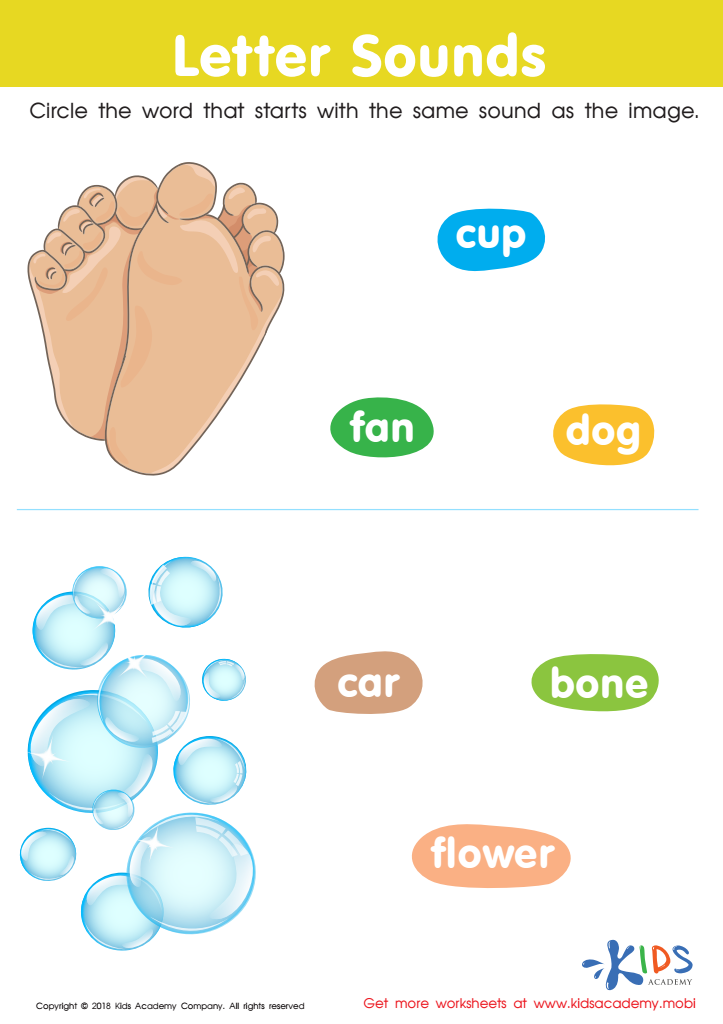
letter sounds Worksheet
 Assign to My Students
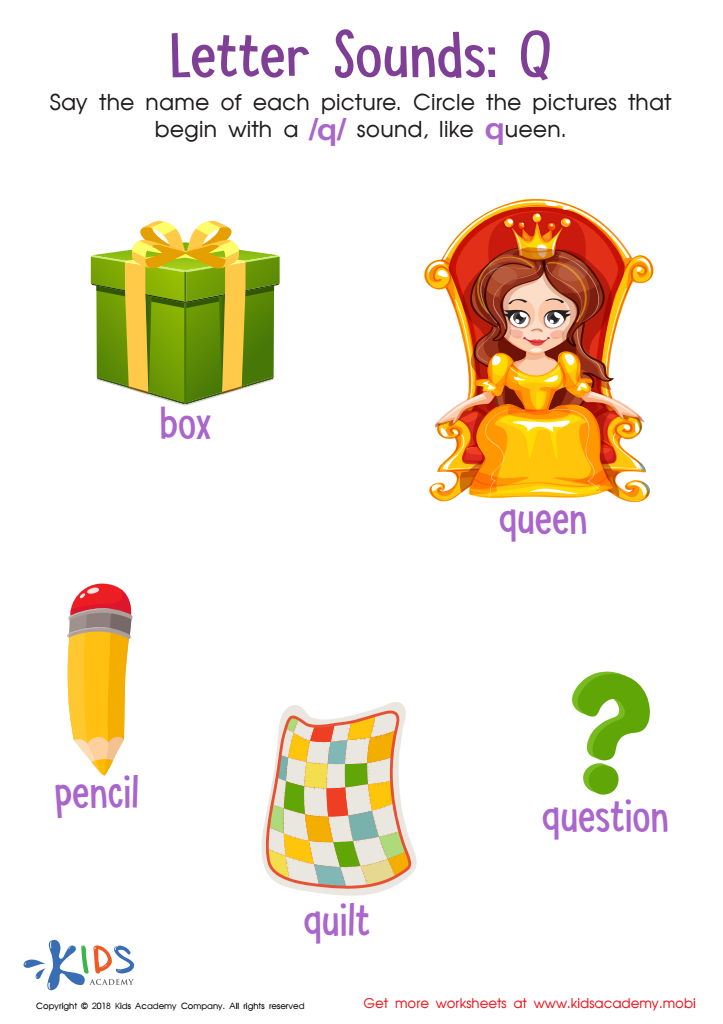
Letter Q Sounds Worksheet
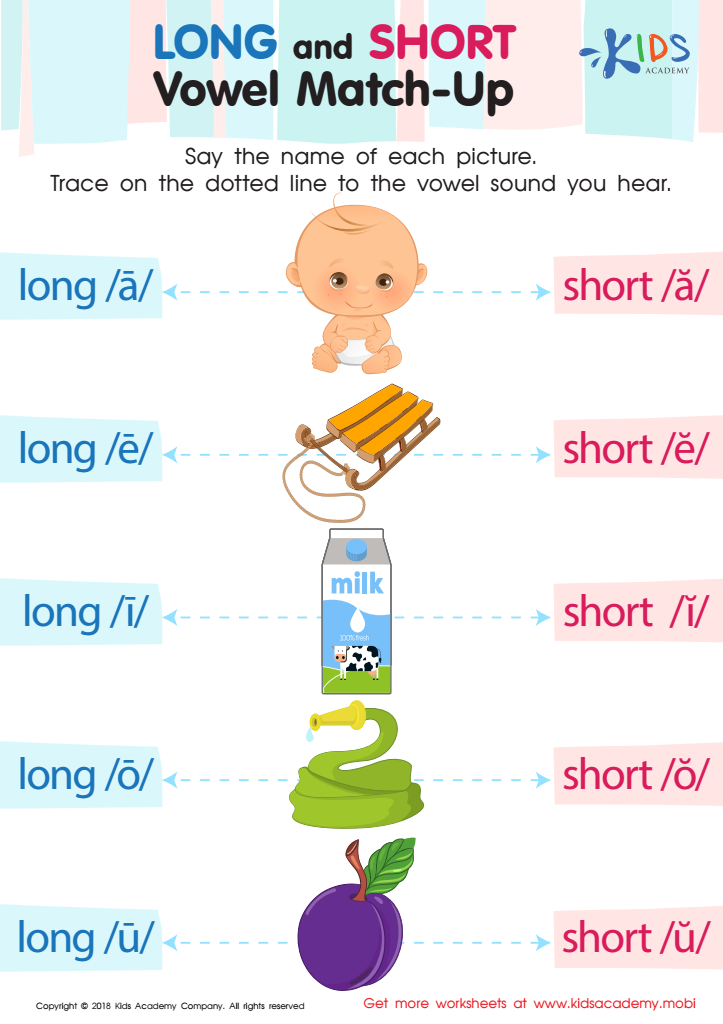
Long and Short Vowel Match up Reading Worksheet
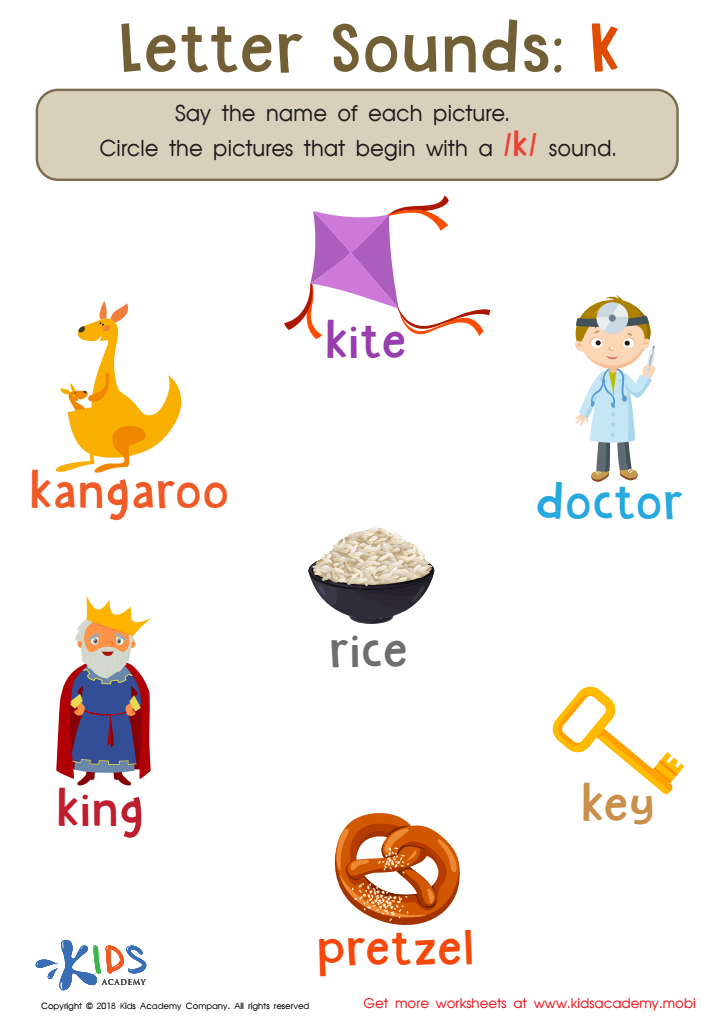
Letter K Sounds Worksheet
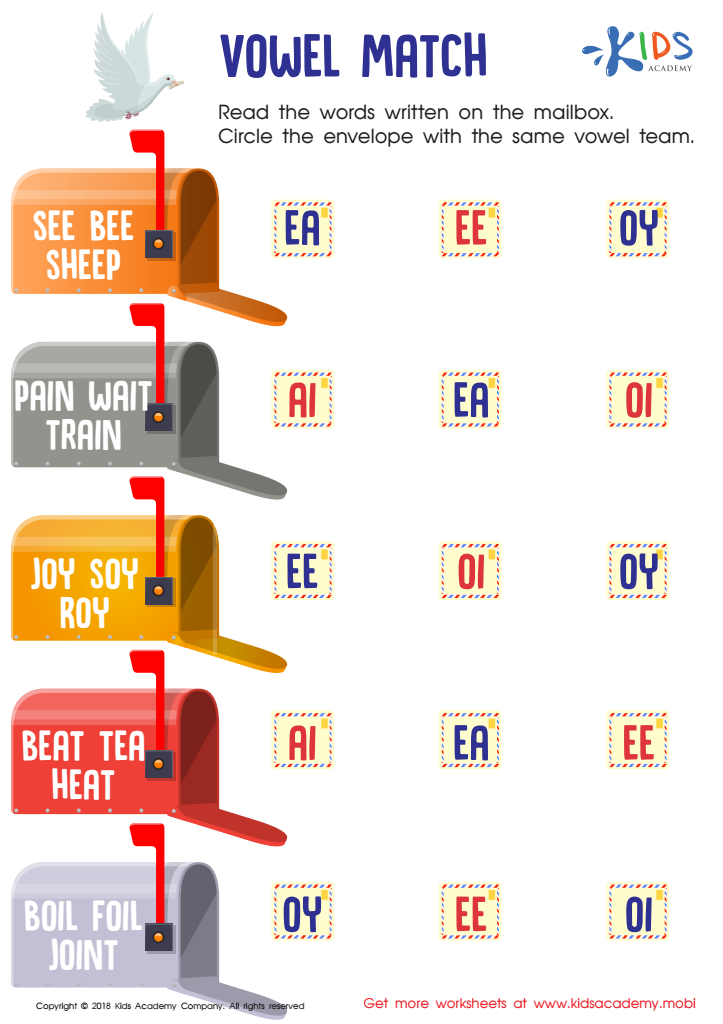
Vowel match Worksheet
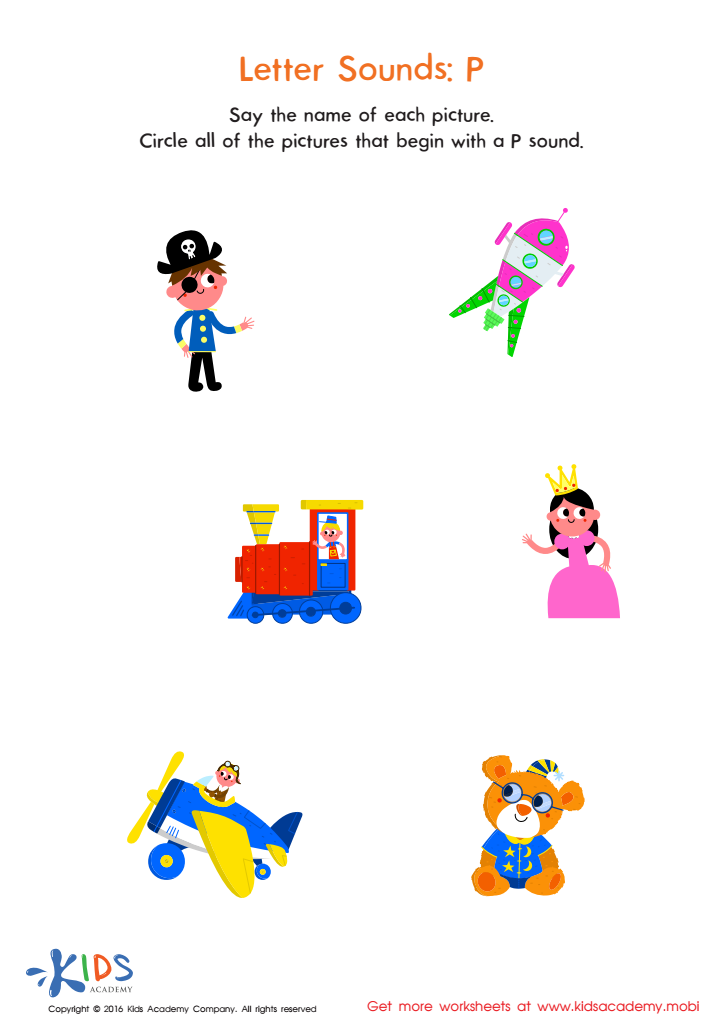
Letter P Sound Worksheet
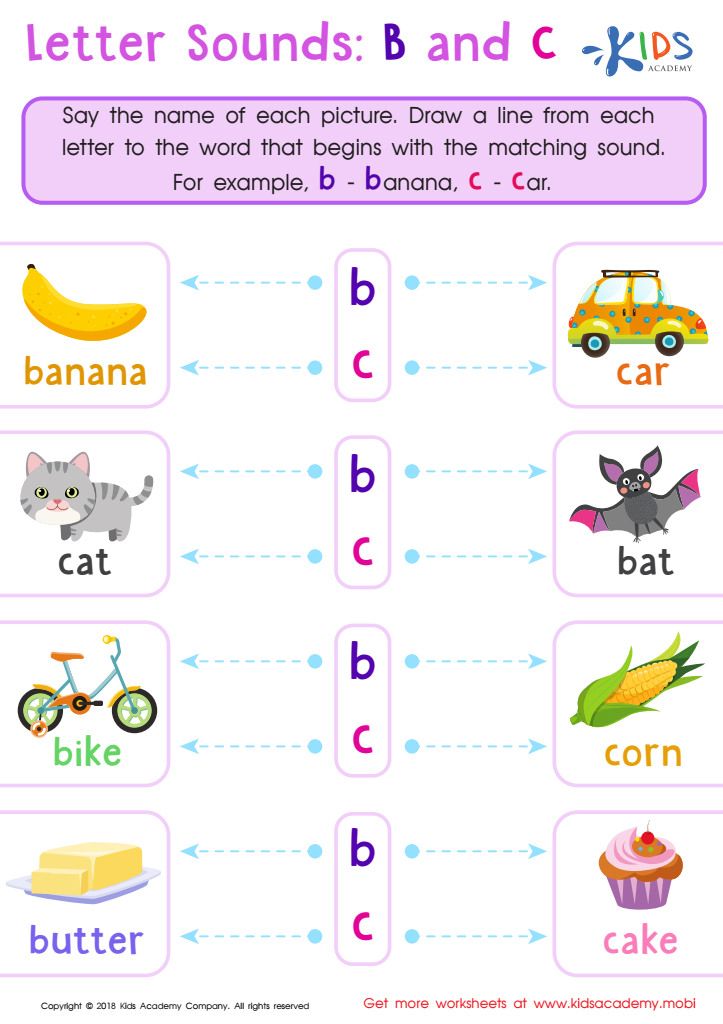
Letter B and C Sounds Worksheet
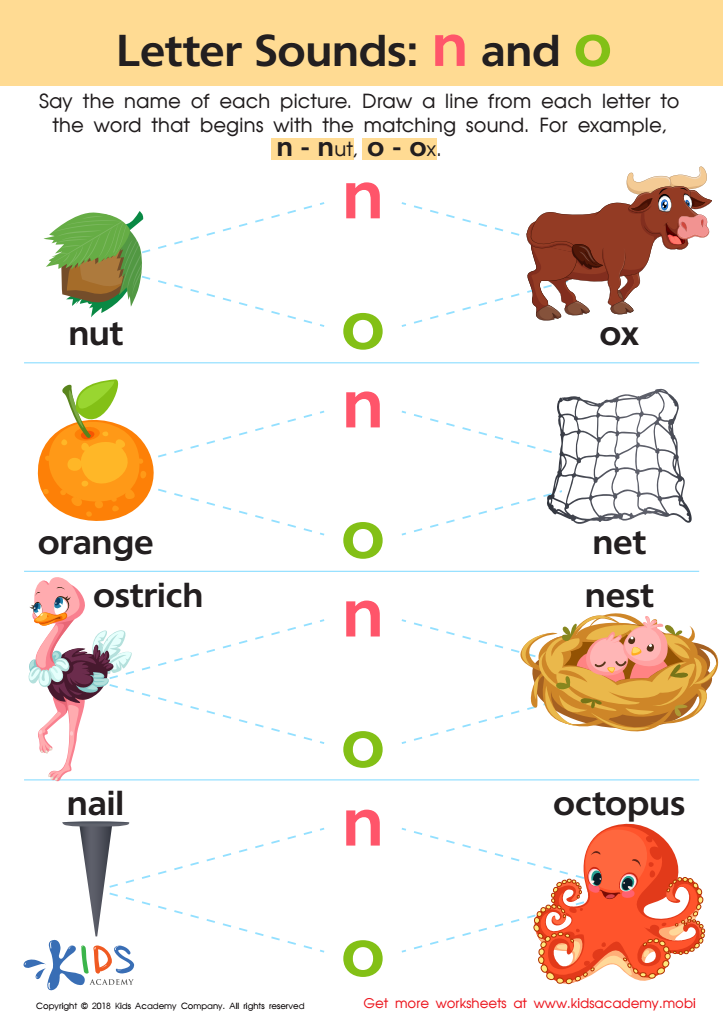
Letter N and O Sounds Worksheet
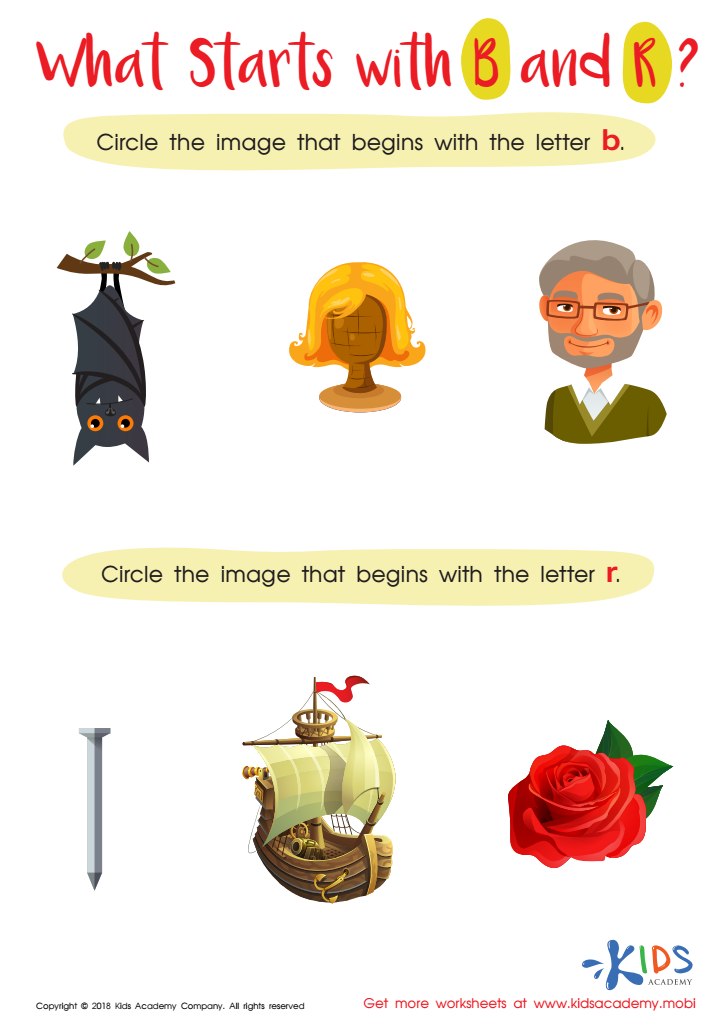
What Starts with B and R? Worksheet
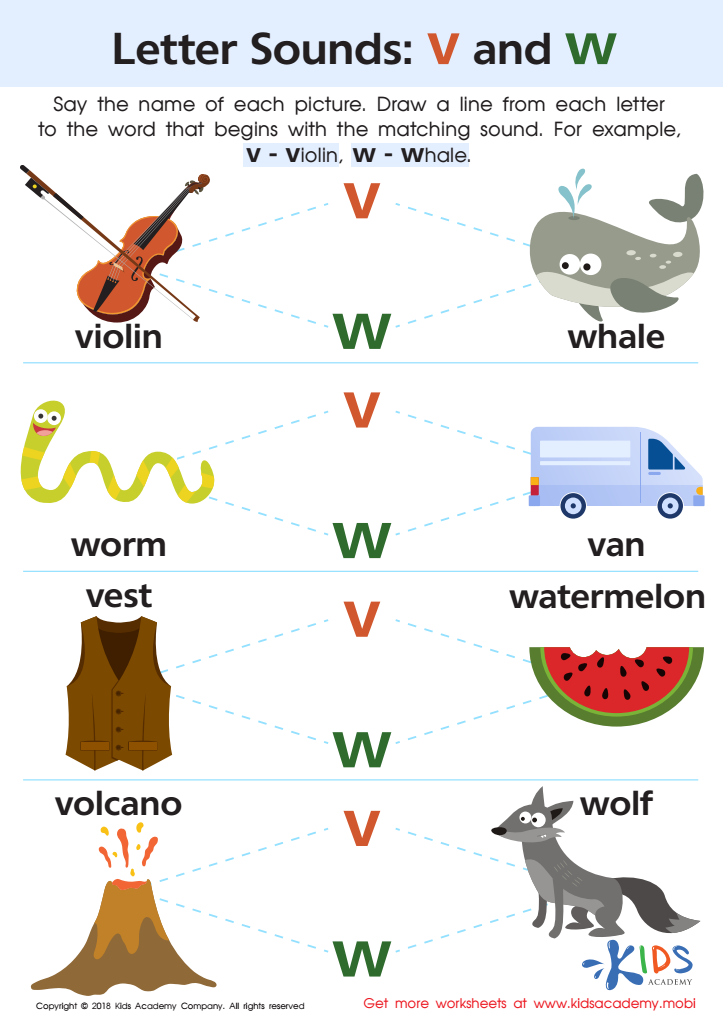
Letter V and W Sounds Worksheet
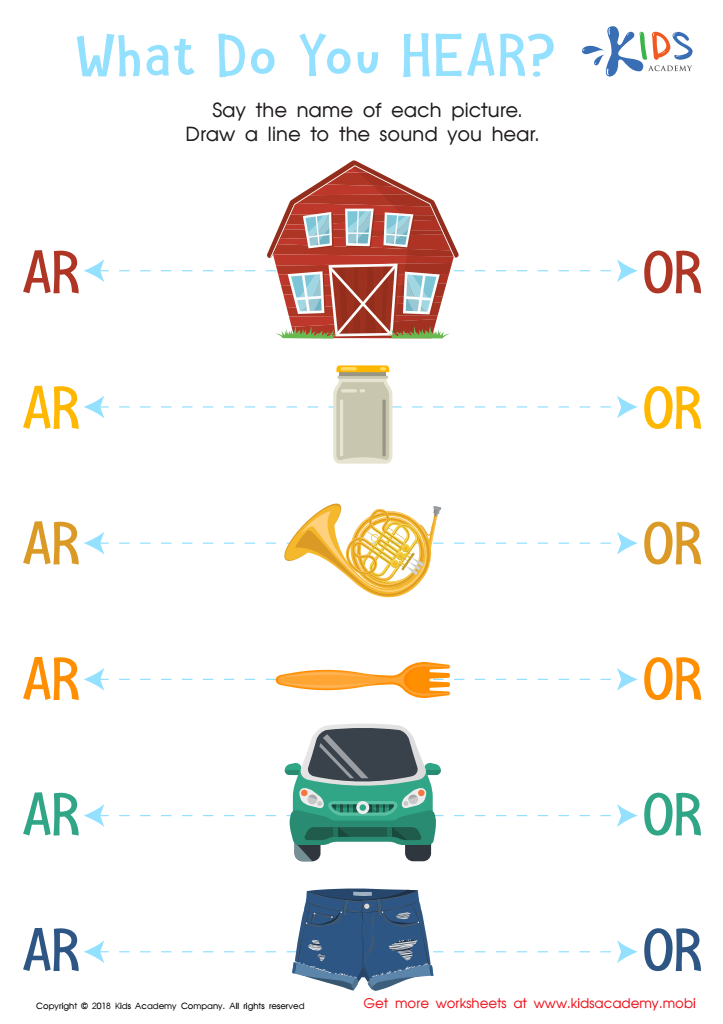
What do you hear Worksheet
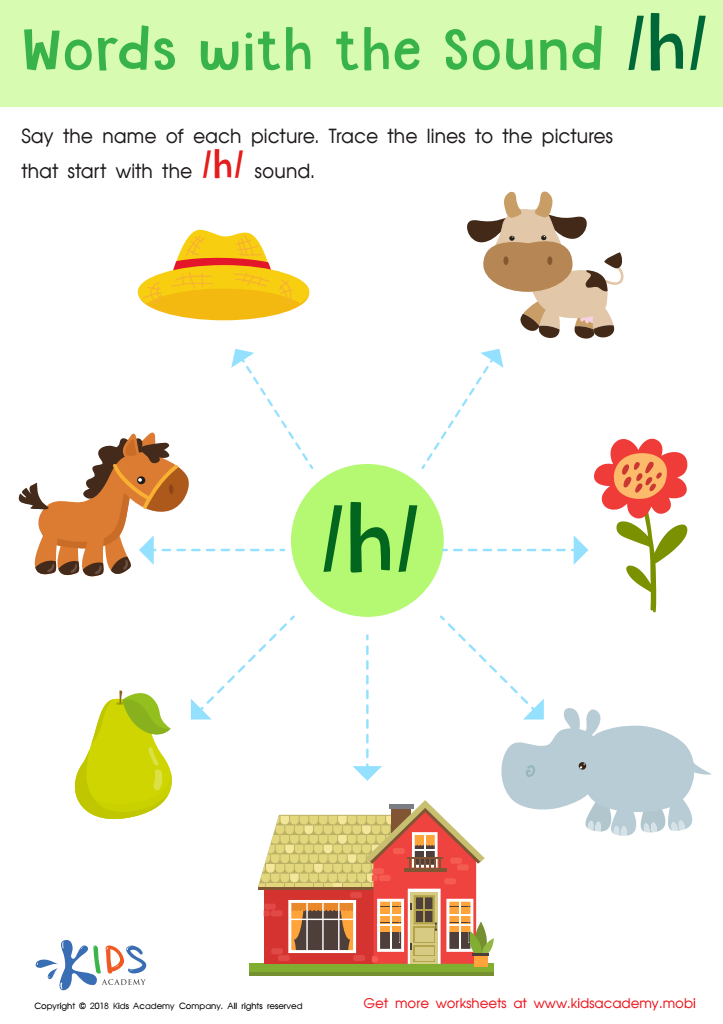
Words with sound h Reading Worksheet
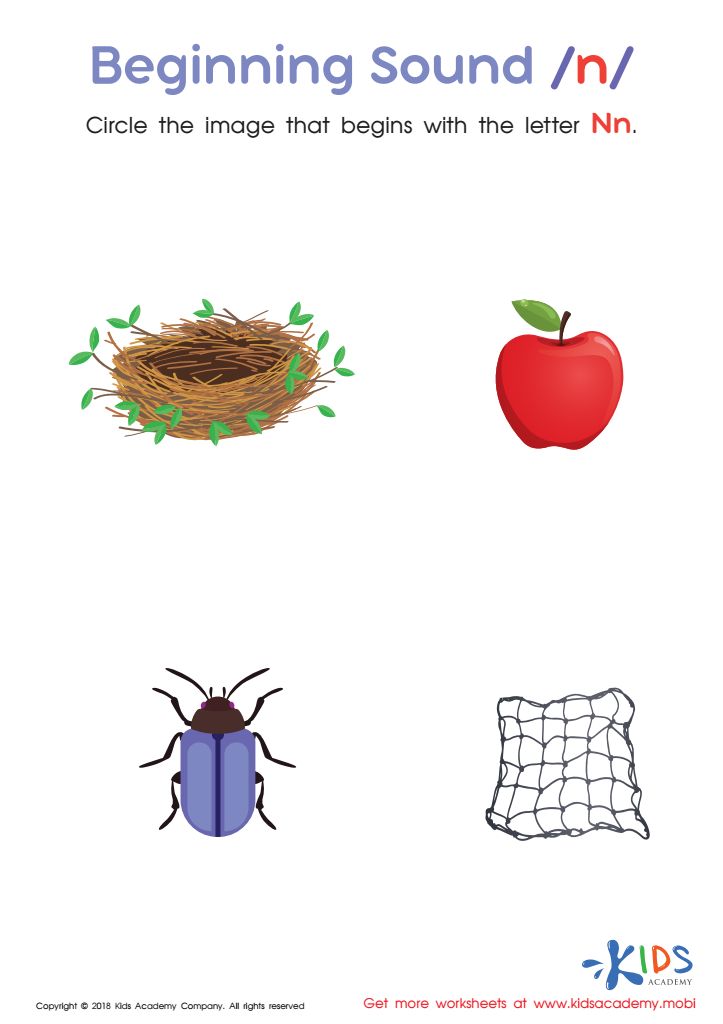
Beginning Sound «n» Worksheet
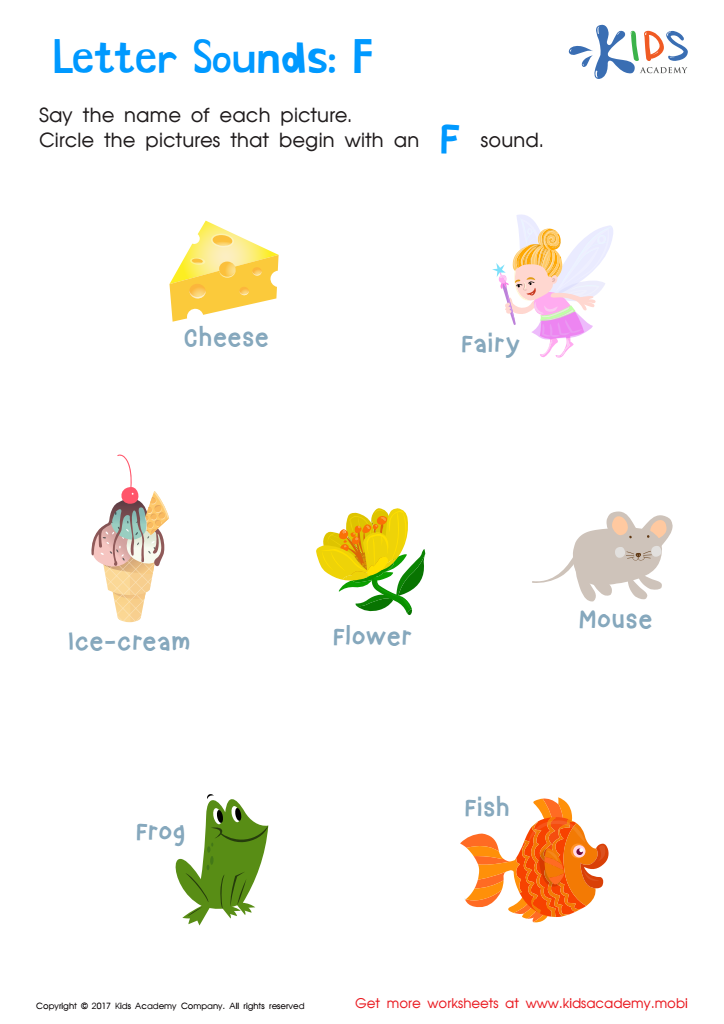
Letter F Sounds Worksheet
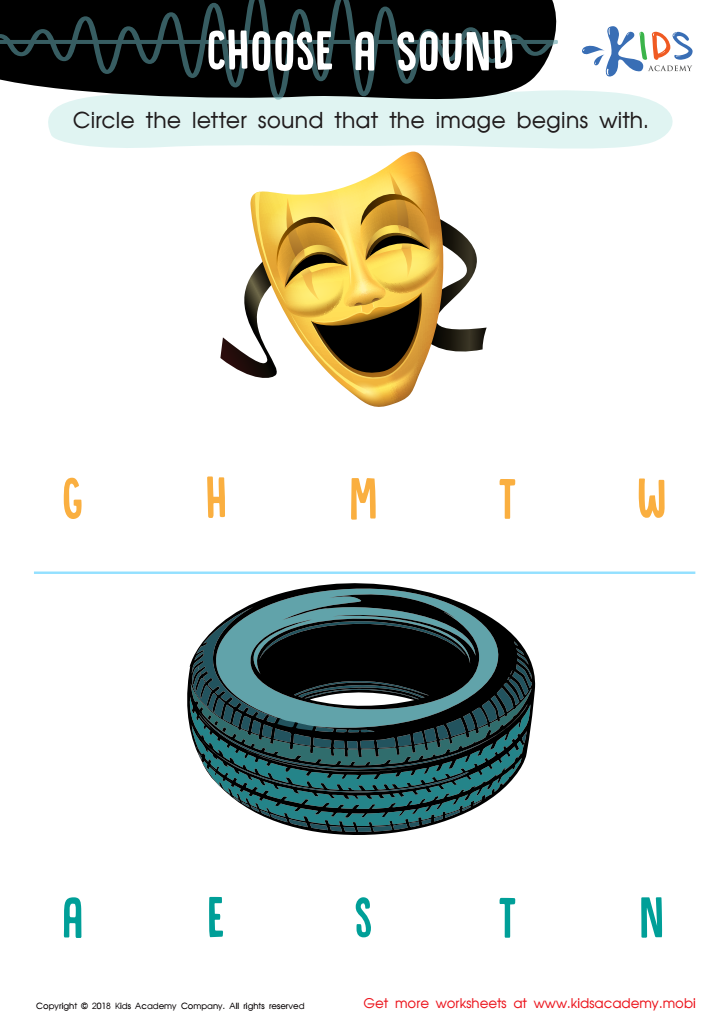
Choose a Sound Worksheet
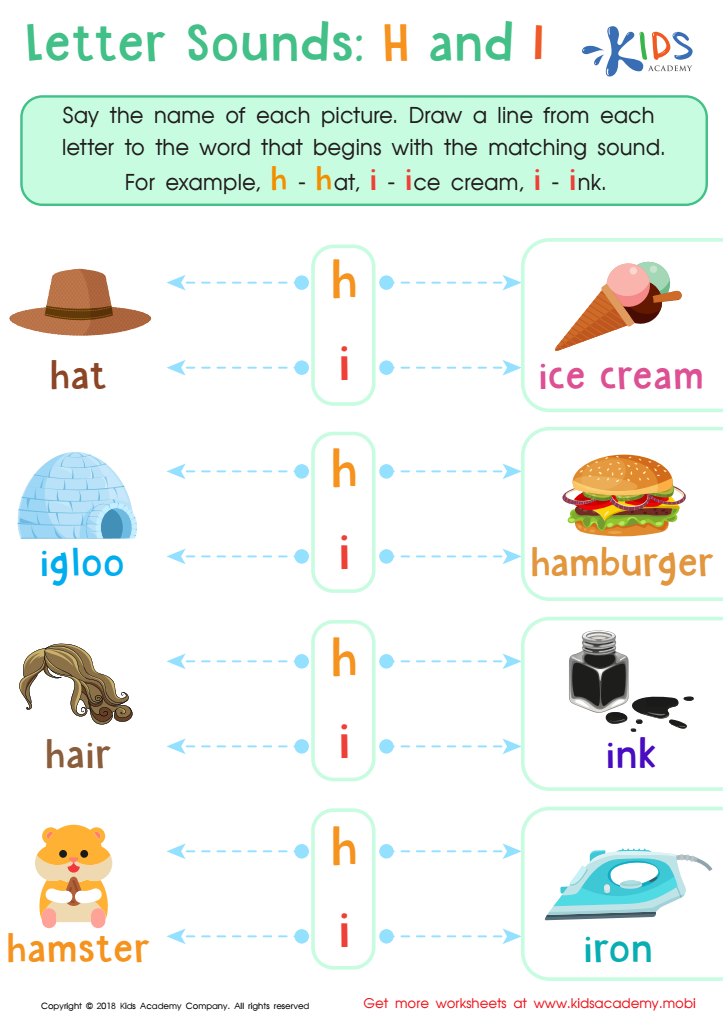
Letter H and I Sounds Worksheet
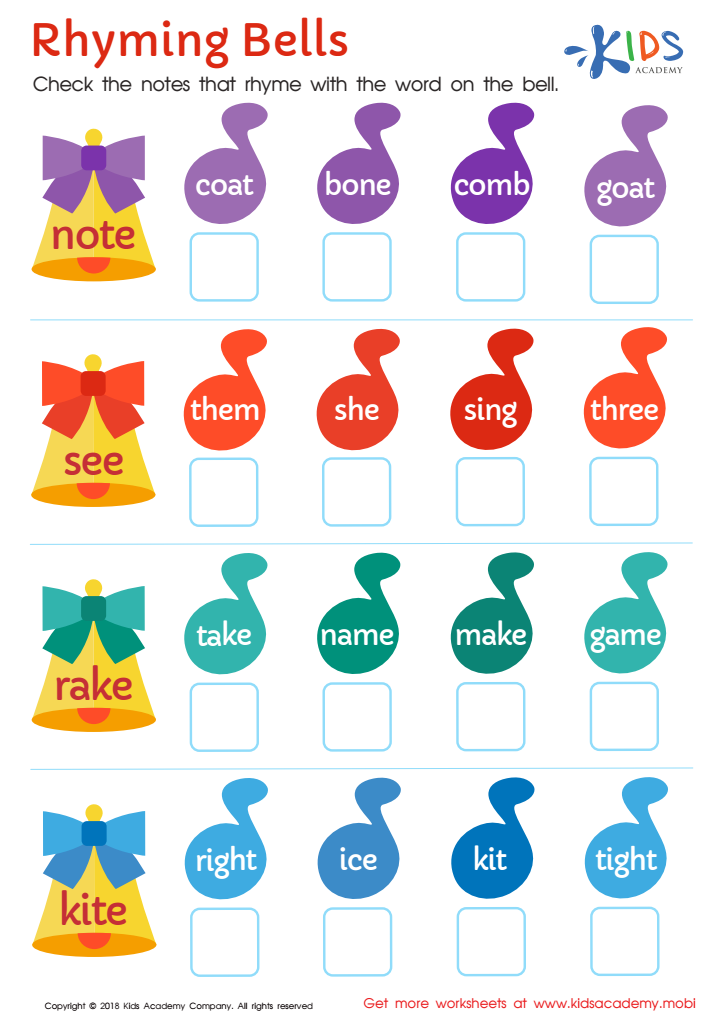
Rhyming Bells Worksheet
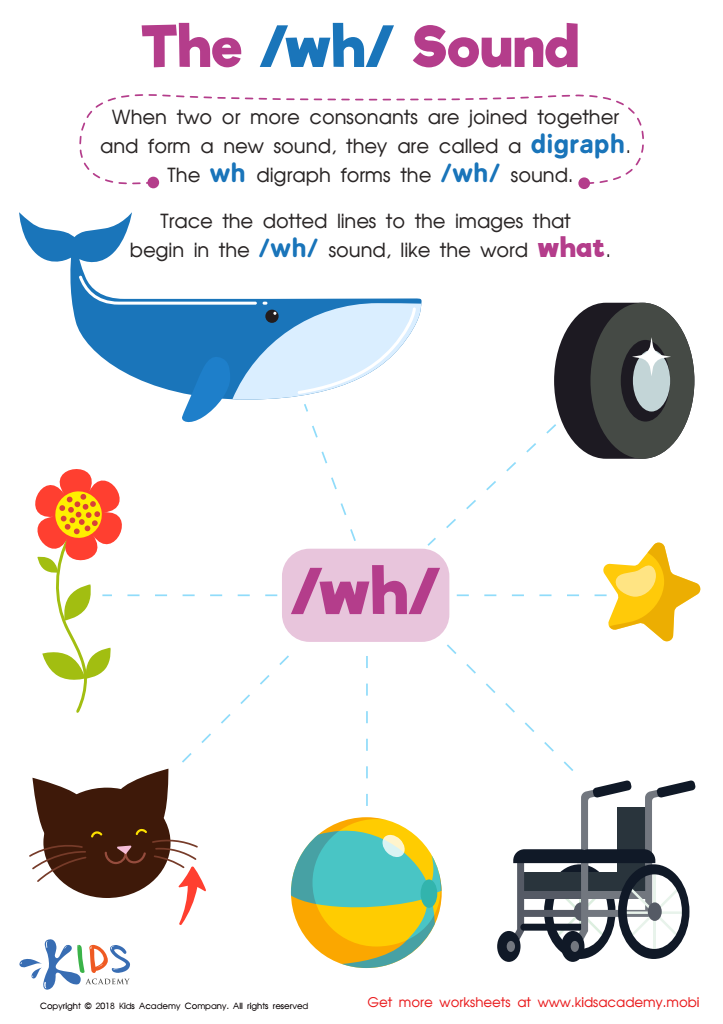
The /wh/ Sound Worksheet
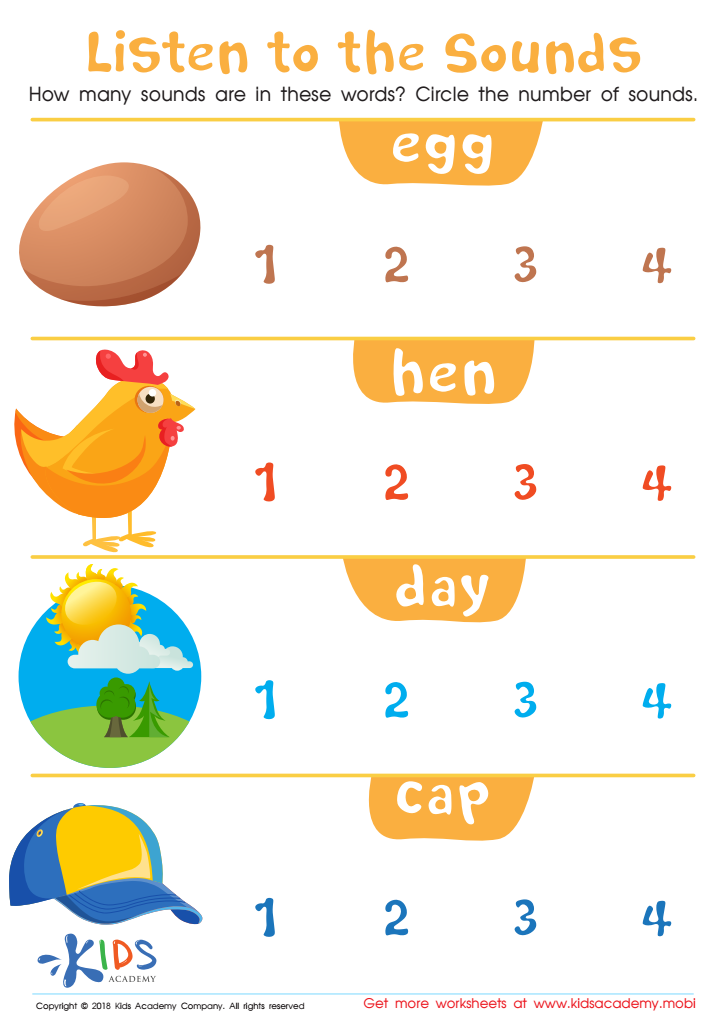
Listen to the Sounds Worksheet
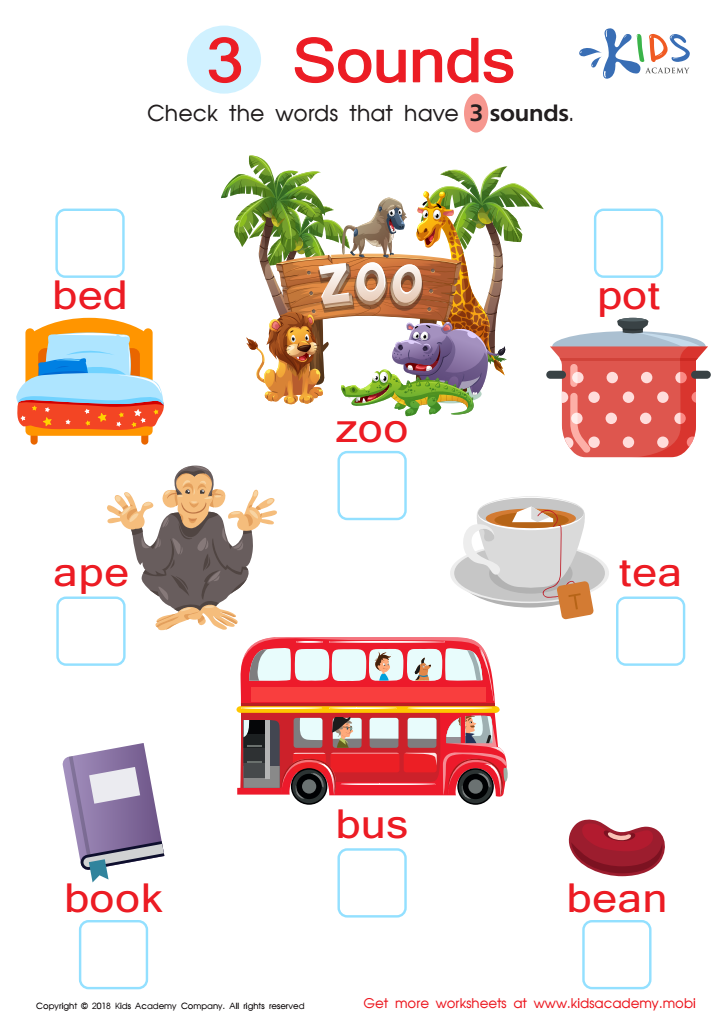
3 Sounds Worksheet
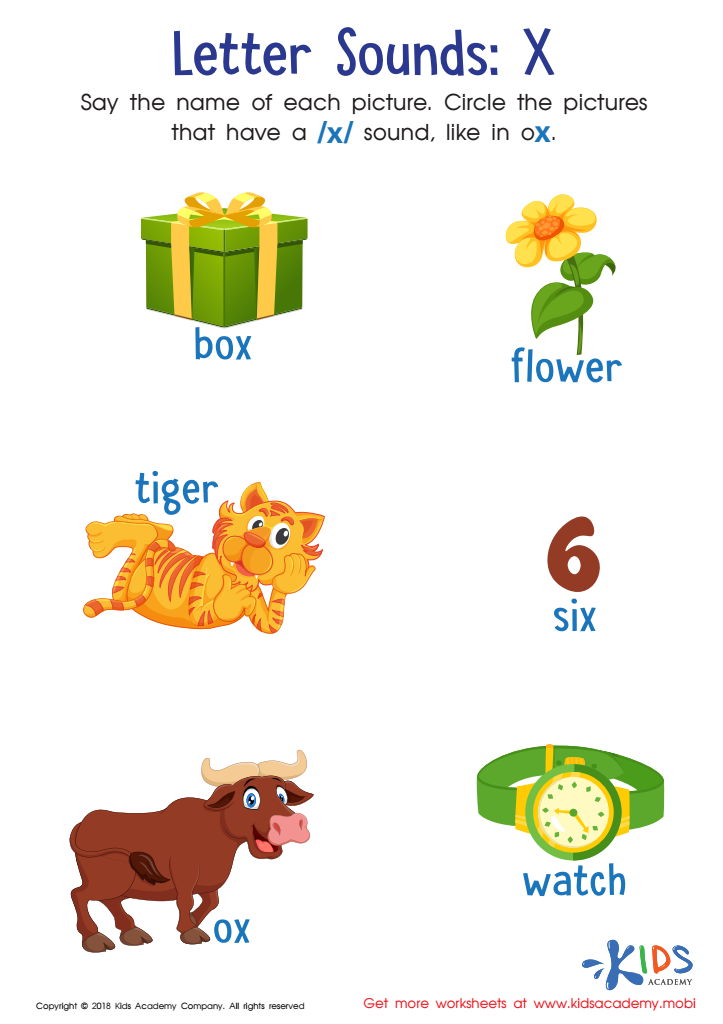
Letter X Sounds Worksheet
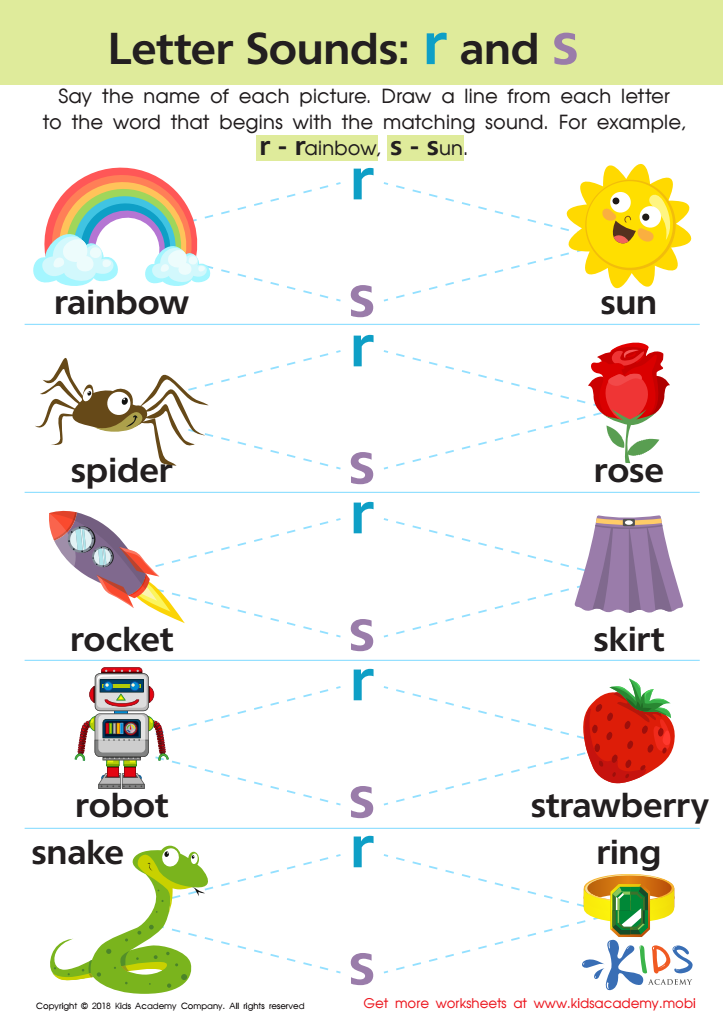
Letter R and S Sounds Worksheet
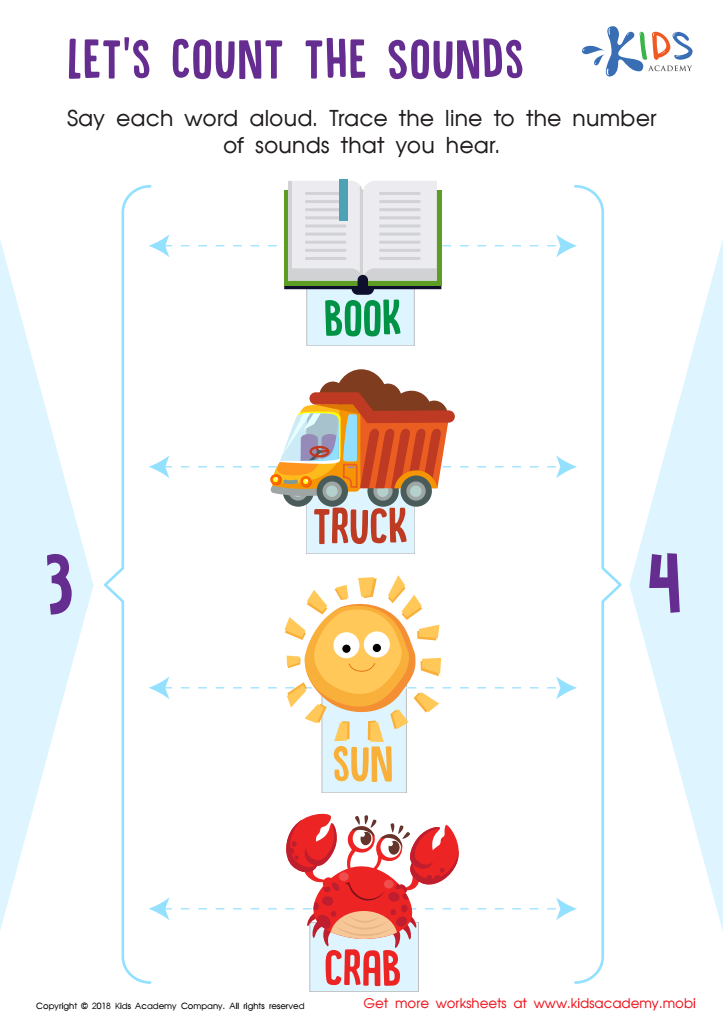
Let's Count the Sounds Worksheet
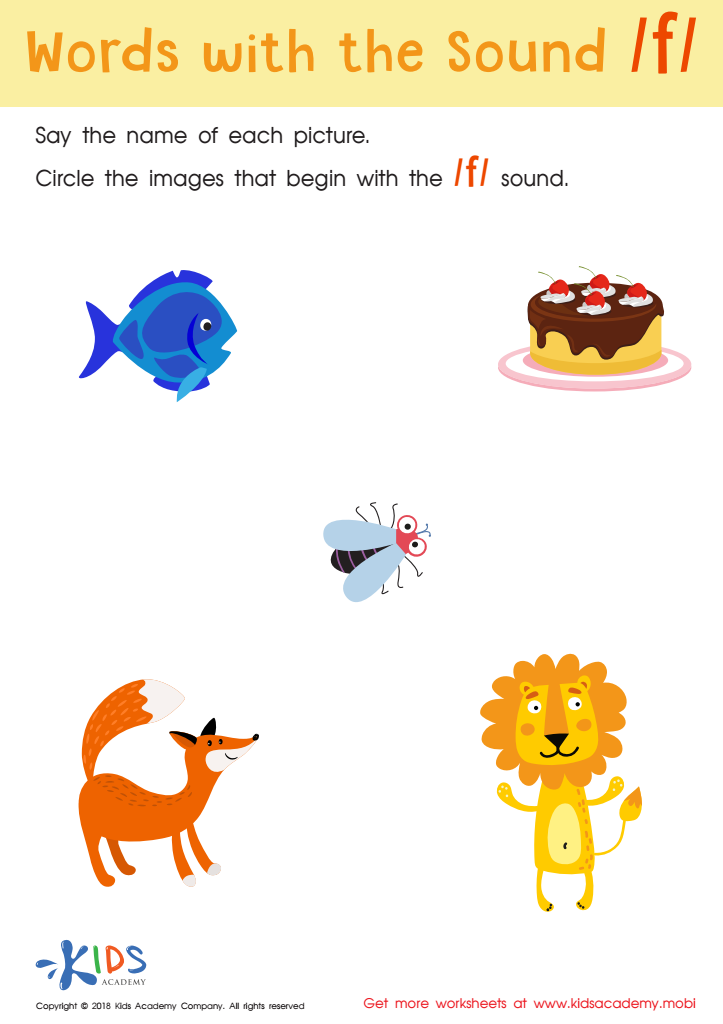
Words with sound f Reading Worksheet








Sound Association Phonics is a foundational tool for early literacy, crucial for children aged 3-7, during their prime language development years. By teaching phonics, parents and teachers help children recognize the relationship between letters and their corresponding sounds, facilitating the decoding of words and enhancing reading fluency.
At this critical developmental stage, phonics lays the groundwork for proficient reading skills, allowing children to quickly sound out new words and comprehend text better. This early mastery is essential, as strong reading abilities are linked to improved academic performance, broader vocabulary, and increased confidence in learning.
Sound association phonics involves engaging, interactive activities that excite young learners, making the learning process enjoyable and memorable. It capitalizes on children’s natural curiosity and enthusiasm for play to foster a love for reading from an early age. Incorporating phonics into daily routines, such as during storytime or through games, can create a consistent learning environment both at home and in the classroom.
Moreover, early literacy has long-term cognitive benefits, aiding in the development of critical thinking skills and overall intellectual growth. Investing time and effort in teaching phonics to young children equips them with the essential skills needed for academic success and lifelong learning.







