International Chess Day Worksheets for Ages 3-7
6 filtered results
-
From - To
Celebrate International Chess Day with our engaging worksheets designed for children ages 3-7! Our collection of fun and educational activities introduces young learners to the exciting world of chess. These worksheets feature colorful characters, simple puzzles, and creative coloring pages that promote critical thinking and fine motor skills. Perfect for preschool and early grade classrooms, these resources encourage teamwork while sparking an interest in strategy games. Help your little ones develop cognitive skills through enjoyable activities that make learning about chess exciting! Download now and let the games begin with our International Chess Day worksheets!
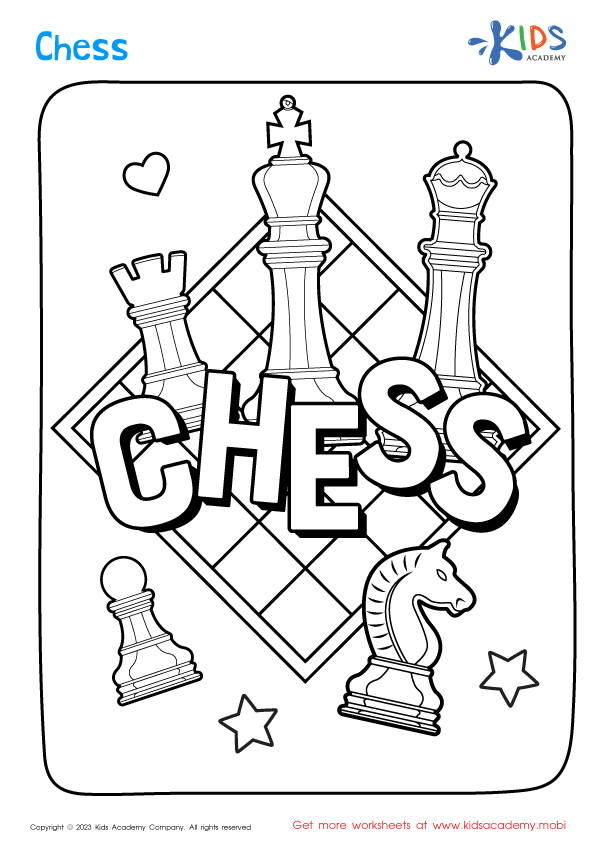
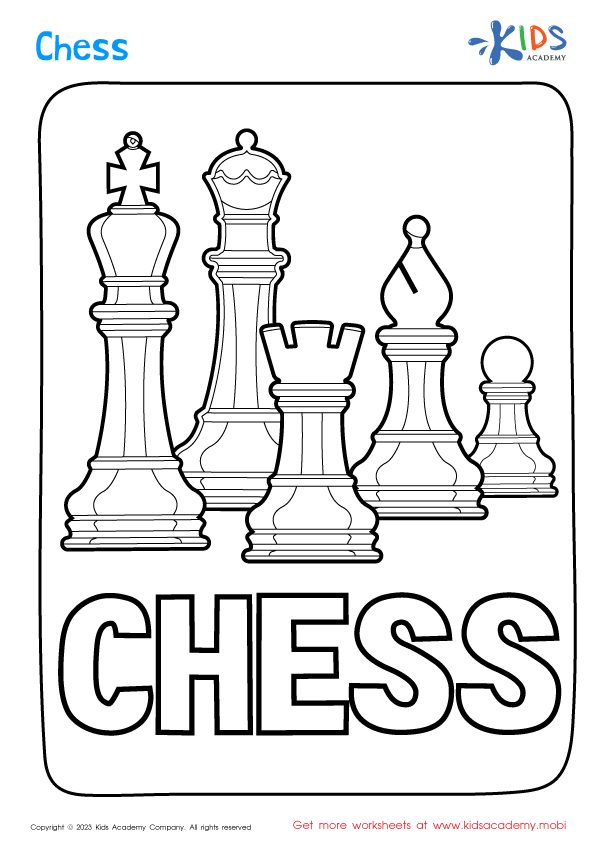
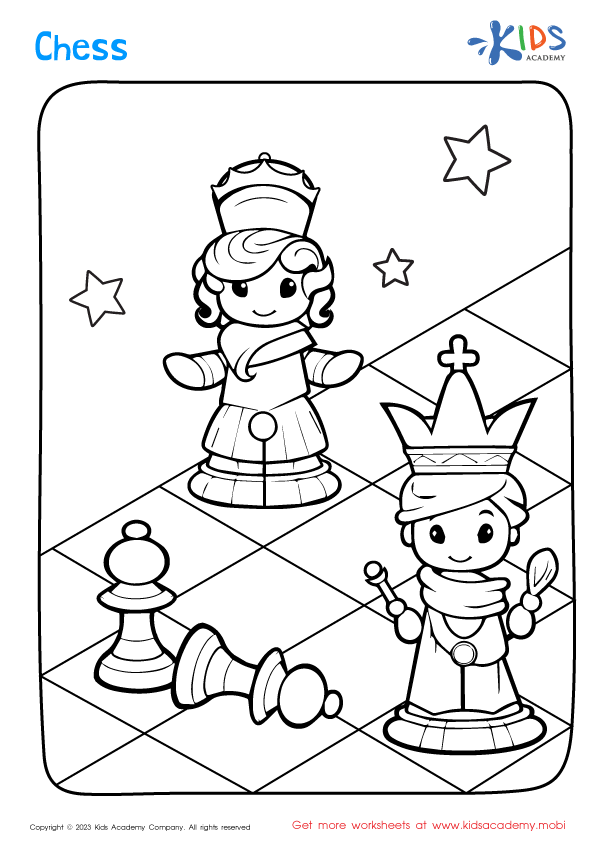
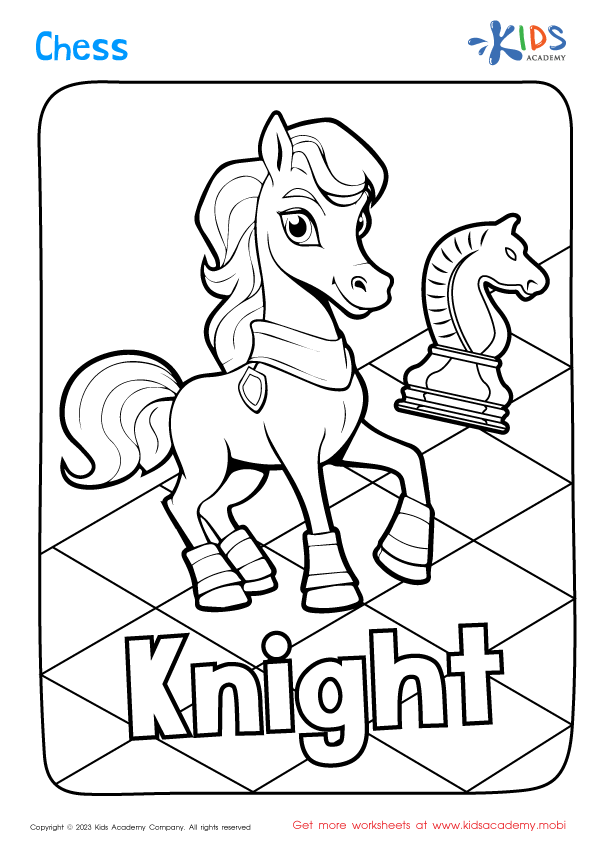
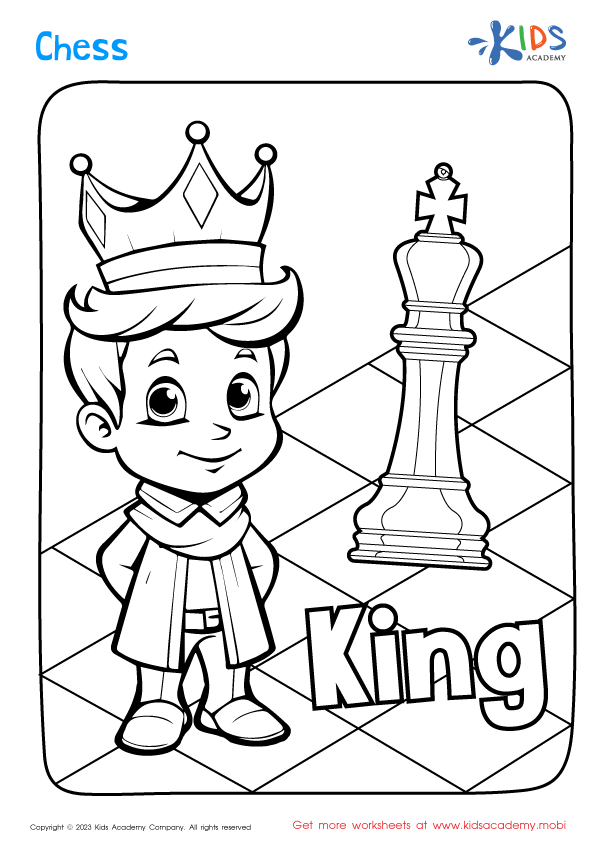
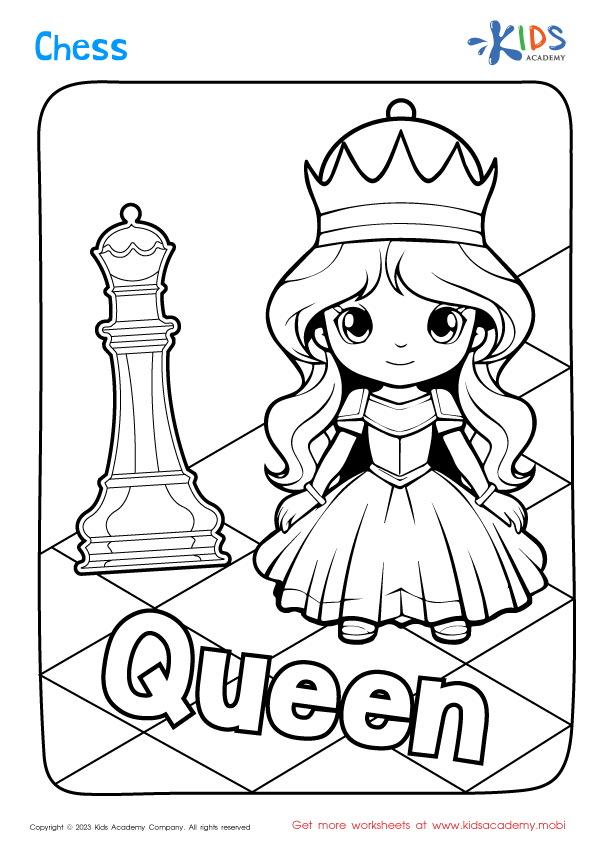


International Chess Day, celebrated on July 20, offers a unique opportunity for parents and teachers to engage young children aged 3-7 in a fun and educational activity. Introducing chess at an early age can significantly enhance cognitive skills such as critical thinking and problem-solving, as children learn to anticipate opponents’ moves and develop strategic plans. Chess encourages focus and patience; by sitting down for a game, children practice impulse control and attention span, vital skills for their overall academic success.
Moreover, chess fosters social interaction and emotional intelligence. As children learn to play with peers and adults, they build patience, demonstrate good sportsmanship, and cultivate friendships. It’s a great platform for parents and teachers to bond with children, making learning enjoyable and motivational. Celebrating International Chess Day in schools or at home can spark interest in chess, inviting children to dive deeper into the game’s rich history and cultural significance.
Implementing chess activities can also support inclusivity, as it can be adapted for various skill levels. Overall, recognizing International Chess Day nurtures essential life skills and enriches the educational experience for young learners, making it an event deserving of attention from parents and educators alike.