Basic Arithmetic Worksheets for Ages 3-7 - Page 2
55 filtered results
-
From - To
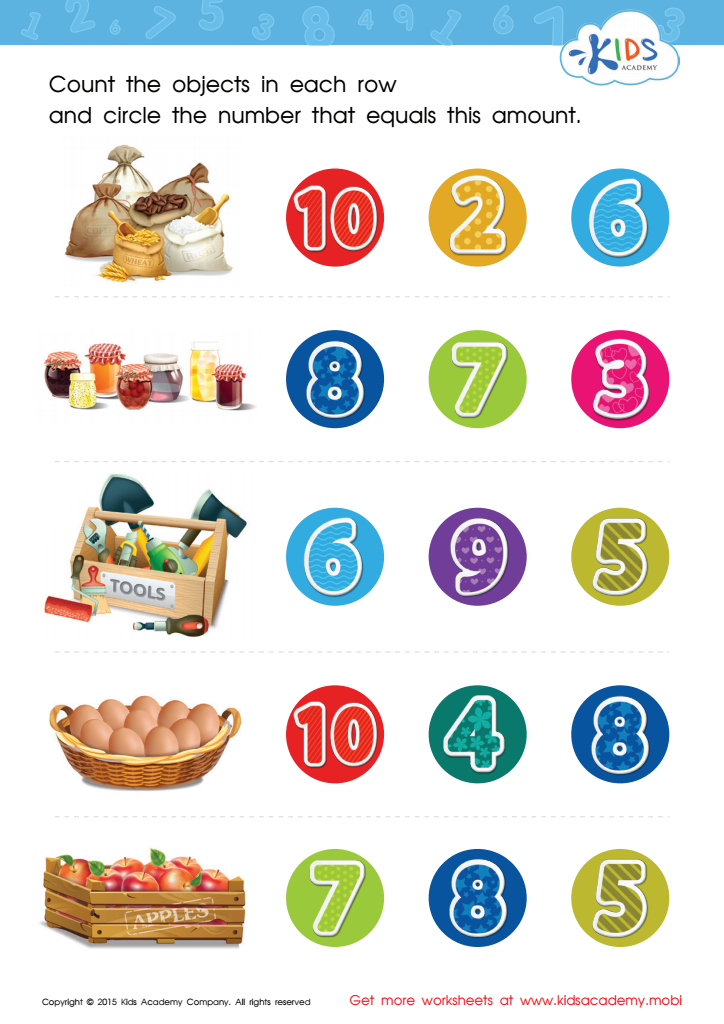
Count and Match 6 – 10 Math Worksheet
 Assign to My Students
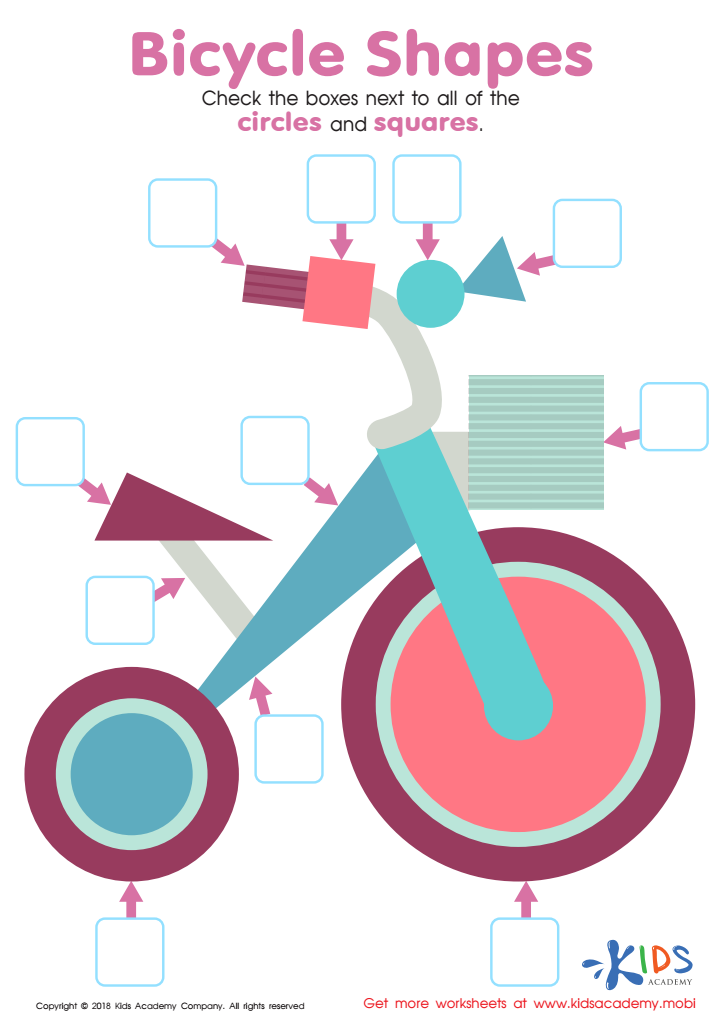
Bicycle Shapes Worksheet
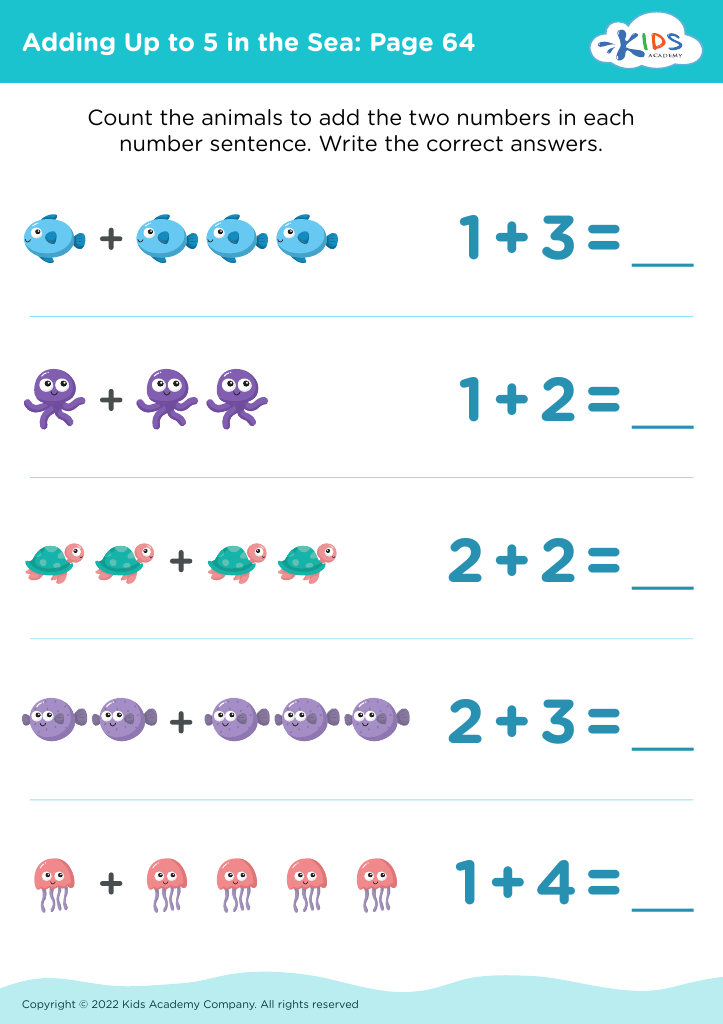
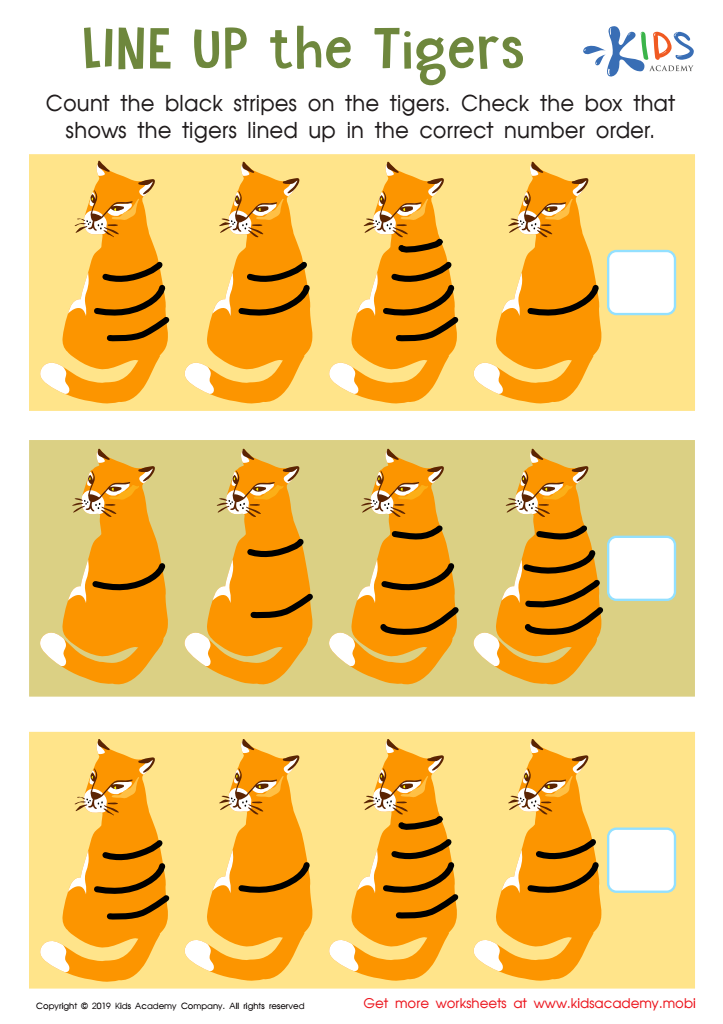
Line up the Tigers Worksheet
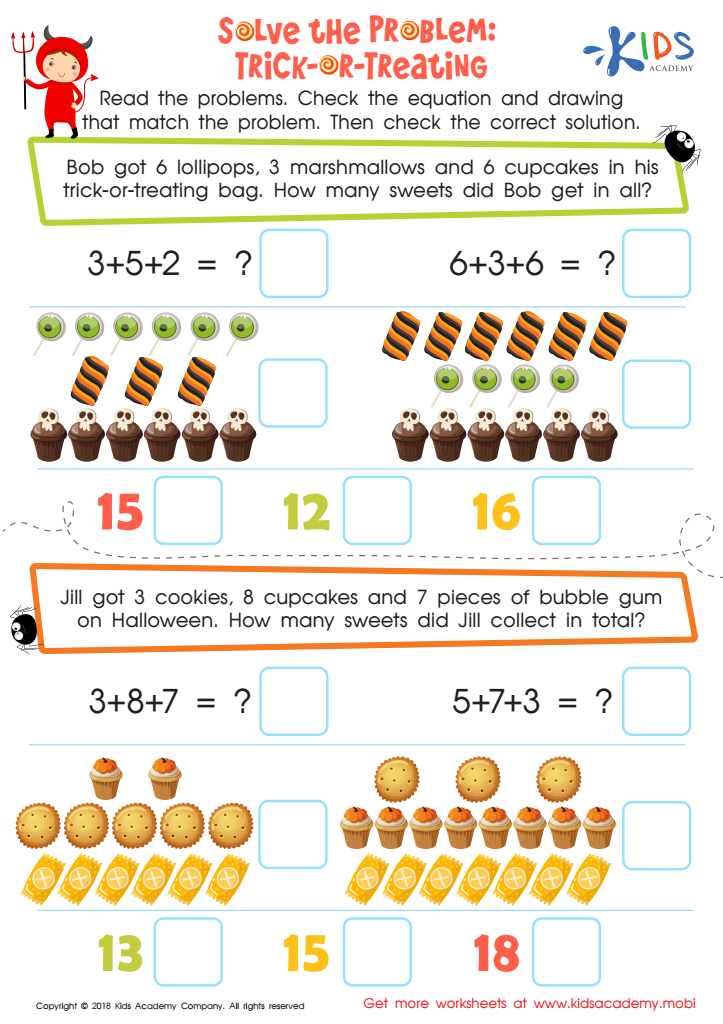
Solve the Problem: Trick–or–treating Worksheet
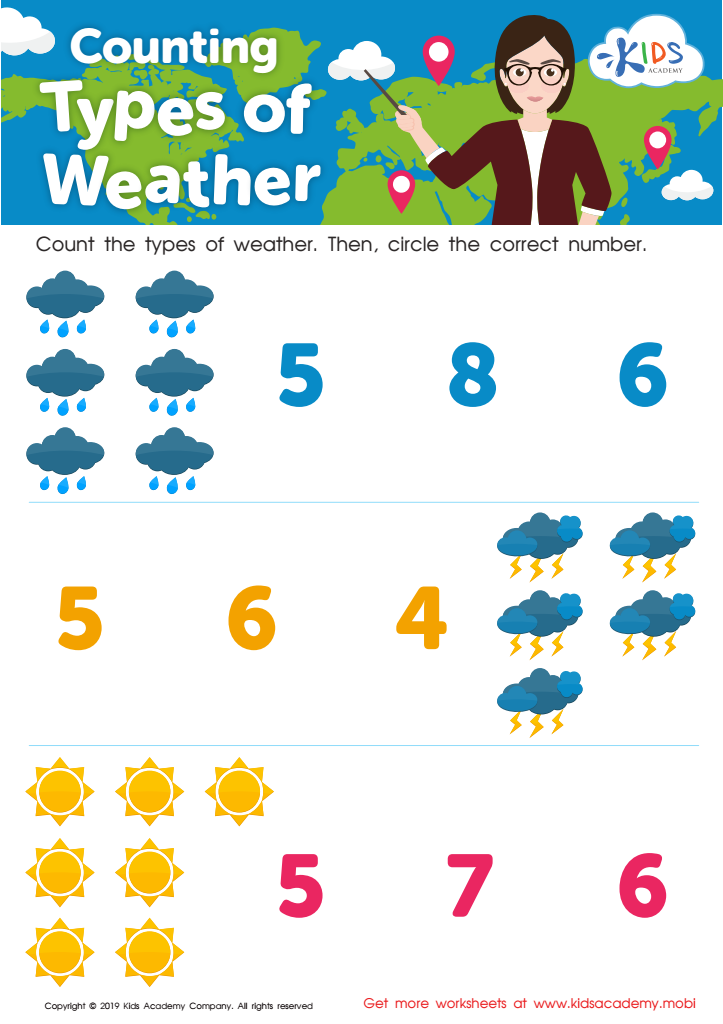
Counting Types of Weather Worksheet
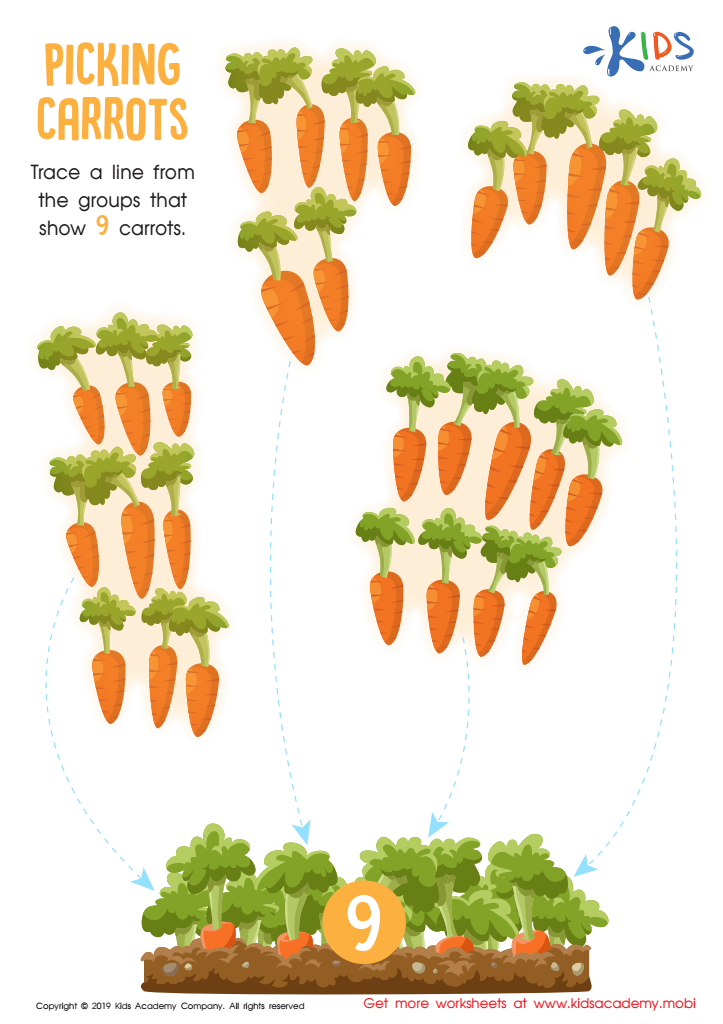
Picking Carrots Worksheet
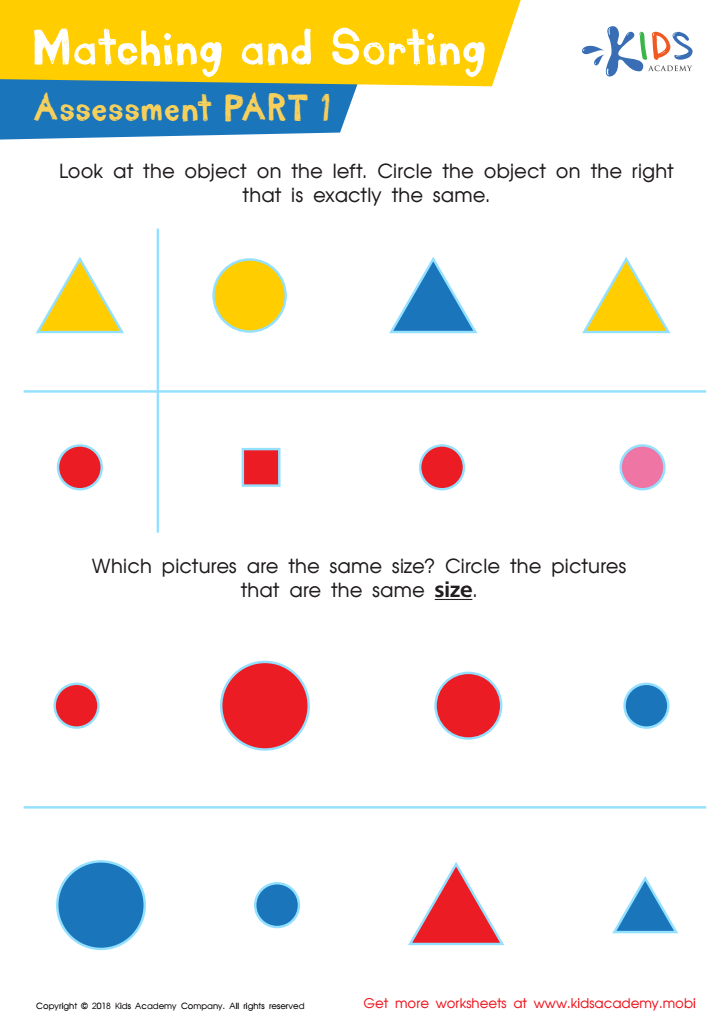
Matching and Sorting for Kindergarten: Assessment 1 Worksheet
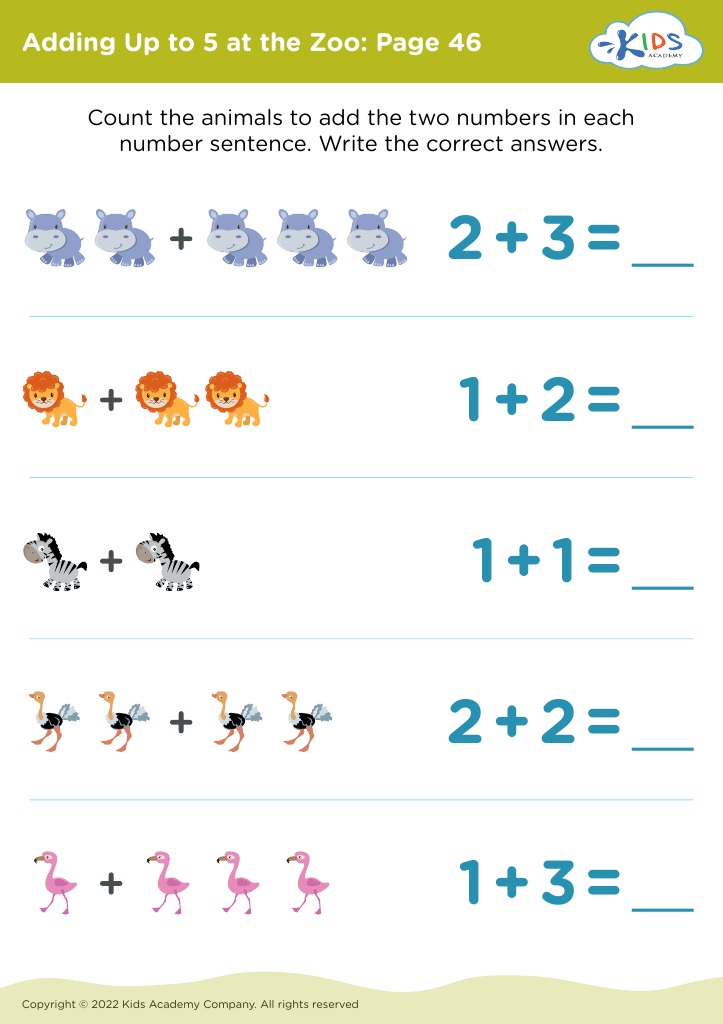
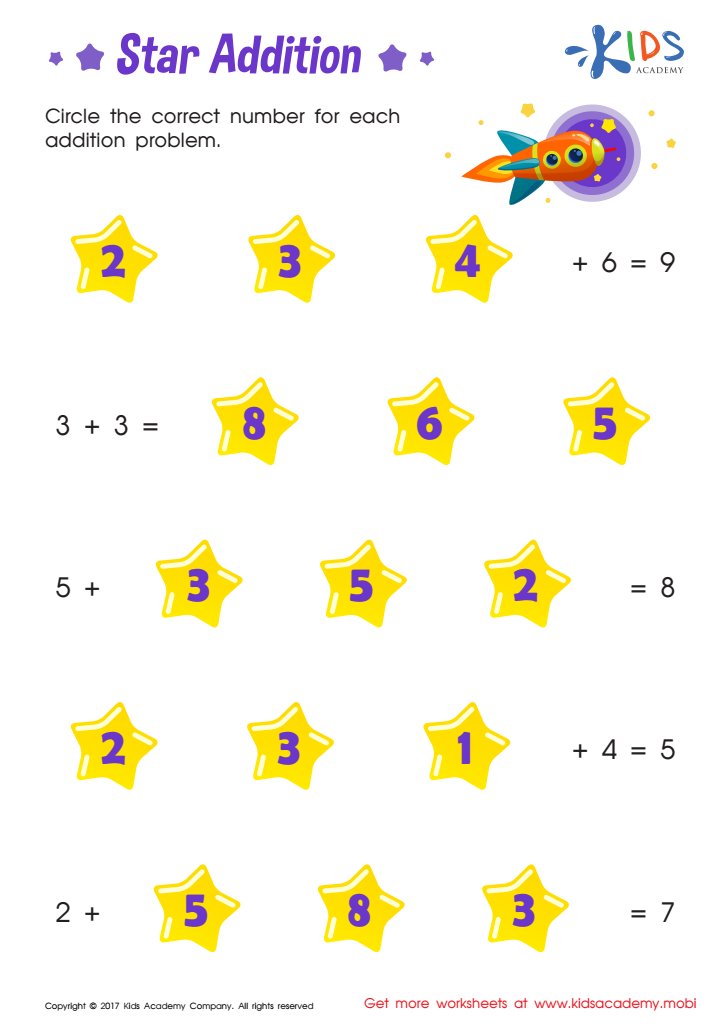
Star Addition Printable
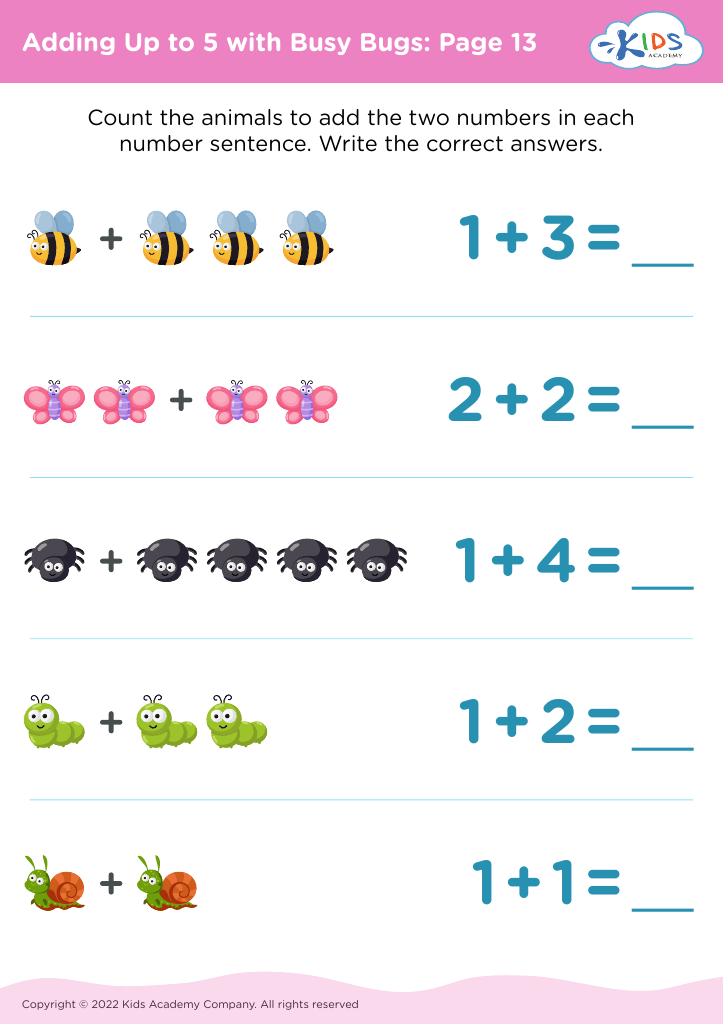
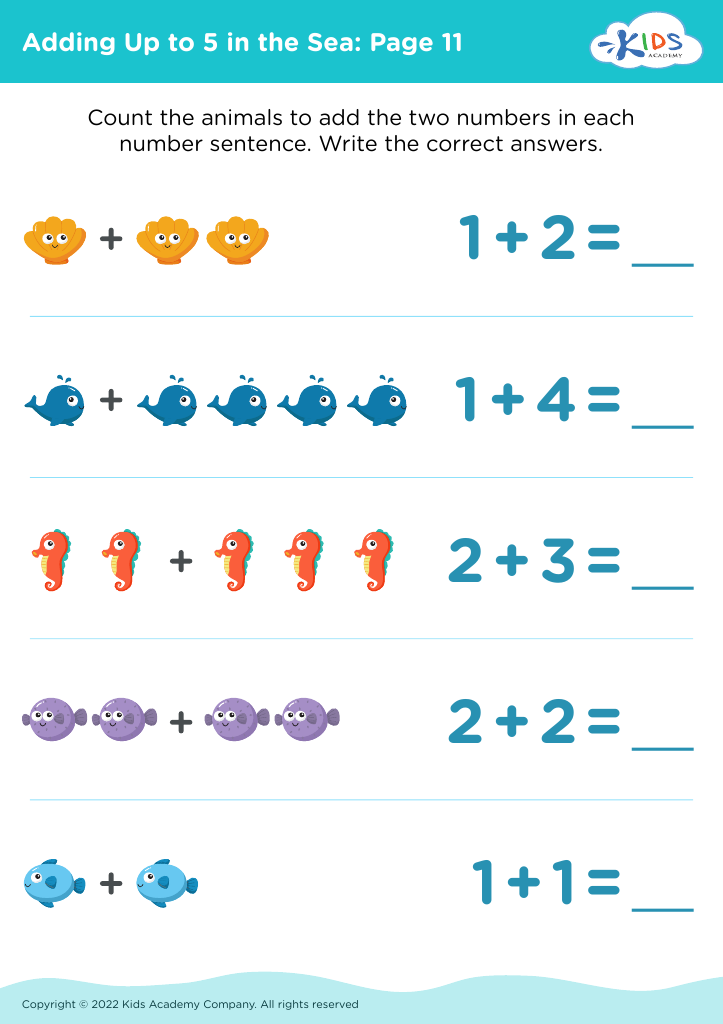
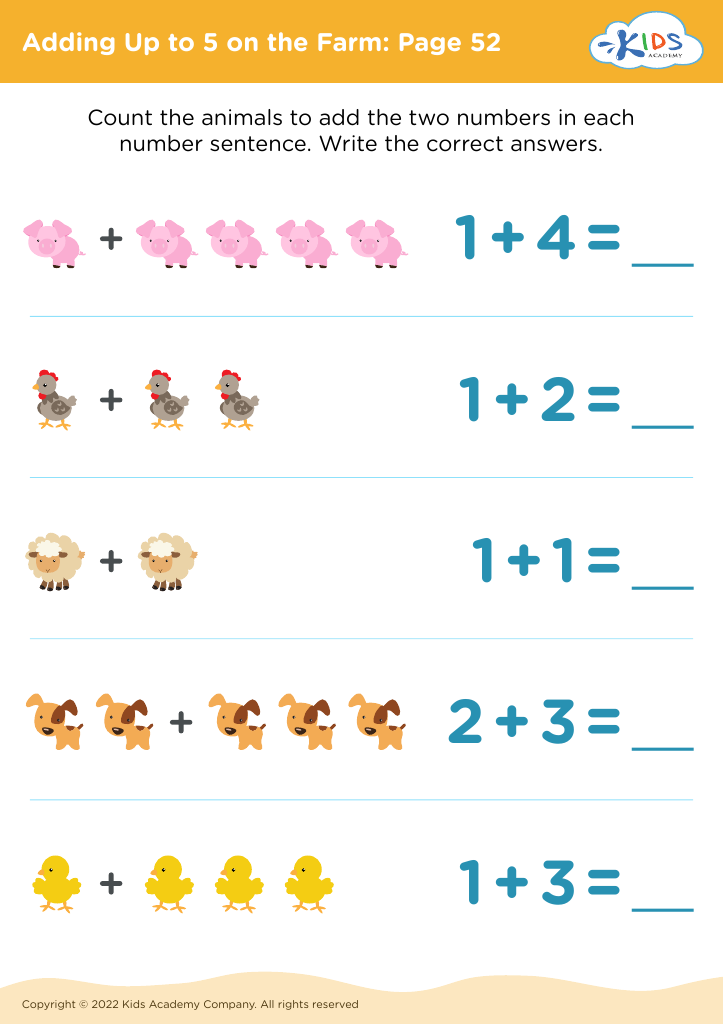
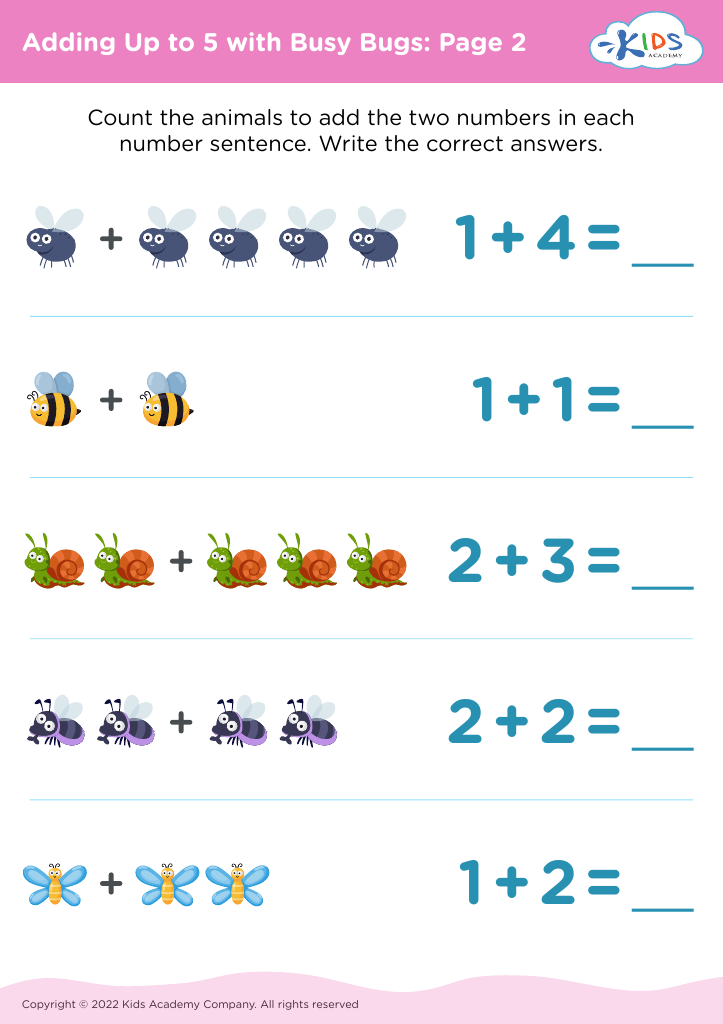
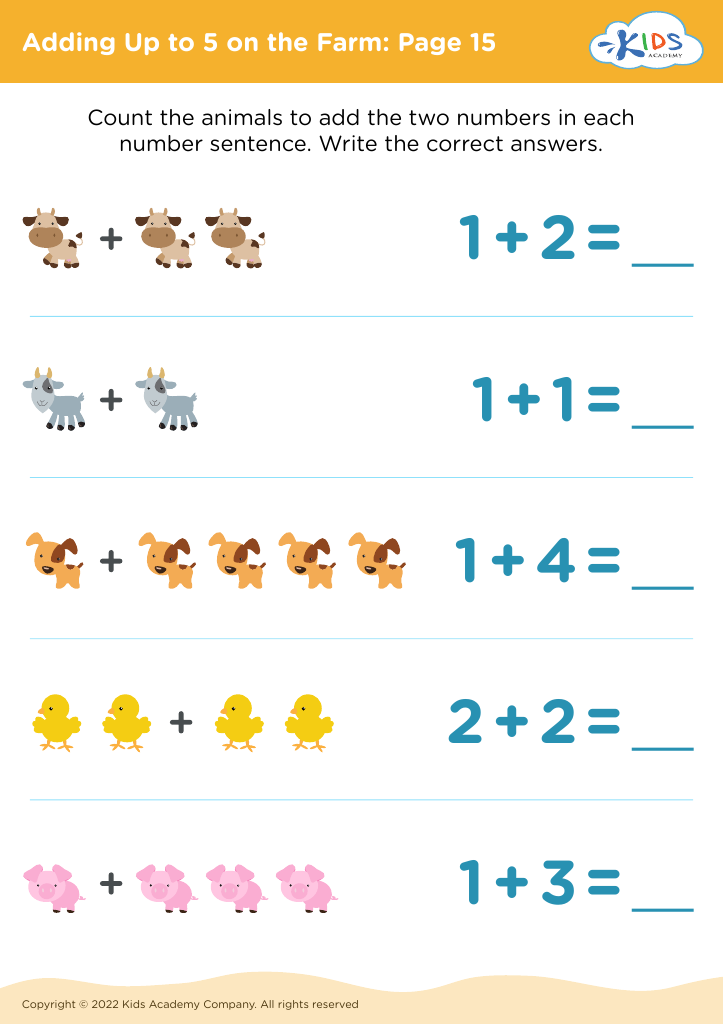
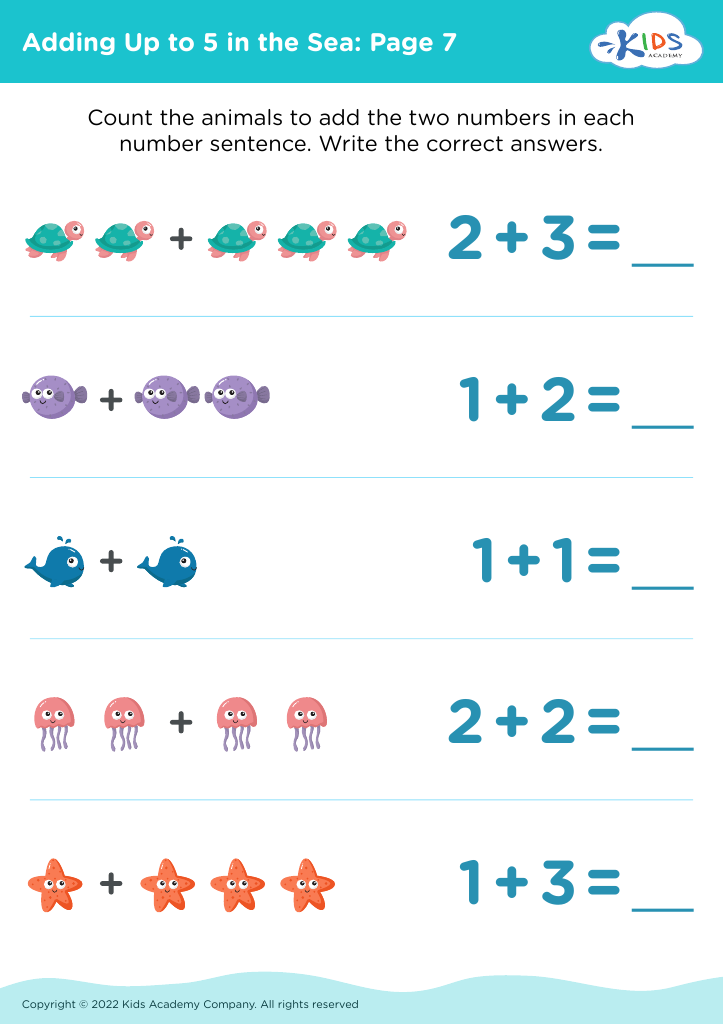
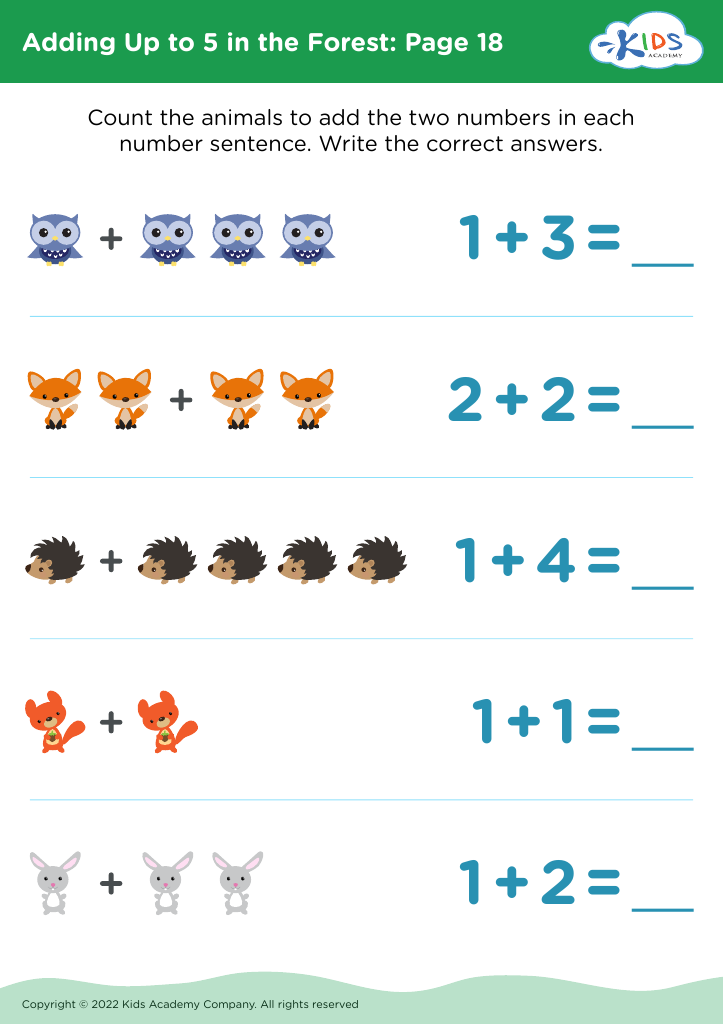
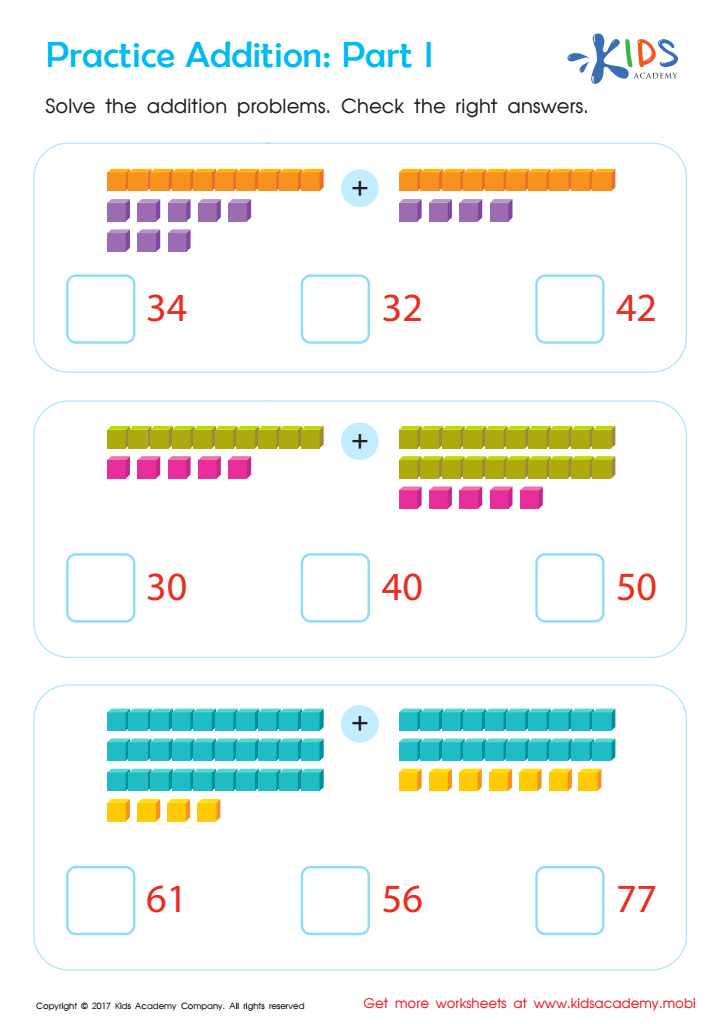
Practice Addition: Part 1 Worksheet
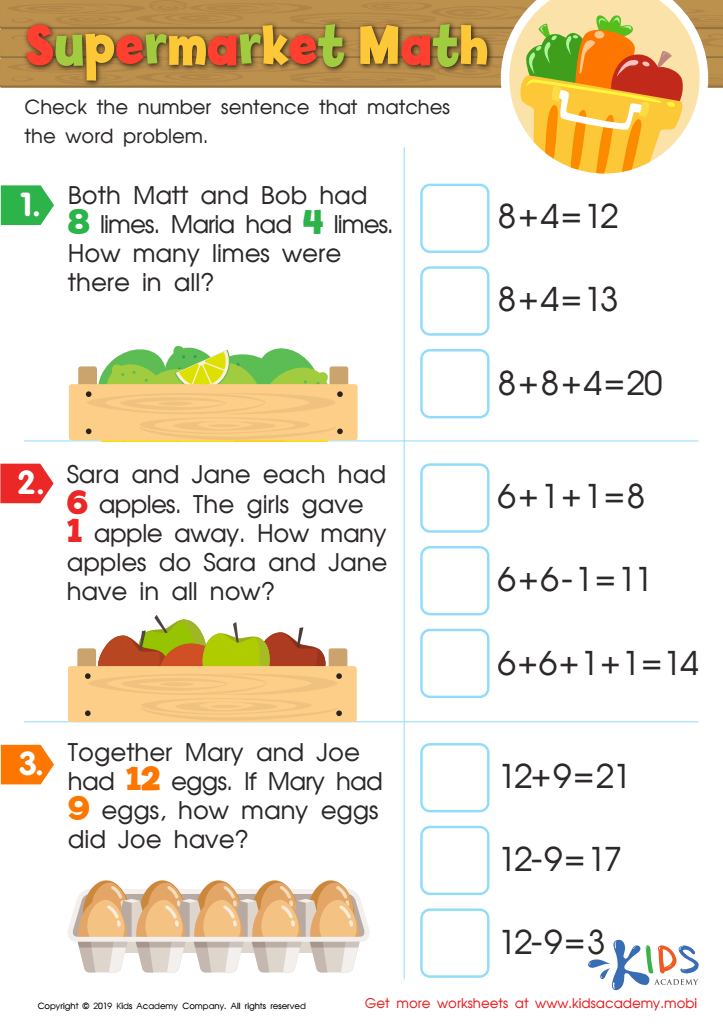
Supermarket Math Worksheet
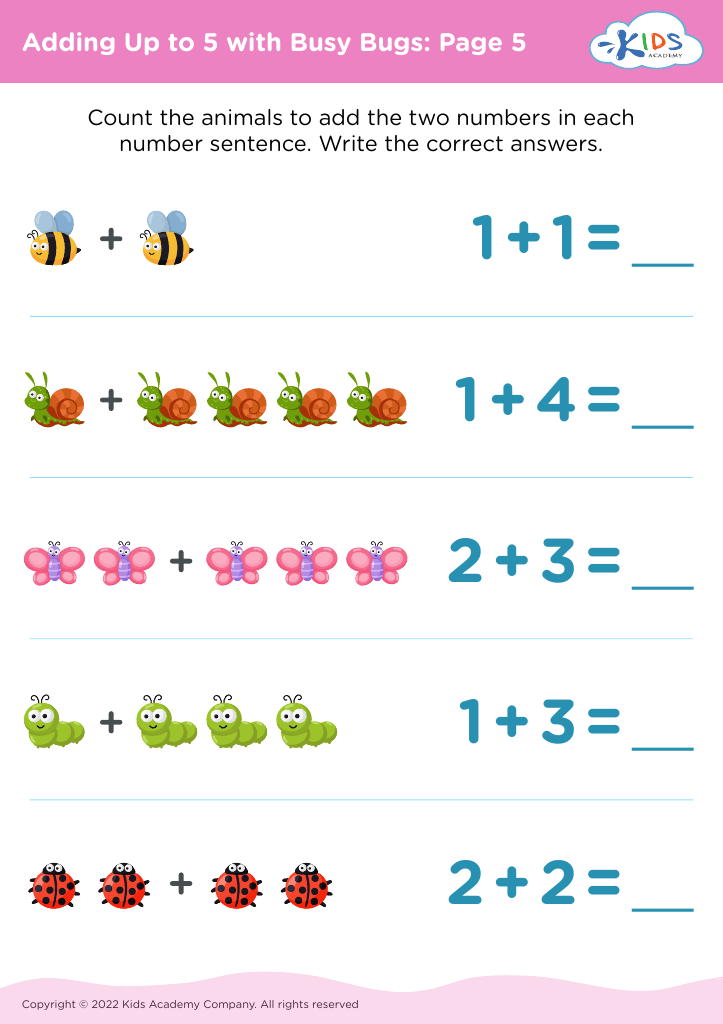
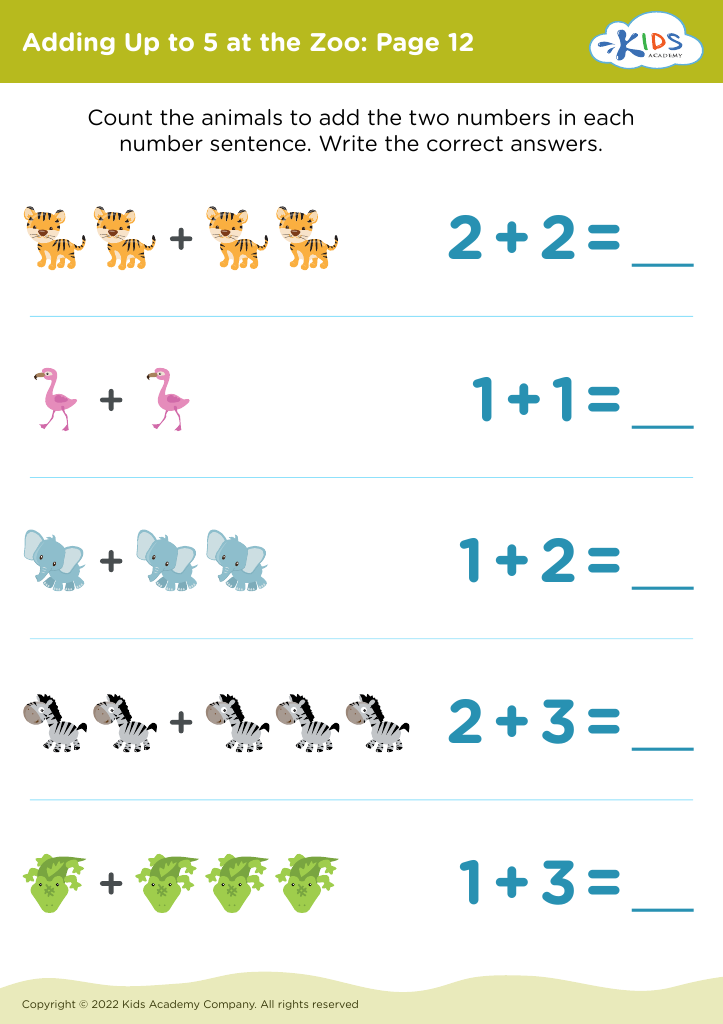







Basic arithmetic is foundational for children's cognitive development, particularly for ages 3-7, as it lays the groundwork for future mathematical understanding. During these formative years, children are highly receptive to learning concepts related to numbers, shapes, and patterns. Engaging in early arithmetic empowers young learners to think critically and solve problems creatively.
Parents and teachers should prioritize basic arithmetic because it enhances not only math skills but also fosters essential life skills. Activities like counting, sorting, and simple addition or subtraction help children develop analytical thinking and boost their confidence in tackling more complex concepts later on. Additionally, early numeracy skills correlate with later academic success, making a strong case for early intervention.
Moreover, arithmetic in early childhood can integrate play-based learning, enabling educators and parents to create fun, interactive experiences, such as games and songs. This approach not only keeps children engaged but also promotes social skills through cooperative play.
By supporting basic arithmetic understanding, parents and teachers cultivate a love for learning, preparing children for a brighter future filled with opportunities. Ultimately, investing in early math education equips children with essential tools to navigate the world around them effectively.








