Developing problem-solving skills Worksheets for Ages 3-7
9 filtered results
-
From - To
Discover our engaging "Developing Problem-Solving Skills Worksheets for Ages 3-7," designed to boost young learners' critical thinking abilities. These worksheets offer a fun, interactive approach to problem-solving, catering to various learning styles. Through puzzles, games, and hands-on activities, children can practice essential skills in a nurturing environment. Our resources promote cognitive development, encouraging kids to think independently and explore creative solutions. Ideal for parents and educators seeking to enhance their child's learning experience, these worksheets serve as a valuable tool for fostering a love of problem-solving from a young age. Unlock your child's potential with these engaging activities today!
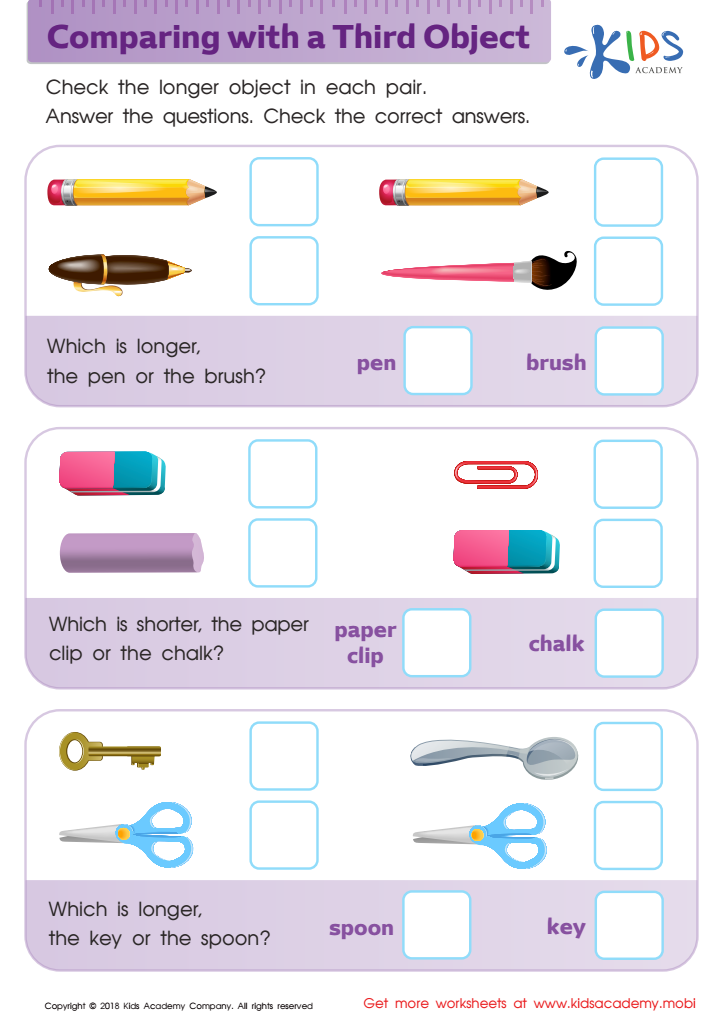
Comparing with a Third Object Worksheet
 Assign to My Students
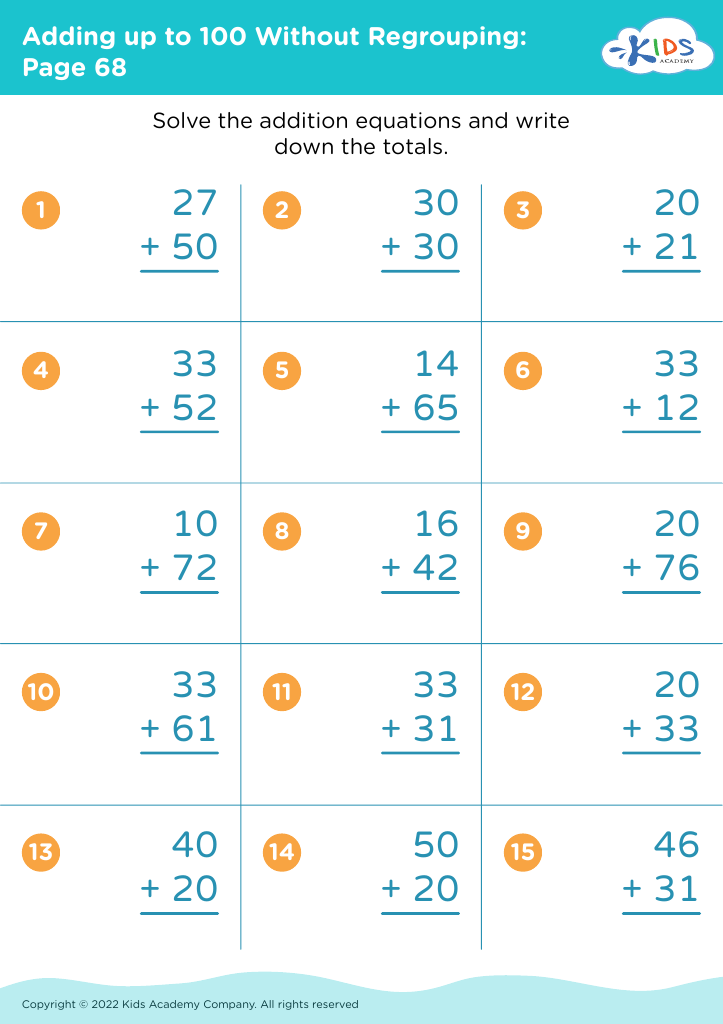
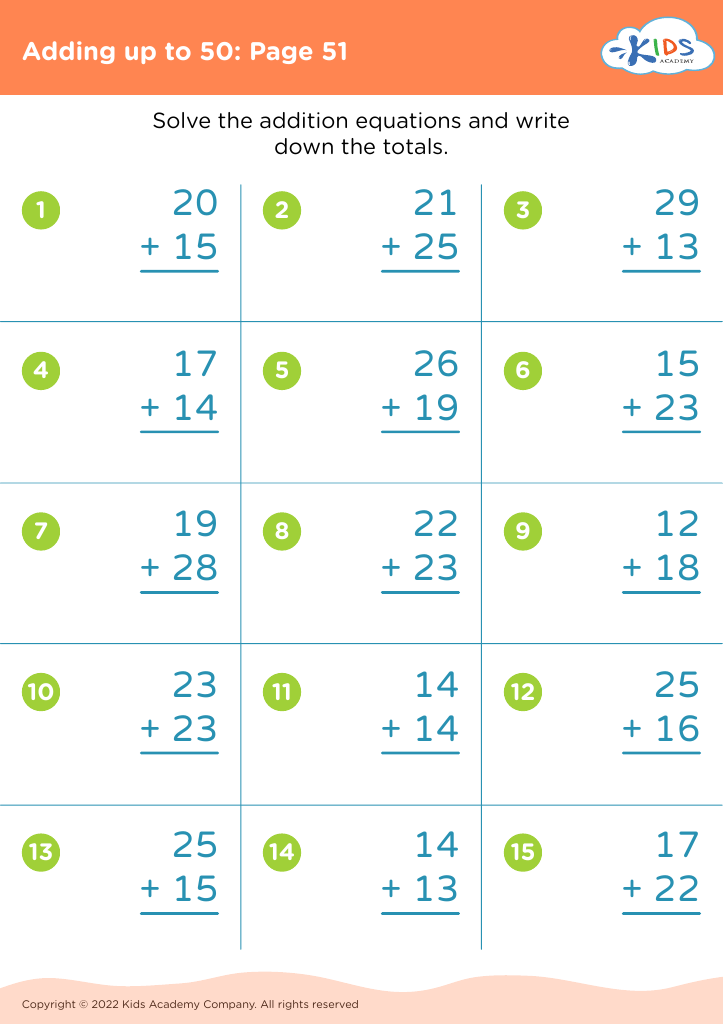
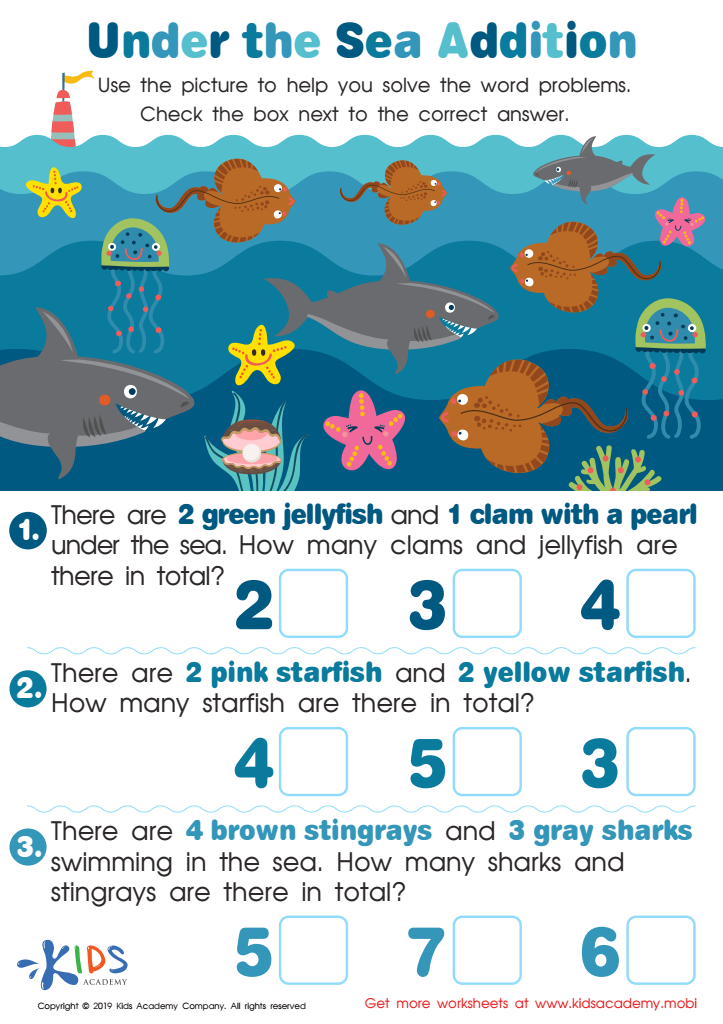
Under the Sea Addition Worksheet
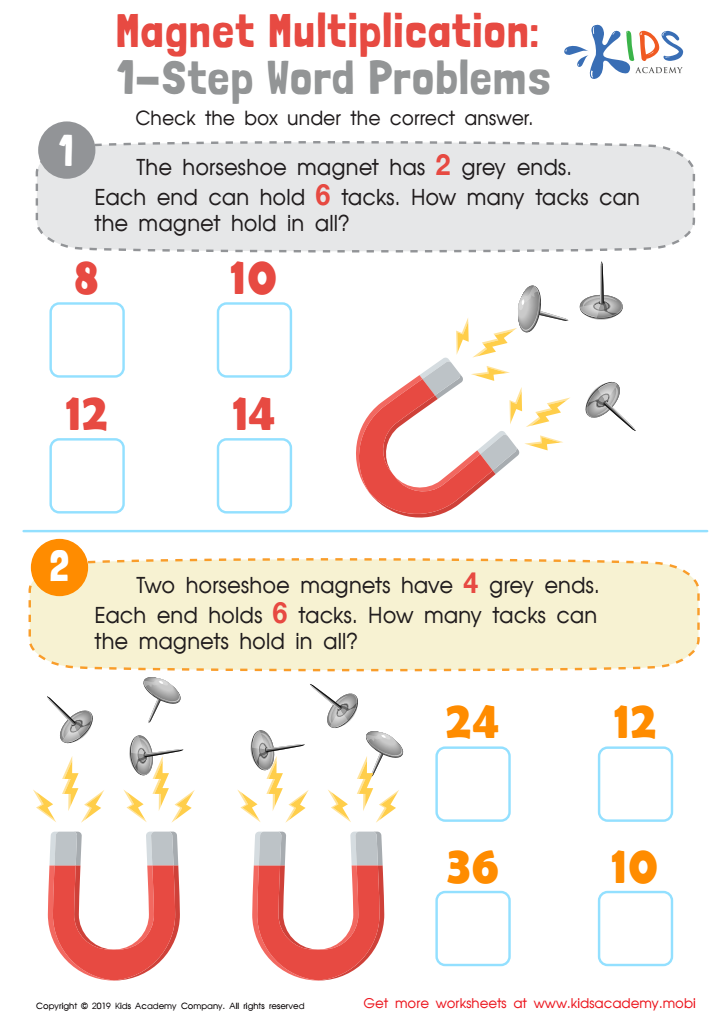
Magnet Multiplication: 1-Step Word Problems Worksheet
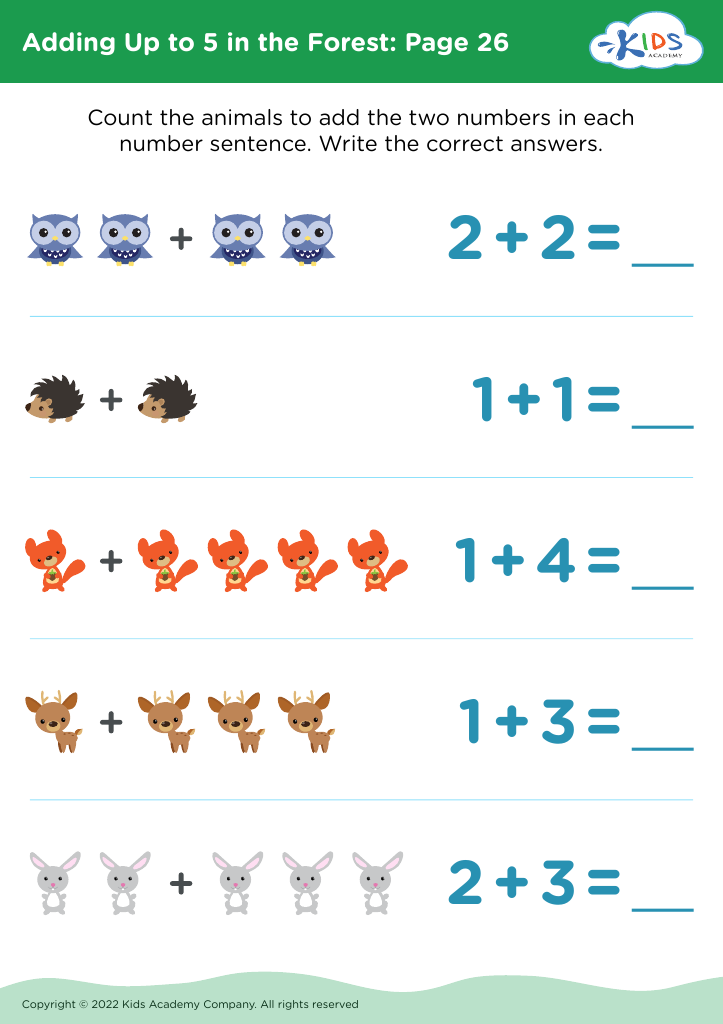
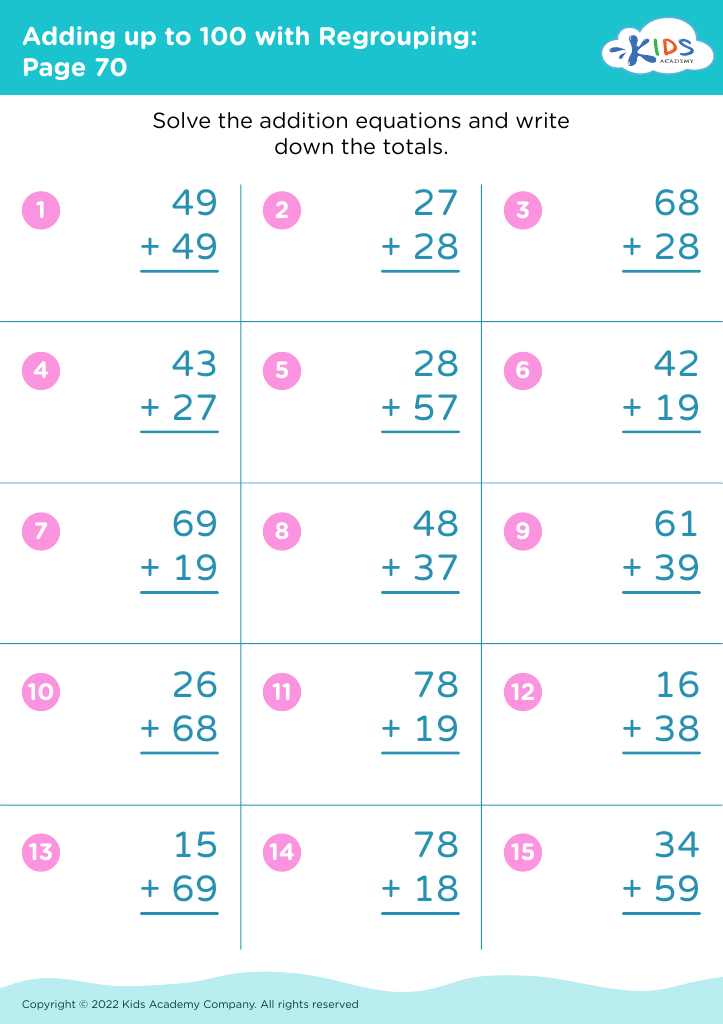
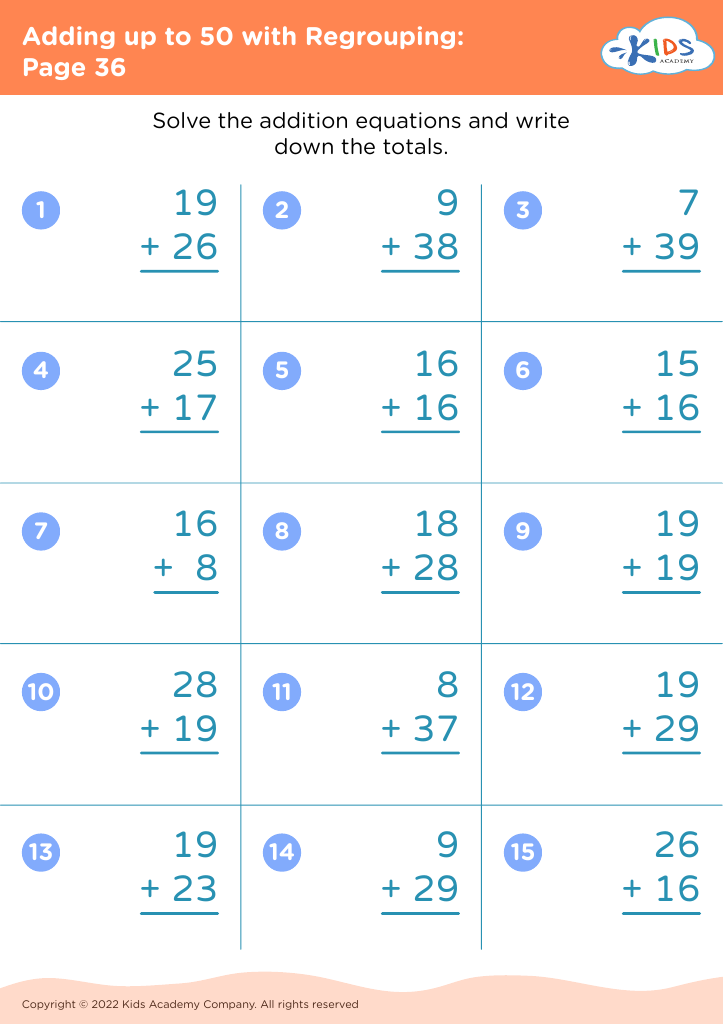


.jpg)





Developing problem-solving skills in children aged 3 to 7 is crucial for their overall growth and future success. At this age, children are naturally curious and eager to explore their surroundings. By nurturing their ability to solve problems, parents and teachers can foster a sense of resilience and independence in young learners. Problem-solving encourages critical thinking, allowing children to analyze situations, explore alternatives, and make informed decisions.
Furthermore, strong problem-solving skills are foundational for academic success. Early experiences in navigating challenges prepare children for more complex tasks they will face in school. These skills also enhance creativity; by experimenting with different solutions, children learn to think outside the box, fostering innovation.
Socially, problem-solving skills promote collaborative learning. When children work together to find solutions, they improve their communication and teamwork abilities, which are vital for their relationships and future workplaces. Moreover, coping with challenges builds emotional intelligence, teaching children to manage frustration and celebrate success.
In summary, investing time in developing problem-solving skills in young children equips them with essential tools for lifelong learning, collaboration, and emotional resilience, ensuring they are well-prepared for future challenges.








