Enhancing Reading Comprehension Worksheets for Ages 3-7
29 filtered results
-
From - To
Enhance your child's reading comprehension skills with our engaging worksheets designed for ages 3-7. These age-appropriate resources focus on essential reading strategies, promoting vocabulary development, and encouraging critical thinking. Our fun and interactive activities include reading passages, comprehension questions, and visual aids to make learning enjoyable. Each worksheet is crafted to support young learners at different stages, ensuring they build a strong foundation for literacy. Whether at home or in the classroom, our printables provide a valuable tool for parents and educators to foster a love for reading and help children succeed in their educational journey. Explore our collection today!
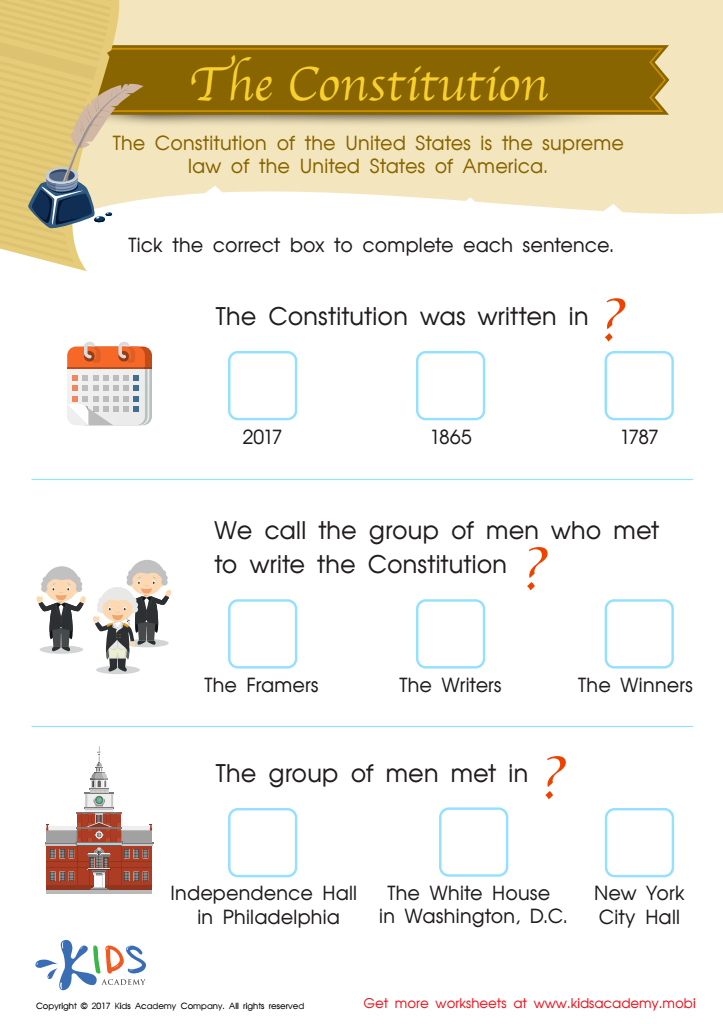
The Constitution Worksheet
 Assign to My Students
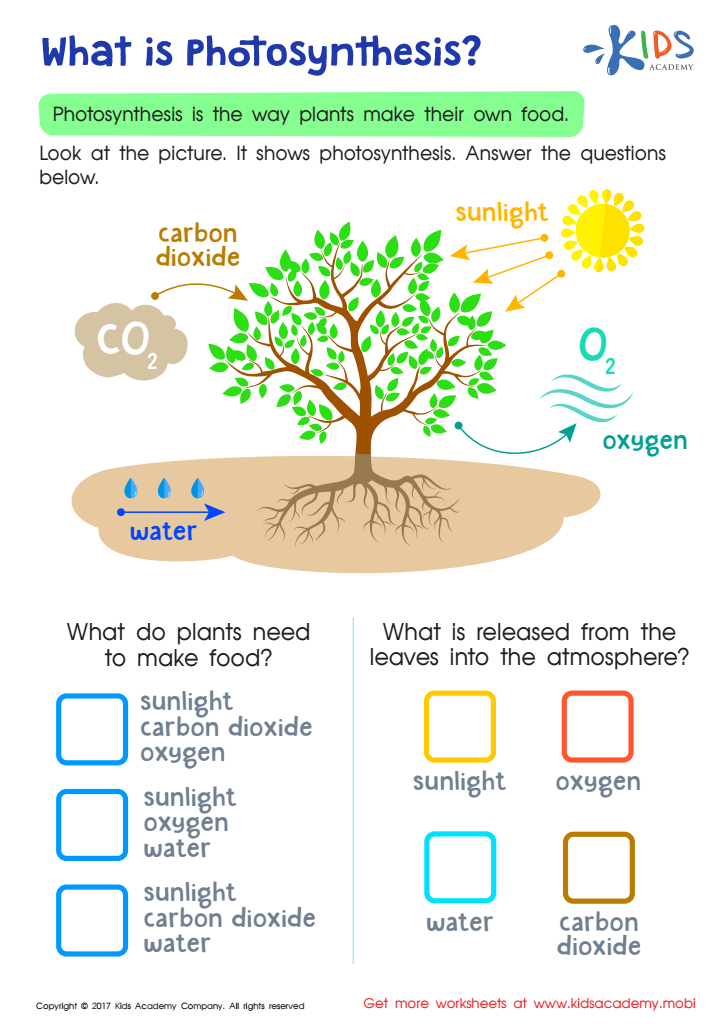
What is Photosynthesis Printable
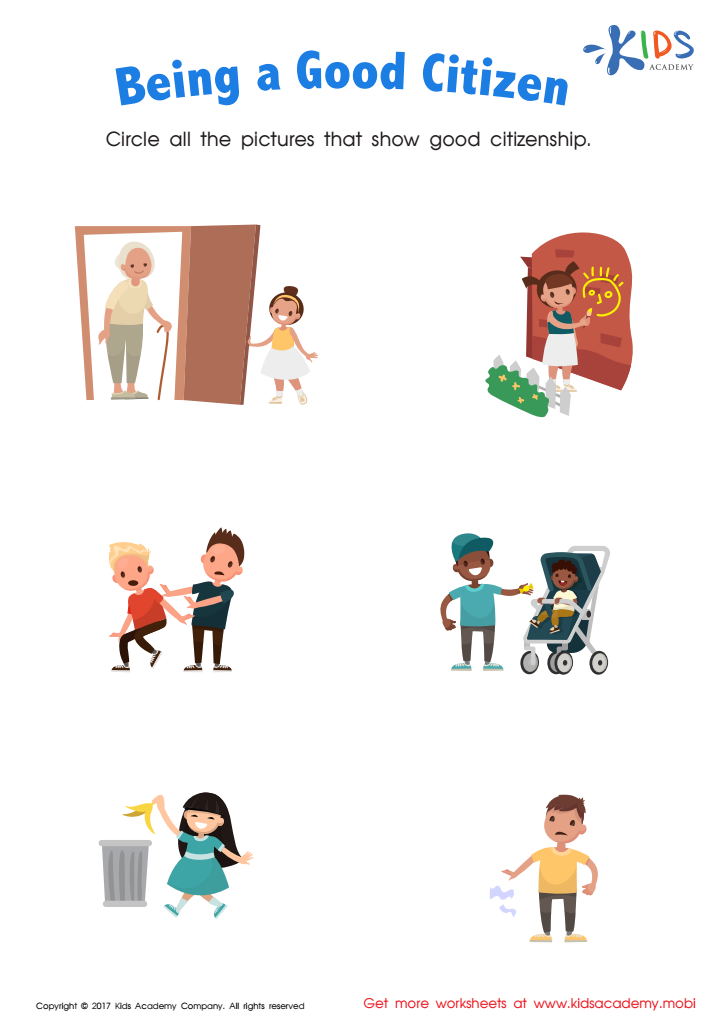
Being a Good Citizen Printable
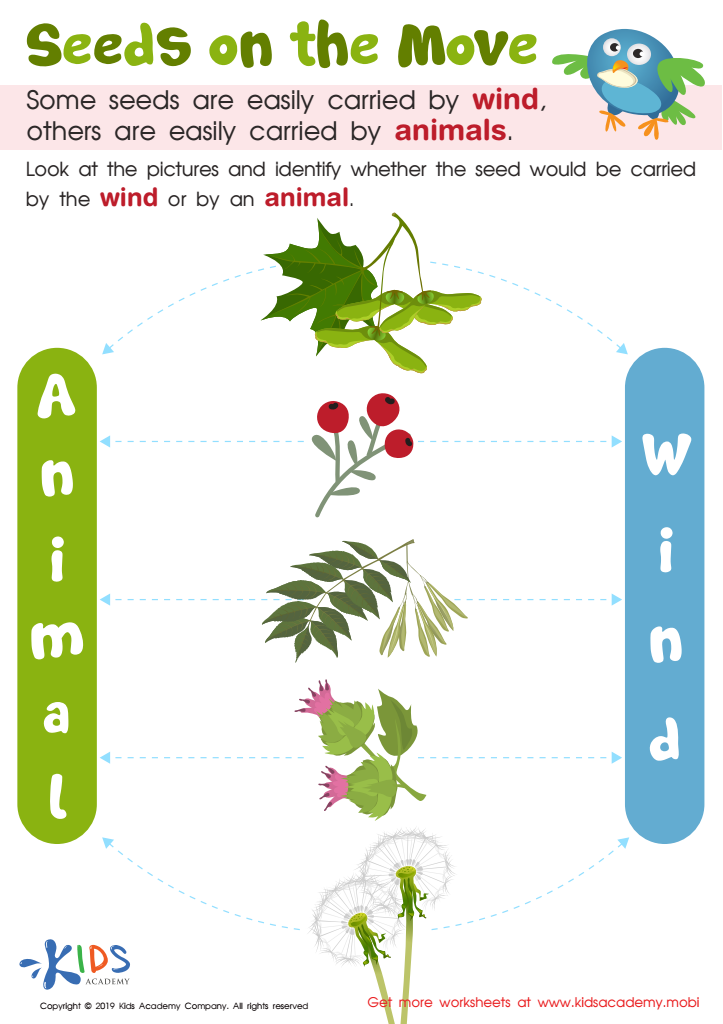
Seeds on the Move Worksheet
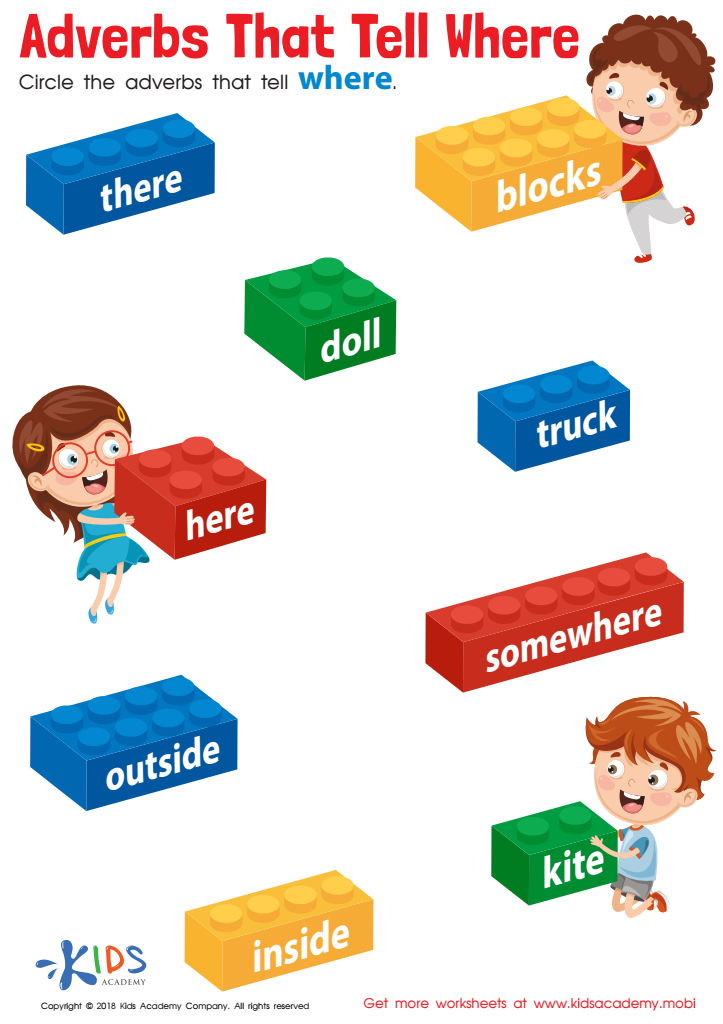
Adverbs That Tell Where Worksheet
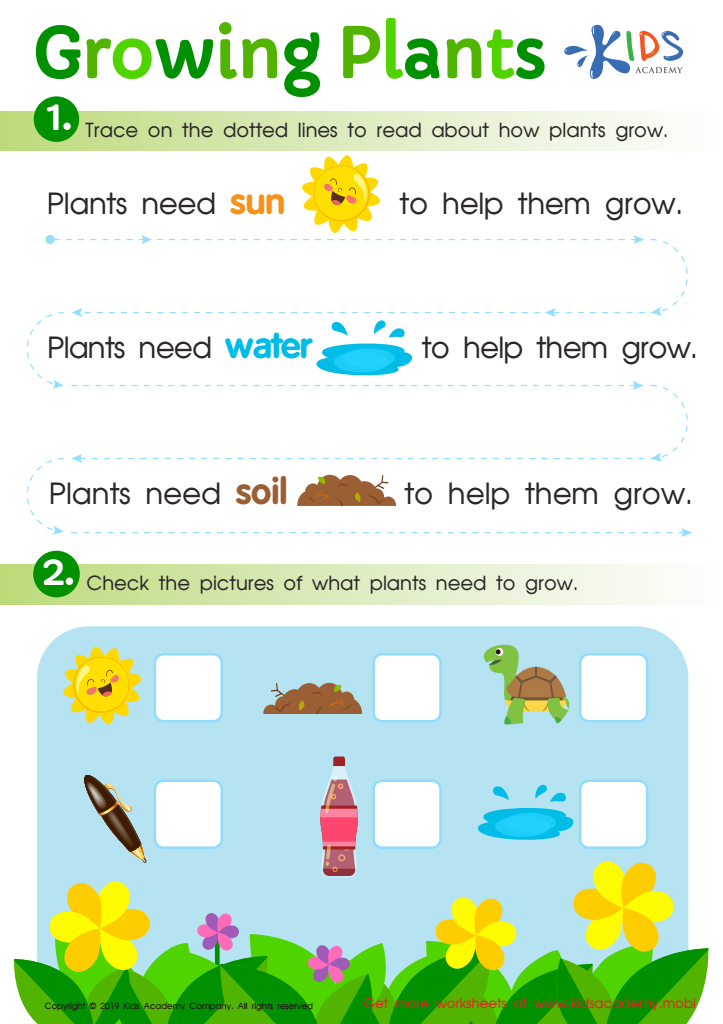
Growing Plants Worksheet
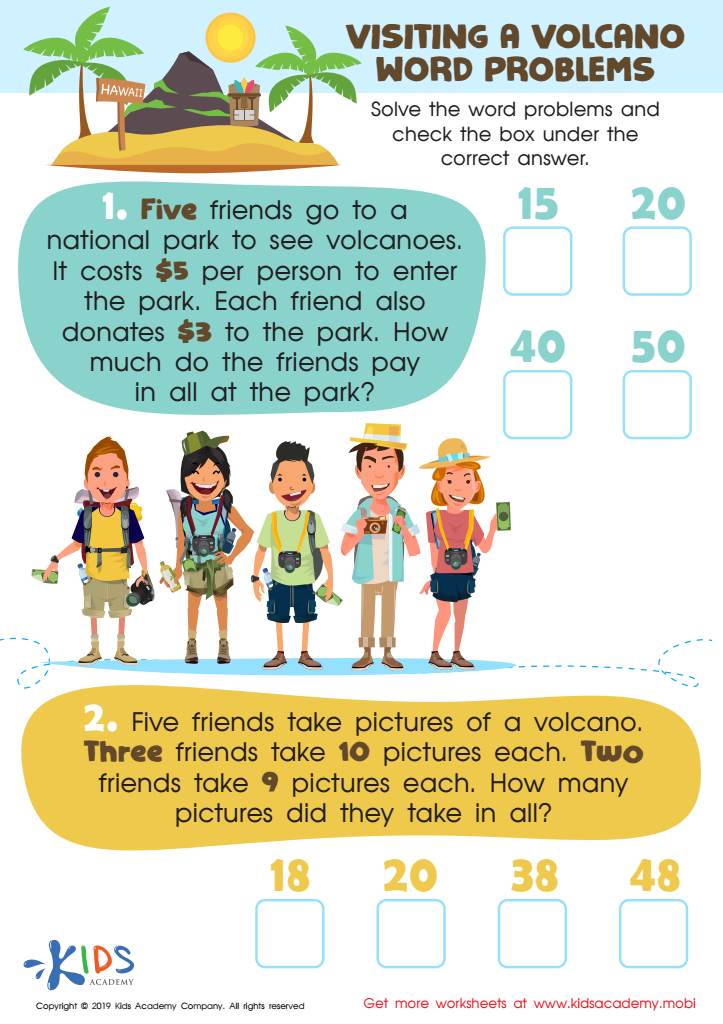
Visiting a Volcano Word Problems Worksheet
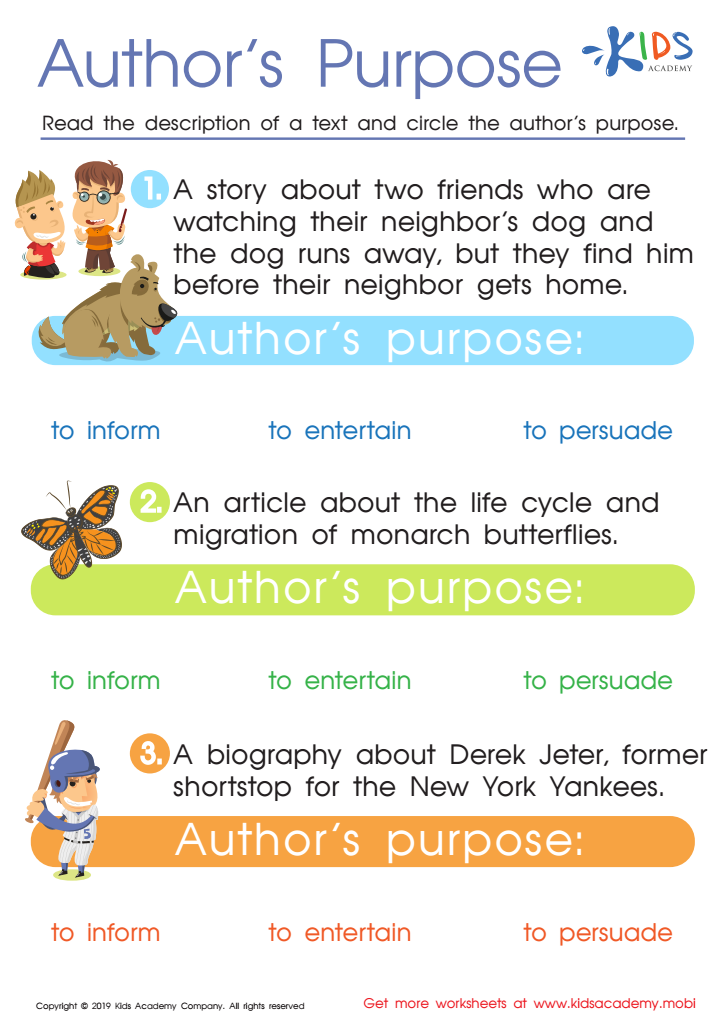
Author's Purpose Worksheet
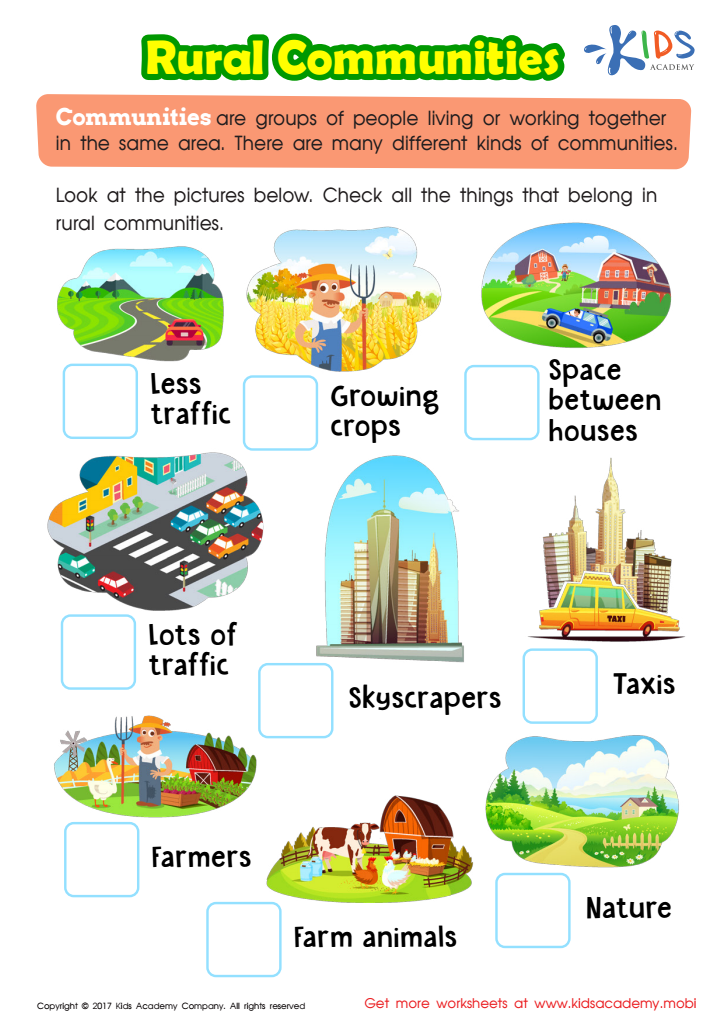
Rural Communities Printable
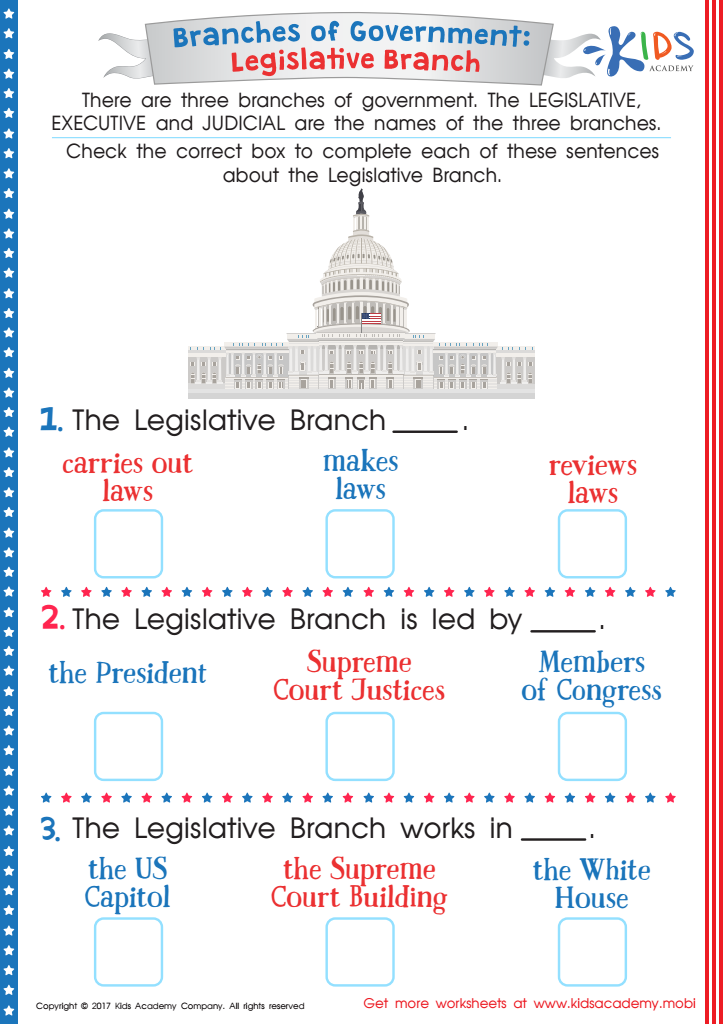
Branches of the Government: Legislative Branch Worksheet
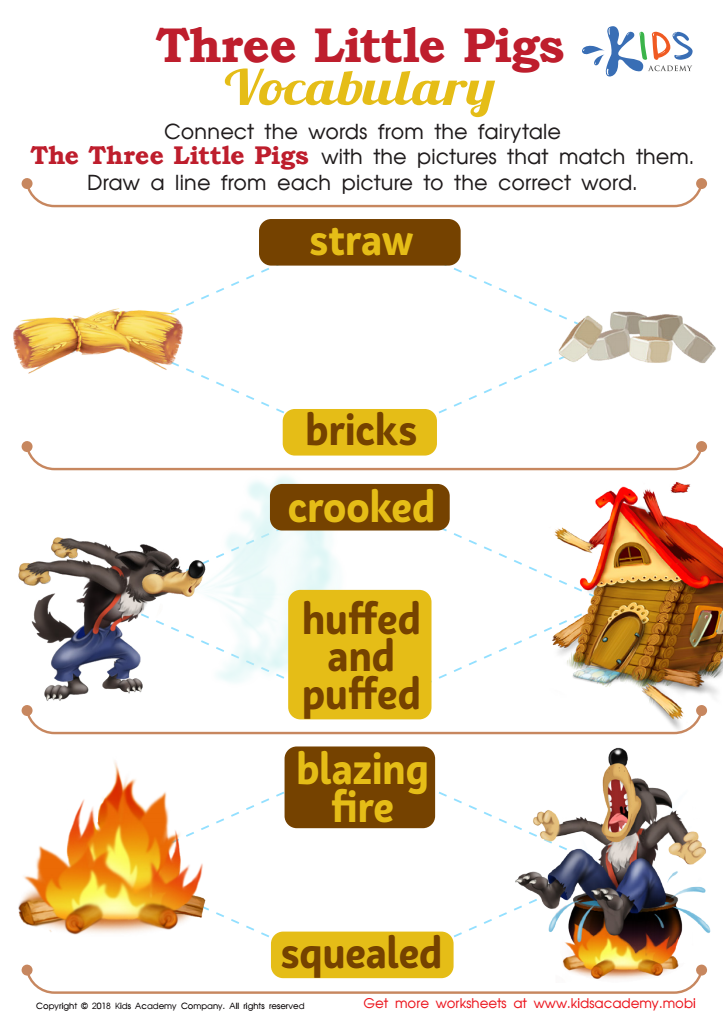
Three Little Pigs Vocabulary Worksheet
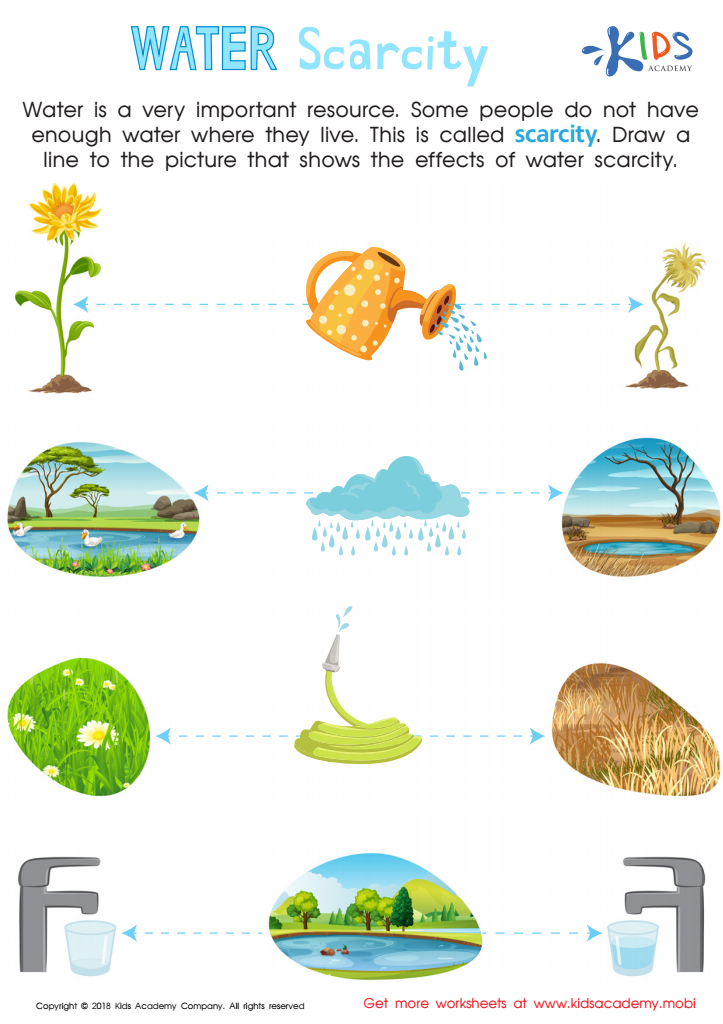
Water Scarcity Worksheet
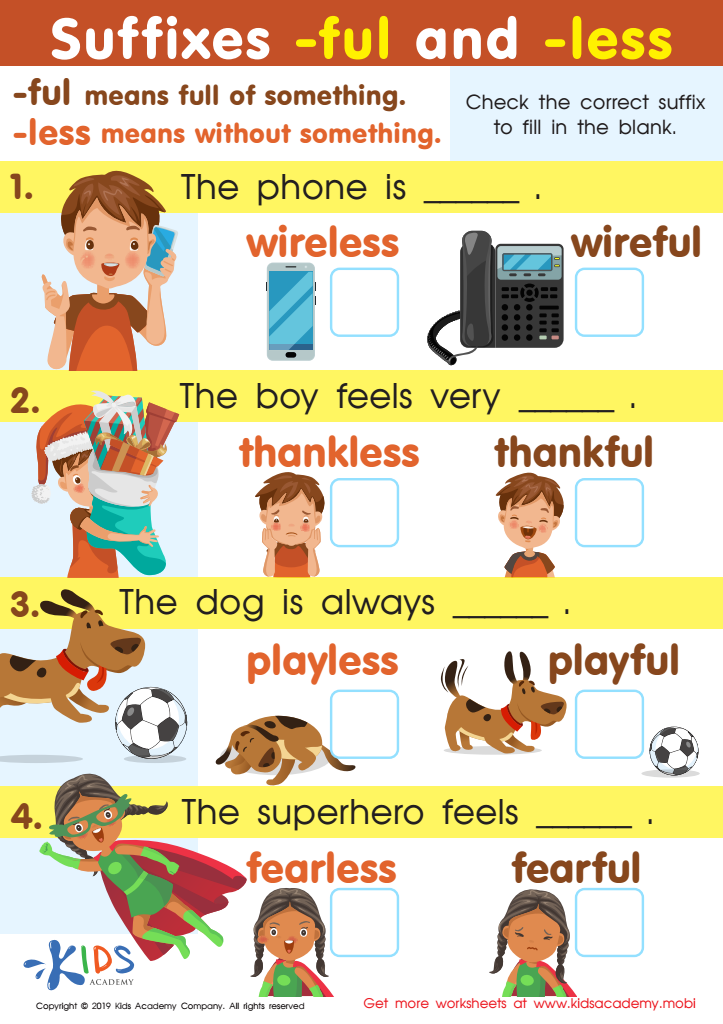
Suffixes –ful and –less Worksheet
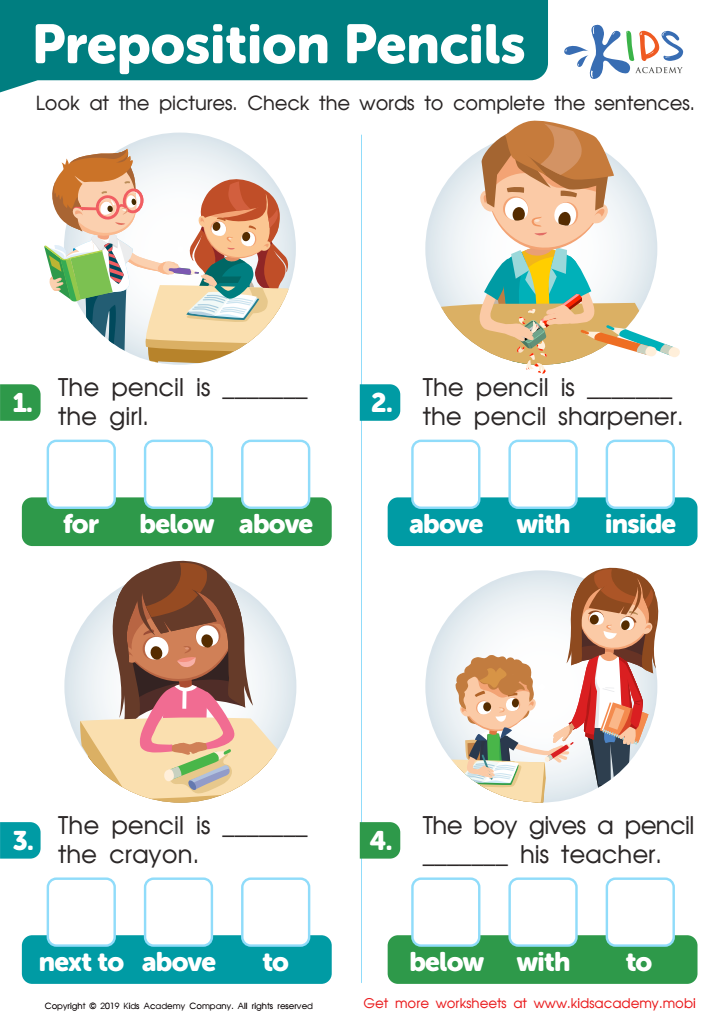
Preposition Pencils Worksheet
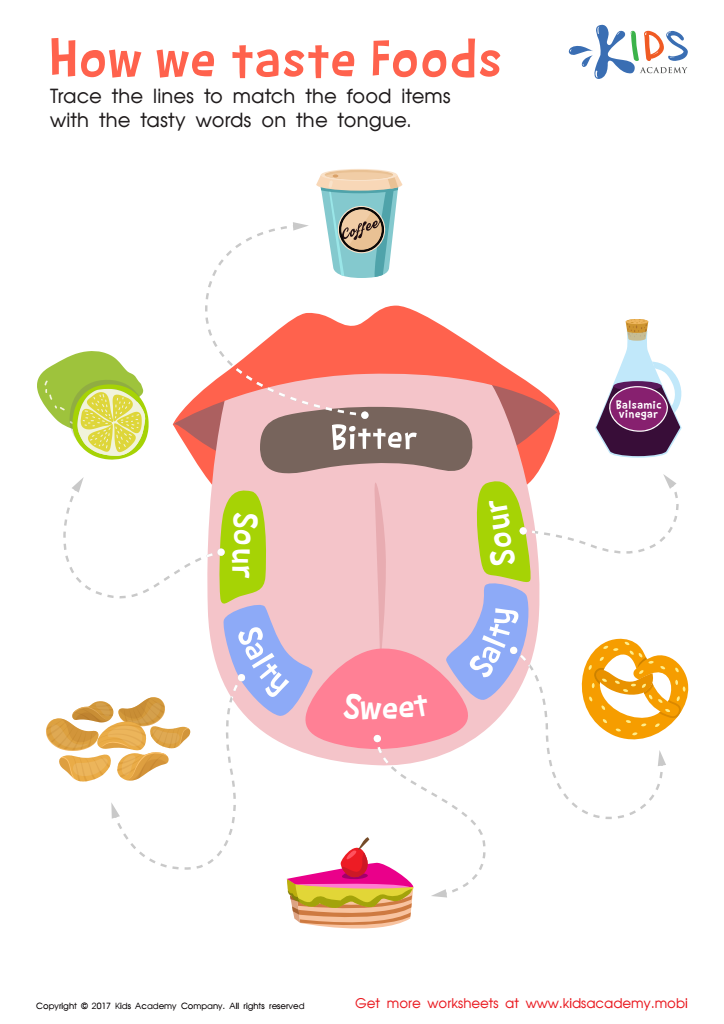
How We Taste Foods Worksheet
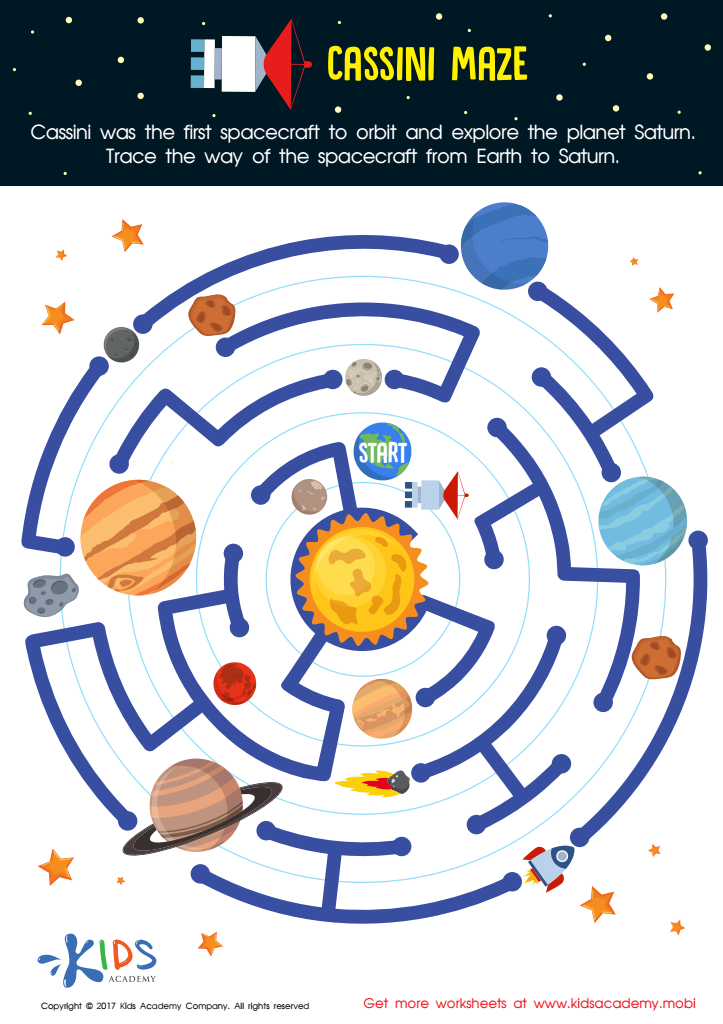
Cassini Printable Worksheet
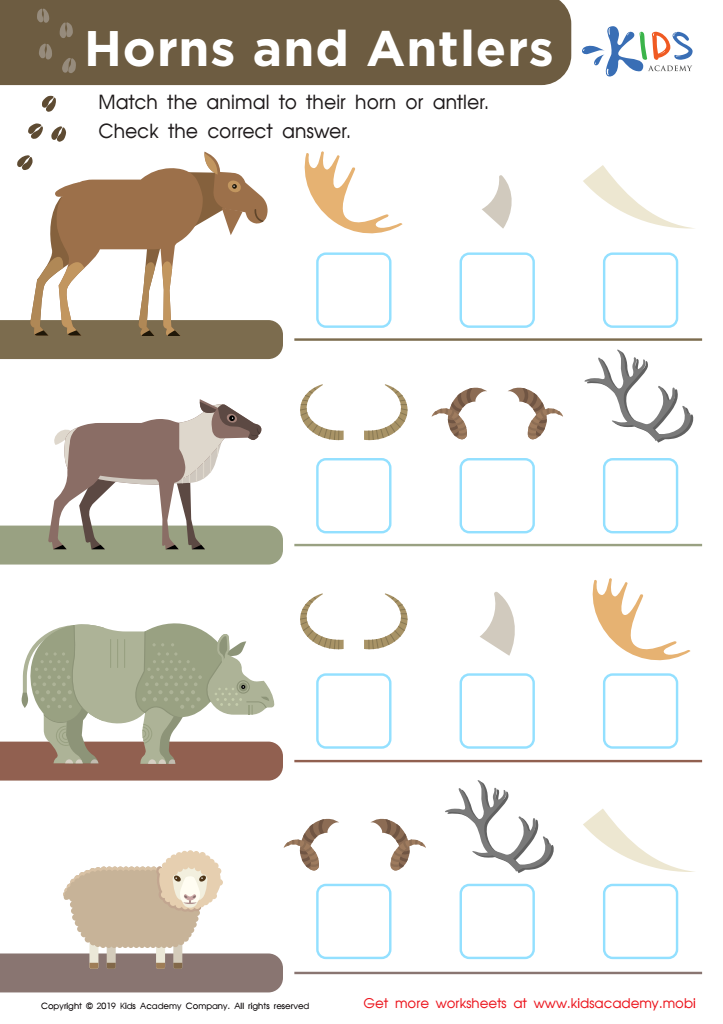
Horns and Antlers Worksheet
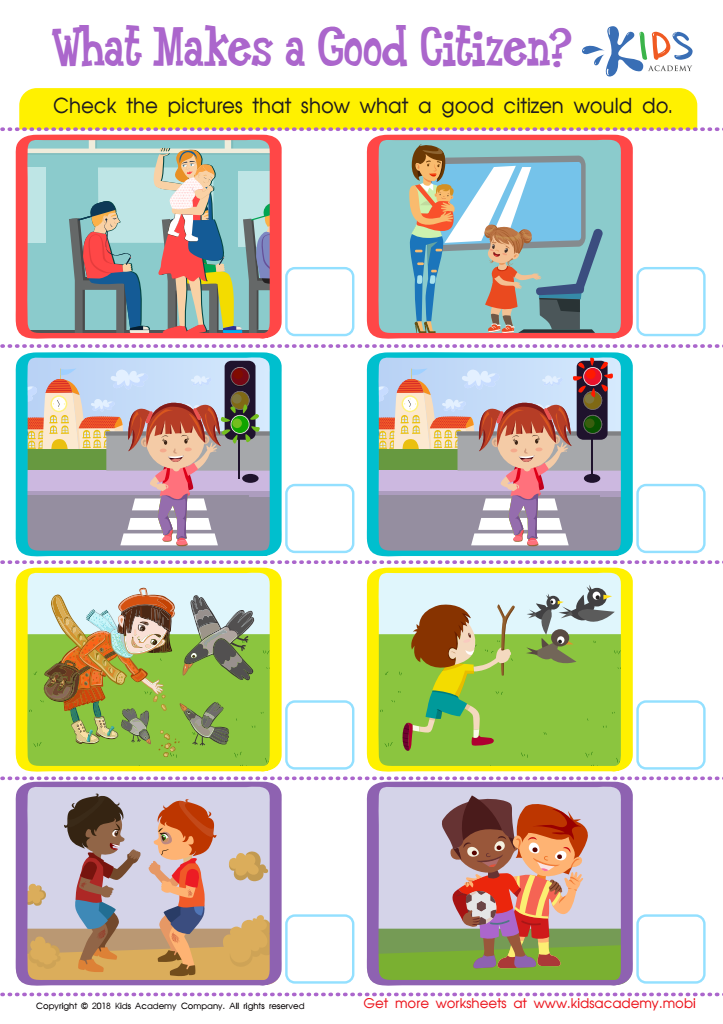
What Makes a Good Citizen? Worksheet
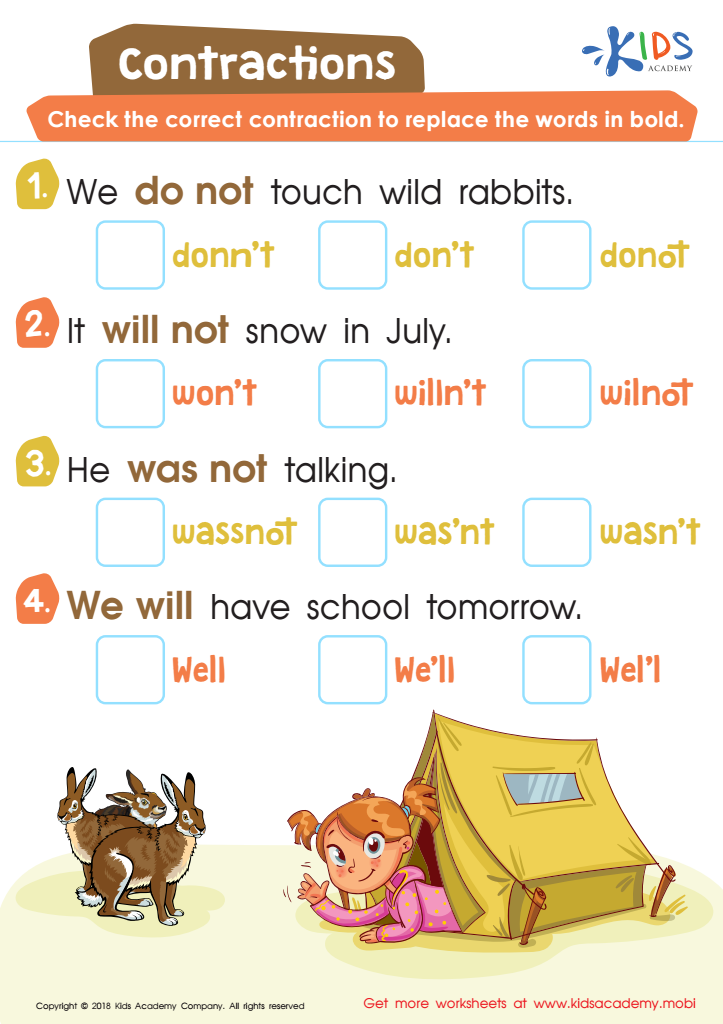
Contractions Worksheet
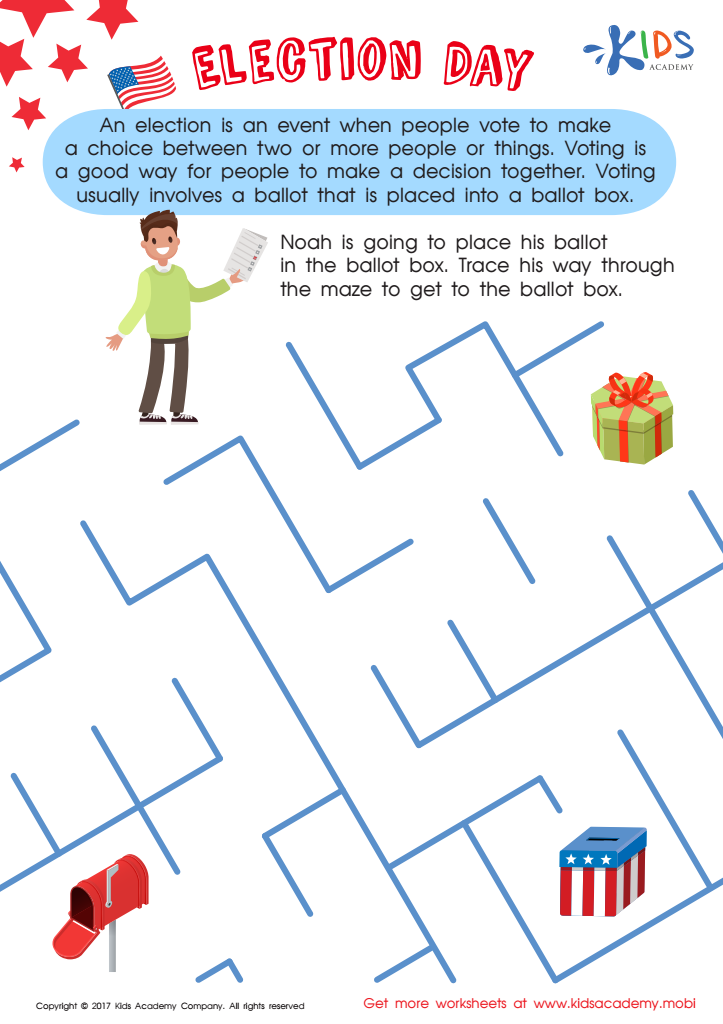
Election Day Worksheet
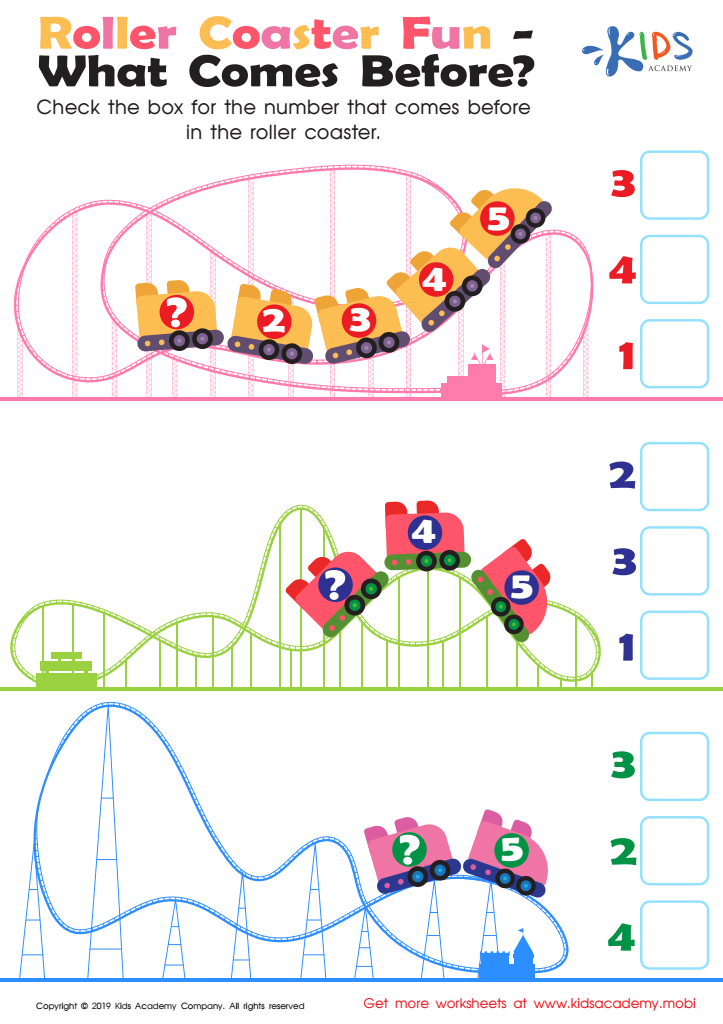
Roller Coaster Fun Worksheet
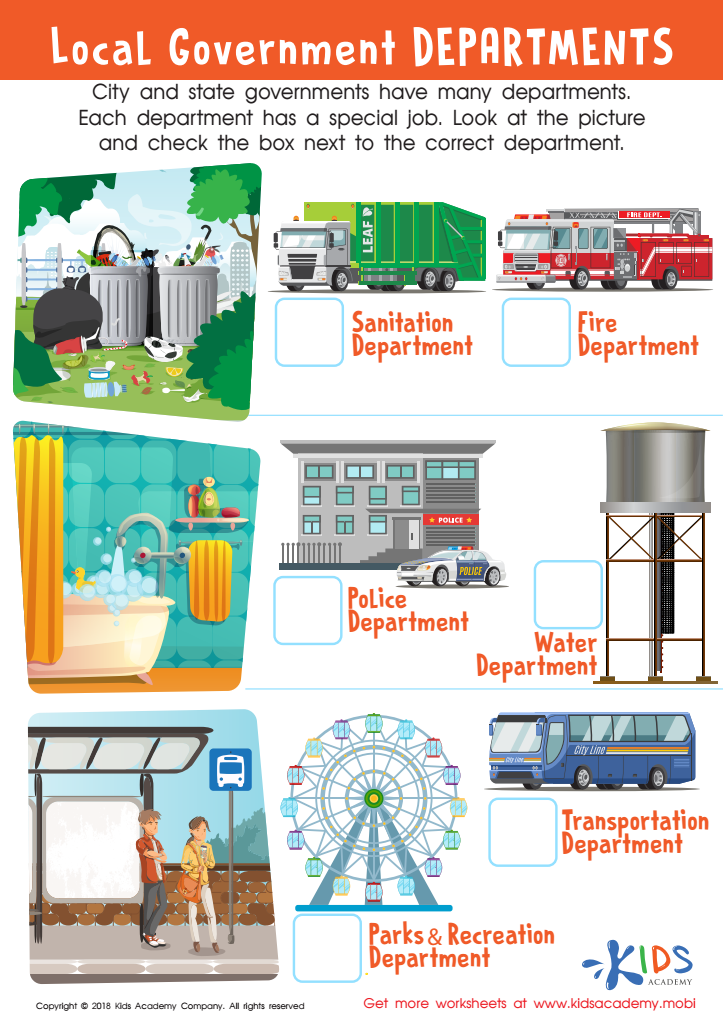
Local Government Departments Worksheet
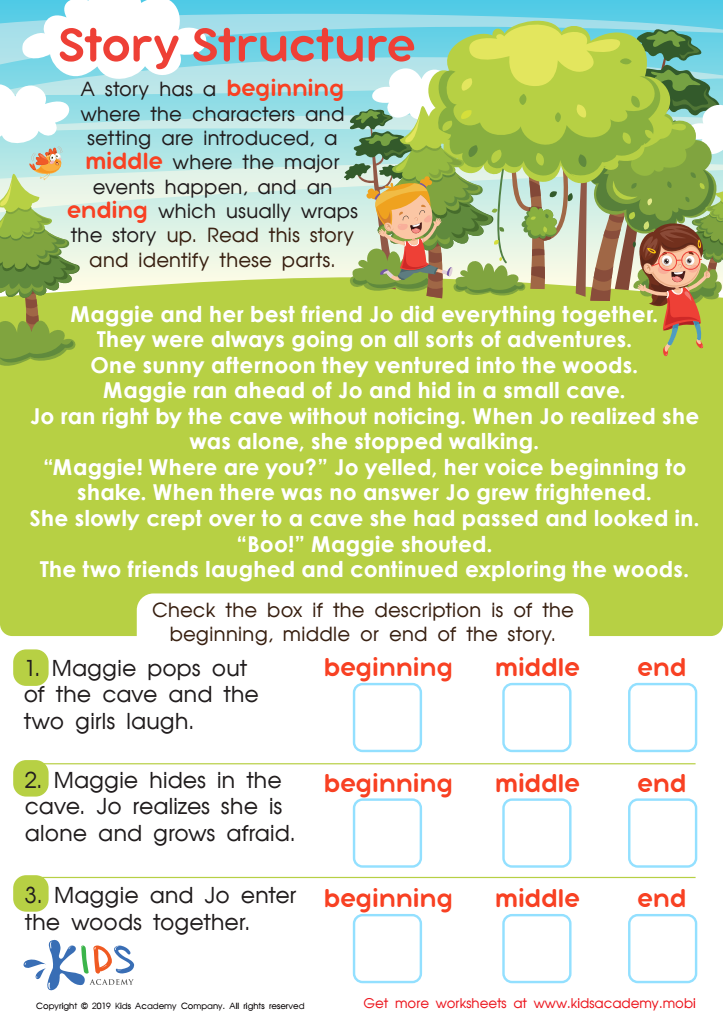
Story Structure Worksheet







Enhancing reading comprehension for children ages 3-7 is crucial because these early years lay the foundation for lifelong literacy skills. At this developmental stage, children are developing essential cognitive and language abilities. Strengthening their comprehension skills helps them understand and integrate information, fostering critical thinking and imagination.
Moreover, strong reading comprehension supports academic success across all subjects, as it enables children to make sense of texts they encounter in various contexts. When parents and teachers actively engage in enhancing comprehension skills—through shared reading, discussions about stories, and asking open-ended questions—they cultivate a genuine love for reading and learning.
Additionally, improving comprehension at an early age can bridge gaps in understanding that may lead to struggles later in school. Supporting children in making predictions, summarizing stories, and discussing characters and themes nurtures their ability to infer and analyze information effectively.
Finally, promoting reading comprehension can instill confidence in young learners, enabling them to express thoughts clearly, and will positively impact their social and emotional development. A strong comprehension foundation not only enhances academic performance but also prepares children for future challenges in an increasingly complex world. Prioritizing this area helps shape well-rounded and engaged readers.








