Understanding Simple Machines Worksheets for Ages 3-7
4 filtered results
-
From - To
Introduce young learners to the fascinating world of simple machines with our engaging worksheets, designed specifically for ages 3-7. Our carefully crafted resources enhance STEM learning, making concepts like levers, pulleys, wheels, and inclined planes both understandable and fun. Through interactive activities and visually appealing illustrations, children can explore how these basic machines make everyday tasks easier. Perfect for early elementary students, these worksheets foster critical thinking and problem-solving skills, ensuring a solid foundation in physical science. Encourage curiosity and a love for learning with our Understanding Simple Machines worksheets, and watch your child’s knowledge and confidence grow.
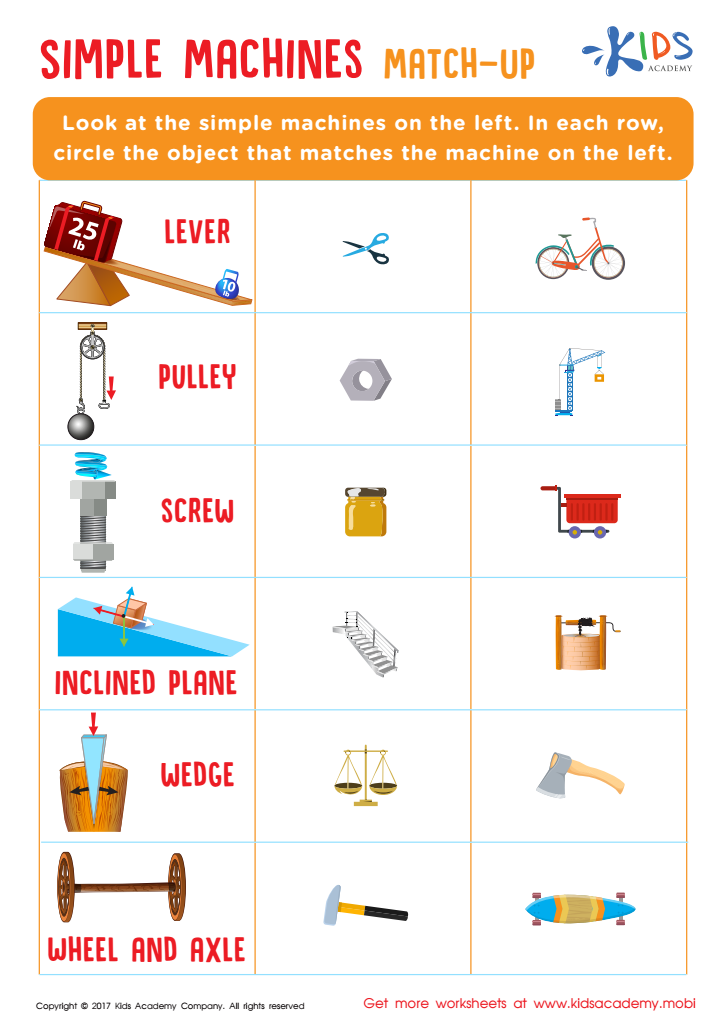
Simple Machines Worksheet
 Assign to My Students
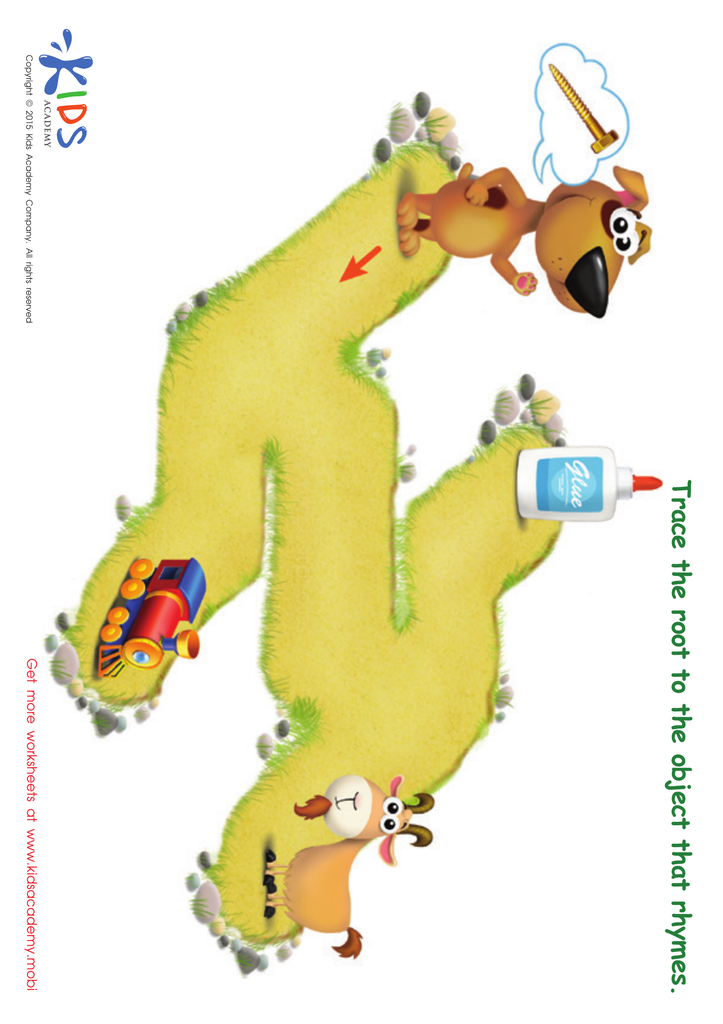
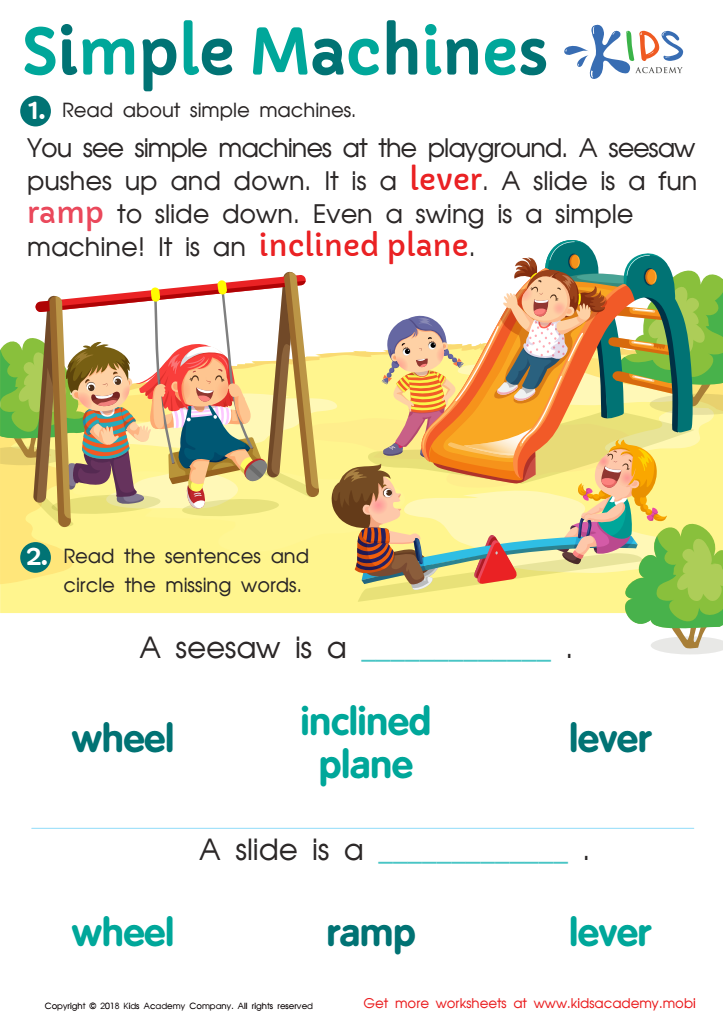
Simple Machines Worksheet
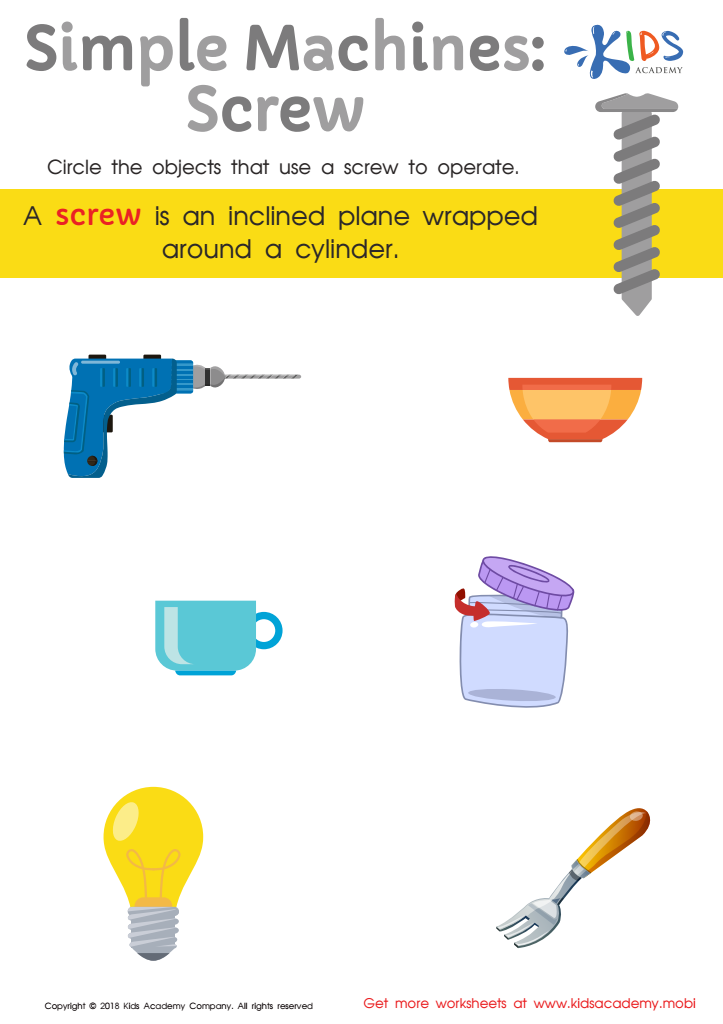
Simple Machines: Screw Worksheet



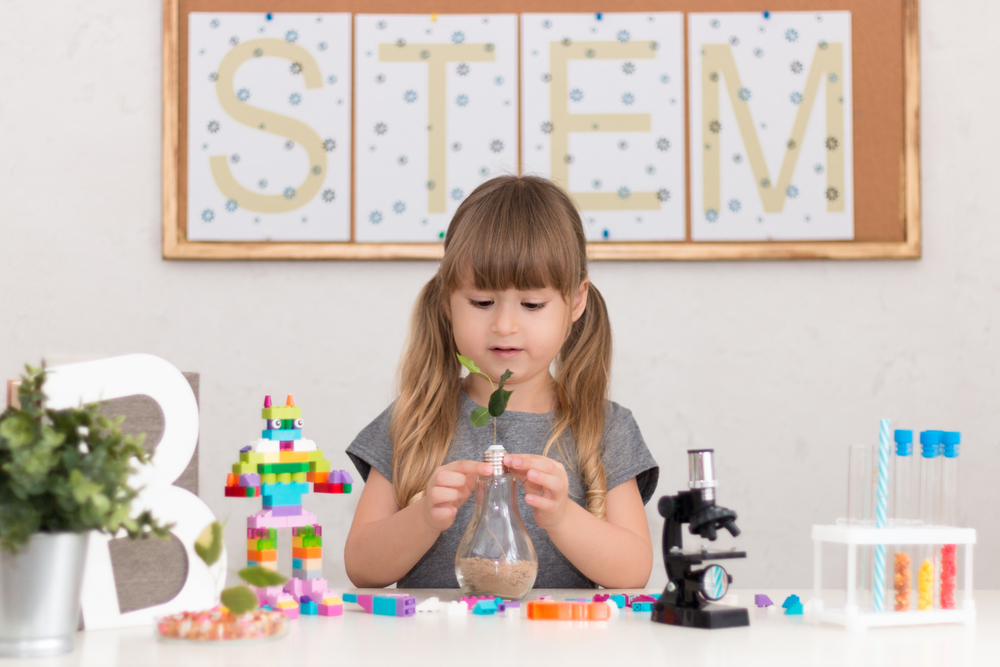




Understanding simple machines is crucial for young children as it lays the foundation for future learning and development in multiple areas. Both parents and teachers should emphasize this education for several reasons. Firstly, it fosters a sense of curiosity and engagement. Children are naturally inquisitive, and learning about simple machines like levers, pulleys, and wheels and axles taps into this curiosity, encouraging exploration and hands-on learning.
Secondly, understanding simple machines helps develop problem-solving skills. When children learn how these tools work, they begin to think critically and learn how to approach and tackle challenges in creative ways. This type of critical thinking is essential for academic success and everyday problem-solving skills.
Furthermore, early exposure to basic engineering concepts promotes motor skill development. Manipulating simple machines requires coordination and fine motor skills, supporting physical development alongside cognitive growth.
Finally, empowering children with basic engineering knowledge boosts their confidence. When young learners can construct and understand simple machines, they feel a sense of accomplishment, driving their self-esteem and interest in more complex concepts later in their educational journey.
In summary, integrating simple machines into early childhood education not only bolsters a child's curiosity and problem-solving abilities but also enhances their motor skills and self-confidence. For these reasons, it is imperative that parents and teachers prioritize this learning.








