Problem-Solving Skills Addition and Subtraction Word Problems Worksheets for Ages 3-7 - Page 2
33 filtered results
-
From - To
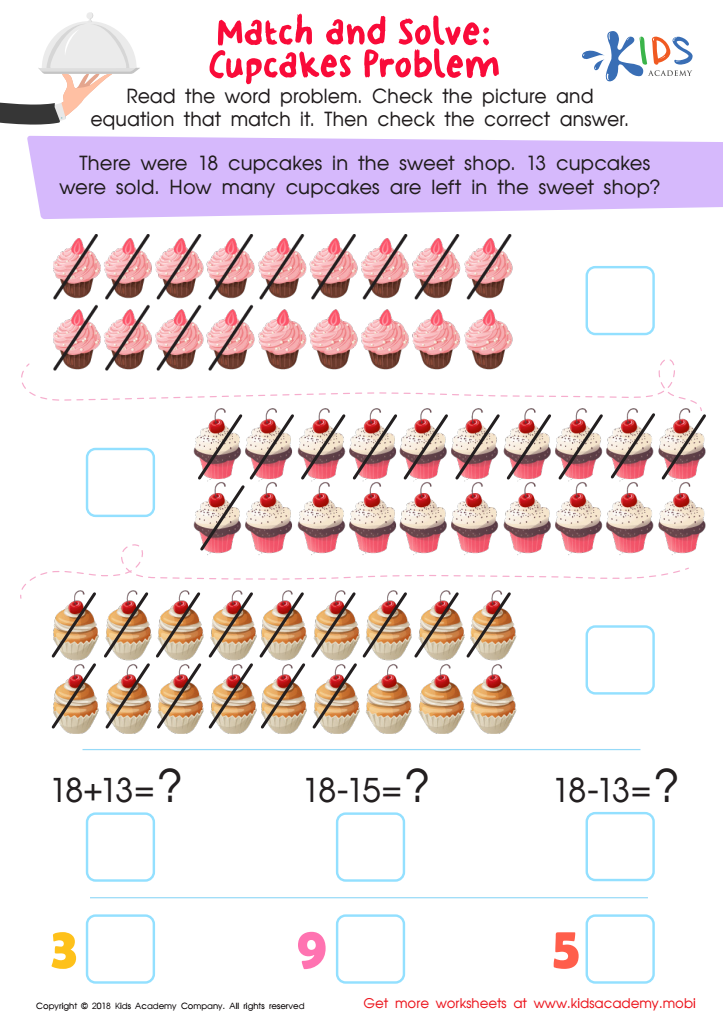
Match and Solve: Cupcakes Problem Worksheet
 Assign to My Students
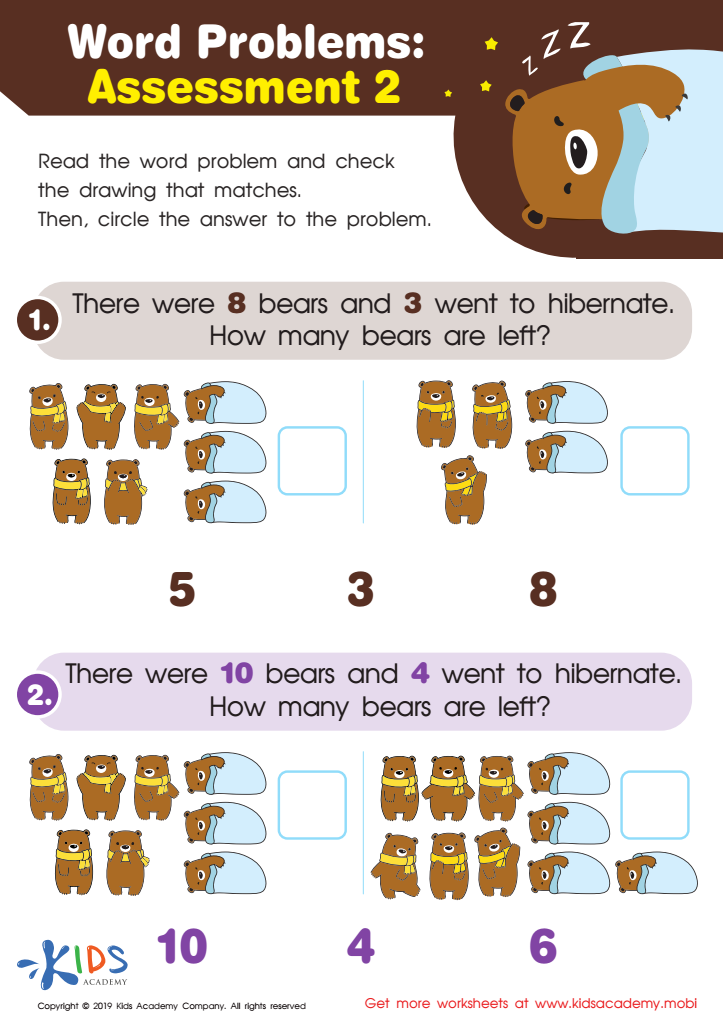
Word Problems: Assessment 2 Worksheet
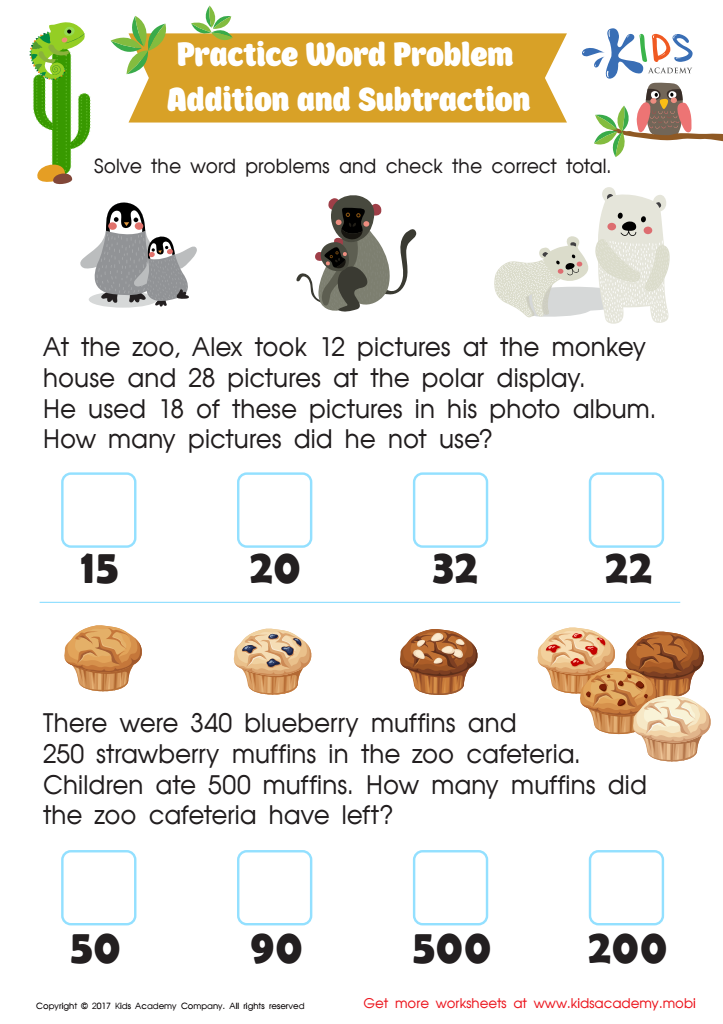
Addition and Subtraction: Word Problems Worksheet
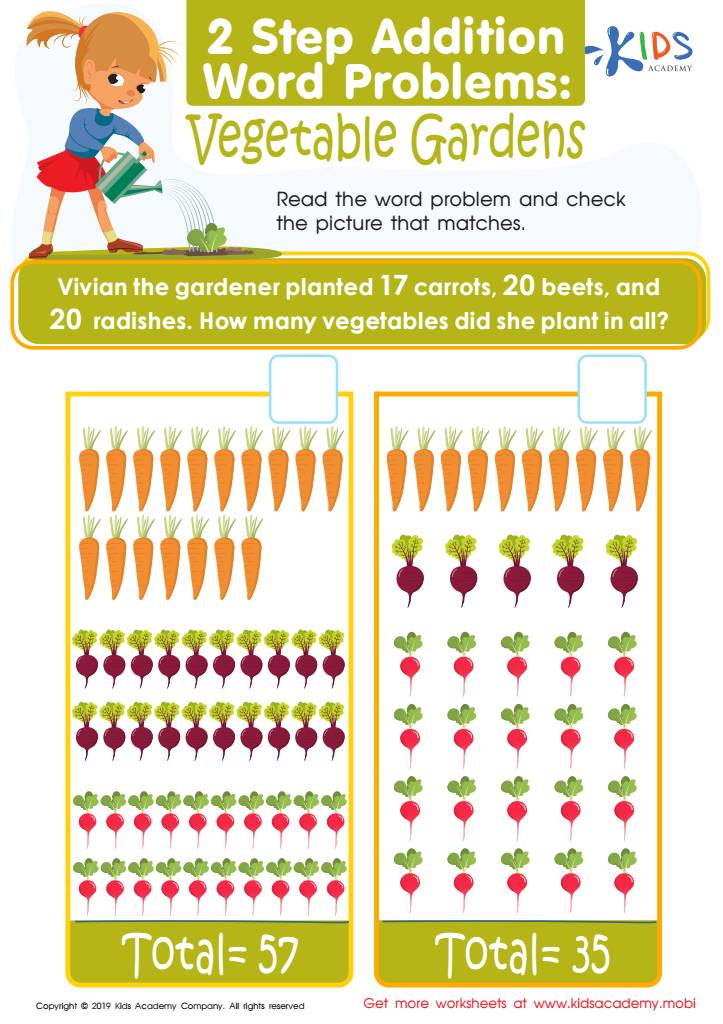
Vegetable Gardens Worksheet
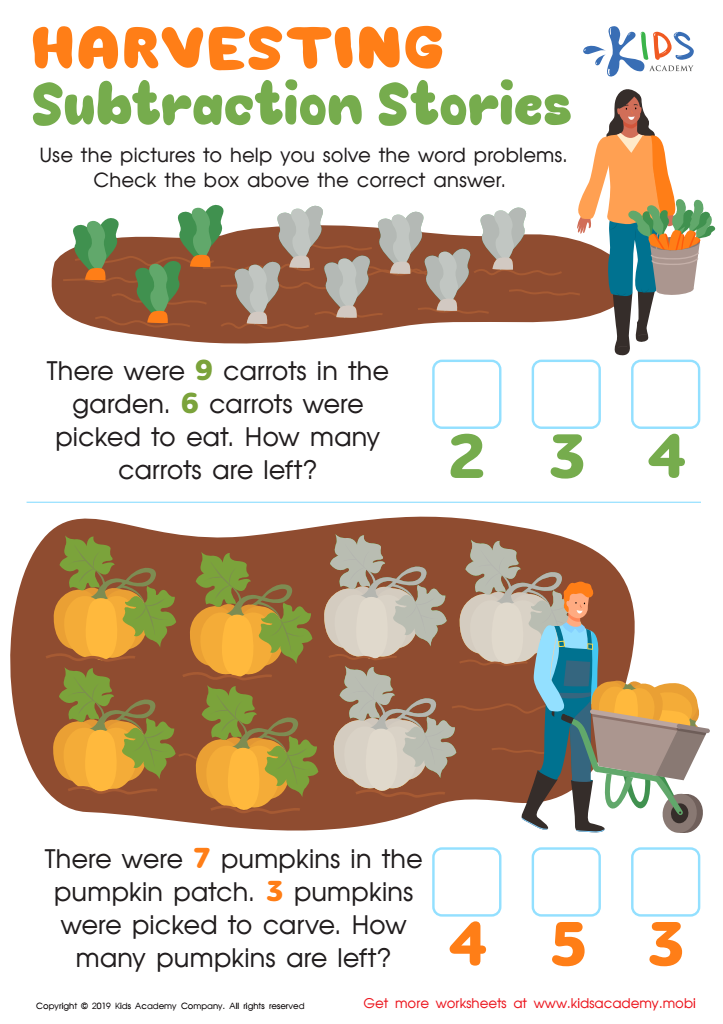
Harvesting Subtraction Stories Worksheet
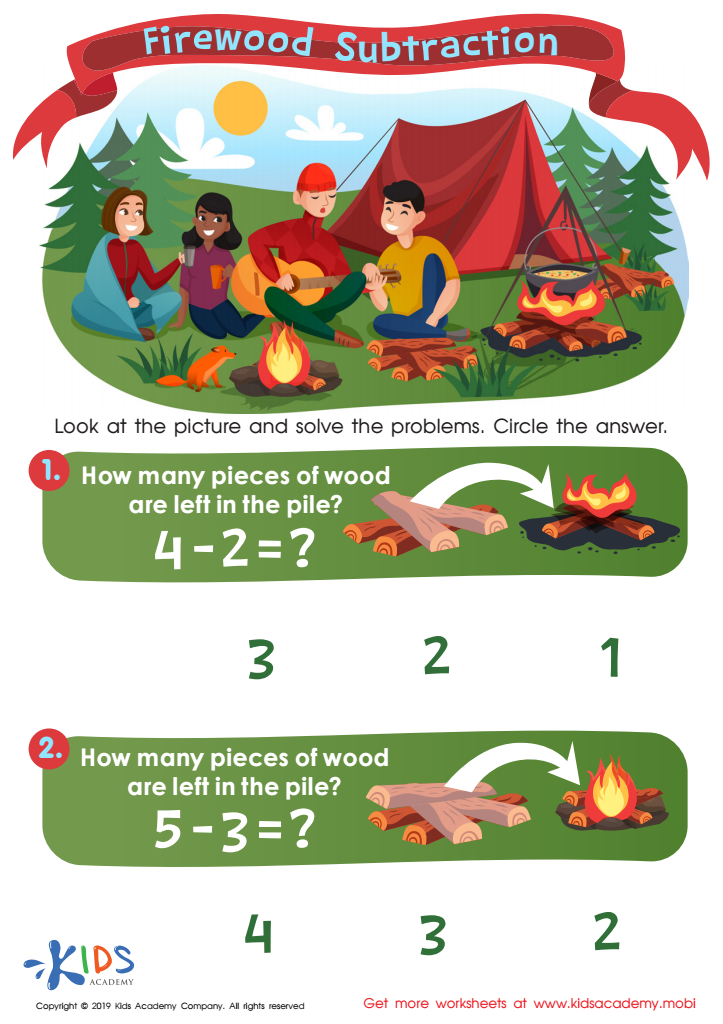
Firewood Subtraction Worksheet
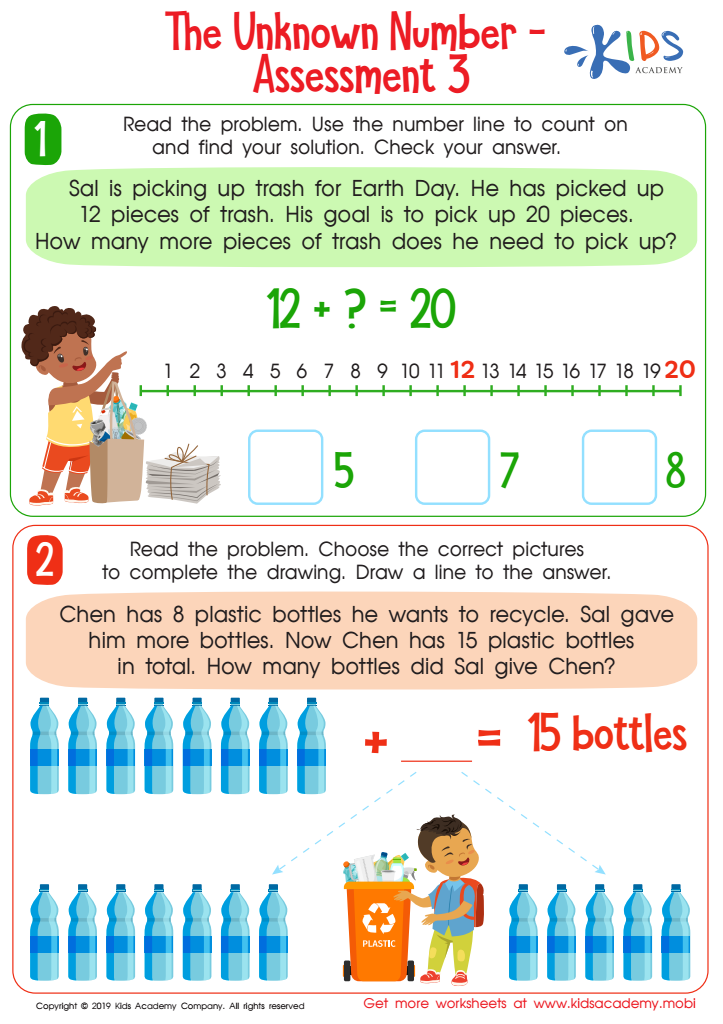
The Unknown Number - Assessment 3 Worksheet
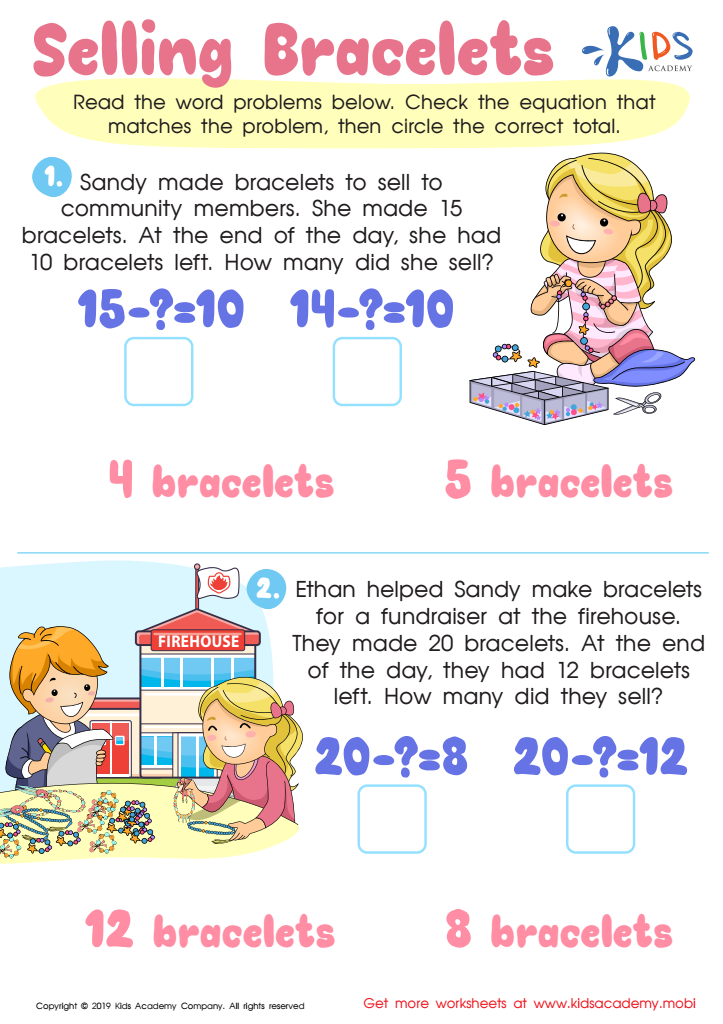
Selling the Bracelets Worksheet
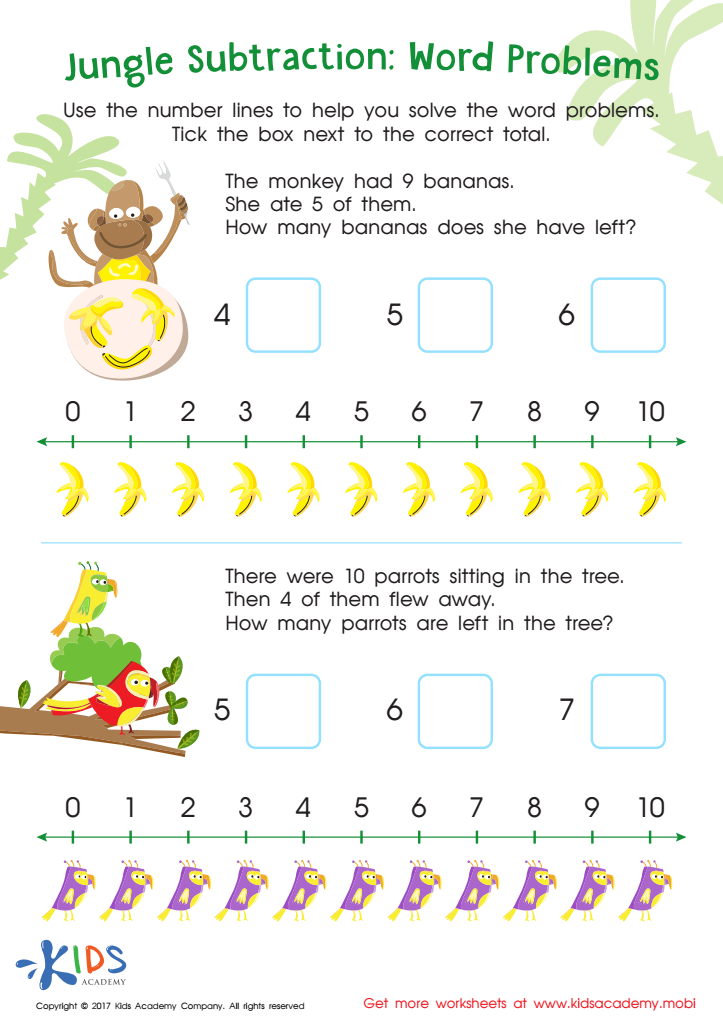
Jungle Subtraction Word Problems Substraction Worksheet








Parents and teachers should care about problem-solving skills and addition and subtraction word problems for children ages 3-7 because these early mathematical abilities are the foundation for future academic and life successes. In these formative years, children’s brains are highly malleable, making it the ideal time to introduce foundational math concepts in ways that are engaging and developmentally appropriate.
Problem-solving skills are crucial as they encourage critical thinking, logical reasoning, and the ability to approach and resolve challenges. When children work with addition and subtraction word problems, they learn to apply math in practical contexts, making the subject more meaningful and accessible. This practice helps develop cognitive abilities such as memory, concentration, and sequential thinking.
Moreover, acquiring these skills early instills confidence and a positive attitude toward learning. When children successfully navigate math challenges, they build self-esteem and a sense of accomplishment, fostering a growth mindset. For parents and teachers, nurturing these skills fosters a supportive and enriched learning environment where children feel encouraged to explore and understand the world around them.
Ultimately, solid problem-solving capabilities are essential not just academically, but also in everyday situations, helping children navigate various tasks and decisions with increased competence and assurance.