Filters

251 filtered results

Clear all filters
Favorites
With answer key
Interactive

251 filtered results

Difficulty Level

Grade


Discover our engaging Counting Skills Addition & Subtraction Worksheets designed for children aged 3-7. These age-appropriate worksheets aim to strengthen early math foundations in a fun and interactive way. Kids will learn to add and subtract through colorful illustrations, hands-on activities, and progressive challenges that cater to preschoolers, kindergartners, and first graders. Perfect for both classroom and home use, our worksheets support comprehensive counting skills development by making learning enjoyable. Empower your child with the confidence to tackle basic math problems and pave the way for future math success. Start exploring today for free!

Check out this FREE Trial Lesson on Addition & Subtraction for age 3-7!

P

Favorites
With answer key
Interactive
  • 3-7
  • Counting skills
  • Addition & Subtraction
Addition worksheet for kindergarten pdf

Addition Worksheet for Kindergarten

Addition Worksheet for Kindergarten
Worksheet
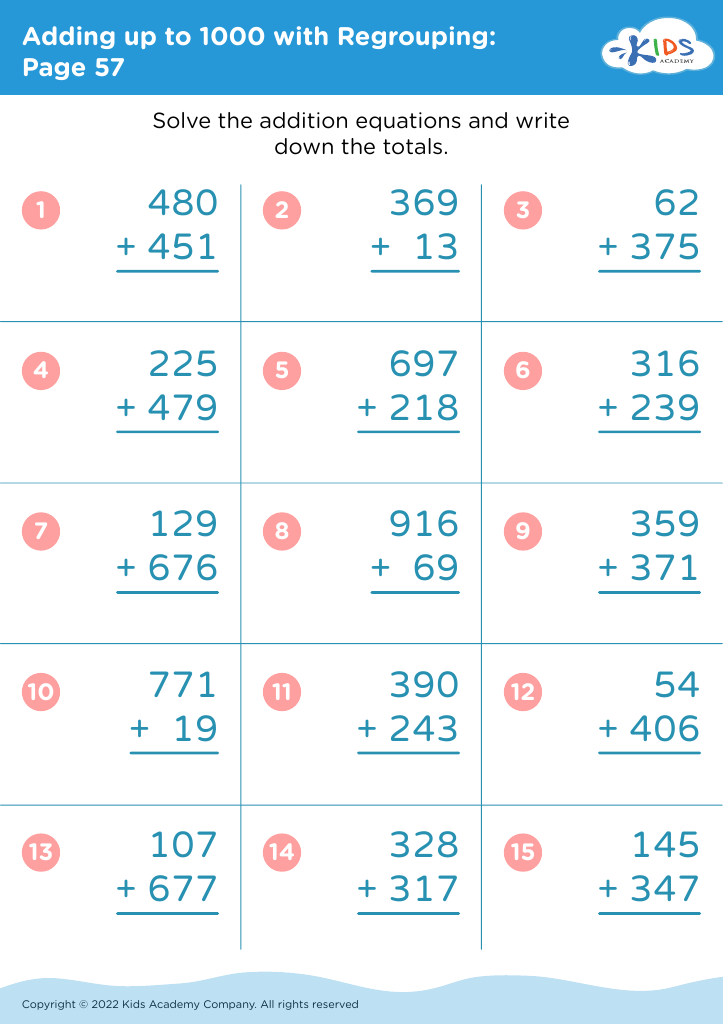
Adding up to 1000 with Regrouping: Page 57
Worksheet
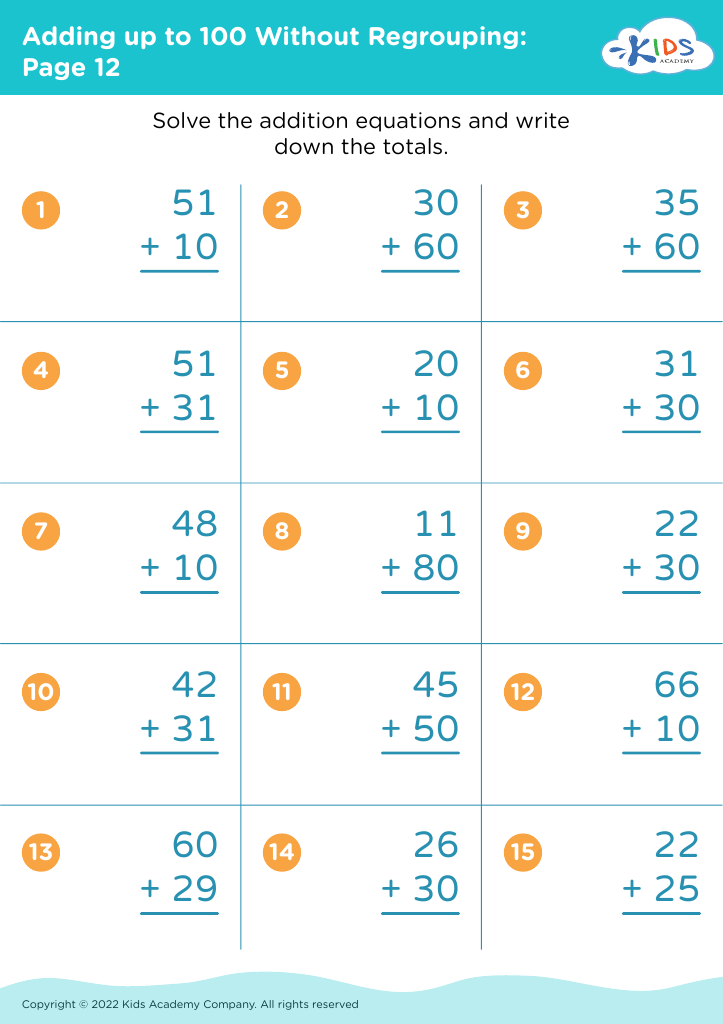
Adding up to 100 Without Regrouping: Page 12
Worksheet
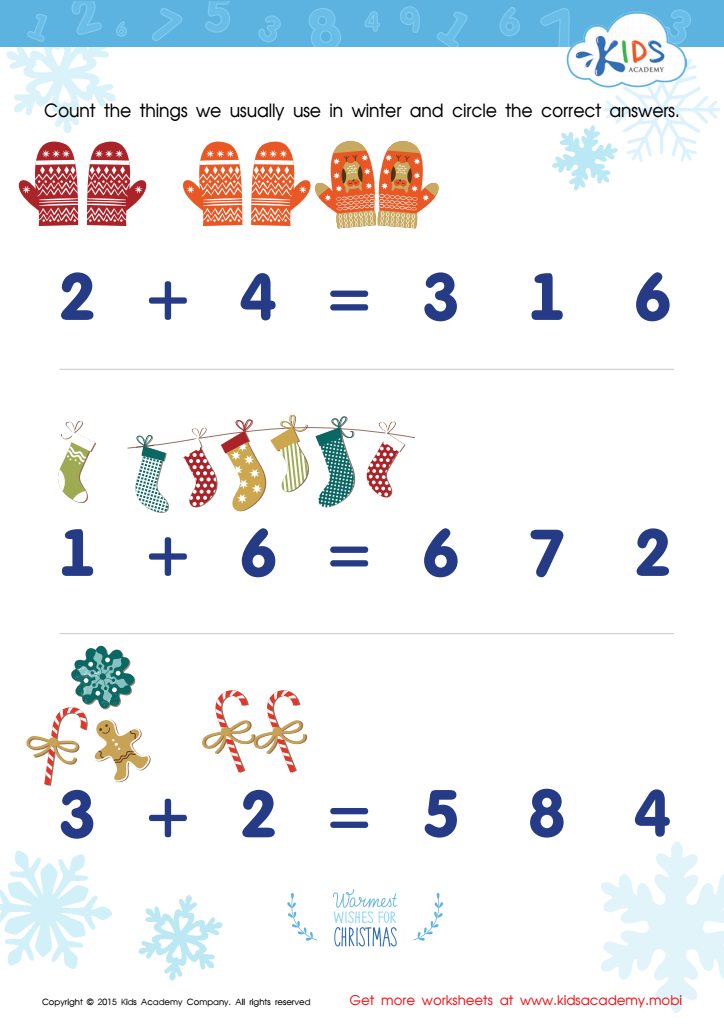
Math PDF Worksheet: Count Winter Things

Count Winter Things Worksheet

This chilly winter afternoon, help your kid warm up with Kids Academy's free math worksheet - full of bright pictures and addition practice. Let them count the things and write in the numbers for a great brain training and math head start. Get more free math worksheets here. (80 words)
Count Winter Things Worksheet
Worksheet
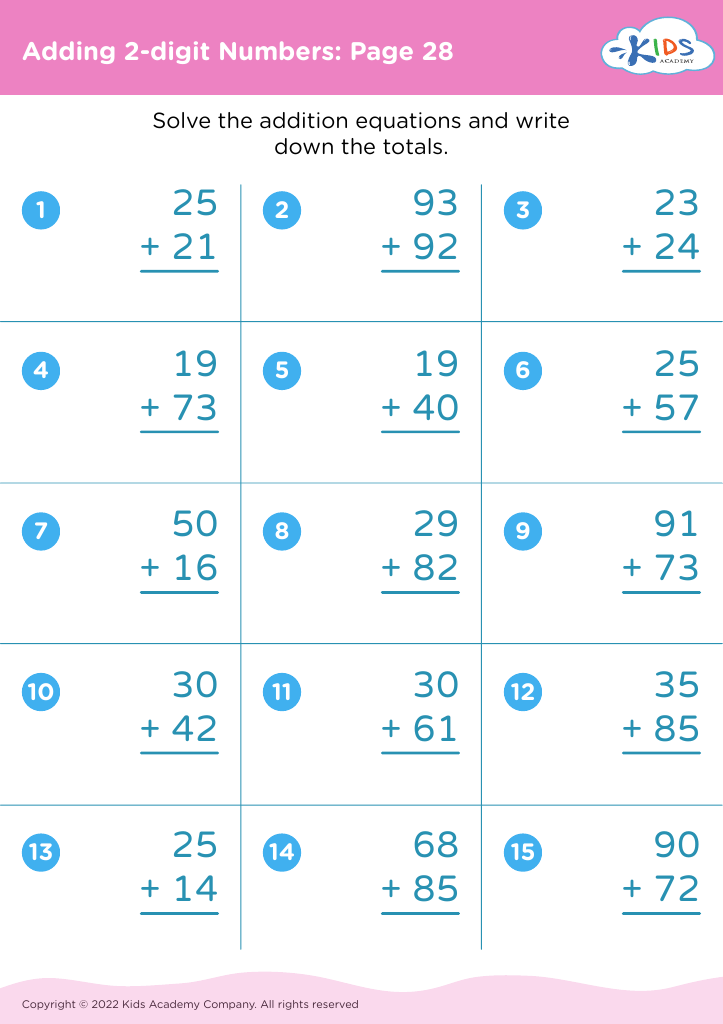
Adding 2-digit Numbers: Page 28

Adding 2-digit Numbers: Page 28

Adding 2-digit Numbers: Page 28
Worksheet
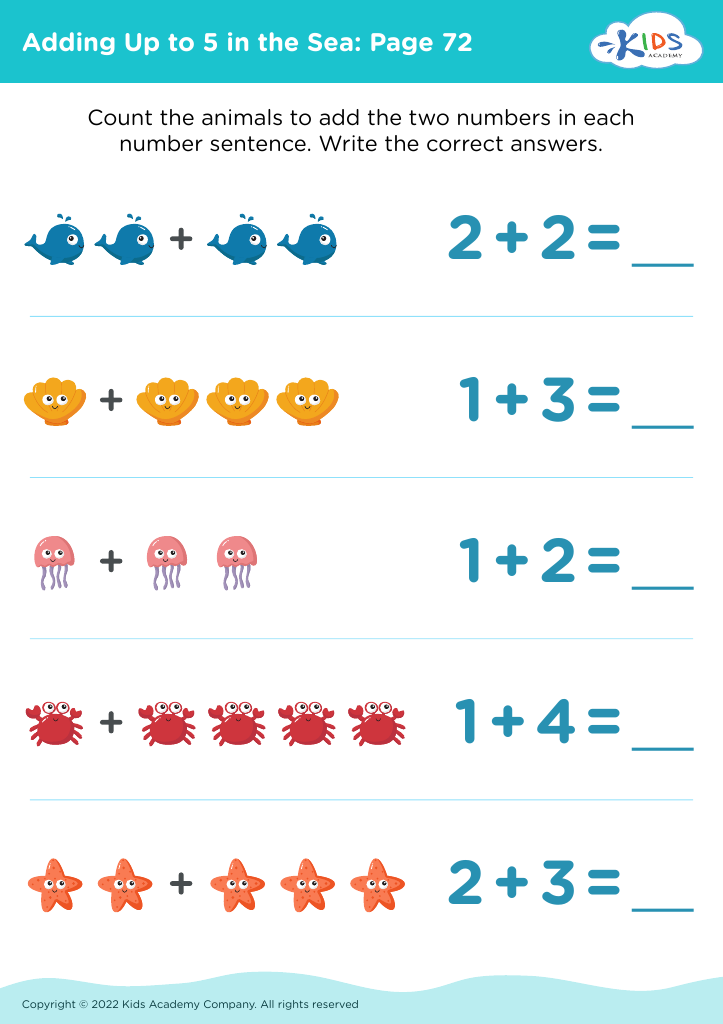
Adding Up to 5 in the Sea: Page 72
Worksheet
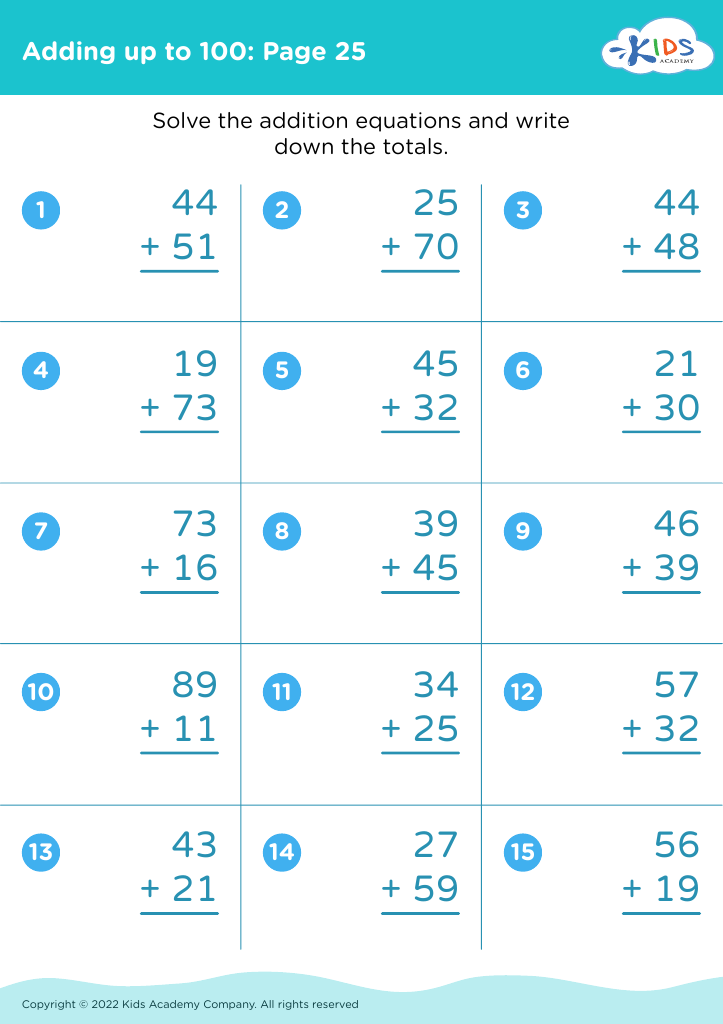
Adding up to 100: Page 25

Adding up to 100: Page 25

Adding up to 100: Page 25
Worksheet
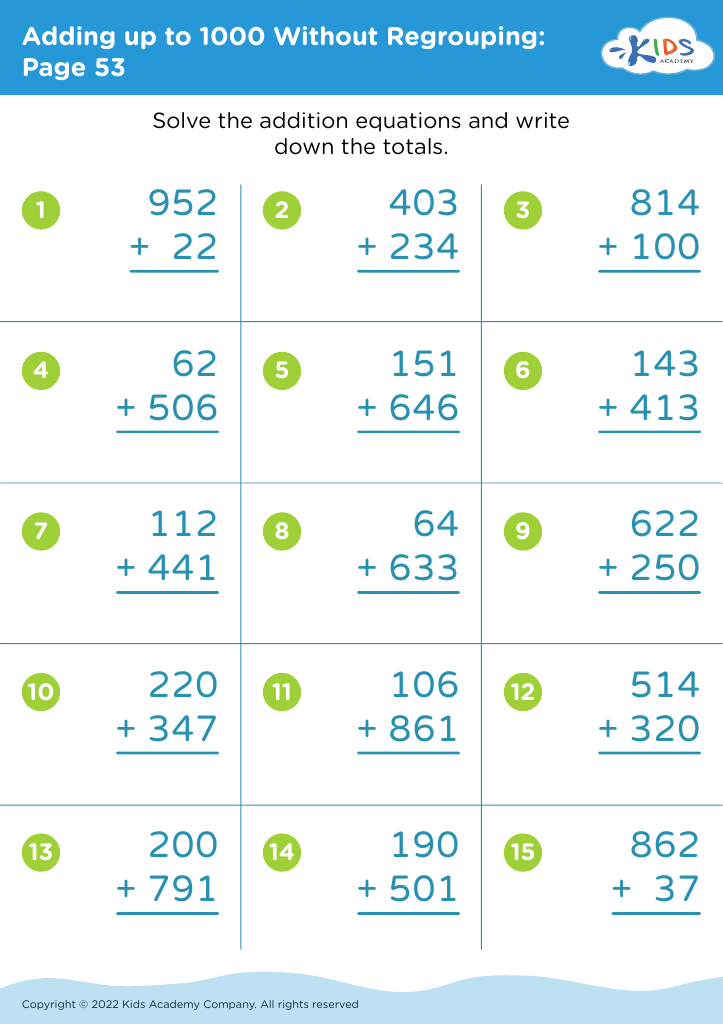
Adding up to 1000 Without Regrouping: Page 53
Worksheet
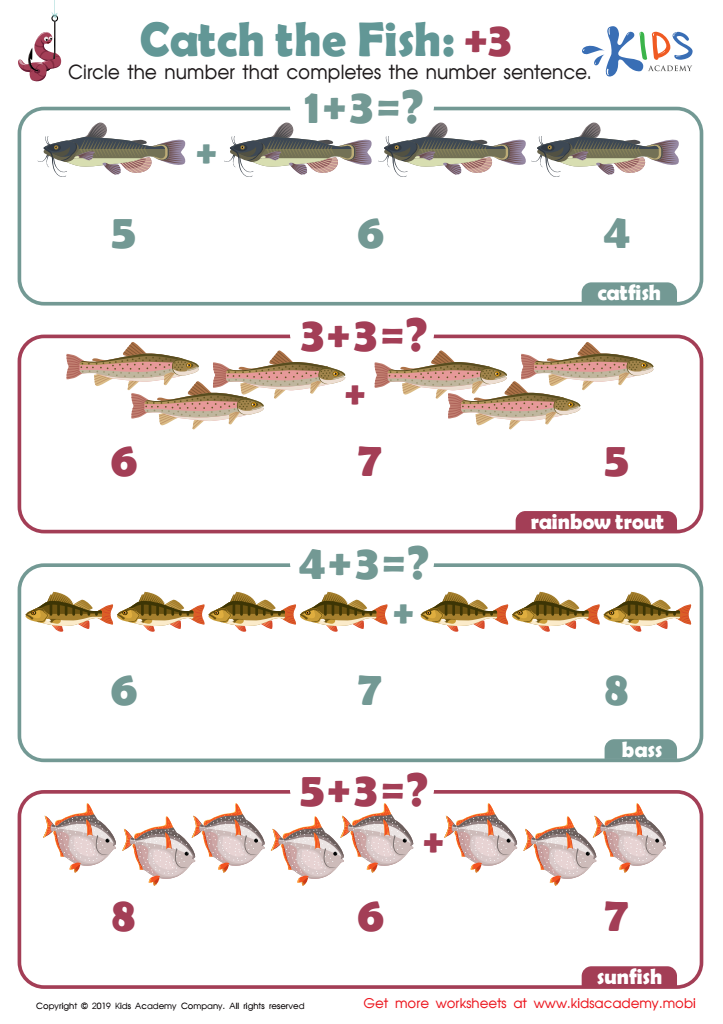
Catch the Fish: +3 Worksheet
Catch the Fish: +3 Worksheet

Math may be tricky for your child, with all the numbers and calculations. This worksheet can help them brush up. Ask them to identify the objects in the picture, then count them and help them circle the right number to complete the sentence. It's a simple and effective way to improve math skills.
Catch the Fish: +3 Worksheet
Worksheet
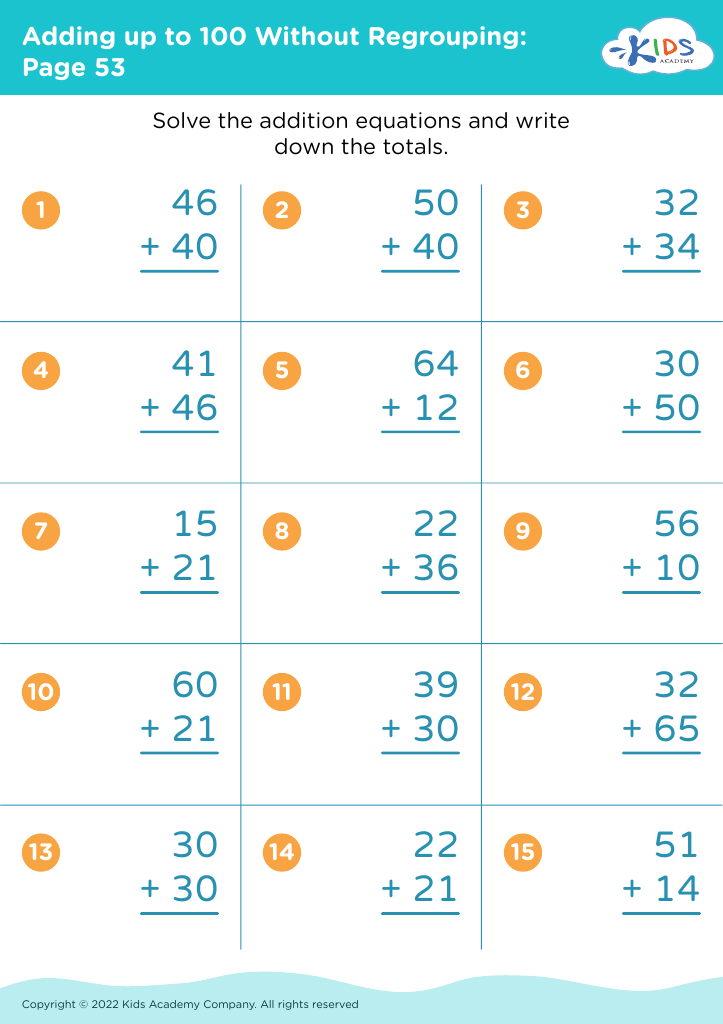
Adding up to 100 Without Regrouping: Page 53
Worksheet
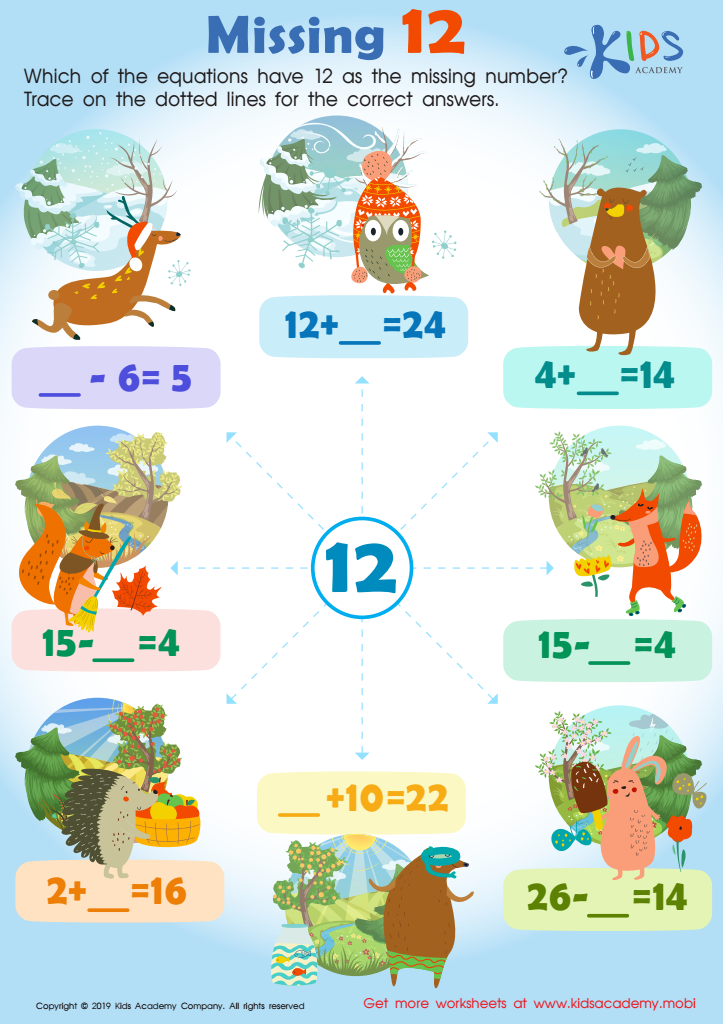
Missing 12 Worksheet

Missing 12 Worksheet

Help your kids find the missing number in this fun nature worksheet. Engage them with this educational exercise - combining teaching and fun. Encourage them to practice addition and subtraction skills. Look at the picture with them. Which equations have 12 as the missing number? Guide them to trace the dotted lines for the correct answers.
Missing 12 Worksheet
Worksheet
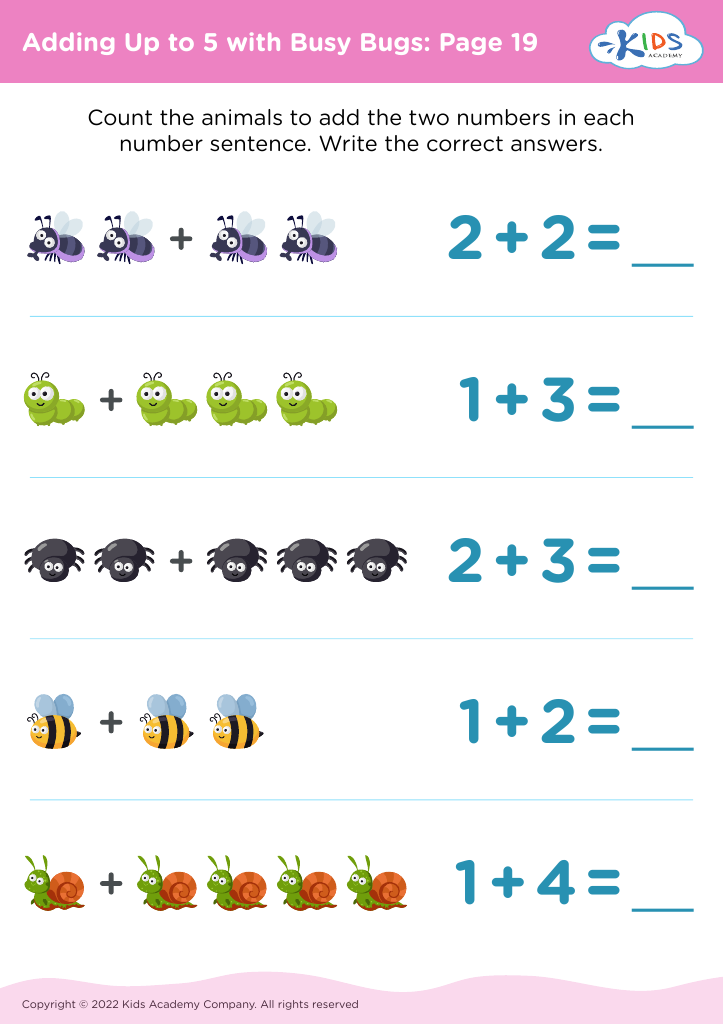
Adding Up to 5 with Busy Bugs: Page 19
Worksheet
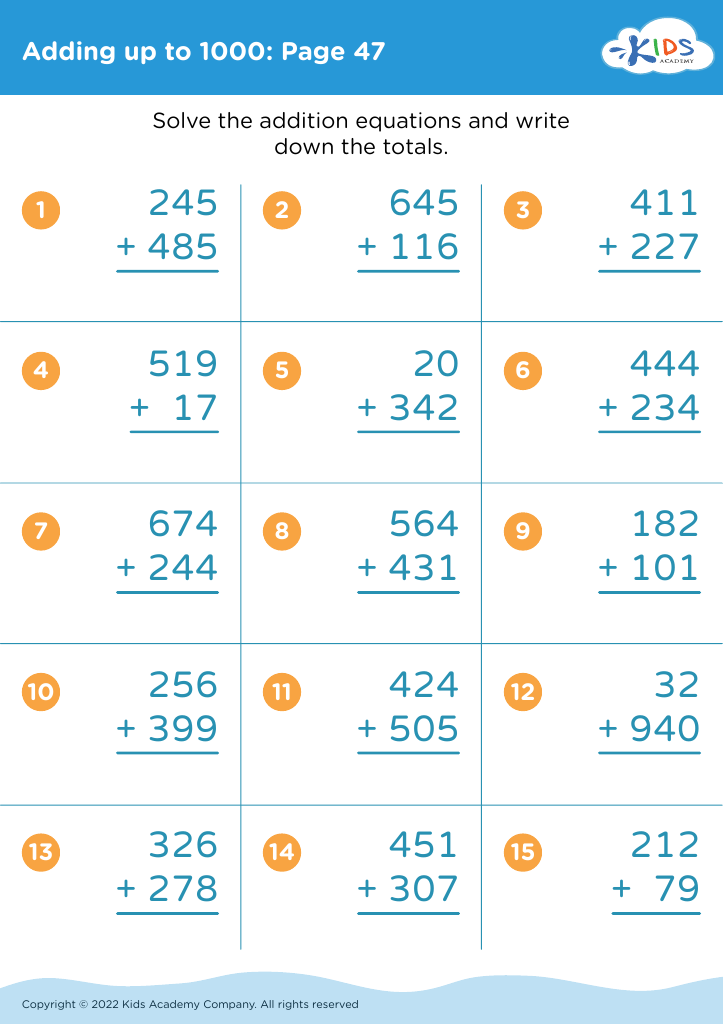
Adding up to 1000: Page 47

Adding up to 1000: Page 47

Adding up to 1000: Page 47
Worksheet
Plant the Seeds Addition Worksheet
Plant the Seeds Addition Worksheet
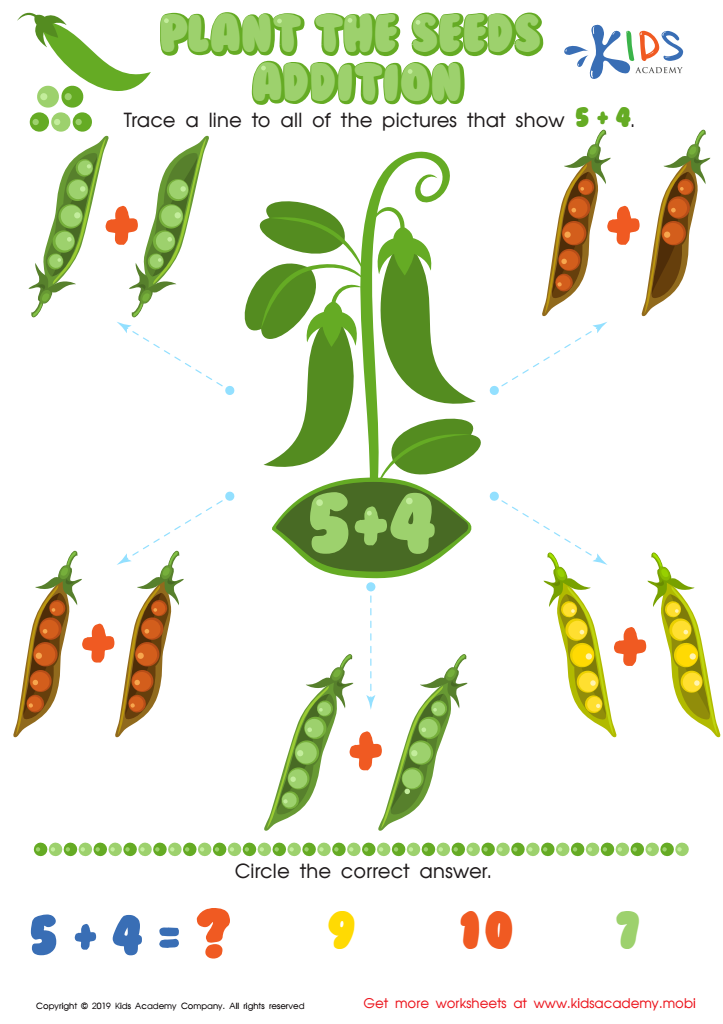
This worksheet combines math and learning about plants. Ask kids to name their favorite plants and which ones they see the most. Have them trace a line to all pictures in the middle which show the equation 5+4. Enjoy the beauty of plants while introducing math skills!
Plant the Seeds Addition Worksheet
Worksheet
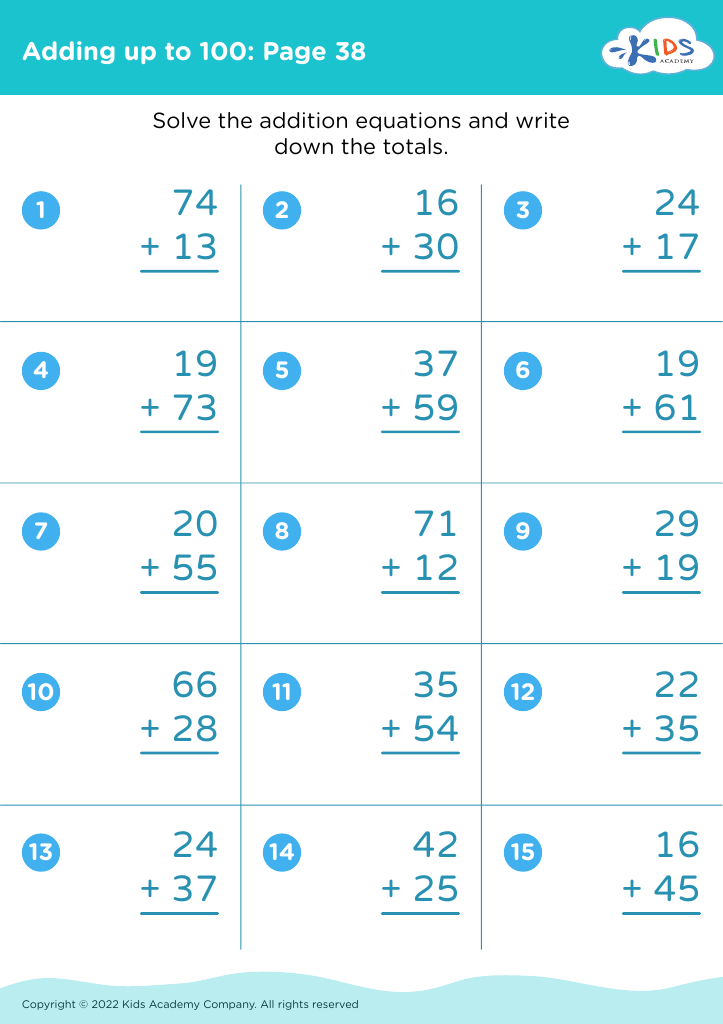
Adding up to 100: Page 38

Adding up to 100: Page 38

Adding up to 100: Page 38
Worksheet
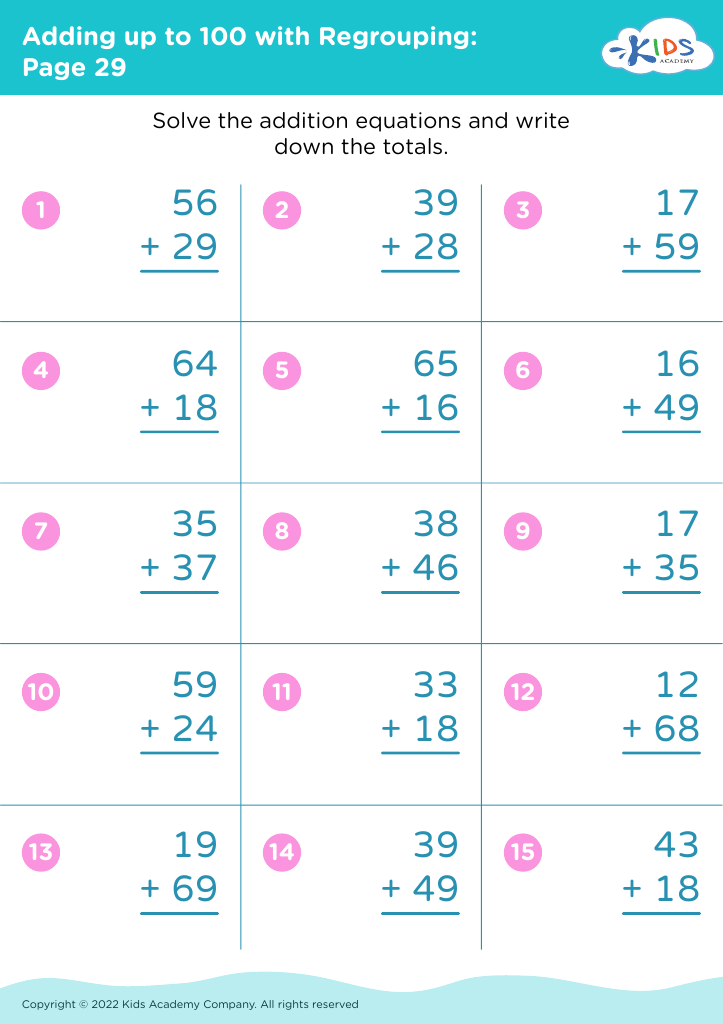
Adding up to 100 with Regrouping: Page 29
Worksheet
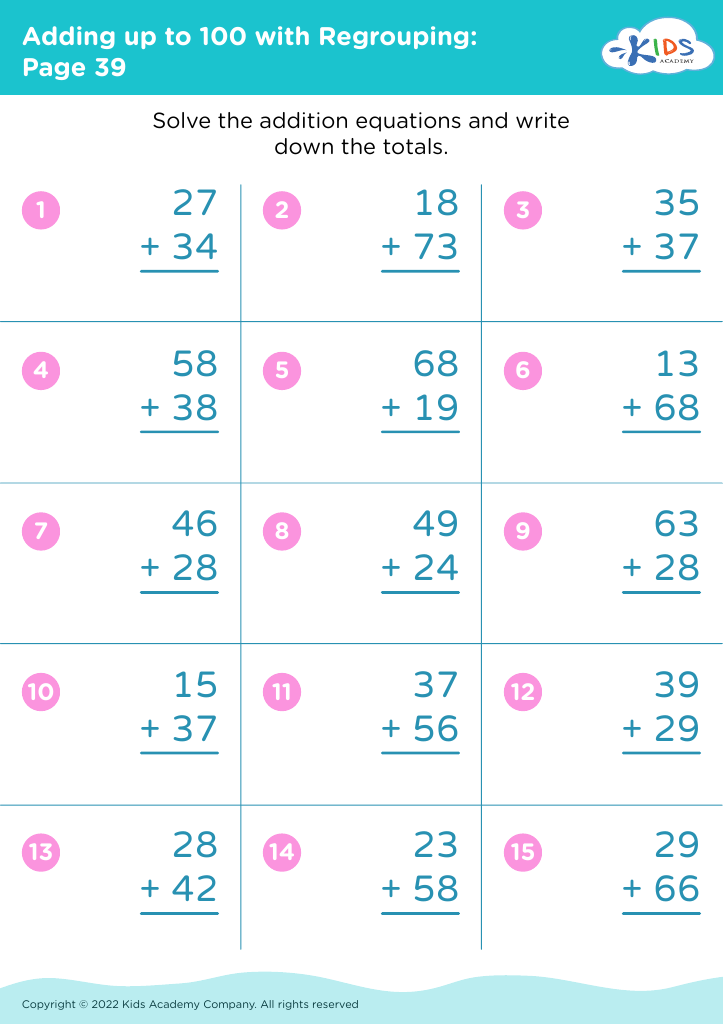
Adding up to 100 with Regrouping: Page 39
Worksheet
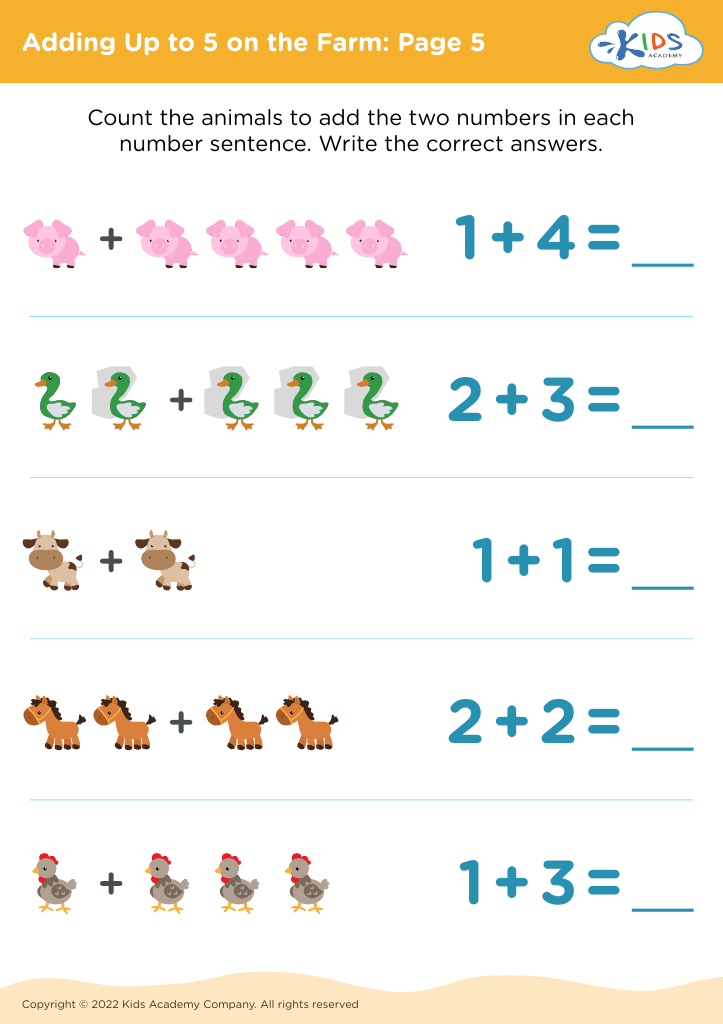
Adding Up to 5 on the Farm: Page 5
Worksheet
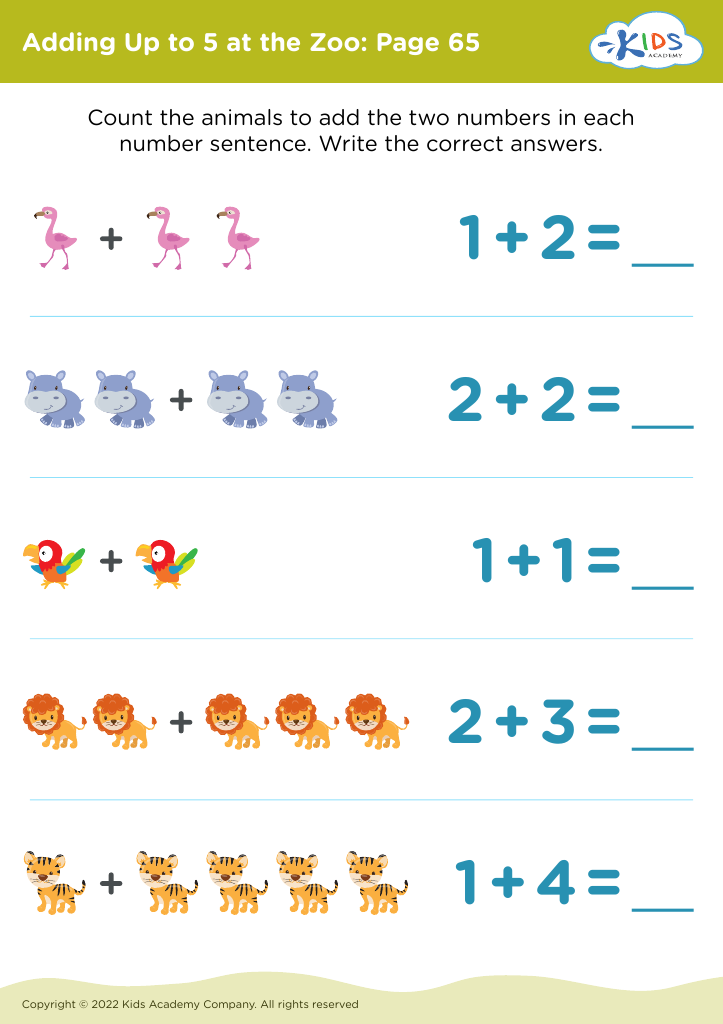
Adding Up to 5 at the Zoo: Page 65
Worksheet
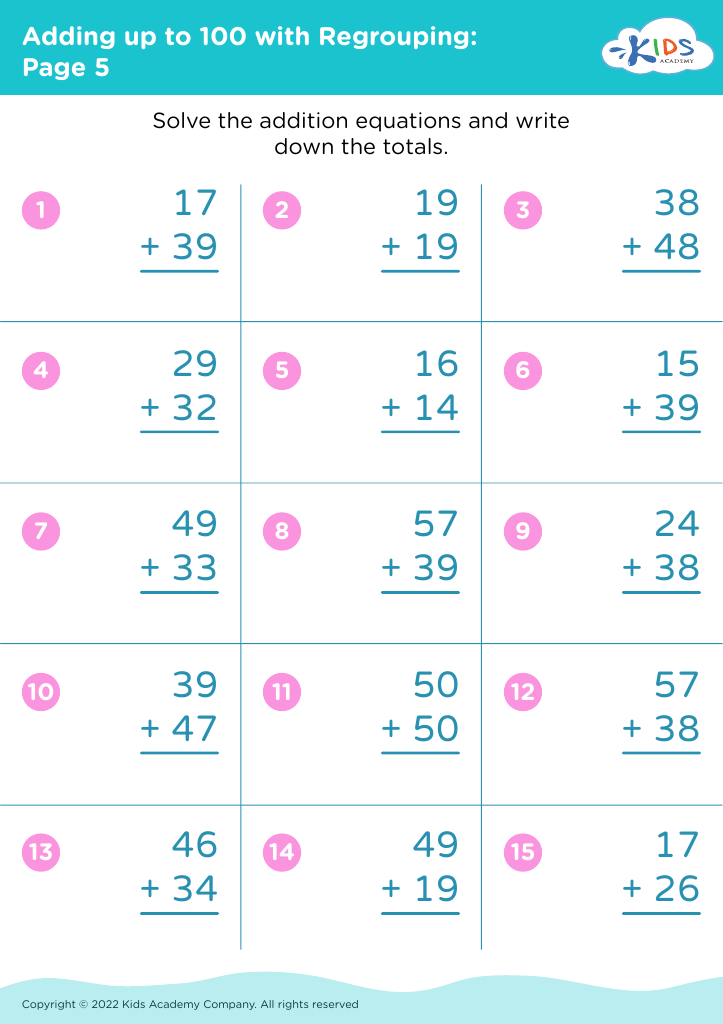
Adding up to 100 with Regrouping: Page 5
Worksheet
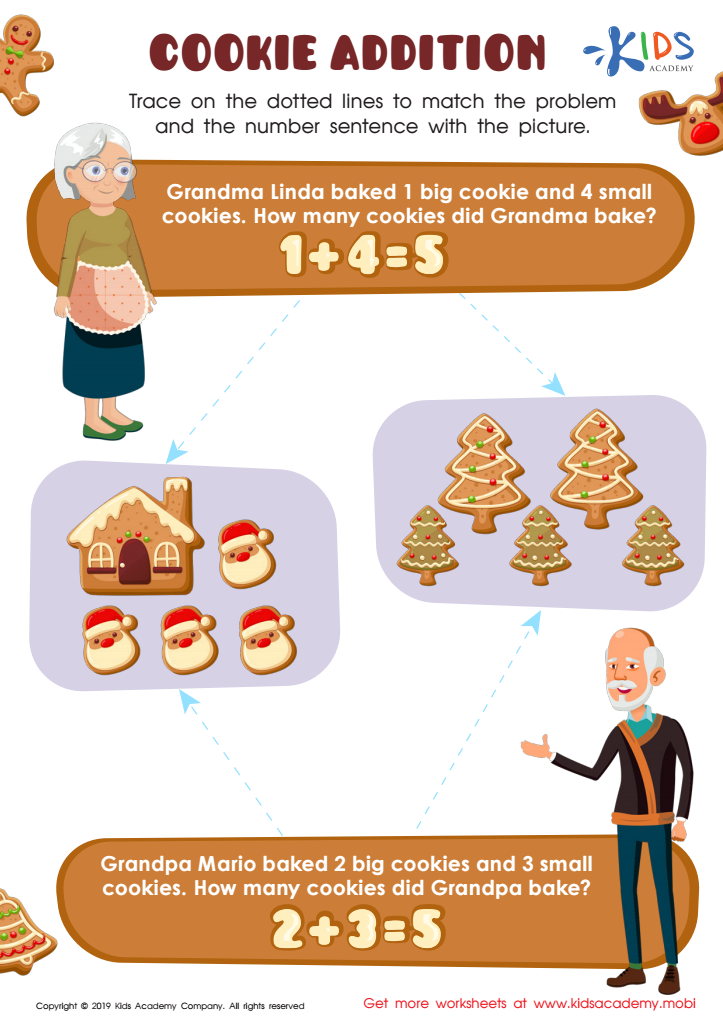
Cookie Addition Worksheet
Cookie Addition Worksheet
Let your kids have fun identifying pictures in their worksheet. Read word sentences to them and help them turn them into number problems. Then, get them to trace the lines to match the problem and the number sentence with the picture. They’ll love it, especially if they love cookies!
Cookie Addition Worksheet

Worksheet
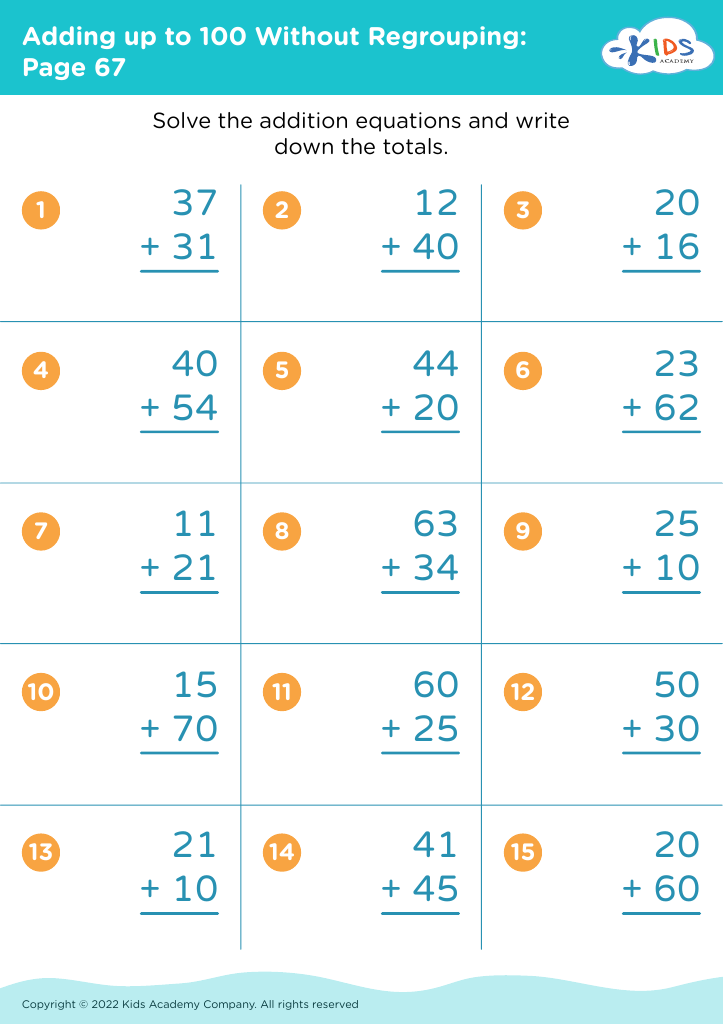
Adding up to 100 Without Regrouping: Page 67
Worksheet
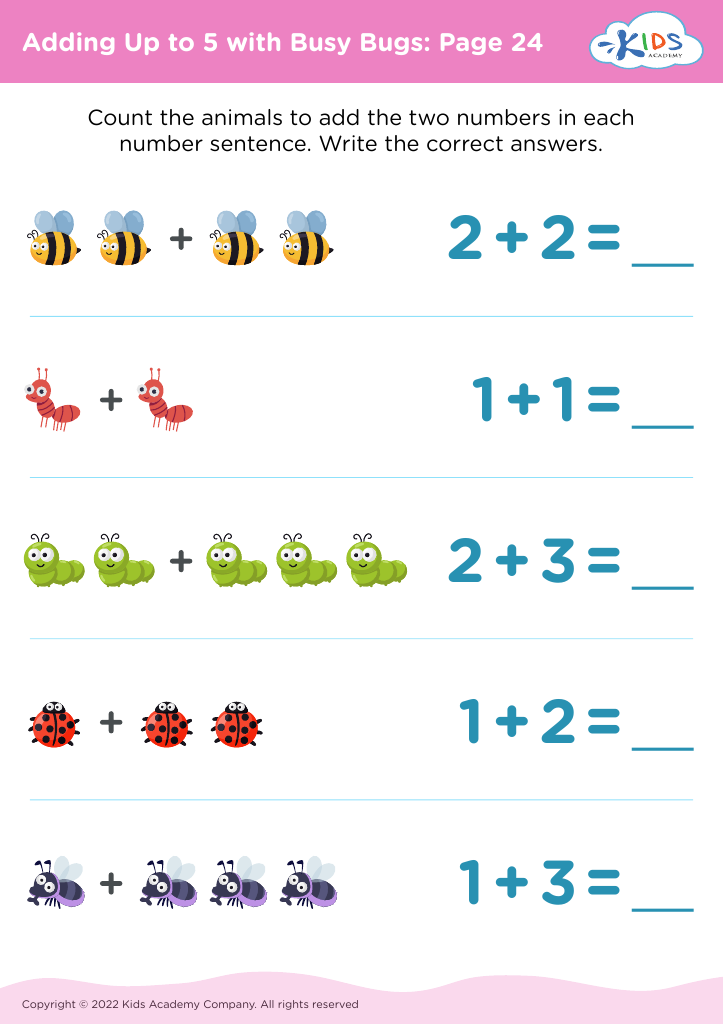
Adding Up to 5 with Busy Bugs: Page 24
Worksheet
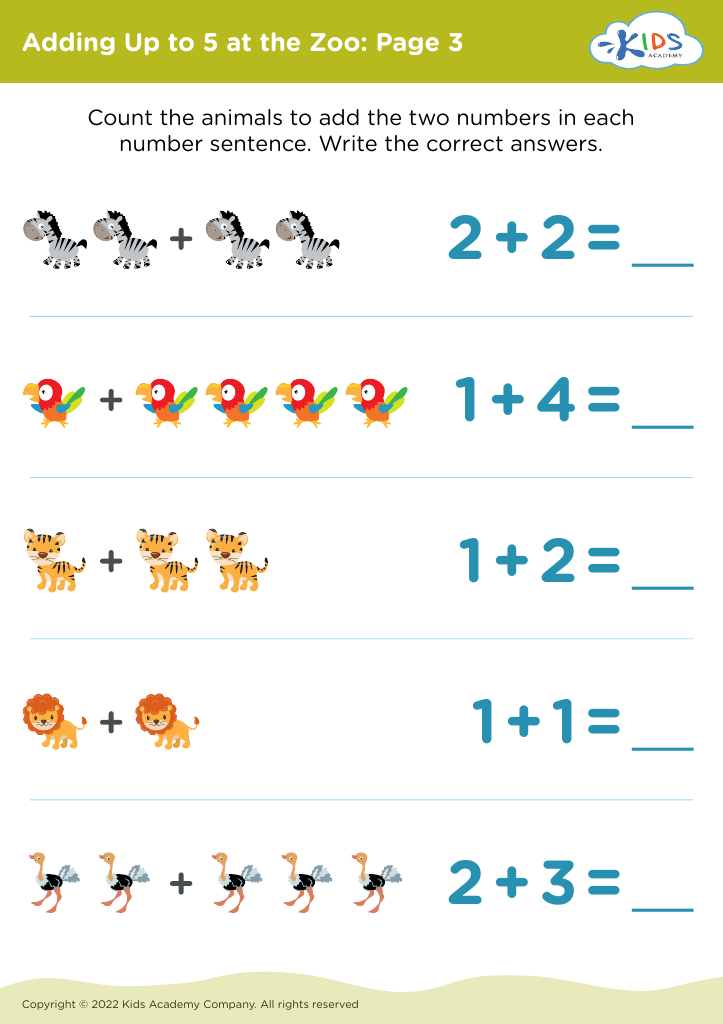
Adding Up to 5 at the Zoo: Page 3

Adding Up to 5 at the Zoo: Page 3

Adding Up to 5 at the Zoo: Page 3
Worksheet


Counting skills, addition, and subtraction form the foundation of mathematical understanding for young children aged 3-7. These early math skills are crucial as they foster cognitive development and reasoning abilities. Parents and teachers who prioritize and nurture these competencies help children build confidence in problem-solving and critical thinking.

Counting introduces children to the concepts of quantity and order. As they learn to count objects and numbers, children develop one-to-one correspondence—a fundamental principle in math that helps them understand that numbers represent specific quantities. This paves the way for addition and subtraction, which are essential in establishing a basis for more complex mathematical operations.

Mastering addition and subtraction at an early age brings tangible benefits. These skills are not only fundamental for academic success but also for daily life situations, such as managing time, measuring ingredients in recipes, or handling money. Furthermore, early proficiency in math has been linked to better performance in other subjects, like reading and science, reinforcing the value of comprehensive education.

Finally, working on these skills with children strengthens the parent-child or teacher-student relationship. It provides opportunities for interactive learning, fostering a supportive and encouraging environment that nurtures children’s curiosity and love for learning. Therefore, prioritizing counting, addition, and subtraction is essential for holistic child development and future academic achievement.