Filters

88 filtered results

Clear all filters
Favorites
With answer key
Interactive

88 filtered results

Difficulty Level

Grade


Check out this FREE Trial Lesson on Addition for age 3-7!

P

Favorites
With answer key
Interactive
  • 3-7
  • Visual Learning
  • Addition
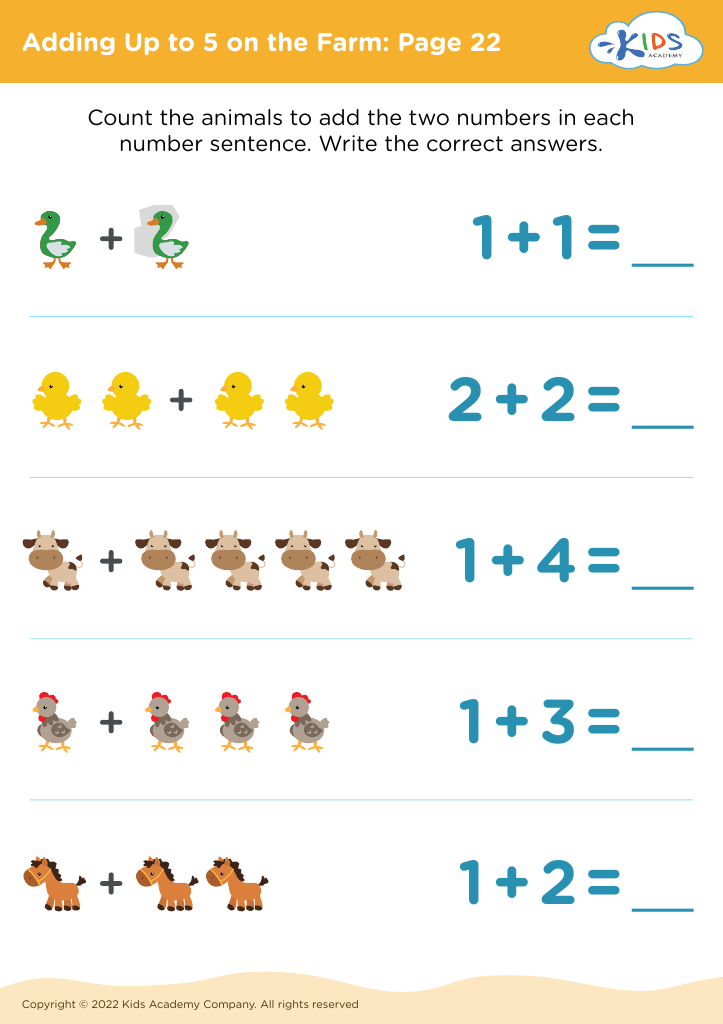
Adding Up to 5 on the Farm: Page 22
Worksheet
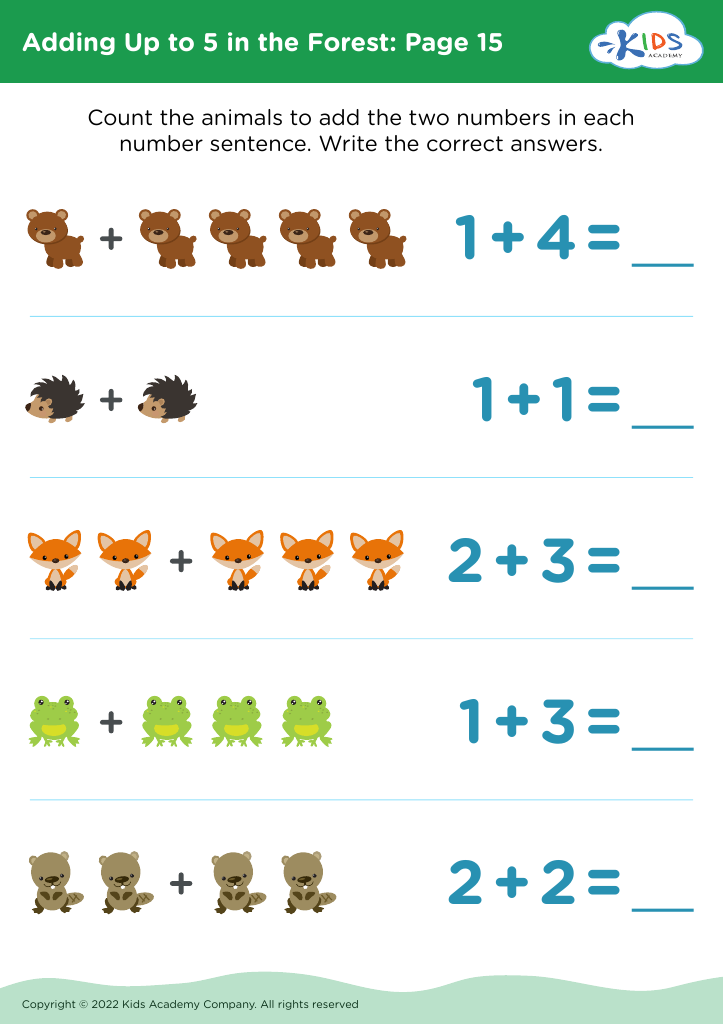
Adding Up to 5 in the Forest: Page 15
Worksheet
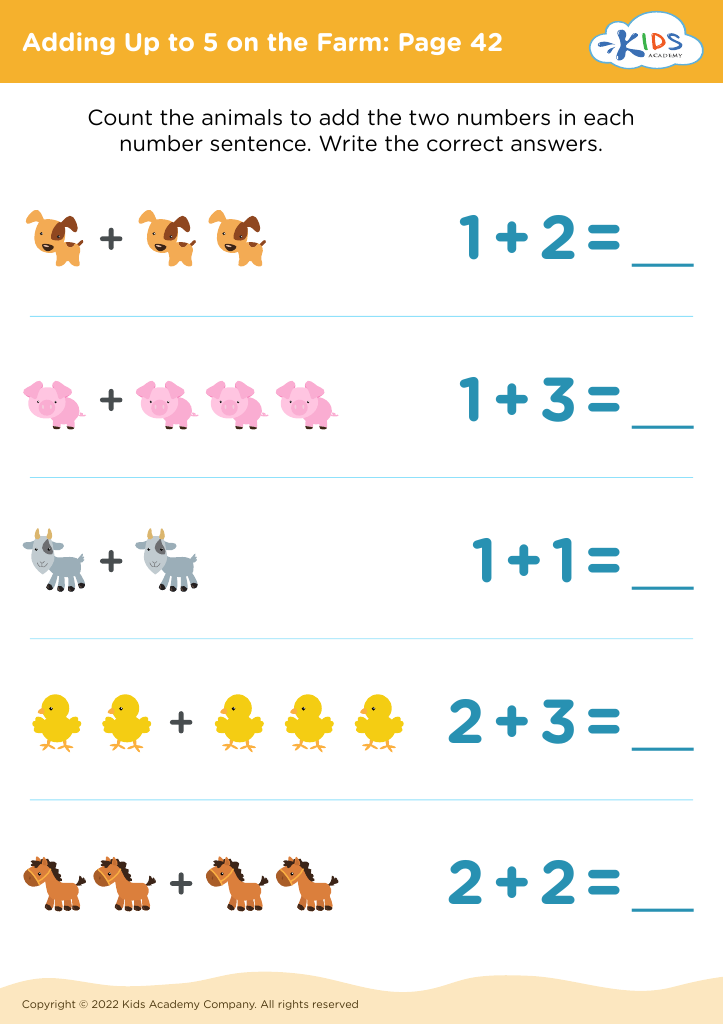
Adding Up to 5 on the Farm: Page 42
Worksheet
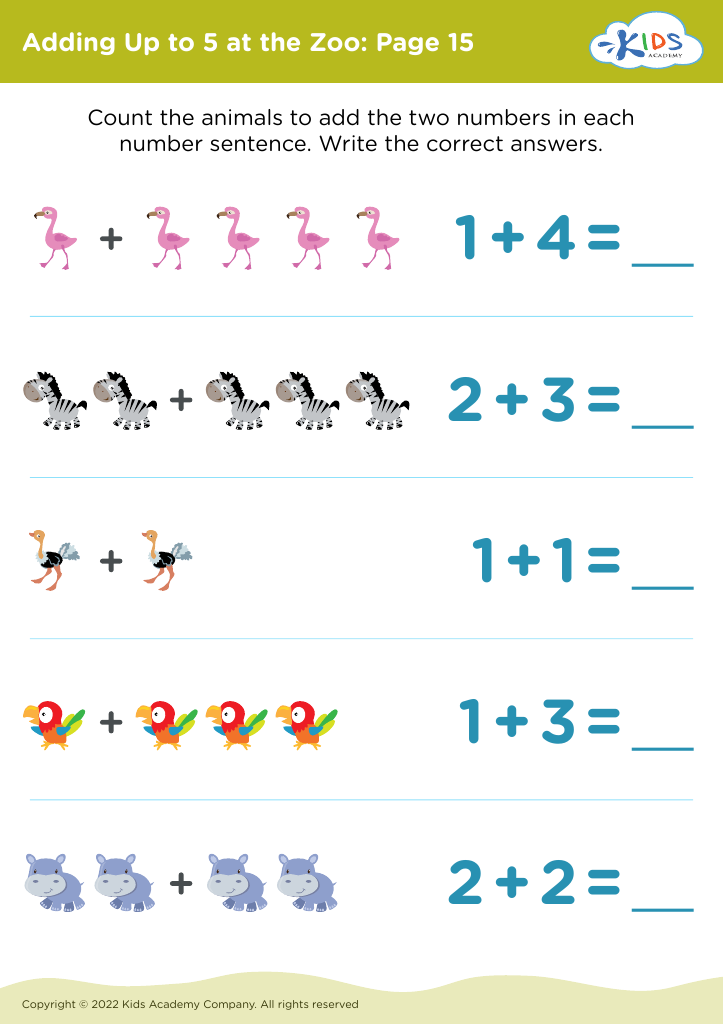
Adding Up to 5 at the Zoo: Page 15
Worksheet
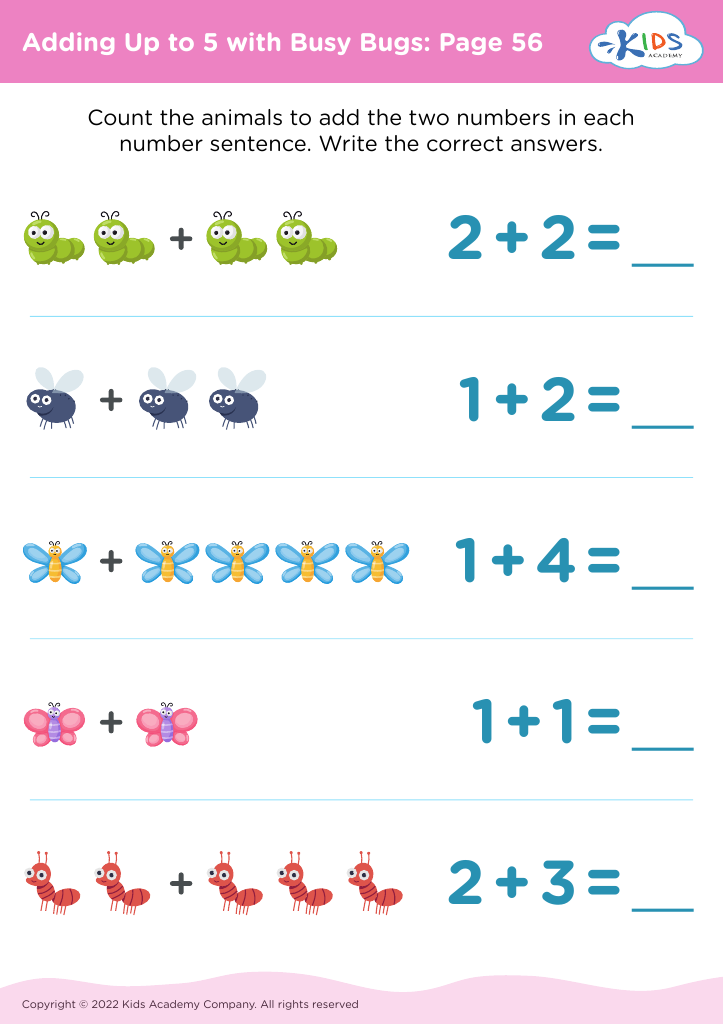
Adding Up to 5 with Busy Bugs: Page 56
Worksheet
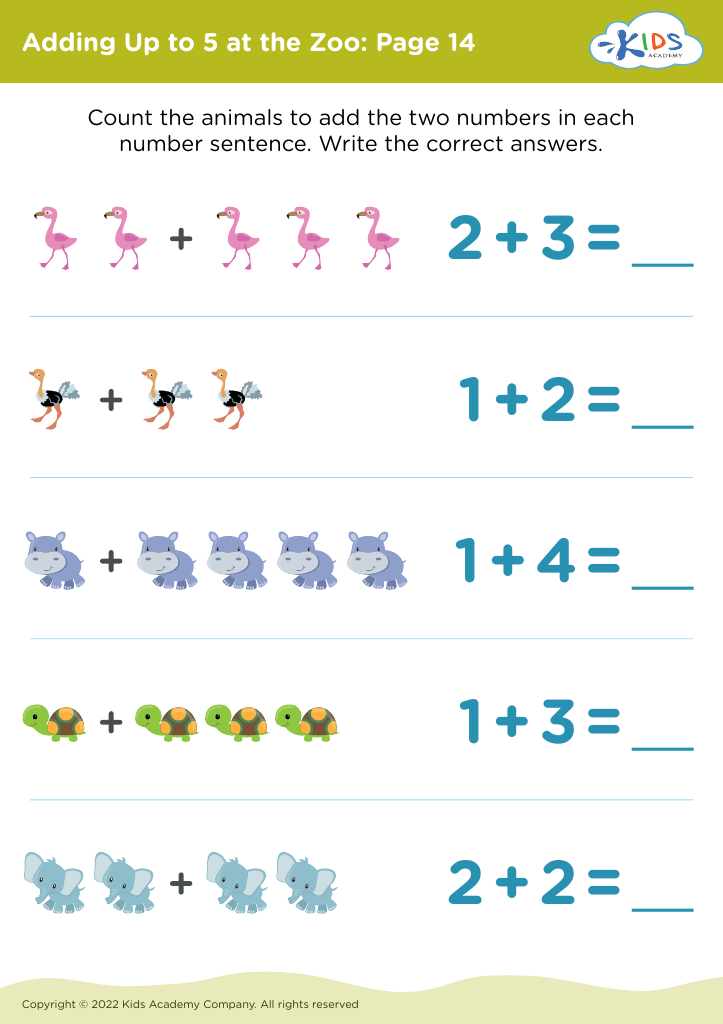
Adding Up to 5 at the Zoo: Page 14
Worksheet
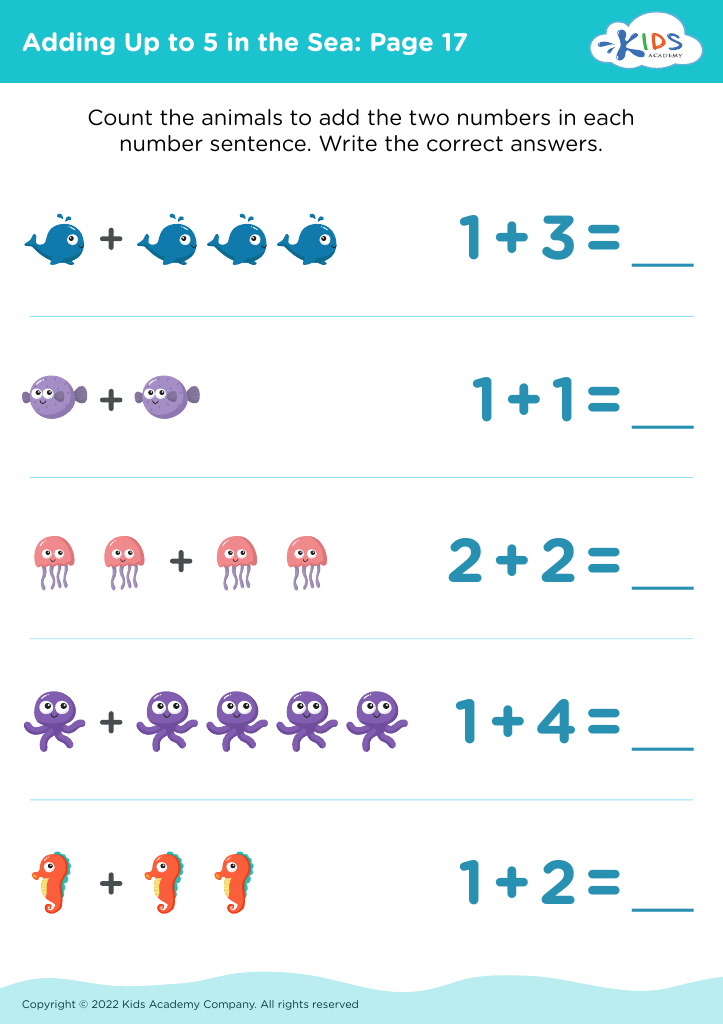
Adding Up to 5 in the Sea: Page 17
Worksheet
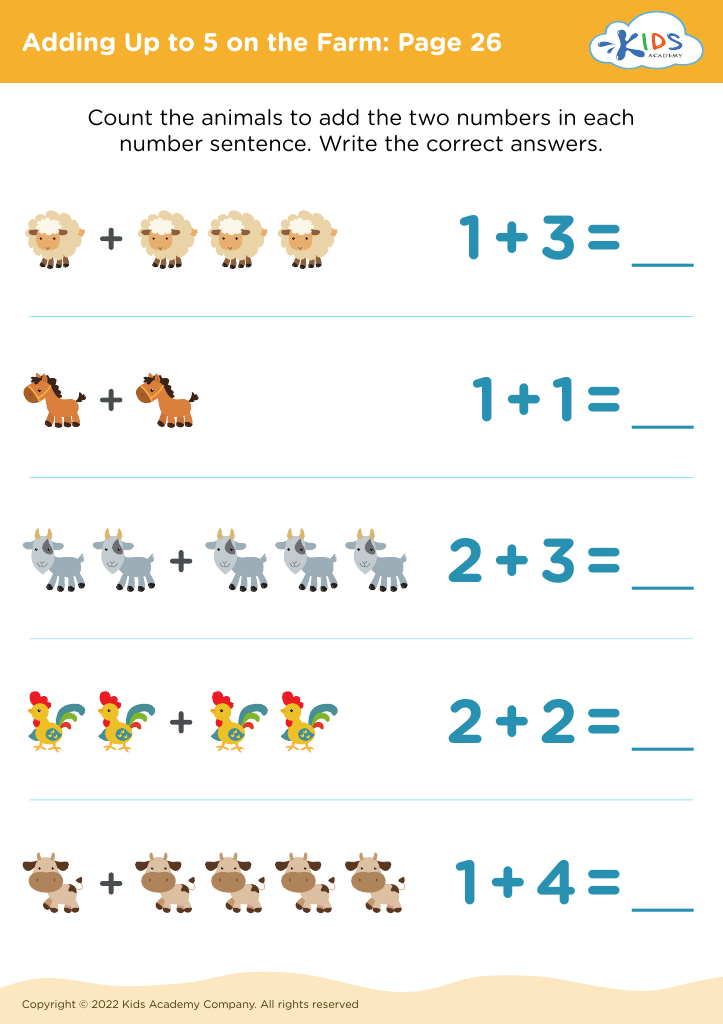
Adding Up to 5 on the Farm: Page 26
Worksheet
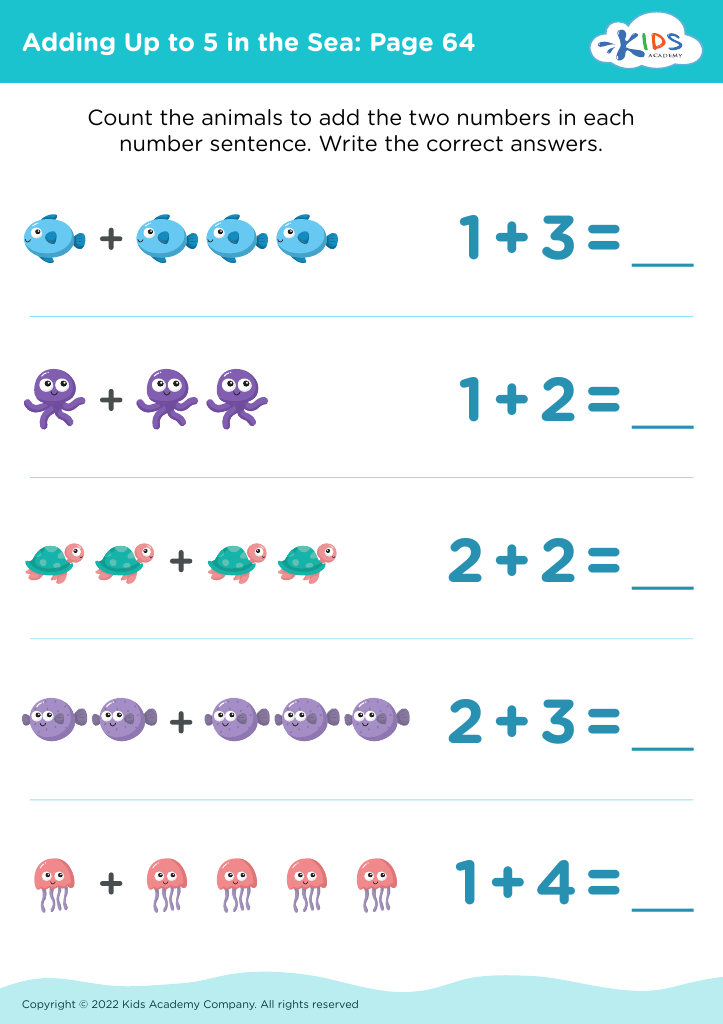
Adding Up to 5 in the Sea: Page 64
Worksheet
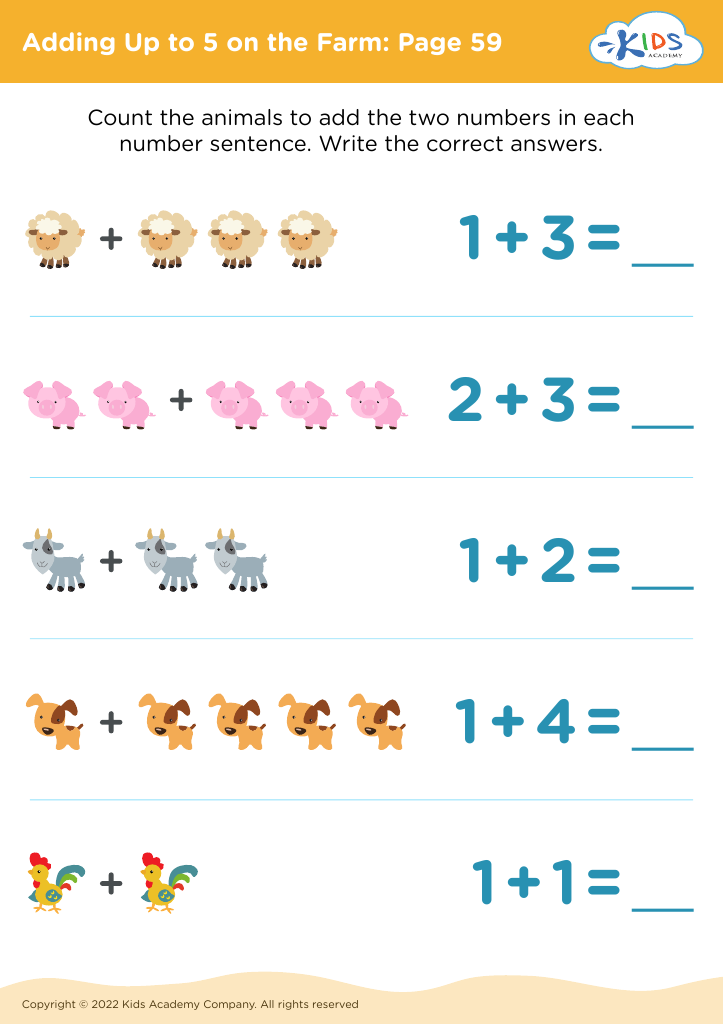
Adding Up to 5 on the Farm: Page 59
Worksheet
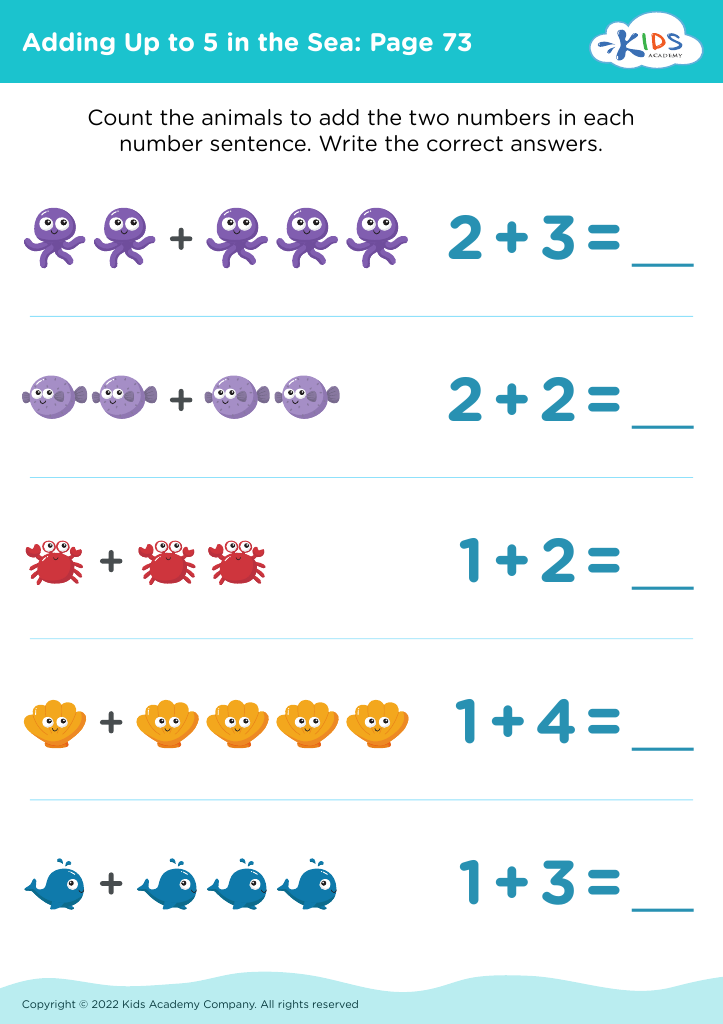
Adding Up to 5 in the Sea: Page 73
Worksheet
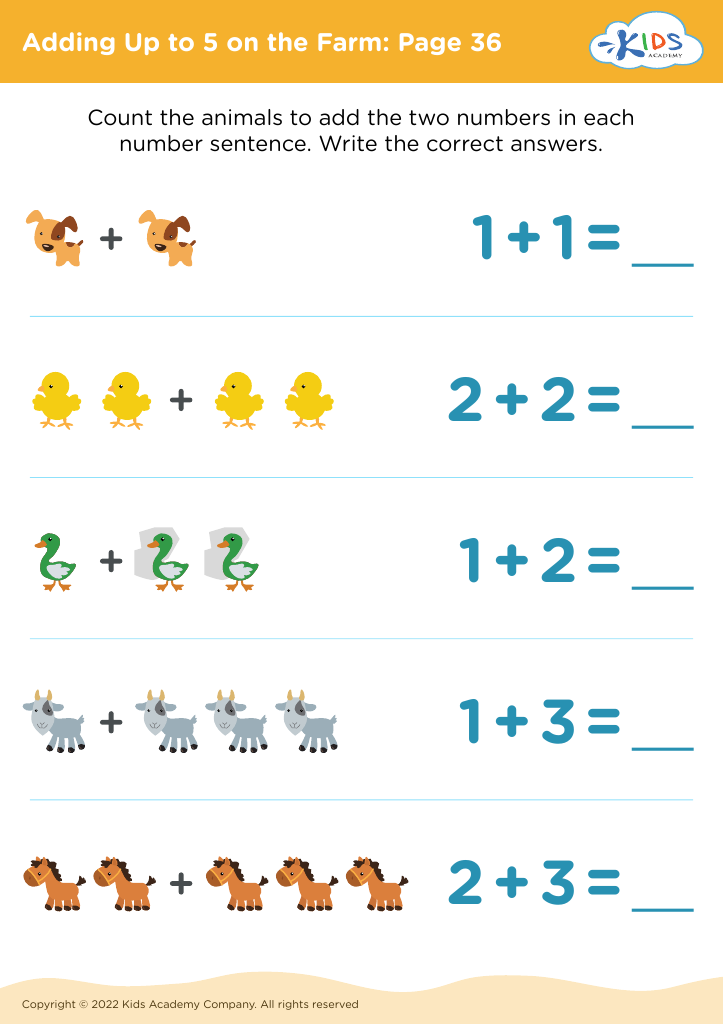
Adding Up to 5 on the Farm: Page 36
Worksheet
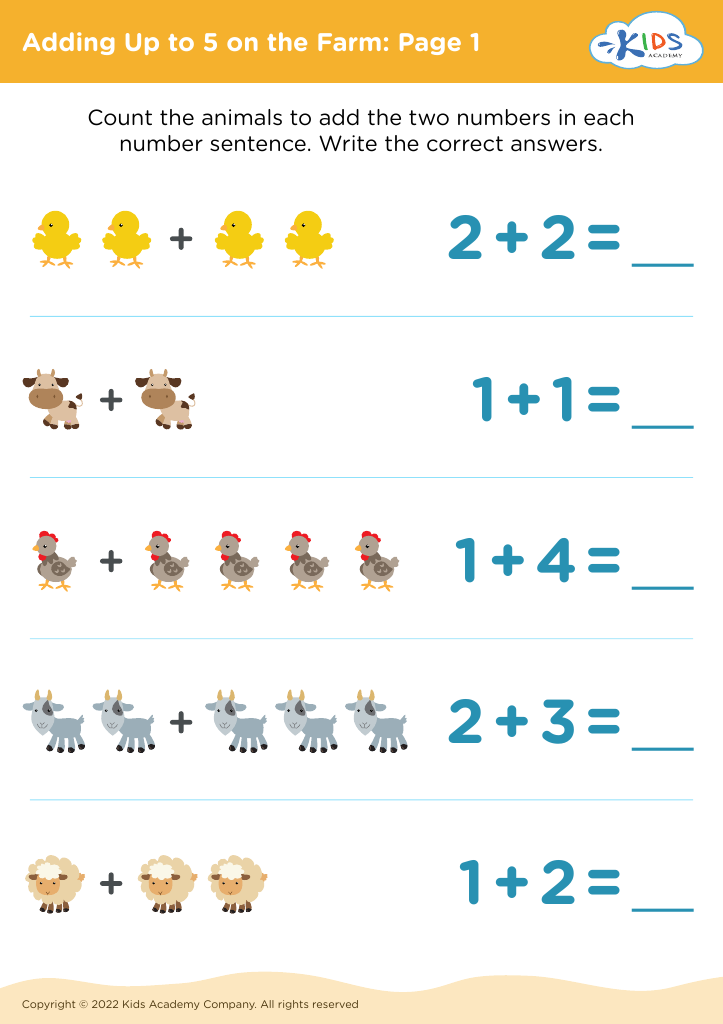
Adding Up to 5 on the Farm: Page 1
Worksheet
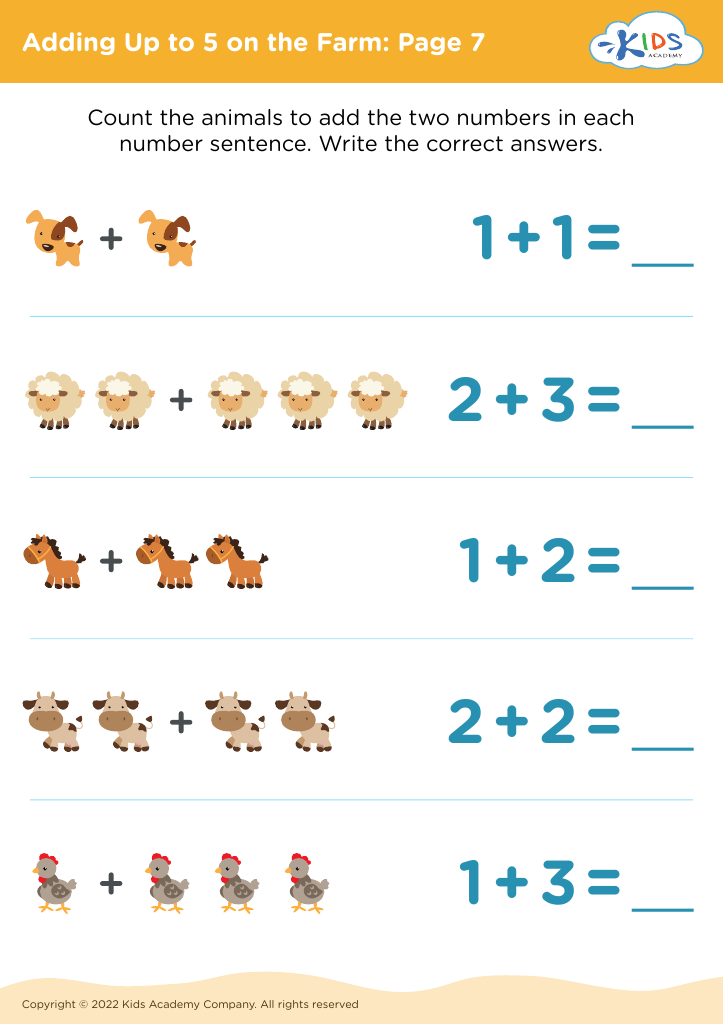
Adding Up to 5 on the Farm: Page 7
Worksheet
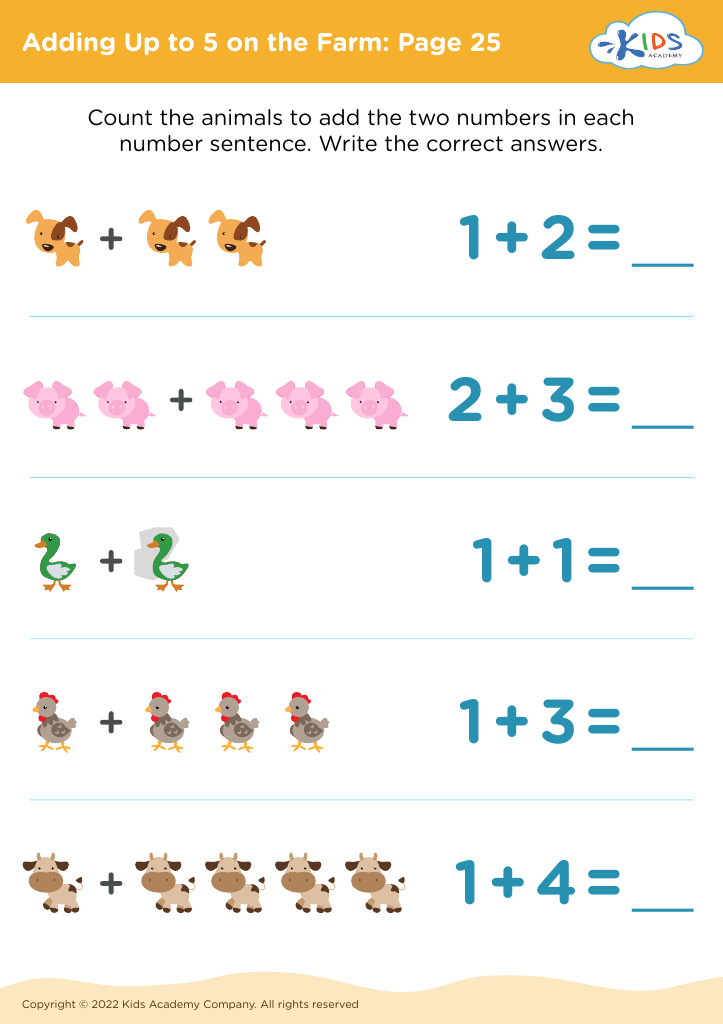
Adding Up to 5 on the Farm: Page 25
Worksheet
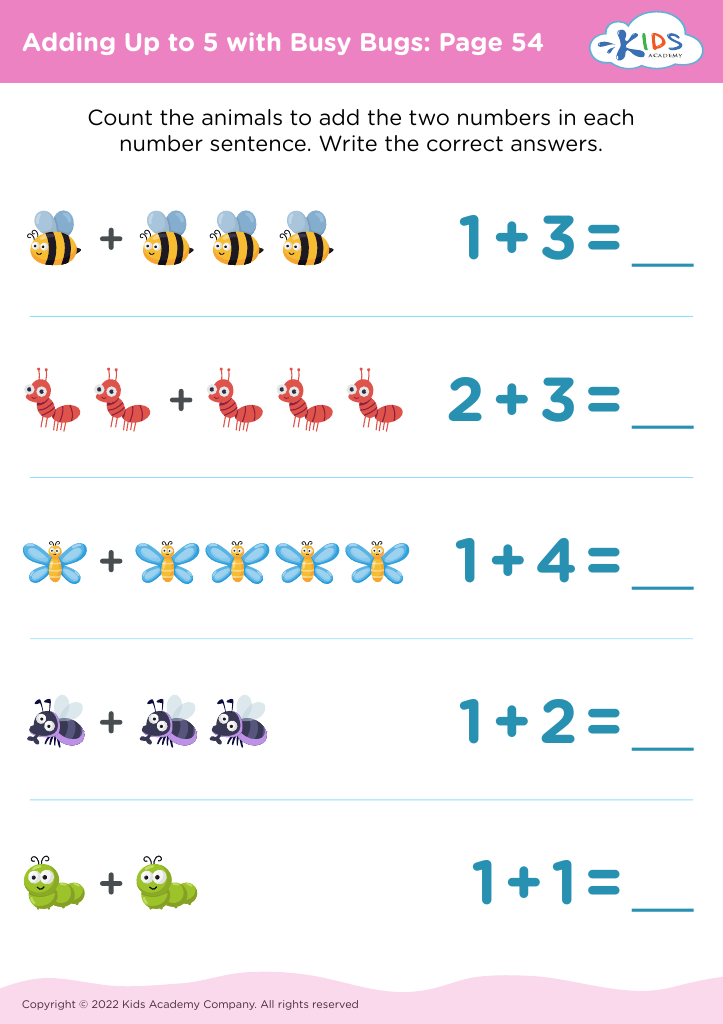
Adding Up to 5 with Busy Bugs: Page 54
Worksheet
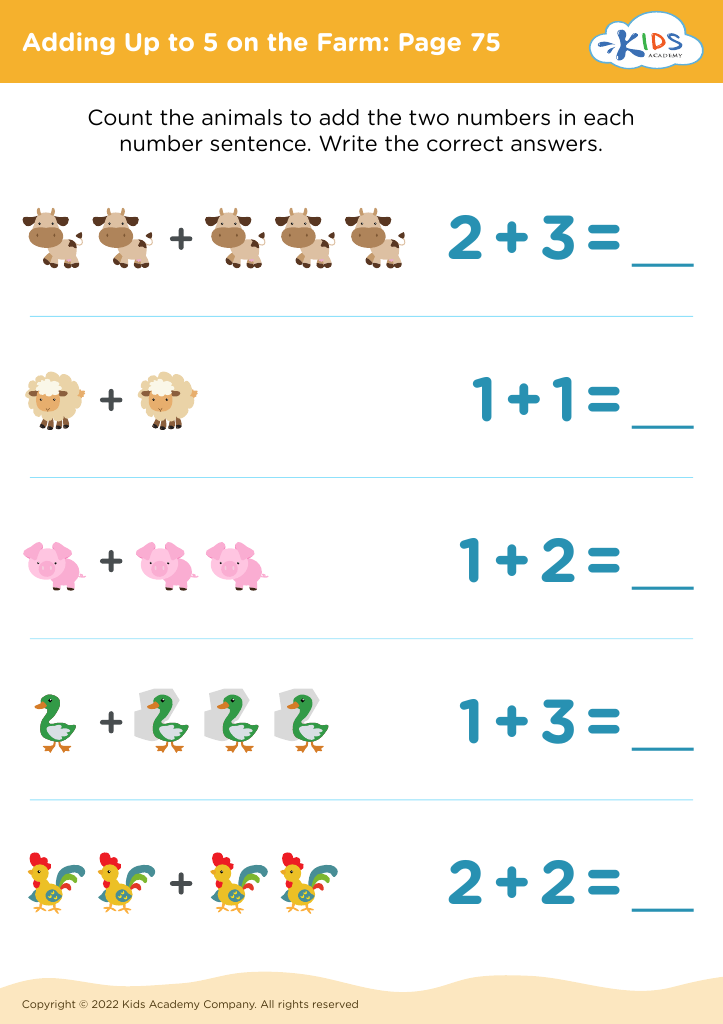
Adding Up to 5 on the Farm: Page 75
Worksheet
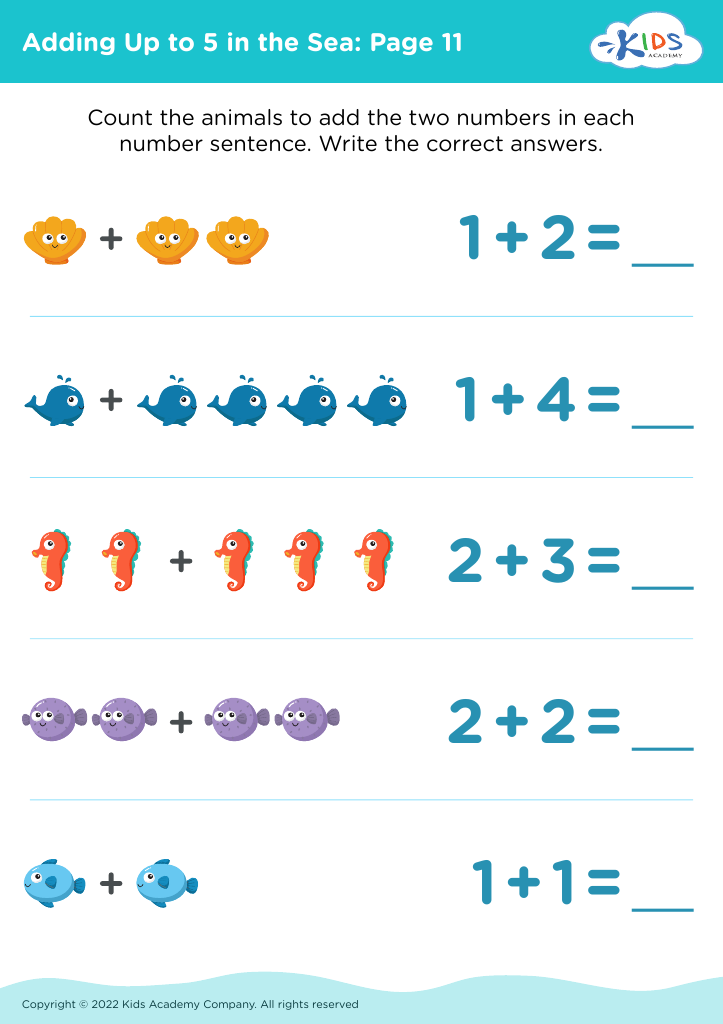
Adding Up to 5 in the Sea: Page 11
Worksheet
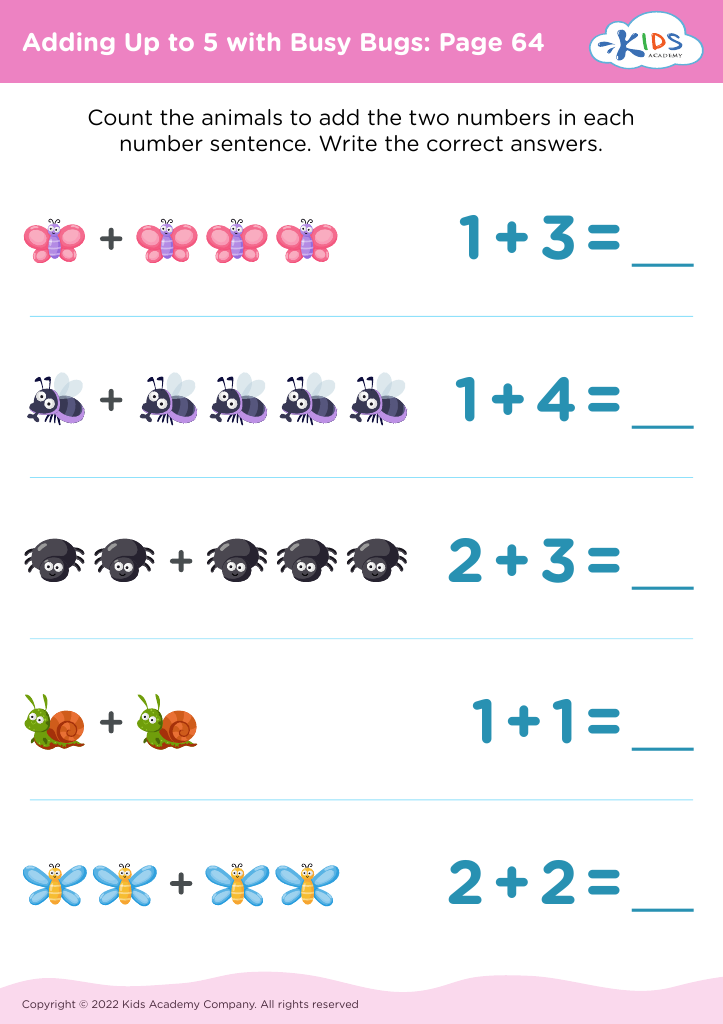
Adding Up to 5 with Busy Bugs: Page 64
Worksheet
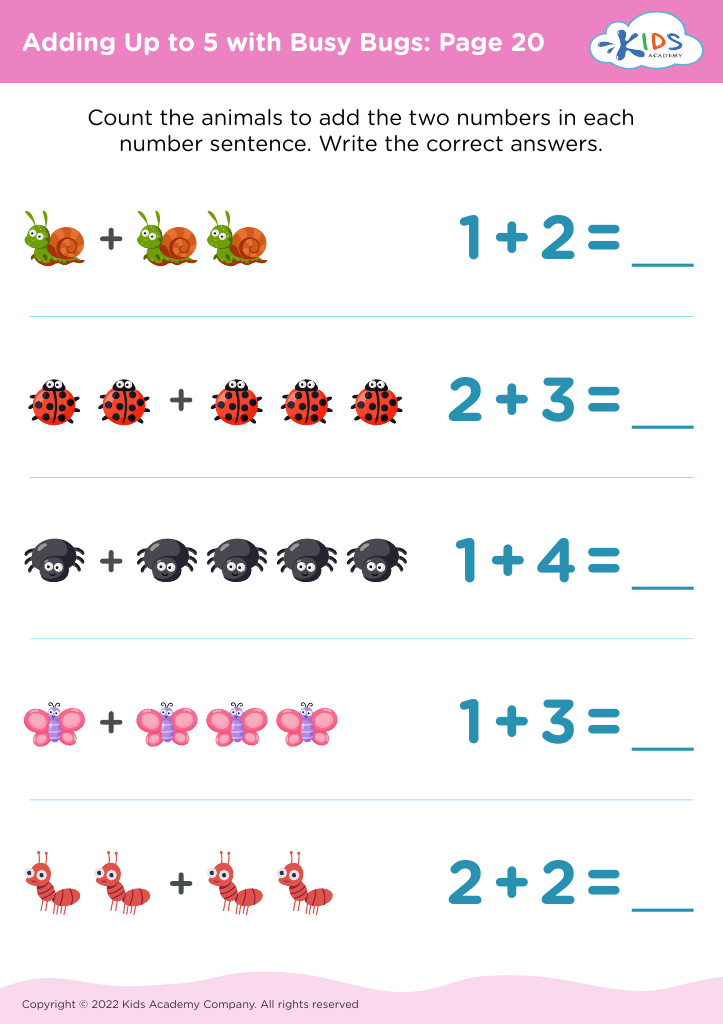
Adding Up to 5 with Busy Bugs: Page 20
Worksheet
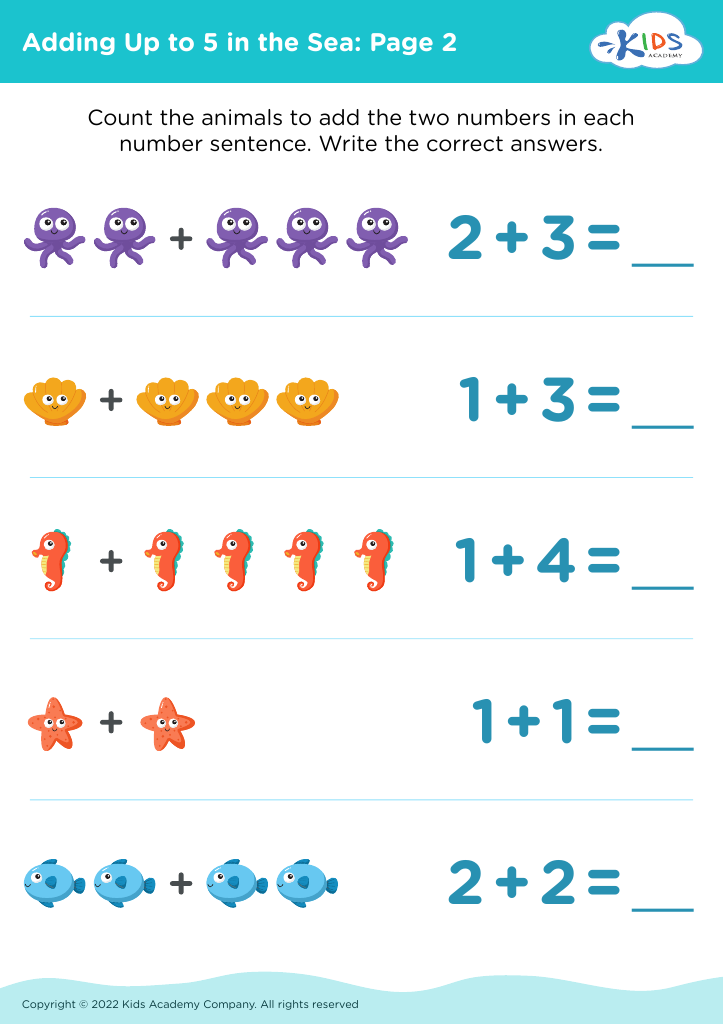
Adding Up to 5 in the Sea: Page 2

Adding Up to 5 in the Sea: Page 2

Adding Up to 5 in the Sea: Page 2
Worksheet
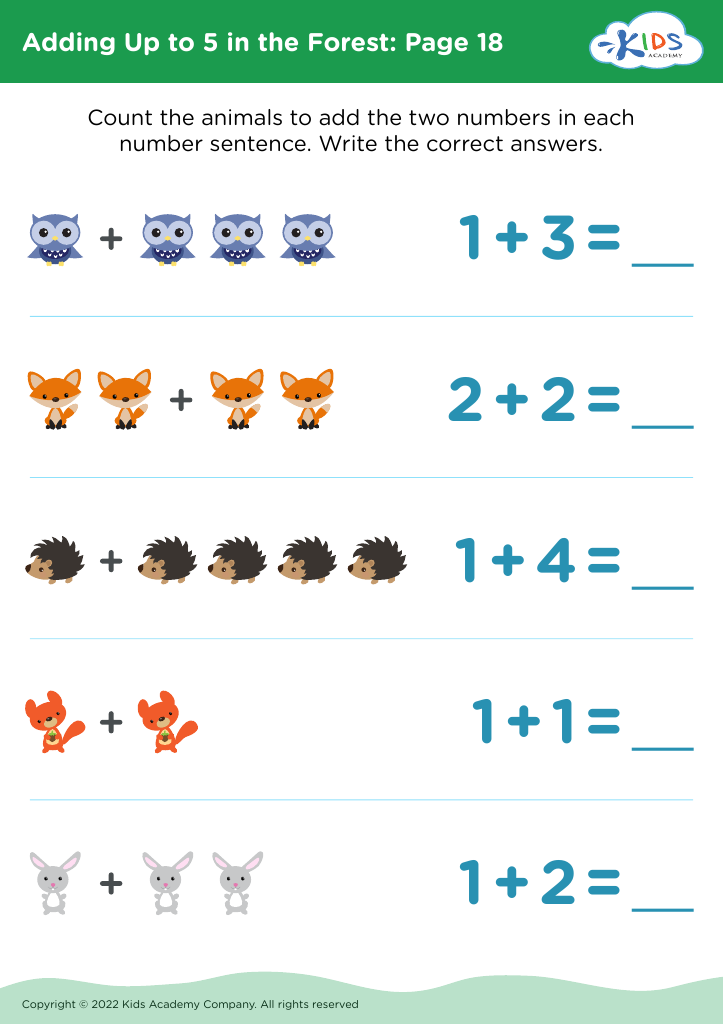
Adding Up to 5 in the Forest: Page 18
Worksheet
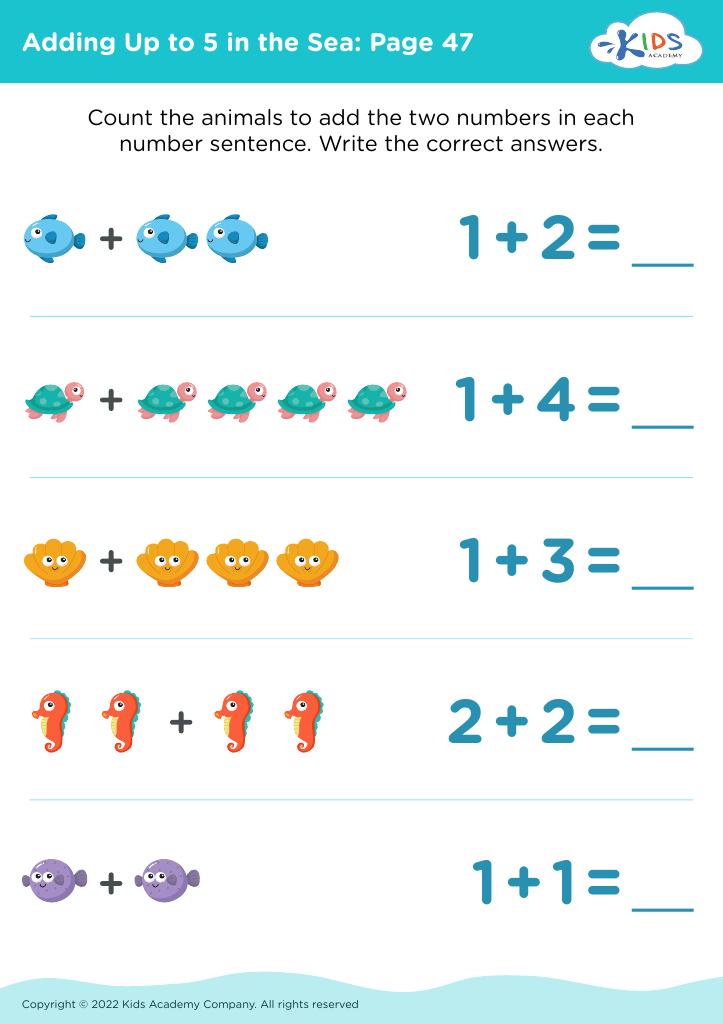
Adding Up to 5 in the Sea: Page 47
Worksheet
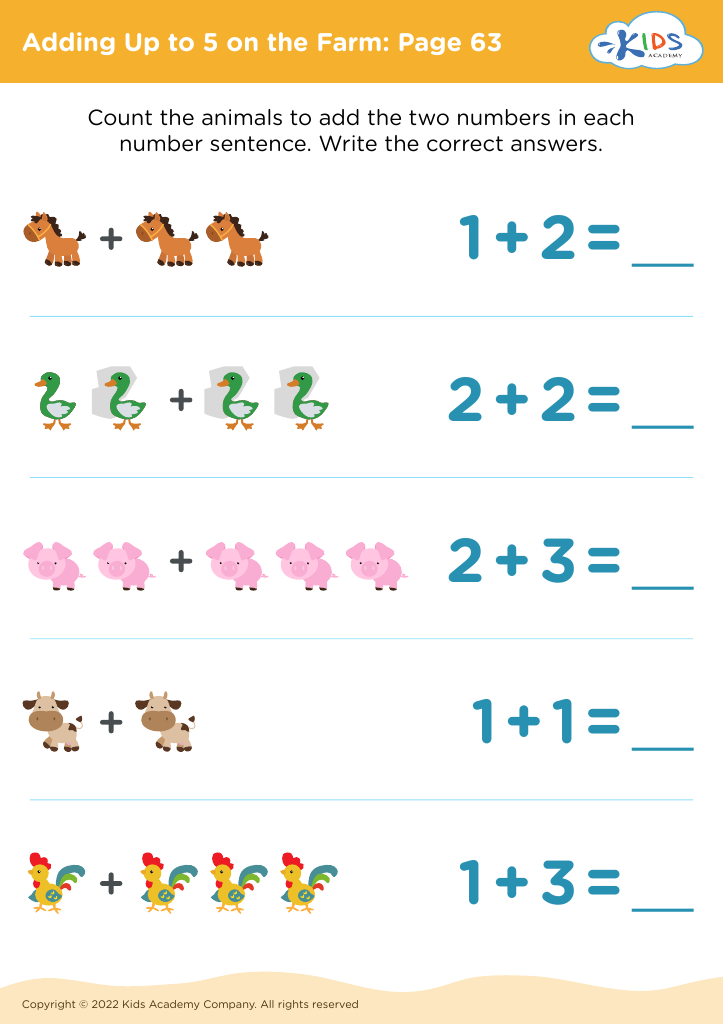
Adding Up to 5 on the Farm: Page 63
Worksheet


Parents and teachers should prioritize Visual Learning Addition (VLA) for children aged 3-7 because it harnesses the natural developmental strengths of this age group. Young kids are inherently tactile and visual learners; their cognitive abilities flourish through interactive and engaging visual stimuli. VLA transforms abstract numerical concepts into tangible and relatable visuals, aiding comprehension and retention.

When children see addition visually represented by objects, pictures, or even colorful blocks, they grasp how numbers combine and relate to each other. For instance, illustrating "3 + 2" with three apples and two oranges helps children see the tangible sum of five, integrating math into their real-world context. This strengthens not only their math skills but also their critical thinking and problem-solving abilities.

Moreover, VLA addresses diverse learning styles. While some children might struggle with traditional numerical representation, visual aids can bridge gaps and cater to visual-spatial learners. Encouraging visual addition from a young age builds a strong mathematical foundation, boosts confidence, and stimulates a love for learning.

Consequently, integrating VLA into early education arms children with essential skills, aligns with best pedagogical practices, and ensures a well-rounded, inclusive approach to learning, setting them up for future academic success.