Hand-eye Coordination Geometry Worksheets for Ages 3-7
7 filtered results
-
From - To
Unlock your child's potential with our engaging Hand-eye Coordination Geometry Worksheets designed for ages 3 to 7! These printable activities seamlessly blend early math concepts with essential motor skills development. Through fun and interactive exercises, children will learn to recognize shapes, improve spatial awareness, and enhance their hand-eye coordination. Our age-appropriate worksheets encourage creativity while reinforcing geometric principles, making learning delightful and effective. Perfect for home or classroom use, these resources provide a strong foundation in math and coordination, setting young learners on the path to success. Explore our collection and watch your child thrive as they discover the world of geometry!
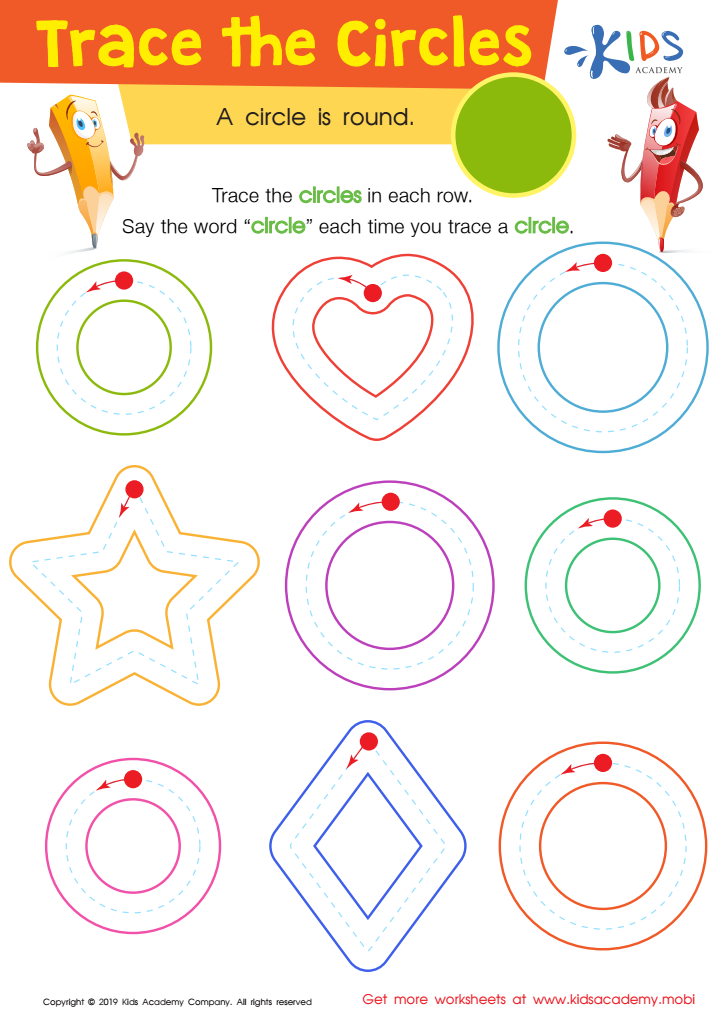
Trace The Circles Worksheet
 Assign to My Students











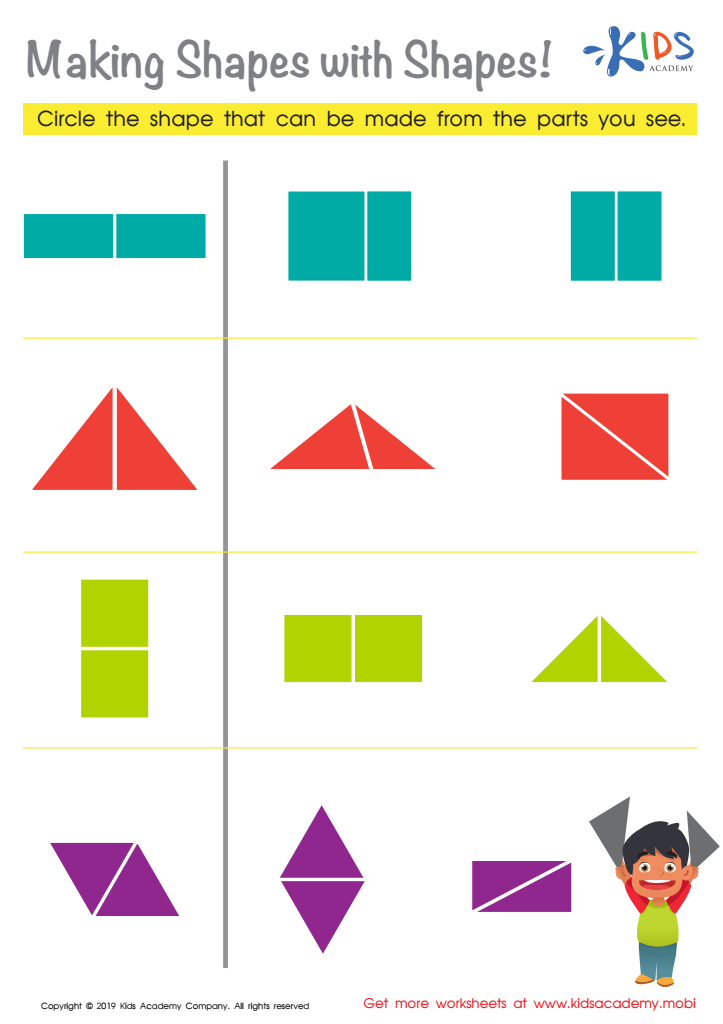
Making Shapes with Shapes Worksheet
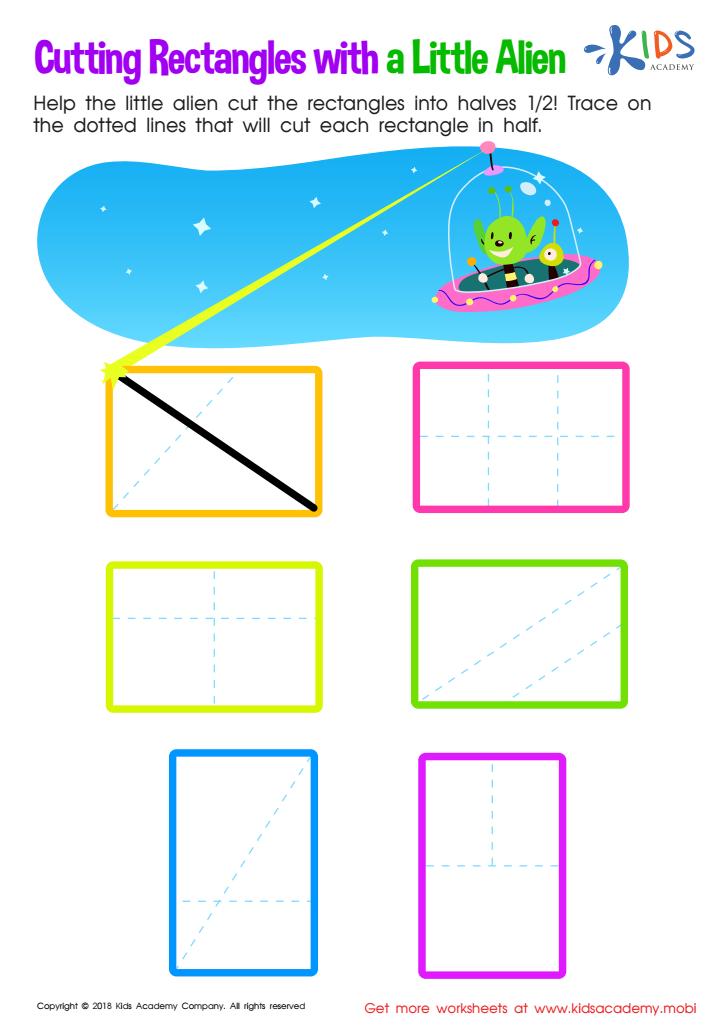
Cutting Rectangles with Alien Worksheet
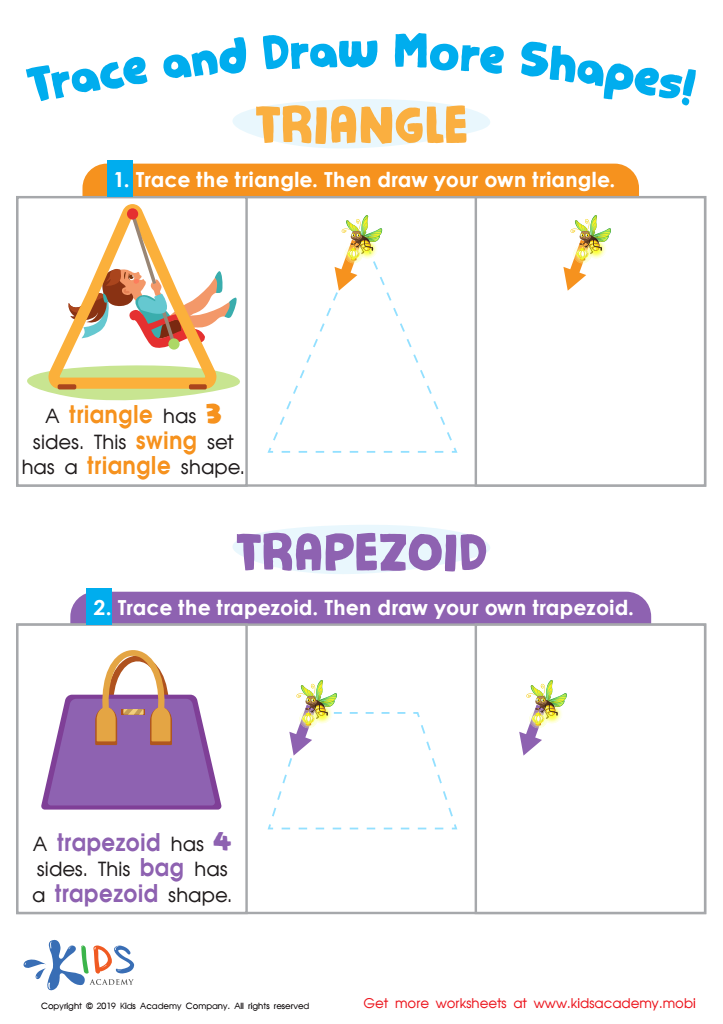
Trace and Draw More Shapes Worksheet
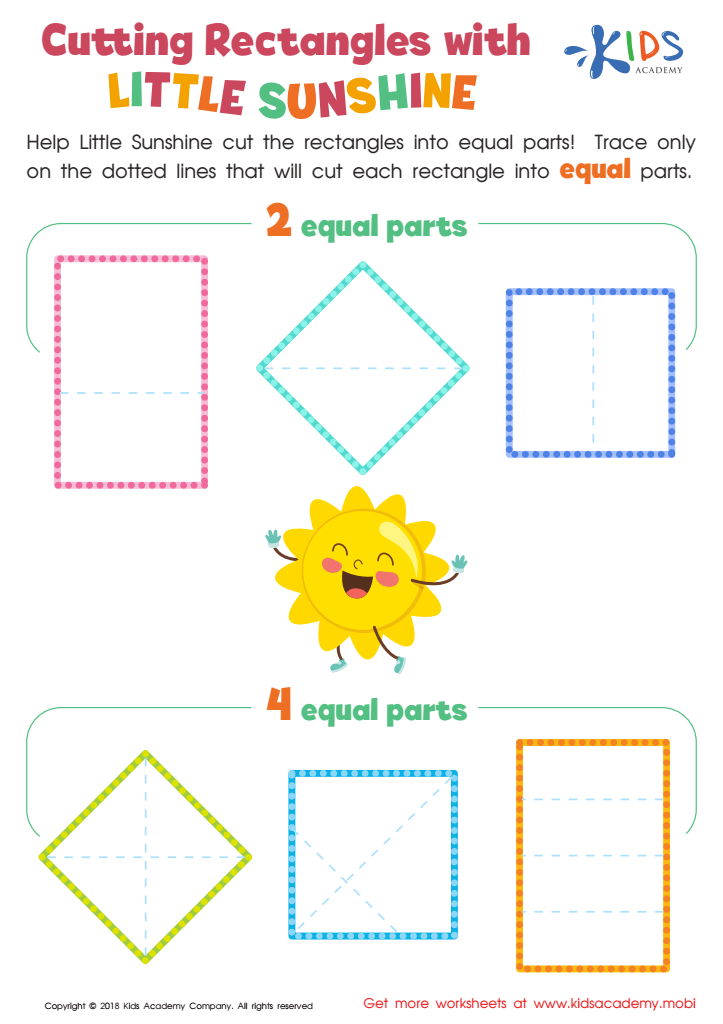
Cutting Rectangles with Little Sunshine Worksheet
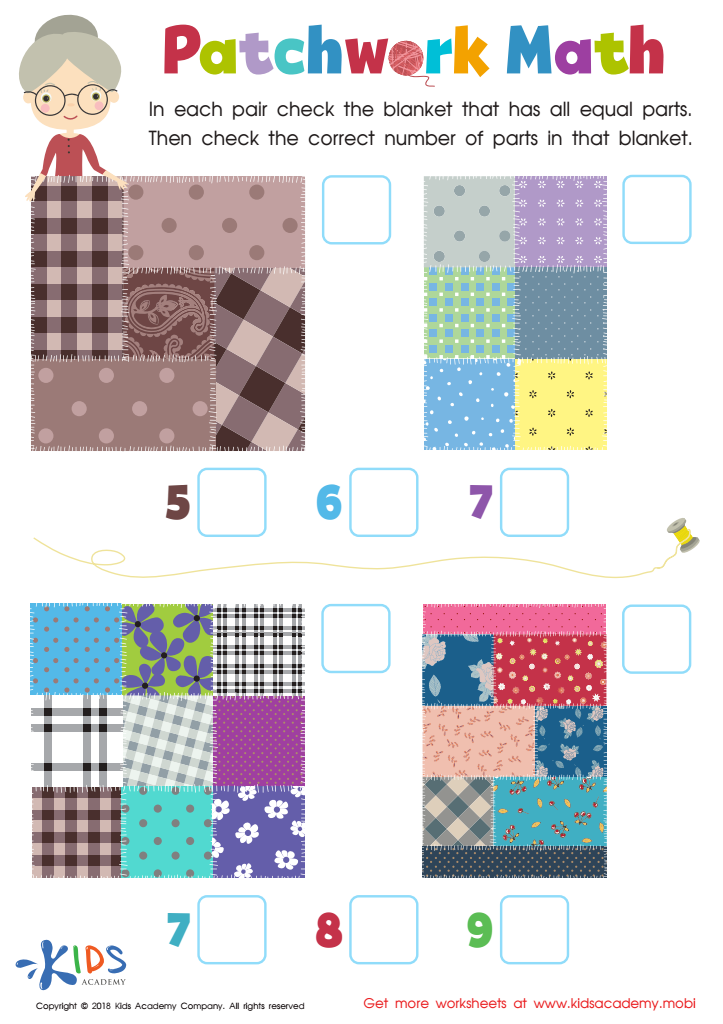
Patchwork Math Worksheet








Hand-eye coordination is a crucial developmental skill for children aged 3-7, as it fundamentally shapes their ability to engage with the world around them. Parents and teachers should prioritize activities that enhance this skill, as it affects various aspects of learning and physical development.
In this age group, young children are not only mastering basic motor skills but also exploring geometry in tangible ways. Activities that involve manipulating shapes, such as building with blocks or engaging in drawing and cutting exercises, help refine hand-eye coordination while simultaneously introducing geometric concepts. Awareness of shape properties, spatial relationships, and symmetry is fostered through these playful interactions.
Moreover, proficient hand-eye coordination relates to a child's readiness for school activities, including writing, assembling puzzles, and participating in sports. As these motor skills develop, children gain confidence in their abilities, leading to enhanced self-esteem and motivation to learn.
Parents and educators can create meaningful learning experiences by incorporating games, arts and crafts, and physical activities. These not only promote hand-eye coordination but also collaboration, problem-solving, and cognitive growth. Understanding and nurturing this skill lays a solid foundation for academic success and overall development. Both parents and teachers are crucial in supporting this integral aspect of a child's growth.








