Basic Addition Skills Numbers Worksheets for Ages 3-7
11 filtered results
-
From - To
Unlock your child's mathematical potential with our Basic Addition Skills Worksheets, designed specifically for kids aged 3-7. These engaging, printable worksheets introduce fundamental addition concepts through fun exercises that enhance understanding and reinforce skills. Each worksheet features colorful visuals and age-appropriate challenges, ensuring that learning remains enjoyable and effective. Perfect for at-home practice or classroom use, our resources help children build confidence and fluency in addition. Foster a strong mathematical foundation and watch your young learners thrive as they grasp basic addition with ease. Explore our collection today and support their learning journey in a fun, interactive way!
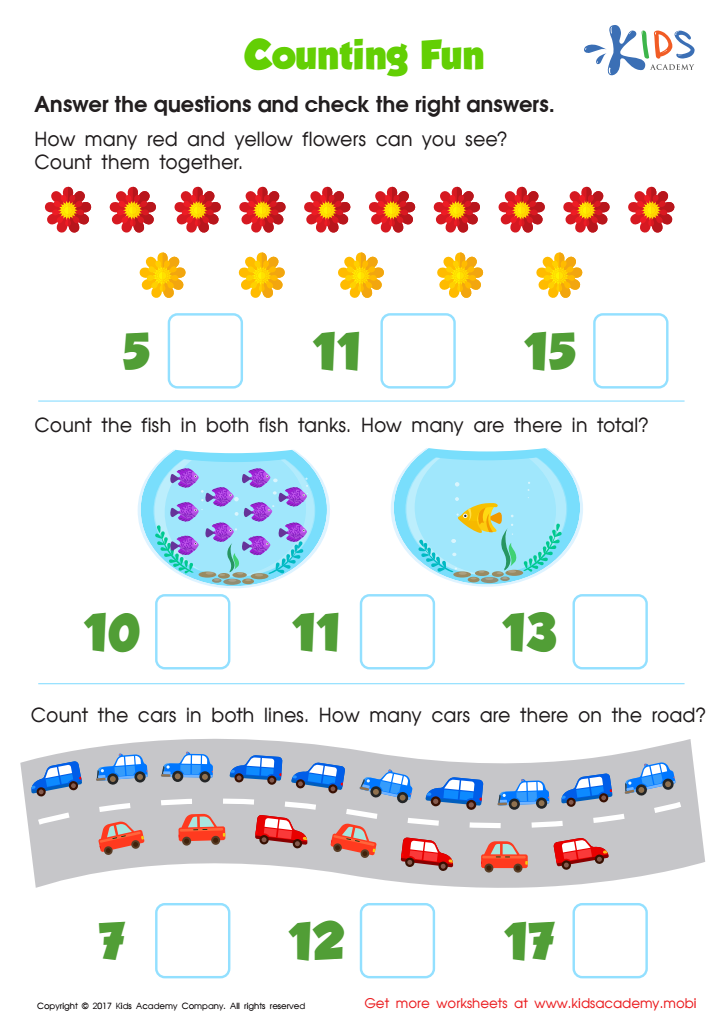
Counting Fun Worksheet
 Assign to My Students
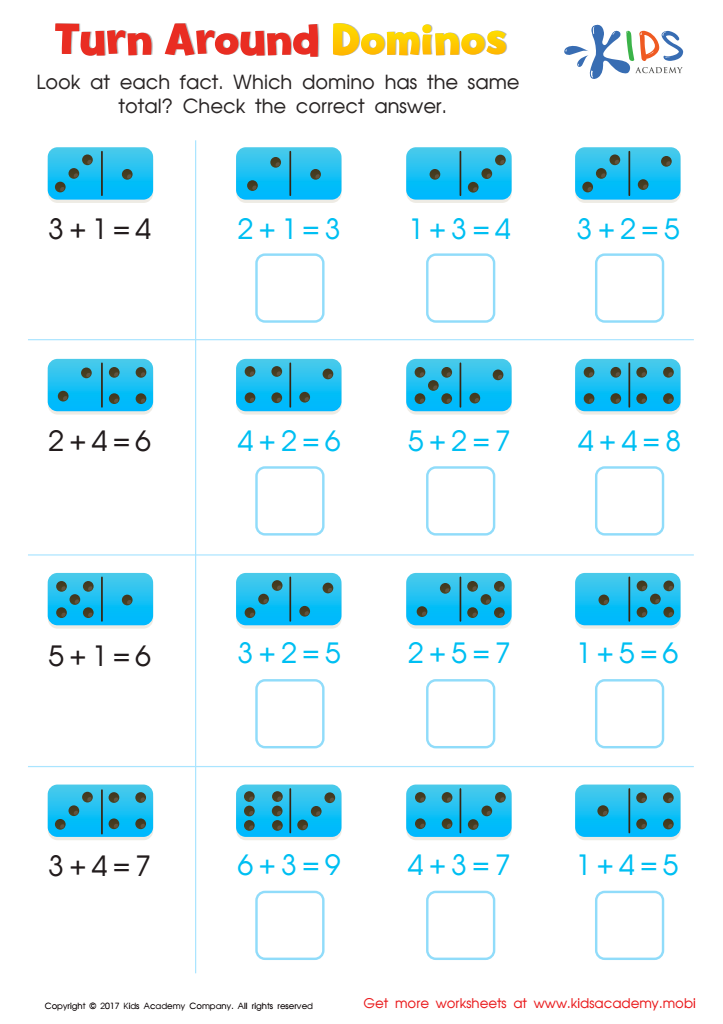
Turn Around Dominos Worksheet
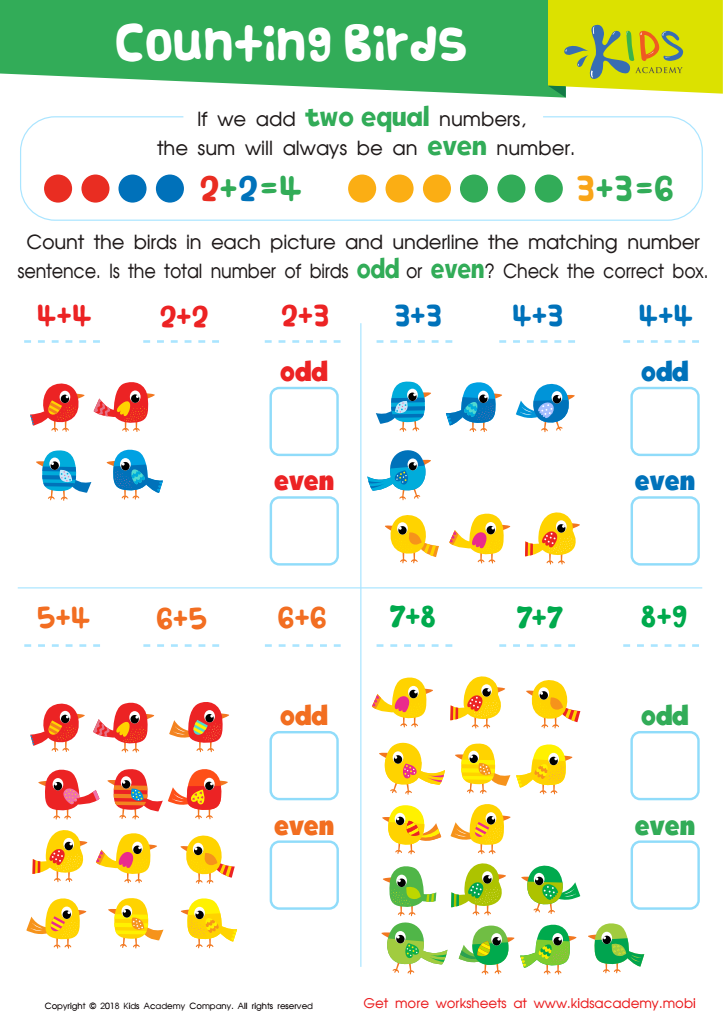
Counting Birds Worksheet
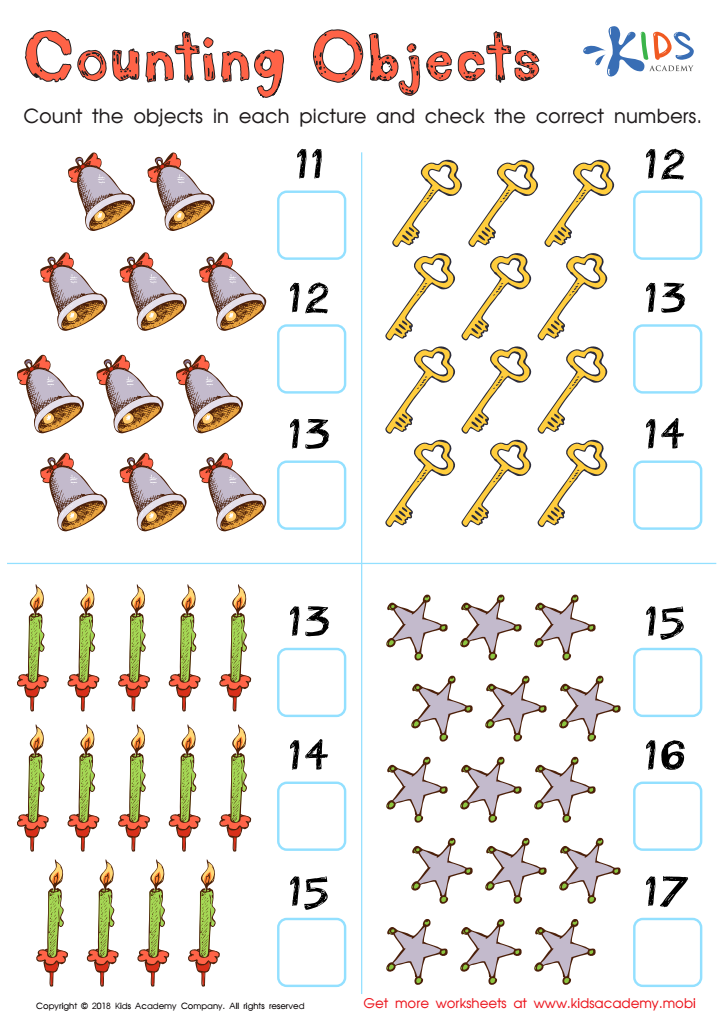
Counting Numbers Worksheet For Kindergarten
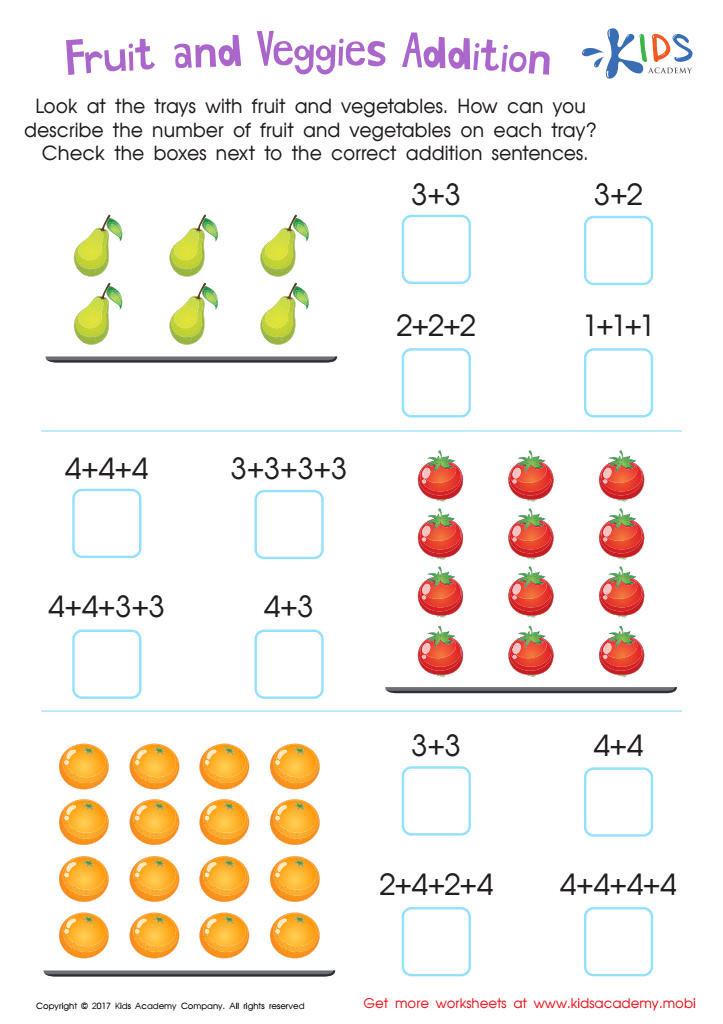
Fruit and Veggies Worksheet
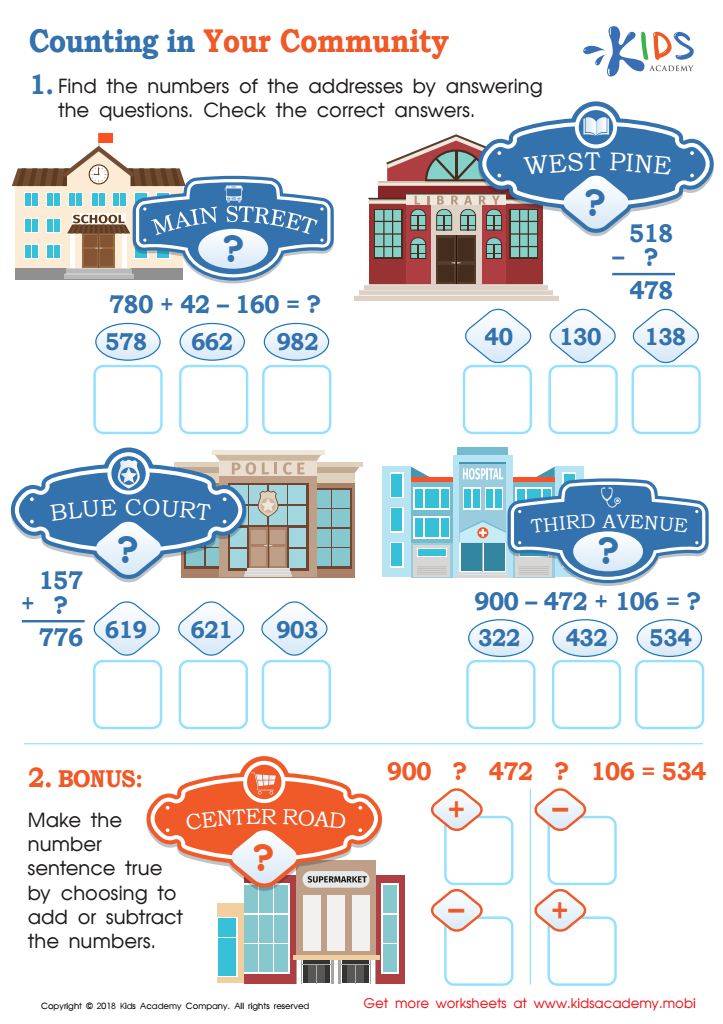
Counting in Your Community Worksheet
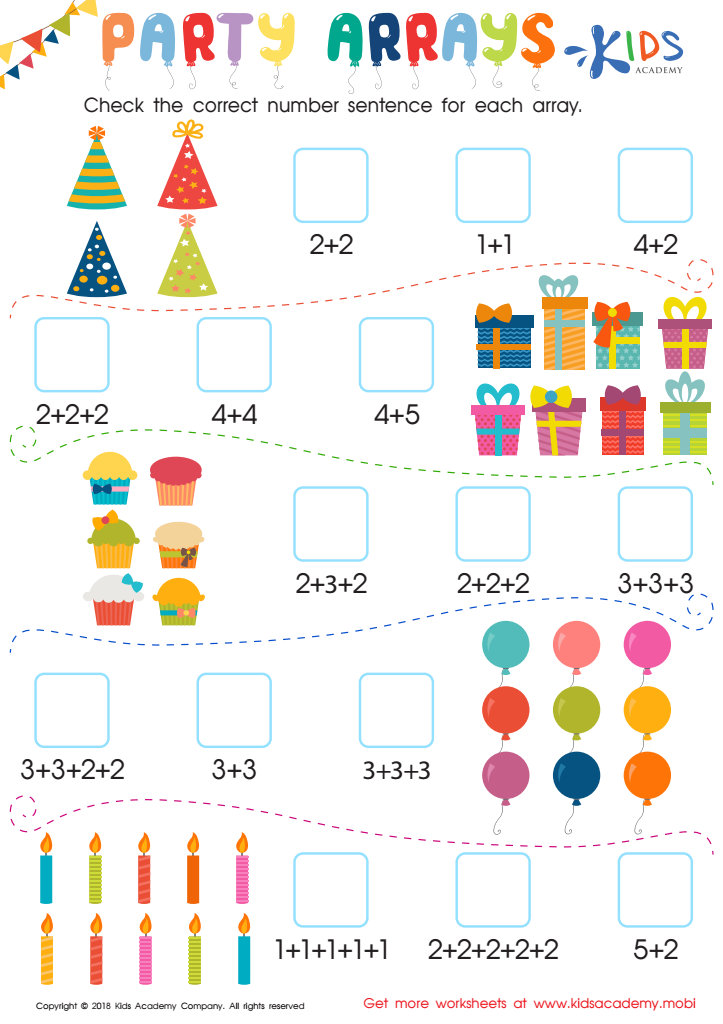
Party Arrays Worksheet
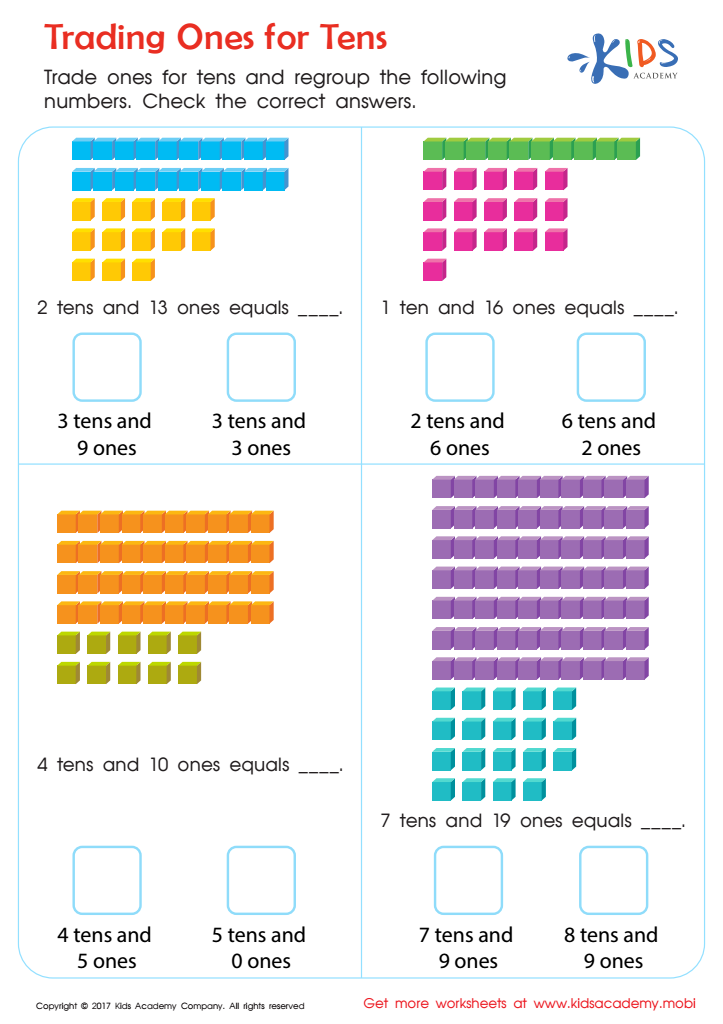
Trading Ones for Tens Worksheet
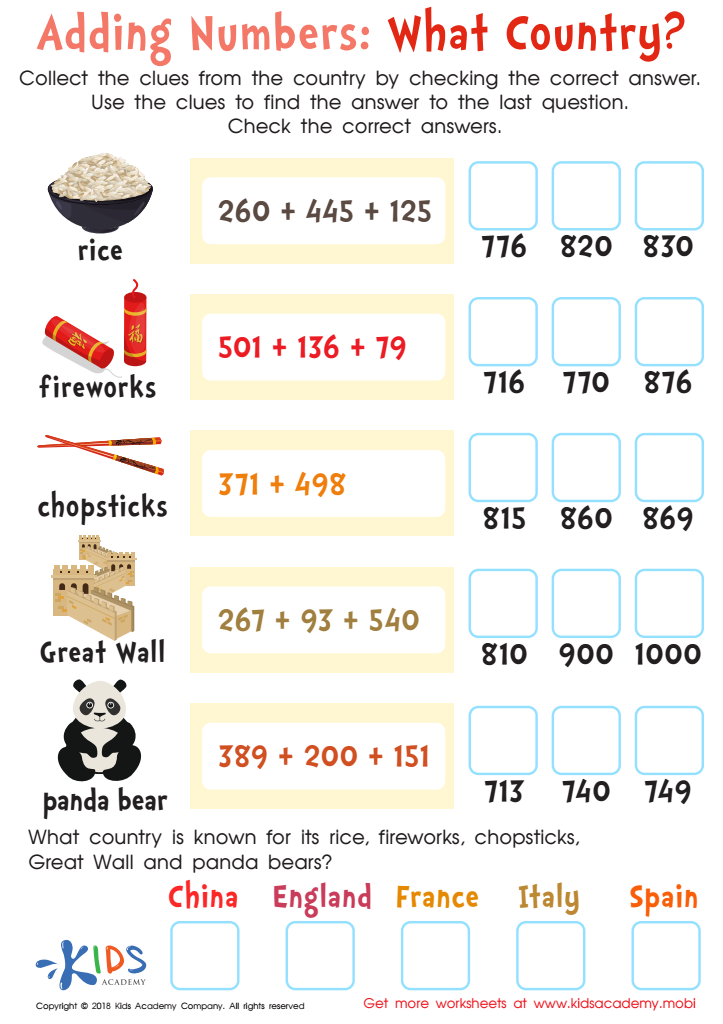
Adding Numbers: What Country Worksheet
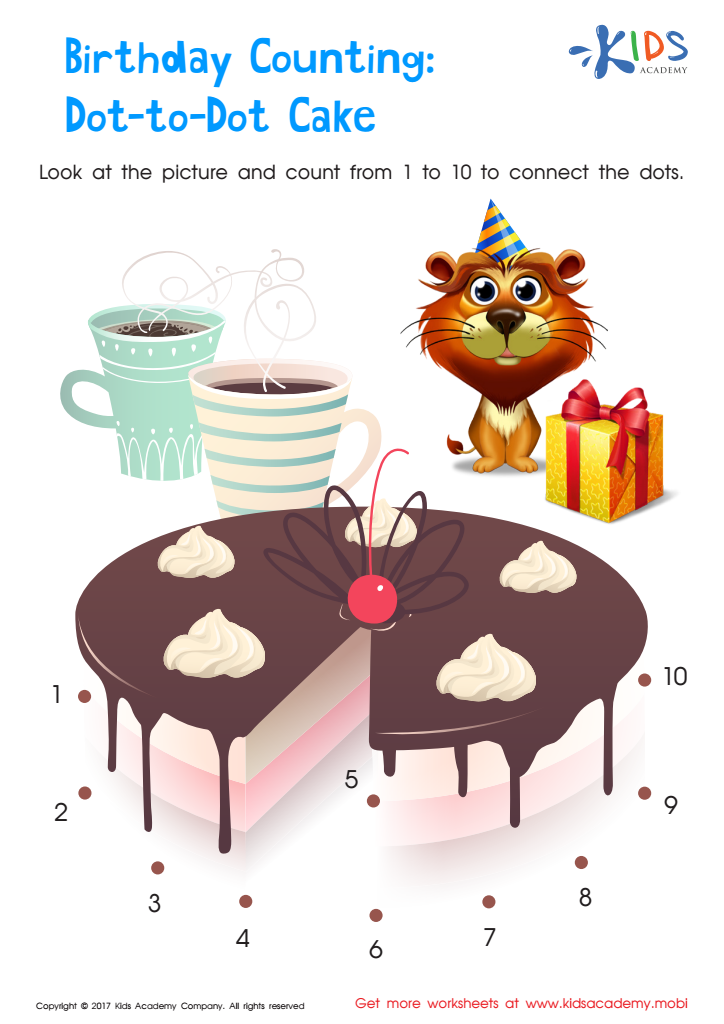
Birthday Counting Connect Dots Worksheet
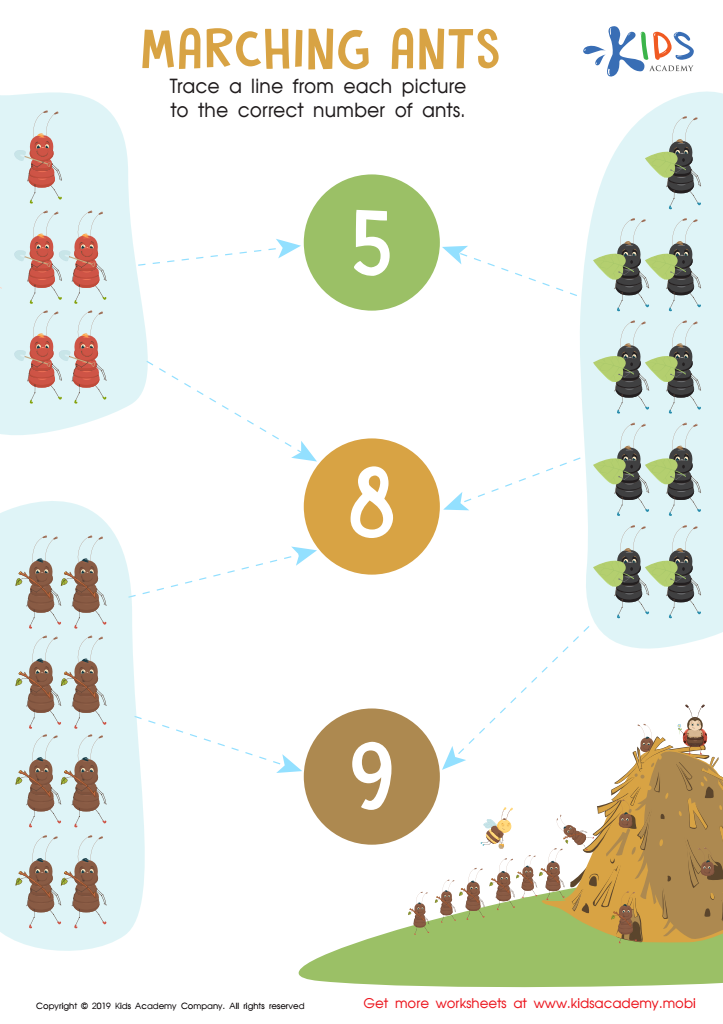
Marching Ants Worksheet








Basic addition skills are crucial for children aged 3-7 as they lay the foundation for future mathematical learning and critical thinking. During these formative years, children's brains are highly receptive, allowing them to grasp fundamental concepts more easily. By introducing basic addition, parents and teachers foster number sense and help children become comfortable with math in a fun and engaging way.
Early mastery of addition enhances not only mathematical skills but also develops problem-solving abilities and logical reasoning, essential skills for everyday life. For instance, understanding how to combine quantities helps children navigate situations like sharing snacks or organizing toys, thus nurturing social skills and cooperation.
Additionally, establishing strong addition skills contributes to a child’s overall confidence and academic performance. Children who grasp math concepts early tend to excel in later studies, reducing anxiety and promoting a positive attitude towards learning.
Moreover, involving parents in the process enhances the child’s learning experience, as hands-on activities can reinforce concepts beyond the classroom. Overall, parents and educators should prioritize basic addition skills to prepare children for a successful educational journey and equip them with tools for critical thinking and real-world problem-solving.








