
Color Identification Math Worksheets for Ages 3-7
45 filtered results
Difficulty Level
Grade
Age
-
From - To
Subject
Activity
Standards
Discover our engaging Color Identification Math Worksheets designed for children ages 3-7! These activities combine vibrant colors with essential math skills, making learning both fun and interactive. Your little learners will explore colors through various exercises, enhancing their ability to recognize and name hues while developing foundational math concepts. Our printable worksheets are perfect for early childhood education, enriching classroom learning or at-home practice. Watch children build their confidence in both math and color recognition as they enjoy hands-on activities tailored to their developmental stages. Ideal for parents and educators, these worksheets provide a valuable resource for fostering growth in young learners!
Favorites
With answer key
Interactive
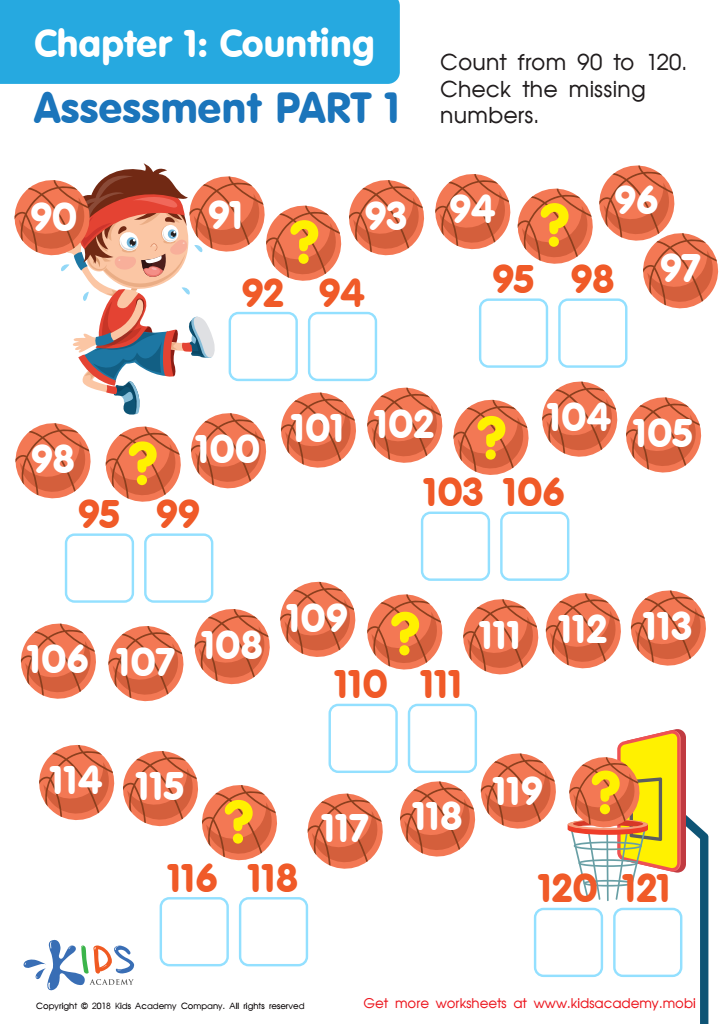
Counting Past 1: Assessment 1 Worksheet
Test your children's counting skills with this worksheet. Have them count from 90 to 120, checking for missing numbers. You'll be able to see how well they do and how far they have progressed. See how high they can count with little or no mistakes!
 Assign to My Students
Counting Past 1: Assessment 1 Worksheet
Worksheet
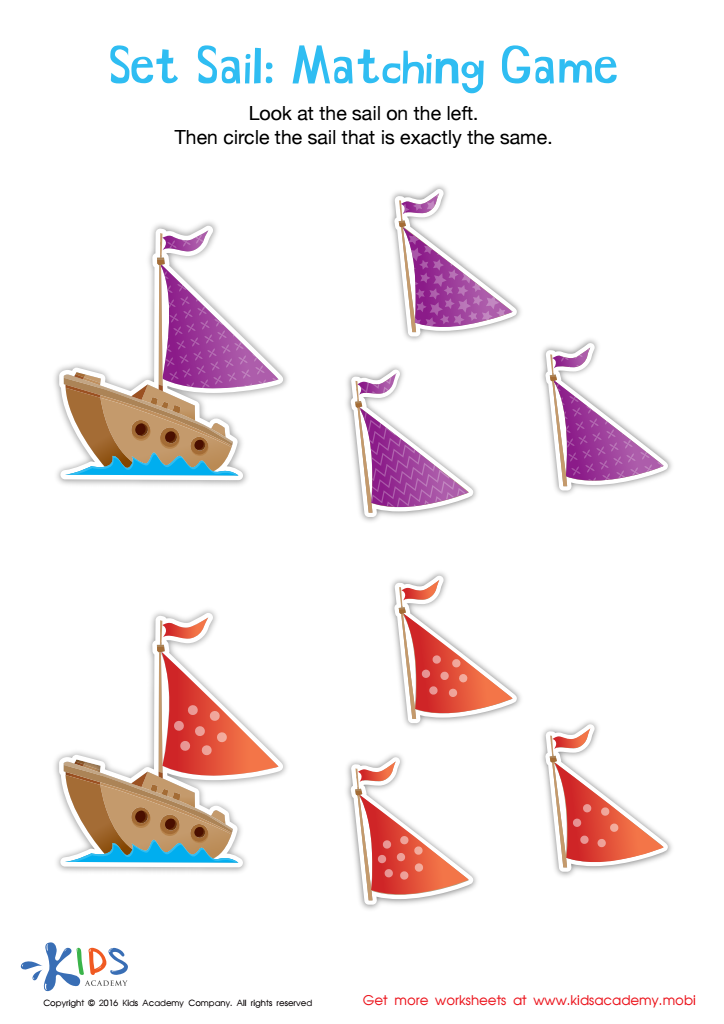
Set Sail Worksheet
Set sail with this fun matching game for toddlers! Kids will love finding the same pattern on the sails, improving their problem-solving and counting skills. Enjoy this bright and engaging worksheet!
Set Sail Worksheet
Worksheet
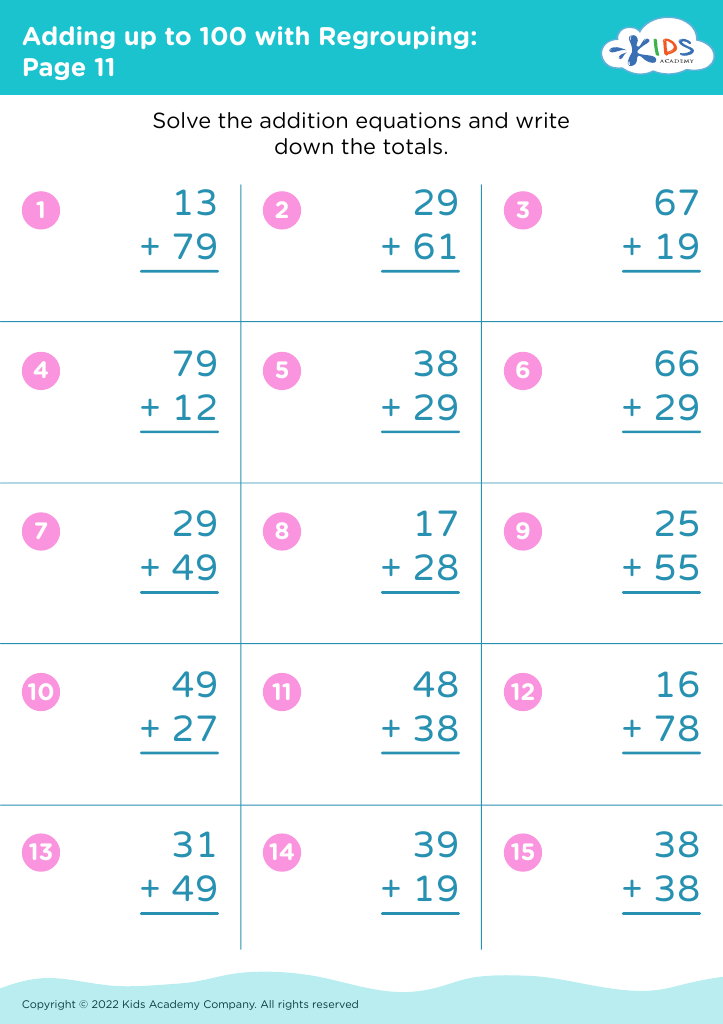
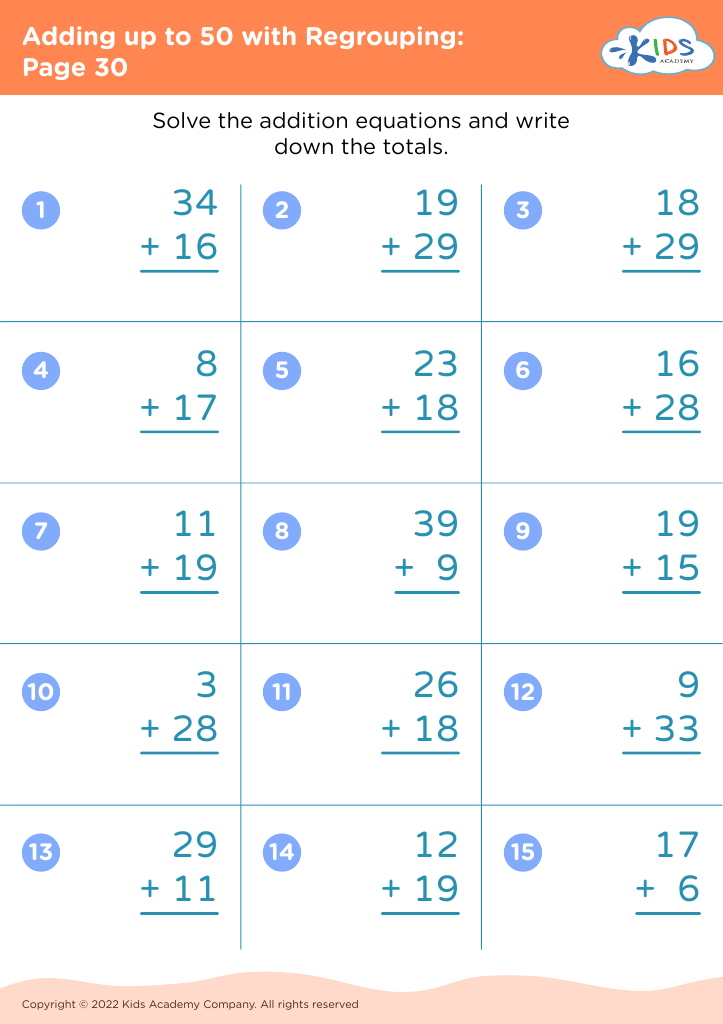
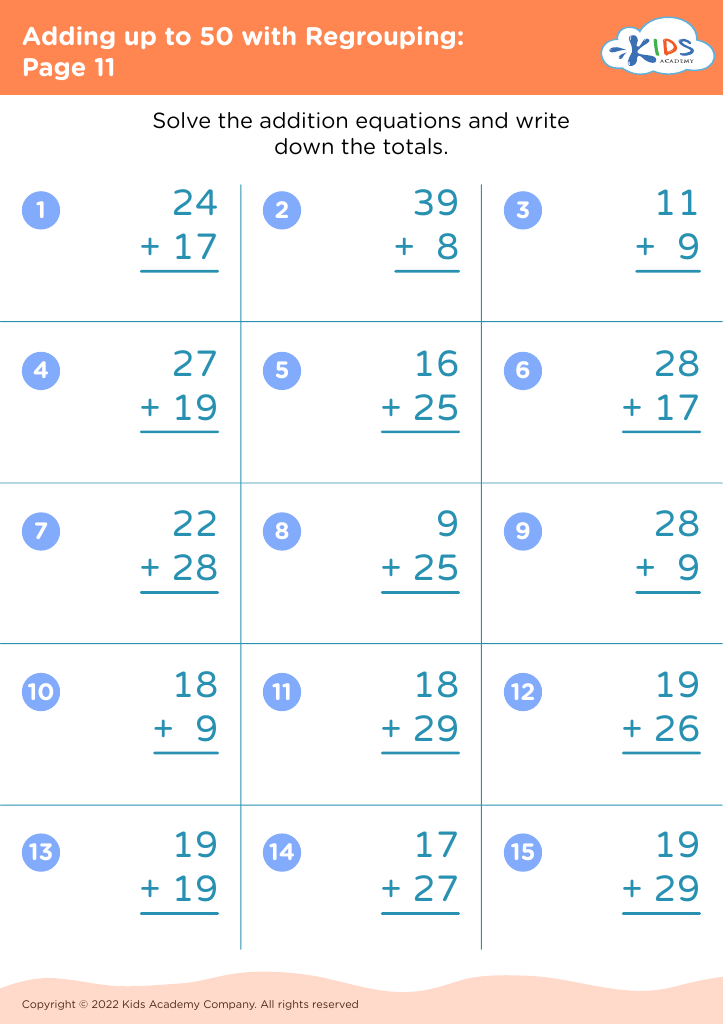
Load up to 15 Worksheet
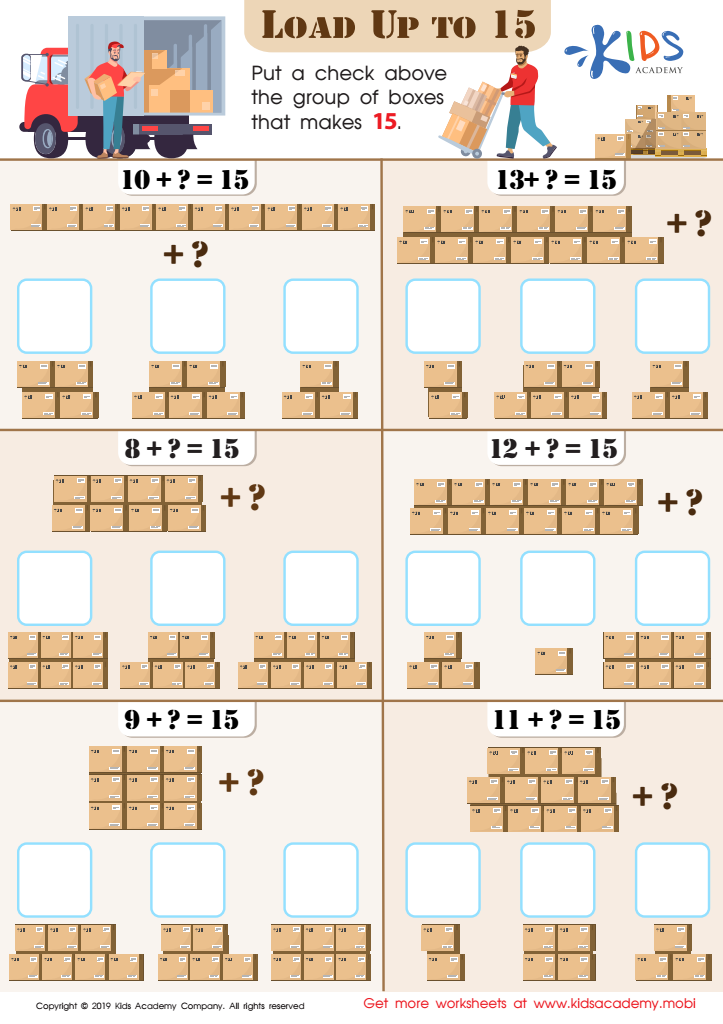
Your students can practice addition and counting skills with this worksheet. Each equation has 6 boxes to count. Check the group that equals 15 to complete the exercise. Help your kindergartners if they need it.
Load up to 15 Worksheet
Worksheet
Flower Arrangement Worksheet
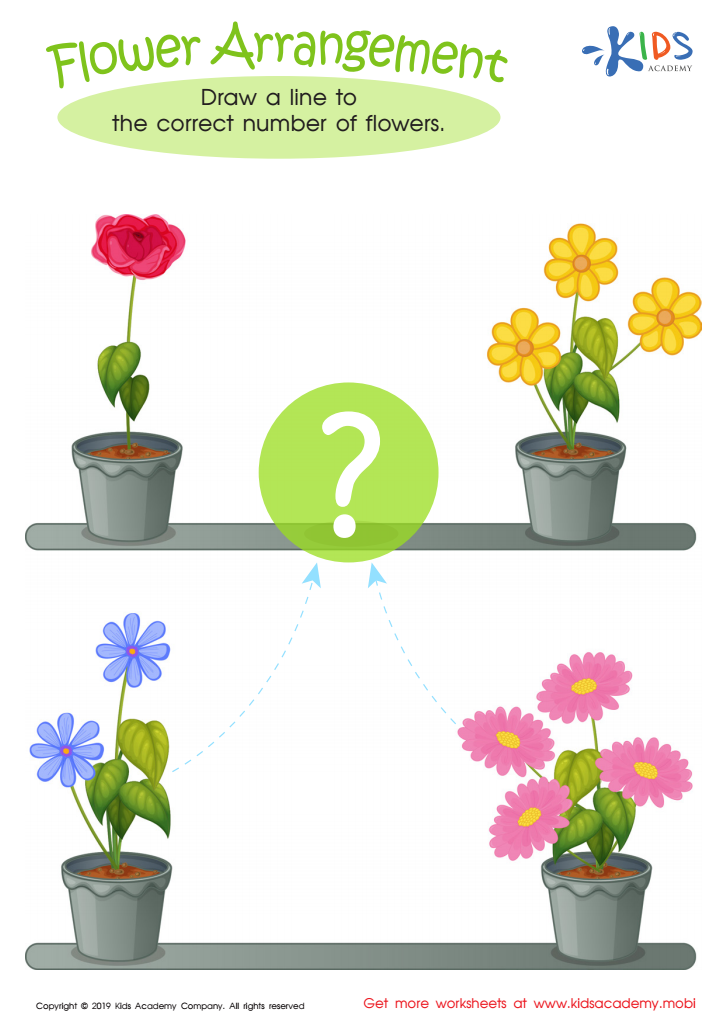
Your math whizzes can use flower power to showcase their counting skills with this bright PDF! One-to-one representation in pictures helps children build number sense, which leads to better math and computation efficiencies. This PDF features traceable lines for kids to draw to the correct number of flowers, all while practicing their counting with pretty pictures.
Flower Arrangement Worksheet
Worksheet
Picture Graphs: Colorful Balloons Worksheet
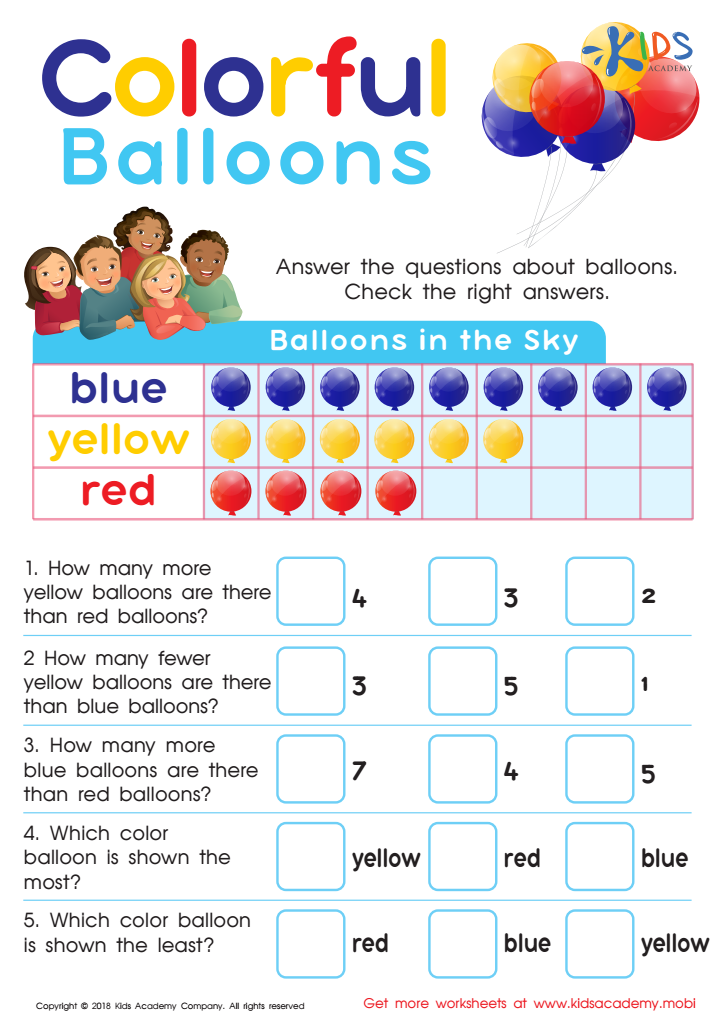
Kids love balloons at parties! Now you can use them to review graphs and math with this worksheet. View the balloons and count how many of each color, then answer the questions to complete math problems and report important details. Bring joy to your child's studies and make learning fun!
Picture Graphs: Colorful Balloons Worksheet
Worksheet
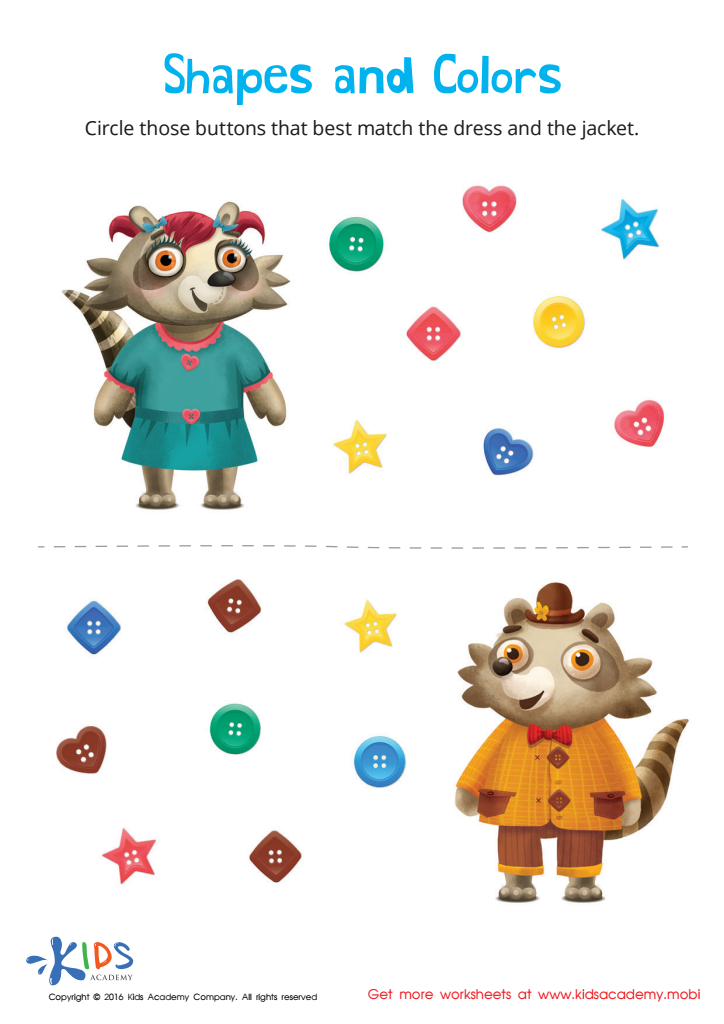
Matching: Shapes and Colors Worksheet
Help Mr. and Mrs. Raccoon find the right buttons to match their shirts! Kids will identify shapes and colors and learn to match them correctly.
Matching: Shapes and Colors Worksheet
Worksheet
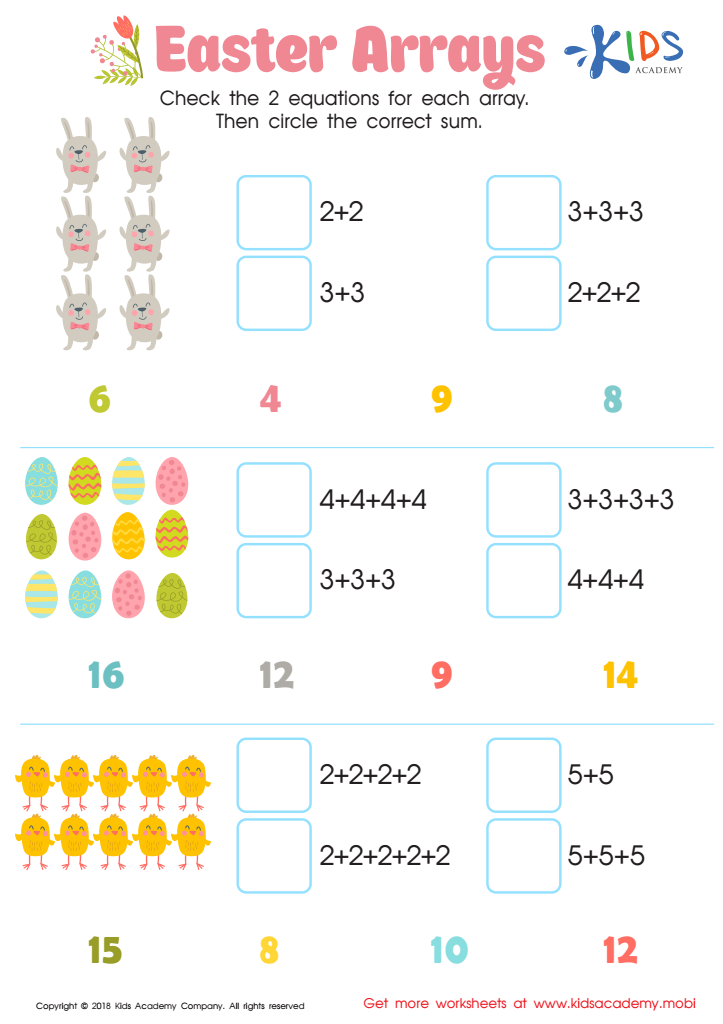
Easter Arrays Worksheet
Does your child love Easter? Do they adore the Easter bunny and egg hunts? Help them have fun with this worksheet! Go through it with them and check the equations for each array. Then, have them circle the correct sum. It's a great way to make the holiday extra exciting!
Easter Arrays Worksheet
Worksheet
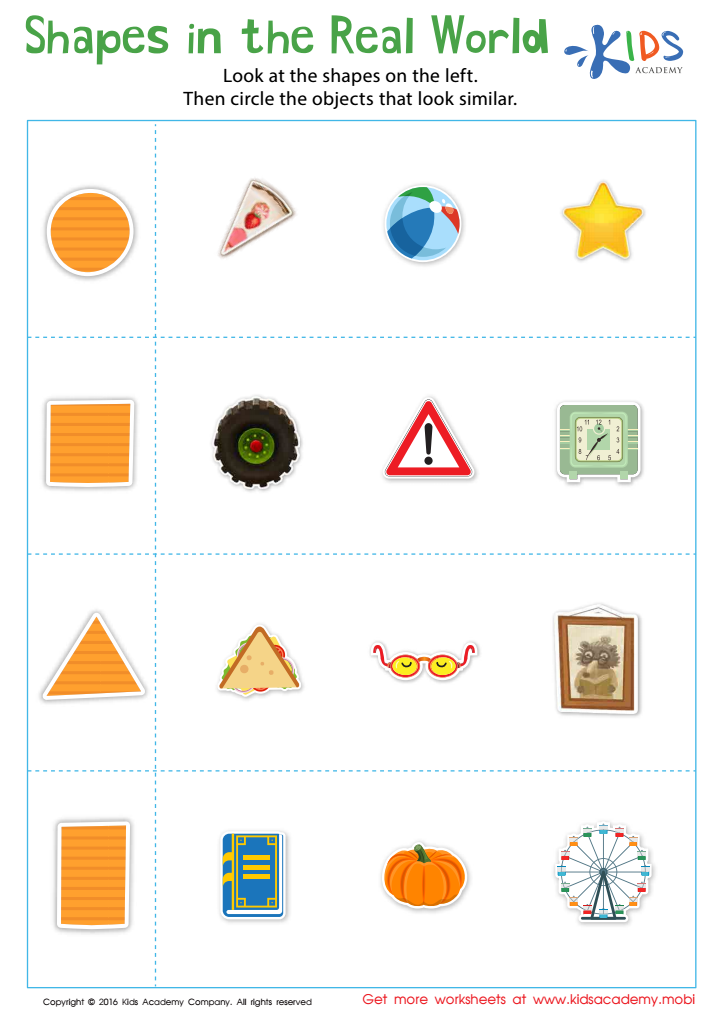
Shapes in the Real World Worksheet
Teach kids math in real-world context with this fun and inviting PDF. Let them explore geometric shapes and match them with everyday objects, giving them practice with fine motor skills and reinforcing basic shapes. Help them understand that math is everywhere in their lives!
Shapes in the Real World Worksheet
Worksheet
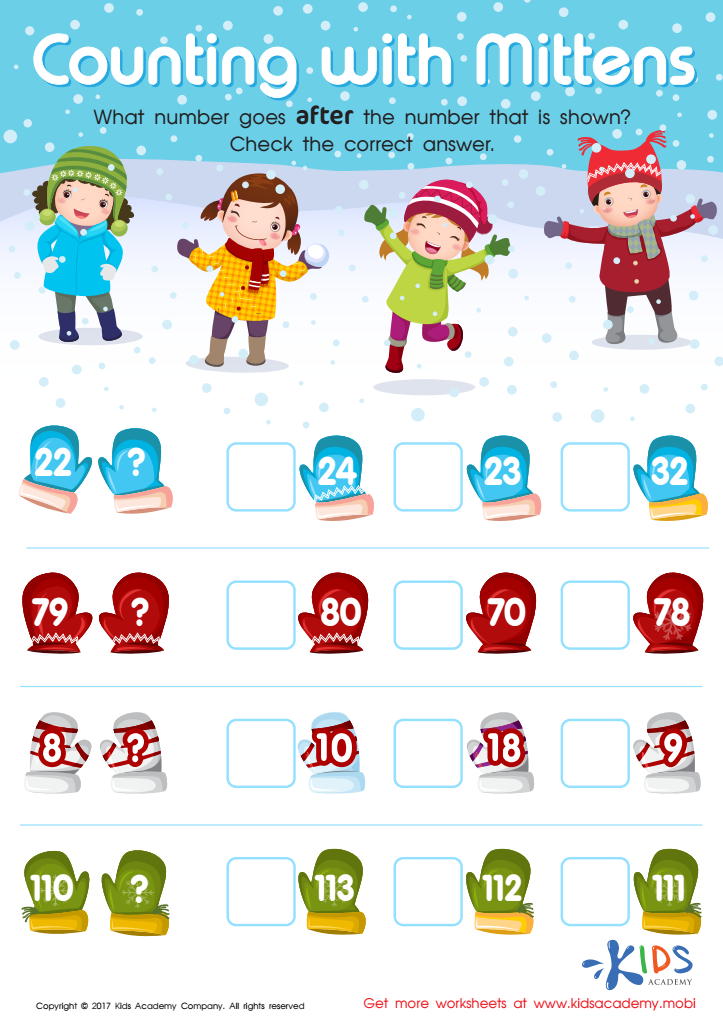
Counting with Mittens Worksheet
Let your kid have fun with this counting worksheet! It encourages them to count numbers and figure out which come next in the picture. Check the box with the correct answer - it's already provided. No more groaning and tears - this is a great way to learn!
Counting with Mittens Worksheet
Worksheet
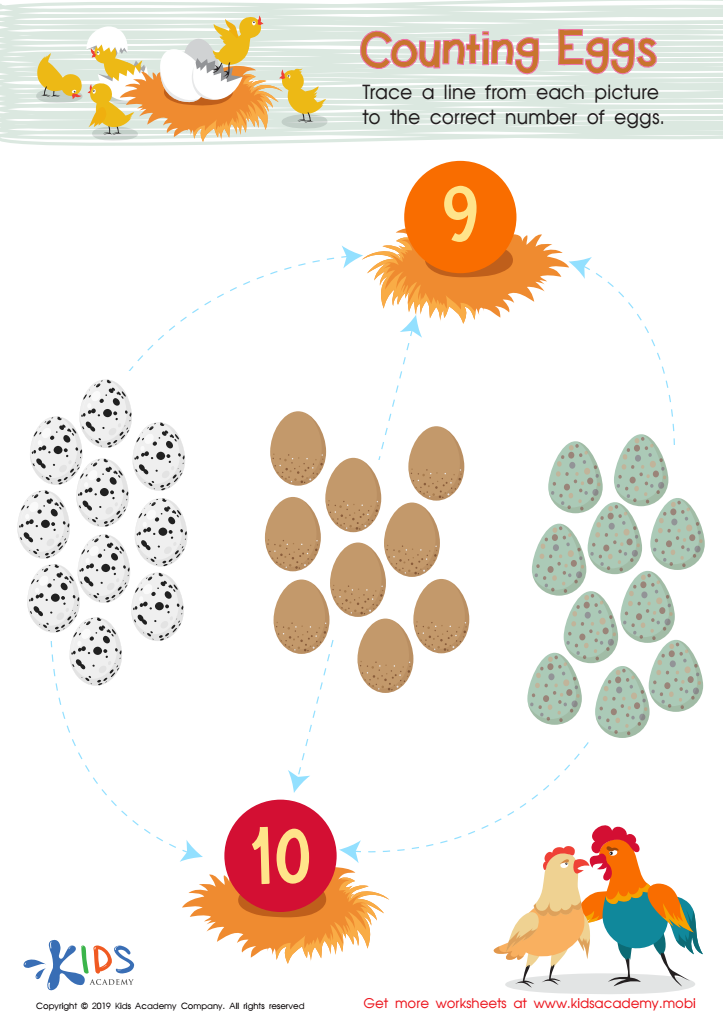
Counting Eggs Worksheet
This worksheet is great for teaching kindergarteners to count and add numbers. It includes colorful pictures of eggs with numbers to trace. Help students count the eggs and draw a line to the right number. This will make learning fun and easy!
Counting Eggs Worksheet
Worksheet
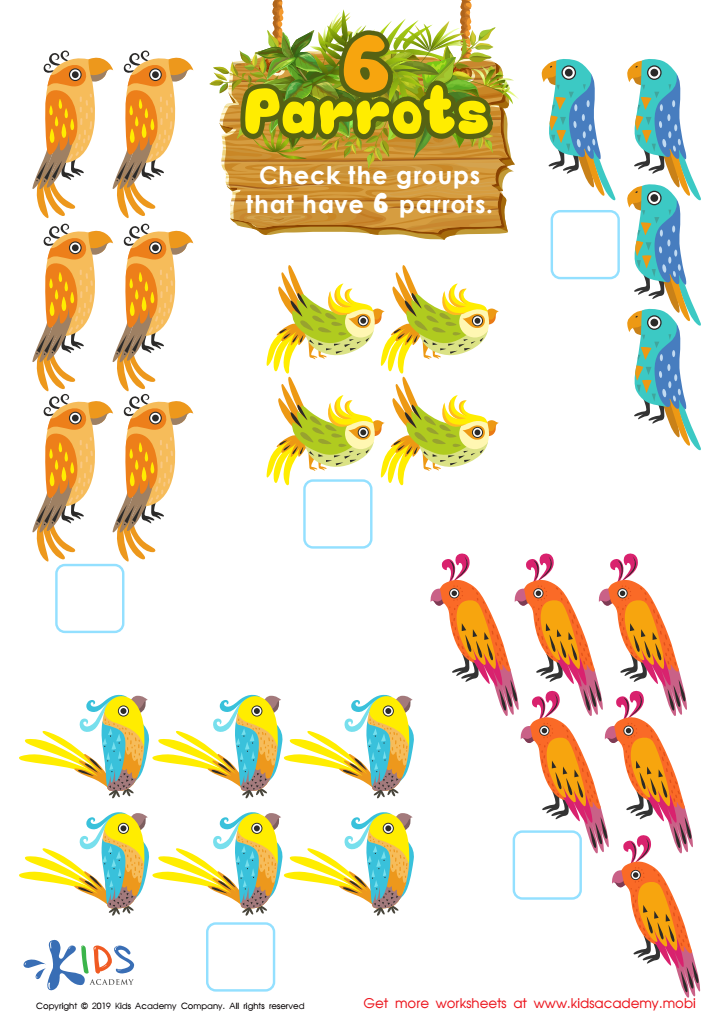
6 Parrots Worksheet
Love parrots? Here's a free worksheet to help your children practice counting to six with colorful parrot representations! Kids will adore counting the parrots and checking off groups of six - and it won't even feel like math! Just a fun way to make some new and exciting friends.
6 Parrots Worksheet
Worksheet
Join Kids Academy for Free
Who is primarily going to use this learning content?


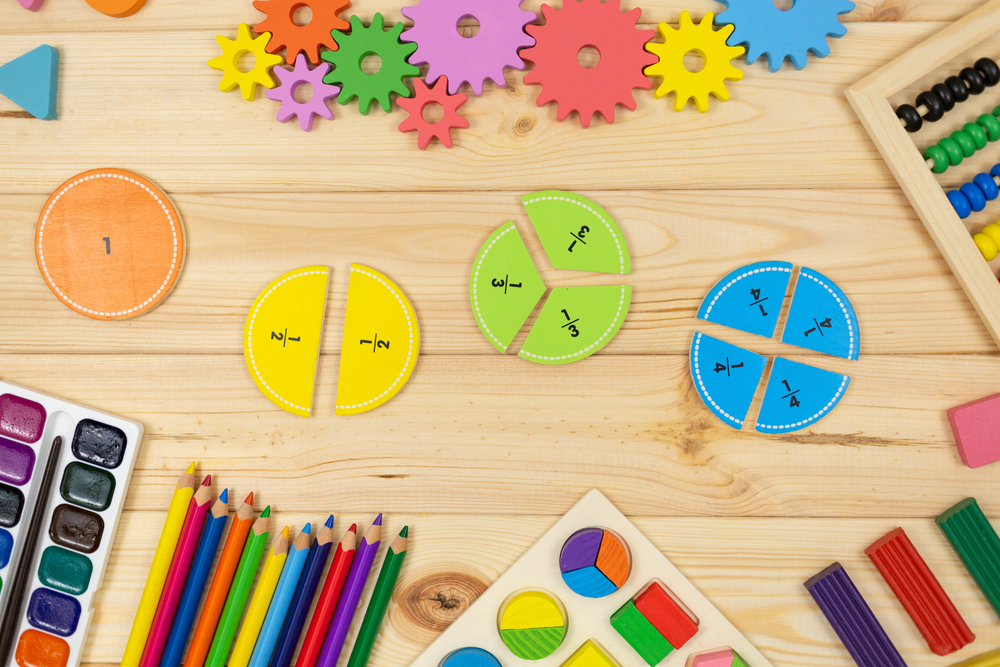



Color identification is an essential foundational skill for young children, as it directly supports their cognitive and social development in various ways. For parents and teachers, fostering color recognition in children aged 3-7 is crucial, as it enhances their learning experiences. Firstly, color identification helps children develop their language skills. As they learn to name and describe different colors, they expand their vocabulary and improve their communication abilities.
Moreover, engaging in color-related activities promotes critical thinking and problem-solving. For instance, sorting objects by color or engaging in simple color-based math activities can enhance their analytical skills. This also sets the stage for understanding categories, patterns, and even basic mathematical concepts like addition and subtraction, where colors can be used to visualize and represent numbers.
Socially, recognizing and discussing colors allows children to connect with peers during play, fostering collaboration and teamwork. Activities like coloring, art projects, and games incorporating colors can stimulate creativity while making learning enjoyable.
Lastly, color identification serves as a stepping stone to other school-readiness skills. Overall, investing time in teaching colors not only supports children’s academic growth but also enriches their interactions and experiences in early childhood development.








