Handwriting practice Math Worksheets for Ages 3-7
17 filtered results
-
From - To
Welcome to our Handwriting Practice Math Worksheets for Ages 3-7! Designed to enhance young learners' writing skills alongside their math abilities, these worksheets combine fun with education. Children can practice forming numbers while engaging in simple math problems, making learning enjoyable and interactive. Our versatile worksheets cater to various skill levels, ensuring that every child can grow at their own pace. With colorful designs and age-appropriate exercises, these materials empower kids to develop confidence in both their handwriting and math understanding. Perfect for home or classroom use, our worksheets lay the foundation for future academic success!
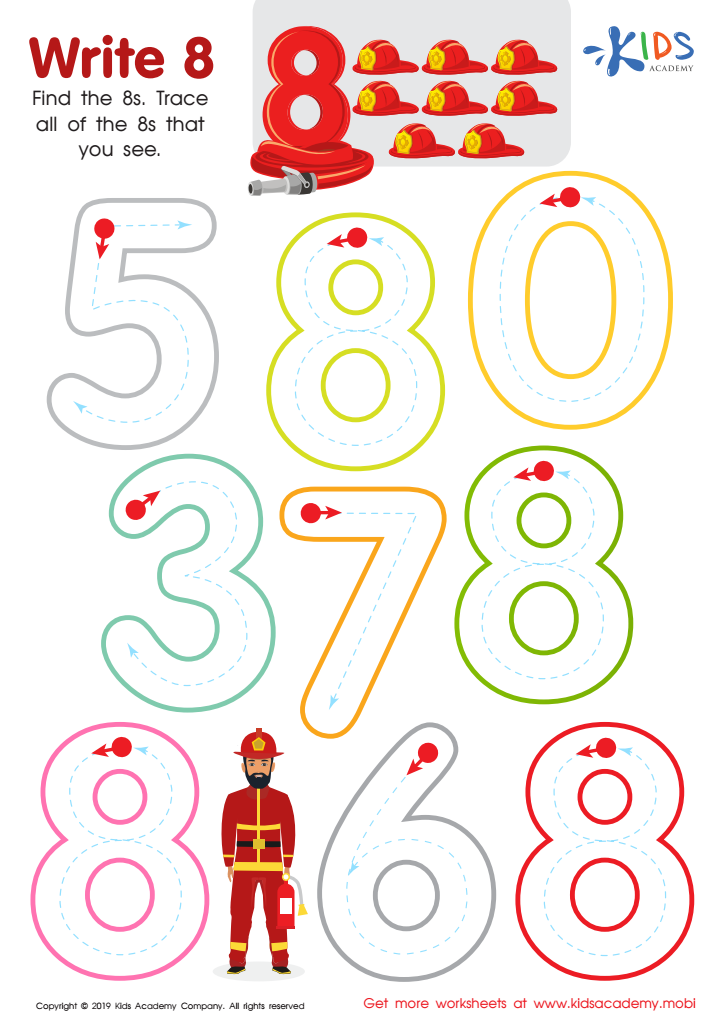
Write 8 Worksheet
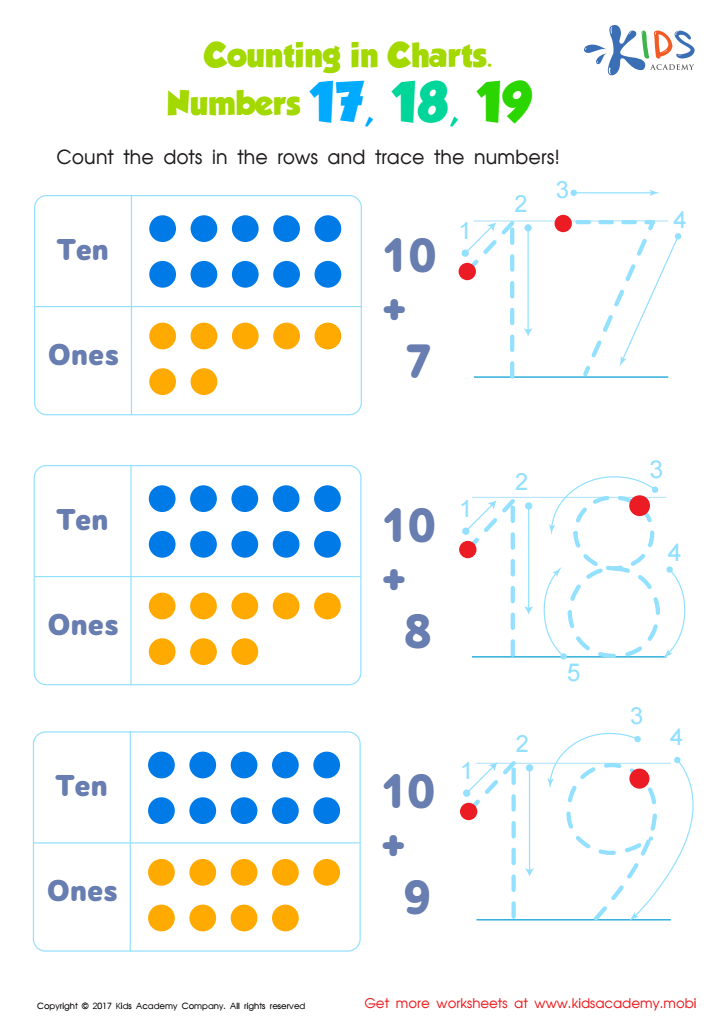
Kindergarten Number Tracing: Counting in Charts Worksheet
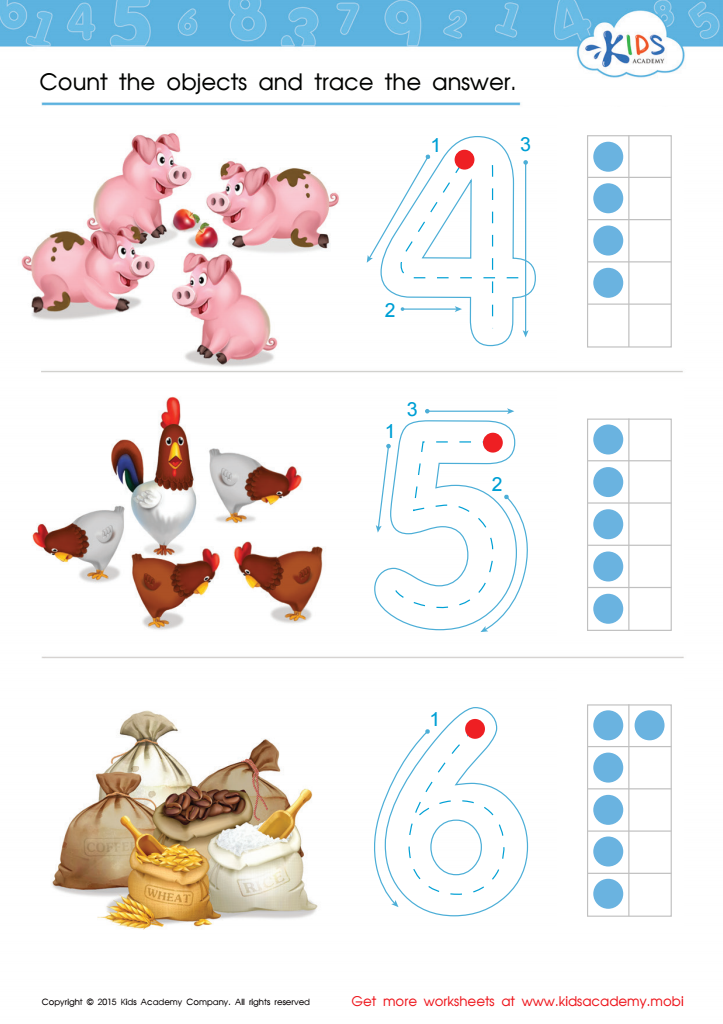
Count and Trace 4 – 6 Worksheet
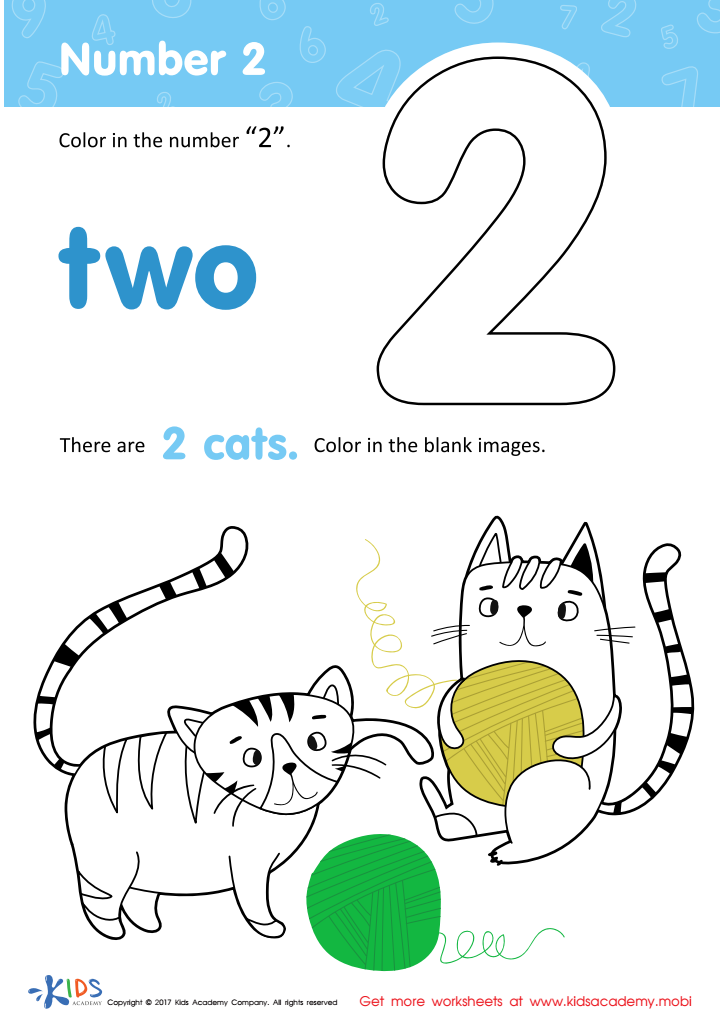
Number 2 Printable
 Assign to My Students
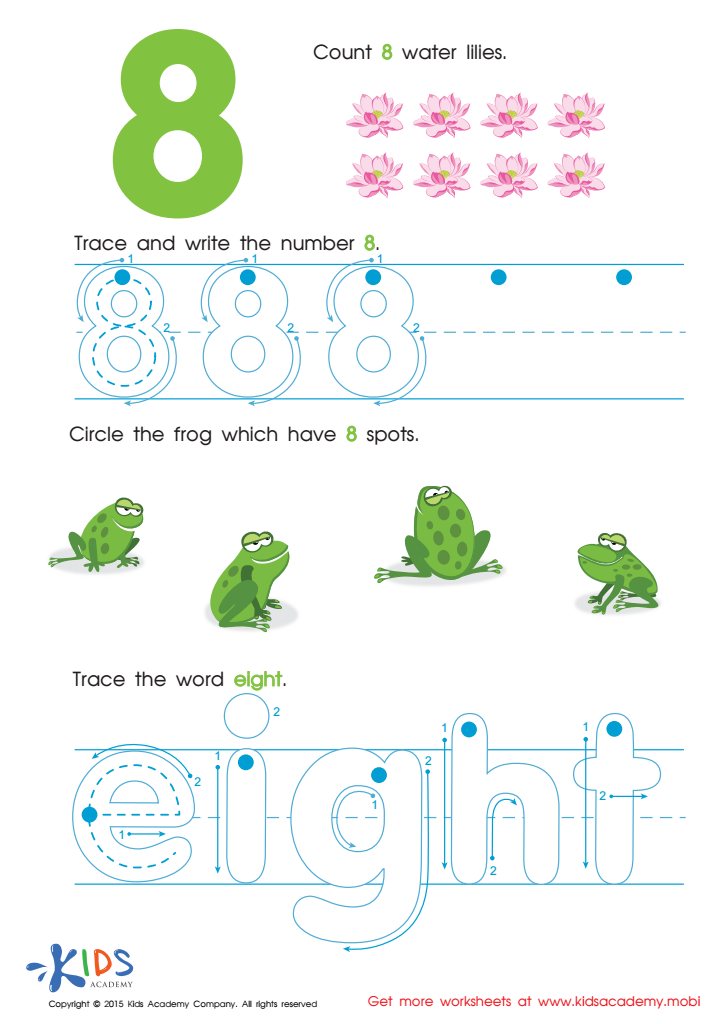
Learn Number 8 Easily Worksheet
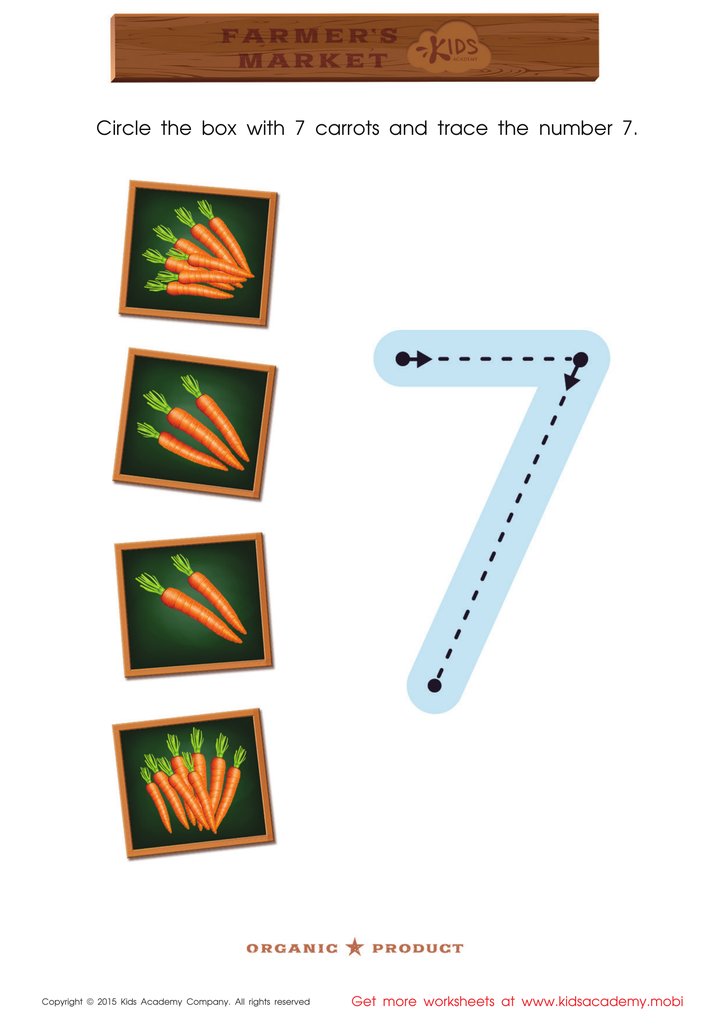
Count the Carrots and Trace the Number 7 Printable
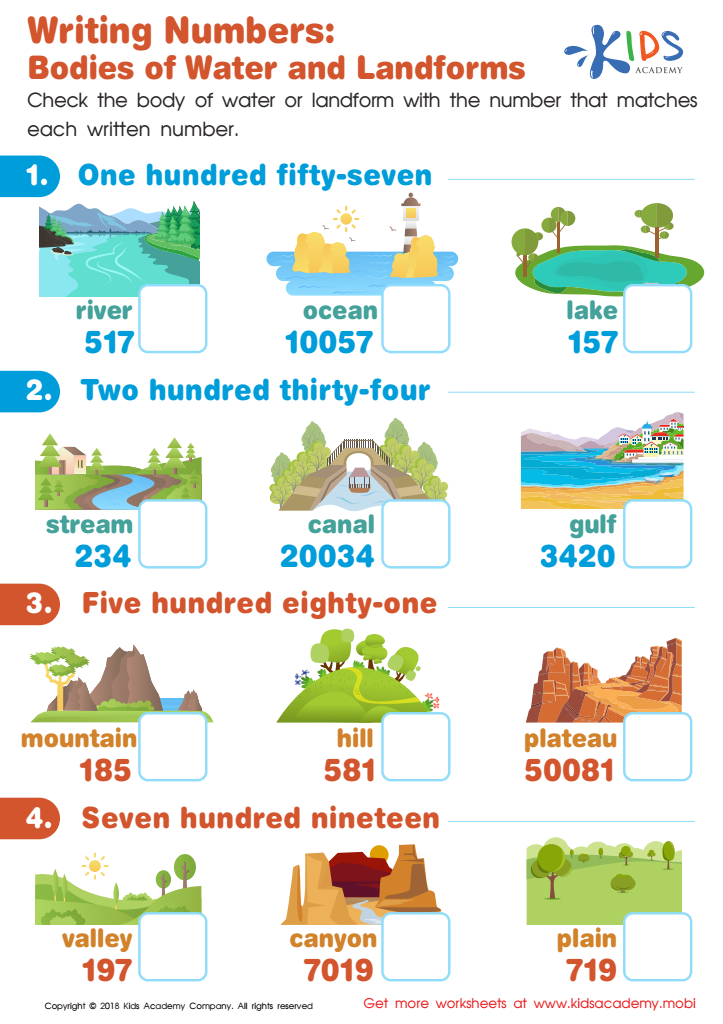
Bodies of Water and Landforms Writing Numbers Worksheet
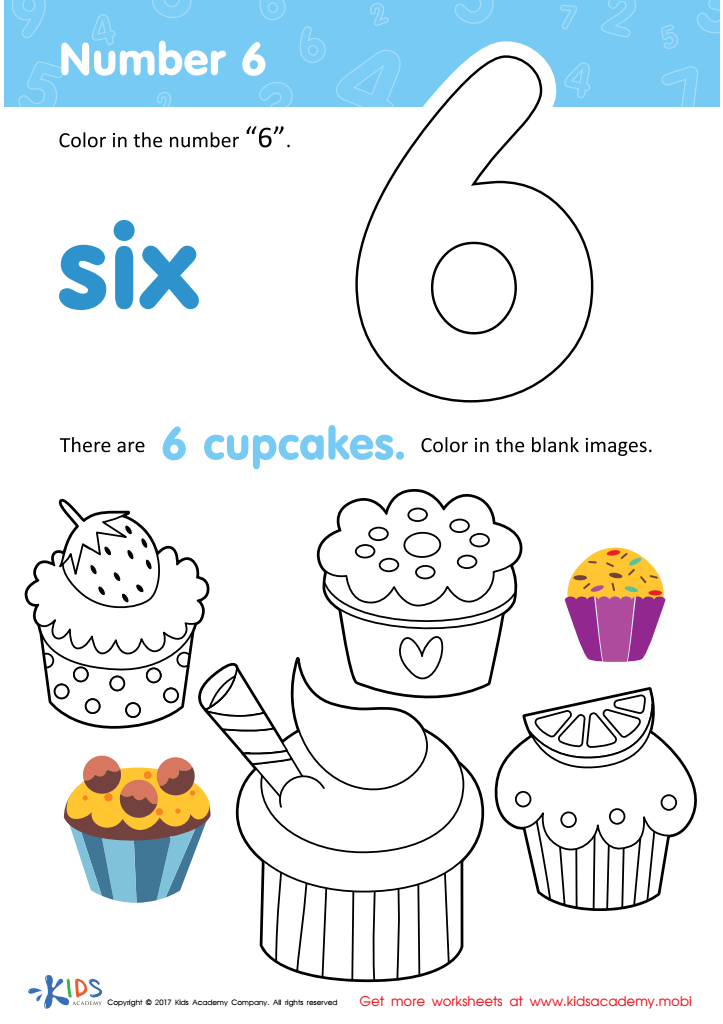
Number 6 Worksheet
Assign to My Students
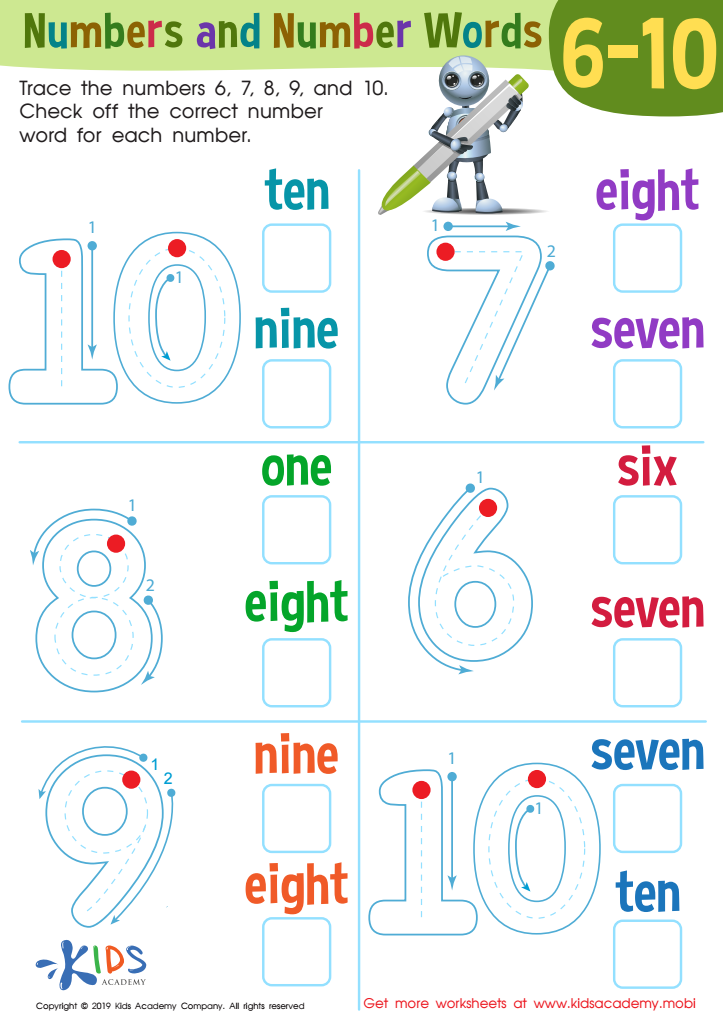
Numbers and Number Words 6–1 Worksheet
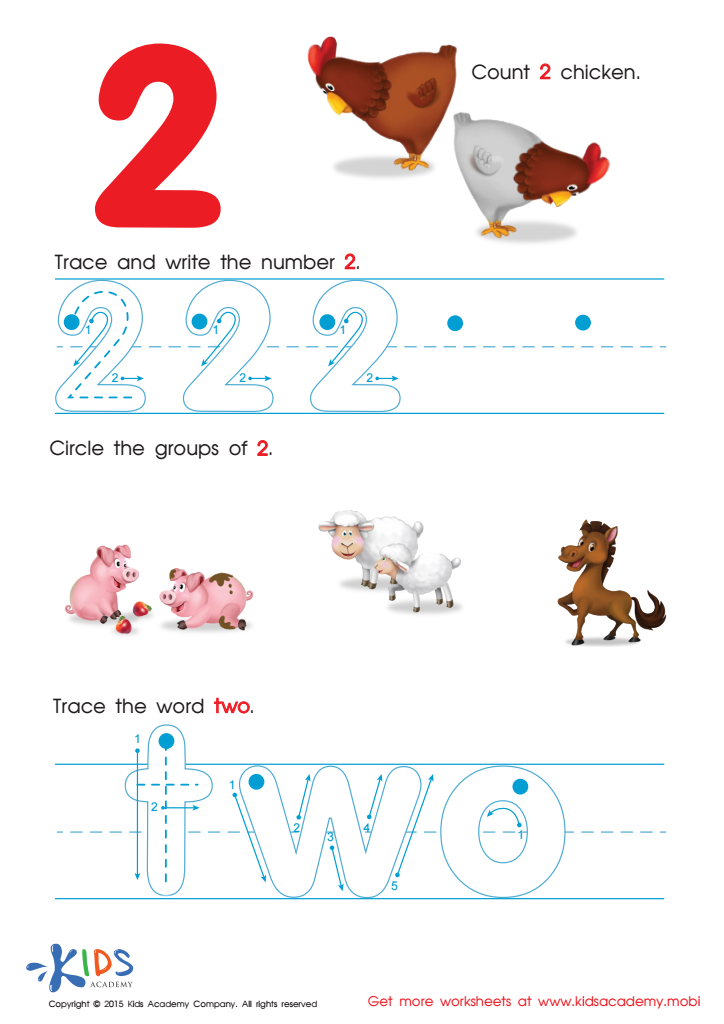
Learn to Write the Number 2 Worksheet
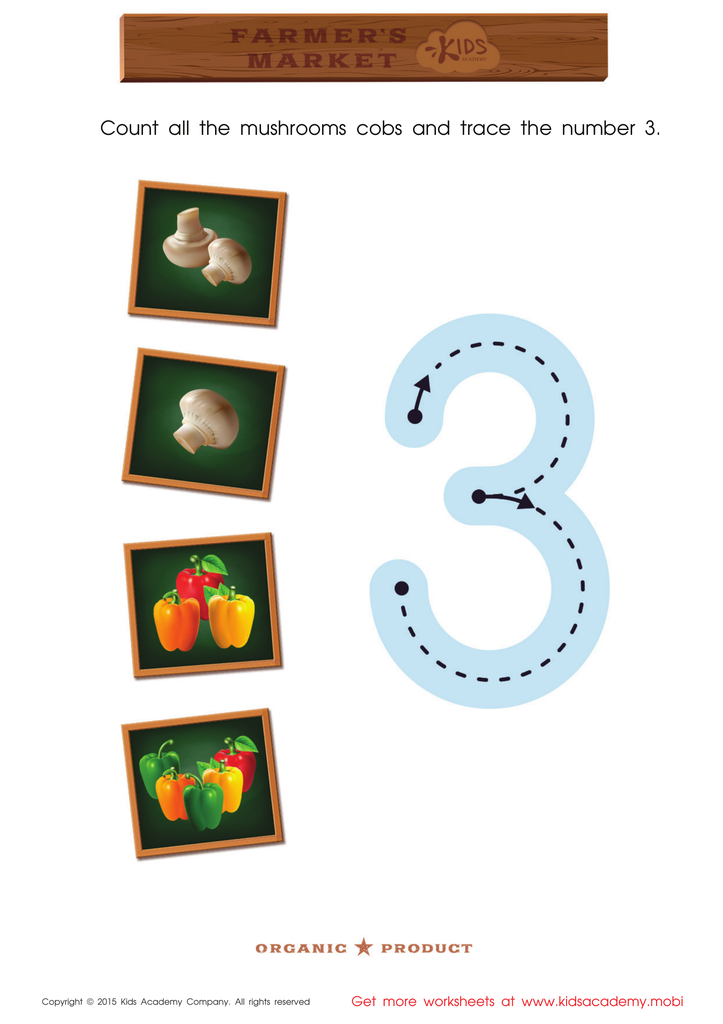
Count the Mushrooms and Trace the Number 3 Printable
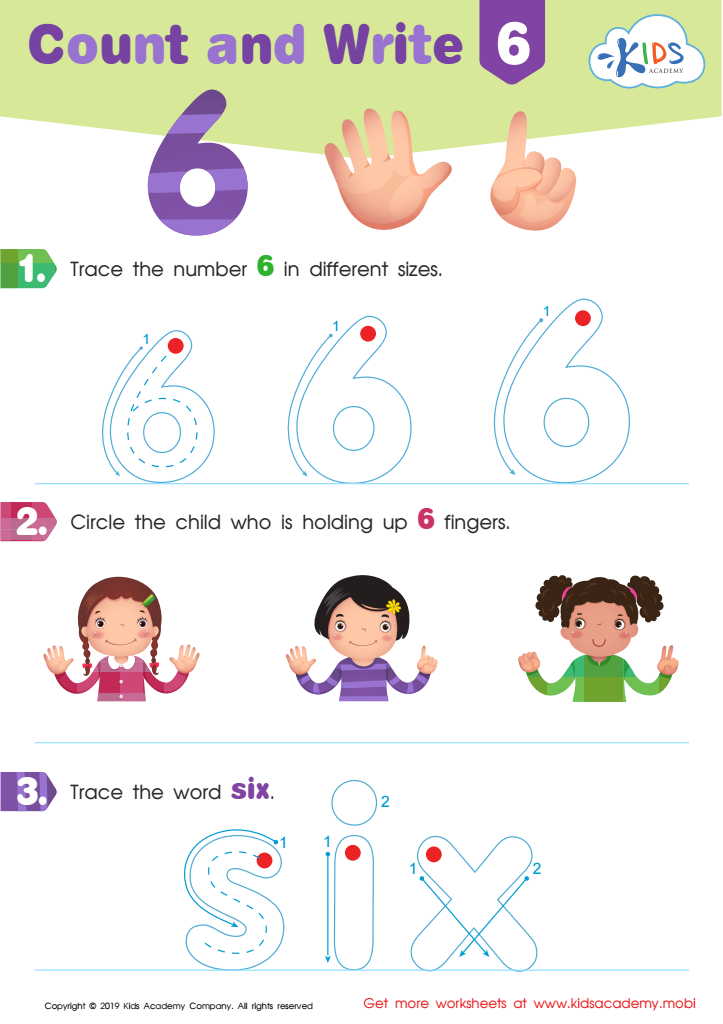
Count and Write 6 Worksheet




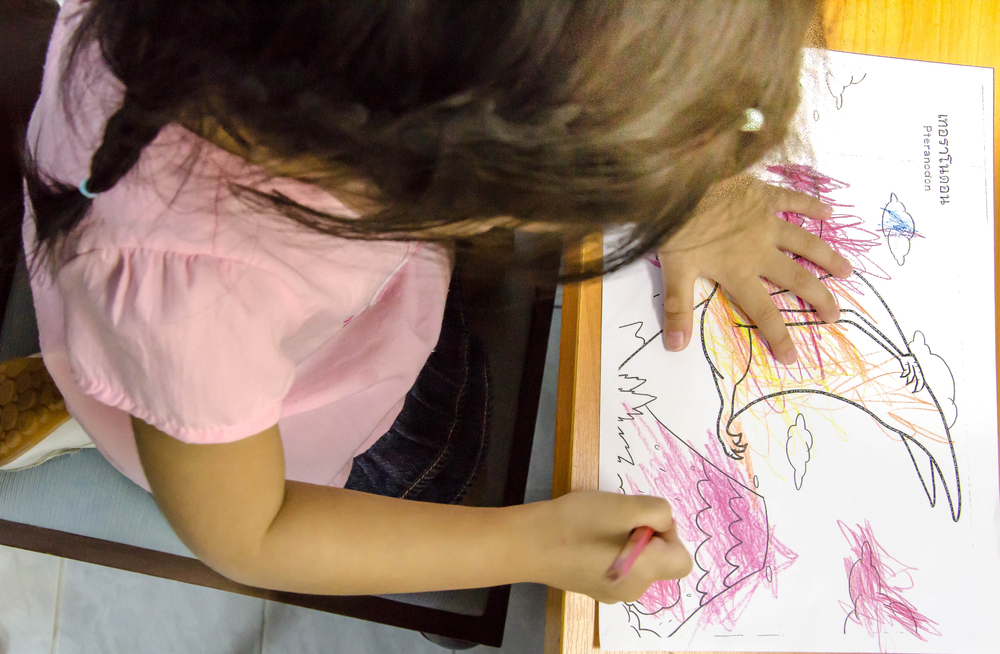



Handwriting practice in math for young learners, ages 3-7, is crucial for several reasons. First, developing fine motor skills through handwriting enhances children’s overall dexterity, which is foundational for various academic and everyday tasks. When students practice writing numbers and equations, they not only build motor skills but also reinforce their understanding of numerical concepts and spatial awareness.
Moreover, handwriting allows for a more engaging learning experience. As children express mathematical ideas on paper, they can visualize problems and solutions, making abstract concepts more concrete. This tangibility strengthens comprehension and retention of math skills.
Additionally, handwriting practice can help foster a sense of pride and accomplishment. When younger children see their neatly written numbers or equations, it boosts their confidence and encourages a positive attitude towards math.
Finally, instilling good handwriting habits early on can prevent difficulties later in academic life. As students progress to more complex mathematical concepts, clear and organized handwriting can lead to improved performance in assessments and daily assignments, reinforcing a lifelong appreciation for learning. For these reasons, parents and teachers should prioritize handwriting practice within math education for ages 3-7.








