Logic development Math Worksheets for Ages 3-7
4 filtered results
-
From - To
Unlock your child's potential with our engaging Logic Development Math Worksheets designed for ages 3-7! These carefully crafted, age-appropriate activities promote critical thinking and problem-solving skills. Young learners will love exploring patterns, shapes, and sequences through fun exercises that stimulate their minds while reinforcing essential math concepts. Our worksheets are perfect for parents and educators looking to foster a strong foundation in logical reasoning. With colorful illustrations and interactive tasks, children will stay motivated and excited to learn. Download these printable worksheets today and watch your little ones thrive in their mathematical journey while building confidence and creativity!
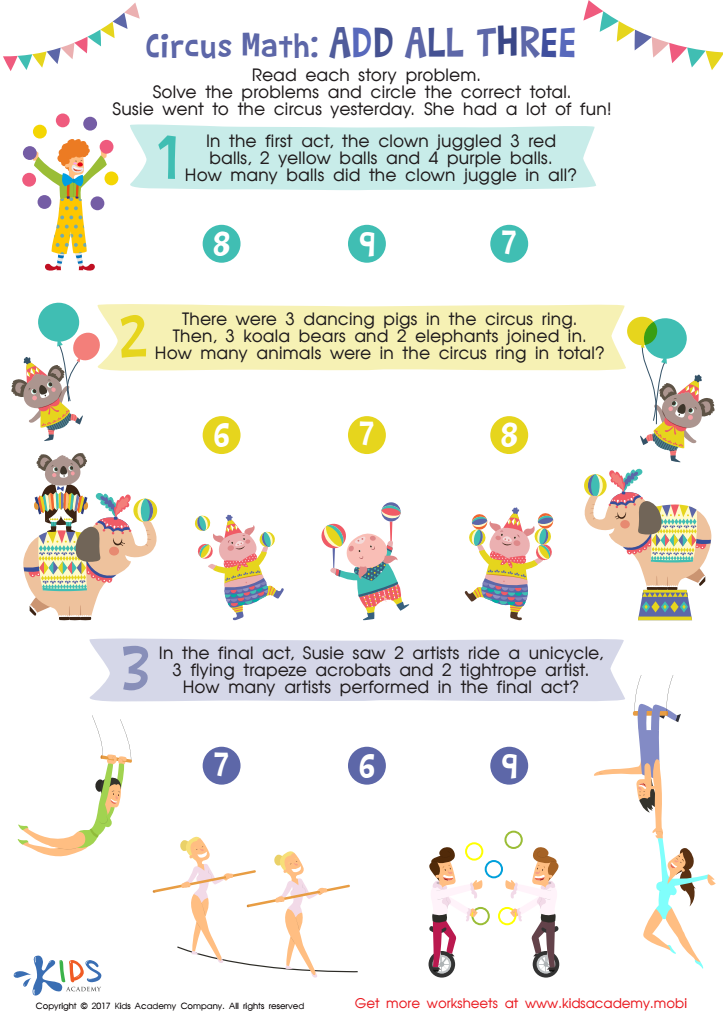
Circus Math Printable
 Assign to My Students
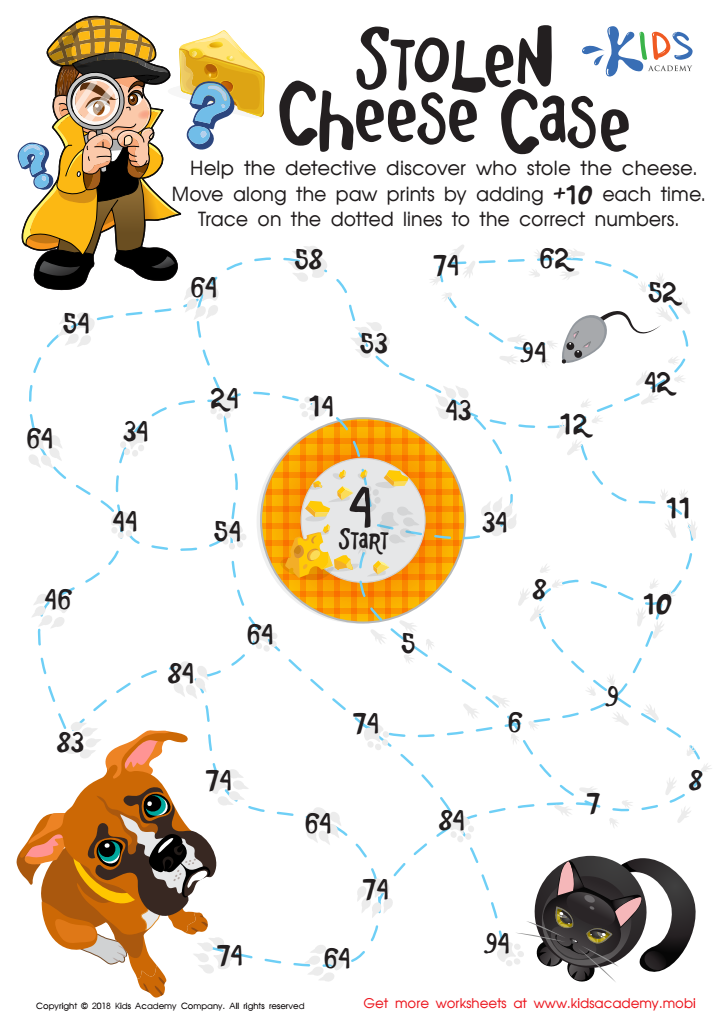
Stolen Cheese Case Maze Worksheet
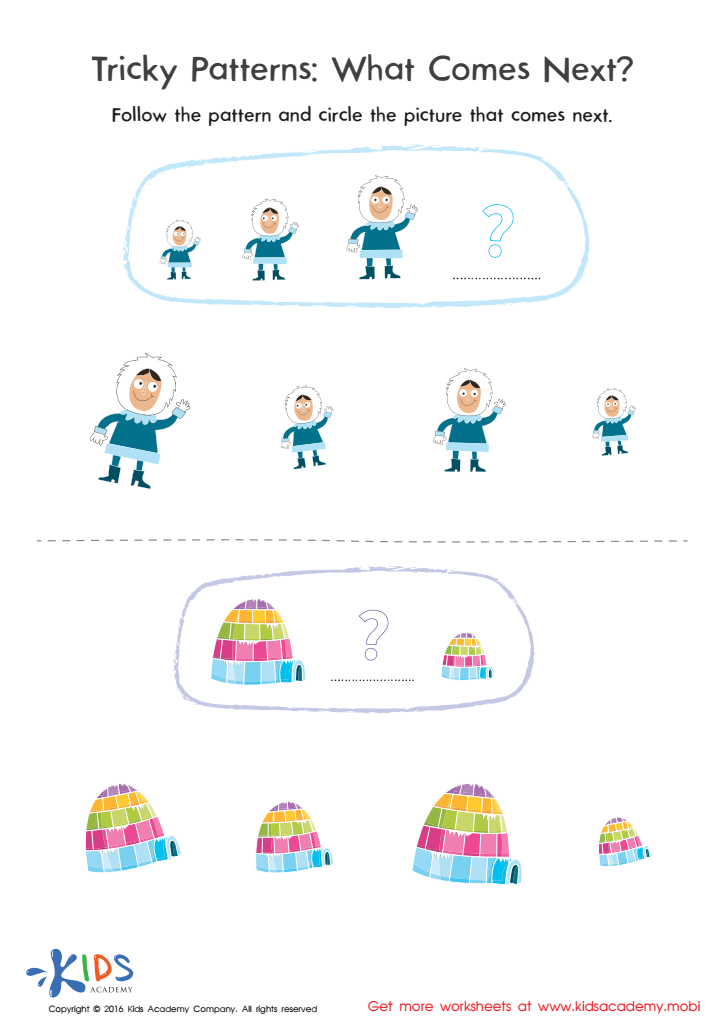
Tricky Patterns Size Worksheet
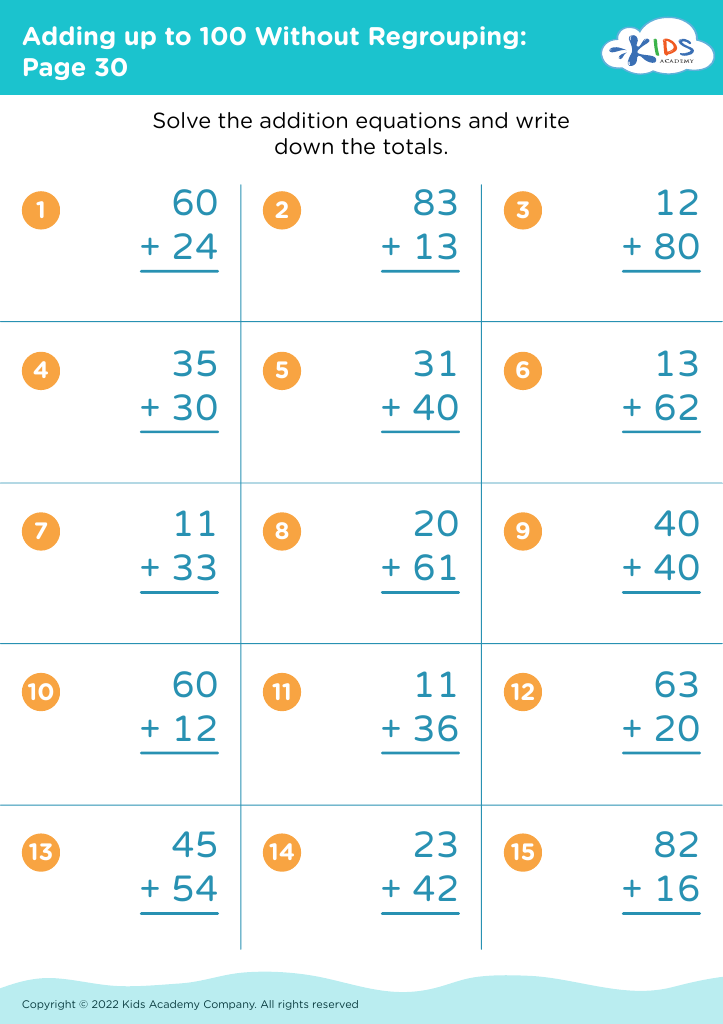








Logic development in math for children aged 3-7 is crucial for several reasons. Firstly, it lays the foundation for critical thinking and problem-solving skills, essential for future academic success. During these formative years, children learn to recognize patterns, understand relationships, and think abstractly, which are core components of mathematical reasoning. Engaging in logic-based activities fosters cognitive skills that extend beyond math, enhancing overall intellectual development.
Moreover, early exposure to logical reasoning helps children make sense of the world around them. It supports their ability to analyze situations, leading to better decision-making skills as they grow. Parents and teachers play a vital role in creating an environment that encourages exploration and curiosity, key drivers of effective learning.
Social skills are also developed through collaborative games and puzzles, which enhance communication and teamwork. When children work together to solve logical problems, they learn to articulate their thoughts and respect diverse viewpoints.
Lastly, nurturing a positive relationship with math during these early years reduces math anxiety later in life, instilling confidence that supports lifelong learning. By prioritizing logic development in math, parents and teachers empower children to become independent thinkers and proficient problem solvers.








