Matching skills Math Worksheets for Ages 3-7
23 filtered results
-
From - To
Introduce your child to the engaging world of numbers with our Matching Skills Math Worksheets for Ages 3-7! These carefully designed worksheets are perfect for preschool and early elementary children, focusing on essential matching and early math skills. Your little one will delight in connecting numbers, counting objects, and recognizing patterns, all while building a strong foundational understanding of math. Interactive and fun, our worksheets make learning numbers an exciting adventure, fostering cognitive development and problem-solving abilities. Set your child on the path to math success with our expertly crafted educational resources!
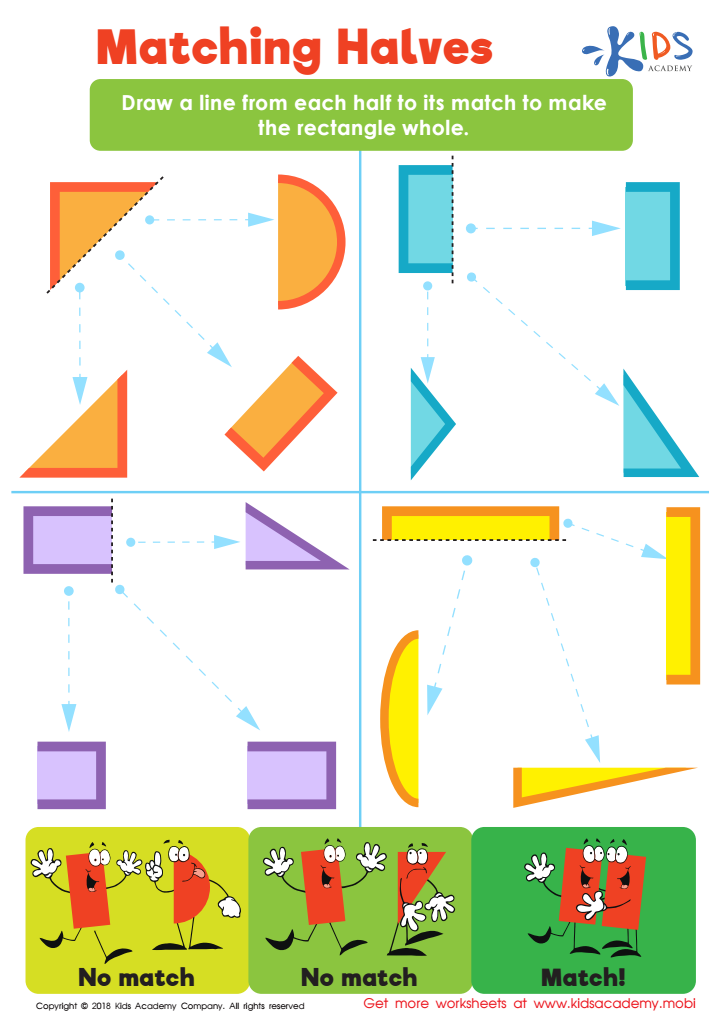
Matching Halves Worksheet
 Assign to My Students
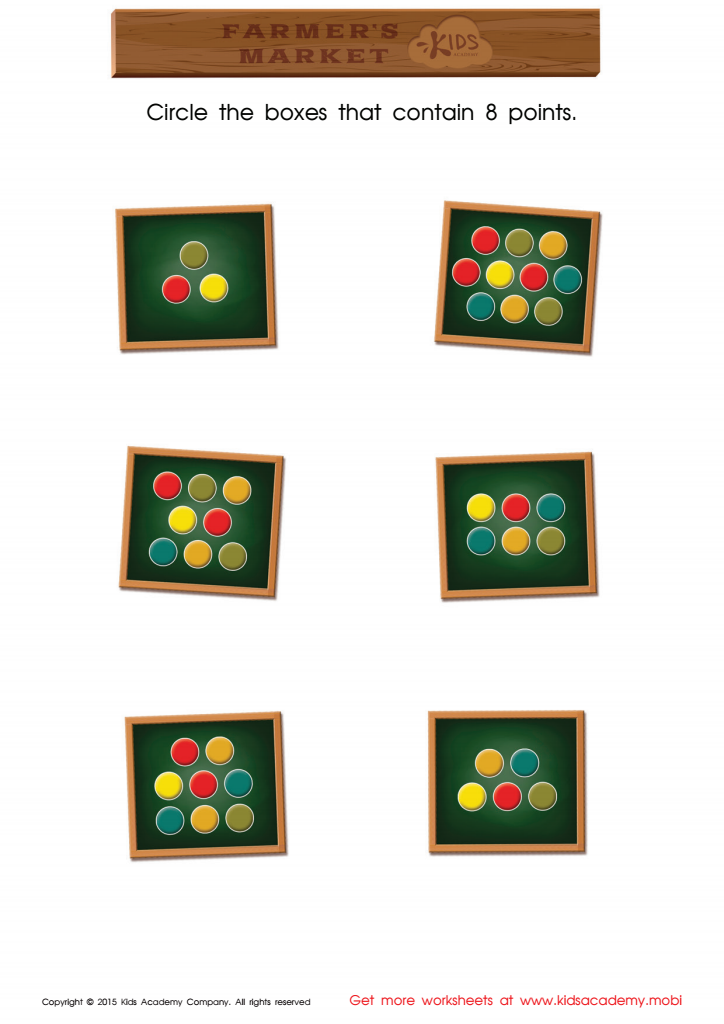
Count and Match Points 8 Math Worksheet
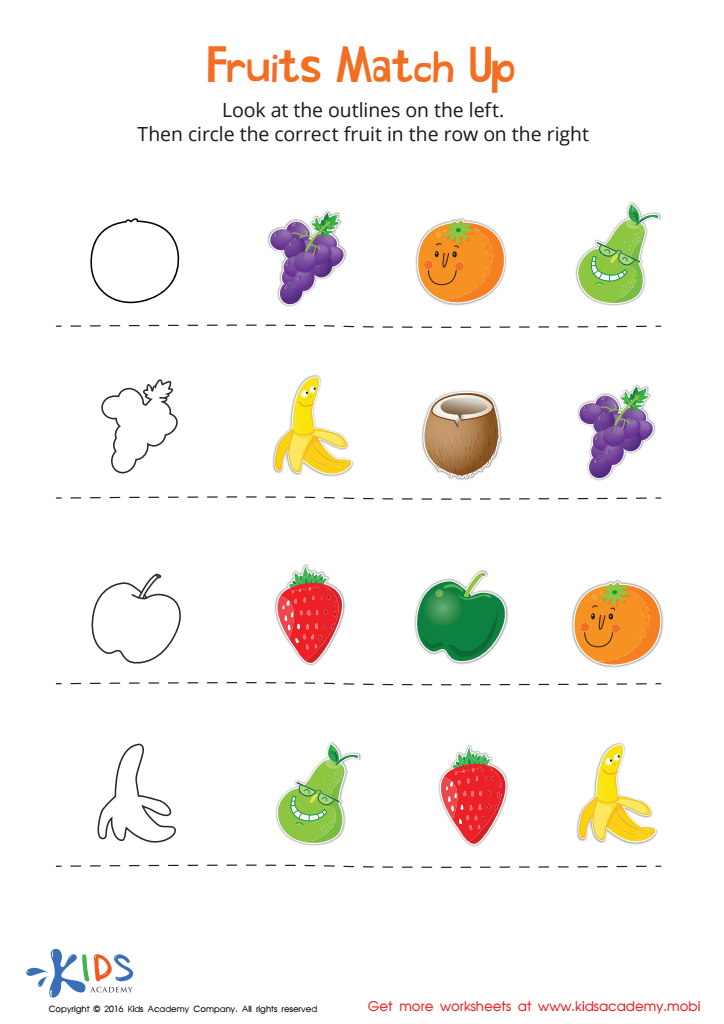
Fruits Match Up Worksheet
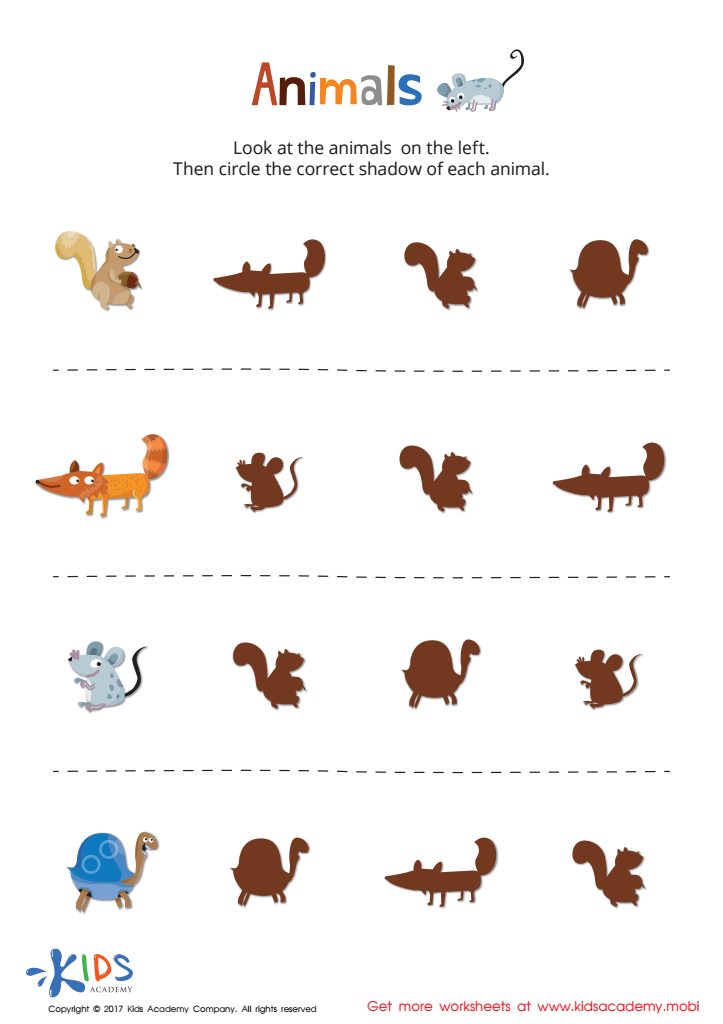
Animal Shadows Sorting Worksheet
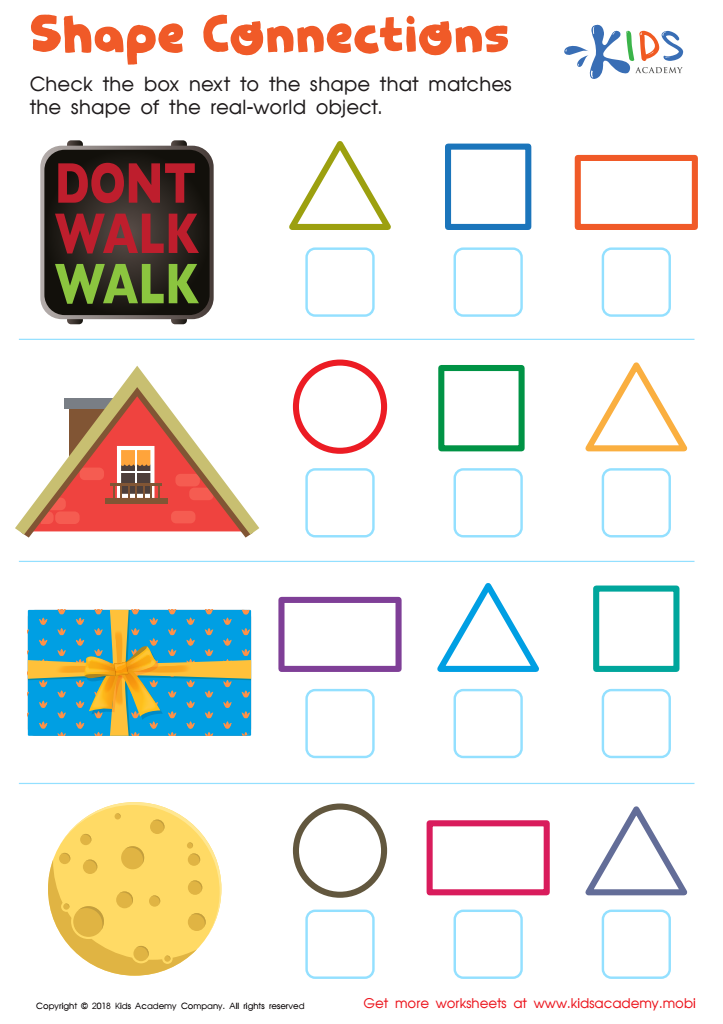
Shape Connections Worksheet
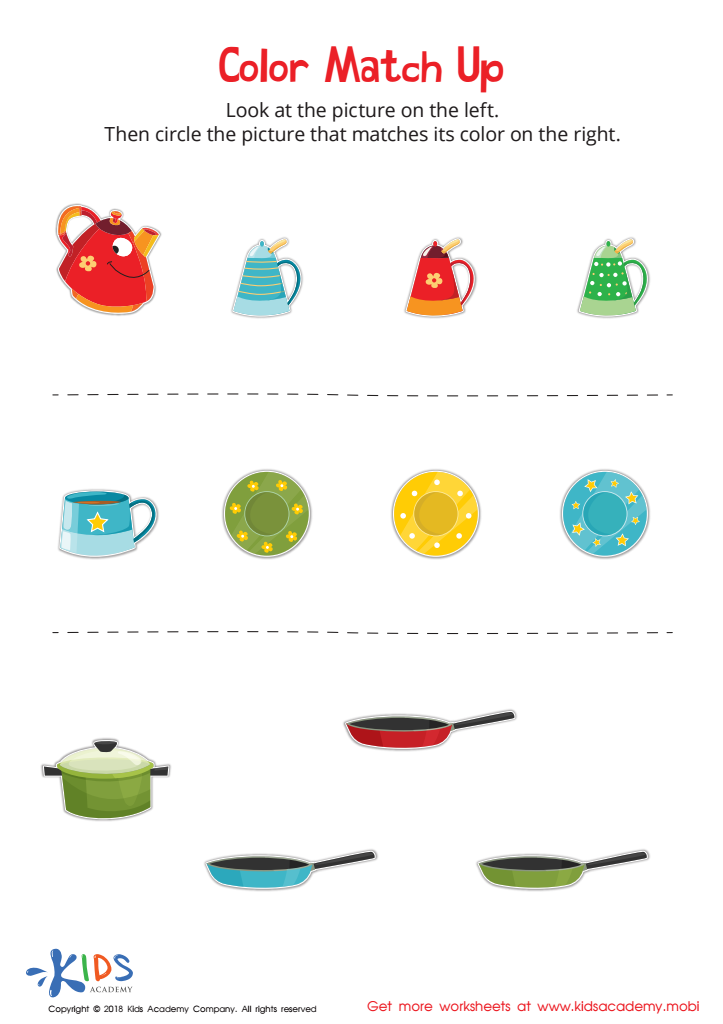
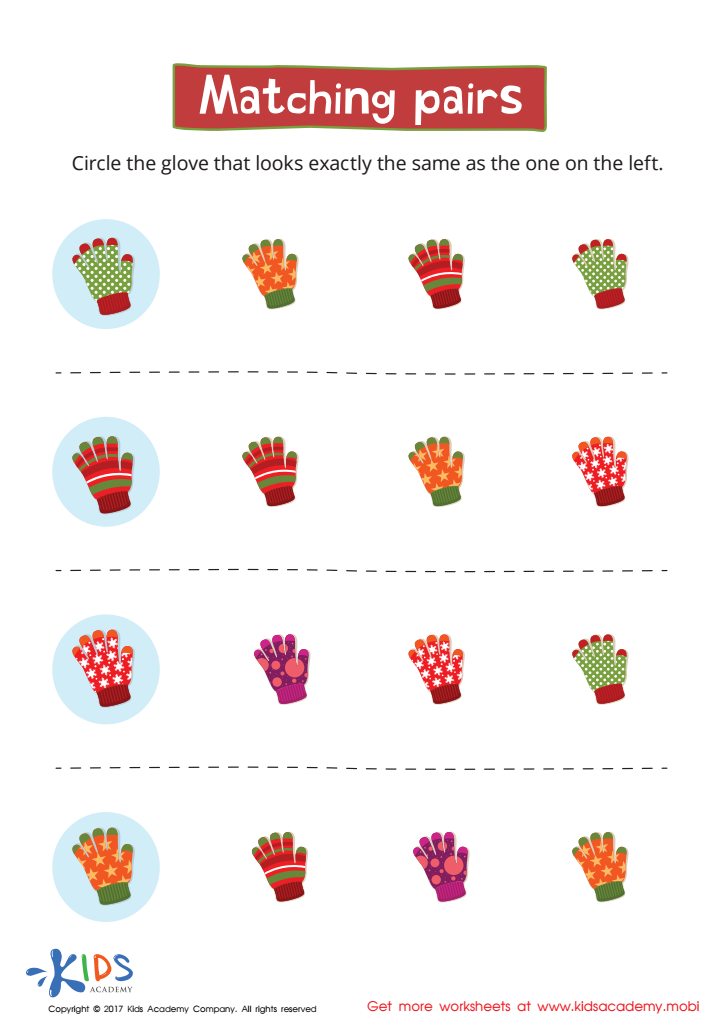
Matching: Matching Pairs Worksheet
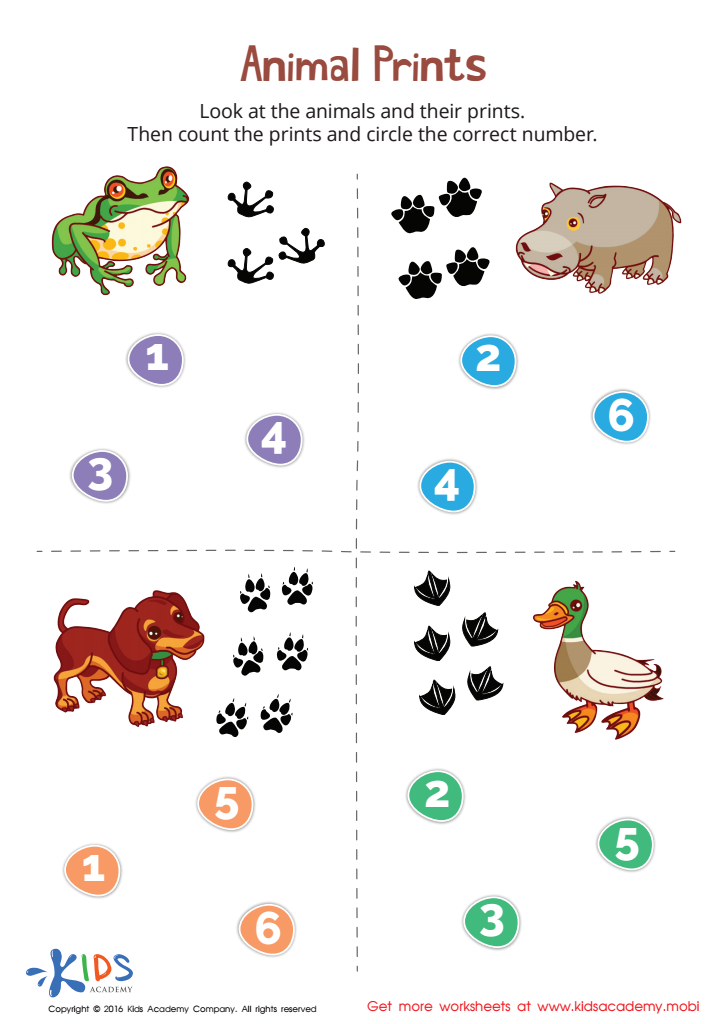
Animal Prints Match-Up Worksheet
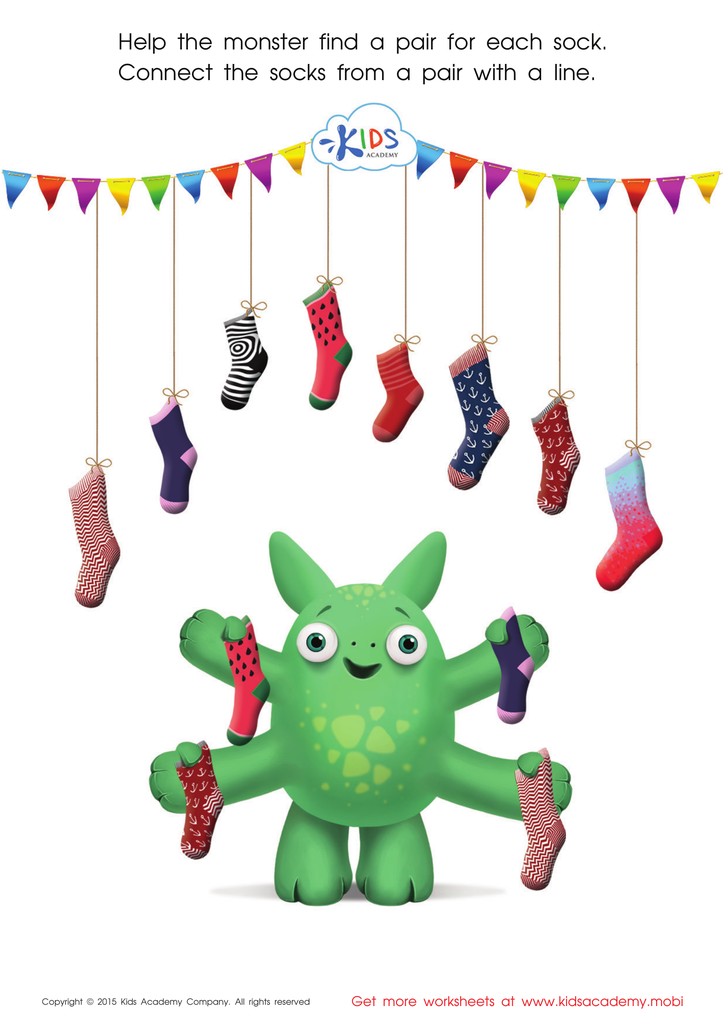
Math Matching Game: Monsterв's Socks Worksheet
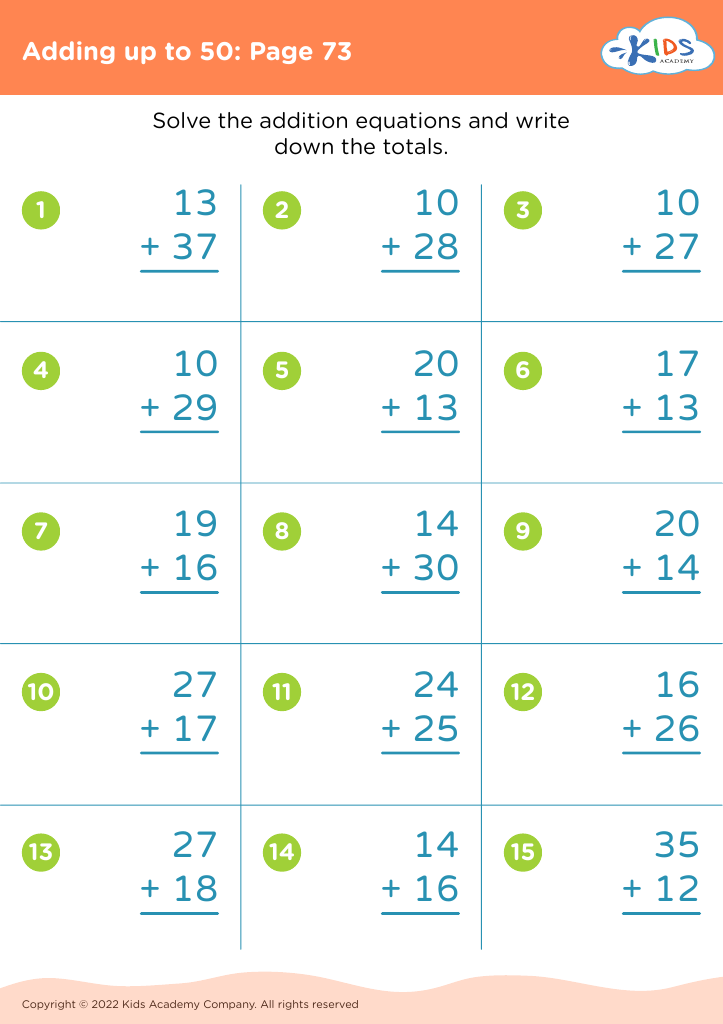
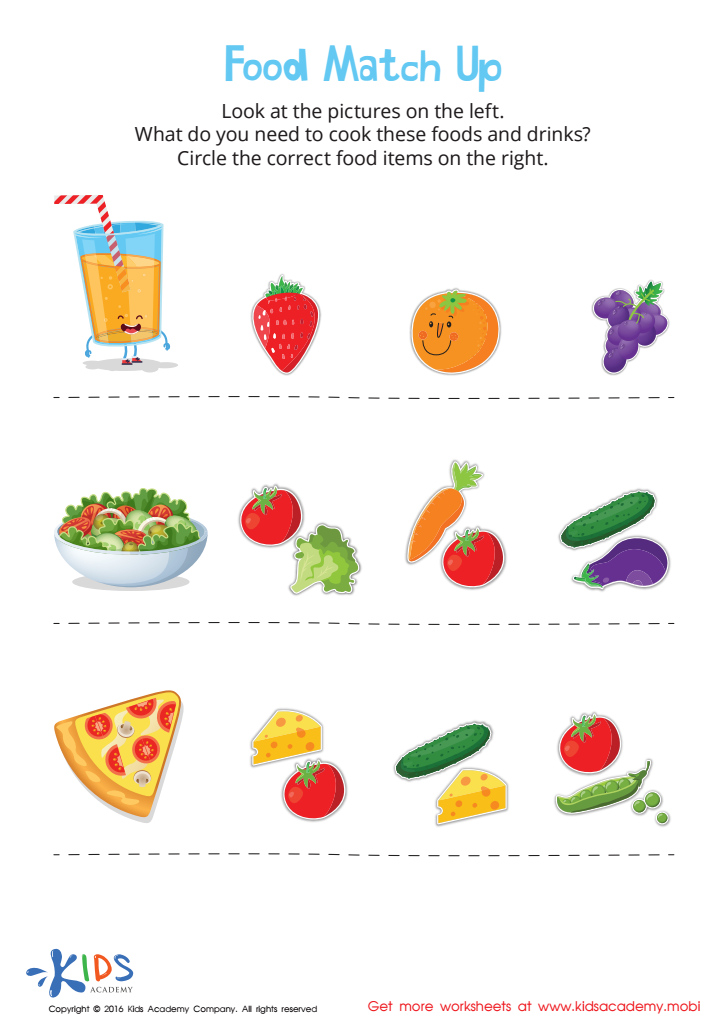
Food Match Up Worksheet
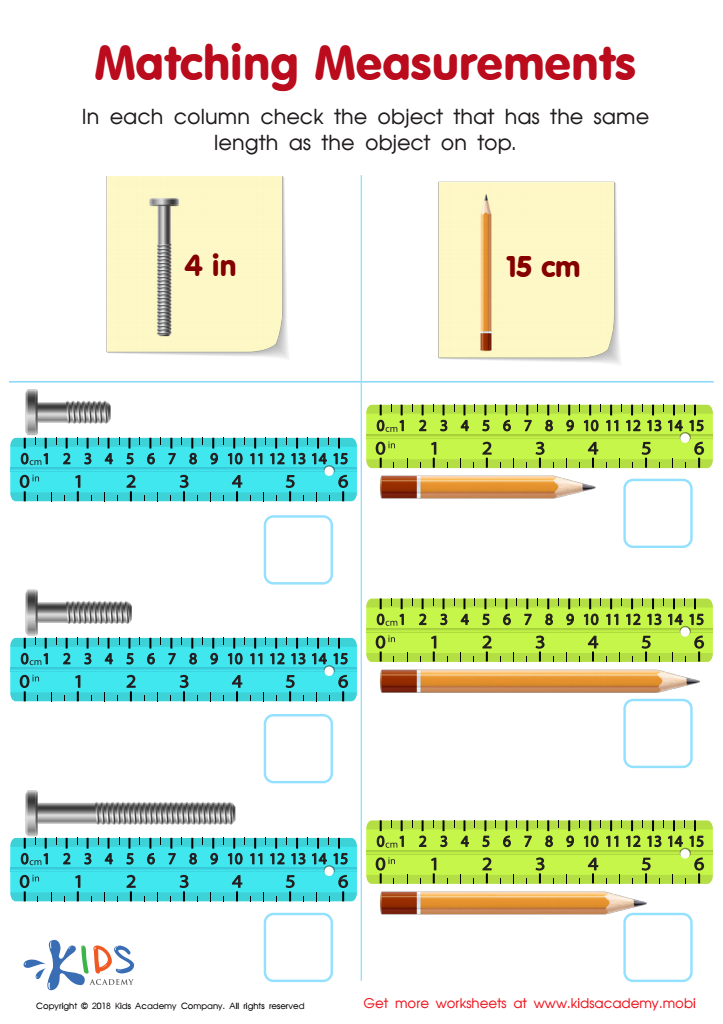
Matching Measurements Worksheet
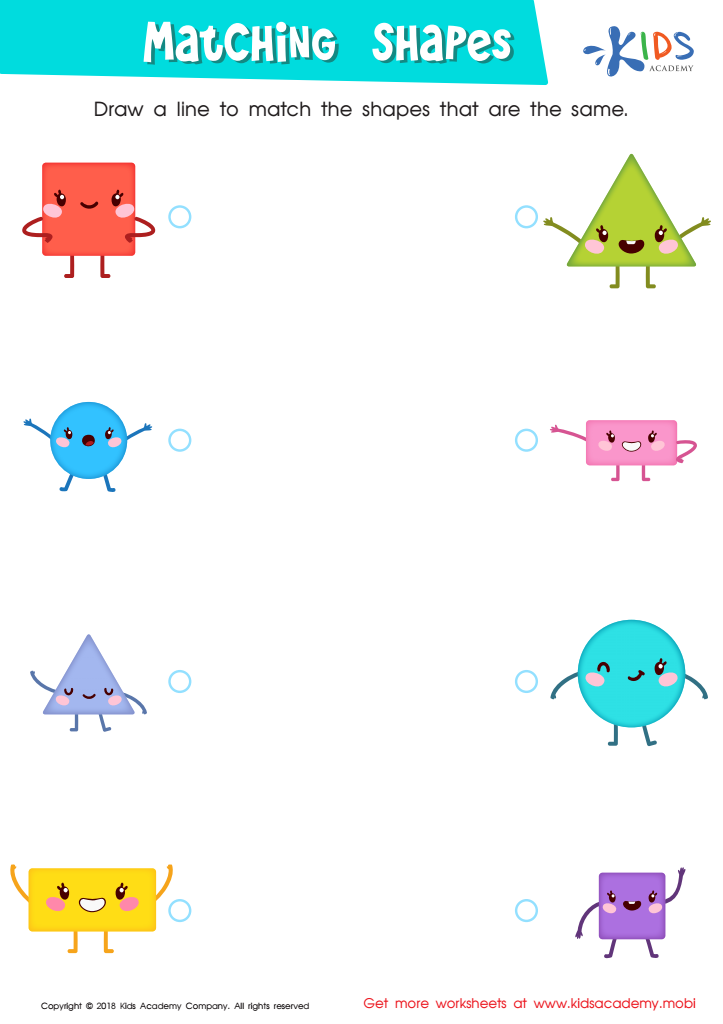
Matching Shapes Worksheet
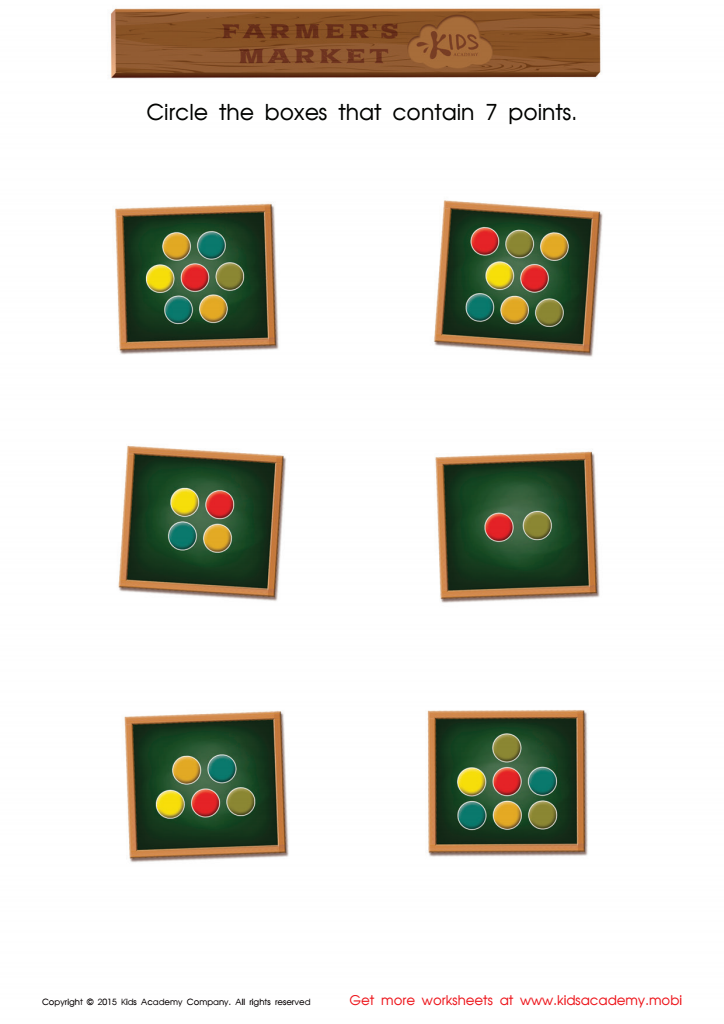
Count and Match Points 7 Math Worksheet
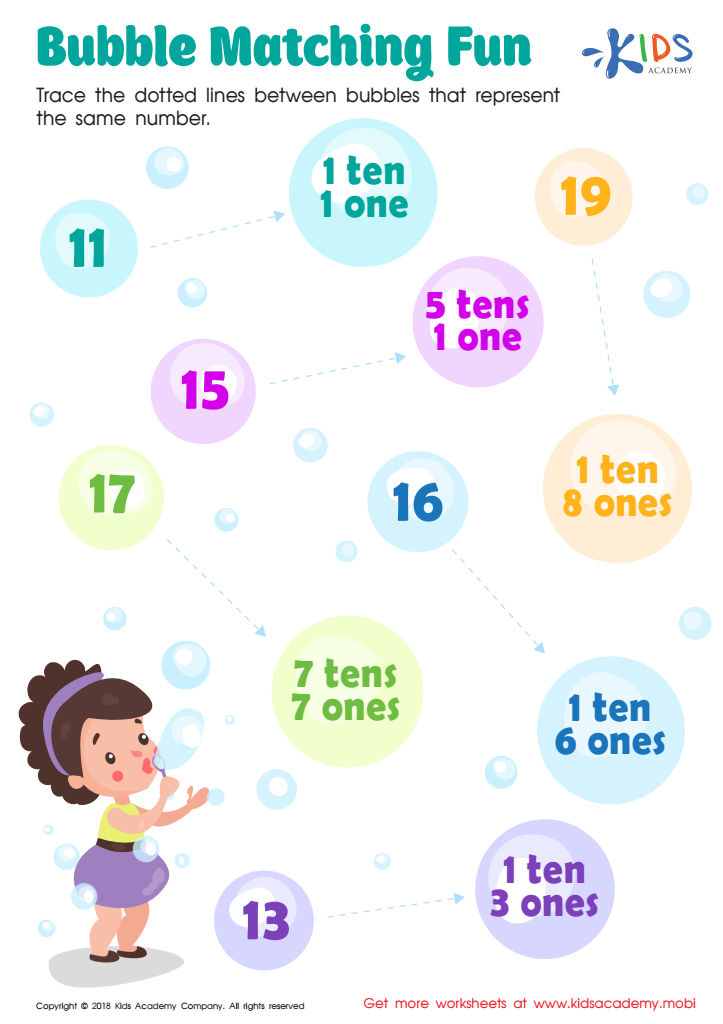
Bubble Matching Fun Worksheet
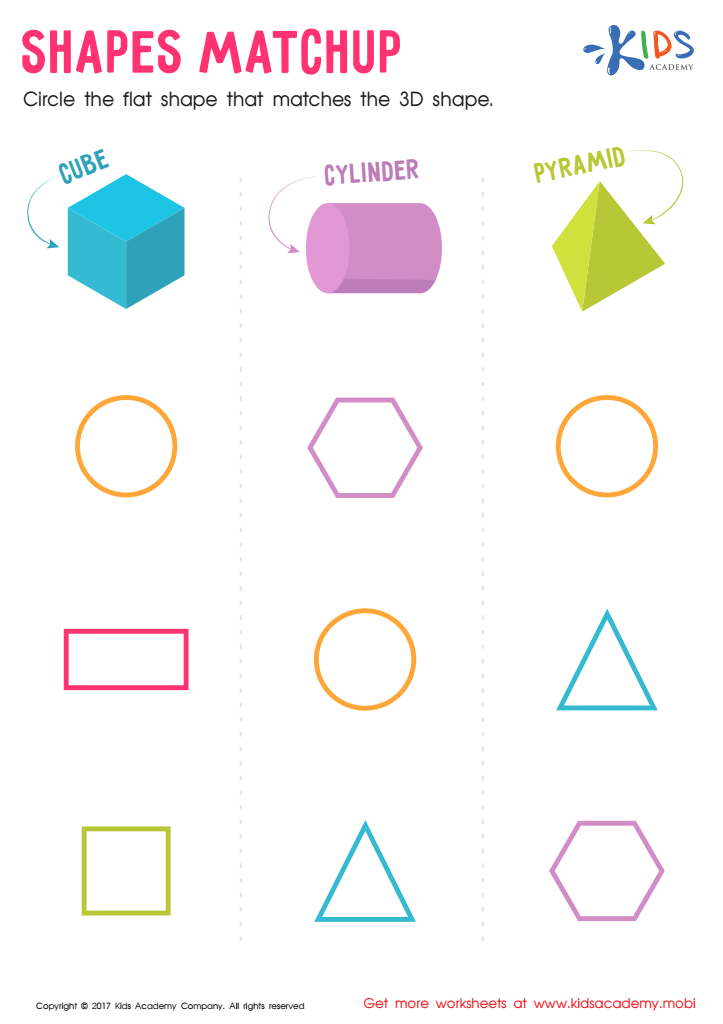
Shapes Matchup Worksheet
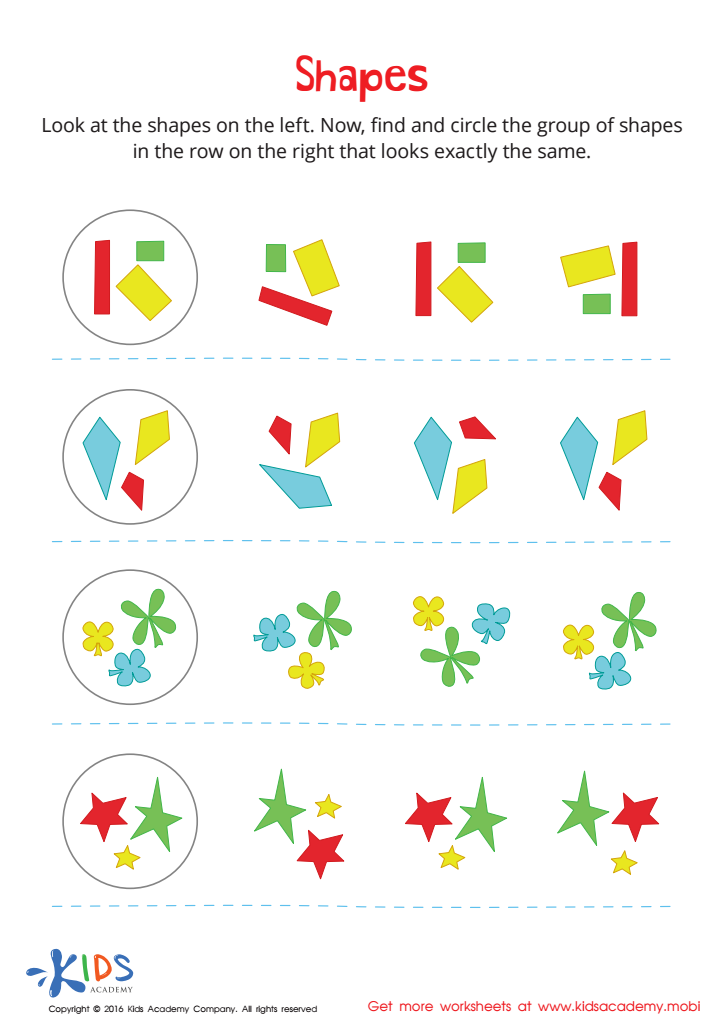
Shapes Worksheet
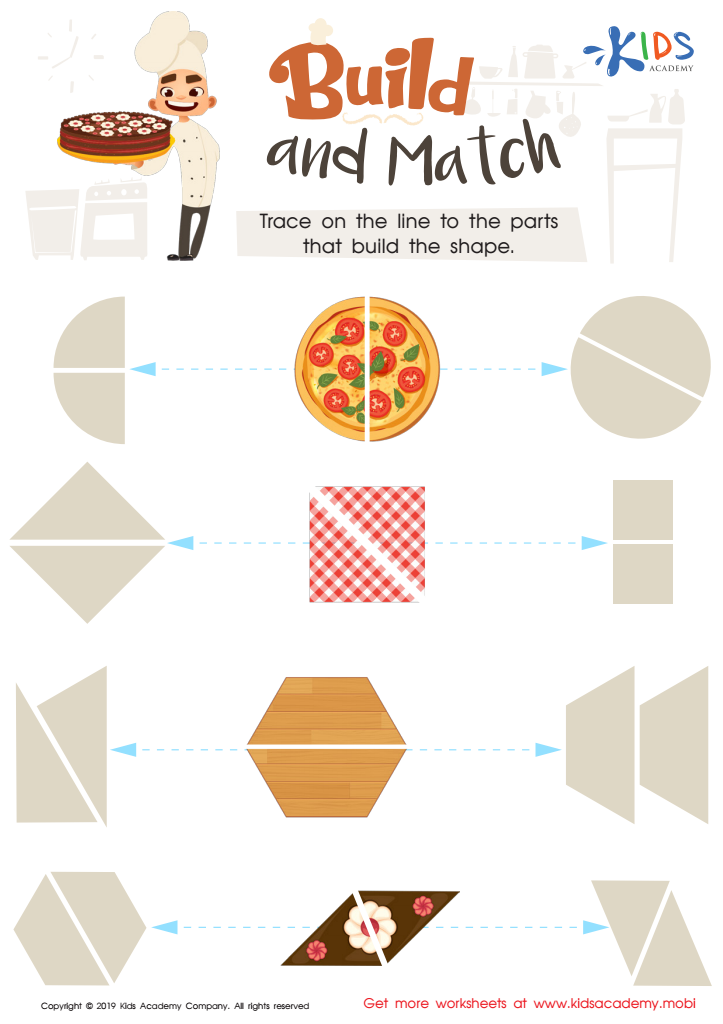
Build and Match Worksheet
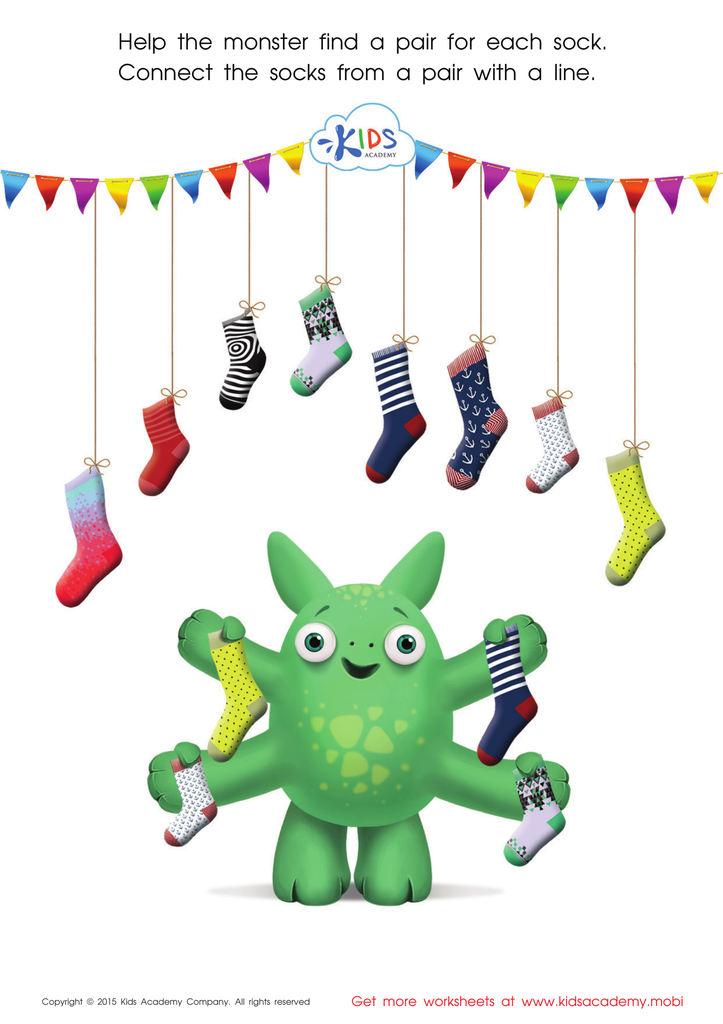
Math Matching Pairs Game: Monsterв's Socks Worksheet
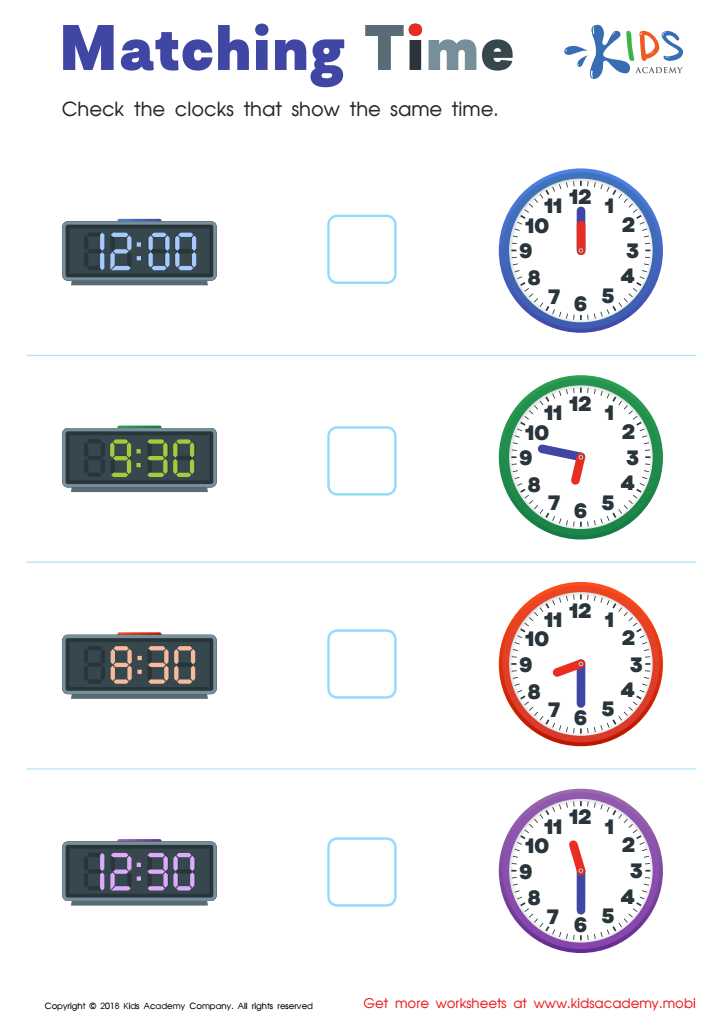
Matching Time Worksheet
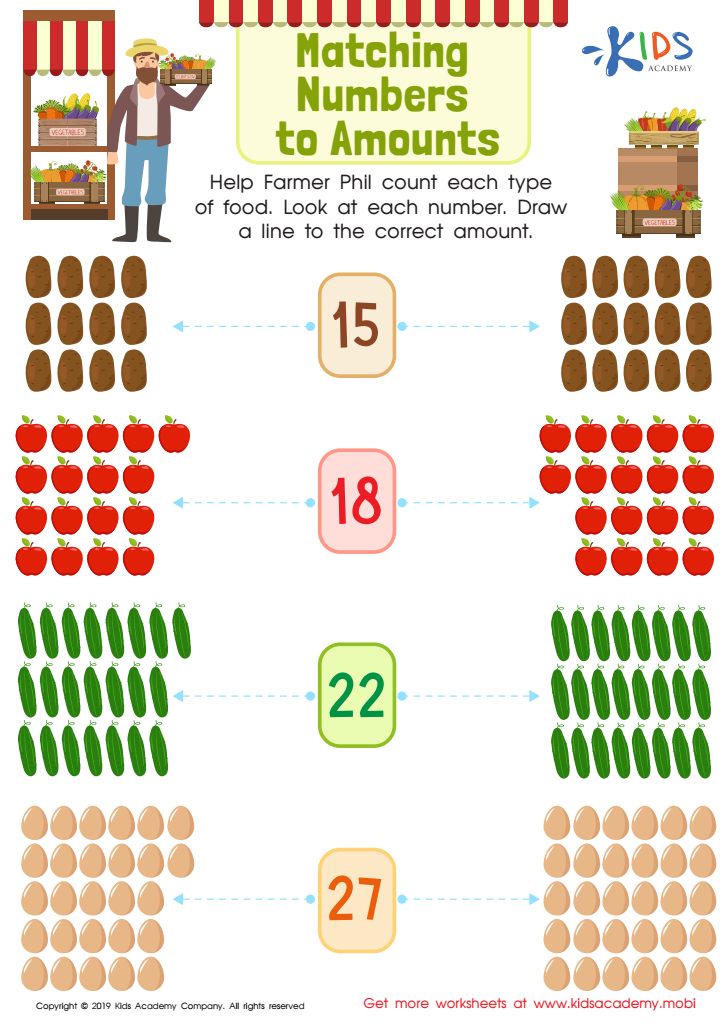
Matching Numbers to Amounts Worksheet





Parents and teachers should prioritize matching skills in math for children aged 3-7 because these skills form the foundation for future mathematical understanding and cognitive development. Matching is a fundamental early math skill involving the recognition of patterns, categorizing objects, and understanding relationships — like size, shape, and quantity. When young children practice matching, they develop their ability to recognize similarities and differences, which is crucial for more complex mathematical concepts later on.
Engaging in matching activities enhances observational skills, critical thinking, and attention to detail. These activities also promote language development as children describe and compare objects, helping to expand their vocabulary and verbal reasoning skills. For example, matching shapes or colors prepares children for geometry, while matching numbers to quantities lays a groundwork for arithmetic.
Moreover, matching games foster problem-solving abilities and boost confidence. When a child successfully matches items, it reinforces their ability to follow instructions, complete tasks, and master new challenges. Early successes in these areas can lead to a lifelong positive attitude toward learning and perseverance.
In summary, emphasizing matching skills in early math education equips children with essential cognitive and problem-solving tools. It builds a strong mathematical foundation, supports language development, and nurtures critical thinking, ensuring better academic and developmental outcomes in the long run.








