Recognizing numbers Math Worksheets for Ages 3-7
8 filtered results
-
From - To
Boost your child's number recognition skills with our expertly designed math worksheets, perfect for ages 3-7! Each thoughtfully crafted activity helps young learners identify and write numbers while engaging in fun, age-appropriate exercises. Our worksheets feature vibrant images and interactive tasks to captivate children's interest, reinforcing their numerical understanding. Whether your child is just beginning their number journey or looking to strengthen existing skills, these worksheets foster a positive learning experience. Ideal for parents and teachers alike, our resources make learning numbers exciting and effective. Empower your child's number sense with Kids Academy’s exceptional range of recognizing numbers worksheets!
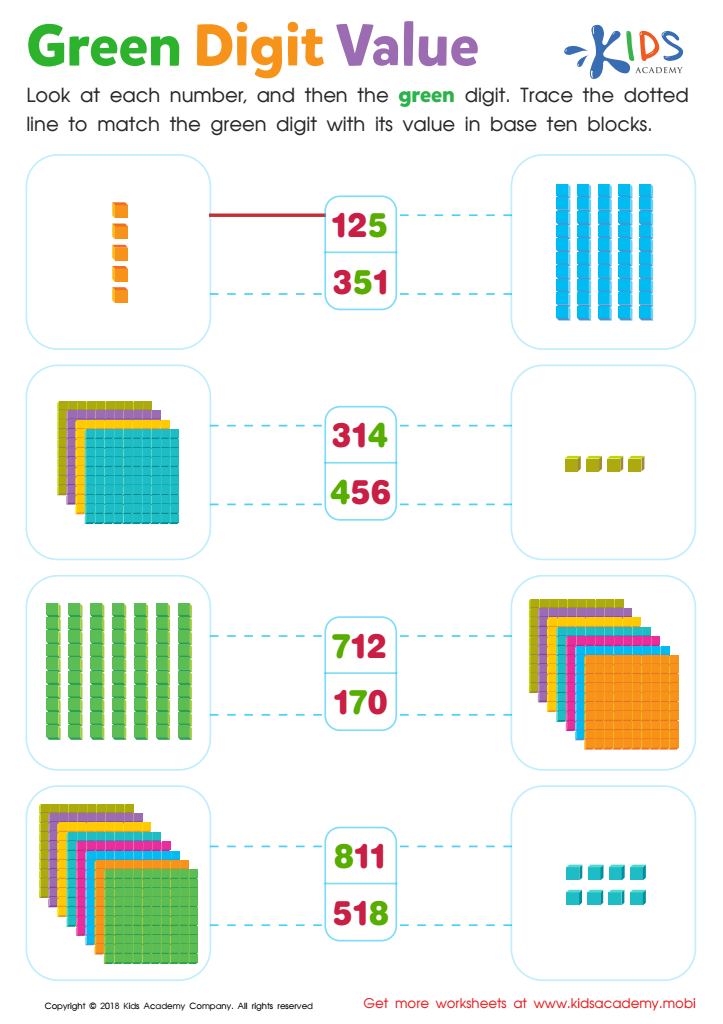
Green Digit Value Worksheet
 Assign to My Students
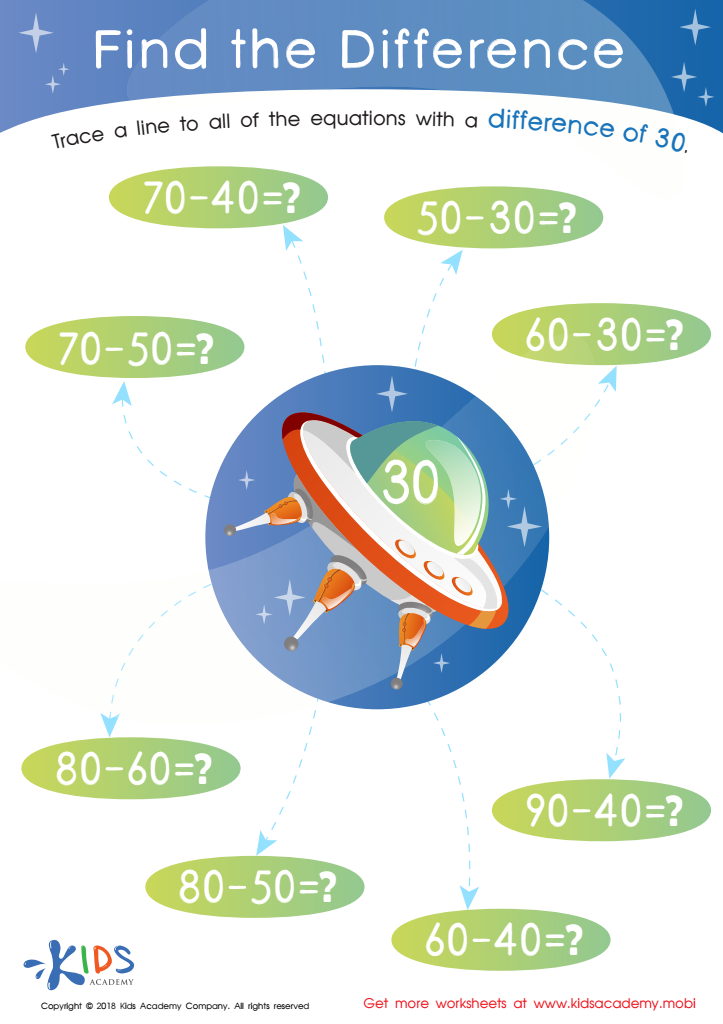
Find The Difference Worksheet
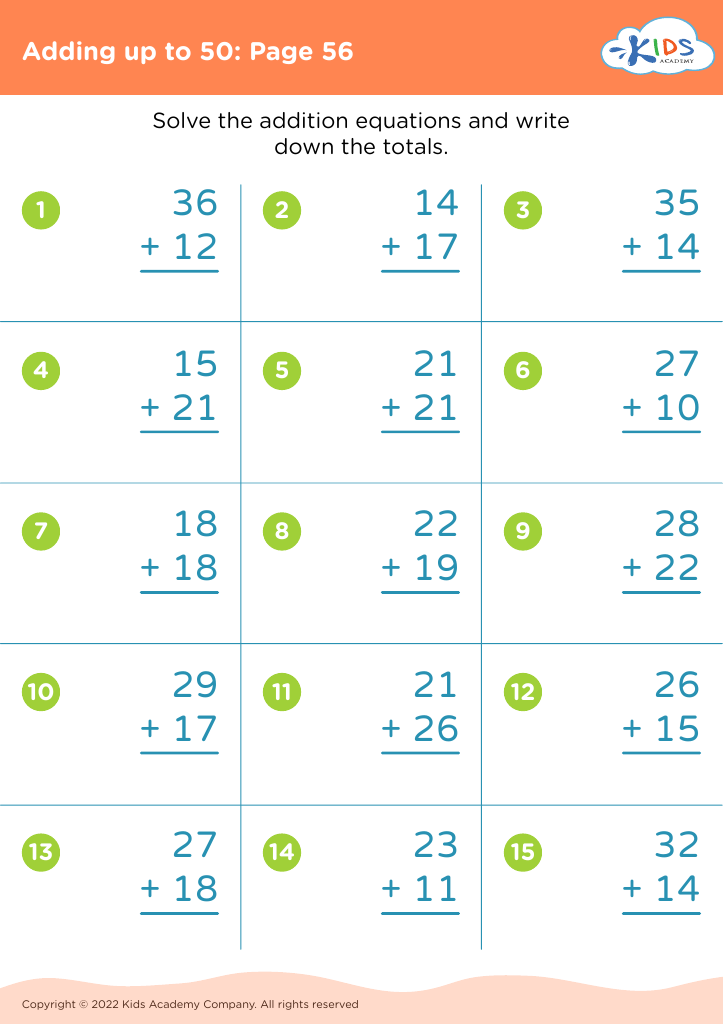
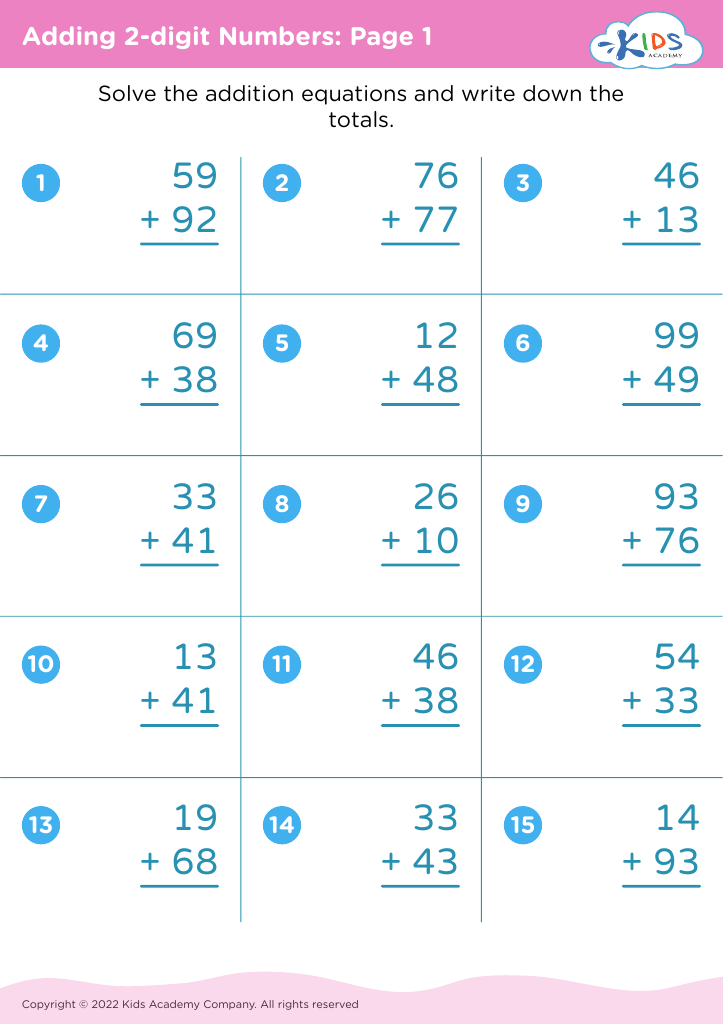
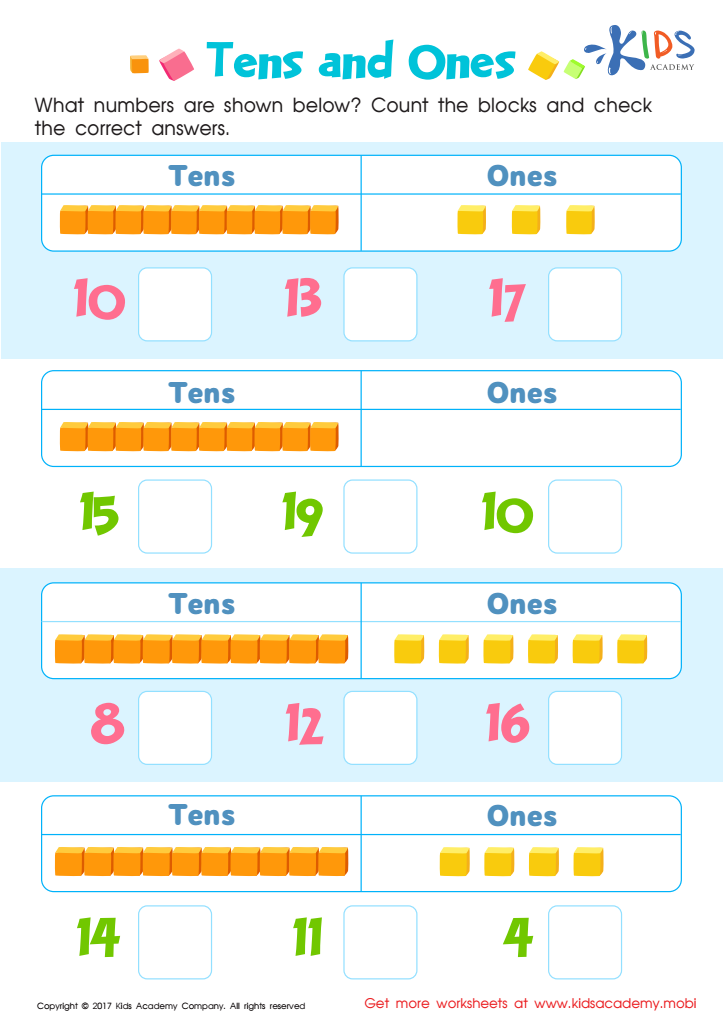
Tens and Ones Worksheet
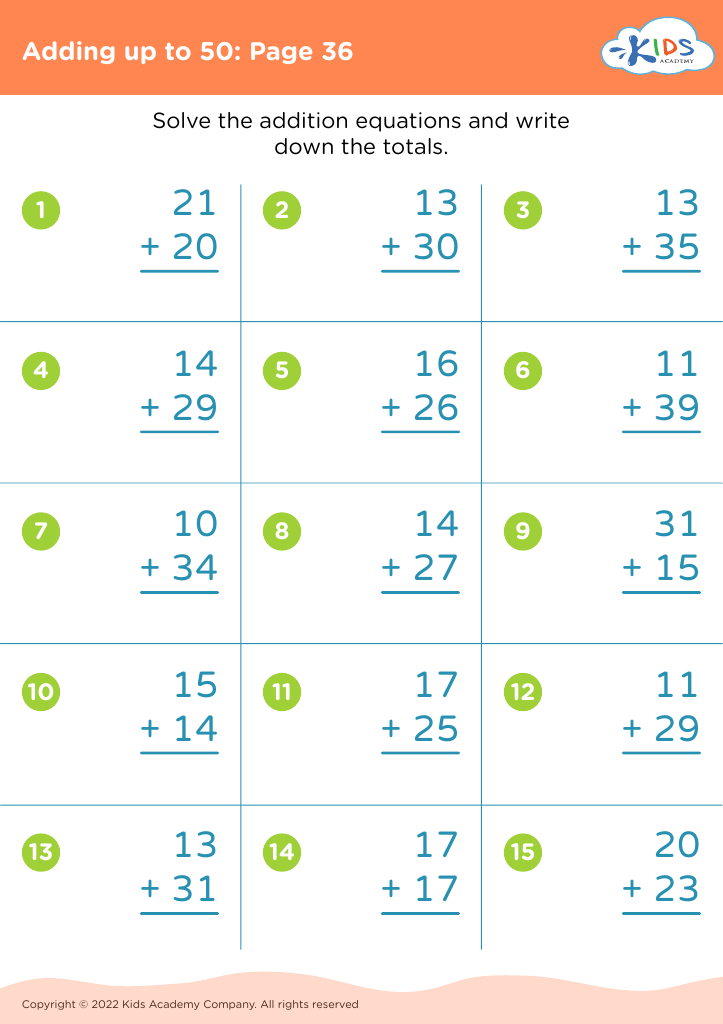
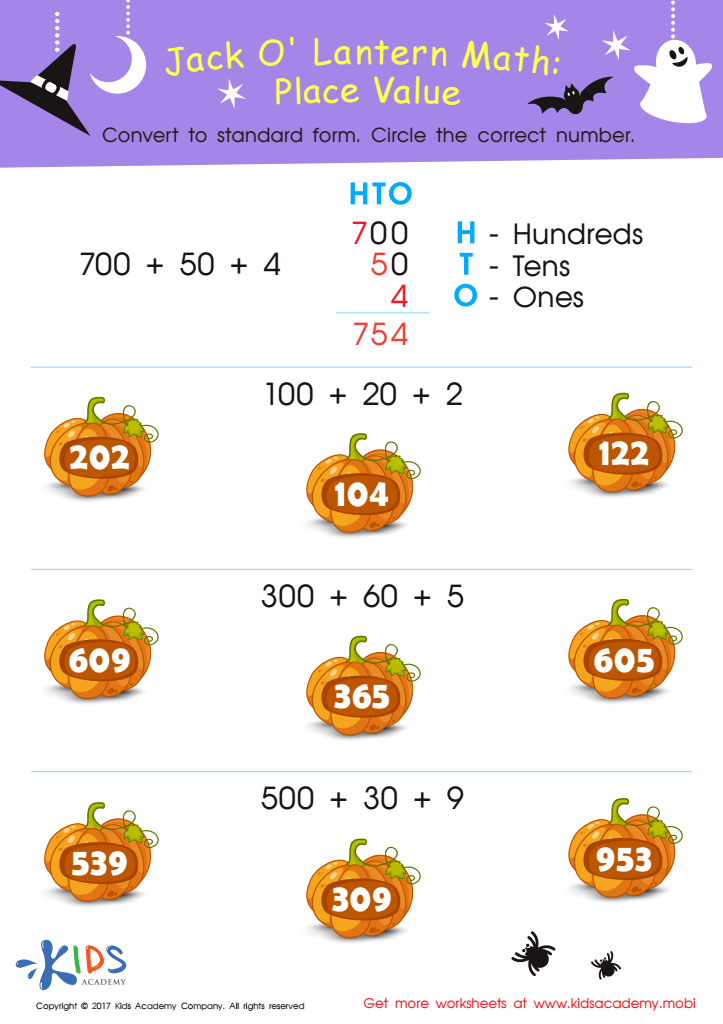
Free Place Value Worksheet
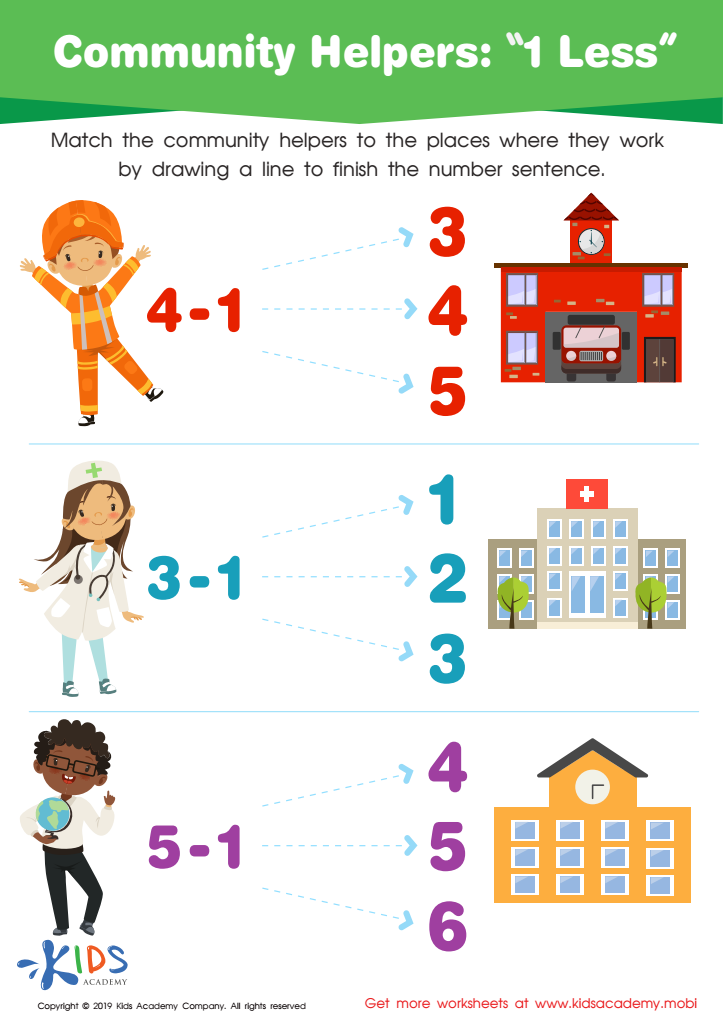
Community Helpers: 1 less Worksheet







.jpg)
Recognizing numbers is a cornerstone of early math skills crucial for children aged 3-7. Parents and teachers should prioritize this as it lays the foundation for understanding more complex mathematical concepts in later years. Early number recognition aids in developing counting skills and one-to-one correspondence—a fundamental skill needed for simple arithmetic like addition and subtraction.
Moreover, number recognition enhances cognitive development by boosting memory and concentration. As children learn to identify and differentiate numbers, they also build pattern recognition abilities, which are essential not just in math, but in subjects like reading and science. For instance, understanding that the numeral "5" represents five objects helps make connections between concrete and abstract thinking.
Additionally, early proficiency in recognizing numbers instills confidence in young learners. By mastering these skills at an early age, children are more likely to have a positive attitude towards math, lessening anxiety and fostering a love for the subject. This positive disposition towards learning extends beyond math, promoting a successful academic trajectory.
In essence, recognizing numbers at an early age equips children with crucial skills, nurtures their cognitive development, and builds confidence, making it a fundamental aspect of their educational journey.








