Understanding tens Math Worksheets for Ages 3-7
4 filtered results
-
From - To
Our "Understanding Tens" Math Worksheets are specially designed for children ages 3-7 to build a solid foundation in number sense by exploring the concept of tens. Engaging and interactive, these worksheets introduce young learners to counting, grouping, and recognizing tens in a fun, approachable way. Encourage early math skills – from identifying numbers to simple addition and subtraction – through colorful visuals and hands-on practice. Perfect for parents and educators aiming to foster a love for math at an early age, our worksheets help kids develop confidence and proficiency, setting them on a path to future success.
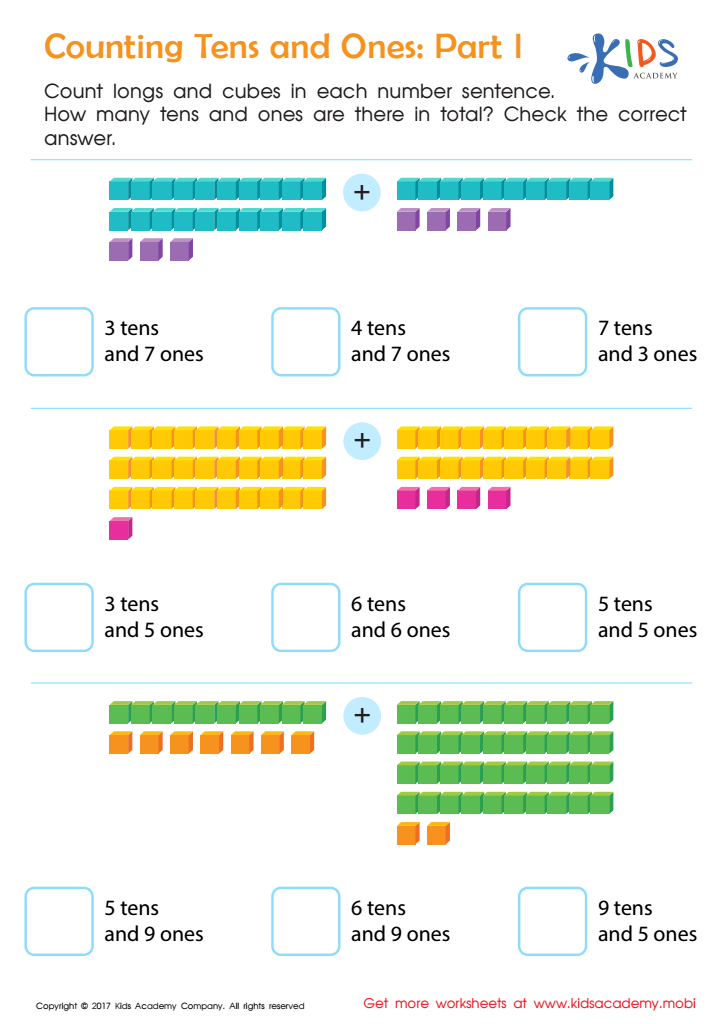
Counting Tens and Ones: Part 1 Worksheet
 Assign to My Students
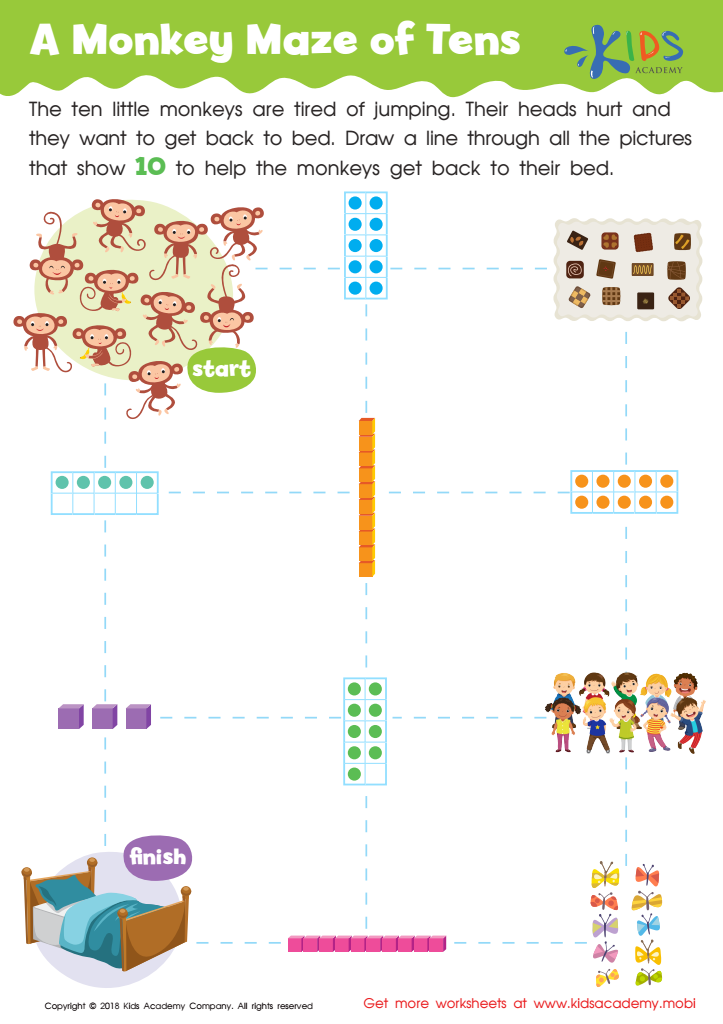
A Monkey Maze of Tens Worksheet
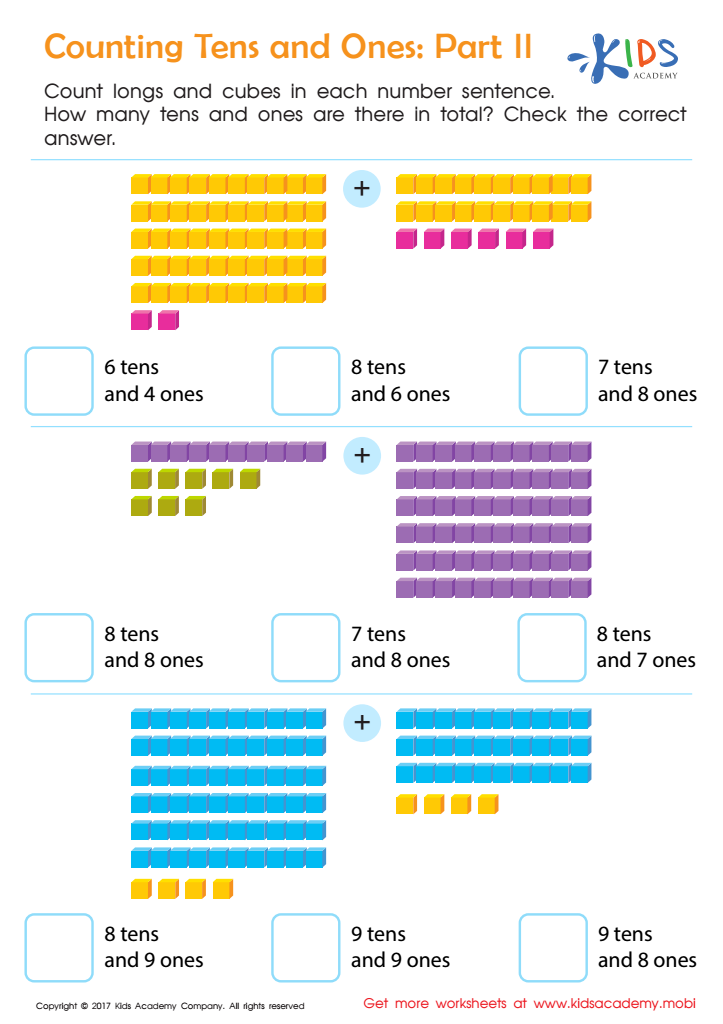
Counting Tens and Ones: Part 2 Worksheet
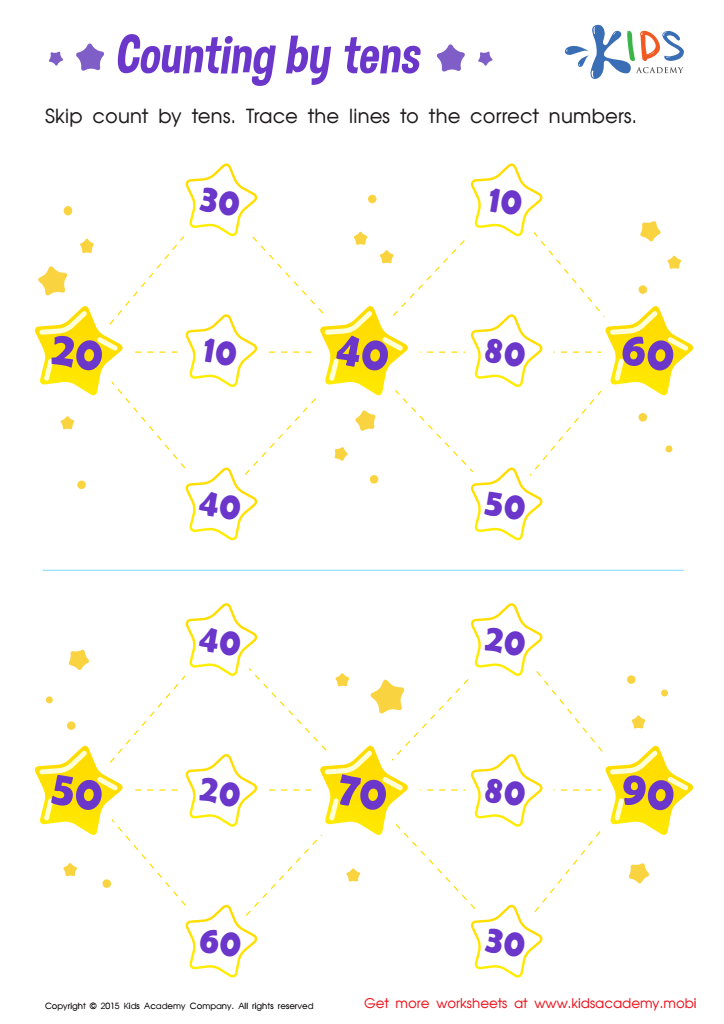
Learn Dozens: Counting by Tens Printable



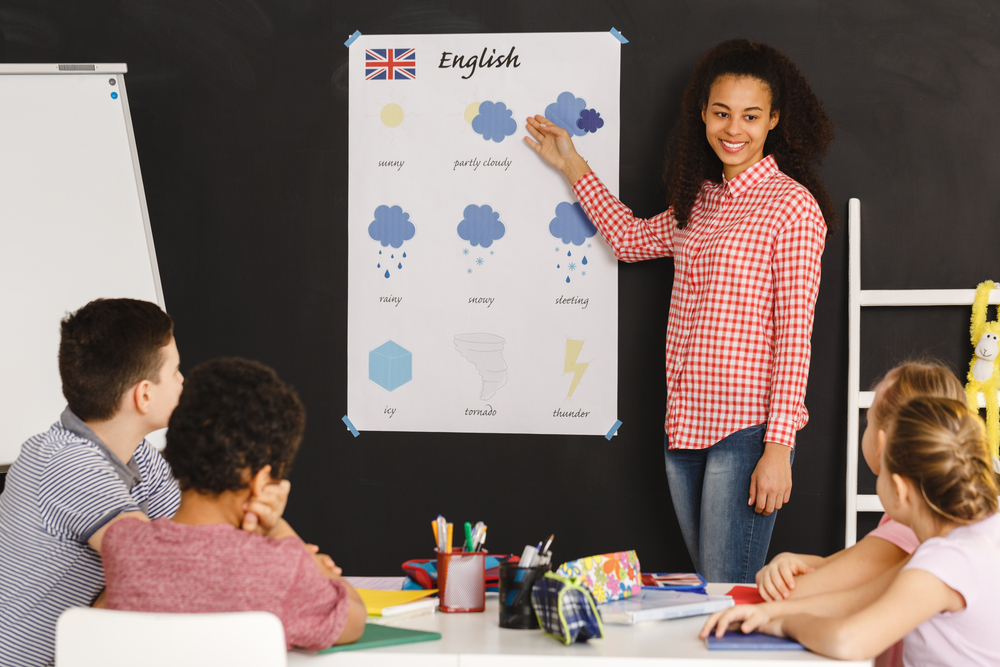




Understanding place value, including the concept of tens and ones, is fundamental for children ages 3-7 as it lays the foundation for their future math skills. Early comprehension of tens helps young learners grasp larger numbers, restructuring how they approach mathematical problems. When kids understand that the number 23 is composed of two tens and three ones, they engage more deeply with addition, subtraction, and later, complex operations like multiplication and division.
Introducing tens early helps children transition from simple counting to arithmetic. It encourages them to recognize patterns and relationships between numbers, fostering logical thinking and problem-solving abilities. Mastery of place value is crucial for mental math, enabling kids to add or subtract in sets (e.g., counting by tens before units). This proficiency can inspire confidence, reducing math anxiety as they encounter increasingly difficult problems.
Teachers and parents who focus on place value can tailor activities to make learning engaging. Using physical objects like blocks or coins, fun games, or visual aids, children conceptualize tens concretely rather than abstractly. This tactile learning encourages deeper understanding, creating a robust mathematical foundation that equips them to tackle challenges efficiently throughout their educational journey. Thus, emphasizing tens is not just pertinent but critical for children's long-term academic success.








