Visual perception improvement Math Worksheets for Ages 3-7
14 filtered results
-
From - To
Enhance your child’s mathematical journey with our "Visual Perception Improvement Math Worksheets for Ages 3-7." Designed by educational experts, these printable activities focus on developing young learners' visual discrimination, spatial awareness, and pattern recognition skills. Engaging and colorful, these worksheets incorporate familiar objects and scenarios, making math fun and approachable for early learners. Perfect for preschool through early elementary students, our tailored exercises will help boost both confidence and proficiency in key math concepts. Start building a strong mathematical foundation for your child today with our expertly crafted visual perception resources.
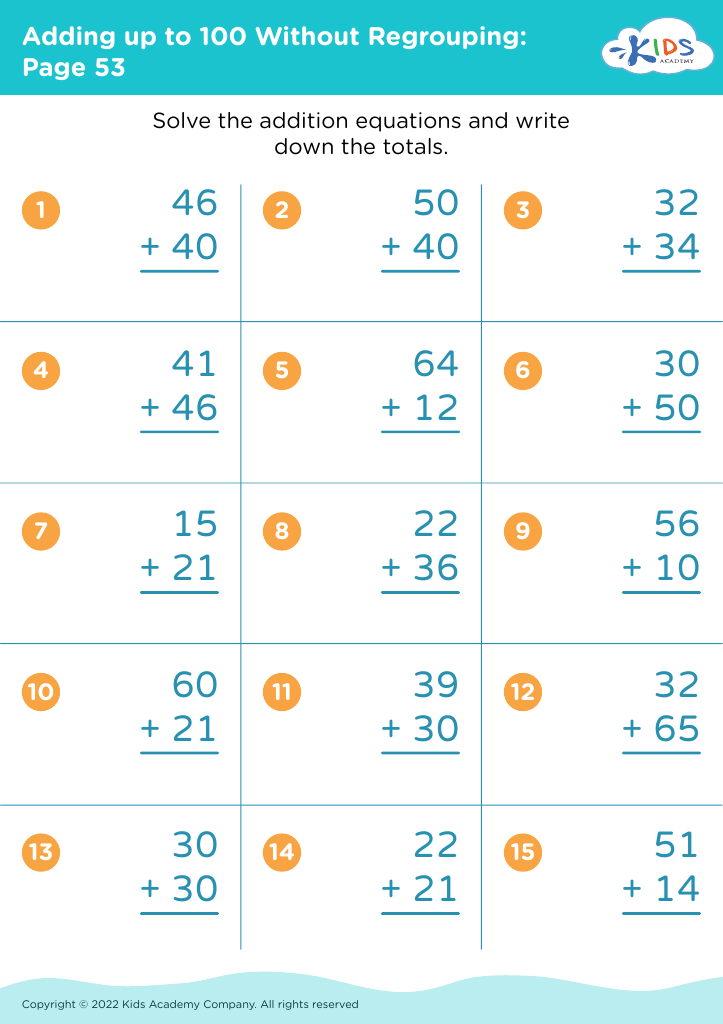
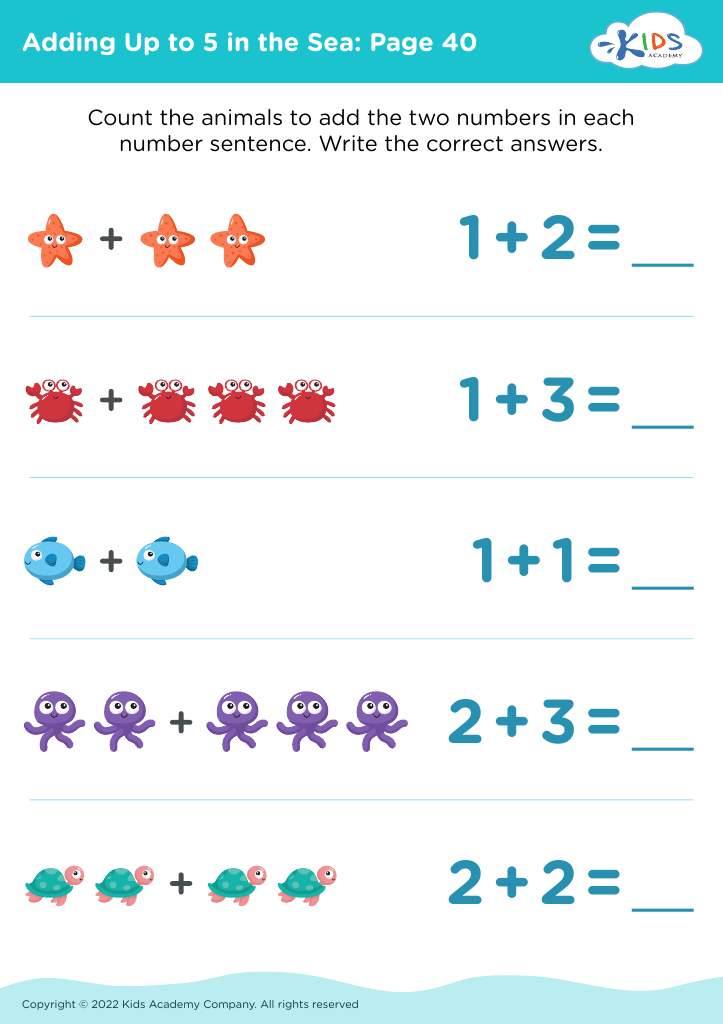
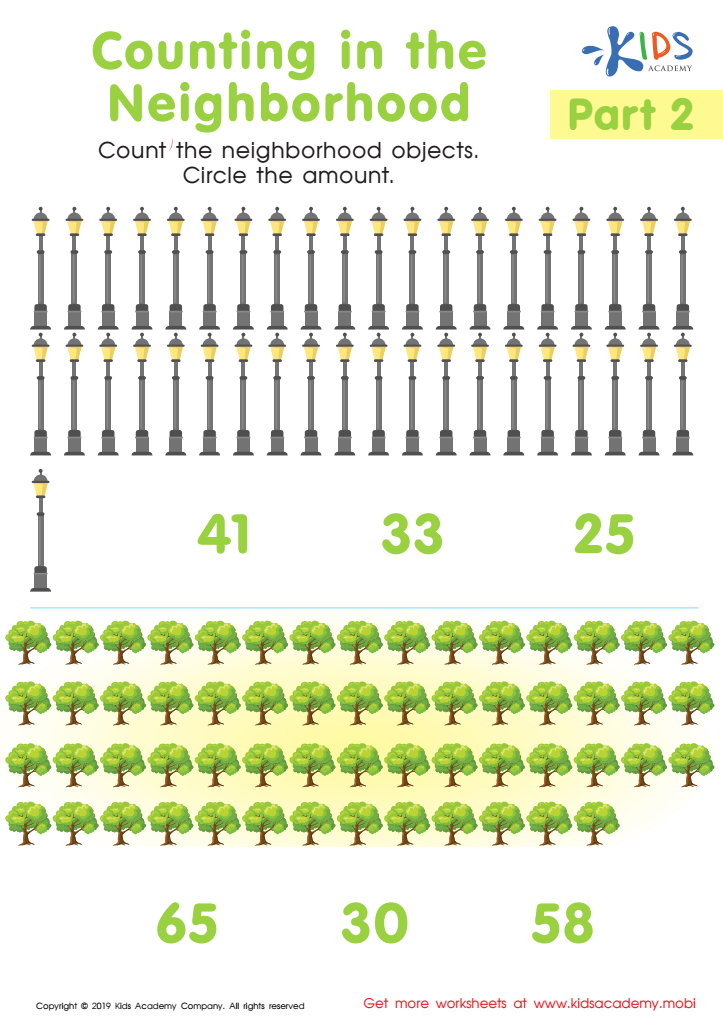
Counting In The Neighborhood Part 2 Worksheet
 Assign to My Students
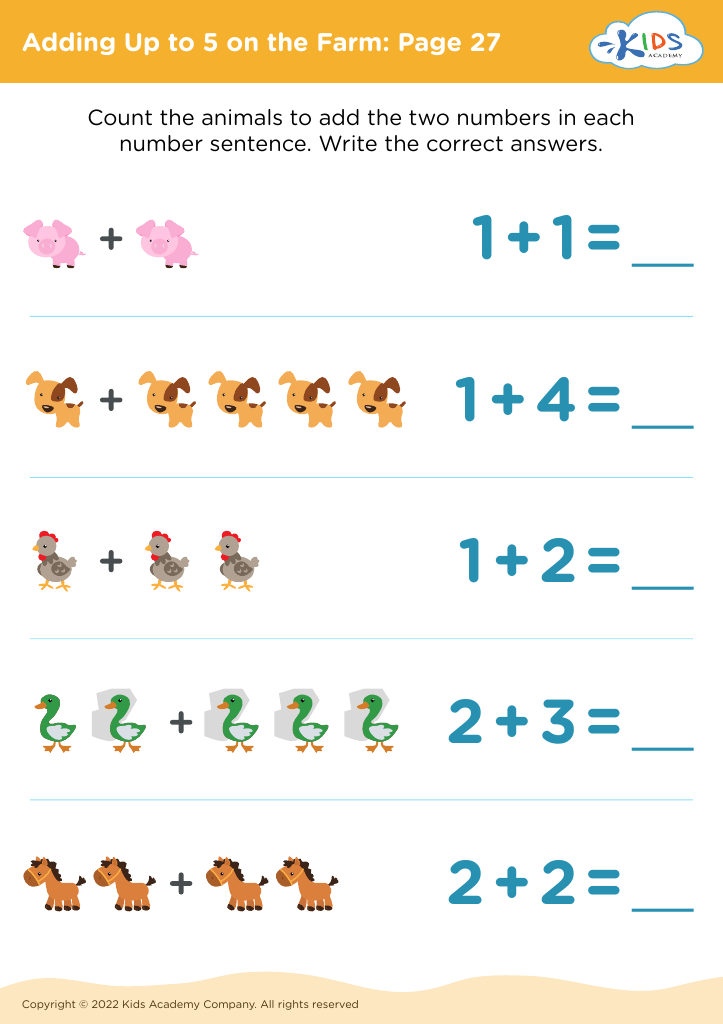
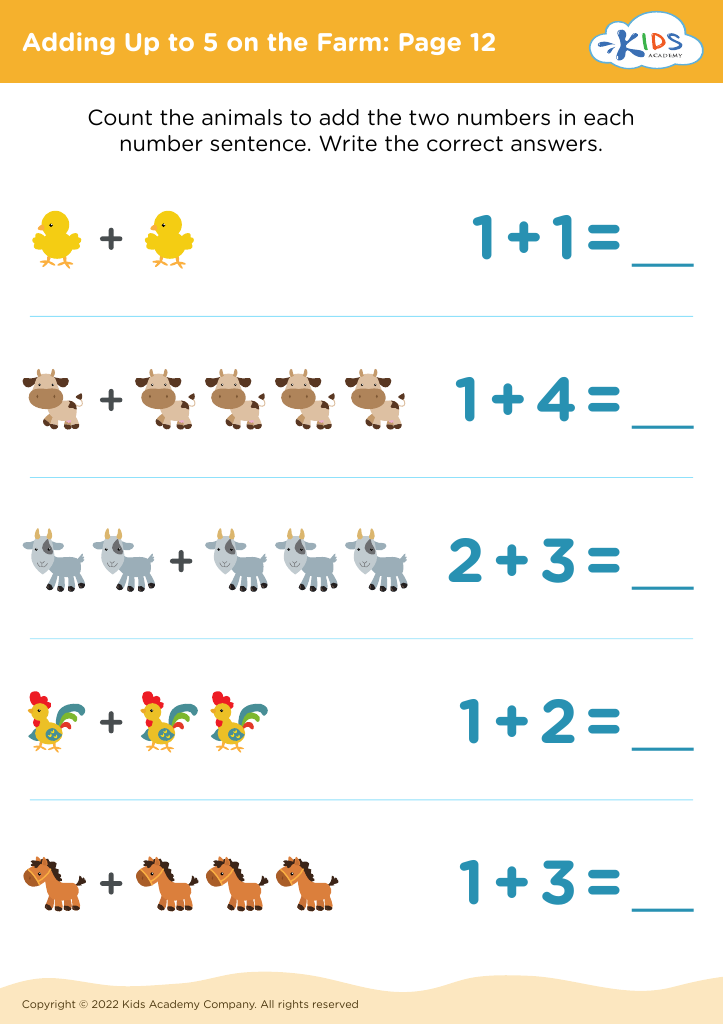
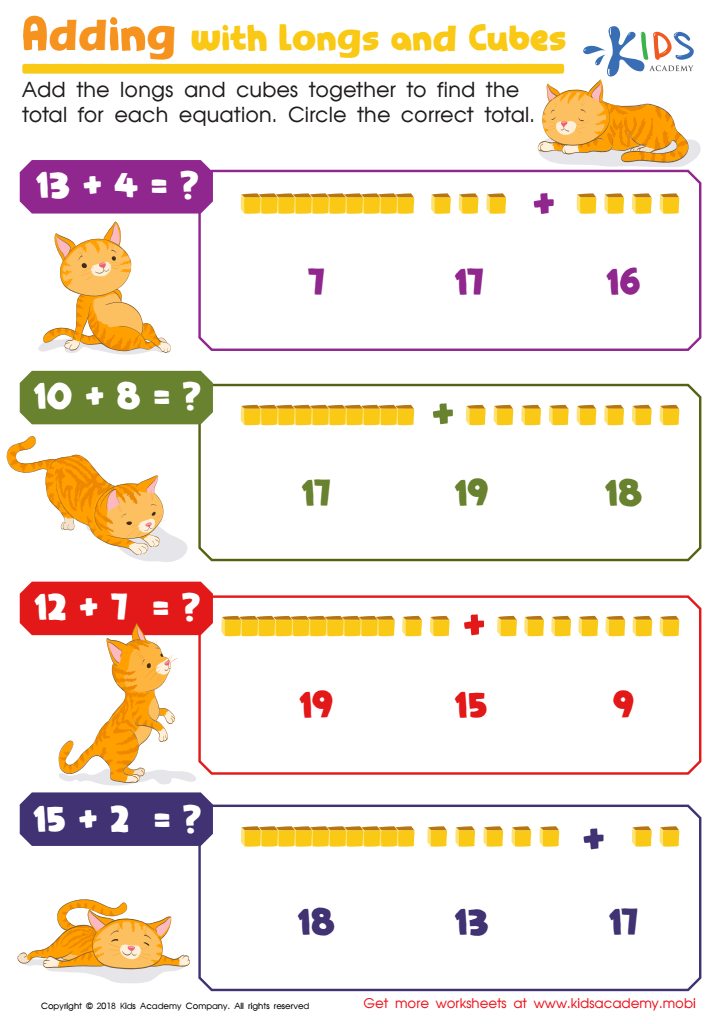
Adding With Longs and Cubes Worksheet
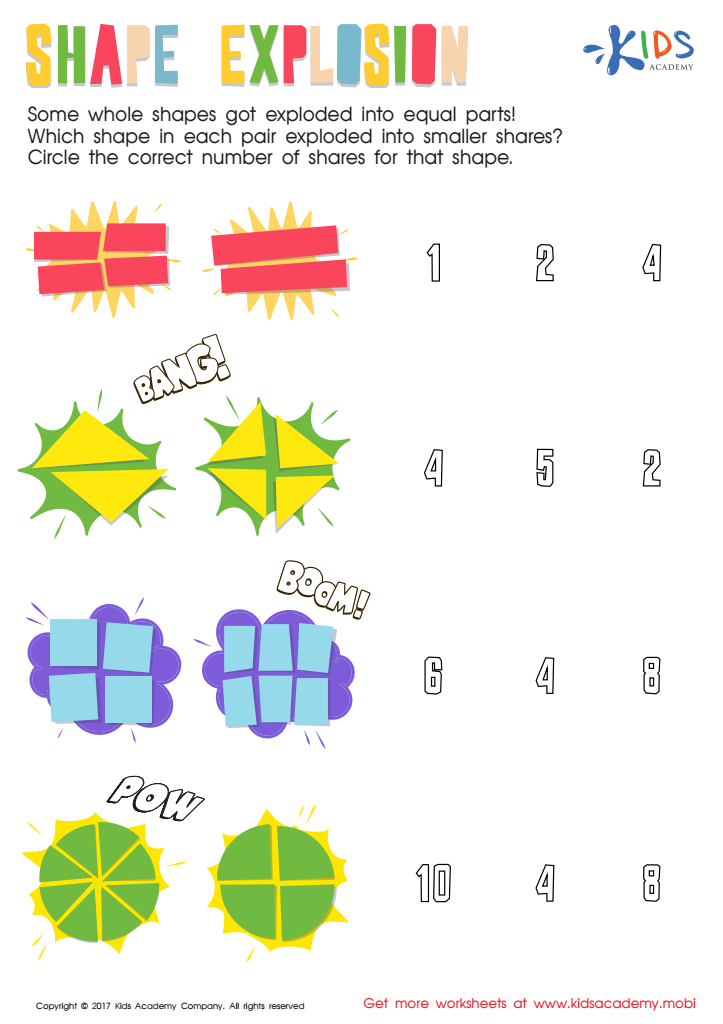
Shape Explosion Worksheet
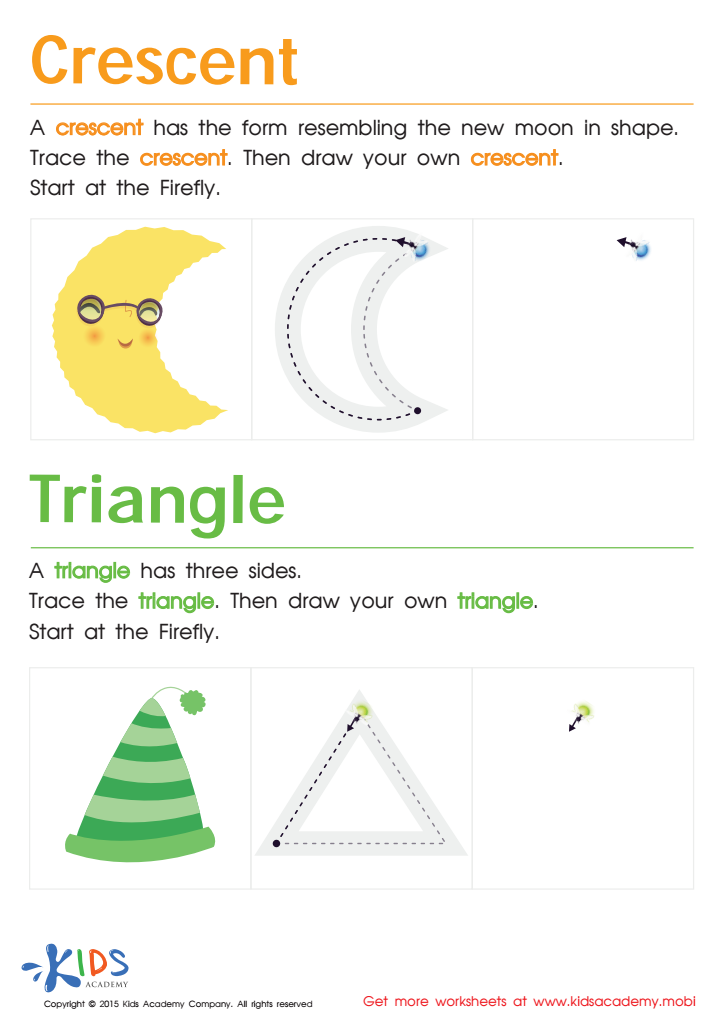
Learning to Draw Crescents And Triangles Worksheet
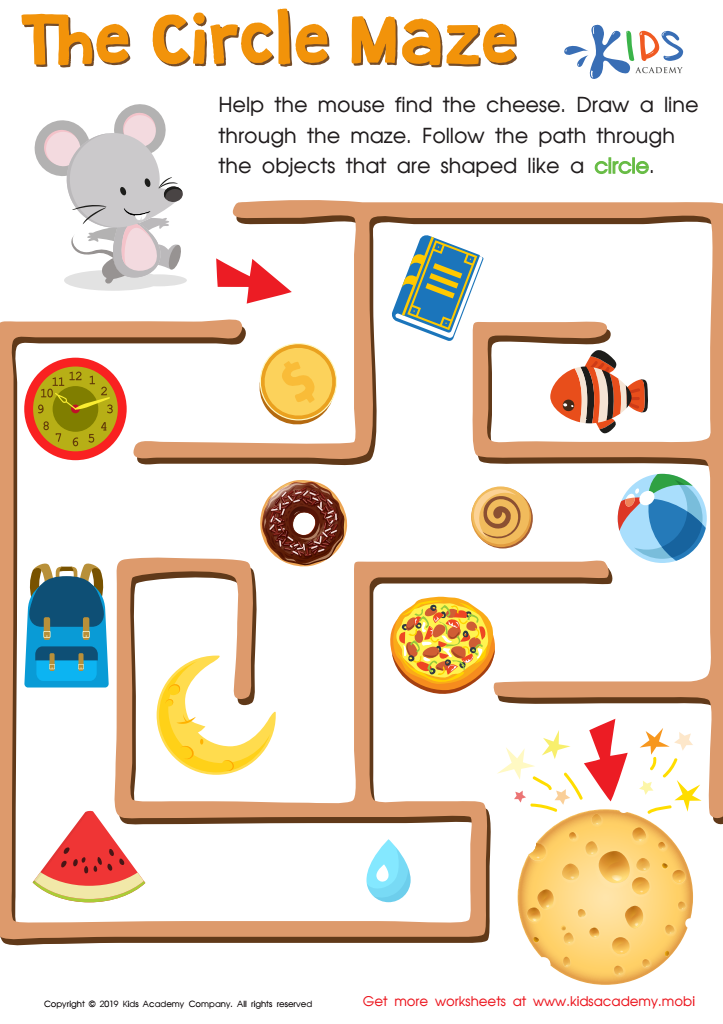
The Circle Maze Worksheet
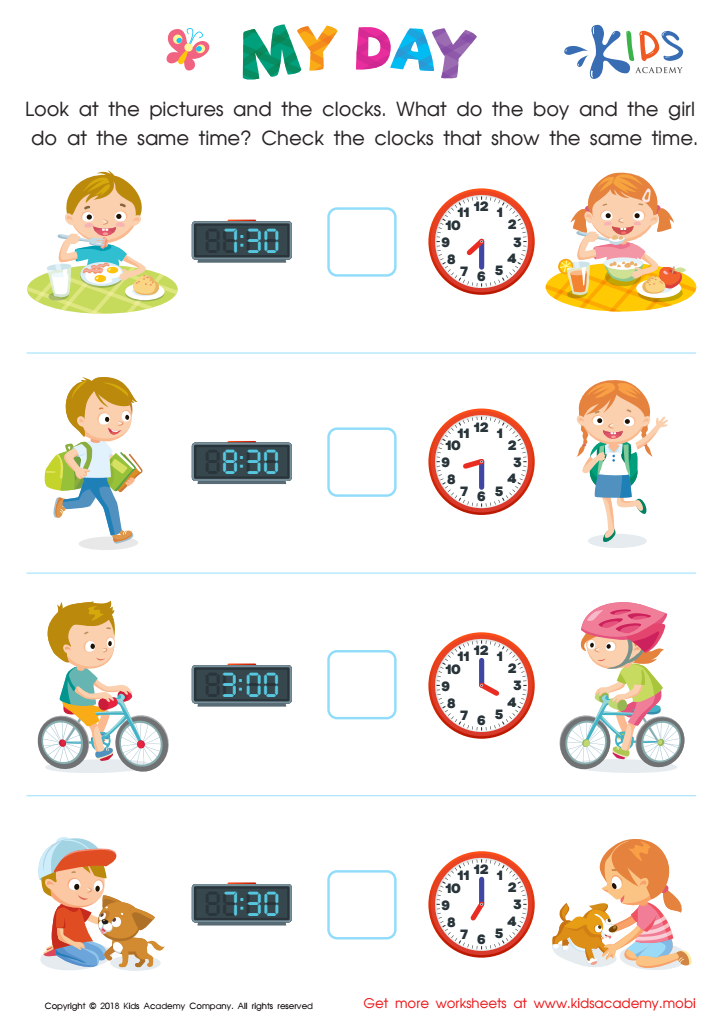
My Day Worksheet
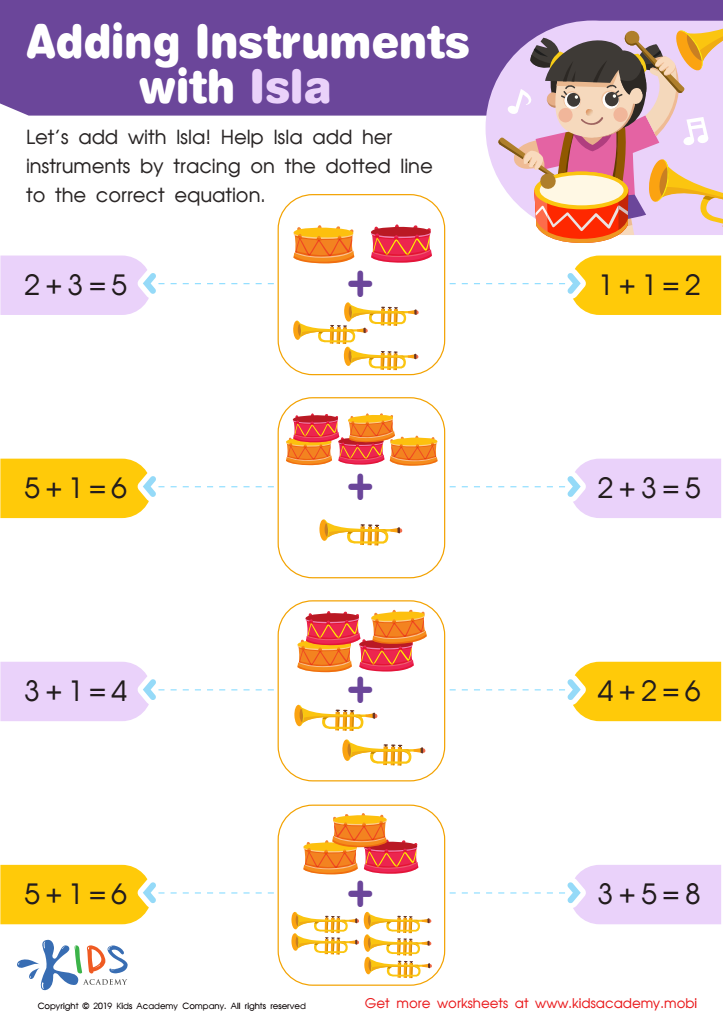
Adding Instruments with Isla Worksheet








Parents and teachers should care about visual perception improvement in math for children aged 3-7 because it lays a critical foundation for future academic achievement and cognitive development. Visual perception involves the ability to interpret and make sense of visual information from the environment, which is vital for learning mathematical concepts such as shapes, patterns, sizes, and spatial relationships. Early math skills are not just about numbers; they fundamentally revolve around recognizing and categorizing visual cues.
Improving visual perception in these early years enhances a child's ability to understand and navigate a world full of visual information. This developmental phase is when a child's brain is exceptionally malleable and responsive to learning, and strengthening their visual perception abilities can lead to better problem-solving skills, hand-eye coordination, and even reading comprehension. Activities like counting objects, recognizing shapes, and completing puzzles can significantly boost their confidence and interest in math.
Moreover, early proficiency in math is strongly correlated with overall academic success, not just in STEM subjects. By prioritizing visual perception improvement, parents and teachers are helping children develop a versatile skill set that promotes a love for learning, critical thinking, and cognitive flexibility—qualities that will benefit them throughout their educational journey and beyond.








