Filters

9 filtered results

Clear all filters
Favorites
With answer key
Interactive

9 filtered results

Difficulty Level

Grade


Discover engaging Word Recognition Math Worksheets designed for young learners aged 3-7! Our interactive worksheets seamlessly blend mathematics with vocabulary skills, helping children enhance their reading and word recognition abilities while exploring fundamental math concepts. Each printable resource is thoughtfully crafted to capture children's attention, making learning both fun and effective. From identifying numbers to recognizing math-related terms, these worksheets provide essential practice for early development. Perfect for home or classroom use, they support early math literacy in a playful way. Help your little ones build confidence and foundational skills in math and language with our exciting worksheets today!
Check out this FREE Trial Lesson on Math for age 3-7!

Making 17

Favorites
With answer key
Interactive
  • 3-7
  • Word Recognition
  • Math
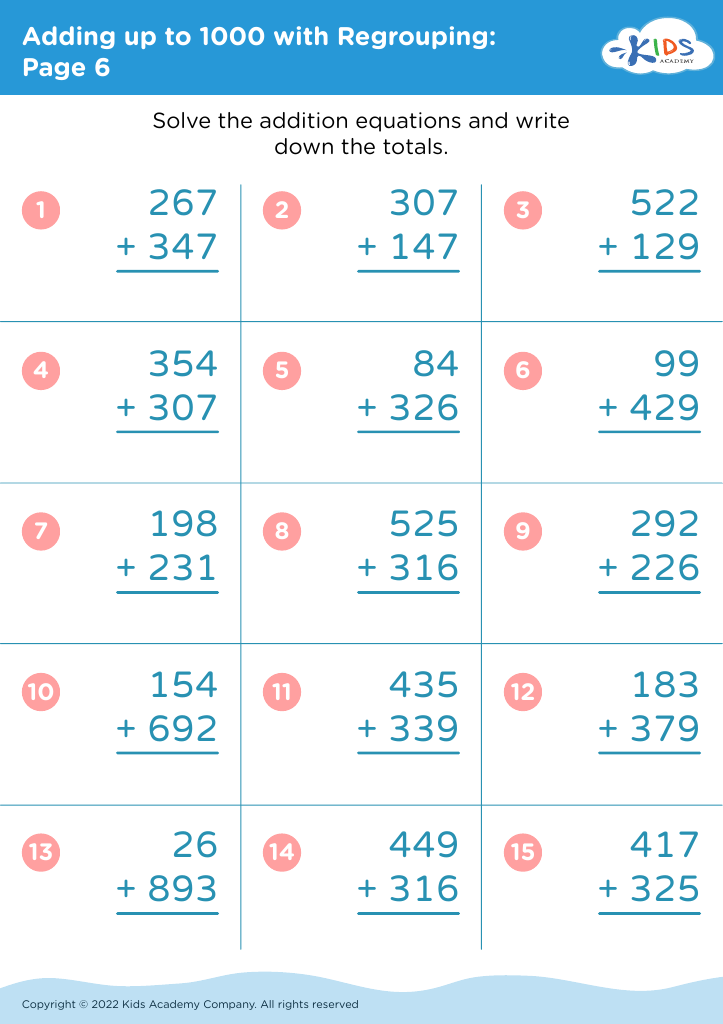
Adding up to 1000 with Regrouping: Page 6
Worksheet
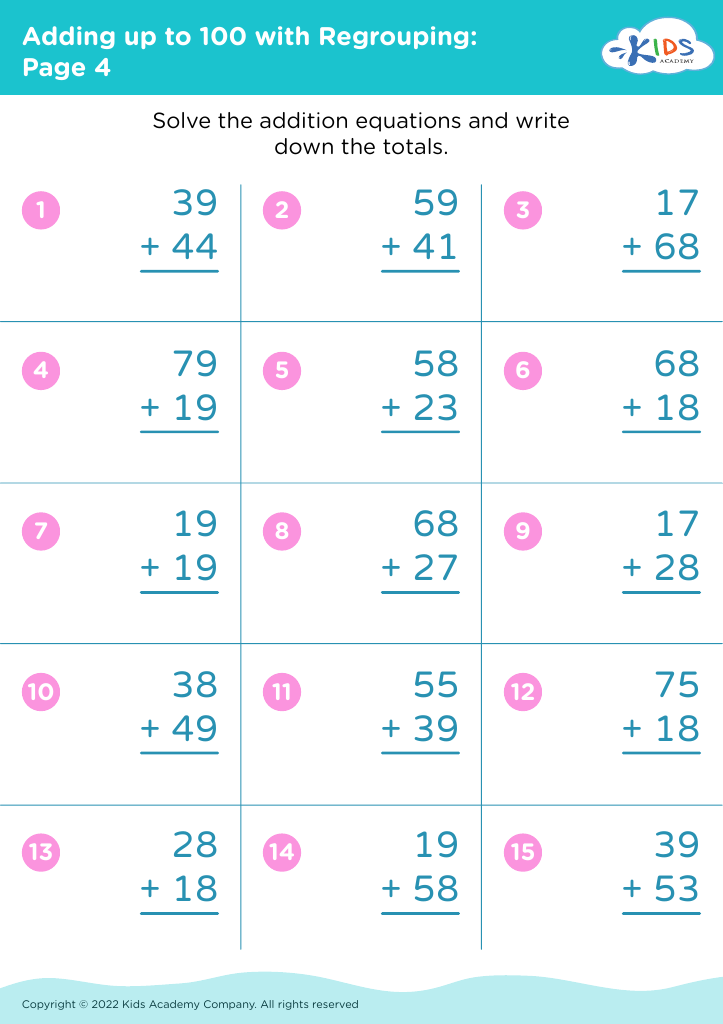
Adding up to 100 with Regrouping: Page 4
Worksheet
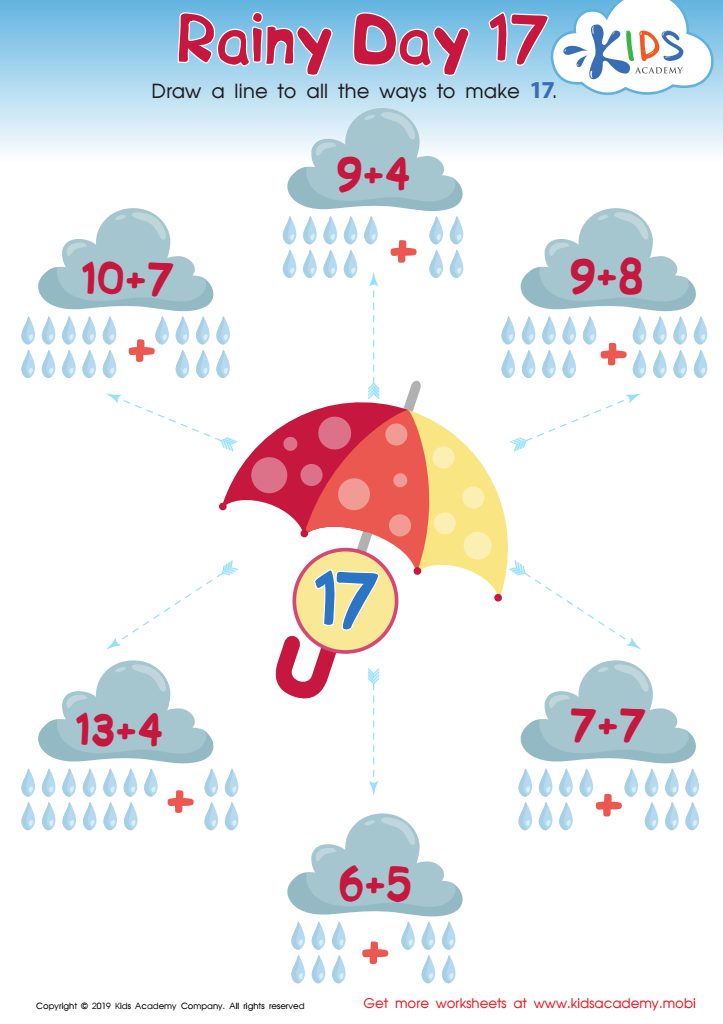
Rainy Day 17 Worksheet

Rainy Day 17 Worksheet

Assist your kids with the 6 equations given. Each cloud displays the sum of two numbers, some of which make 17. Guide them to figure out the total of both numbers when added and draw a line to the umbrella in the center to illustrate the different ways to make 17. This activity will sharpen their addition skills.
Rainy Day 17 Worksheet
Worksheet
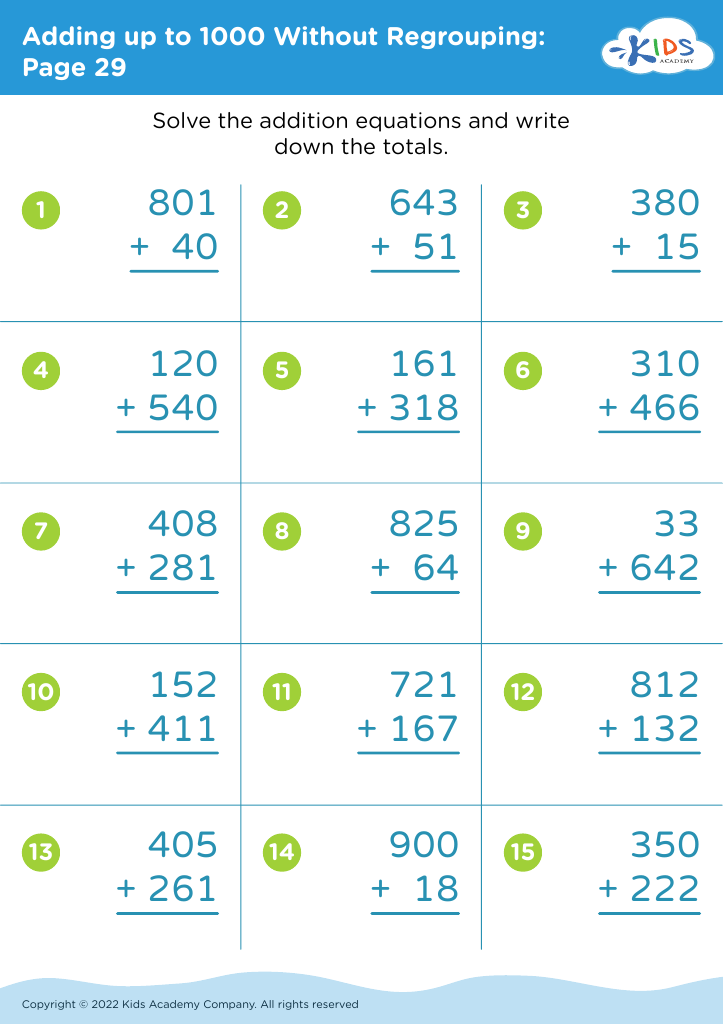
Adding up to 1000 Without Regrouping: Page 29
Worksheet
Color the Nouns Worksheet

Color the Nouns Worksheet

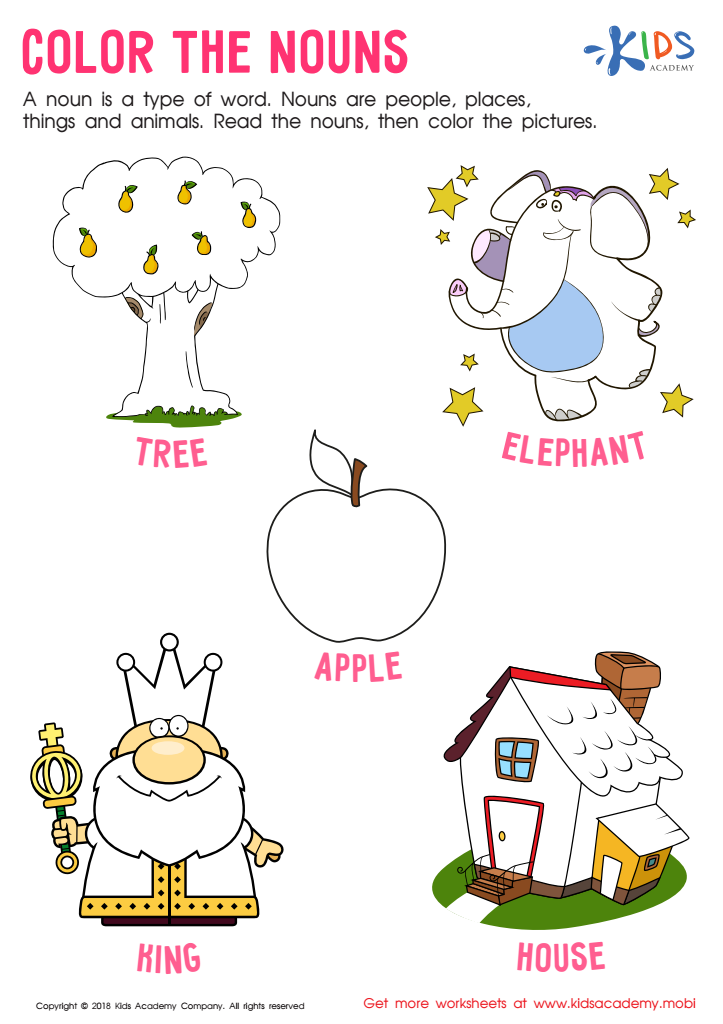
Test your child's understanding of nouns with this downloadable worksheet. Explain that nouns are words for people, places, animals and things. With the coloring sheet, read each word and color the corresponding picture. By the end of it, your child should be able to recognize common nouns.
Download (PDF)
Assign to My Students
Color the Nouns Worksheet
Worksheet
Preschool Counting Worksheets

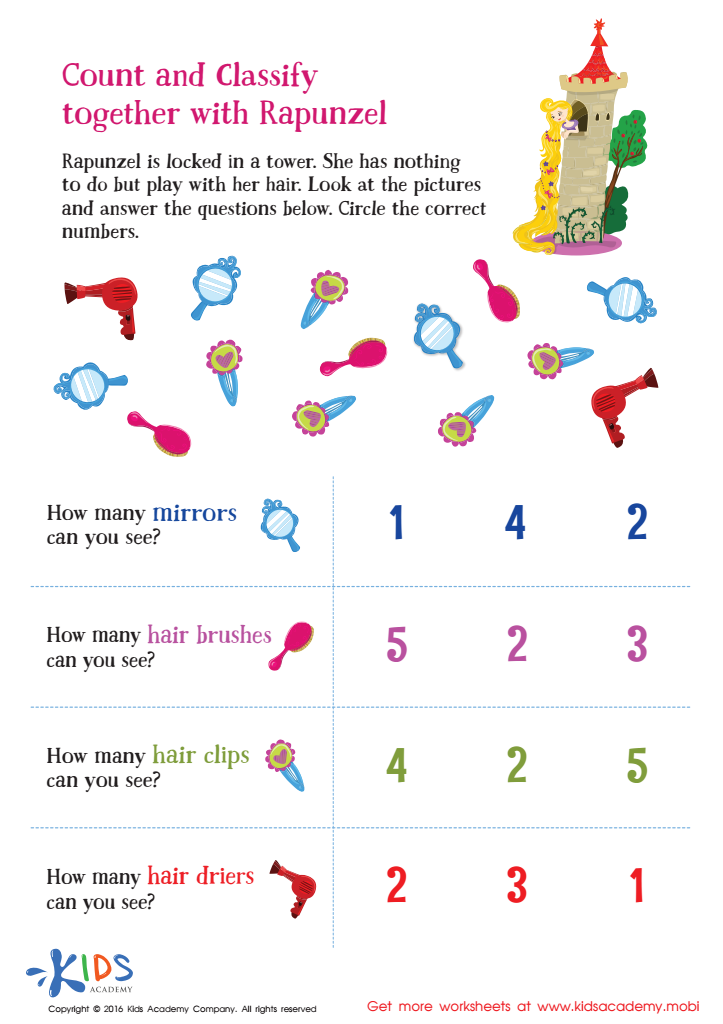
Fairy Tale Worksheet: Count and Classify with Rapunzel
Get printing and shine a light on your pre-math skills!
Fairy Tale Worksheet: Count and Classify with Rapunzel
Worksheet
Guess the Word Problem Worksheet

Guess the Word Problem Worksheet

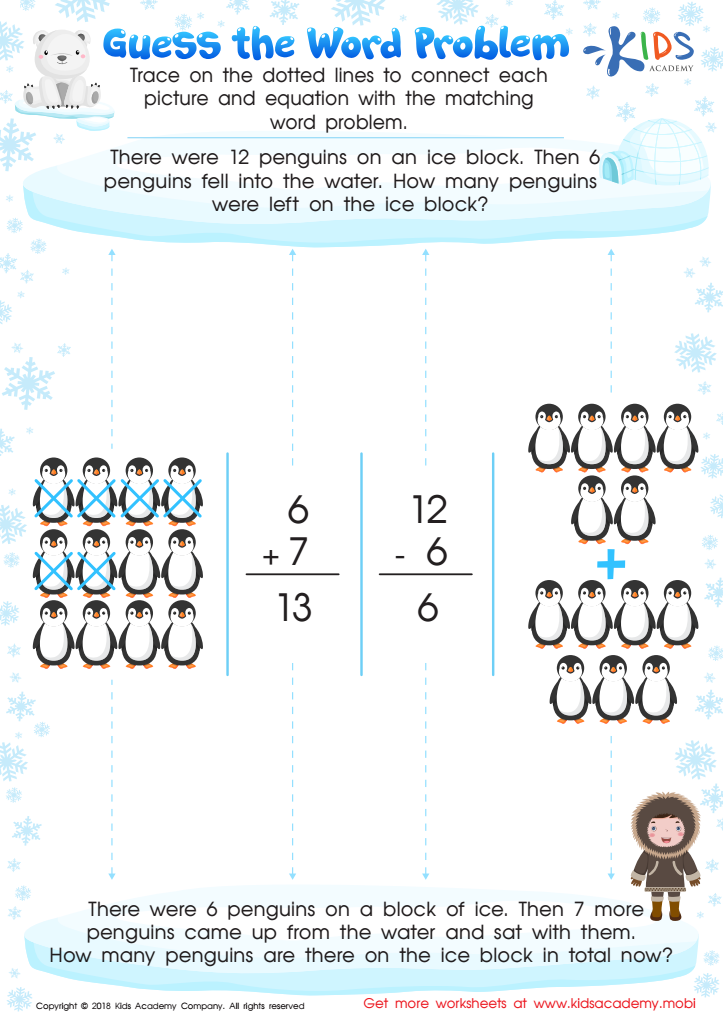
Head to the Arctic Circle for math word problems with penguins, bears, and eskimos! This winter printable worksheet helps kids enjoy math with cute images. Guide kids through addition and subtraction in standard form with the penguins. Compare word problems to its written and pictorial forms for an enjoyable lesson!
Guess the Word Problem Worksheet
Worksheet
Preschool Matching Game Worksheet

Vehicles Worksheet

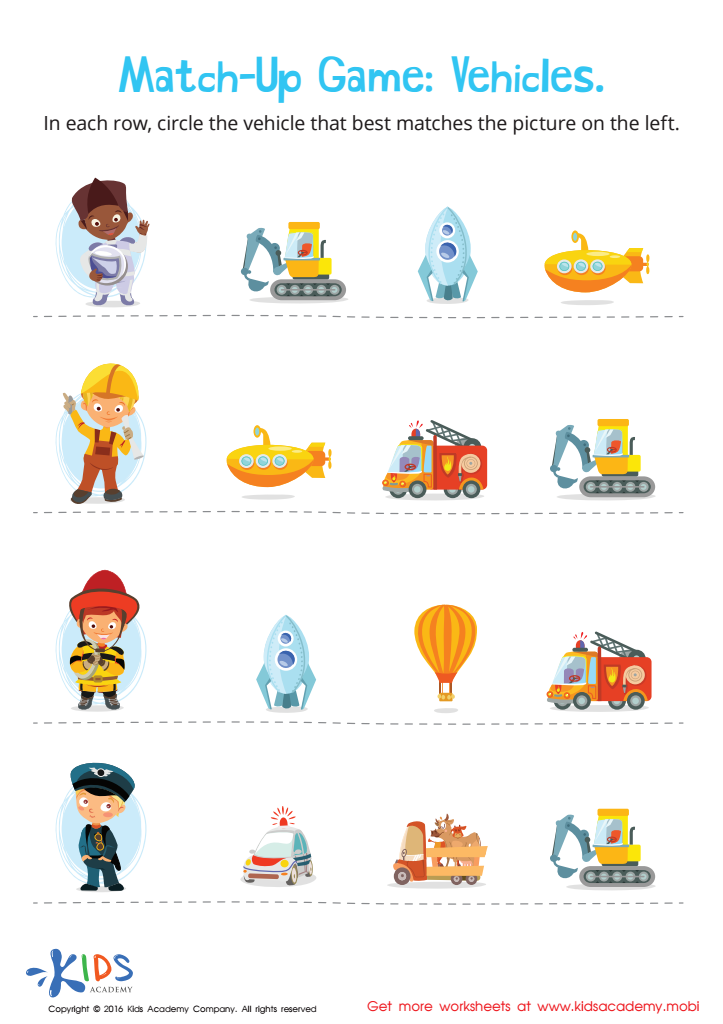
Beep, beep! Your little driver will love this matching game! Matching vehicles with their drivers can help your child discover new jobs and practice problem-solving skills. It can even start a conversation about different careers. Don’t be surprised if they start playing with more cars and trucks! Use this and other sorting activities to practice with colors, shapes and patterns.
Vehicles Worksheet
Worksheet
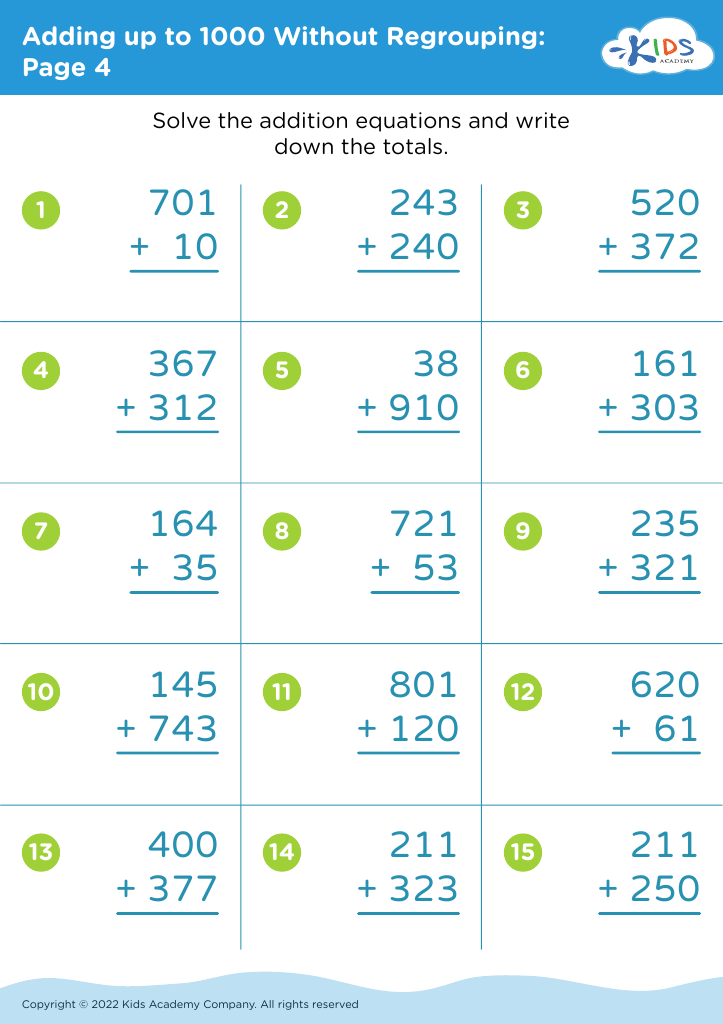
Adding up to 1000 Without Regrouping: Page 4
Worksheet


Word Recognition Math (WRM) is an essential educational approach that integrates language development and mathematical understanding for children ages 3-7. Parents and teachers should care about WRM because this age group is experiencing crucial cognitive and language growth. Early exposure to word recognition through math enhances vocabulary, which improves comprehension skills across disciplines.

Moreover, WRM fosters problem-solving abilities as children learn to identify words associated with mathematical concepts, such as “add,” “subtract,” and “equal.” Engaging with language in a mathematical context helps children understand instructions, questions, and the language of math itself, reducing anxiety around these concepts later in life.

Furthermore, research indicates that early intervention in literacy and numeracy skills leads to greater academic success. By focusing on word recognition in math, adults can support holistic development, promoting not only numerical skills but also overall communication abilities. Additionally, vocabulary development linked to math concepts can inspire a love for learning, ensuring that children remain curious, engaged, and motivated.

Ultimately, prioritizing Word Recognition Math means equipping young learners with vital tools for academic achievement, cognitive development, and lifelong learning. It helps create a strong foundation necessary for future educational endeavors.