Number Recognition Tracing Numbers Worksheets for Ages 3-7 - Page 2
28 filtered results
-
From - To
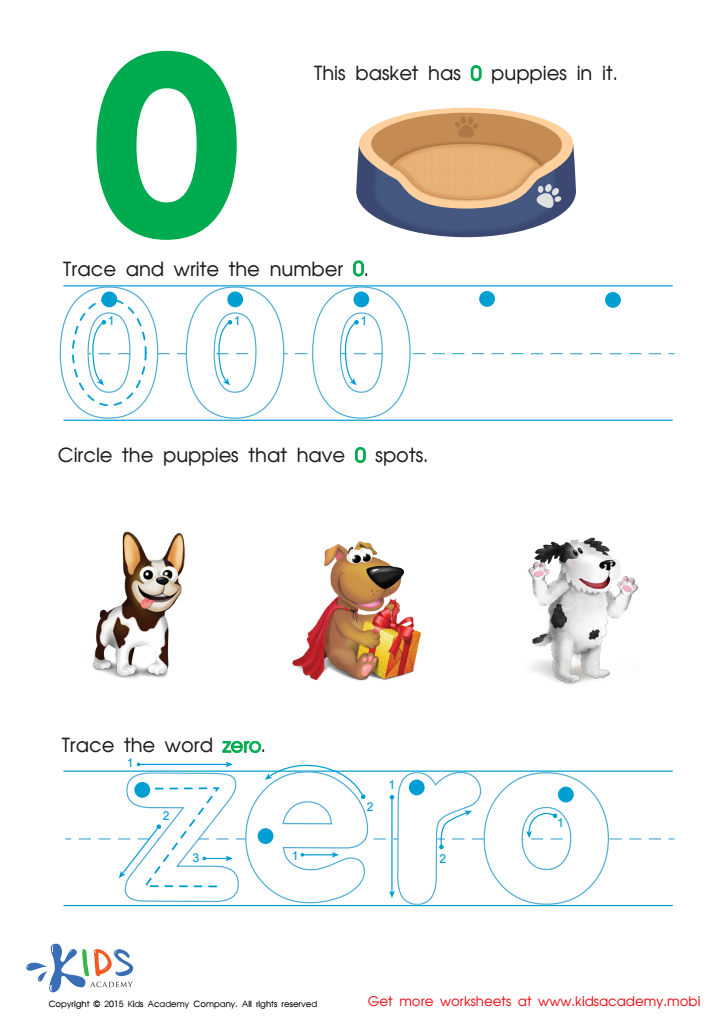
Trace And Write Number 0 Worksheet
 Assign to My Students
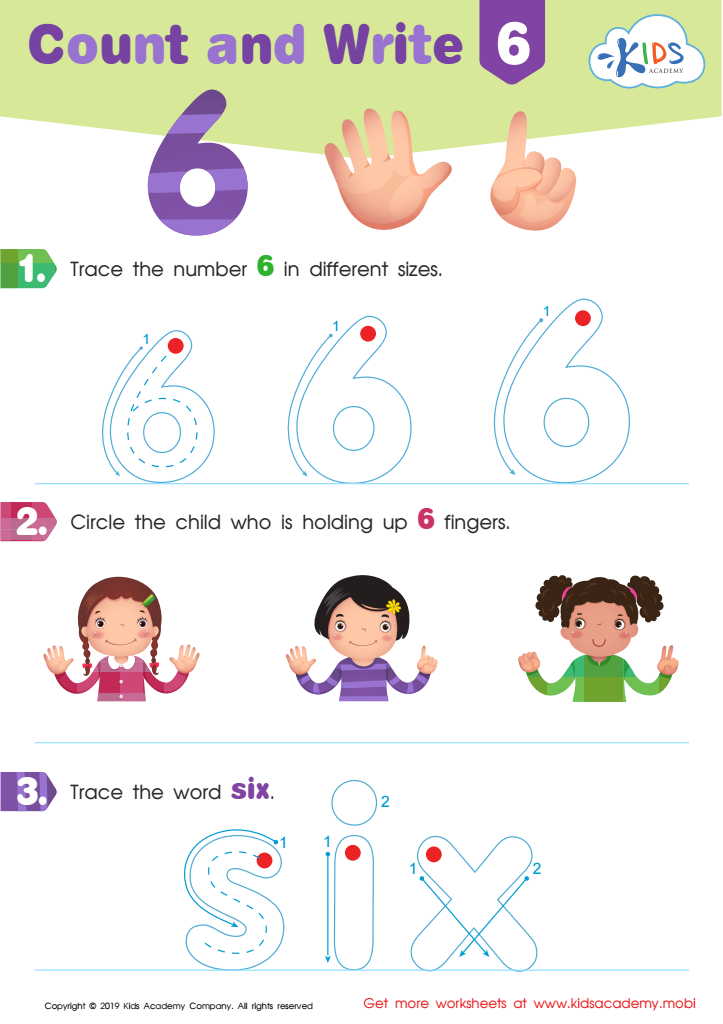
Count and Write 6 Worksheet
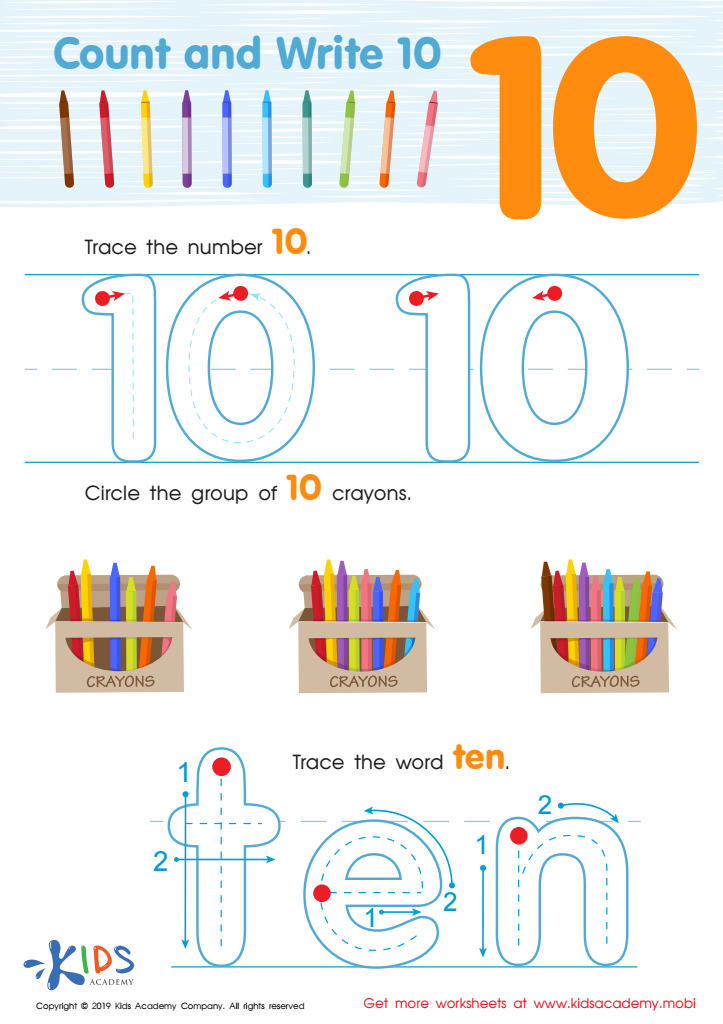
Count and Write 10 Worksheet
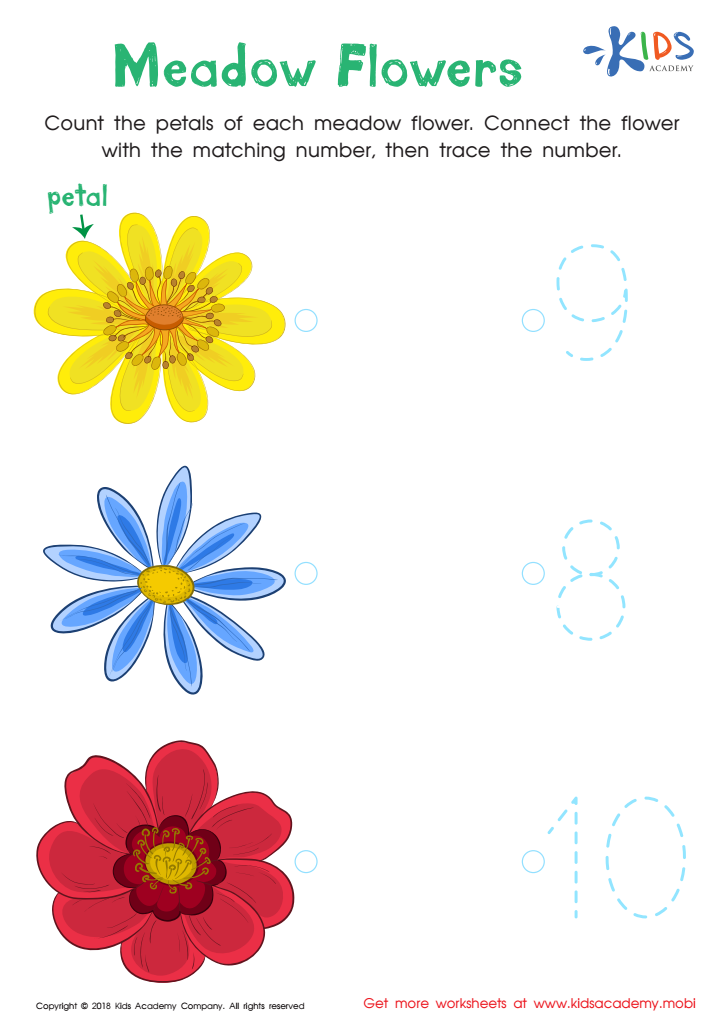
Kindergarten Number Tracing: Medow Flowers Worksheet








Number recognition and tracing are foundational skills crucial for children aged 3-7, constituting their early mathematical journey and more. Engaging young learners in these activities serves multiple developmental purposes. Firstly, recognizing numbers allows children to begin understanding math concepts smoothly, inherently connecting symbols (numerals) with quantities. This forms the bedrock for more advanced math skills such as addition, subtraction, and even day-to-day tasks like telling time and handling money.
Secondly, tracing numbers refines fine motor skills and eye-hand coordination which are essential for tasks beyond math, such as writing letters and drawing shapes. These skills also promote neurological development and cognitive processing.
From a socio-emotional perspective, these activities enhance a child's confidence and independence as they gradually master important life skills. Consistent practice fosters a sense of achievement that boosts self-esteem.
Parents and teachers who prioritize number recognition and tracing tend to witness improved academic readiness in children, paving a smoother transition into formal education. Early intervention through fun and structured activities ensures that children not only grasp essential numerical concepts but also develop a lifelong positive attitude towards learning.
Hence, investing attention in these foundational skills offers a holistic benefits range, aiding in the comprehensive development of young learners.