Problem-Solving Skills Word Problems Worksheets for Ages 3-7 - Page 2
39 filtered results
-
From - To
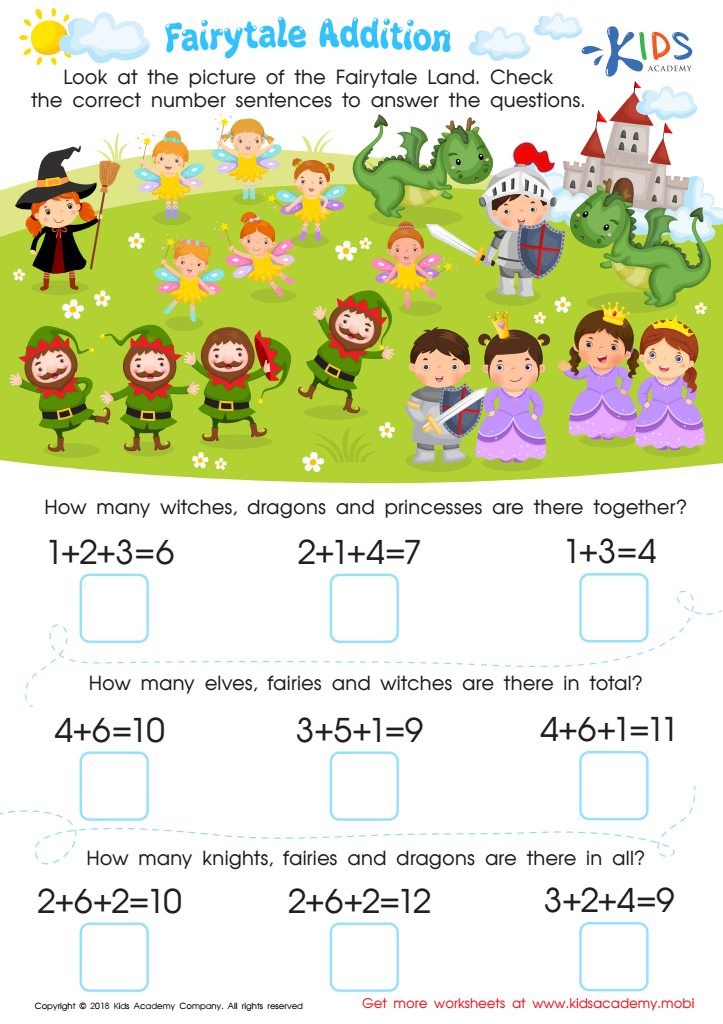
Fairytale Addition Worksheet
 Assign to My Students
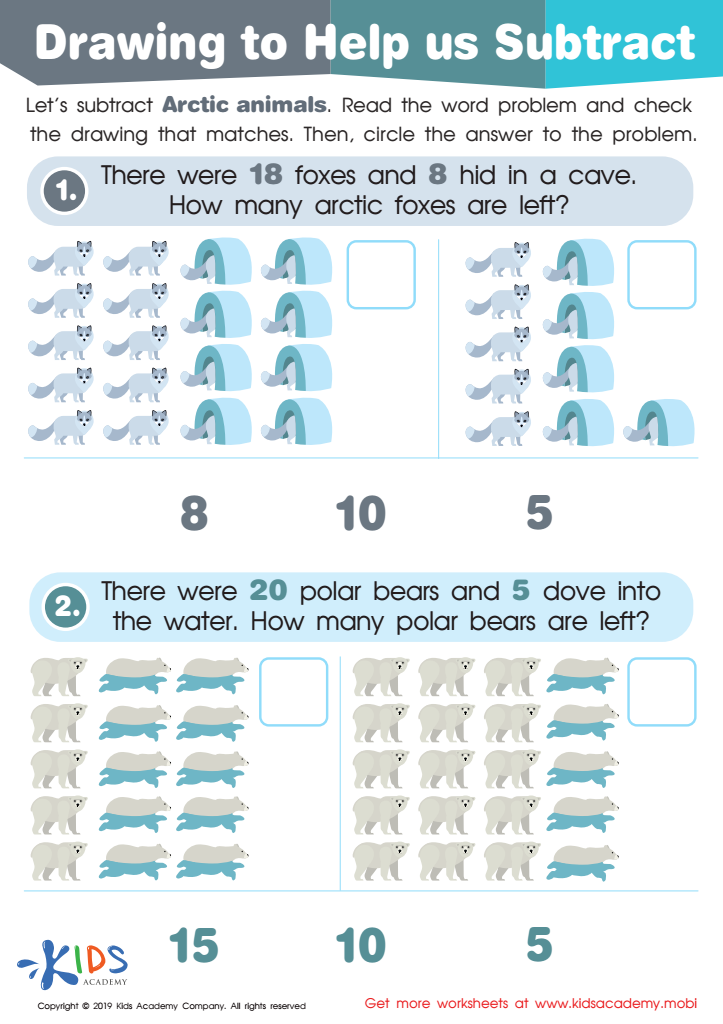
Drawing to Help Us Subtract Worksheet
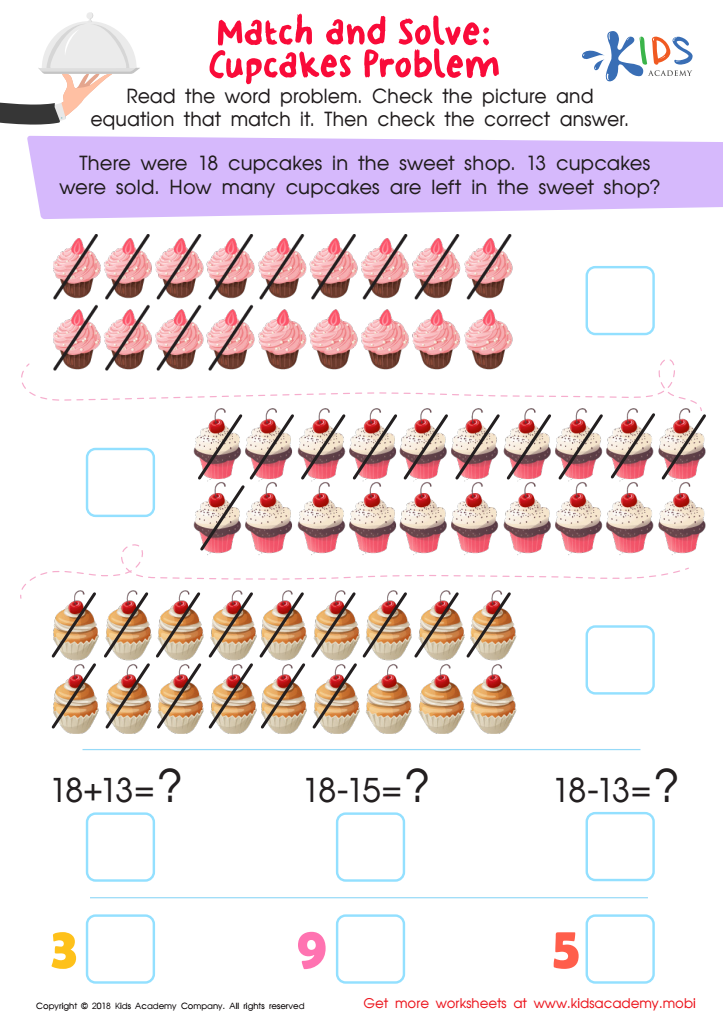
Match and Solve: Cupcakes Problem Worksheet
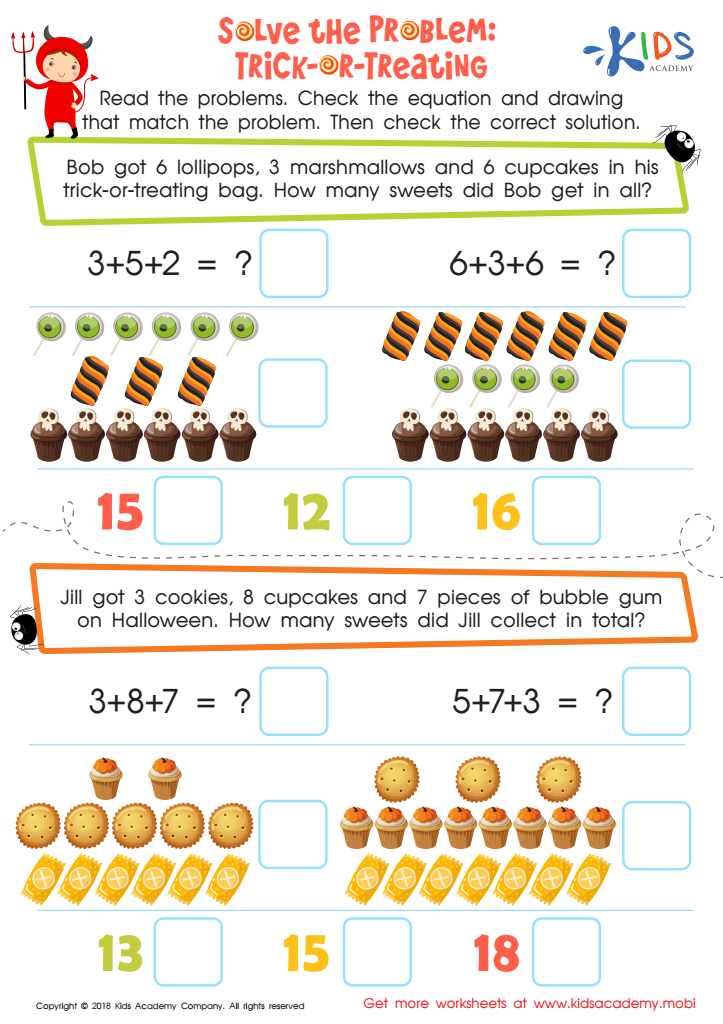
Solve the Problem: Trick–or–treating Worksheet
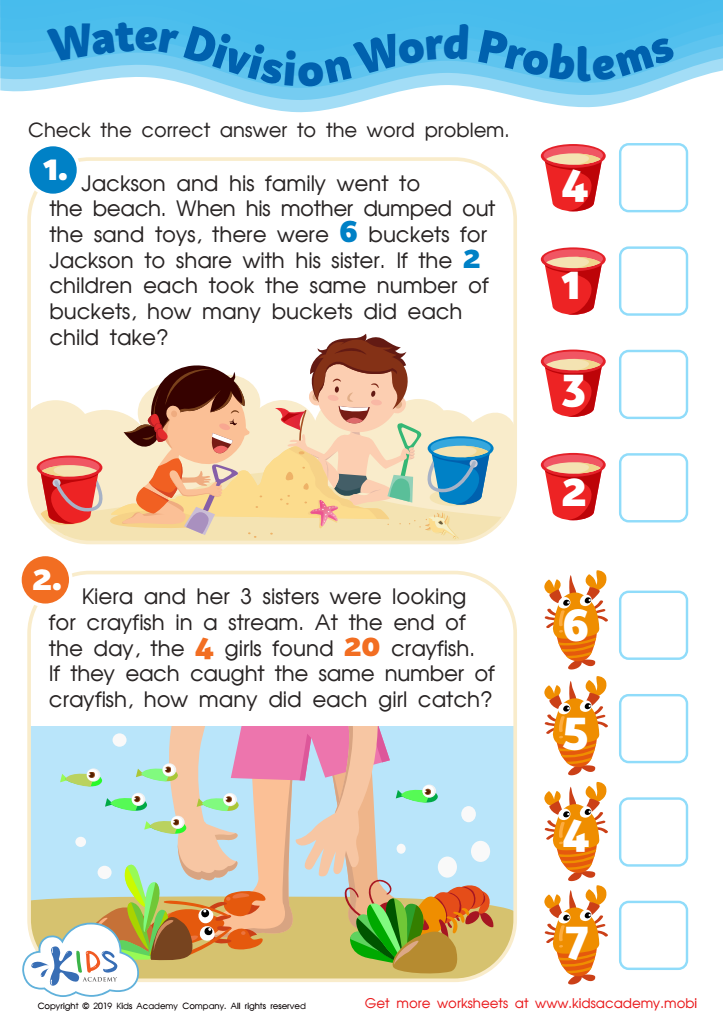
Water Division Word Problems Worksheet
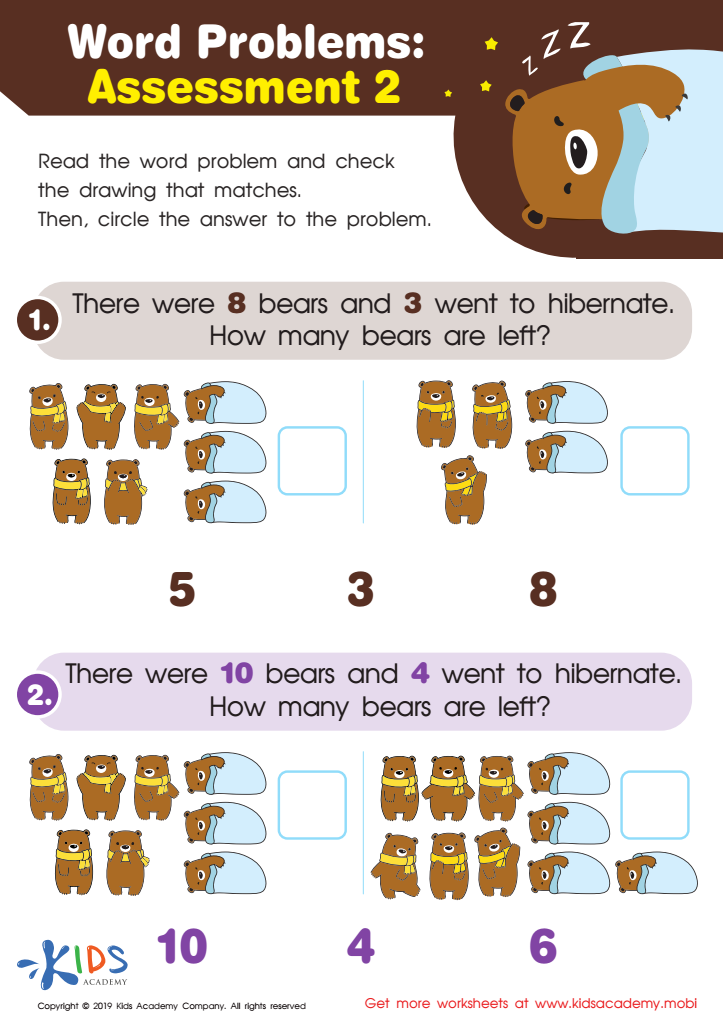
Word Problems: Assessment 2 Worksheet
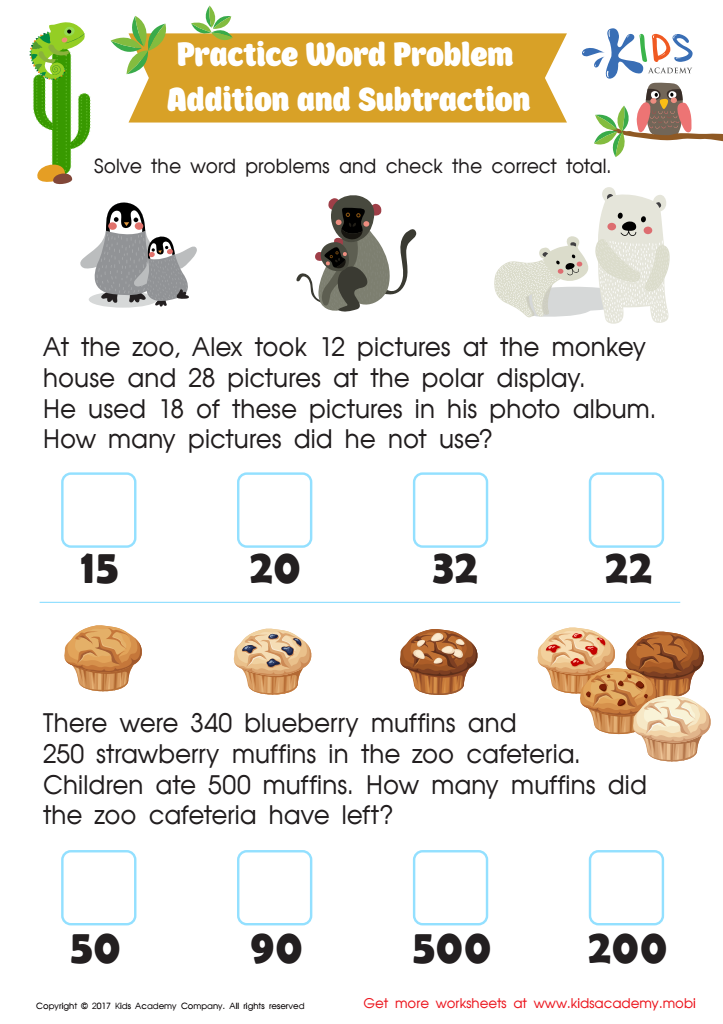
Addition and Subtraction: Word Problems Worksheet
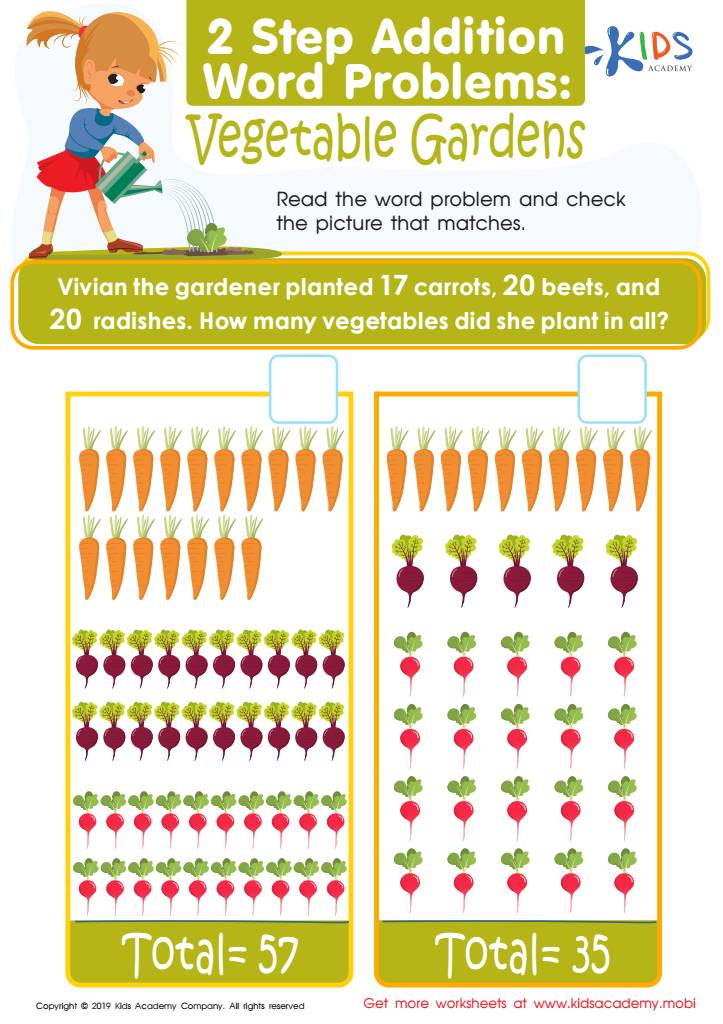
Vegetable Gardens Worksheet
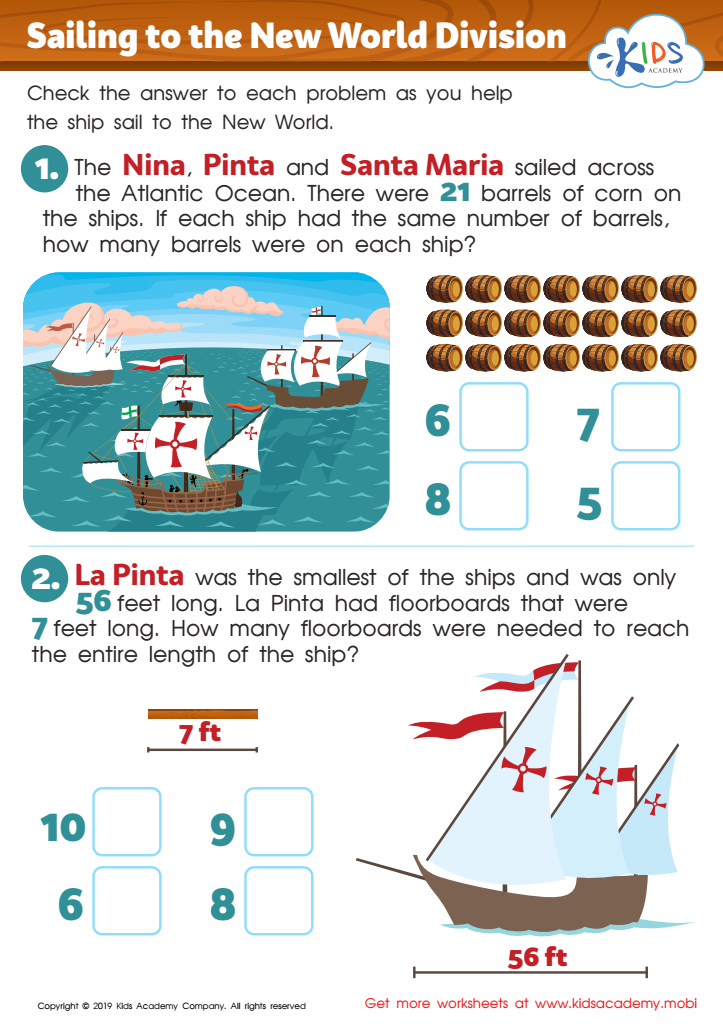
Sailing to the New World Division Worksheet
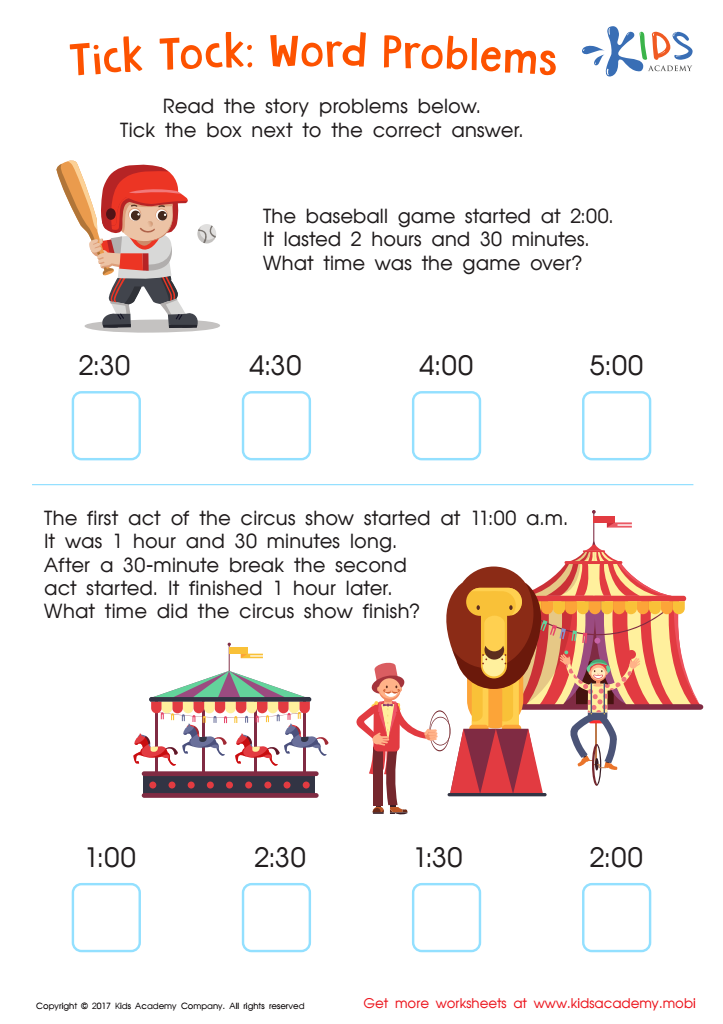
Tick Tock Word Problems Time Worksheet
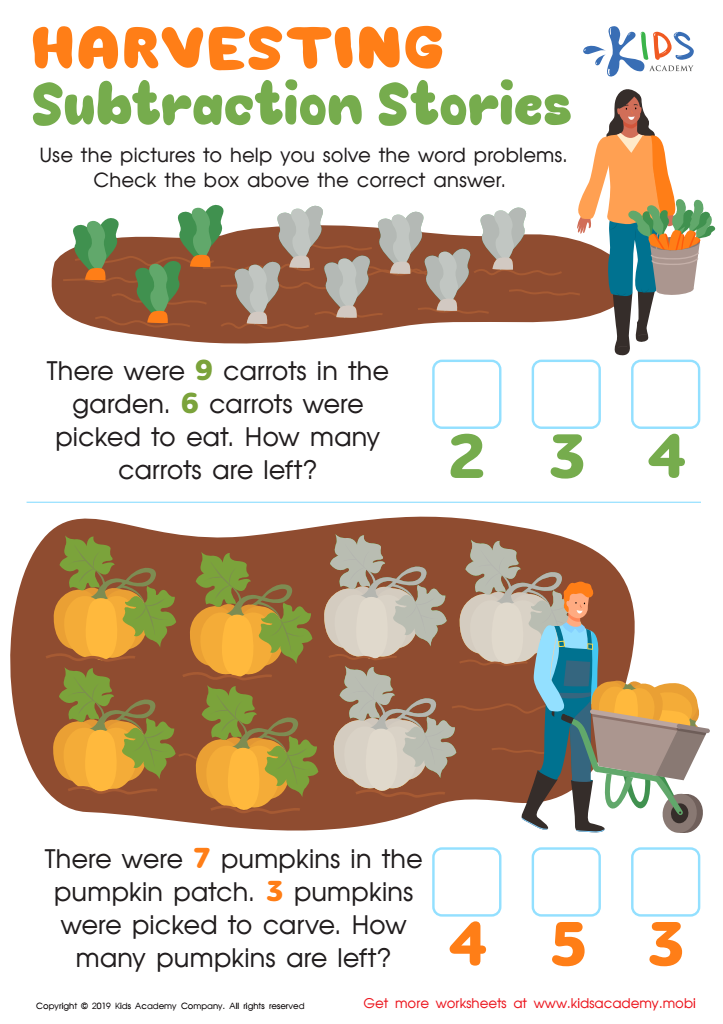
Harvesting Subtraction Stories Worksheet
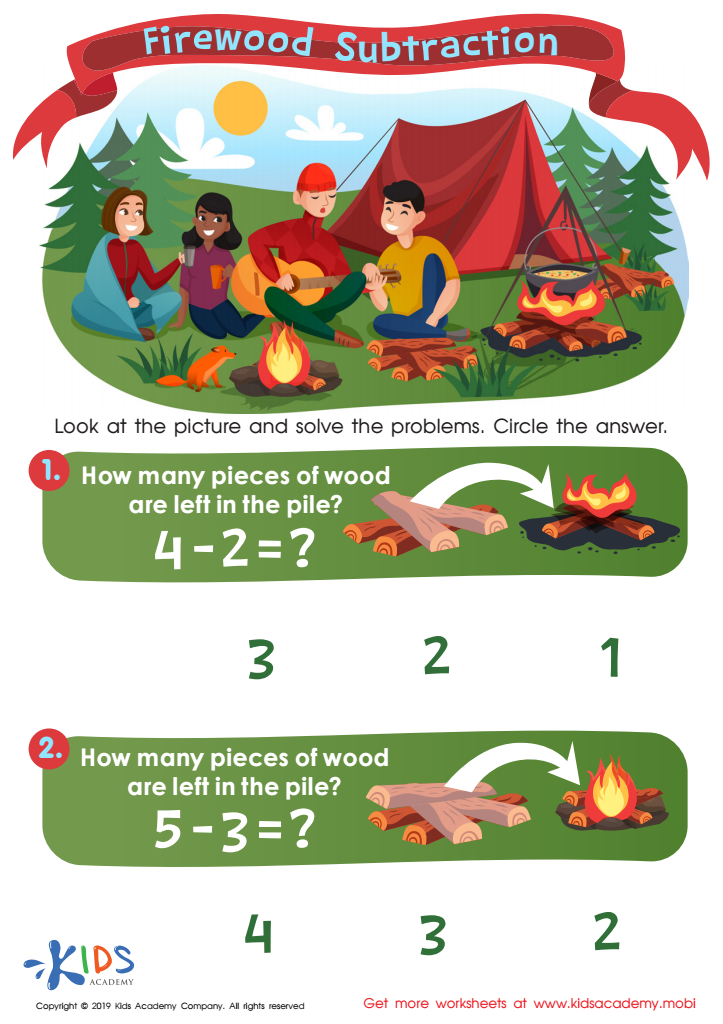
Firewood Subtraction Worksheet
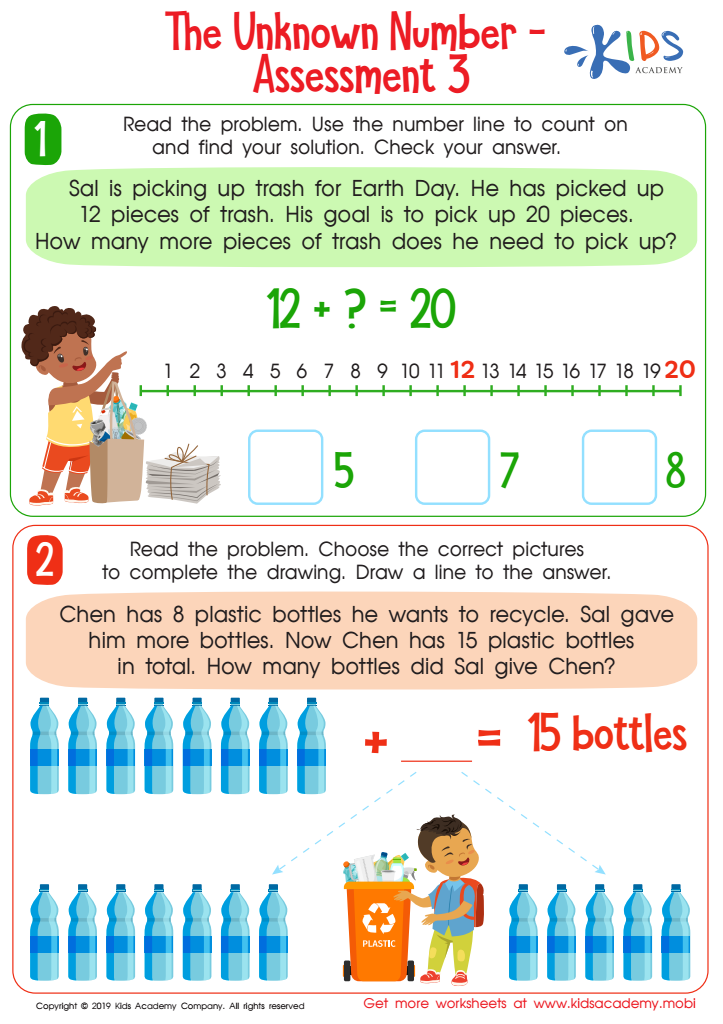
The Unknown Number - Assessment 3 Worksheet
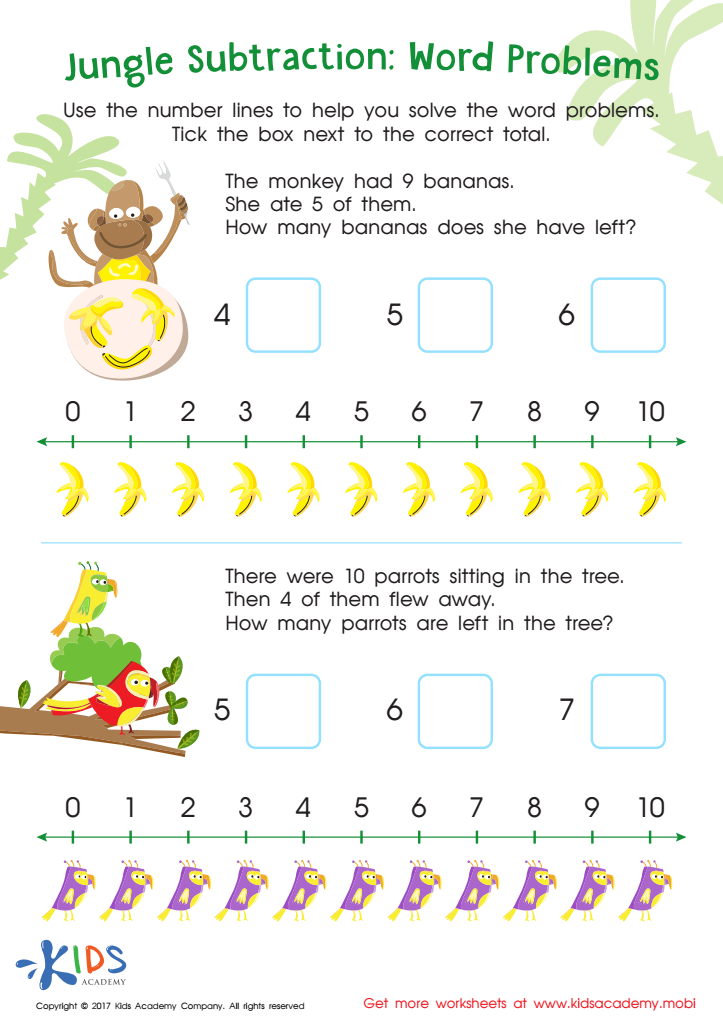
Jungle Subtraction Word Problems Substraction Worksheet
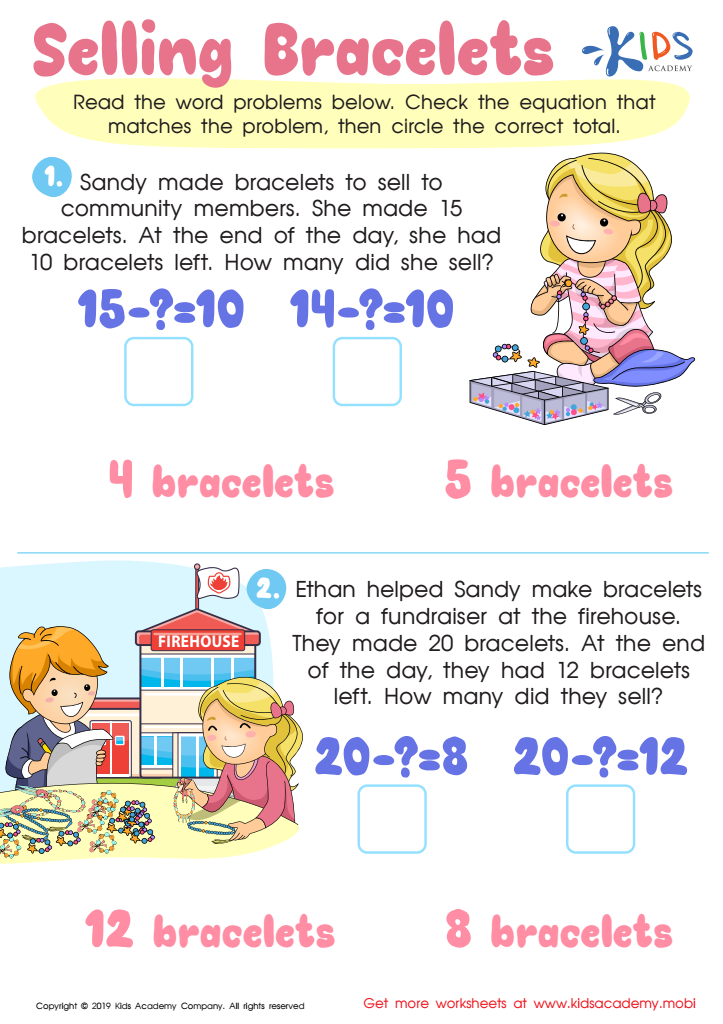
Selling the Bracelets Worksheet








Problem-solving skills are essential for children's cognitive development, especially in early childhood from ages 3 to 7. During this critical period, children's brains are highly receptive to learning, and developing strong problem-solving capabilities lays a solid foundation for future academic success. Word problems, in particular, promote literacy and numeracy skills, encouraging children to comprehend, analyze, and articulate their thought processes.
When children engage with word problems, they learn to connect mathematical concepts with real-world scenarios, fostering critical thinking and reasoning abilities. These skills are not just crucial for math but also translate into everyday decision-making and creative problem-solving in various situations throughout life.
Moreover, as children work through word problems, they enhance their language abilities by learning new vocabulary and constructing sentences, promoting communication skills. Parents and teachers play a vital role in facilitating this process by providing engaging and age-appropriate word problems, discussions, and guidance.
Ultimately, fostering problem-solving skills in young children empowers them to approach challenges with confidence and creativity, developing an inquisitive mindset. This equips them not only for academic tasks but also to navigate life's complexities, setting the stage for lifelong learning and success.








