Fine Motor Skills Reading Worksheets for Ages 3-7 - Page 2
48 filtered results
-
From - To
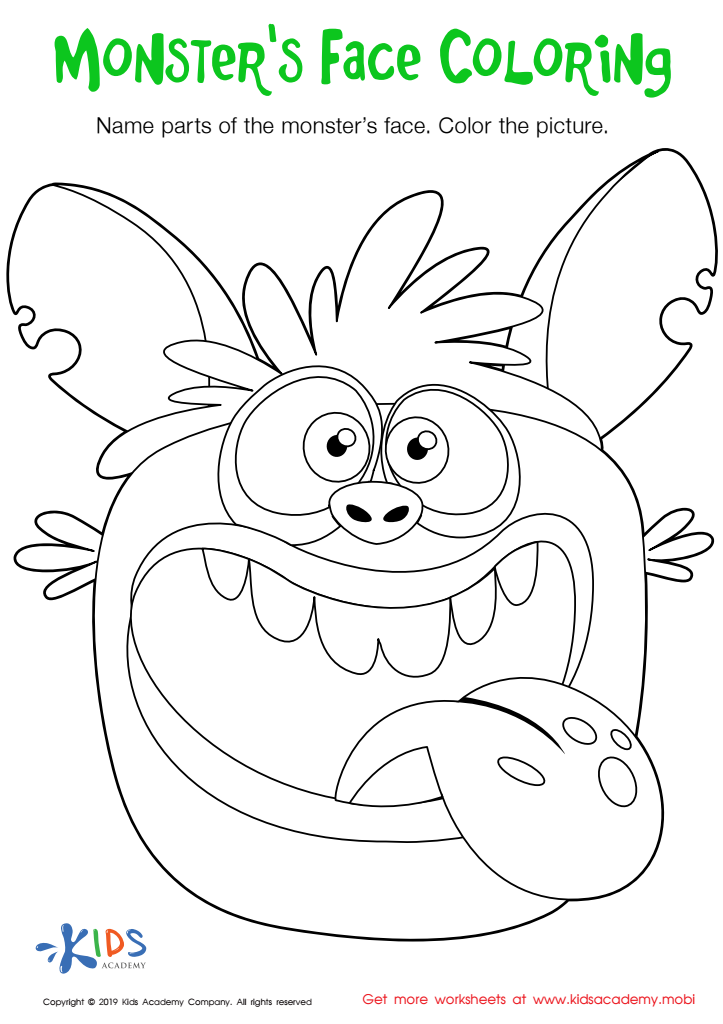
Monster's Face Coloring Worksheet
 Assign to My Students
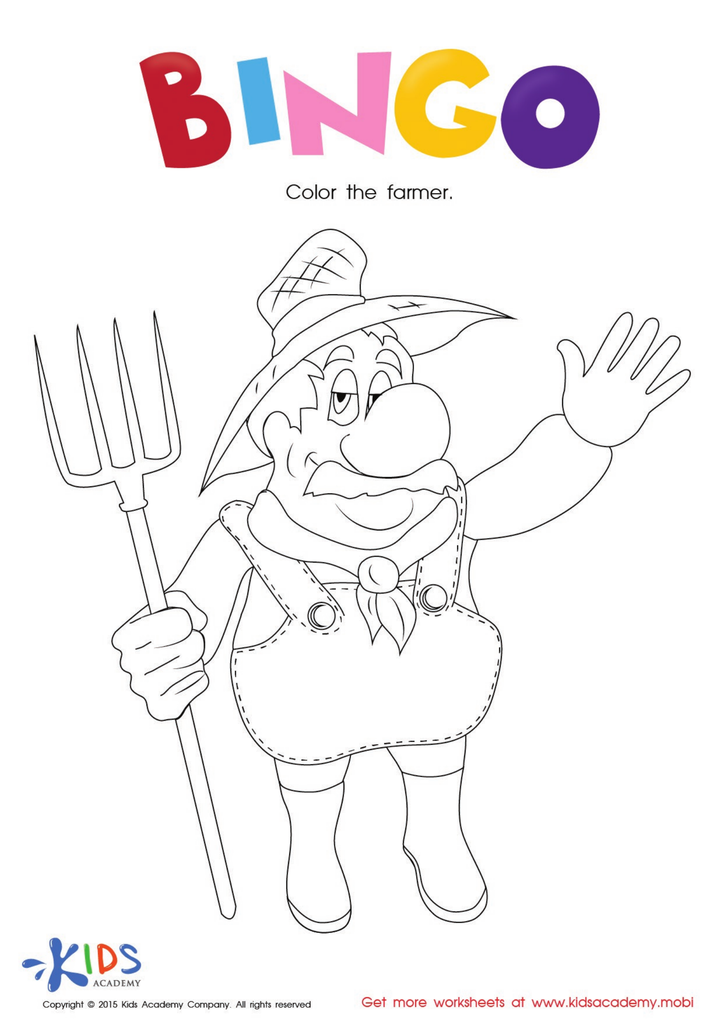
The Bingo Song: Coloring The Farmer Worksheet
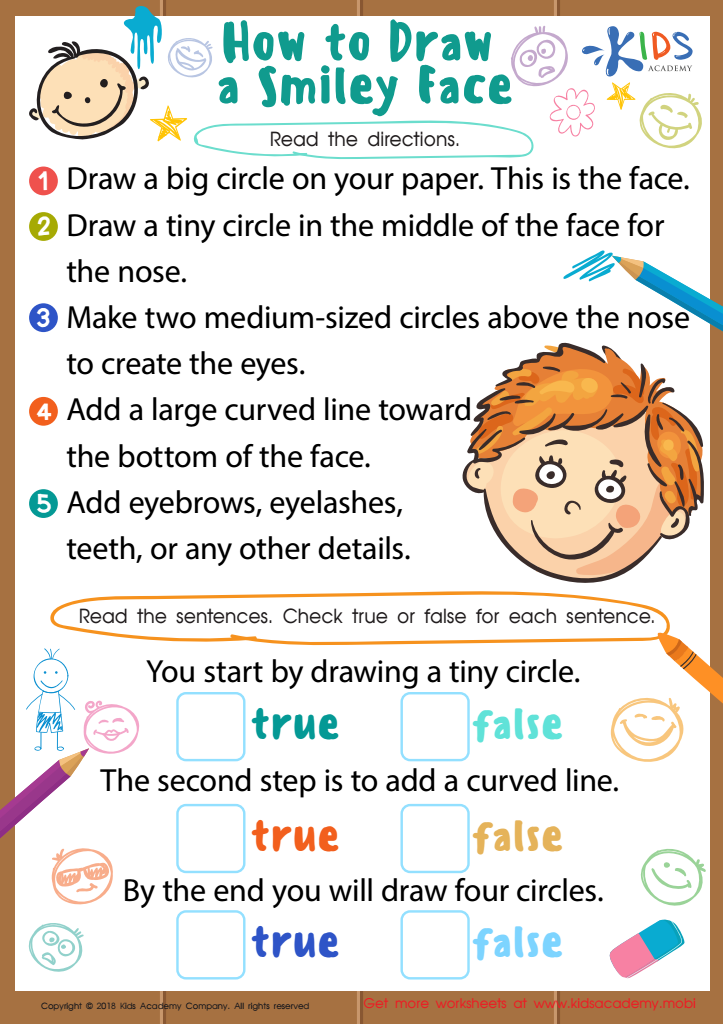
How to Draw a Smiley Face Worksheet
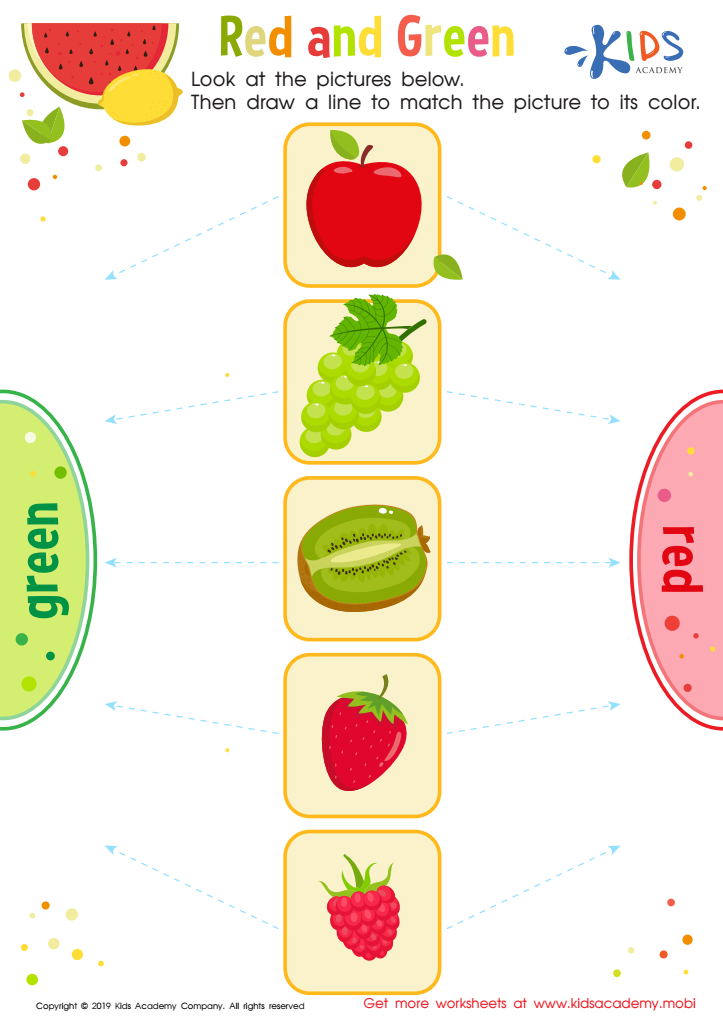
Red and Green Worksheet
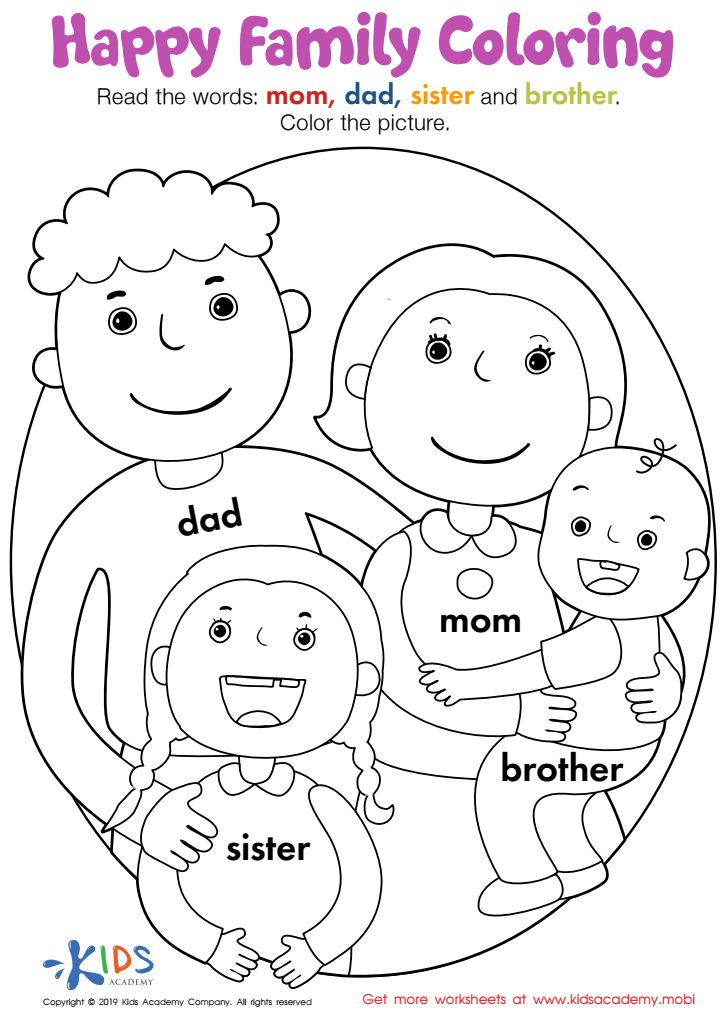
Happy Family Coloring Worksheet
Assign to My Students
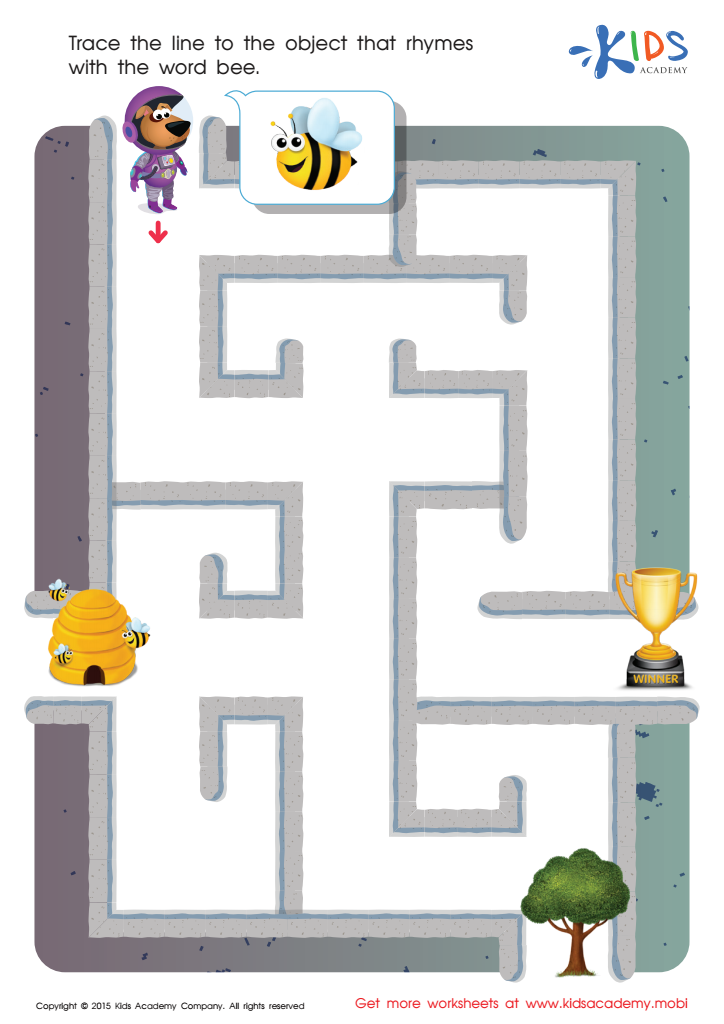
Bee Rhyming Words Worksheet
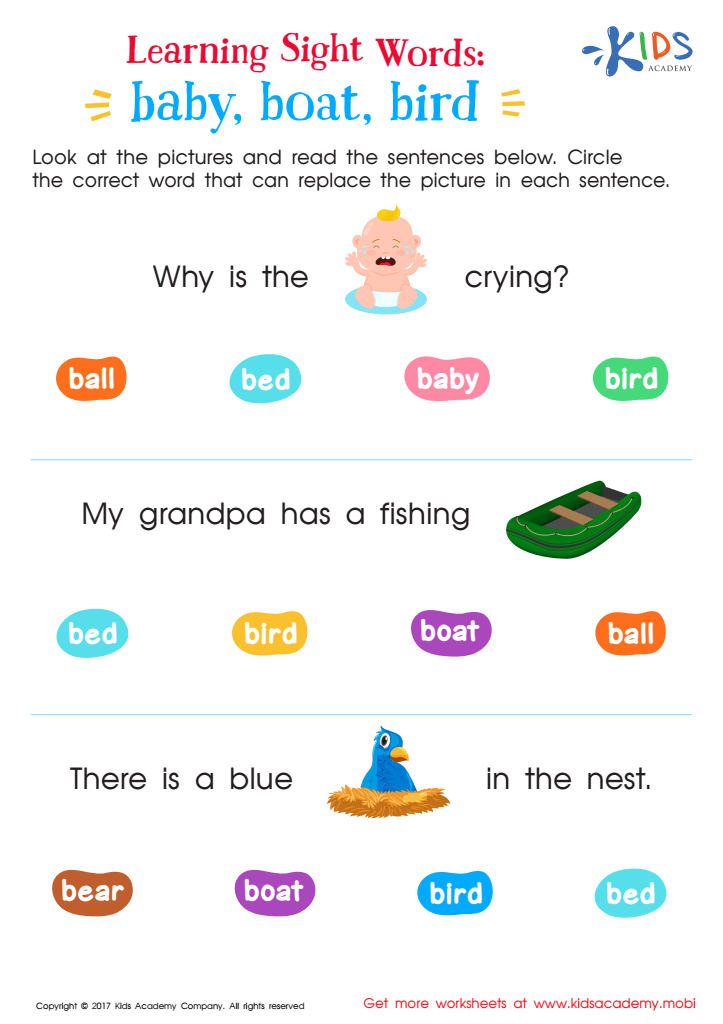
Baby, Boat, Bird Worksheet Sight Words Worksheet
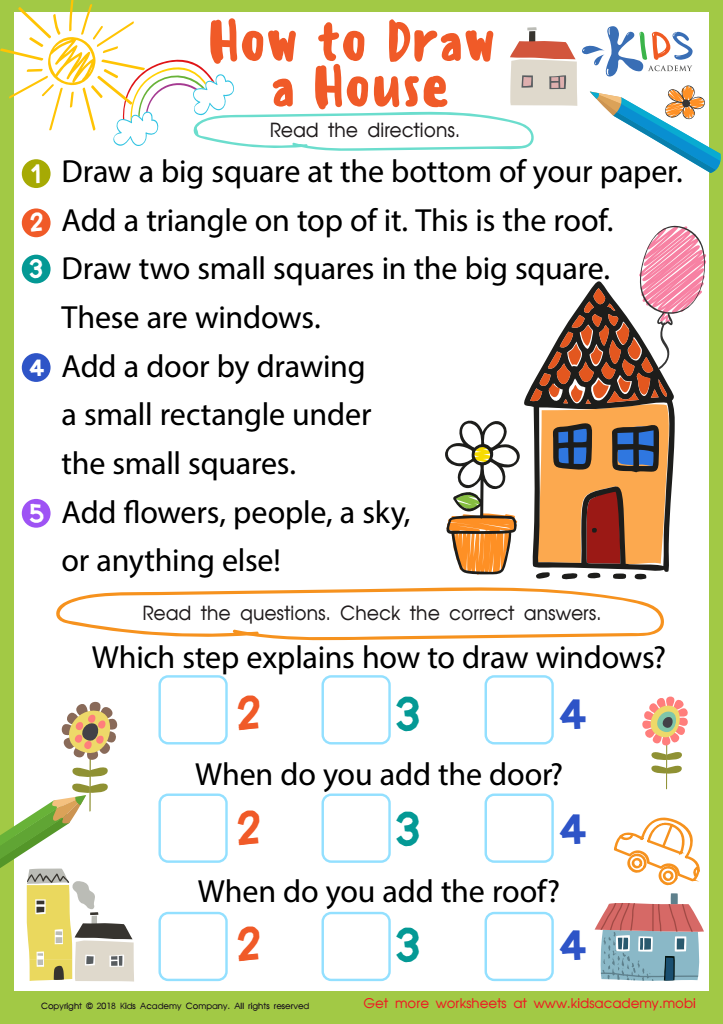
How to Draw House Worksheet
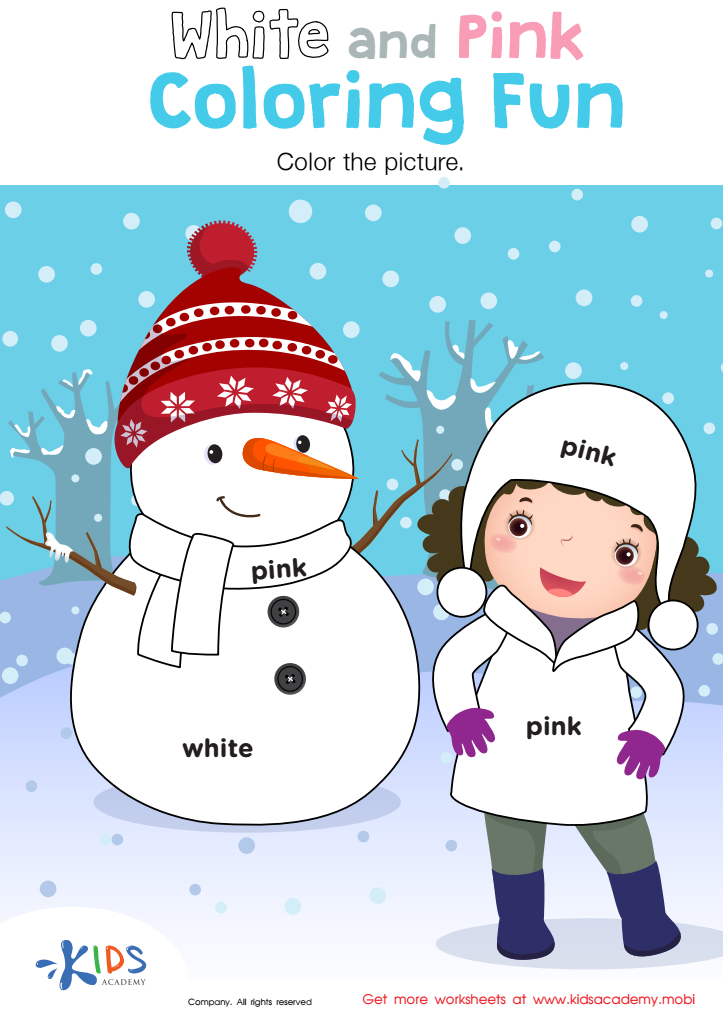
White and Pink Coloring Fun Worksheet
Assign to My Students
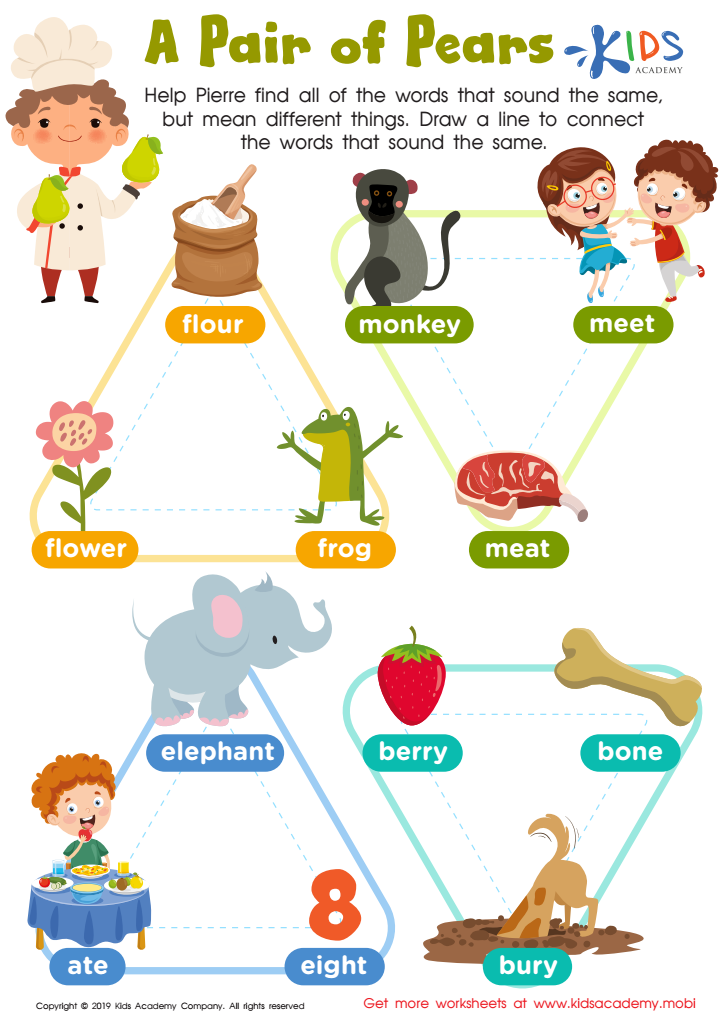
Pair Pears Worksheet
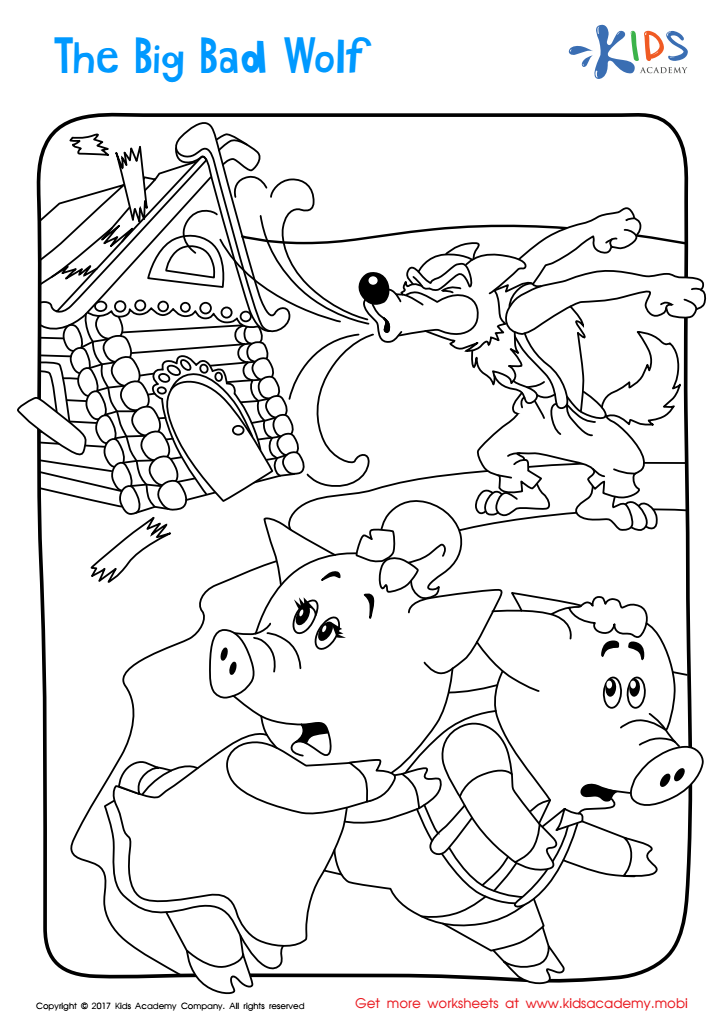
Big Bad Wolf Printable Coloring Page
Assign to My Students
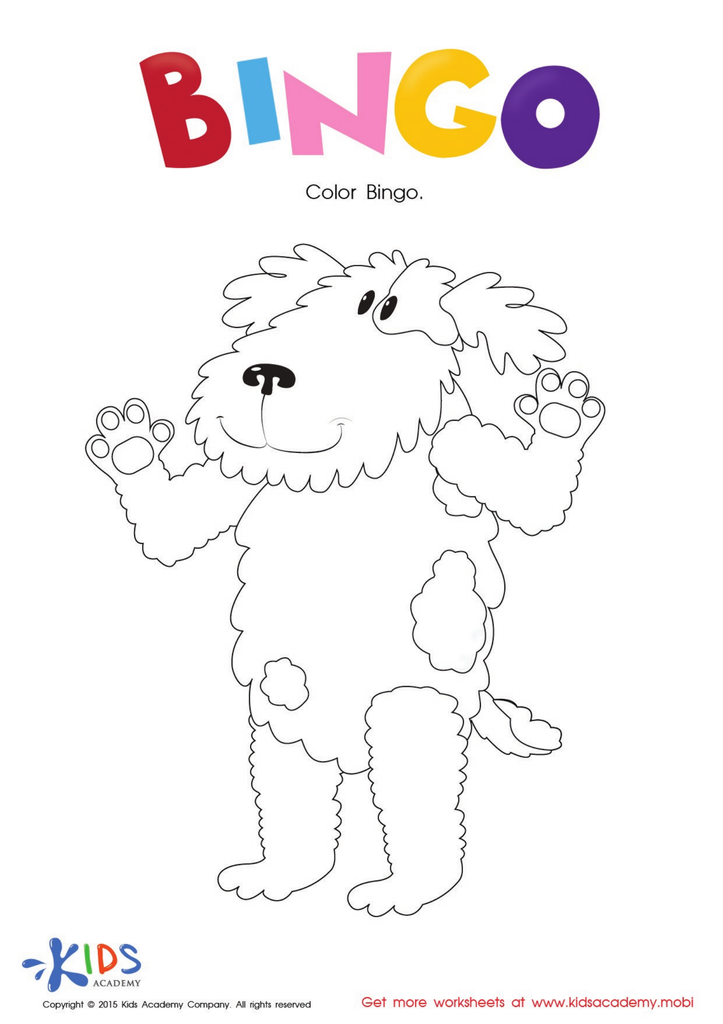
The Bingo Song: Coloring The Dog Worksheet
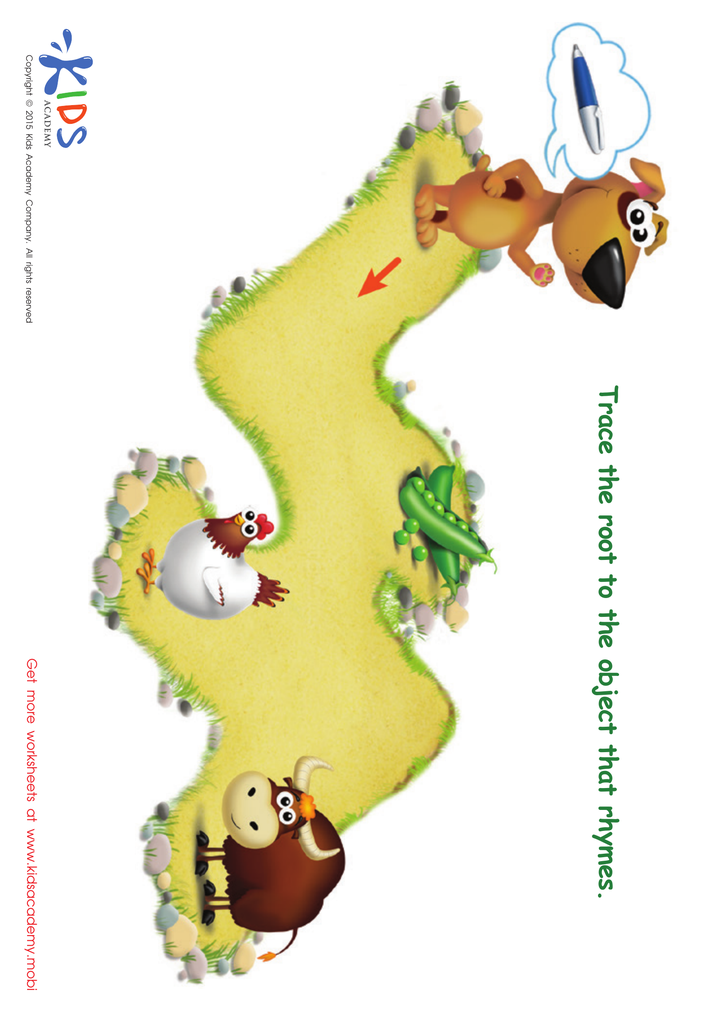
Pen Rhyming Words Worksheet
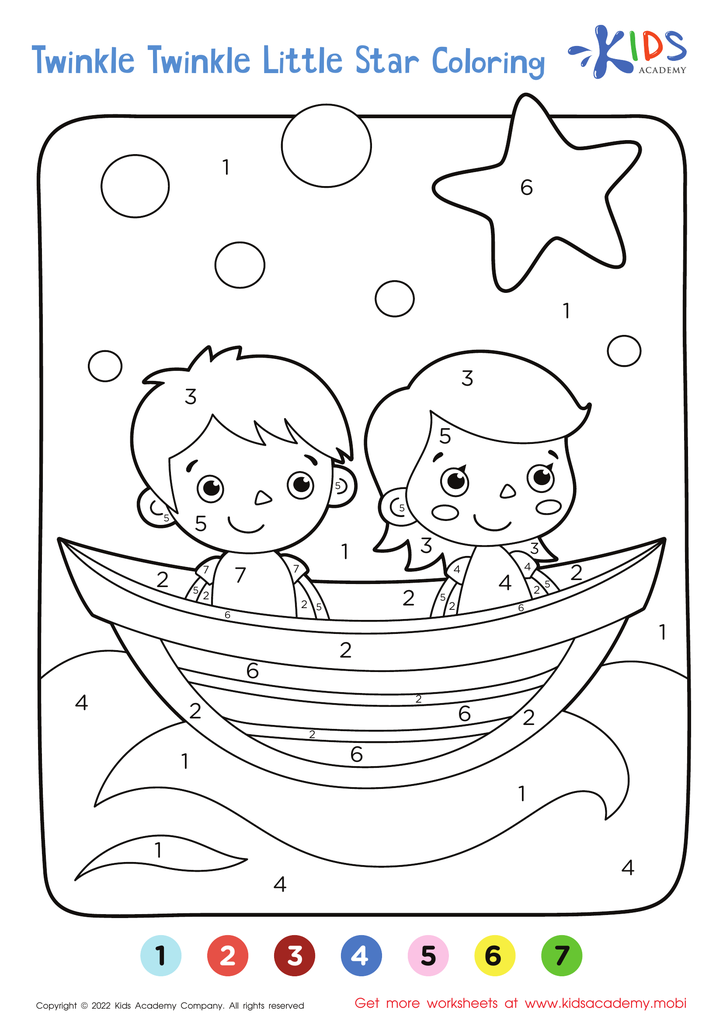
Twinkle, Twinkle, Little Star – Coloring by Numbers
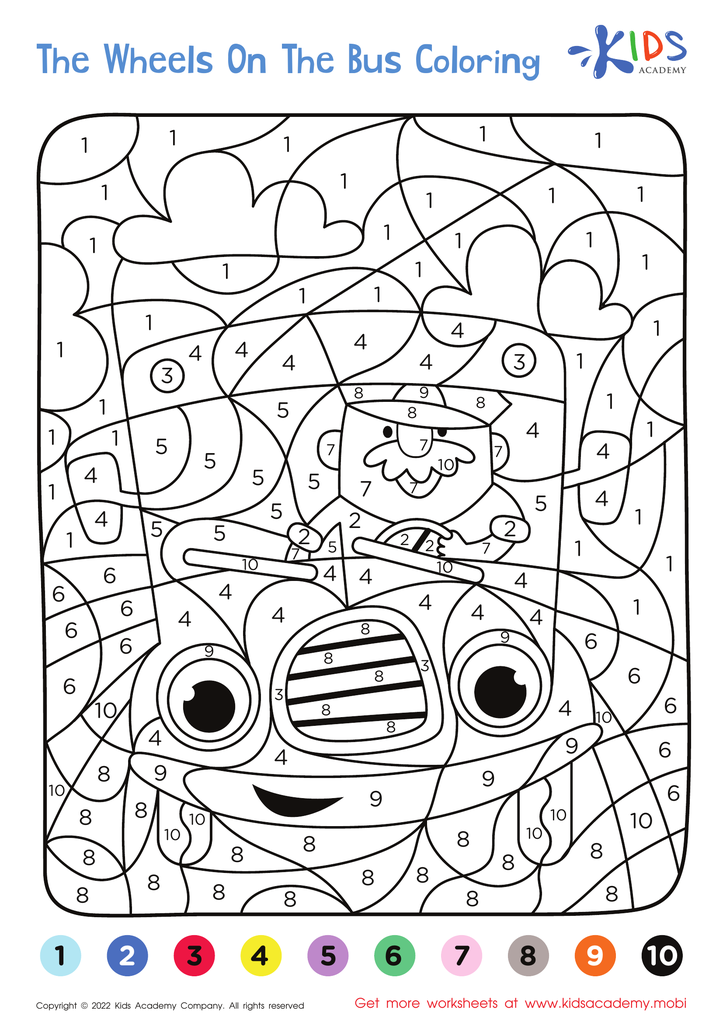
Wheels on the Bus – Coloring by Numbers
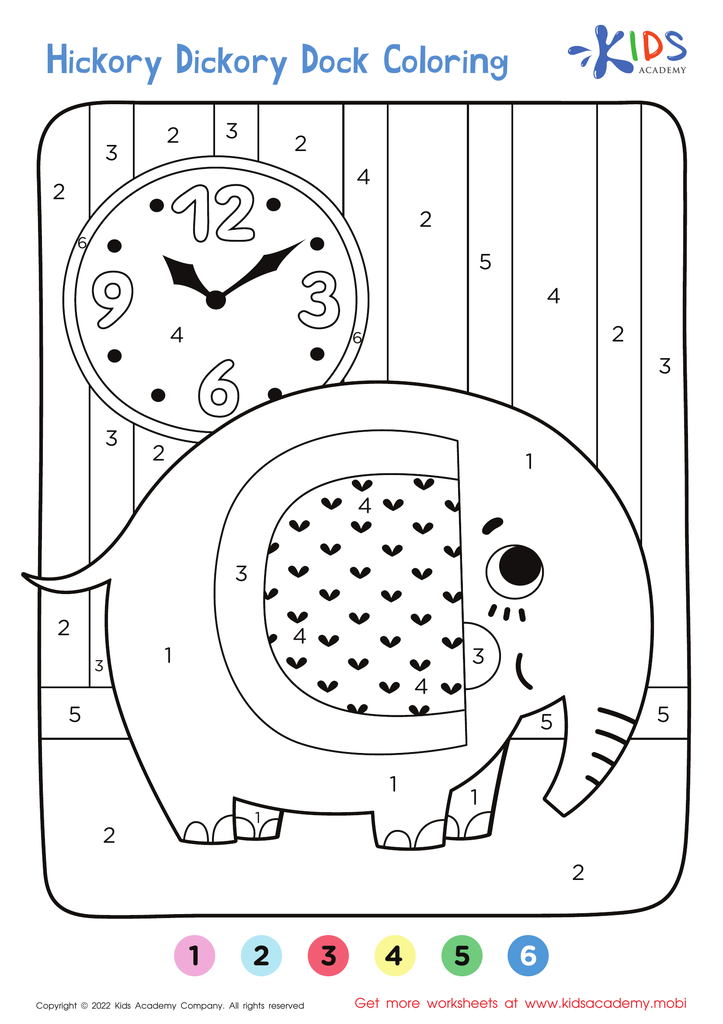
Hickory Dickory Dock – Coloring by Numbers
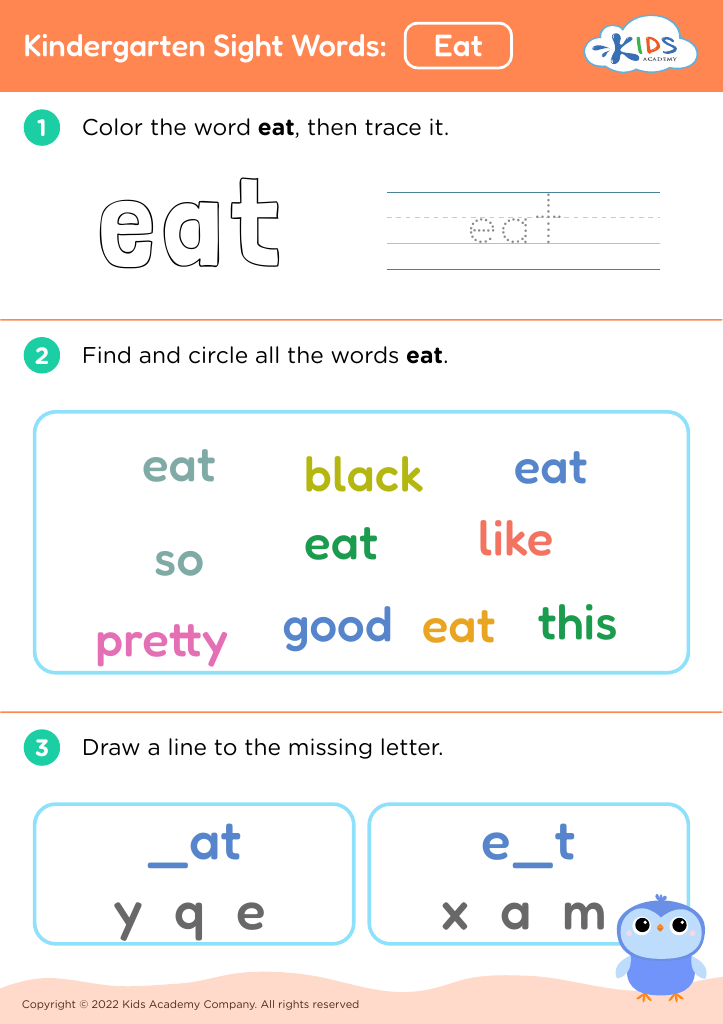
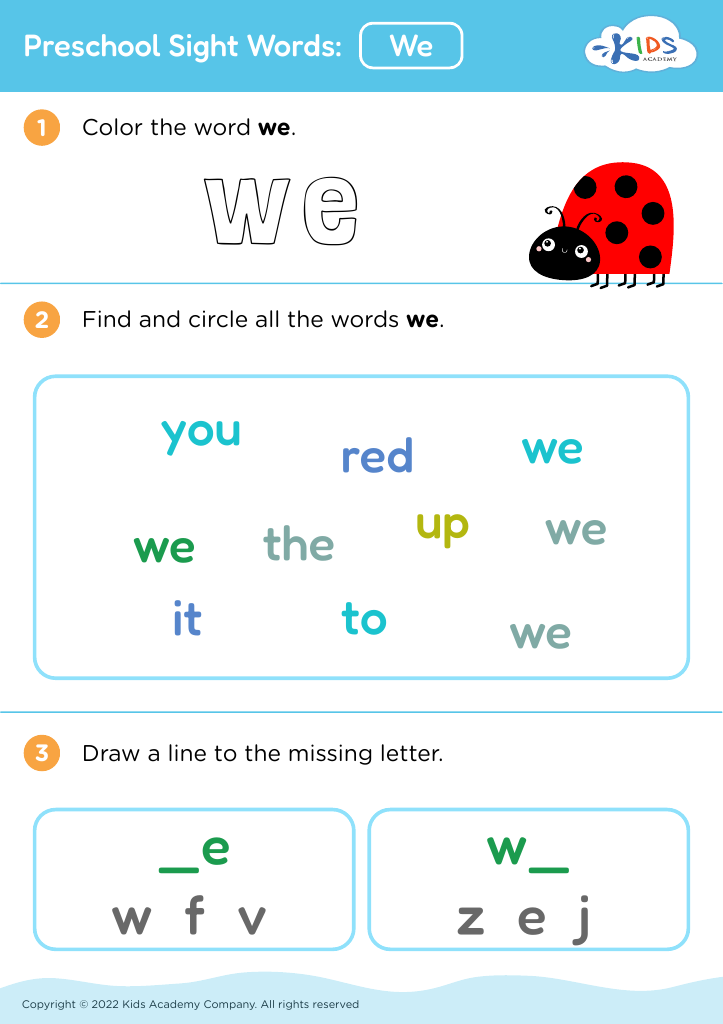
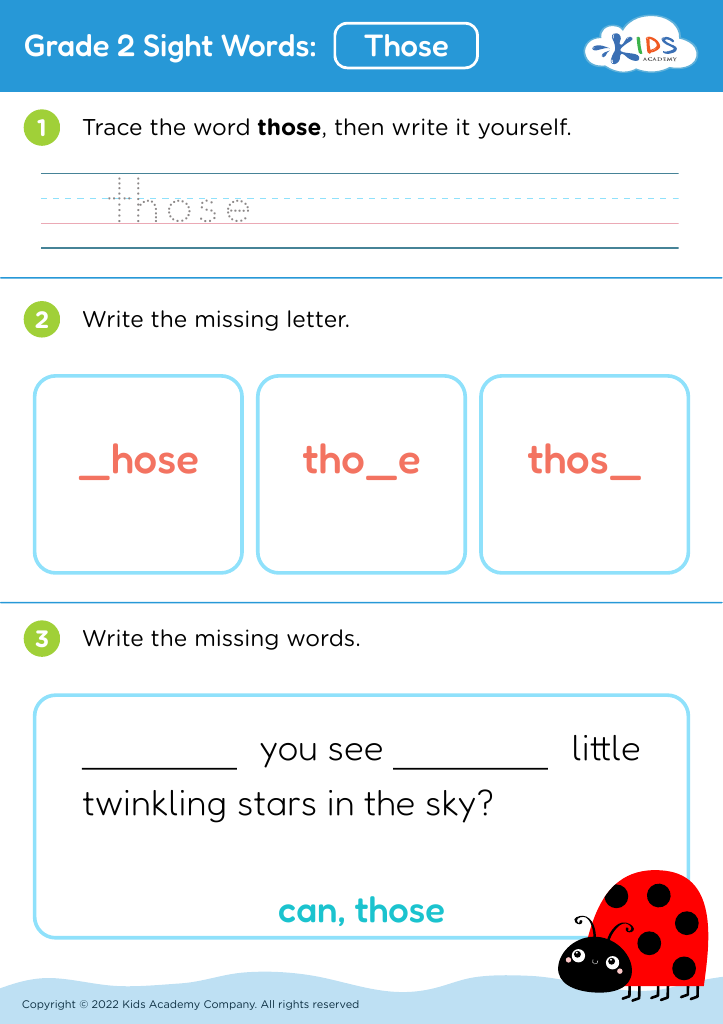
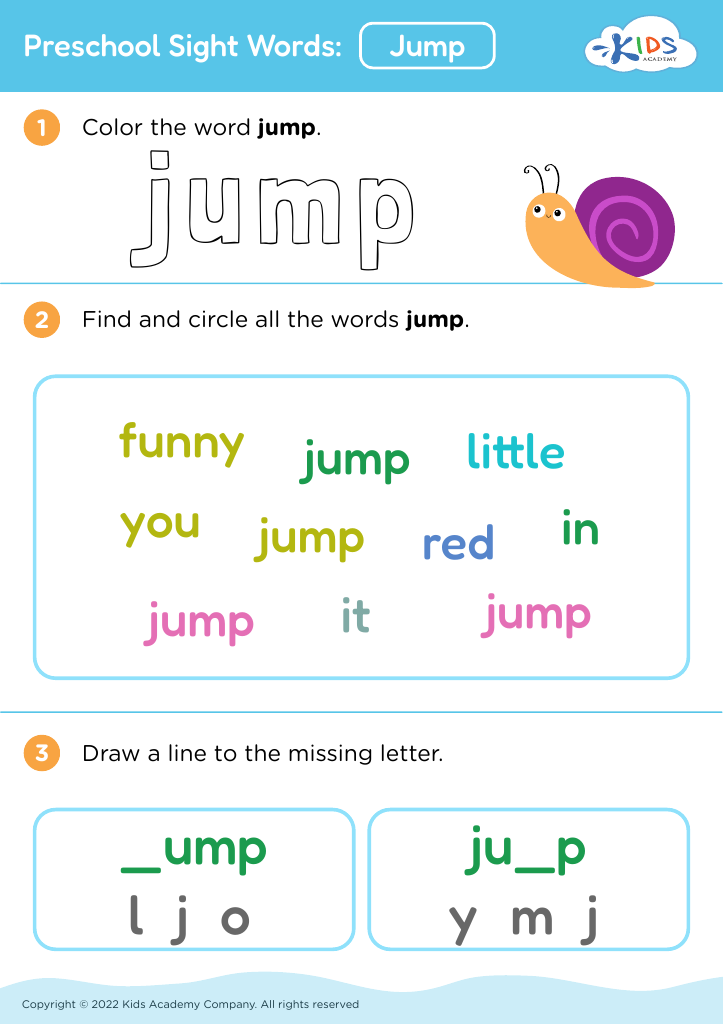
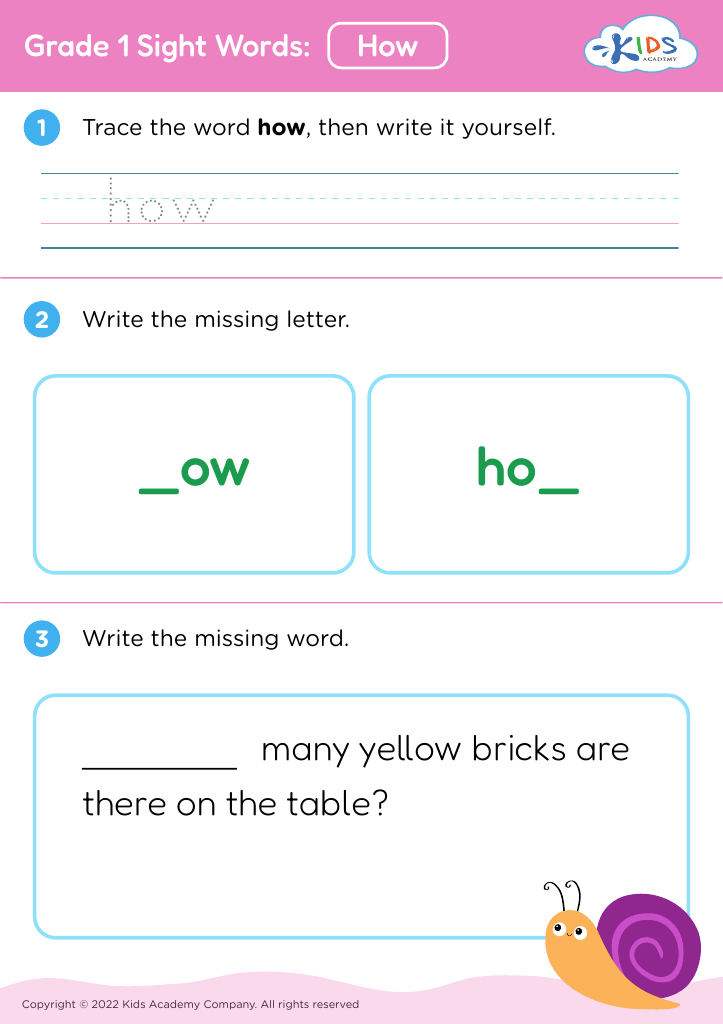
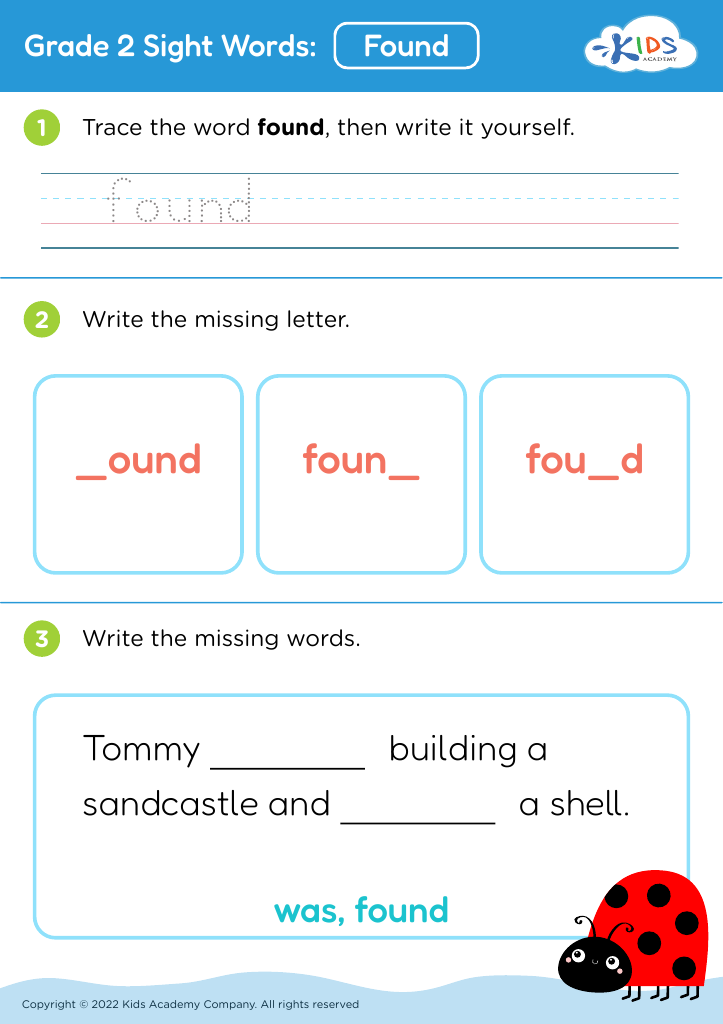
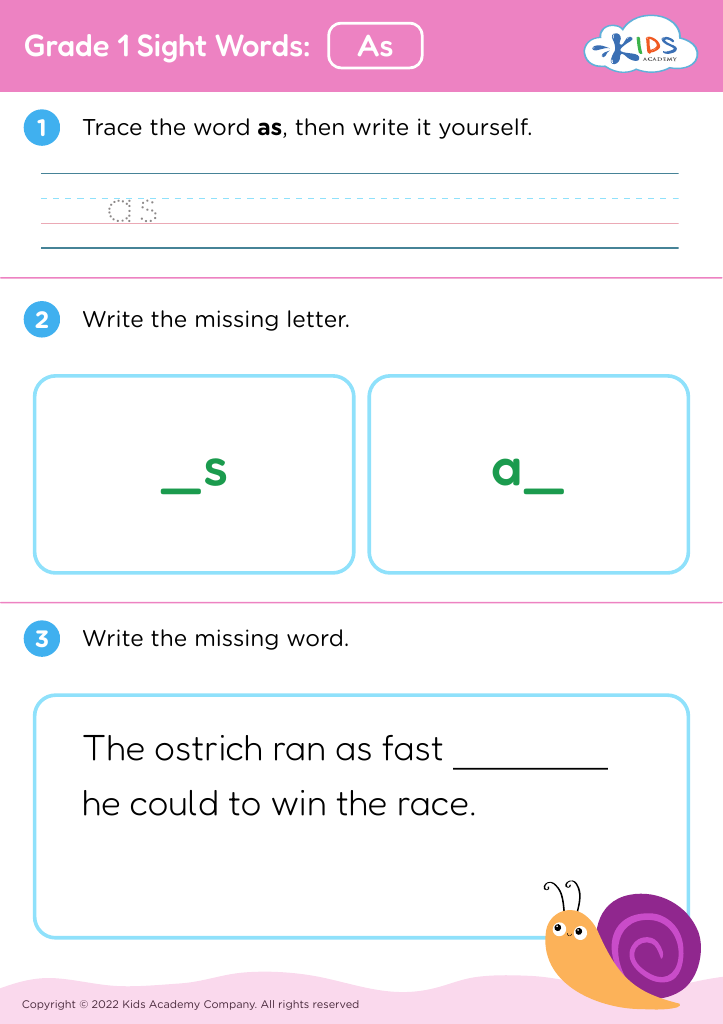
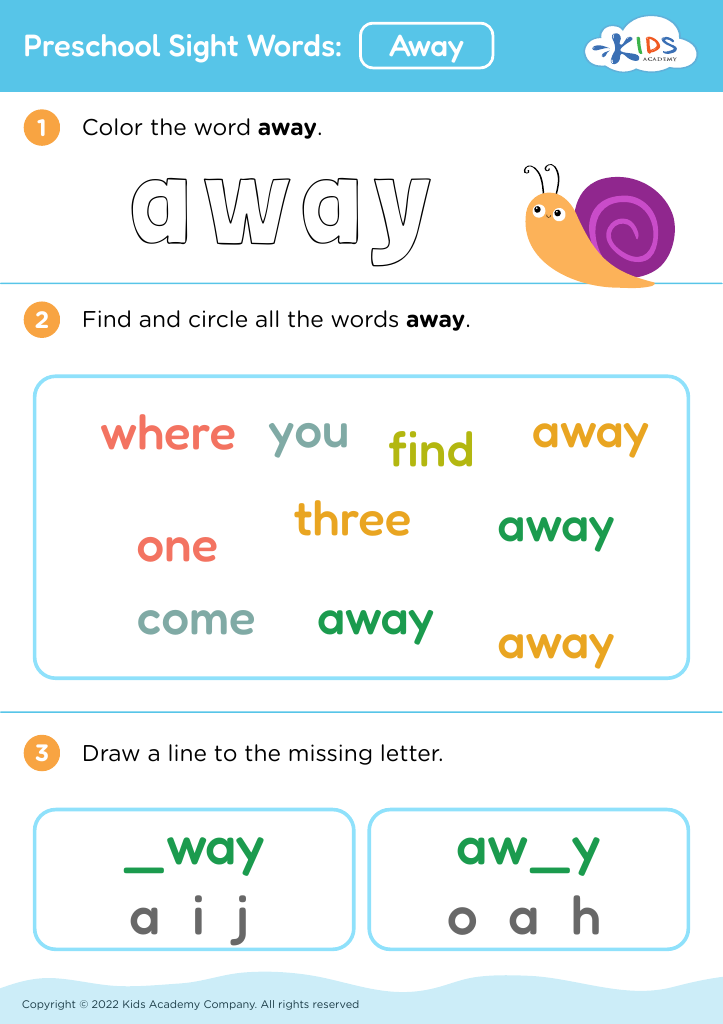





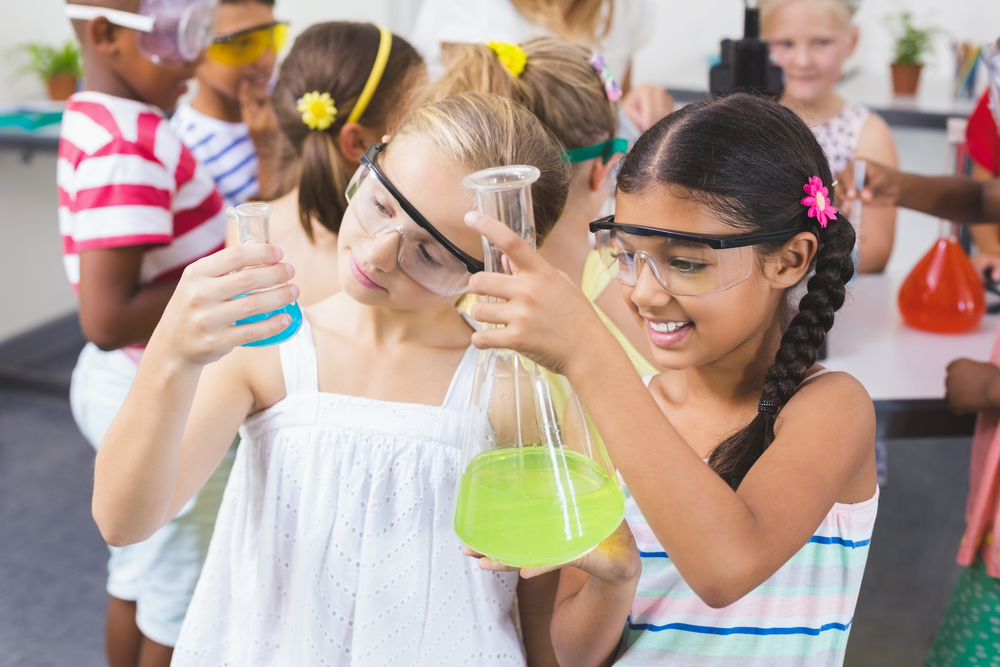


Fine motor skills are essential for young children as they lay the groundwork for various developmental milestones, particularly in literacy. Between the ages of 3 and 7, children's fine motor skills and reading abilities are intricately linked, influencing their success in both academic and daily life activities.
Parents and teachers should prioritize these skills because they facilitate the mechanics of early writing, which directly impacts reading development. When children confidently use scissors, grip pencils, or manipulate small objects, they build the muscle control and coordination needed for writing letters and words, ultimately supporting their literacy journey. Moreover, engaging in activities that enhance fine motor skills, such as coloring, drawing, and crafting, not only boosts dexterity but also encourages creativity and expressive thinking.
Furthermore, strong fine motor skills often enhance a child's ability to focus and concentrate, critical components for reading comprehension. As these skills improve, so does a child's self-esteem and motivation to learn, fostering a positive attitude toward education. Therefore, by supporting fine motor development, parents and teachers can cultivate a strong foundation for reading readiness and lifelong learning in children.








