
Reading skills improvement Reading Worksheets for Ages 3-7
5 filtered results
Difficulty Level
Grade
Age
-
From - To
Subject
Activity
Standards
Enhance your child's reading abilities with our engaging Reading Worksheets designed for ages 3-7. Tailored to bolster essential literacy skills, these worksheets cover phonics, vocabulary, comprehension, and more, making learning fun and effective. Our visually appealing activities keep young learners motivated and excited about reading. Encourage a love for books while improving words recognition, sentence structure, and critical thinking through interactive exercises. Perfect for parents and educators seeking quality resources, our worksheets are easy to use and adapt to children's individual learning needs. Start your child's reading journey today and watch them thrive with confidence in their literacy skills!
Favorites
With answer key
Interactive
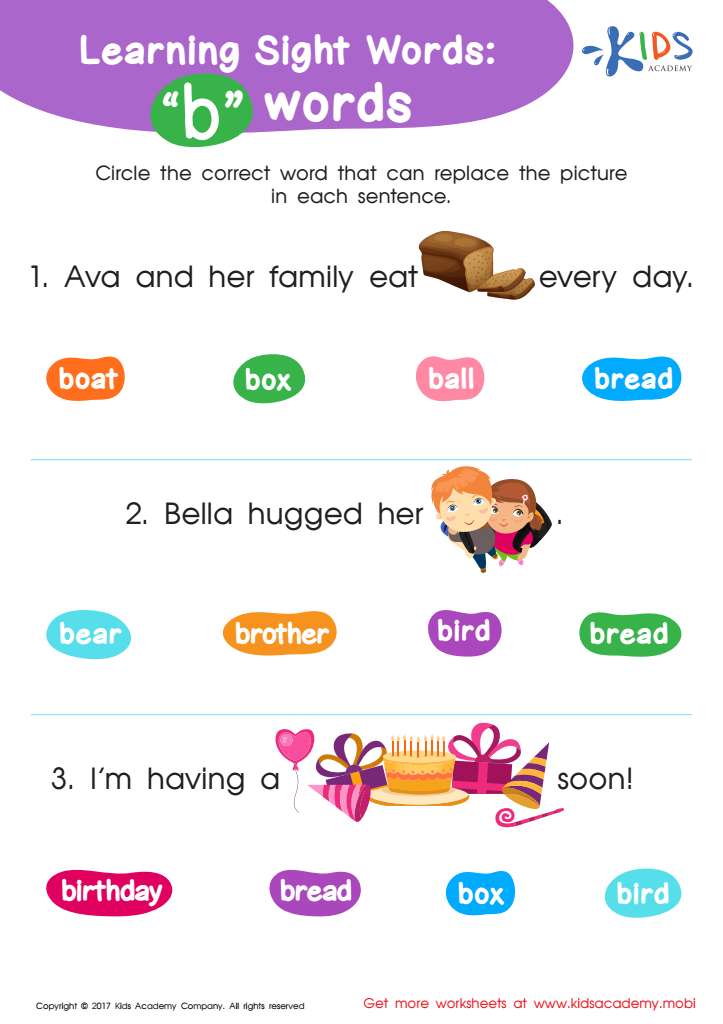
Sight Words Free Worksheet – B Words
This free 2nd grade sight words worksheet – b words – is a great way to help your child expand their sight word repertoire. They can read through each sentence, using the context and illustrations as clues to pick the right answer. Offer your child a quick practice session for even more learning!
 Assign to My Students
Sight Words Free Worksheet – B Words
Worksheet
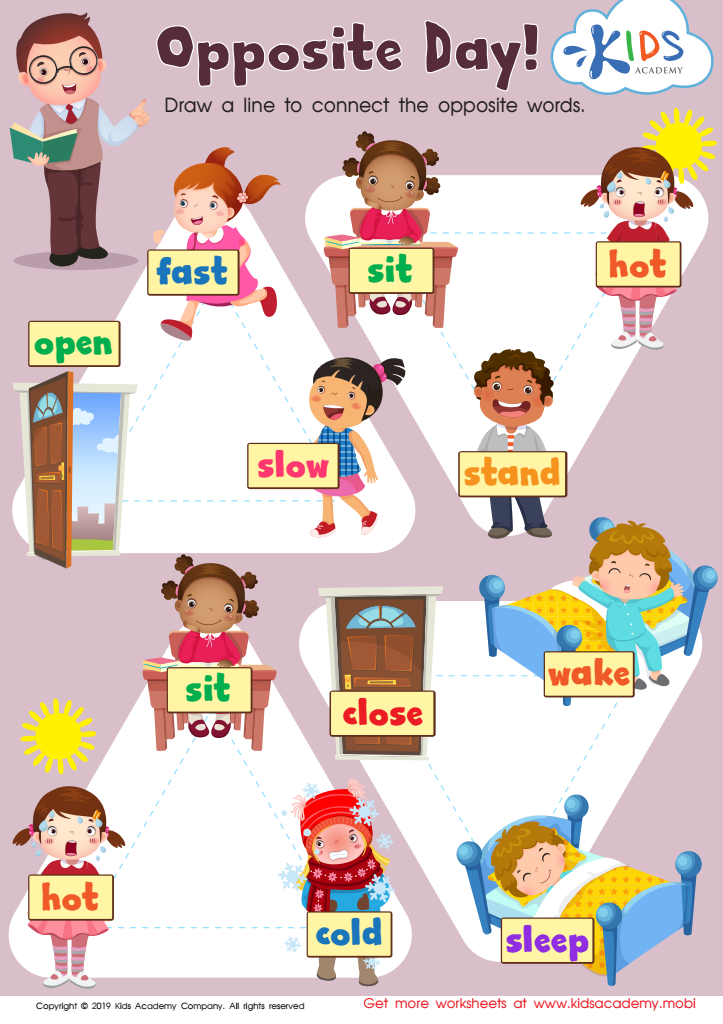
Opposite Day Worksheet
Early learners need to know about opposites to improve their higher-order thinking and critical thinking. This fun worksheet helps them understand the concept, practice opposite words, read high-frequency words and work on fine motor skills. Download the traceable PDF to get started.
Opposite Day Worksheet
Worksheet
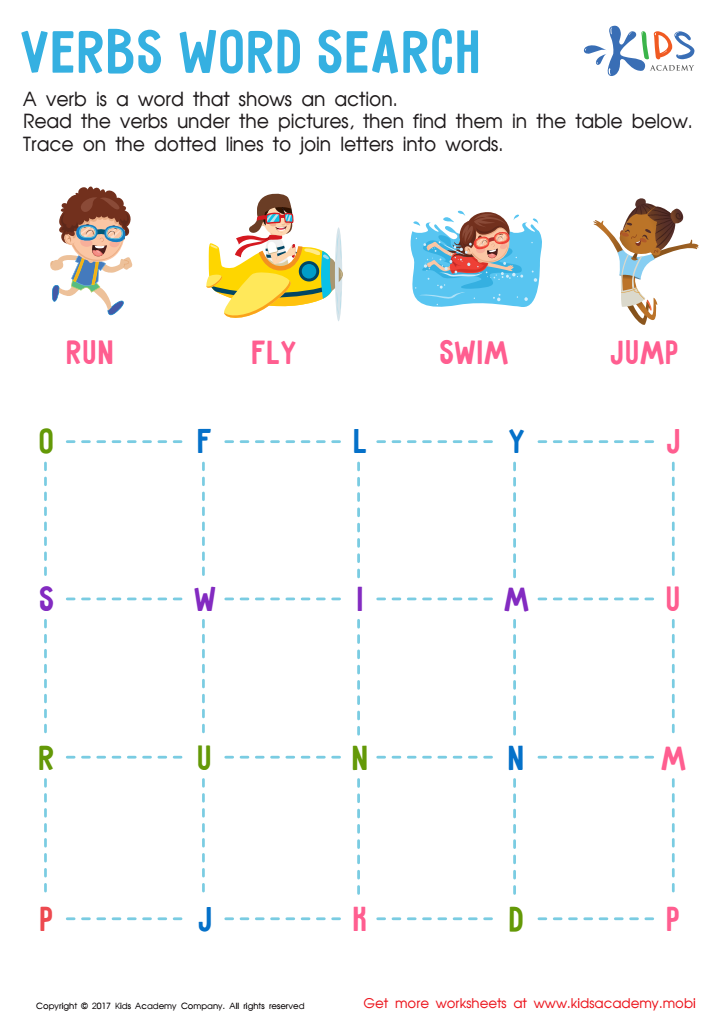
Verbs Word Search Worksheet
Ask your child if they understand the meaning of the word "verb". If not, explain that it's a word that shows an action. Give examples of familiar verbs. Then look at the pictures in the tracing sheet and read the words. Ask your child to follow the dotted lines to find the hidden words. Perfect tool to teach spot and use verbs!
Verbs Word Search Worksheet
Worksheet
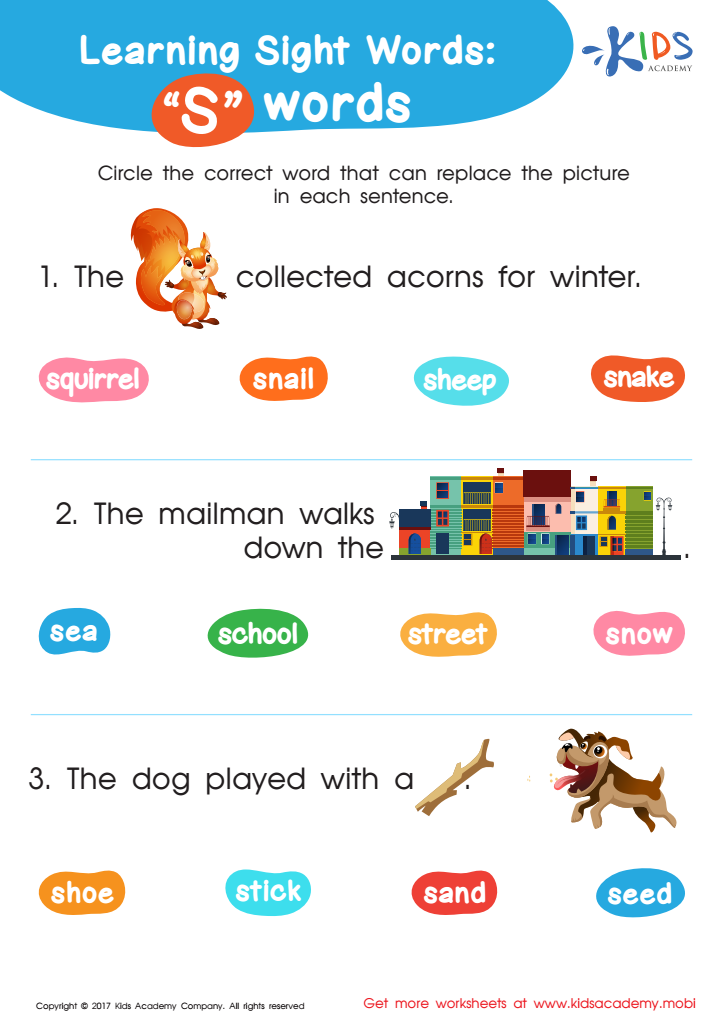
S Words Sight Words Worksheet
This 2nd grade worksheet encourages kids to practice using context clues when identifying sight words that begin with 's'. Engage them with colorful pictures to enhance the learning, helping them to understand the context of each sentence and choose the correct word.
S Words Sight Words Worksheet
Worksheet
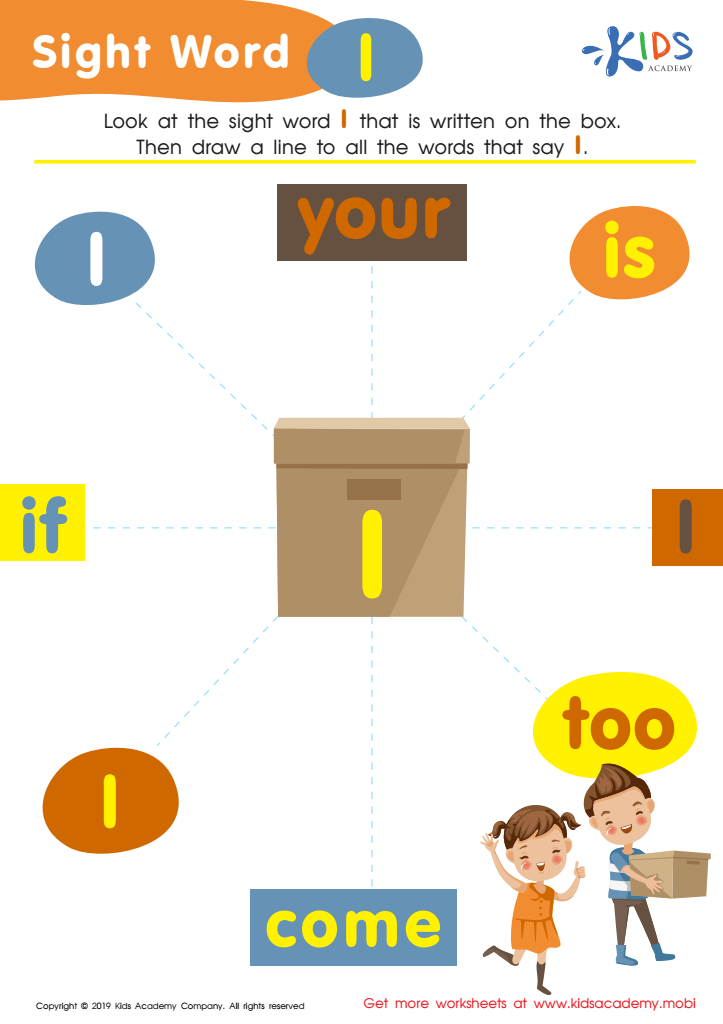
Sight Word I Worksheet
Recognizing the sight word 'I' is harder than it looks! When kids are learning to read, they understand 'I' by its sound, not as a word. This free worksheet gives them practice with 'I', letting them work on their fine motor skills too. They'll join 'I' to shapes containing the same letter. It's a great way to give kids confidence in their reading skills!
Sight Word I Worksheet
Worksheet
Join Kids Academy for Free
Who is primarily going to use this learning content?






.jpg)

Reading skills are crucial for children aged 3-7 as they form the foundation for lifelong learning and literacy development. Early literacy is directly linked to academic success; children equipped with strong reading skills tend to perform better in school across all subjects. For parents and teachers, fostering reading skills at this stage is important because it helps children develop essential cognitive abilities, such as comprehension and critical thinking, that are vital as their education progresses.
Furthermore, good reading skills enhance communication abilities, allowing children to express themselves effectively and interact with others. Early readers often exhibit better vocabulary and language skills, giving them an advantage socially and academically. In addition, engaging children in reading promotes curiosity and a love for learning, encouraging them to explore new ideas and cultures.
Moreover, reading together creates bonding opportunities for parents and children, building trust and promoting a lifelong habit of reading. For teachers, incorporating effective reading programs engages students and enhances classroom performance, fostering a positive learning environment. Given the rapid technological changes of today, continuous reading skills improvement is pivotal to ensure children are prepared for the future. Overall, investing time and resources in developing these skills is invaluable for children’s growth and success.








