
Shape Recognition Reading Worksheets for Ages 3-7
13 filtered results
Difficulty Level
Grade
Age
-
From - To
Subject
Activity
Standards
Discover our engaging Shape Recognition Reading Worksheets for children ages 3-7, designed to make learning fun and interactive! These printable resources help young learners identify and understand various shapes while enhancing their reading skills. Each worksheet features colorful illustrations that captivate children's attention, making the educational experience enjoyable. With activities tailored to different skill levels, your child will enjoy mastering shape recognition through tracing, matching, and interactive reading exercises. Perfect for both classroom settings and at-home learning, these worksheets support cognitive development while encouraging a love for reading. Explore our collection and watch your child blossom into a confident learner!
Favorites
With answer key
Interactive
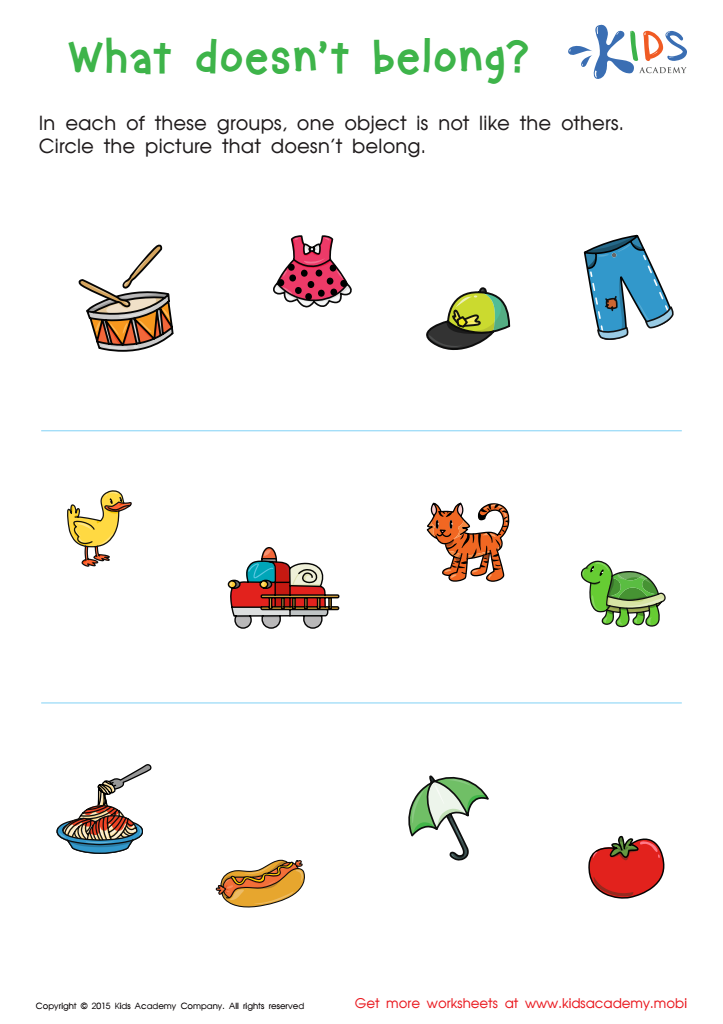
First Words: What Doesn't Belong Worksheet
Categorizing items is an important skill for little learners. Sorting and classifying objects helps kids make sense of the world. With this "what doesn't belong" worksheet, your child will practice problem-solving, strengthen categorization and improve logical reasoning skills. It's perfect for toddlers and preschoolers, with bright and exciting images giving their minds a challenging workout!
 Assign to My Students
First Words: What Doesn't Belong Worksheet
Worksheet
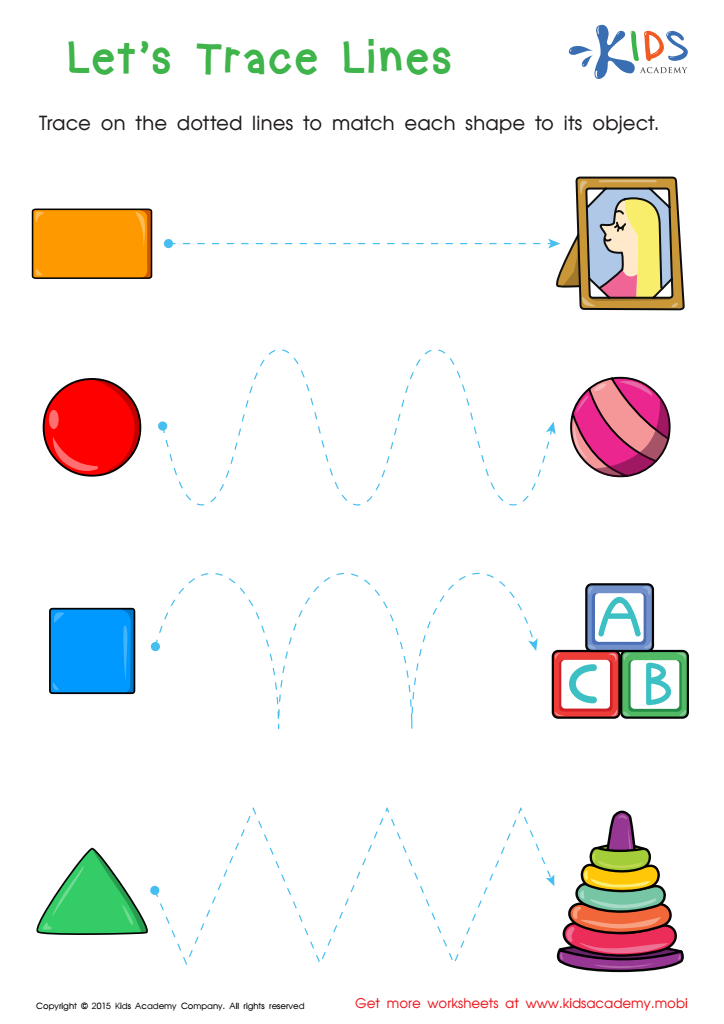
First Words: Let's Trace Lines Worksheet
Printable tracing lines for toddlers will provide your little one with the skills needed for future handwriting success. Proper grip, fine motor skills, and hand-to-eye coordination are key. Let's get their writing journey off to a great start!
First Words: Let's Trace Lines Worksheet
Worksheet
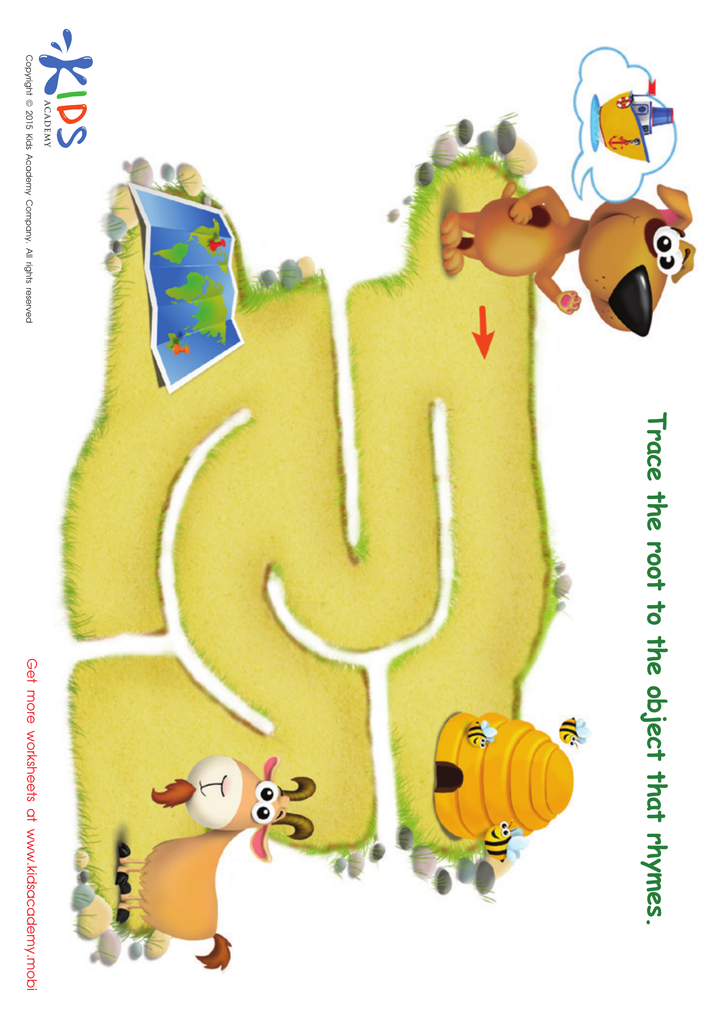
Boat Rhyming Words Worksheet
Help your preschooler complete the maze and rhyme with their favorite pooch! Draw a line from the dog to the matching item - is it a hive, a map or a goat? This fun activity lets them name the root words of pictures, and listen for rhymes to help them with phonics and reading.
Boat Rhyming Words Worksheet
Worksheet
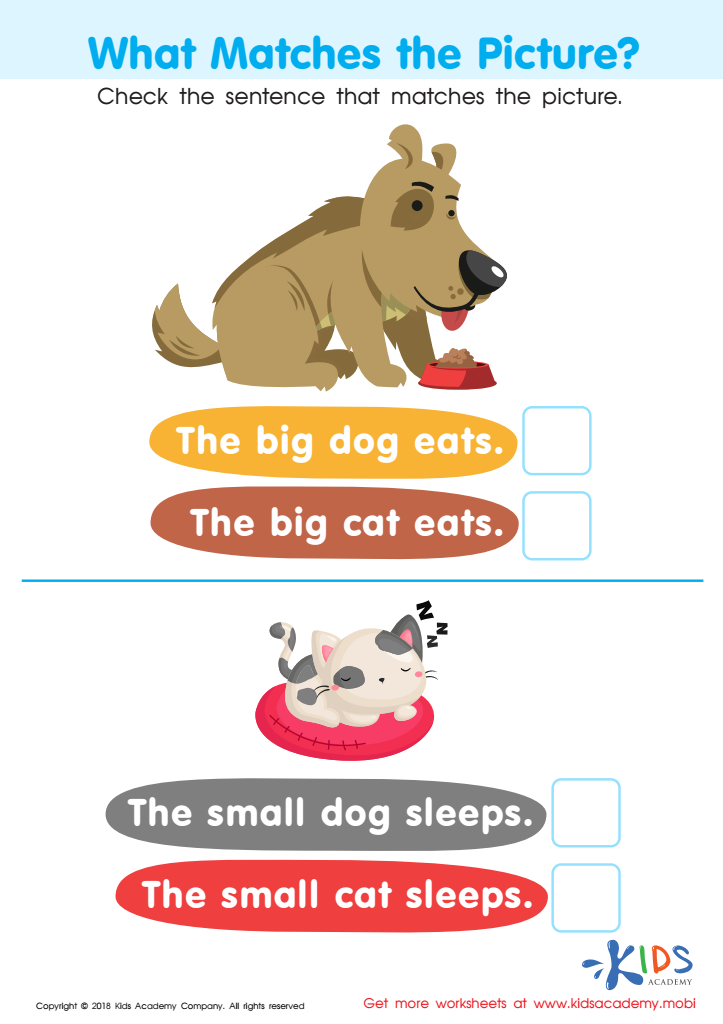
What Matches the Picture? Worksheet
Emerging readers can use pictures of cute pets and phrase repetition to match sentences to pics, building skills while having fun! It's a great way to bolster vocab and confidence, motivating them to keep reading.
What Matches the Picture? Worksheet
Worksheet
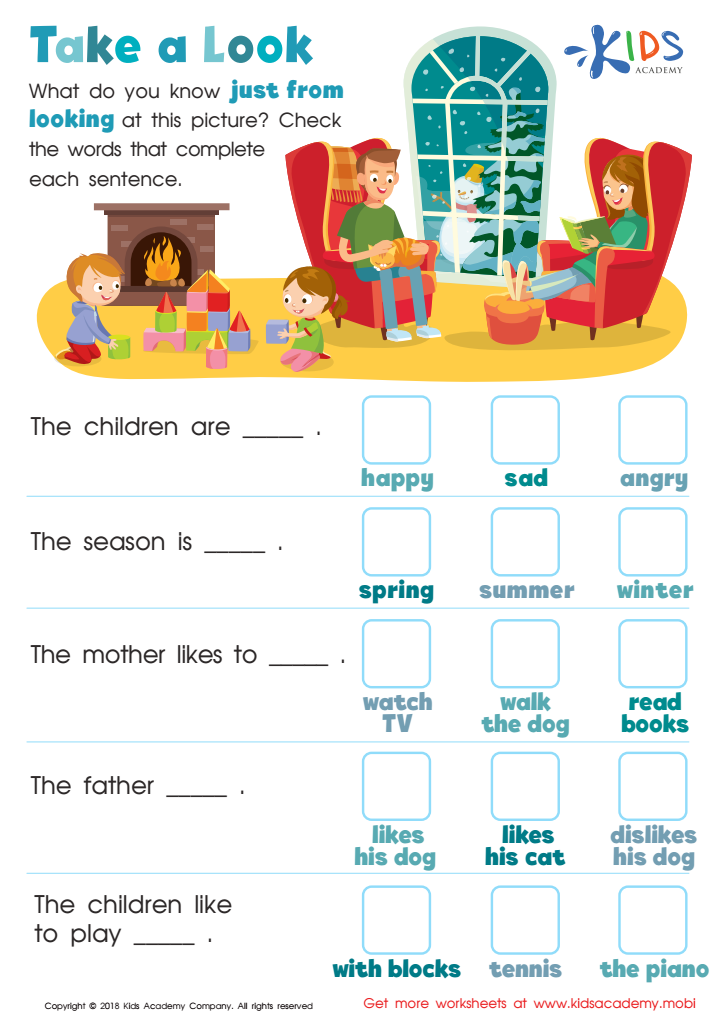
Take a Look - Part 1 Worksheet
Young learners gain understanding when using picture clues when reading. Looking at illustrations can help students learn the meaning of key vocabulary when reading fiction or informational text. Ask your students to look at the worksheet and observe what they can learn from the picture. It's a great comprehension strategy for early readers.
Take a Look - Part 1 Worksheet
Worksheet
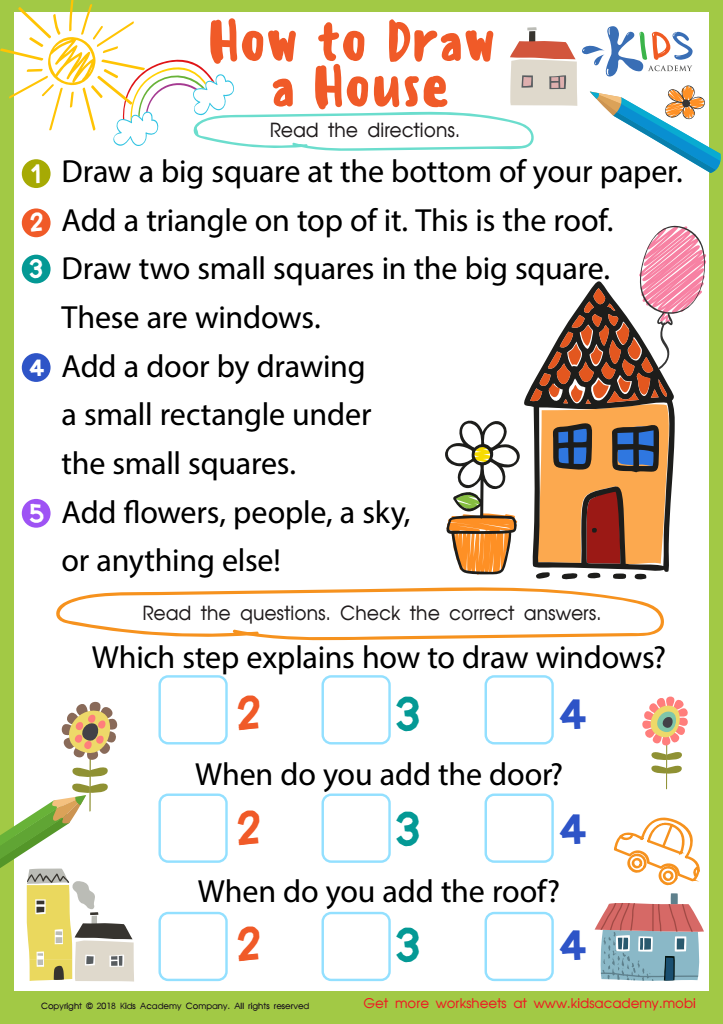
How to Draw House Worksheet
Does your child love to draw? Why not try teaching them some easy tricks? Get them to follow directions on this worksheet and learn how to draw a house. Read the questions at the end and ensure they get the answers right. Your kids will surely love it!
How to Draw House Worksheet
Worksheet
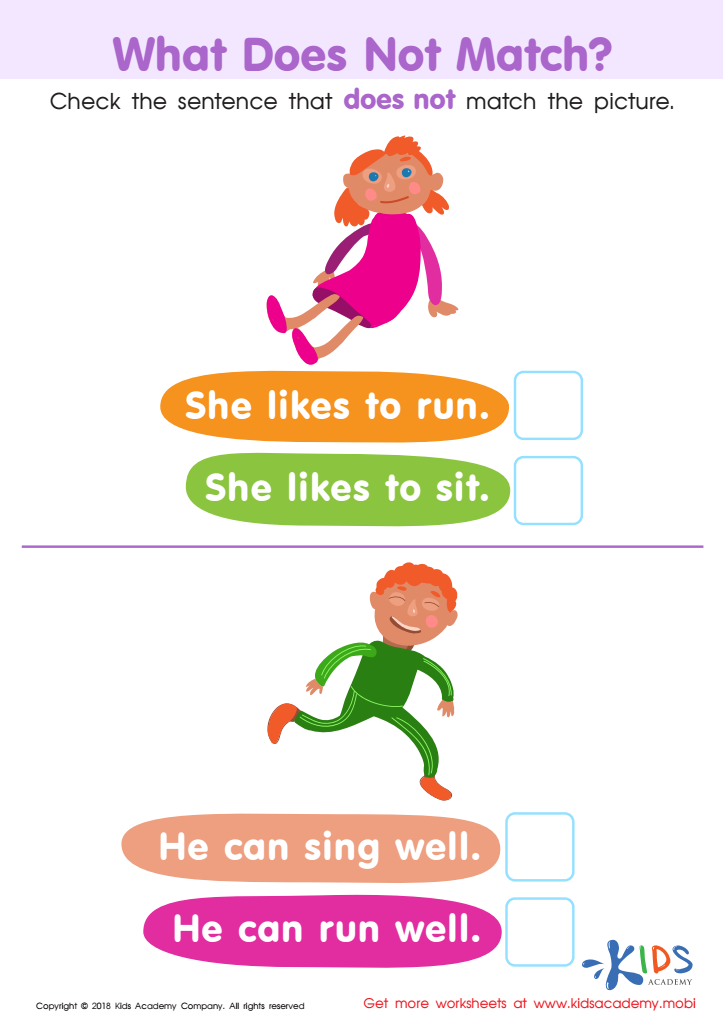
What Does Not Match? Worksheet
Emerging readers need to practice using visual cues and repetitive text. This colorful PDF provides them with an opportunity to look at pictures, use discrimination and discern which phrase does not match. It also enables them to gain familiarity with high-frequency words to aid decoding longer sentences.
What Does Not Match? Worksheet
Worksheet
Join Kids Academy for Free
Who is primarily going to use this learning content?


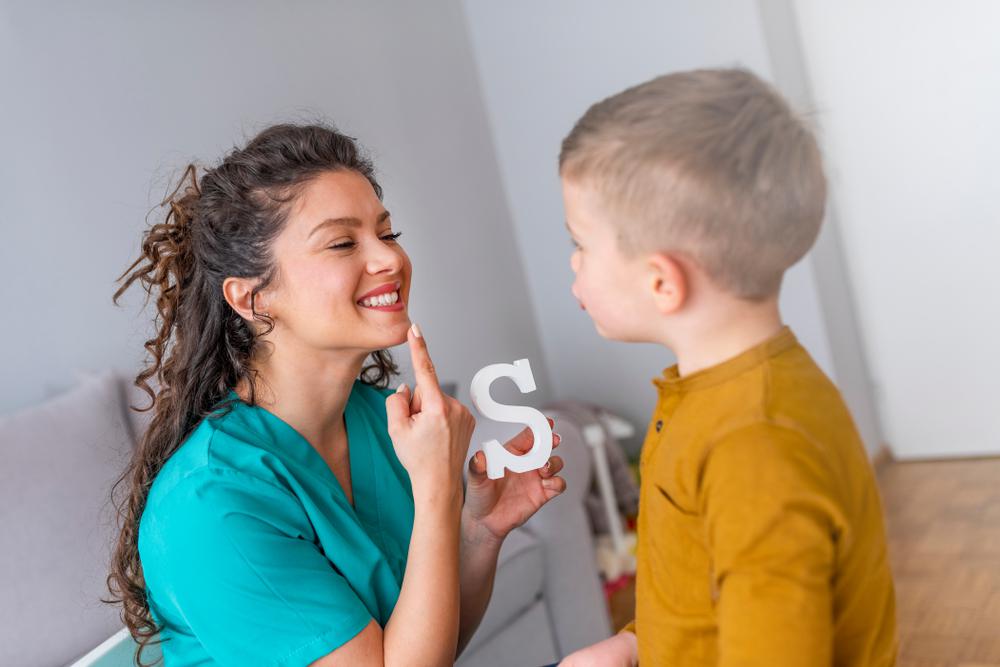





Shape recognition is a fundamental skill for young learners, serving as a building block for later learning in math, reading, and critical thinking. For children aged 3-7, recognizing shapes fosters cognitive development by helping them categorize and understand the world around them. This skill promotes spatial awareness, which is vital for logical reasoning and problem-solving.
Parents and teachers should care about shape recognition because it enhances language skills; children learn to articulate and describe shapes, thereby expanding their vocabulary and communication skills. Moreover, recognizing shapes lays the groundwork for math concepts such as geometry, measurement, and symmetry, fostering a strong numeracy foundation.
Engaging children in shape recognition activities stimulates curiosity and promotes active learning. Activities like sorting, matching, and creating with different shapes encourage collaboration and social skills as children work together during group play. Furthermore, incorporating shape recognition into reading reinforces comprehension and visualization skills, allowing children to connect written words with visual concepts.
Prioritizing shape recognition in early education helps create well-rounded, confident learners. Supporting this development not only aids immediate academic success but also prepares children for complex problem-solving and critical thinking skills necessary in their later education and beyond.








