Word Recognition Reading Comprehension Worksheets for Ages 3-7
6 filtered results
-
From - To
Unlock the joy of reading for young learners with our Word Recognition Reading Comprehension Worksheets for ages 3-7. Designed to enhance vocabulary and improve comprehension, these engaging printables are perfect for early readers. Each worksheet offers fun activities tailored to help kids recognize and understand words, laying a strong foundation for literacy. Our expertly crafted worksheets include vibrant illustrations and simple exercises, making learning both enjoyable and effective. Ideal for preschool to second grade, they support classroom learning or at-home practice. Browse our collection and watch your child's reading confidence soar!
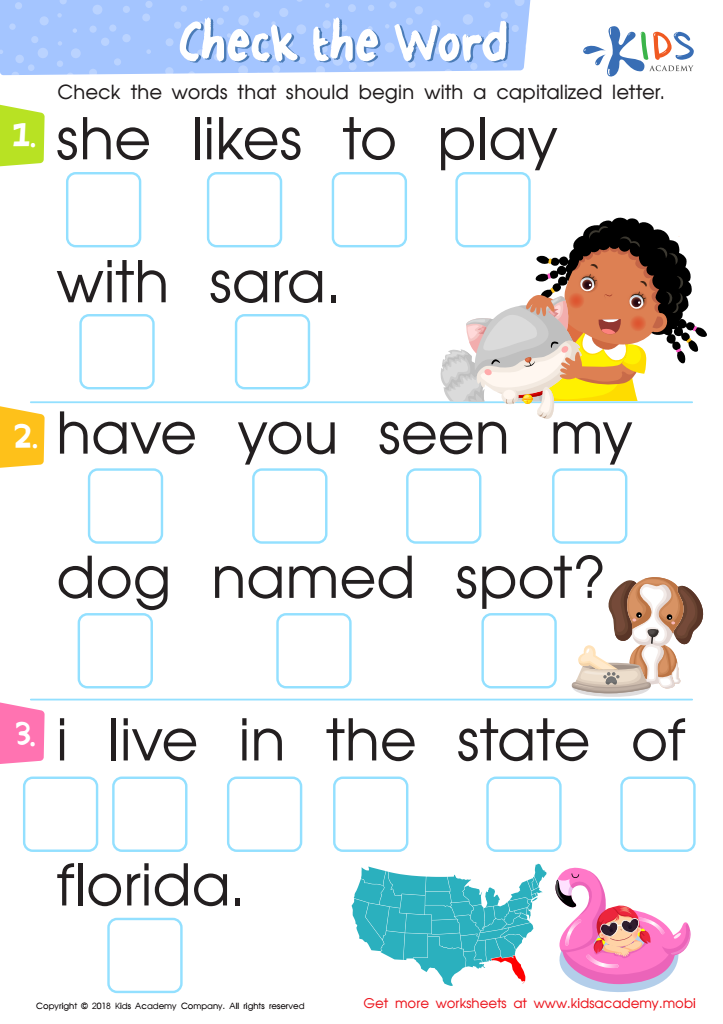
Check the Word Worksheet
 Assign to My Students
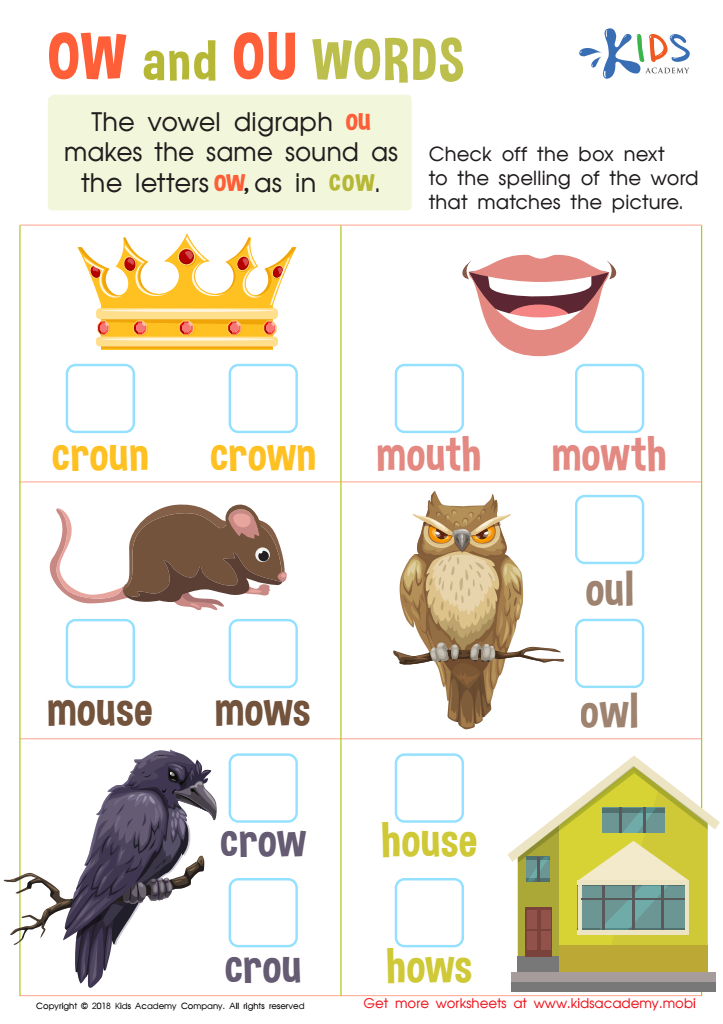
Reading: OW and OU Words Worksheet
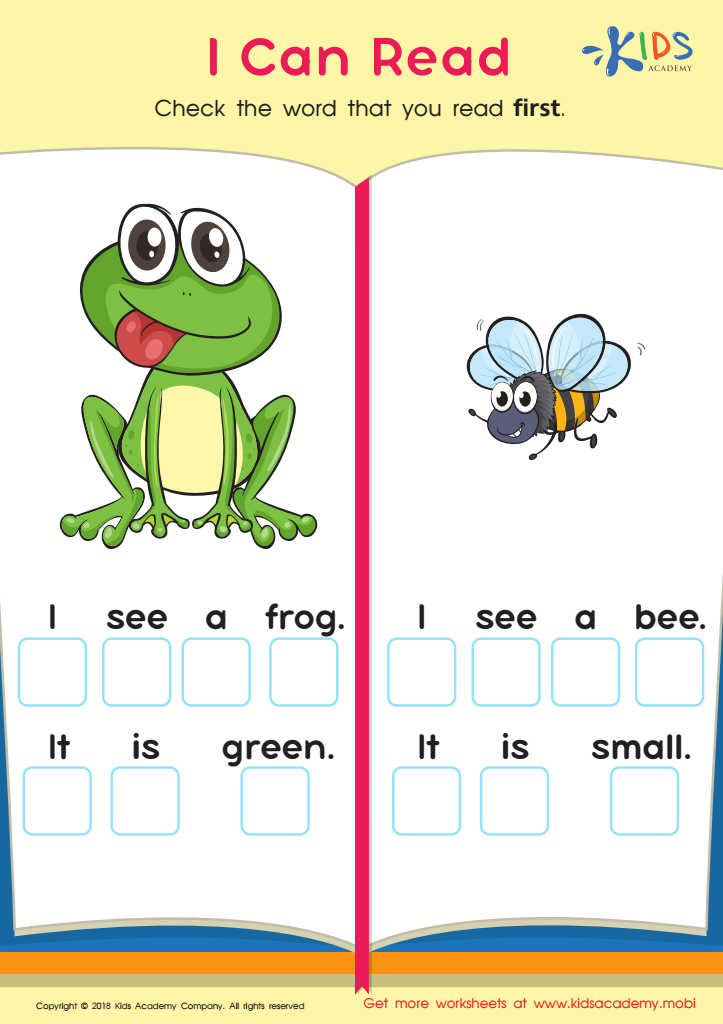
I Can Read Worksheet
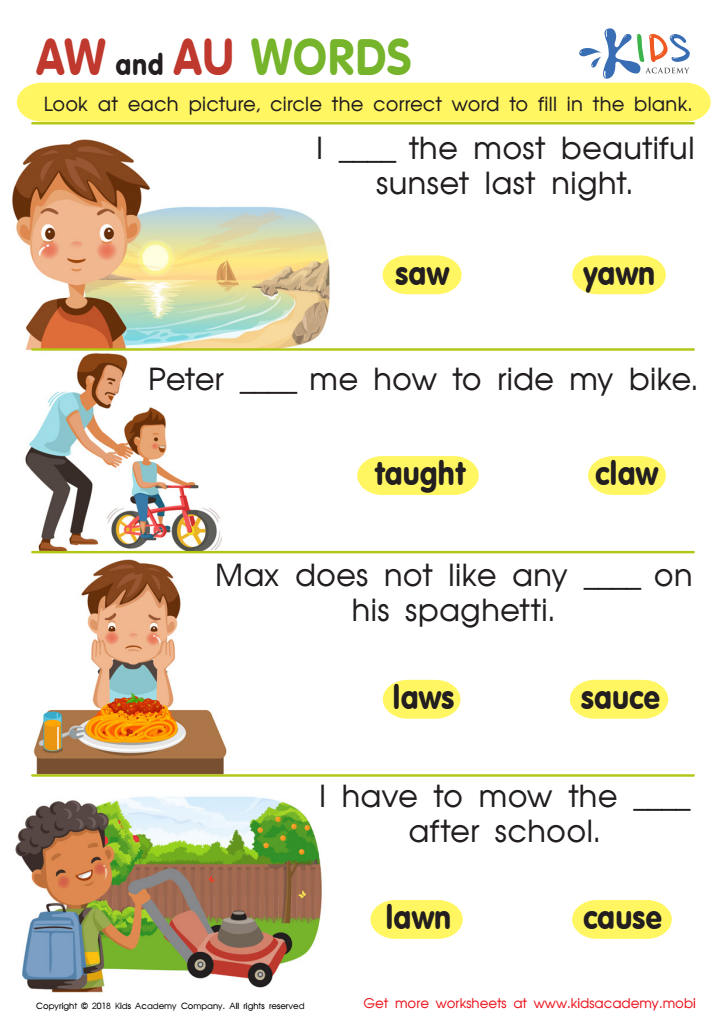
Reading: AW and AU Words Worksheet
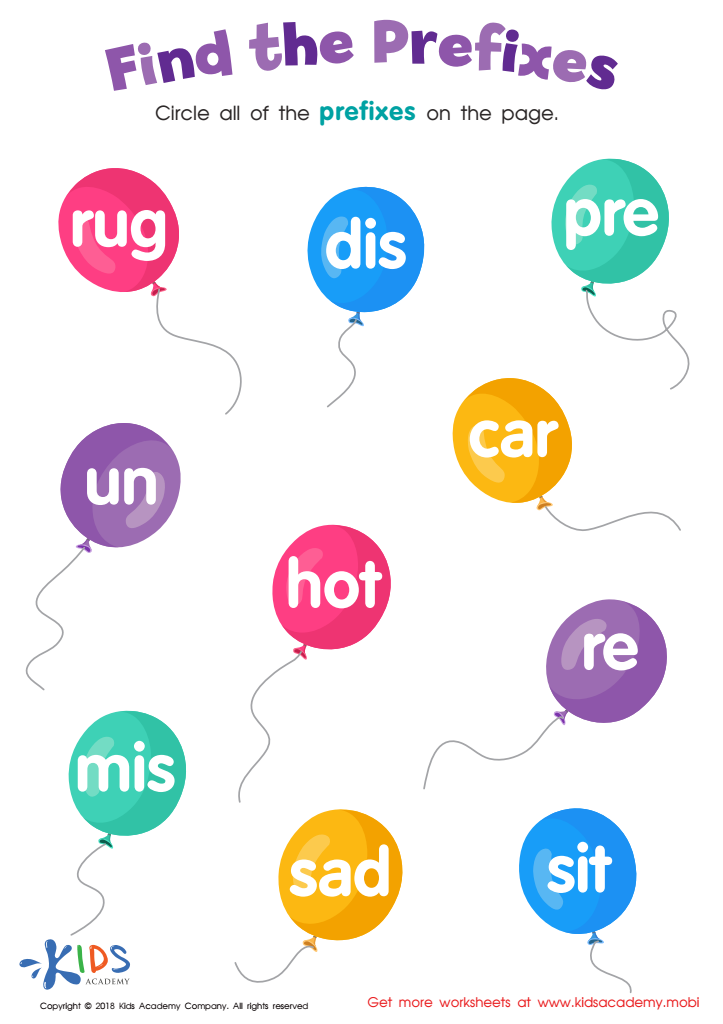
Reading: Find the Prefixes Worksheet
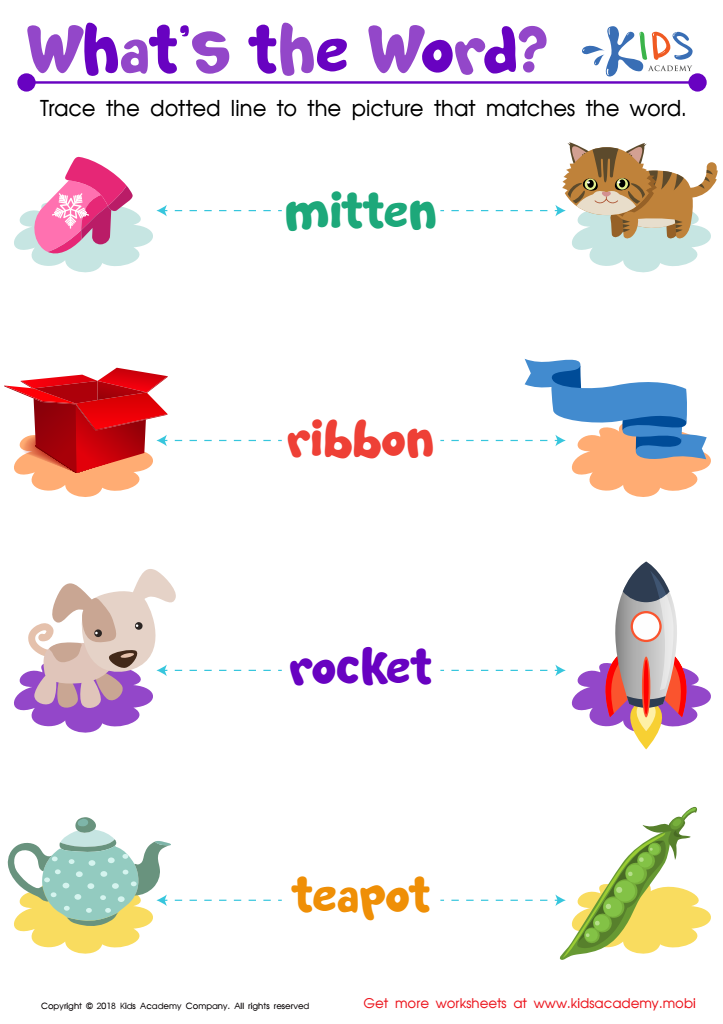
Reading: What's Word Worksheet








Word recognition and reading comprehension are foundational building blocks for children ages 3-7. At this critical developmental stage, their brains are highly receptive to language acquisition and literacy skills. Parents and teachers must prioritize these areas to lay the groundwork for a lifelong love of reading and learning.
First, word recognition—the ability to identify and understand words effortlessly—is crucial for developing fluency. Children who recognize words quickly can read more smoothly, which makes the experience enjoyable and encourages them to read more often. This repeated practice further sharpens their skills, creating a positive feedback loop.
Second, reading comprehension enables children to understand and process the information they read. Comprehension is not just about recalling facts but also involves making connections, predicting outcomes, and generating new ideas. Strong comprehension skills allow children to absorb more complex material over time, fostering critical thinking and problem-solving abilities.
Neglecting these fundamental skills can lead to future academic struggles. Children who face difficulties in reading often experience frustration and diminished self-esteem, which can affect their overall attitude toward learning. Therefore, parents and teachers must offer support through interactive read-alouds, phonics games, and engaging, level-appropriate books to ensure children develop the essential skills for successful, confident reading.








