Critical Thinking Reading Fiction Worksheets for Ages 3-7 - Page 2
42 filtered results
-
From - To
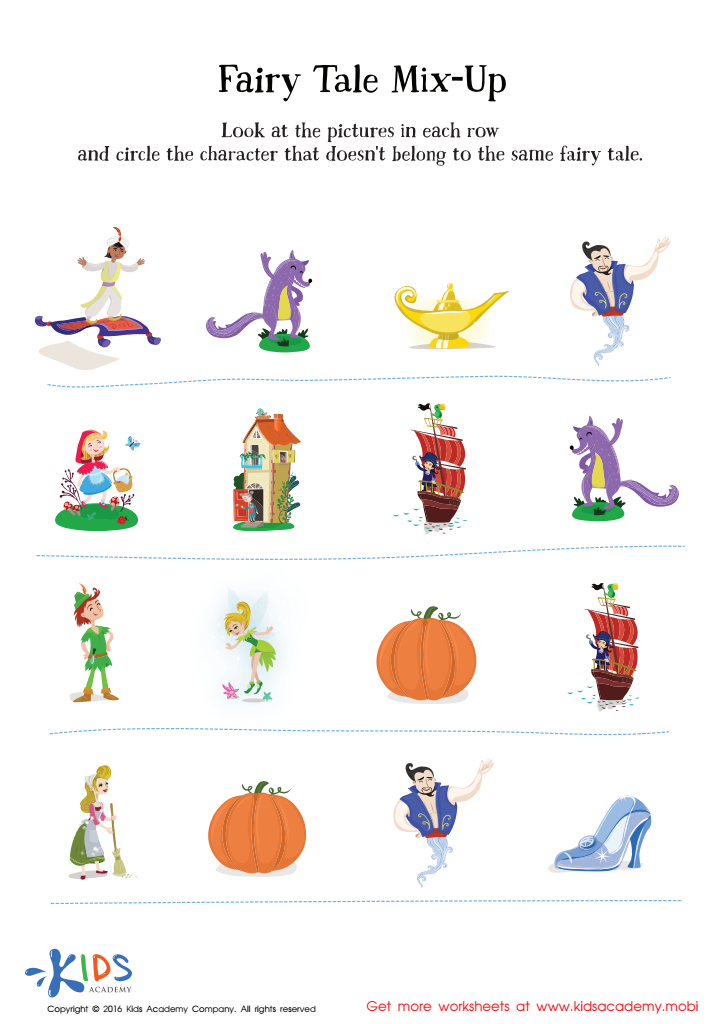
Fairy Tale Worksheet: Story Mix Up
 Assign to My Students
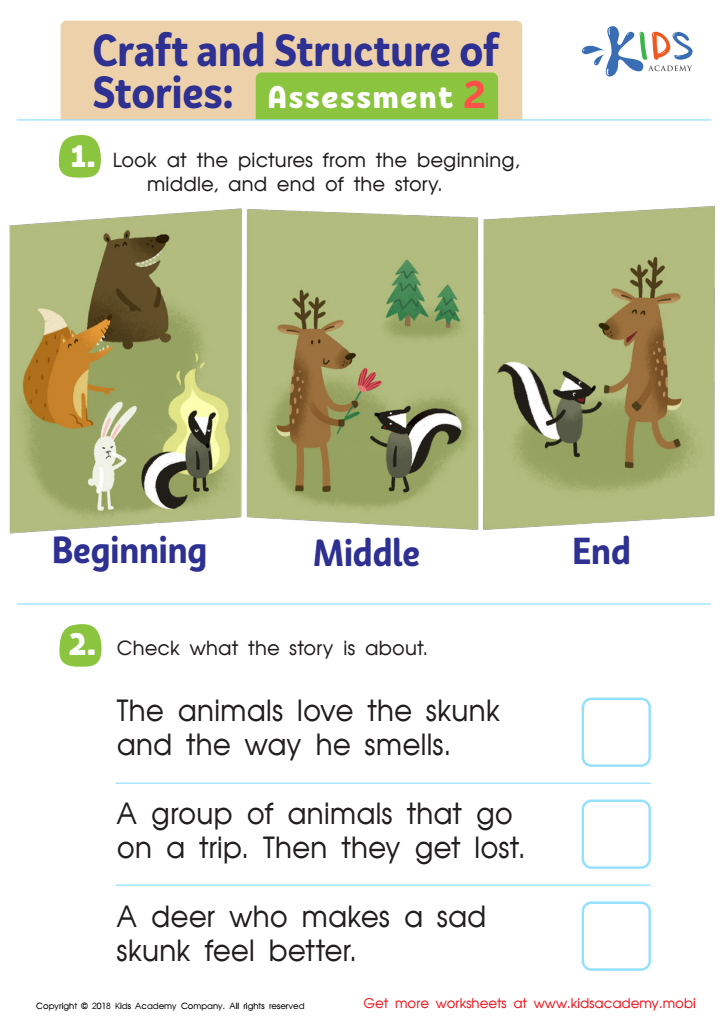
Craft and Structure of Stories: Assessment 2 Worksheet
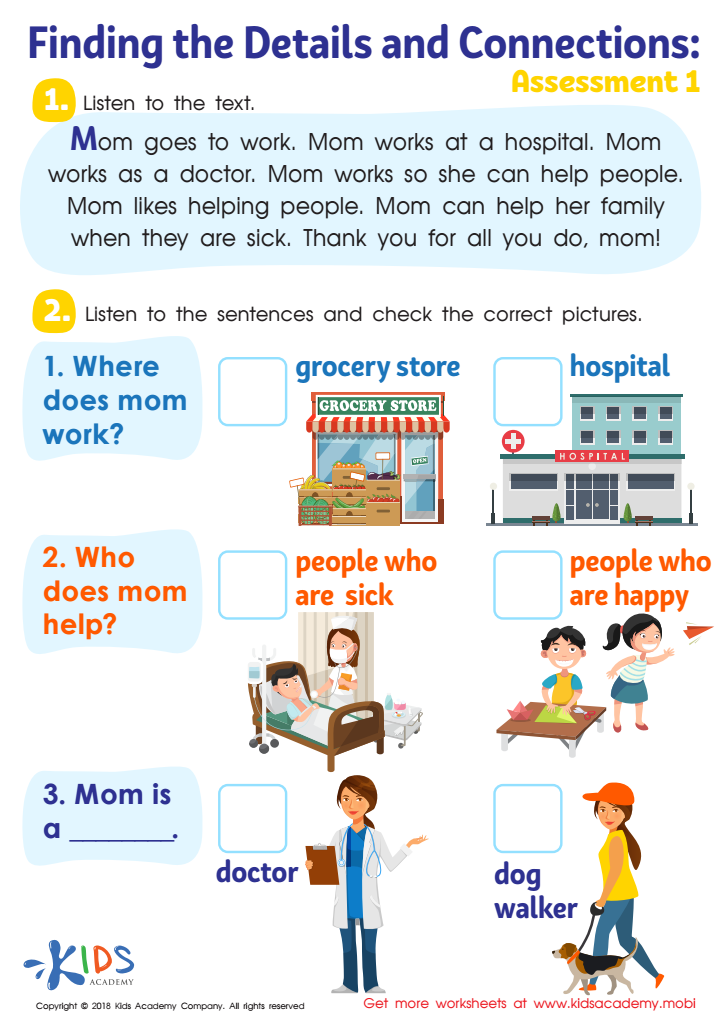
Finding the Details and Connections: Assessment 1 Worksheet
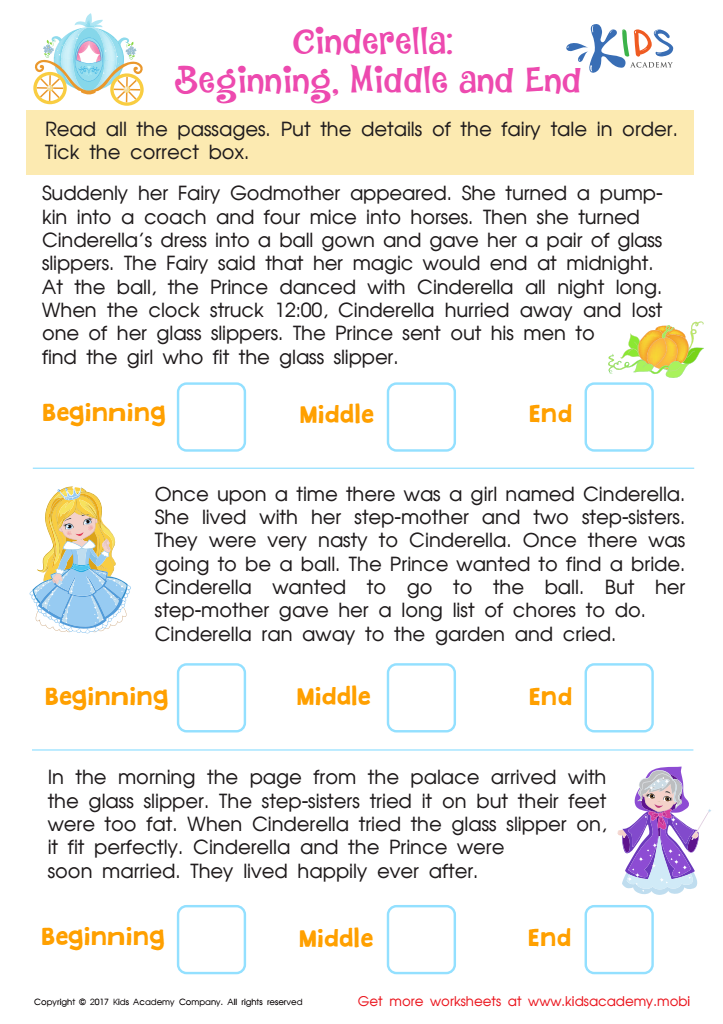
Cinderella: Beginning, Middle and End Worksheet
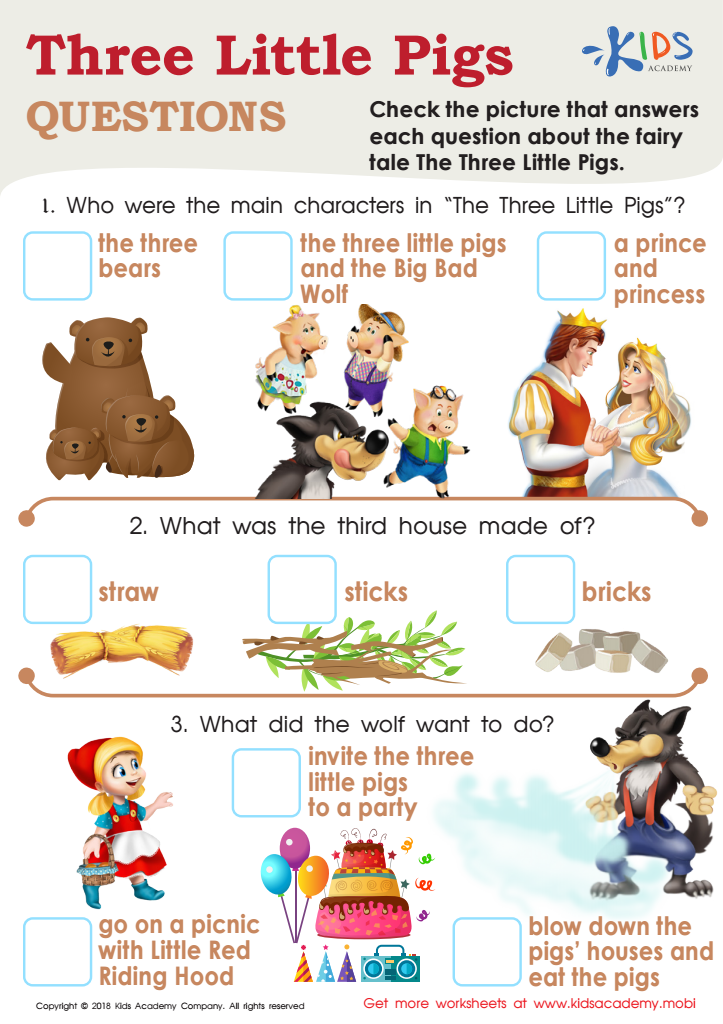
Three Little Pigs Questions Worksheet
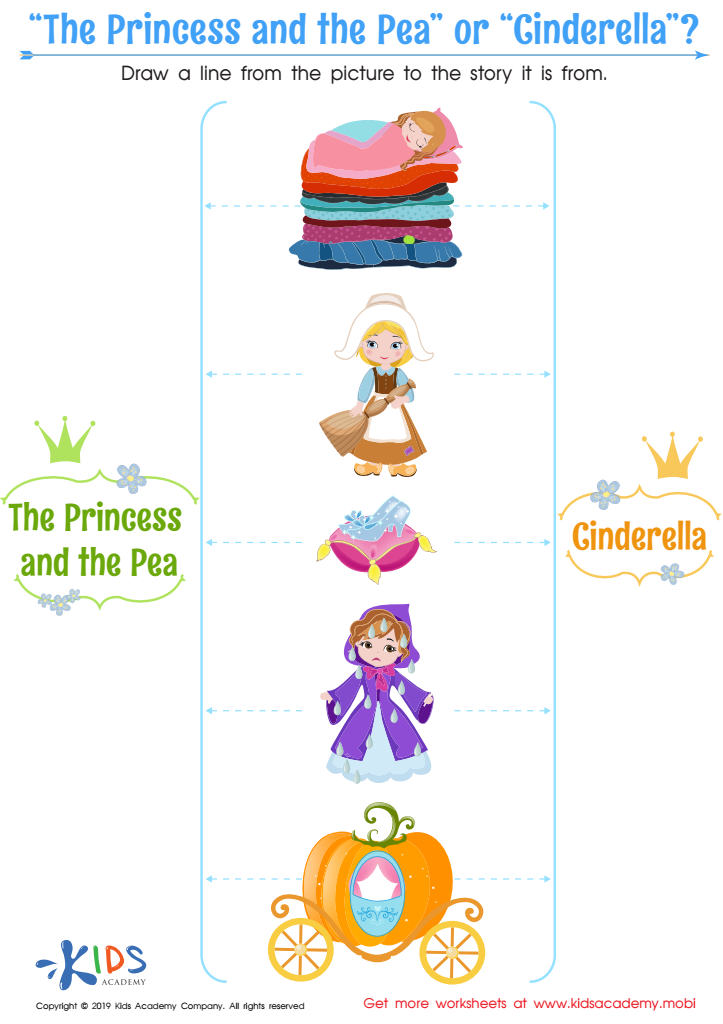
“The Princess and the Pea” or “Cinderella” Worksheet
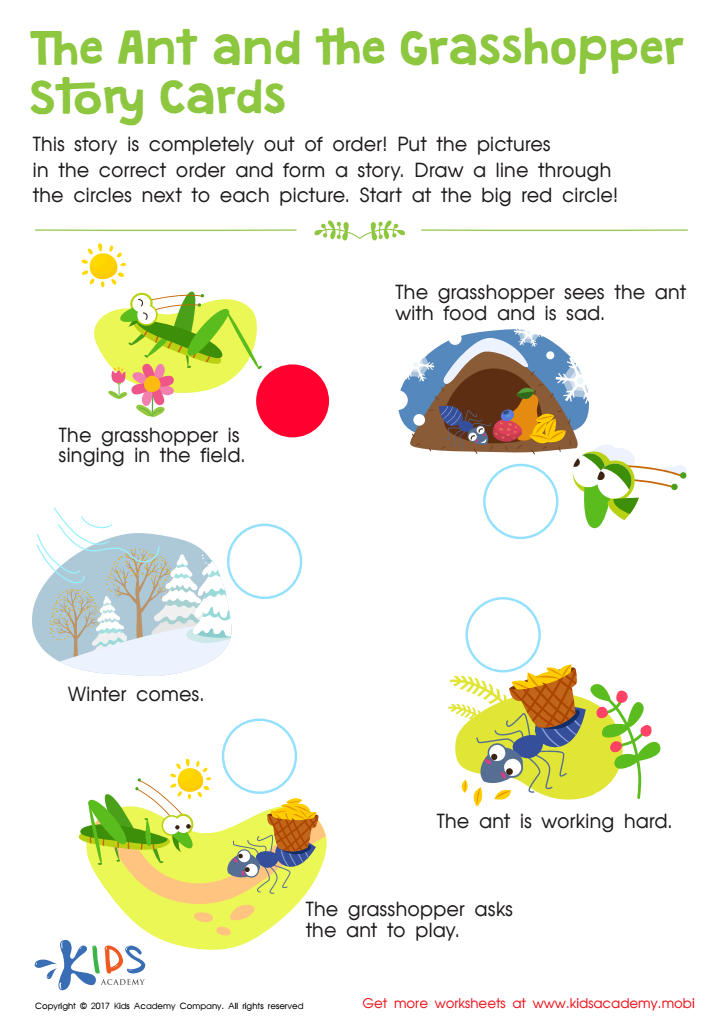
The Ant and The Grasshopper Worksheet

Questions About Stories: Assessment 1 Worksheet
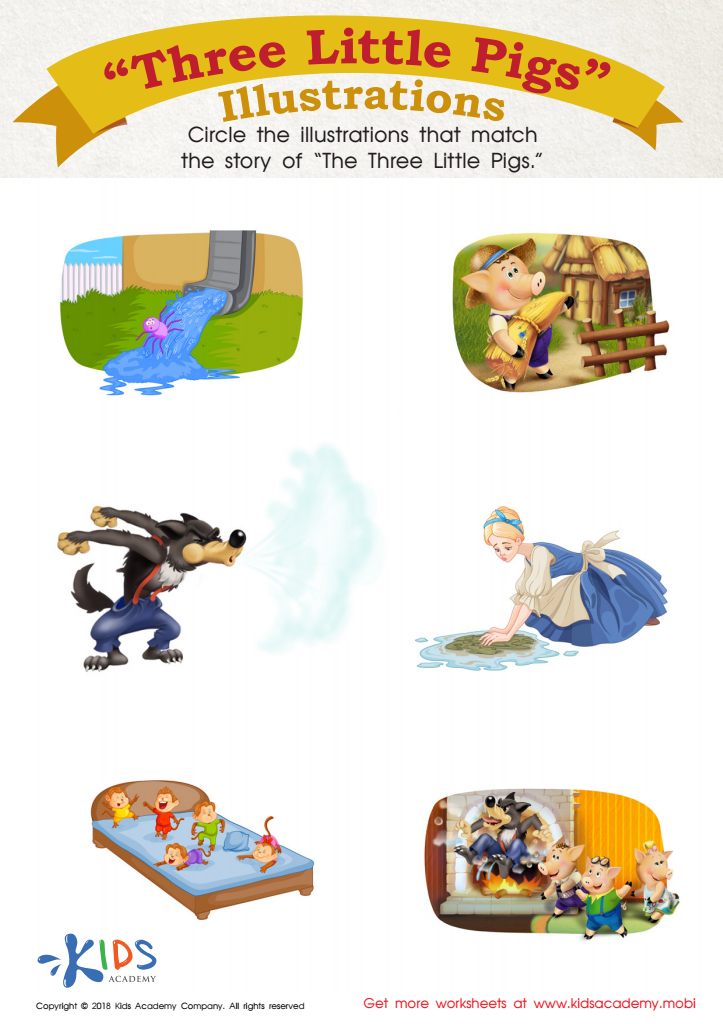
Three Little Pigs: Illustrations Worksheet
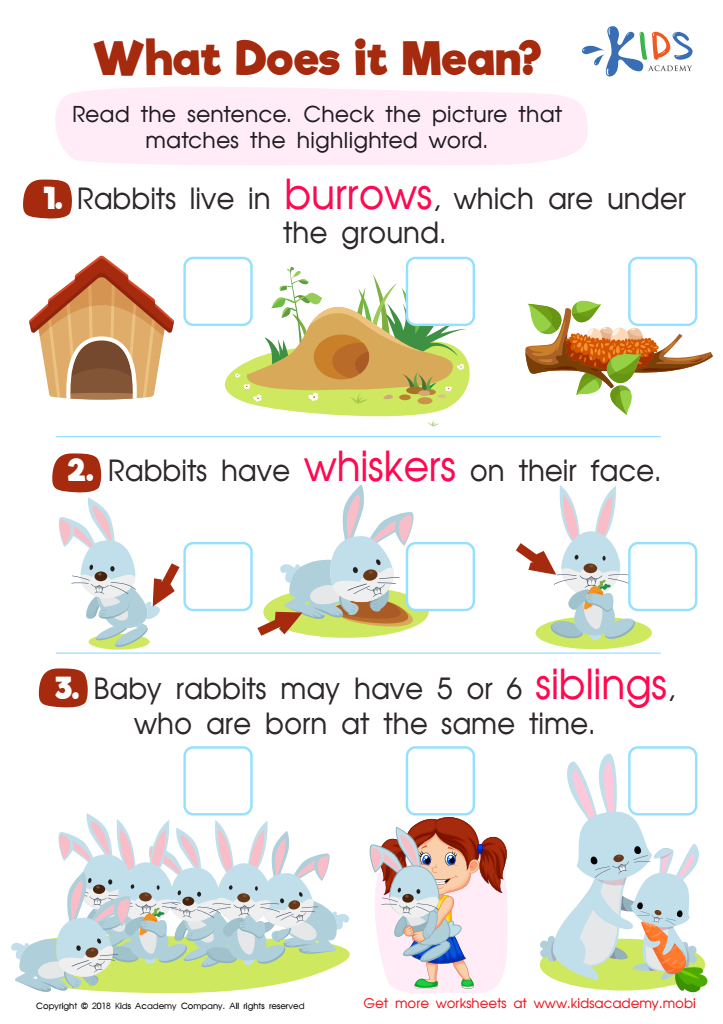
What Does It Mean? Worksheet
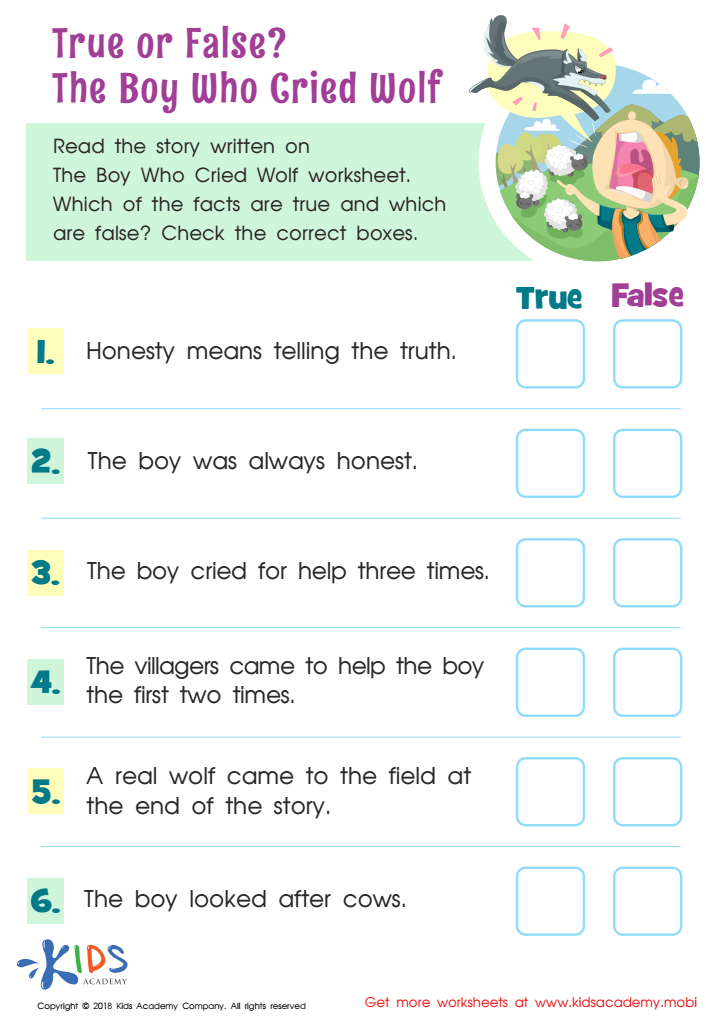
True or False? The Boy Who Cried Wolf Worksheet
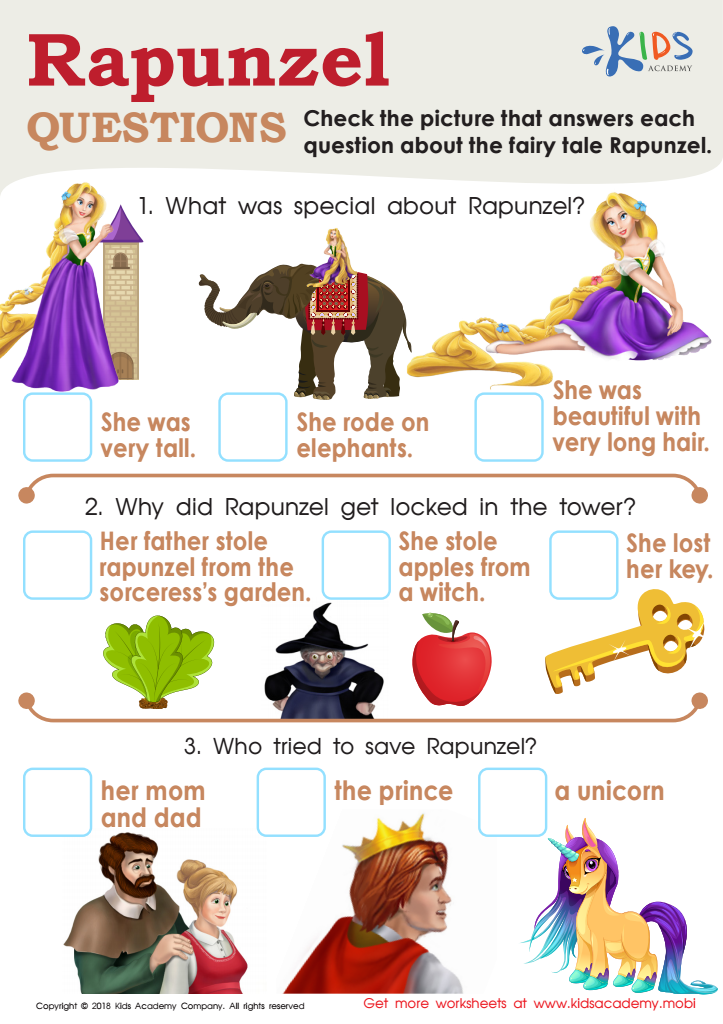
Rapunzel Questions Worksheet
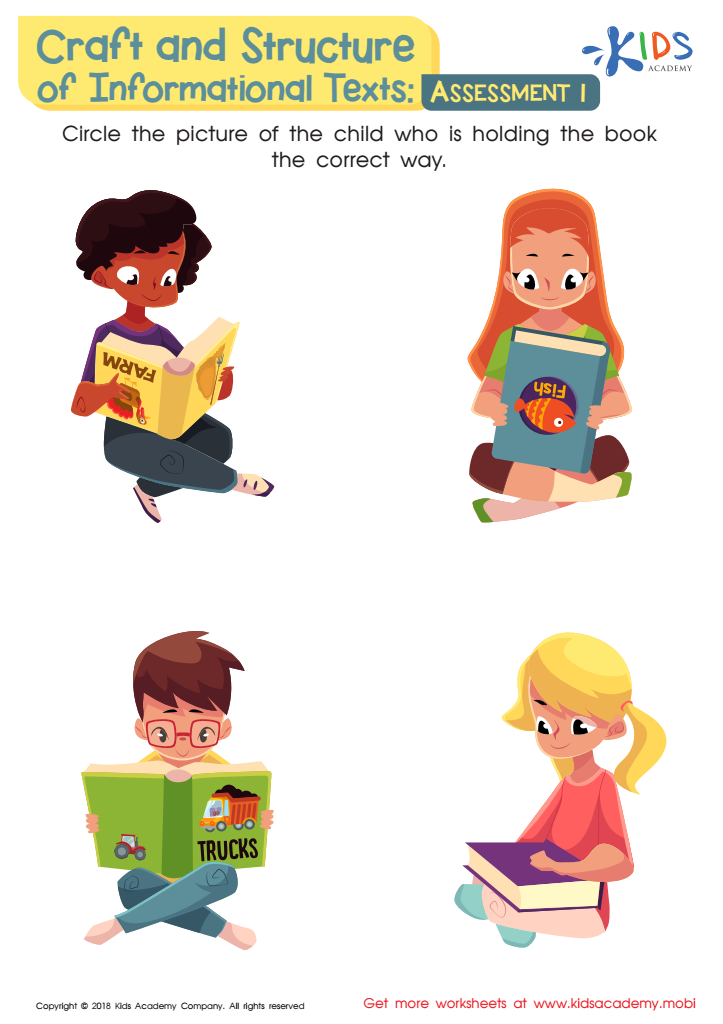
Craft and Structure of Informational Texts: Assessment 1 Worksheet
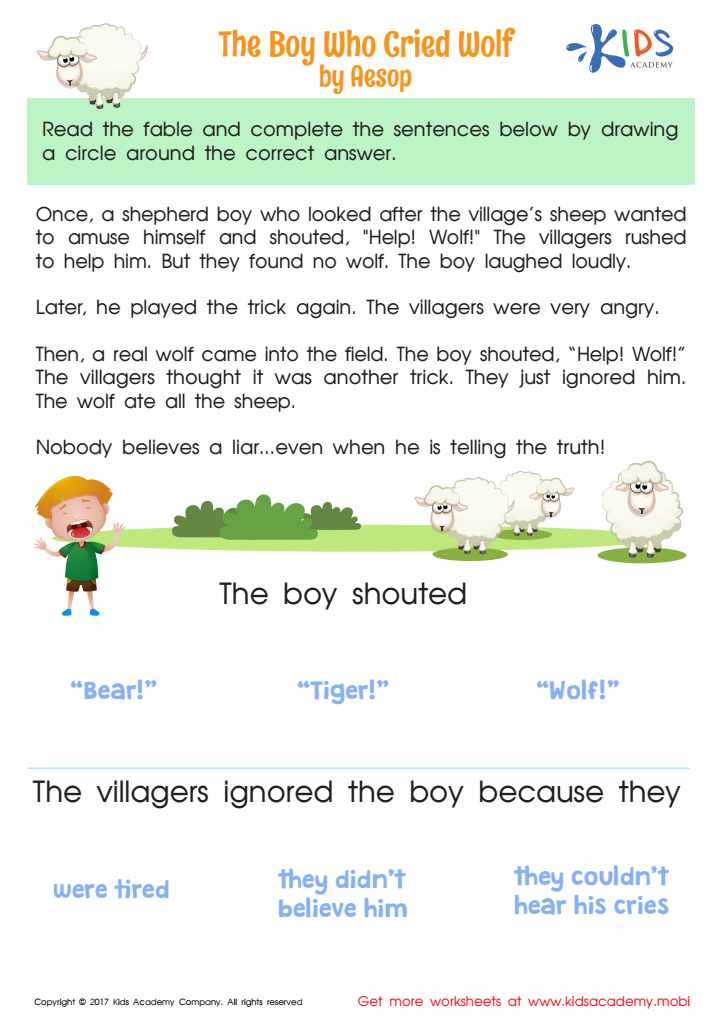
The Boy Who Cried Wolf Worksheet
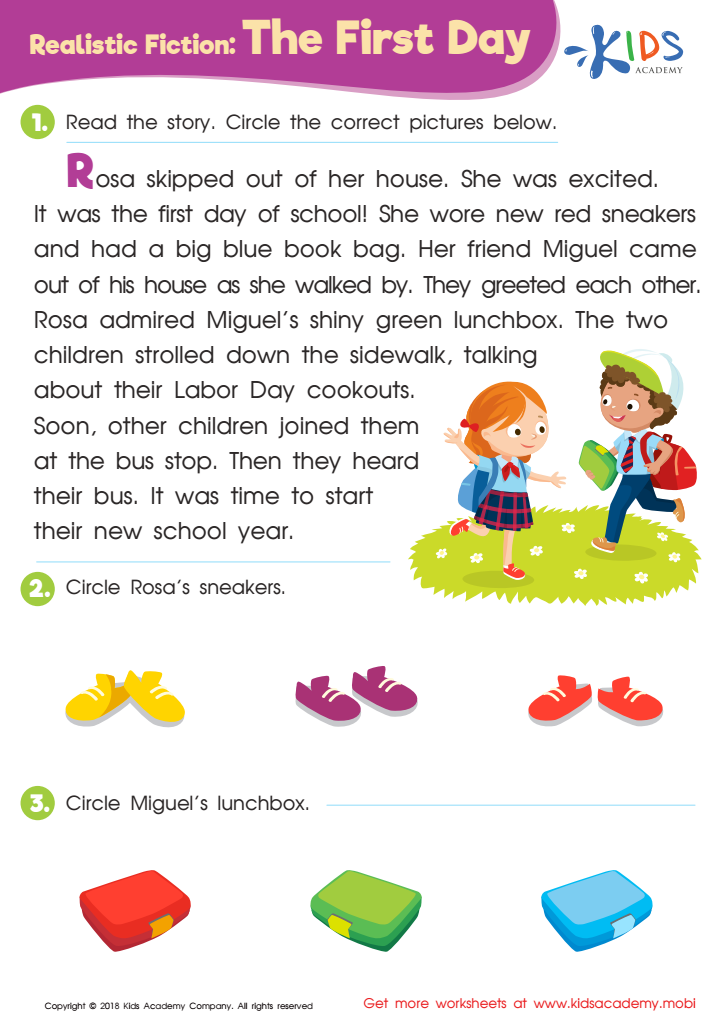
Realistic Fiction: The First Day Worksheet
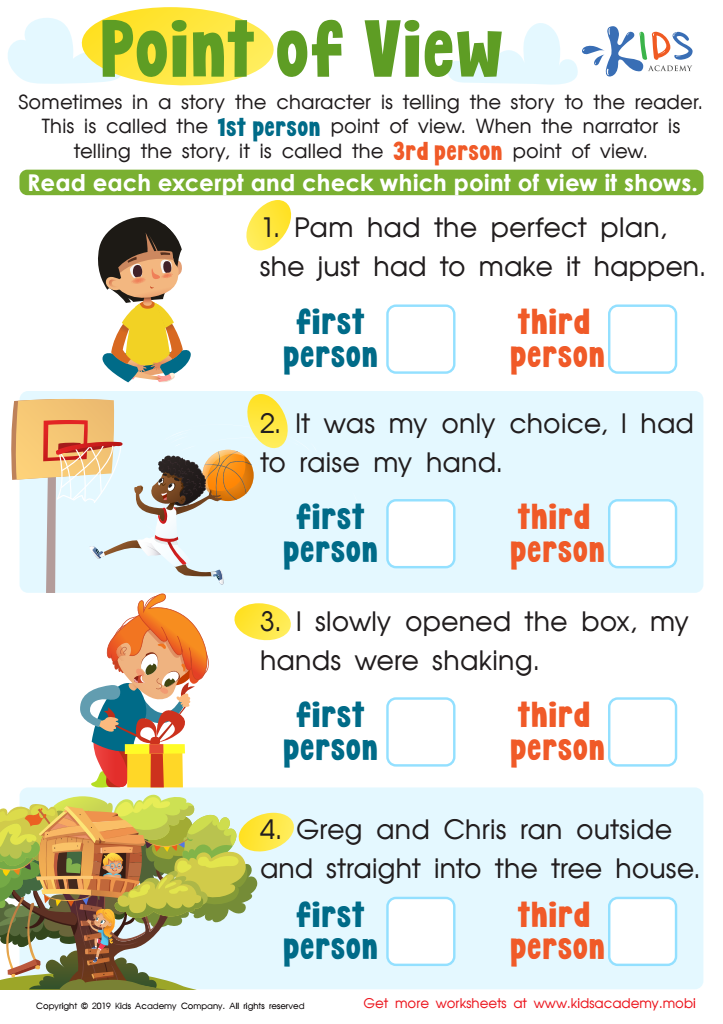
Point of View Printable
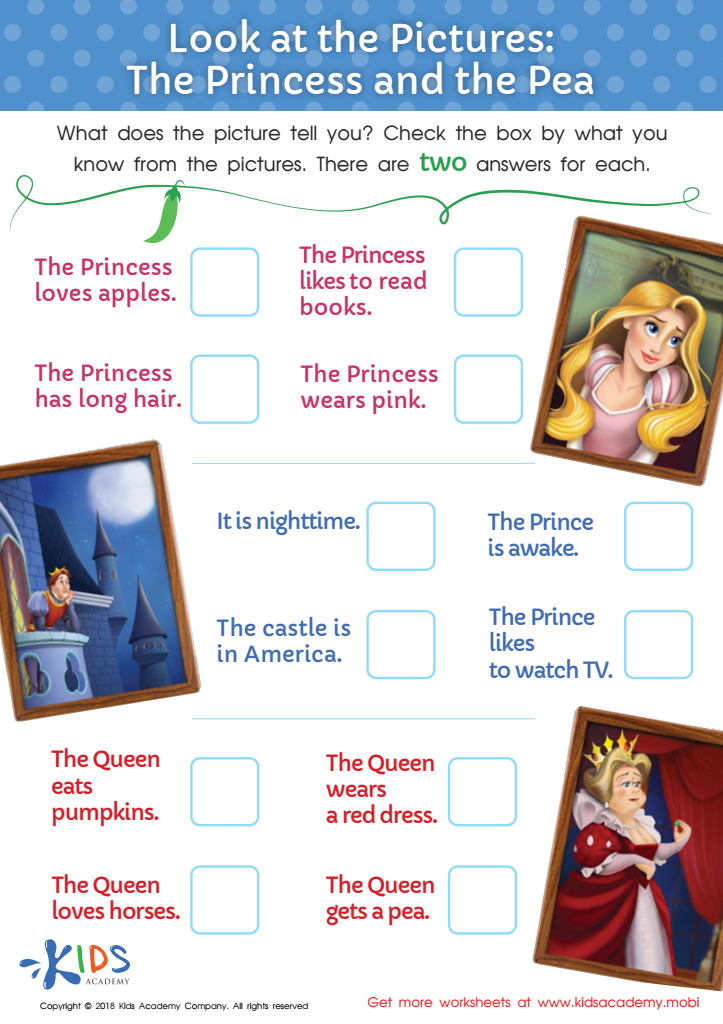
Look at the Pictures: The Princess and the Pea Worksheet
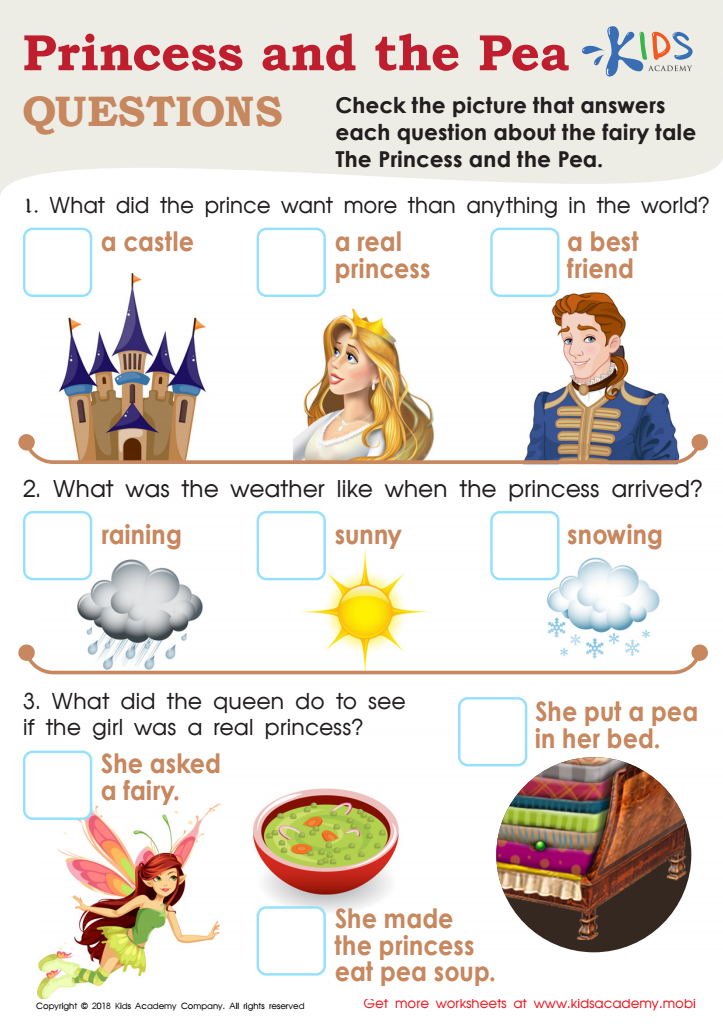
Princess and the Pea Questions Worksheet







Parents and teachers should prioritize critical thinking in reading fiction for children aged 3-7 because it fosters essential cognitive and emotional skills during a crucial developmental period. Engaging with stories allows young learners to question, analyze, and interpret characters and events, nurturing their ability to think critically. This early exposure supports analytical skills, enhancing their problem-solving abilities and creativity. When children explore different perspectives in a story, they develop empathy, learning to understand others' feelings and viewpoints.
Additionally, reading fiction stimulates imagination and encourages children to make connections between the narrative and their own experiences. It supports language development, expanding vocabulary and comprehension. As they encounter various scenarios in literature, they learn to infer meaning, make predictions, and support their reasoning with evidence from the text, which are essential skills for lifelong learning.
Moreover, critical thinking through fiction promotes engagement and motivation. When children are asked questions about stories, they feel empowered to express their ideas and collaborate with peers. This not only reinforces their understanding of the material but also builds confidence in sharing their thoughts. In today's world, nurturing critical thinkers from a young age prepares children to navigate complex challenges effectively, making this focus a valuable aspect of early education.








