Understanding habitats Science Worksheets for Ages 3-7
5 filtered results
-
From - To
Explore the wonders of nature with our "Understanding Habitats Science Worksheets" designed for children aged 3-7! These engaging, hands-on worksheets introduce young learners to various habitats, including forests, oceans, and deserts. Through colorful visuals and interactive activities, kids will discover how different animals and plants thrive in their environments. Our thoughtfully crafted worksheets promote essential skills like observation, critical thinking, and collaboration. Ideal for homeschooling or classroom use, these resources make learning about ecosystems fun and accessible. Dive into the exciting world of habitats and inspire a lifelong love of science with our worksheets today!
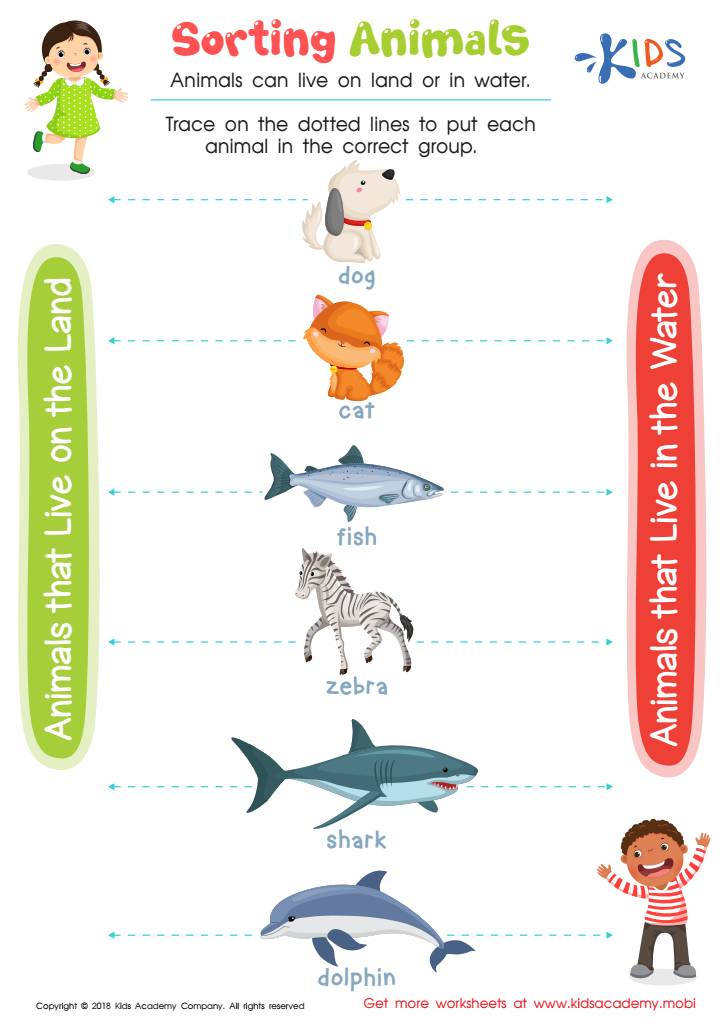
Sorting Animals Worksheet
 Assign to My Students
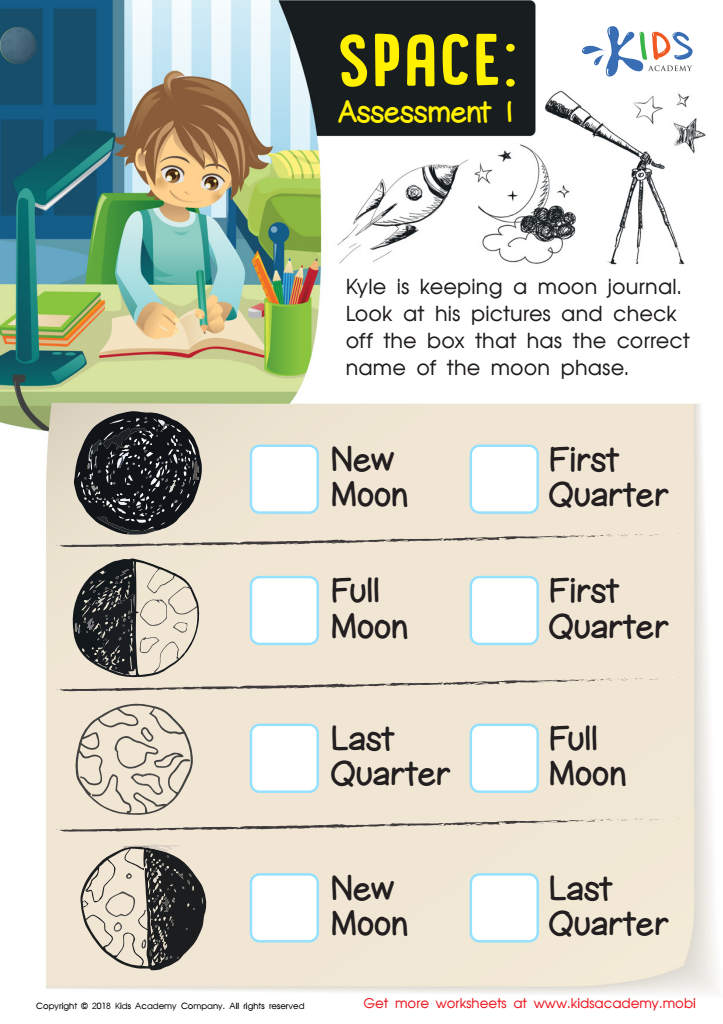
Space: Assessment 1 Worksheet
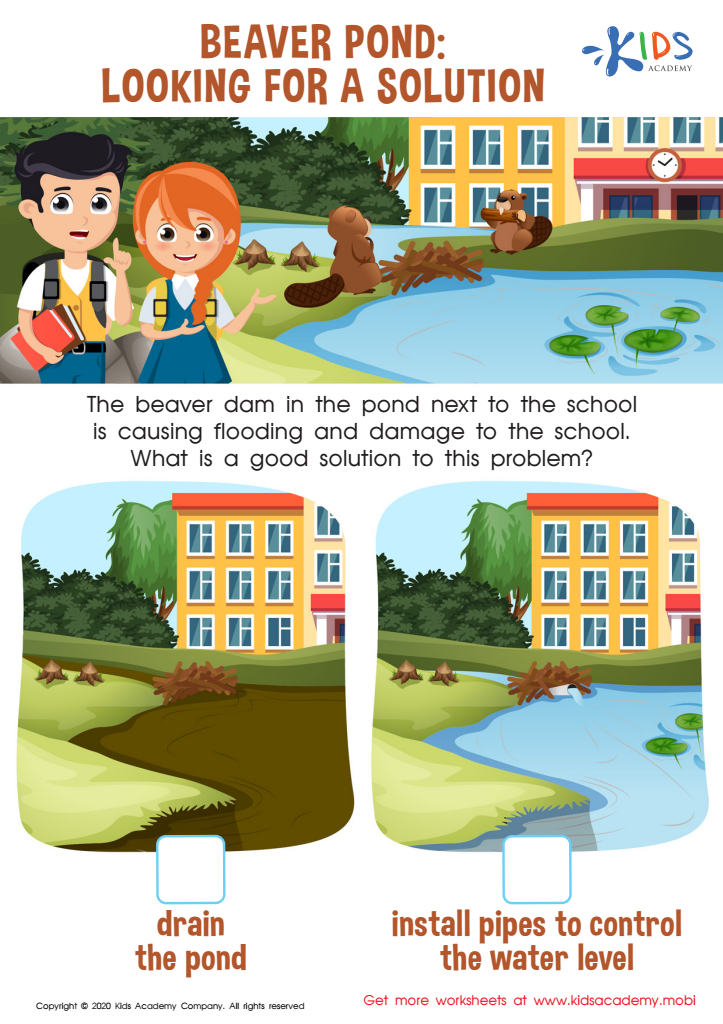
Beaver Pond: Looking for a Solution Worksheet
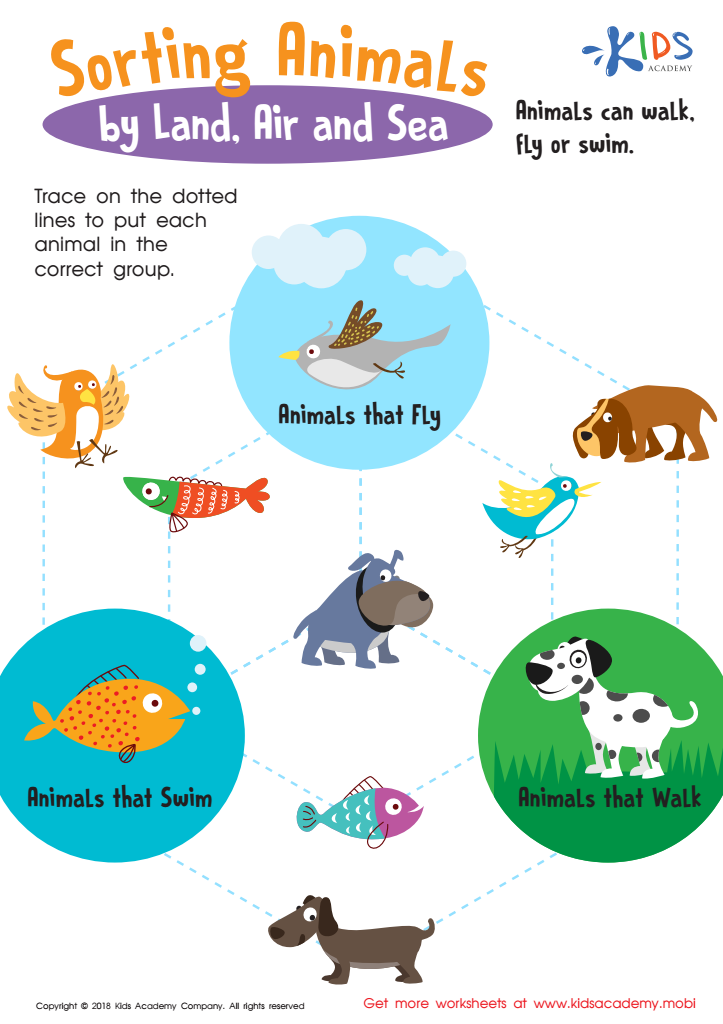
Sorting Animals by Land, Air and Sea Worksheet
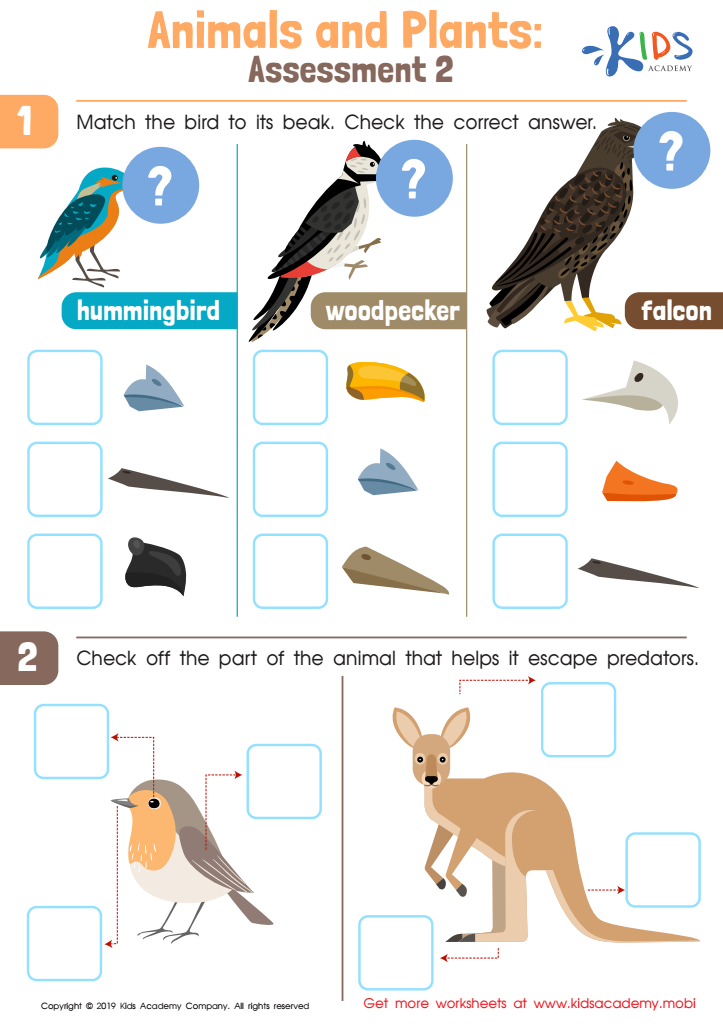
Animals and Plants: Assessment 2 Worksheet


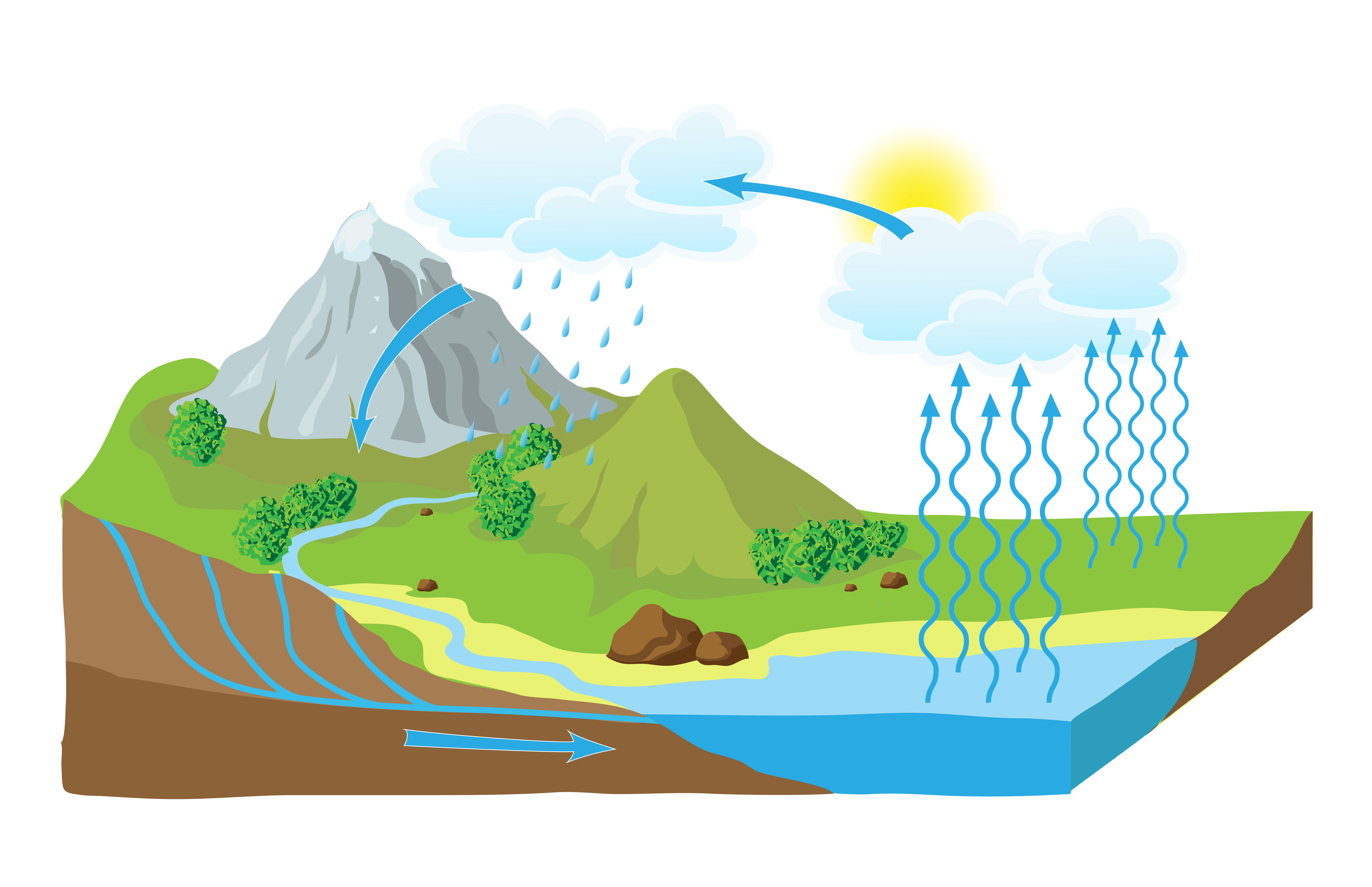

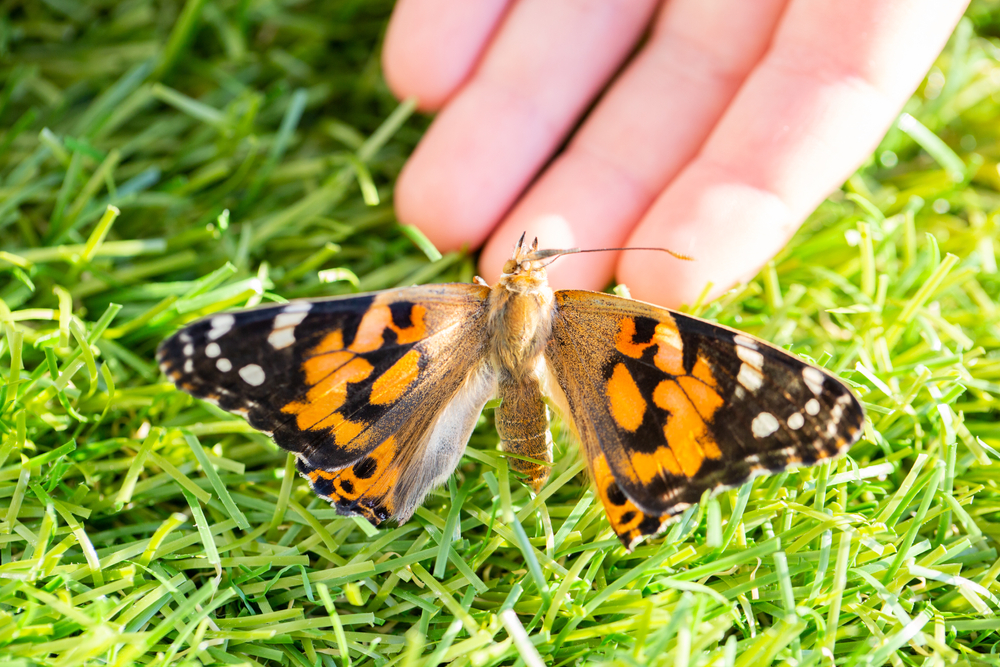


.jpg)
Understanding habitats is crucial for young learners aged 3-7 as it serves as a foundation for environmental awareness and appreciation of nature. During these formative years, children are naturally curious and eager to explore their surroundings. Engaging them in habitat science nurtures this curiosity, fostering a deep, intrinsic connection to the environment.
By understanding different habitats—such as forests, oceans, deserts, and wetlands—children can recognize the variety of ecosystems and the diverse life forms that inhabit them. This knowledge not only enhances their awareness of biodiversity but also underscores the importance of protecting these environments.
Teachers and parents play a vital role in guiding children’s exploration of habitats through activities like nature walks, storytelling, and interactive lessons. Integrating habitat science in their education promotes critical thinking and observation skills as they learn about animal behavior, plant life, and ecosystem interdependencies.
Moreover, cultivating an appreciation for habitats at a young age instills a lifetime commitment to environmental stewardship. As future caretakers of the planet, these children are more likely to engage in sustainable practices, ensuring safety and preservation of their ecosystems. Ultimately, understanding habitats empowers children to be informed, responsible citizens who cherish and protect our natural world.







