
Vocabulary enhancement Life Science Worksheets for Ages 3-7
7 filtered results
Difficulty Level
Grade
Age
-
From - To
Subject
Activity
Standards
Unlock your child's potential with our Vocabulary Enhancement Life Science Worksheets designed for ages 3-7! These engaging printables from Kids Academy offer a fun and interactive way to build essential vocabulary while exploring the wonders of life science. Perfectly tailored for early learners, each worksheet features delightful illustrations and activities that make learning about plants, animals, and the environment both enjoyable and educational. By integrating scientific concepts with language development, our worksheets boost curiosity and foundational knowledge, setting the stage for academic success. Start your adventure in learning today and watch as your child thrives!
Favorites
With answer key
Interactive
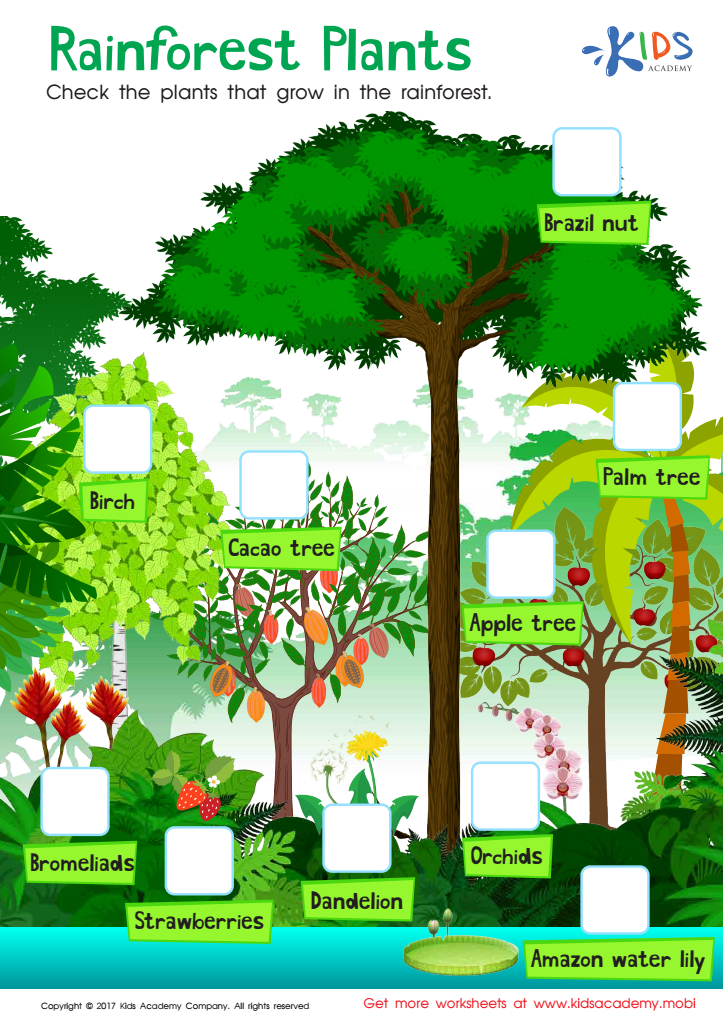
Rainforest Plants Worksheet
Revised: Get a better understanding of rainforest flora with this professionally crafted rainforest plants worksheet. Outline the distinguishing characteristics of each plant and have kids identify the plants that are common to rainforests.
 Assign to My Students
Rainforest Plants Worksheet
Worksheet
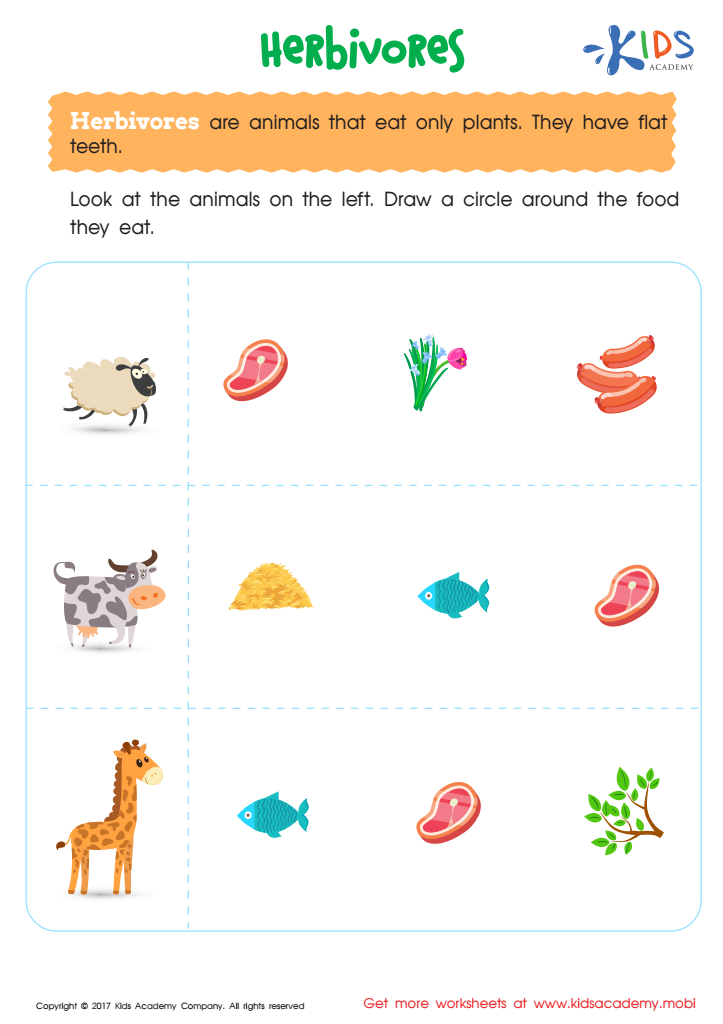
Herbivores Printable
Strengthen their vocab with these fascinating creatures, as they explore an intriguing aspect of beloved animals.
Herbivores Printable
Worksheet
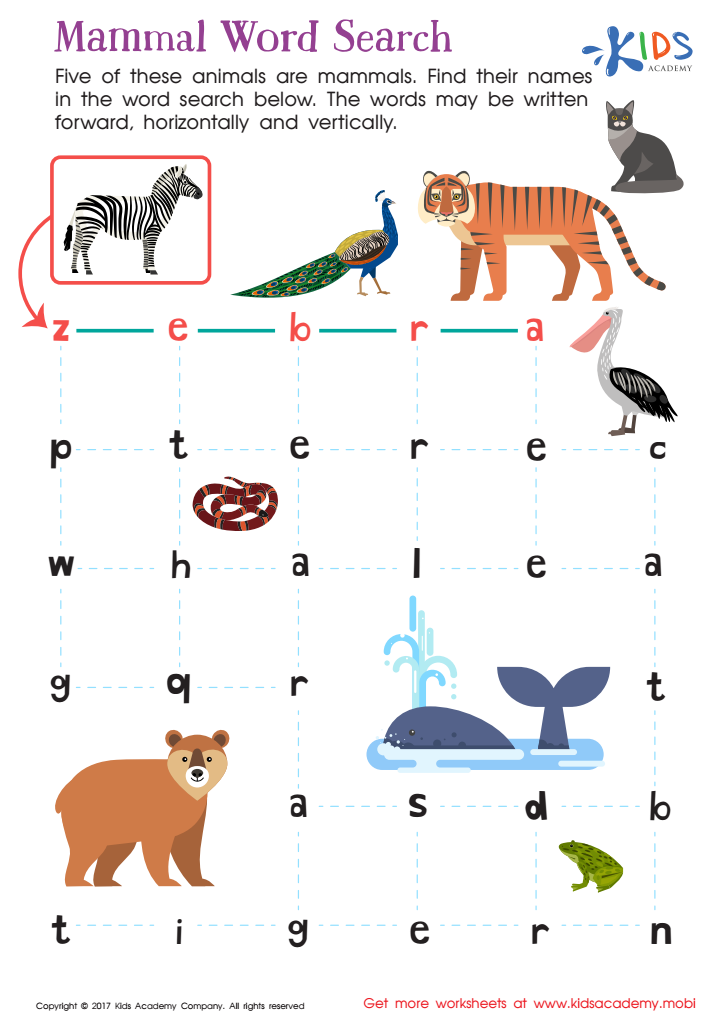
Printable Mammal Word Search
Second graders can enjoy new discoveries and adventures every day with a free printable mammal word search. They'll be tasked to find 5 mammals from a given list, making learning fun and efficient!
Printable Mammal Word Search
Worksheet
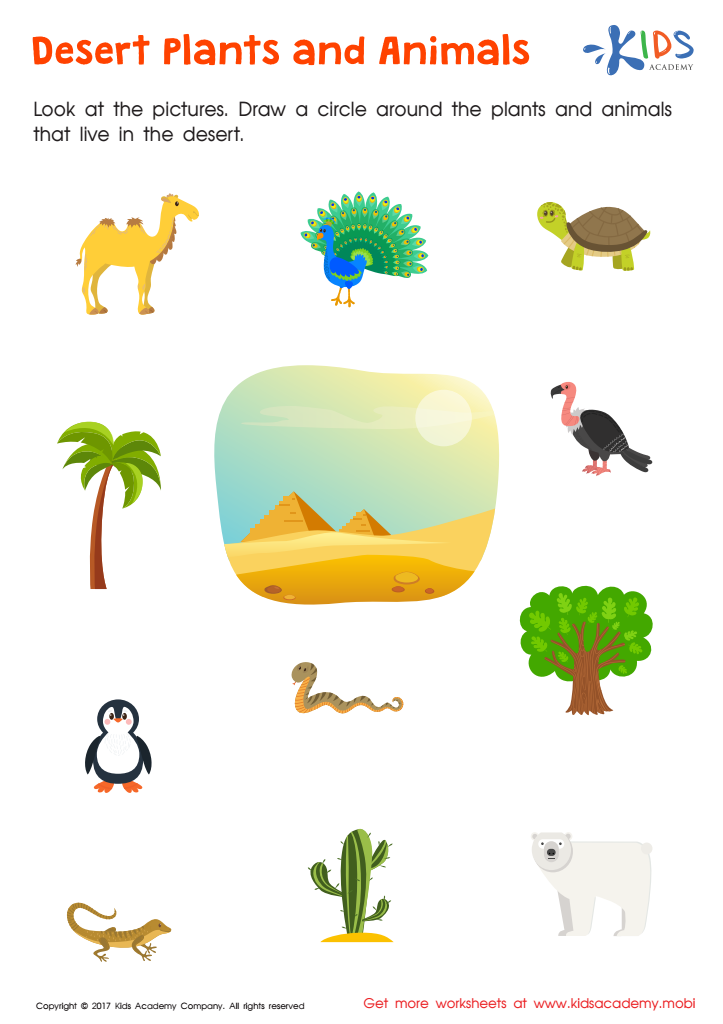
Desert Plants Animals Printable
Discover the wonders of the desert with this worksheet, featuring vivid colors and unique plants and animals adapted to its tough, dry conditions. Explore the special wildlife and flora of the desert!
Desert Plants Animals Printable
Worksheet
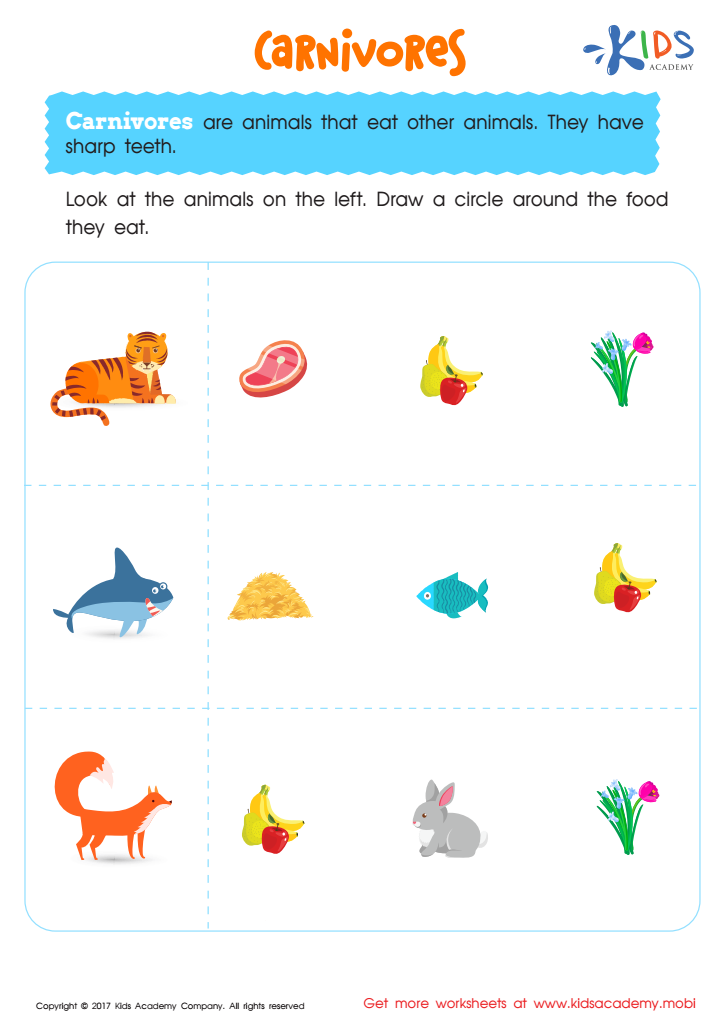
Carnivores Worksheet
Boost their vocabulary and help them explore the incredible world of carnivores.
Carnivores Worksheet
Worksheet
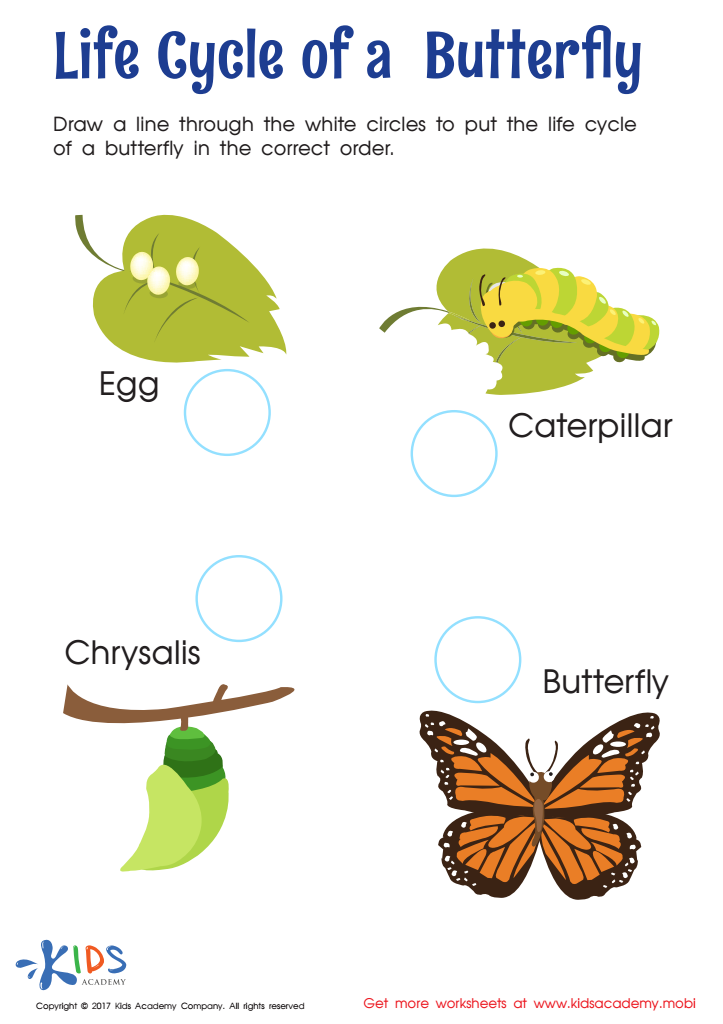
Life Cycle of Butterfly Worksheet
Kids Academy offers an exciting activity – a Life Cycle of a Butterfly Worksheet PDF. It shows four stages in the lifecycle of a butterfly with vivid pictures. Kids put the stages in the correct order to study the lifecycle.
Life Cycle of Butterfly Worksheet
Worksheet
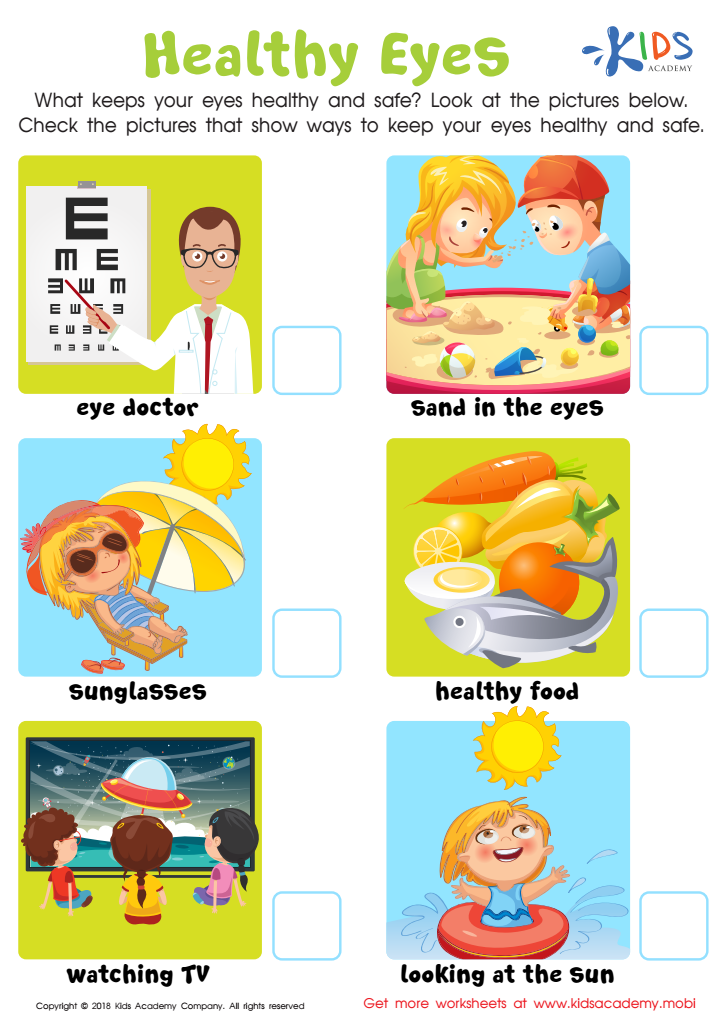
Healthy Eyes Worksheet
Does your child know how to care for their eyes? Help them understand with this worksheet. Look through the pictures together and discuss the different ways to keep the eyes healthy and safe. These include visits to the doctor, wearing sunglasses, and eating healthy food.
Healthy Eyes Worksheet
Worksheet
Join Kids Academy for Free
Who is primarily going to use this learning content?



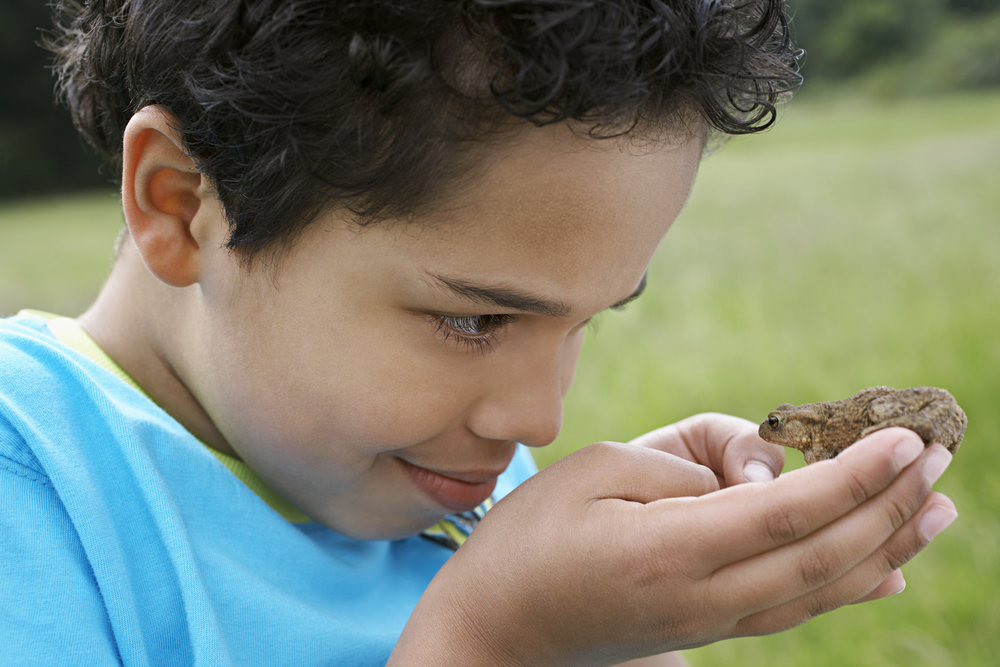




Vocabulary enhancement in life science for ages 3-7 is crucial for several reasons. Firstly, this early foundational knowledge helps young children build a strong academic base, which can support them in future learning. By teaching them life science vocabulary, such as names of animals, plants, and basic ecological concepts, we introduce them to the natural world, nurturing their curiosity and fostering a love for science.
Moreover, understanding these basic terms enhances their cognitive development. Children learn to categorize and connect different pieces of information, improving their memory and analytical skills. Enhancing vocabulary at a young age also contributes to language development, expanding their ability to express ideas and describe their surroundings accurately.
In addition to academic benefits, this knowledge has practical implications. Familiarity with life science concepts helps children understand the importance of nature and the environment, fostering a sense of responsibility towards conservation and sustainability from a young age.
For parents and teachers, prioritizing life science vocabulary also provides opportunities for meaningful, engaging activities and discussions, strengthening the bond between child and caregiver. Overall, cultivating vocabulary in life science for young children not only promotes educational growth but also enriches their understanding of the world, setting the stage for lifelong learning and responsible citizenship.








