Categorization skills Plants and Animals Worksheets for Ages 3-7
5 filtered results
-
From - To
Enhance your child's learning experience with our engaging Categorization Skills Worksheets focused on Plants and Animals, designed specifically for ages 3-7. These carefully crafted worksheets promote essential categorization and sorting skills, helping young learners distinguish between different types of plants and animals. Through interactive activities, children will explore various characteristics, fostering critical thinking and reinforcing their understanding of the natural world. Perfect for home or classroom use, these resources areideal for teachers and parents aiming to make learning fun and enjoyable. Download our free worksheets today and watch your little ones strengthen their knowledge while developing important cognitive skills!
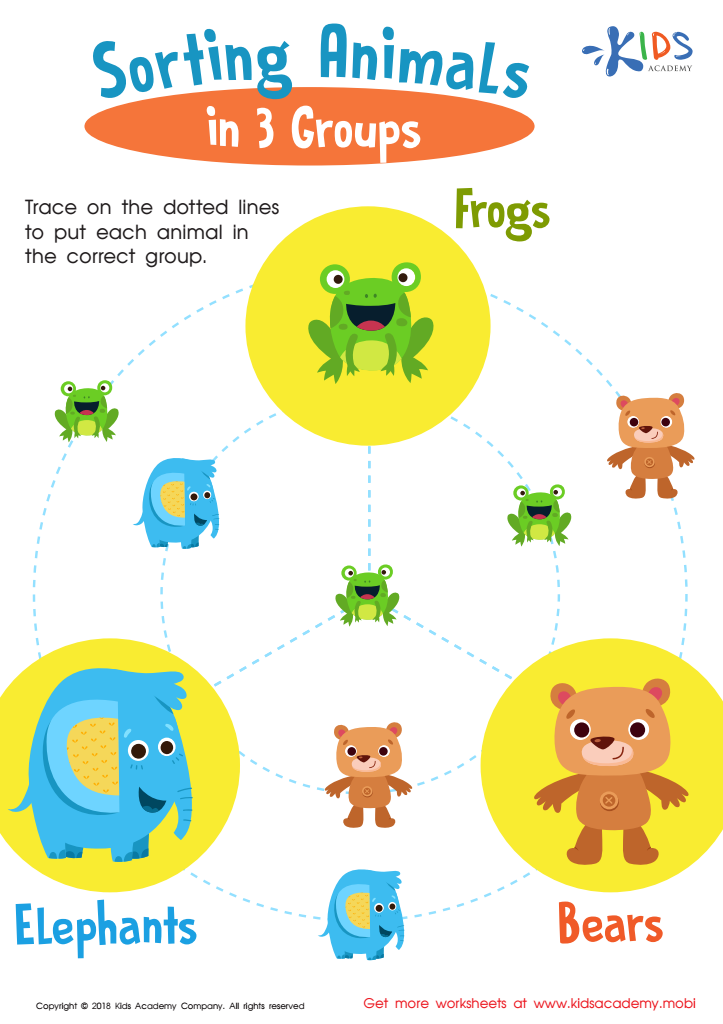
Sorting Animals in 3 Groups Worksheet
 Assign to My Students

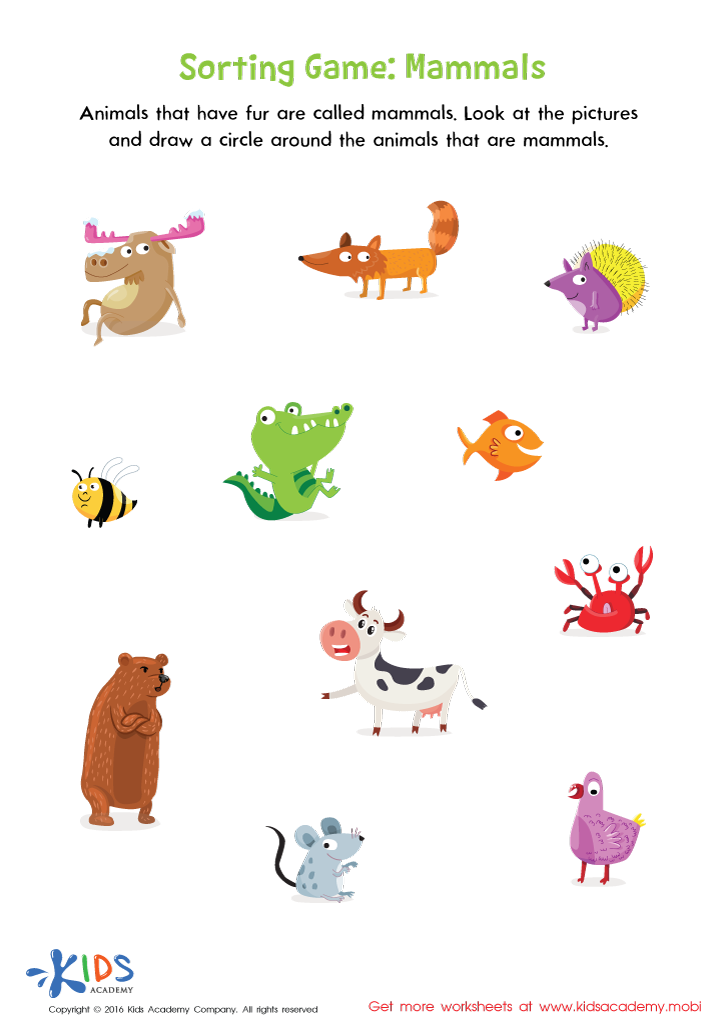
Mammals Sorting Worksheet

Identifying Living or Non–living Worksheet
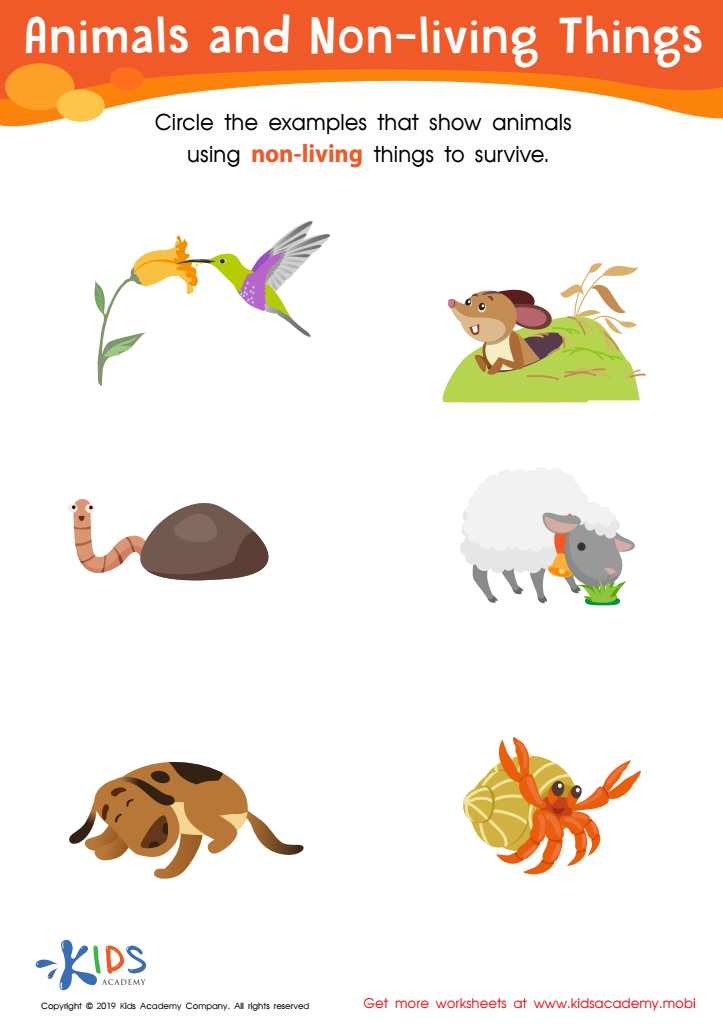
Animals and Non-Living Things Worksheet



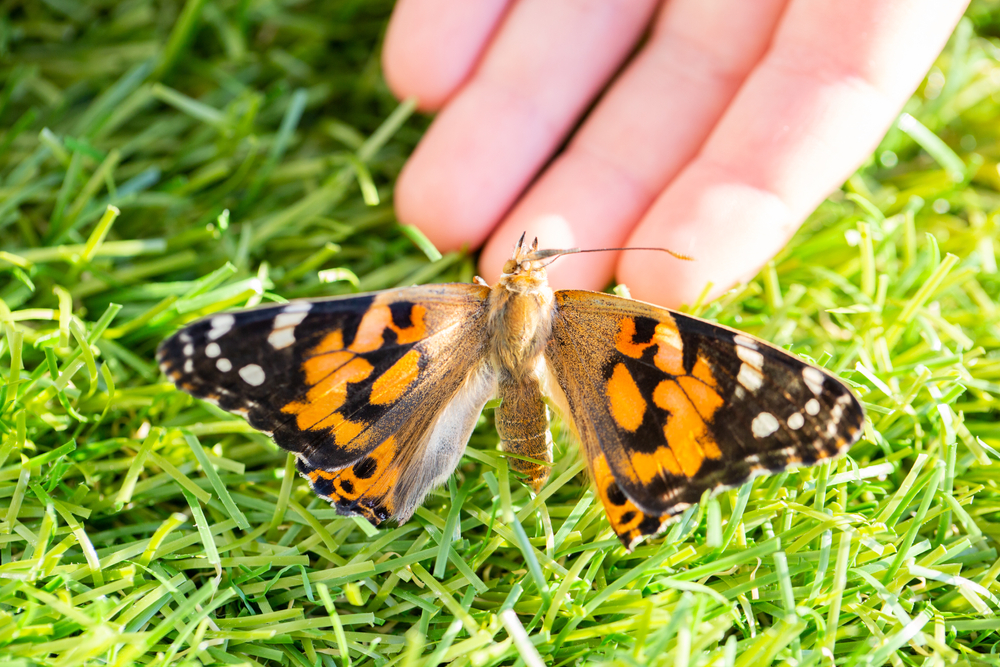




Categorization skills, particularly related to plants and animals, play a crucial role in the cognitive and social-emotional development of children aged 3-7. These skills allow children to classify objects, recognize patterns, and understand relationships among different species, enhancing critical thinking and problem-solving abilities. By categorizing plants and animals, children learn to distinguish between living and non-living things, identify various ecosystems, and appreciate biodiversity, fostering a sense of wonder about nature.
Moreover, categorization contributes to language development as children learn to name and describe different species, enhancing their vocabulary and communication skills. It also encourages curiosity and exploration, promoting hands-on learning experiences through outdoor activities and nature-based play. Such skills pave the way for better understanding of concepts such as habitat, food chains, and environmental stewardship.
For teachers and parents, nurturing categorization skills supports a holistic approach to education, integrating science with creativity and play. It equips children with the fundamental building blocks of knowledge that are essential for their future academic endeavors. Furthermore, fostering an appreciation for the natural world can instill values of compassion and responsibility towards animals and plants, contributing to healthier attitudes about conservation and the environment.








