
Color recognition Social Studies Worksheets for Ages 3-7
5 filtered results
Difficulty Level
Grade
Age
-
From - To
Subject
Activity
Standards
Discover our engaging Color Recognition Social Studies Worksheets designed specifically for children aged 3-7! These interactive resources promote essential skills while introducing toddlers and preschoolers to the concept of colors through an exciting social studies lens. Each worksheet features vibrant illustrations and fun activities that help little learners identify and name colors, enhancing their understanding of cultural diversity and their environment. Perfect for home or classroom use, these worksheets encourage creativity and strengthen critical thinking skills. Spark your child's curiosity about the world around them while helping them master color recognition with our thoughtfully crafted activities!
Favorites
With answer key
Interactive
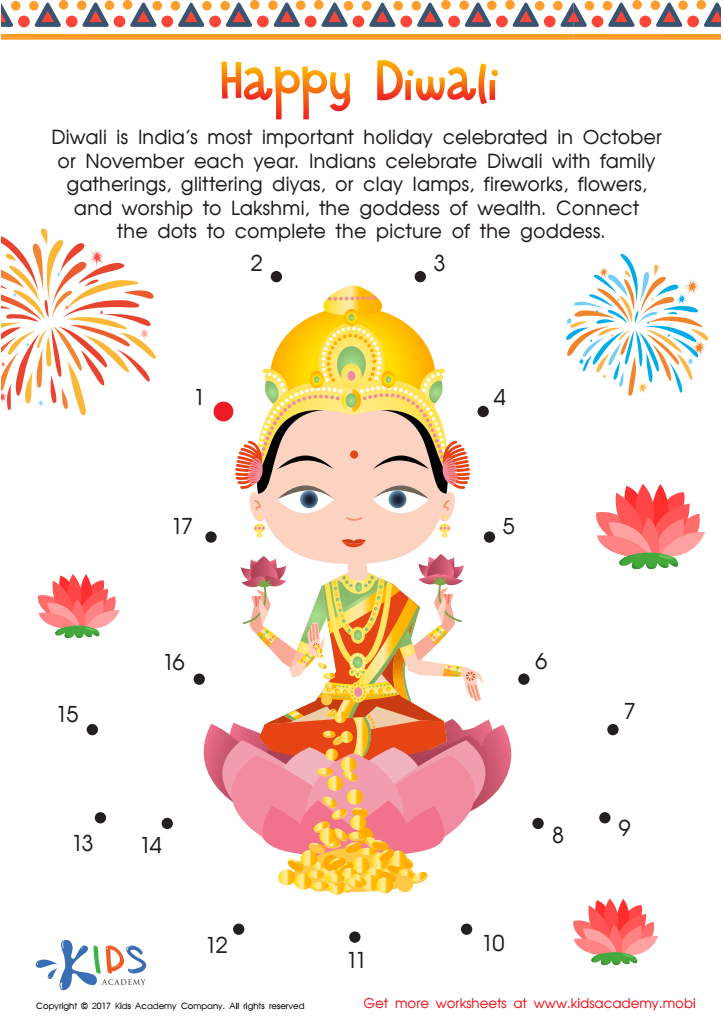
Happy Diwali Printable
Explore India this Diwali! Learn about India's most significant holiday, Diwali, with this fun-filled printable activity for kids. Your child can gain an appreciation for Indian culture with this Diwali dot to dot worksheet.
Happy Diwali Printable
Worksheet
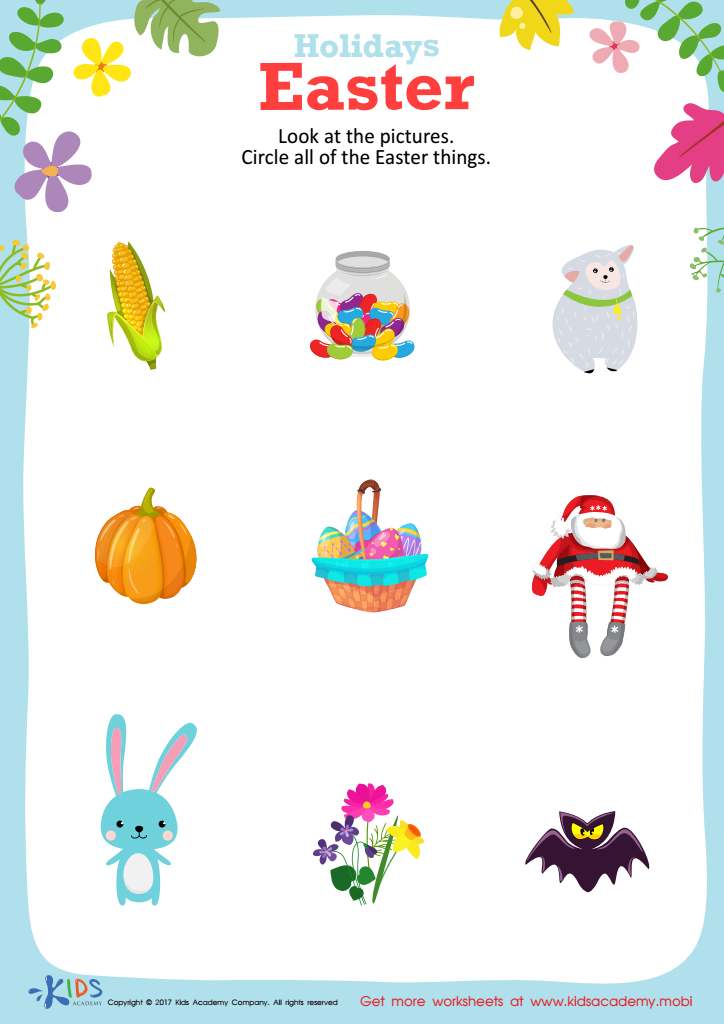
Easter Holiday Printable
This printable Easter worksheet helps your child identify symbols associated with the holiday. Pick out the pictures that usually signify Easter and your little one will gain an understanding of the holiday's meaning. With this free activity, springtime just got more exciting!
Easter Holiday Printable
Worksheet
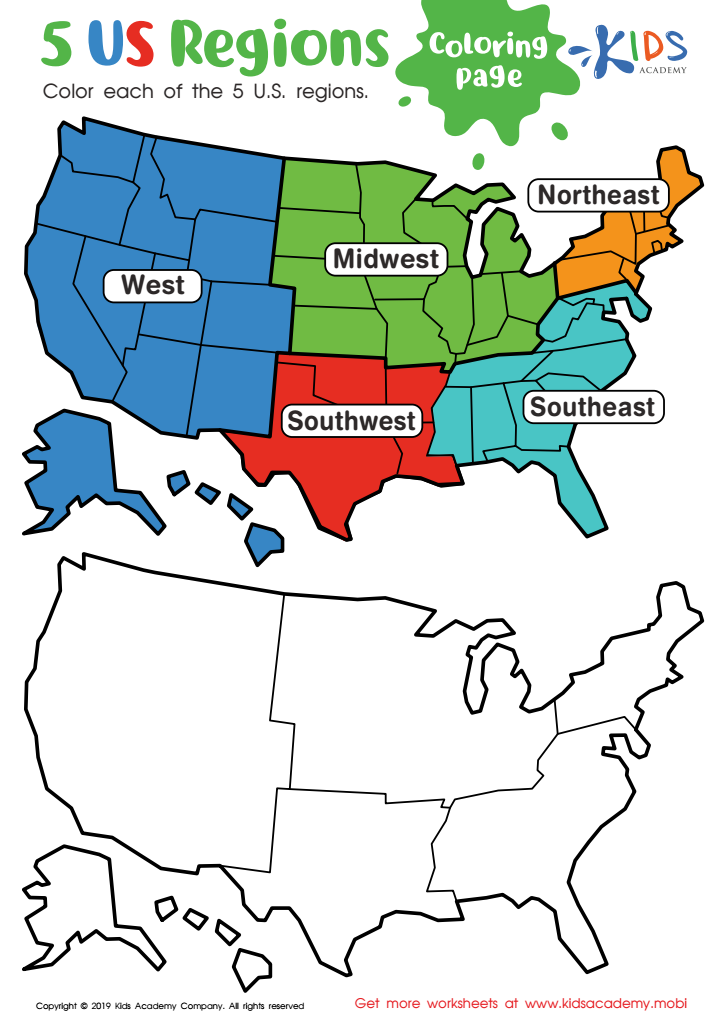
US Regions Coloring Page Worksheet
Our great nation is split into five distinct regions: Southeast, Southwest, West, Midwest, and Northeast. Each is known for its own special offerings and states. Let your kids have fun learning about the regions with a coloring activity! It's a great way for them to understand where each region stands on the map.
Download (PDF)
 Assign to My Students
Assign to My Students
US Regions Coloring Page Worksheet
Worksheet
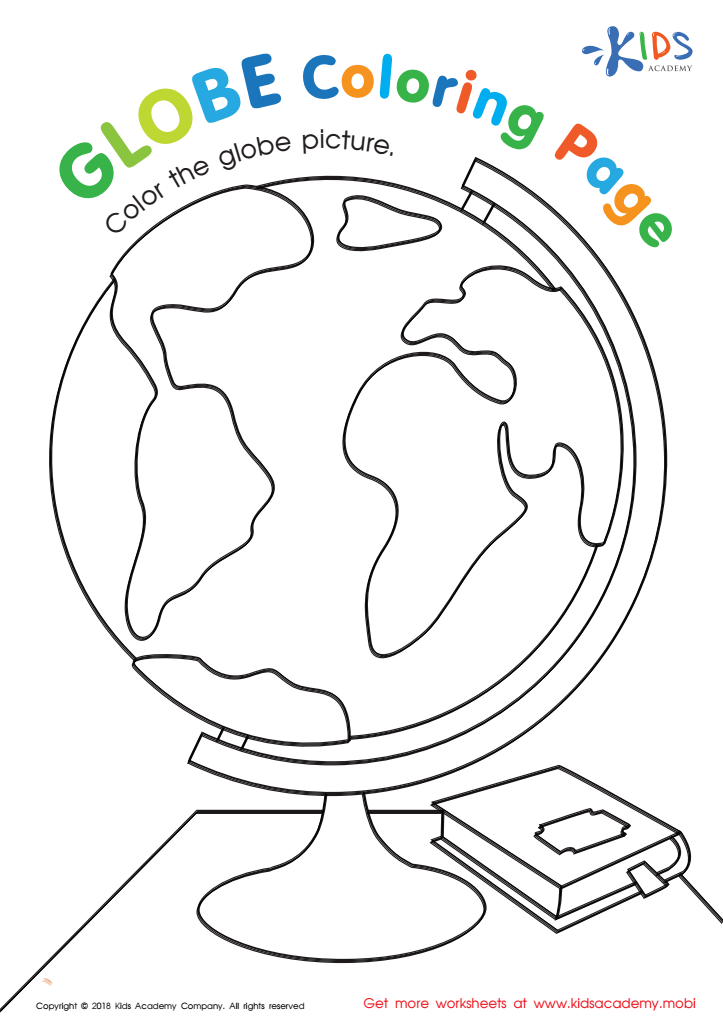
Globe Coloring Page Worksheet
Kids love coloring! Save yourself stress by giving them coloring sheets instead of letting them color on furniture and walls. This worksheet has a fun activity that engages their hands and mind - ask them to color the globe picture, and help them pick the colors.
Download (PDF)
Assign to My Students
Assign to My Students
Globe Coloring Page Worksheet
Worksheet
Join Kids Academy for Free
Who is primarily going to use this learning content?







Color recognition is a fundamental skill that plays a vital role in children's early development, particularly in social studies for ages 3-7. Understanding colors helps children make sense of the world around them, facilitating visual learning and enhancing their ability to categorize and identify objects. This foundational skill promotes cognitive development, crucial for later academic success.
In social studies, color recognition aids in teaching concepts such as diversity, community, and environment. For instance, recognizing the colors of a variety of cultural symbols, flags, or maps fosters an appreciation for different cultures. This acknowledgment cultivates respect and empathy among young learners, enriching their social interactions.
Moreover, learning about colors can be integrated into discussions about emotions associated with specific hues, enhancing social-emotional learning. Helping children connect colors to feelings and experiences makes social studies lessons more relatable and impactful.
Encouraging color recognition lays the groundwork for critical thinking and observational skills. When parents and teachers prioritize color recognition, they not only promote essential educational development but also encourage meaningful discussions about the society in which children live. Engaging in these activities sets the stage for a more informed, inclusive, and interconnected worldview as children grow.








