Counting skills World Around Us Worksheets for Ages 3-7
5 filtered results
-
From - To
Explore our "Counting Skills World Around Us Worksheets for Ages 3-7" to make early math fun and engaging! Perfectly tailored for young learners, these colorful and interactive worksheets help develop essential counting skills while introducing children to the world around them. From counting animals in various habitats to everyday objects at home and in nature, each worksheet combines visual appeal with educational value. Ideal for use at home or in the classroom, they offer a practical approach to learning numbers in a way that's both enjoyable and impactful. Watch your child's confidence in counting grow with every completed activity!
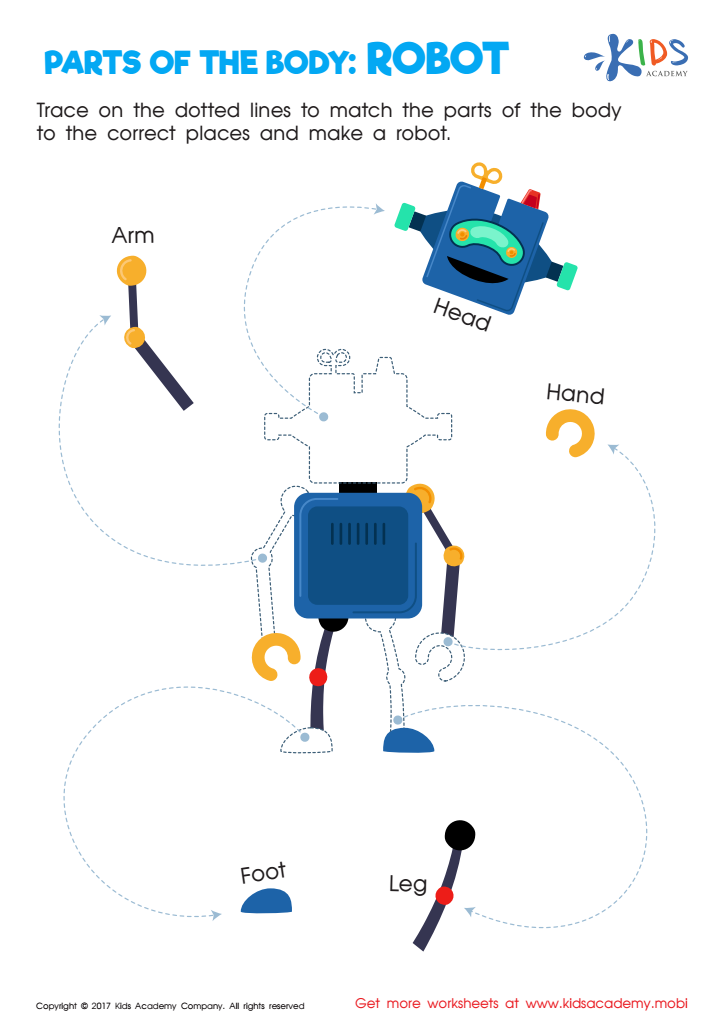
Robot Printable
 Assign to My Students
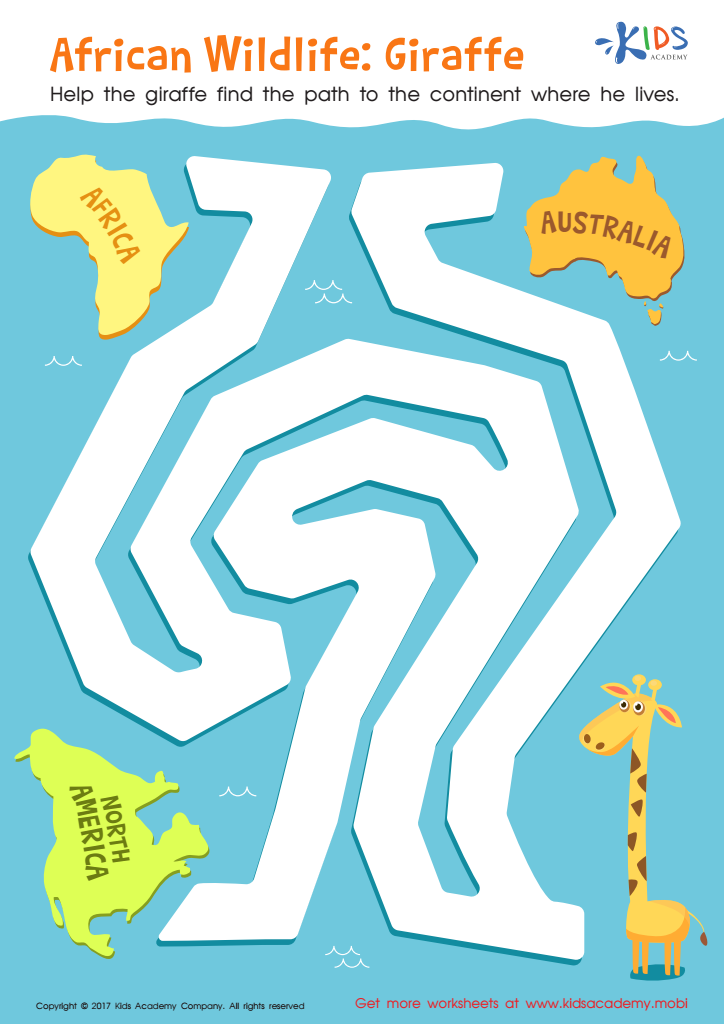
African Wildlife: Giraffe Worksheet
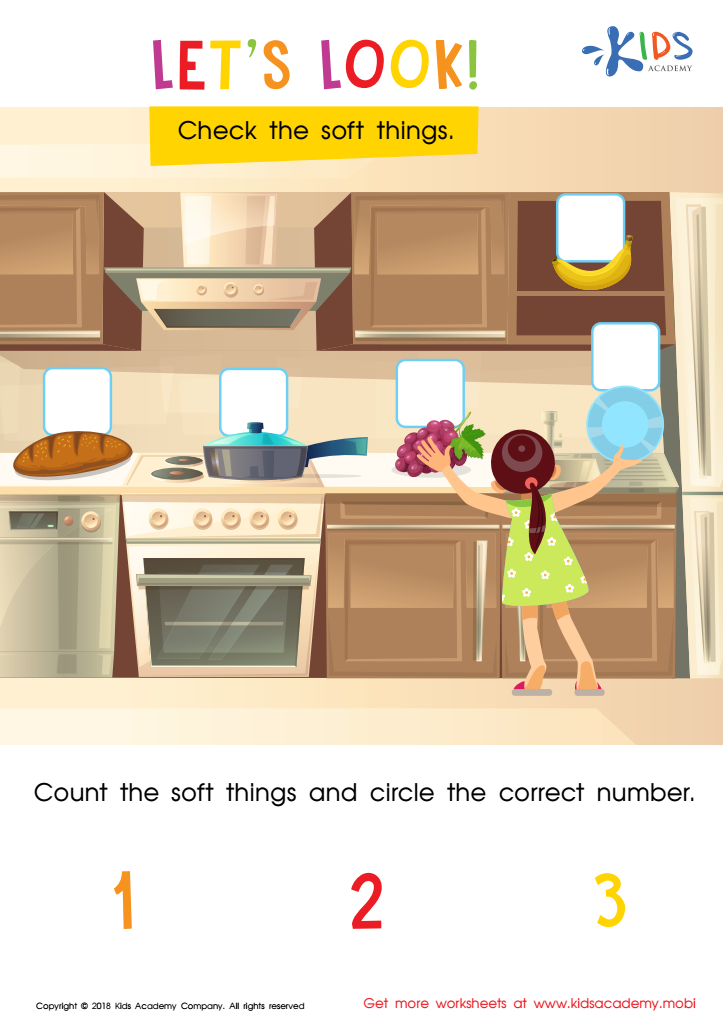
Let's Look! Assessment Worksheet
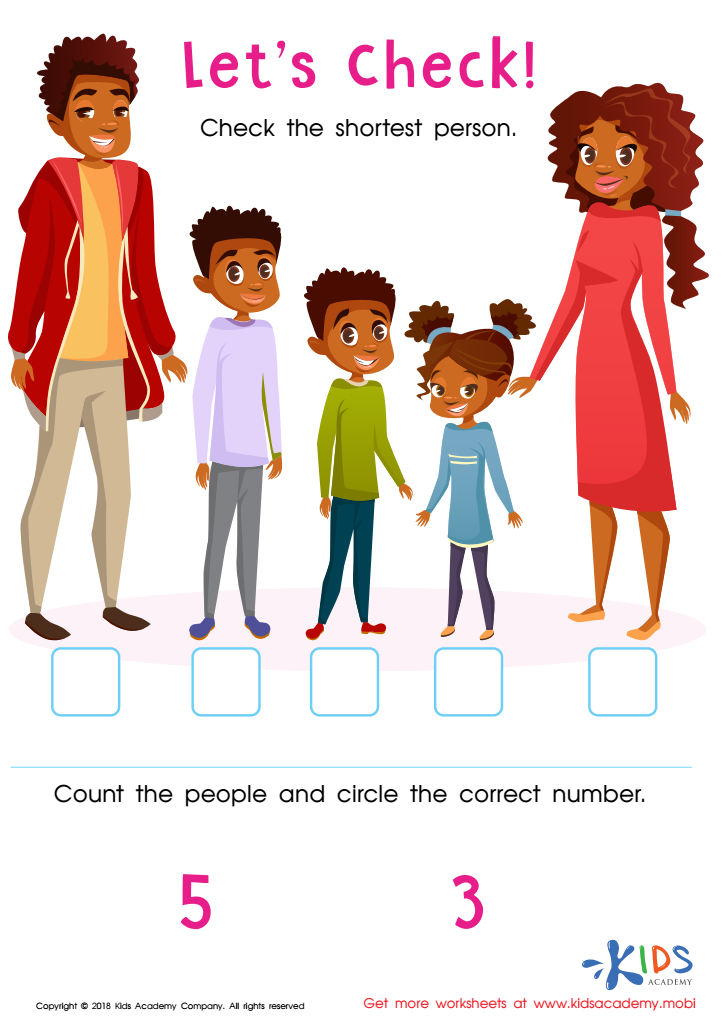
Let's Check! Assessment Worksheet
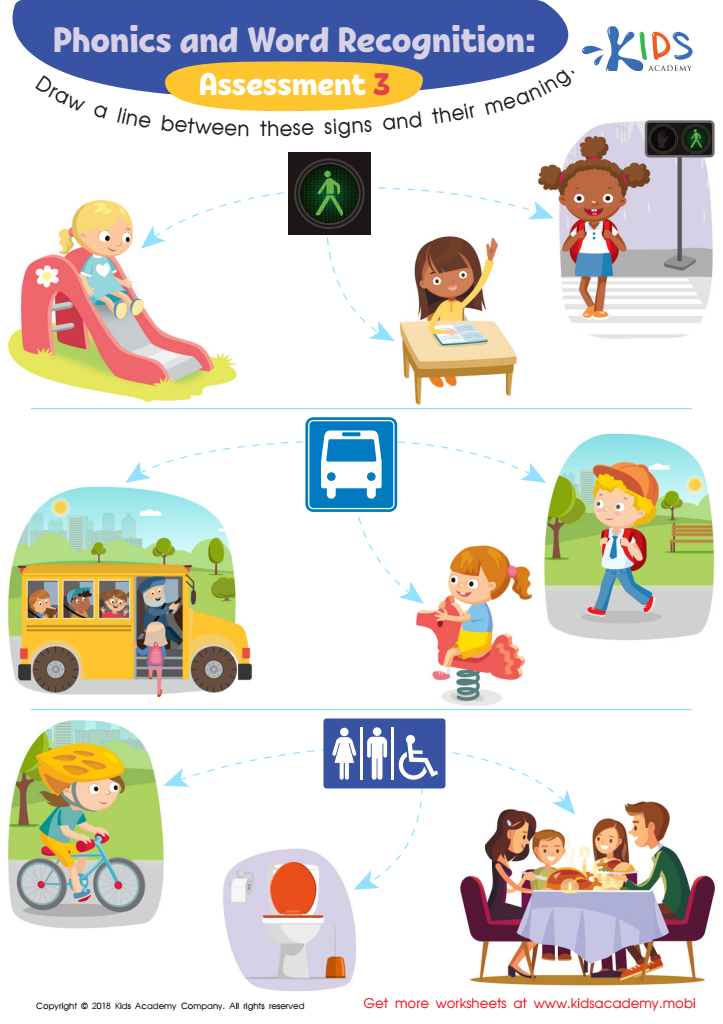
Phonological Awareness: Assessment 3 ELA Worksheet


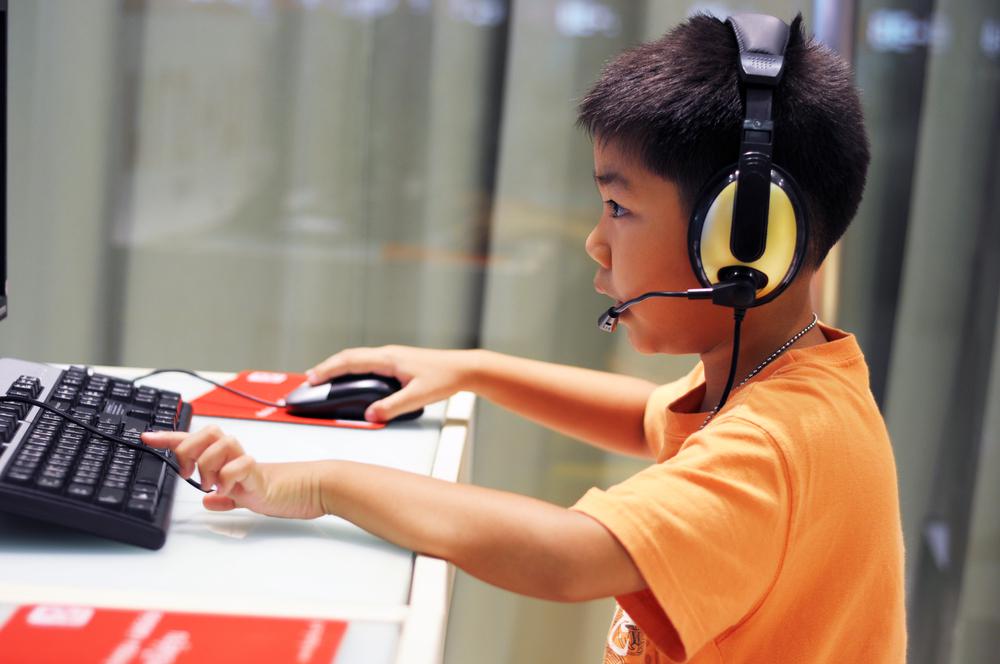





Counting skills are fundamental for young children, especially between the ages of 3 and 7. These skills not only lay the groundwork for future mathematical understanding but also enhance cognitive development and problem-solving abilities. When children engage in counting, they learn number sense, which involves recognizing numbers, understanding their value, and realizing their sequence. This foundation is critical for more advanced math topics they will encounter later in school.
Moreover, counting skills spill over into daily life, often reflected in the "World Around Us" curriculum. Children learn to apply counting to real-world contexts, such as counting items in a grocery store, determining the number of steps in a stairway, or sharing toys among friends. This practical application makes math relatable and helps children see its relevance, fostering a positive attitude toward learning.
Teachers and parents should prioritize counting skills to support a child's overall development. Proficiency in counting enhances memory, attention to detail, and the ability to follow instructions. These skills are essential not just academically but also socially, as they underpin the abilities to solve problems collaboratively and navigate the world independently. By integrating counting into everyday activities, parents and teachers can create stimulating and meaningful learning experiences that set the stage for lifelong success.