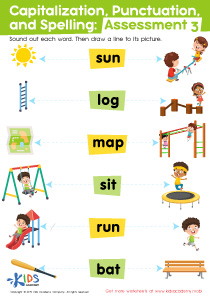
Reading proficiency Writing Worksheets for Ages 3-7
3 filtered results
-
From - To
Unlock your child’s reading potential with our engaging Reading Proficiency Writing Worksheets designed for ages 3-7. Our worksheets utilize fun activities that promote early literacy skills, helping young learners recognize letters, sounds, and essential vocabulary. Tailored to spark curiosity and boost confidence, these worksheets feature colorful illustrations and interactive tasks that make learning enjoyable. Perfect for parents and educators, our resources provide varied practice to cater to individual learning styles. Watch your child flourish as they enhance their phonetic awareness, improve comprehension, and develop a love for reading. Start their literacy journey today with Kids Academy’s inspiring worksheets!
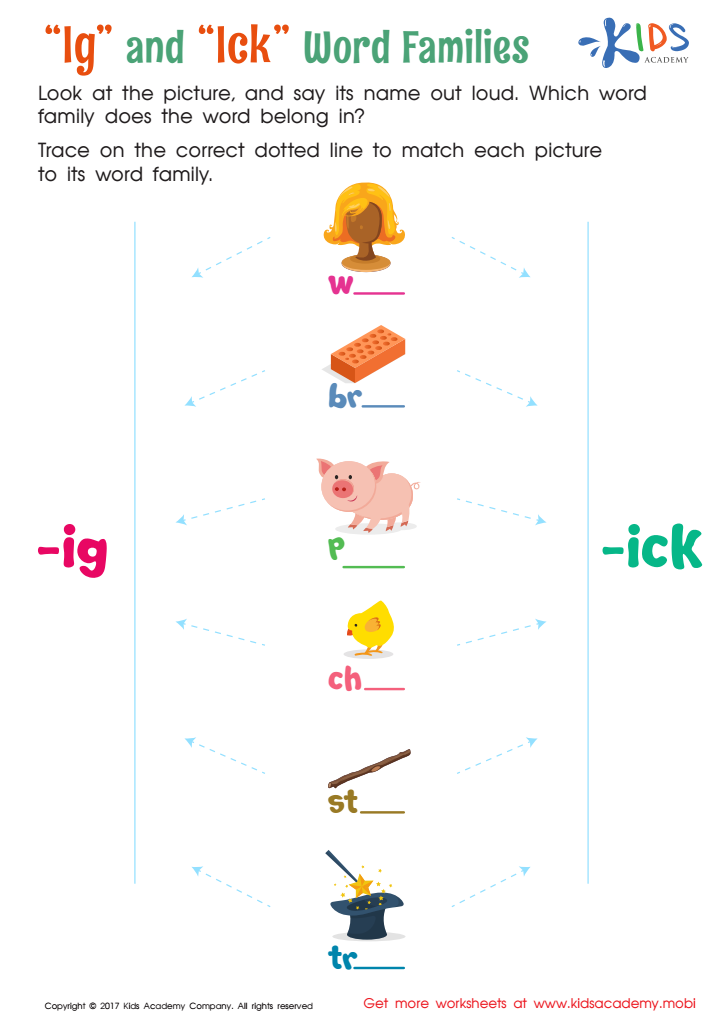
Words Families "ig" and "ick" Spelling Worksheet
 Assign to My Students
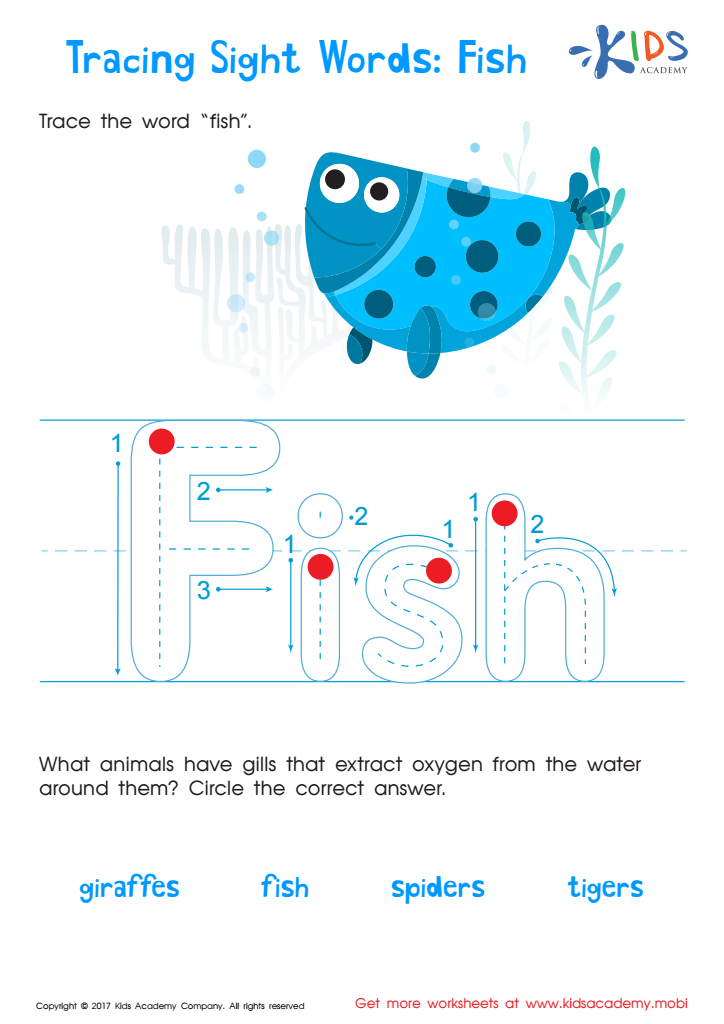
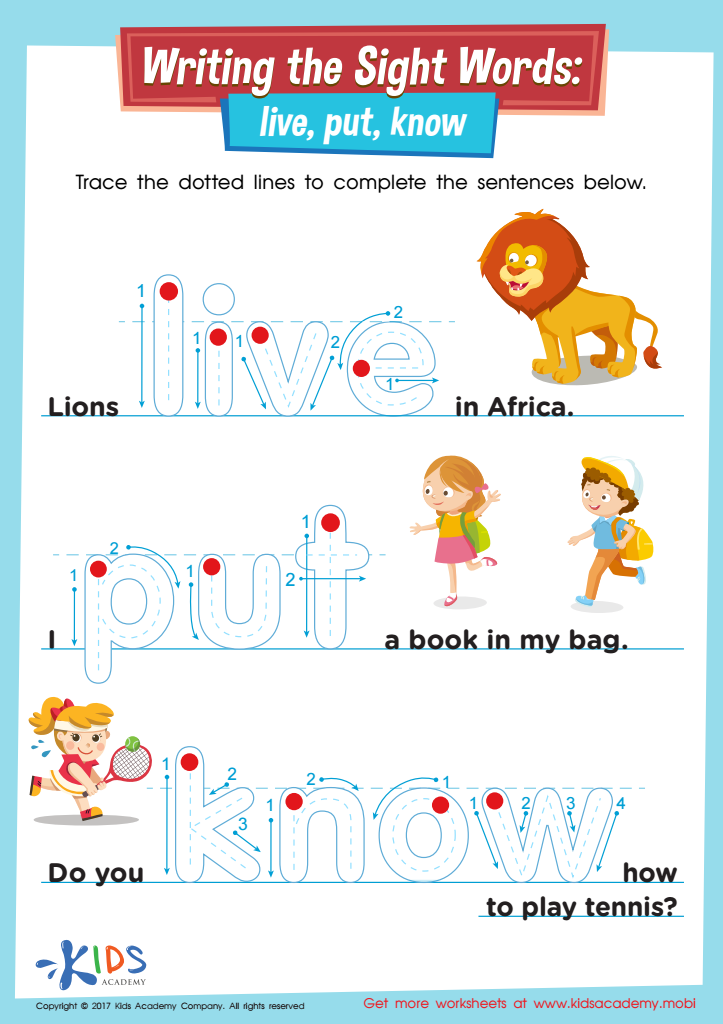
Live, Put, Know Printable Sight Words Worksheet







Reading proficiency and writing skills are critical components of early childhood education for ages 3-7, as they lay the foundation for a child's lifelong learning. Parents and teachers should care about these skills for several compelling reasons.
First, proficient reading skills enhance vocabulary development, enabling children to express themselves effectively. This strong linguistic foundation supports a child's confidence in communication. Writing, on the other hand, encourages creativity and critical thinking, allowing young learners to process their thoughts and ideas in a structured way.
Second, research establishes a direct link between early reading and writing proficiency and future academic success. Children who read and write well are more likely to excel in school, reducing the risk of educational setbacks or struggles later on.
Third, engaging with books and writing activities nurtures a strong bond between parents and children when stories are shared or stories created together. Such interactions foster a love for reading and learning.
Ultimately, investing in reading and writing skills for young learners not only promotes academic achievement but also nurtures essential life skills such as empathy, analytical thinking, and effective communication. Therefore, parents and teachers are pivotal in cultivating these foundational abilities, influencing their children's future success.