Handwriting practice Tracing Words Worksheets for Ages 3-7
14 filtered results
-
From - To
Enhance your child's handwriting skills with our Handwriting Practice: Tracing Words Worksheets for Ages 3-7. Designed to engage young learners, these worksheets offer a fun and educational way to practice letter formation and improve fine motor skills. Each sheet features vibrant images, simple words, and clear tracing lines to help children gradually build confidence in their writing. Ideal for both classroom and home use, our tracing worksheets are a fantastic tool to support early literacy development and set the foundation for lifelong learning. Download today and watch your child’s handwriting flourish!
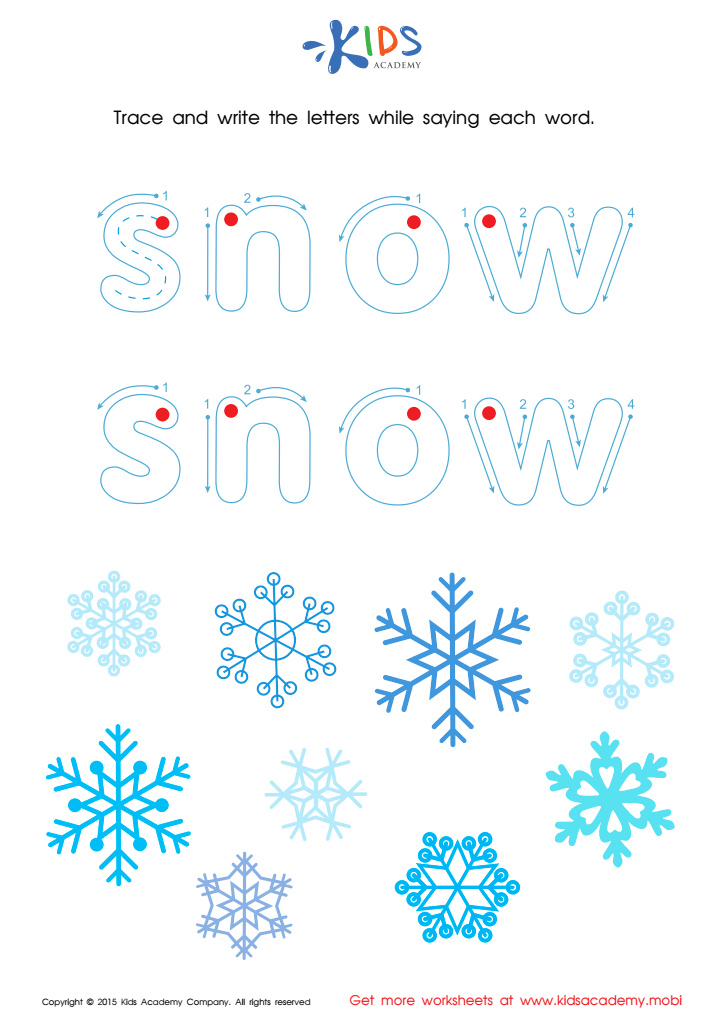
Snowflake Tracing Winter Words Worksheet
 Assign to My Students
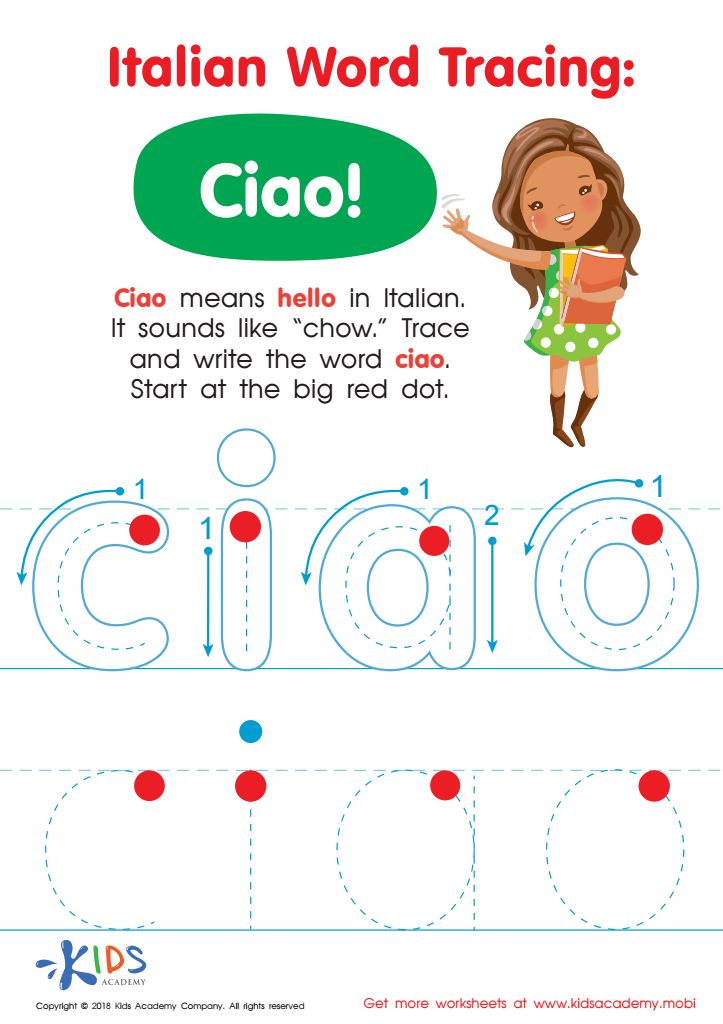
Italian Word Tracing: Ciao Worksheet
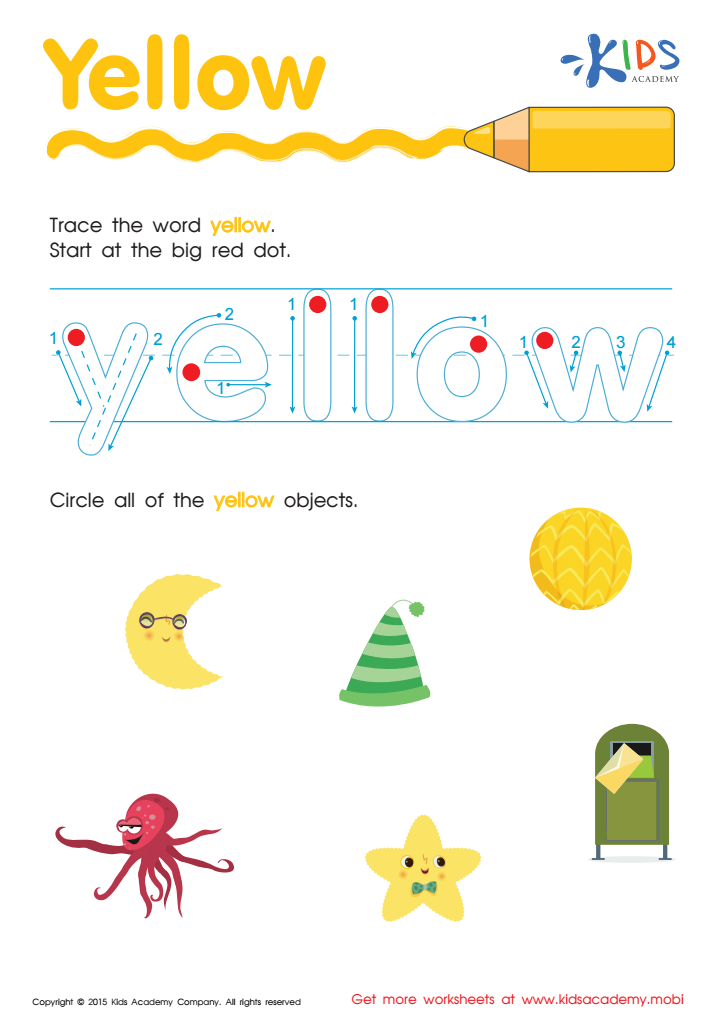
Yellow Tracing Color Words Worksheet
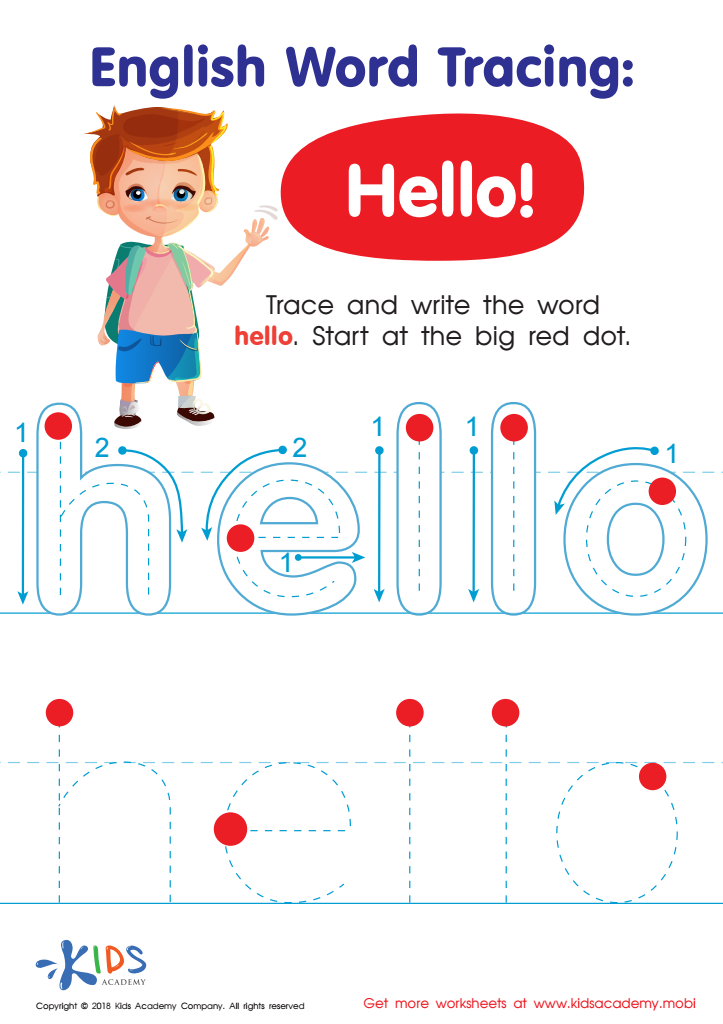
English Word Tracing: Hello Worksheet
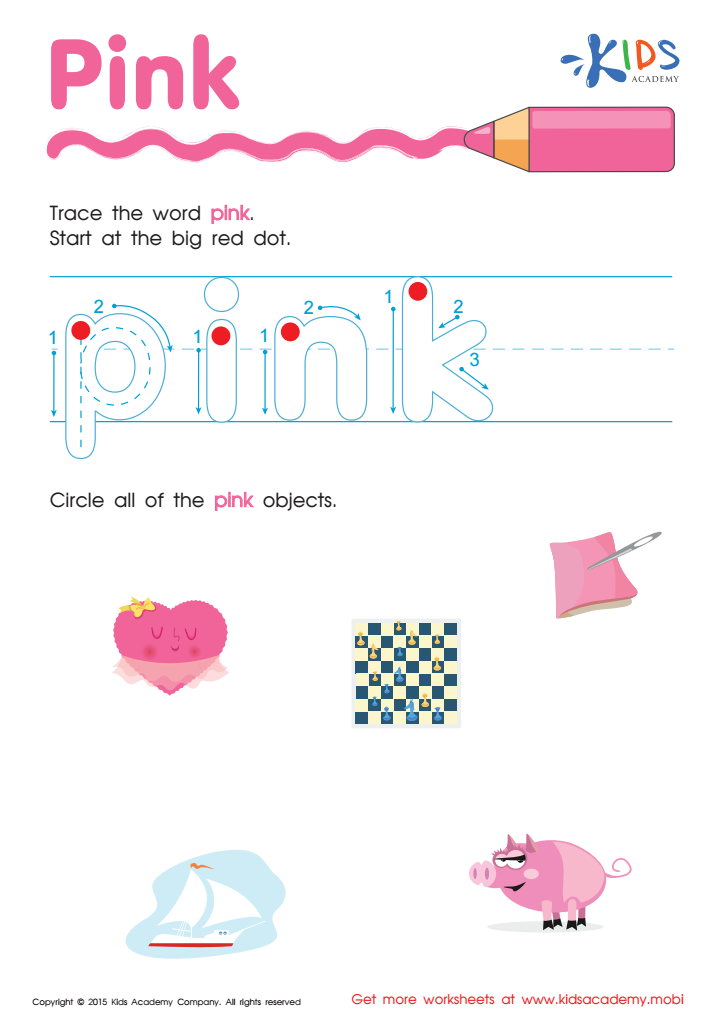
Pink Tracing Color Words Worksheet
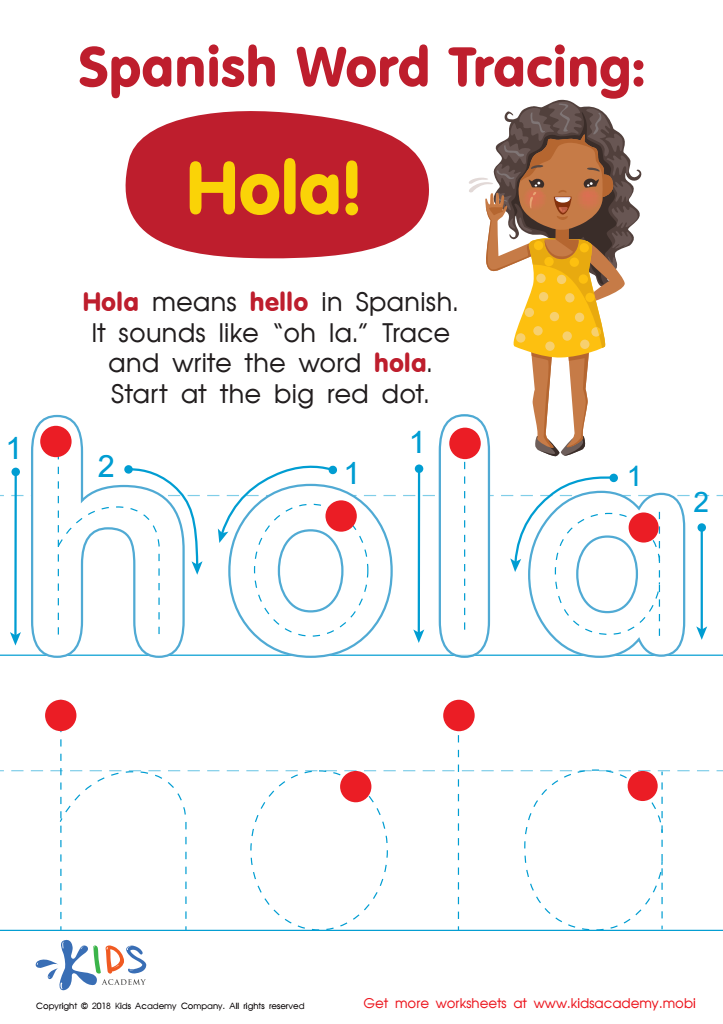
Spanish Word Tracing: Hola Worksheet
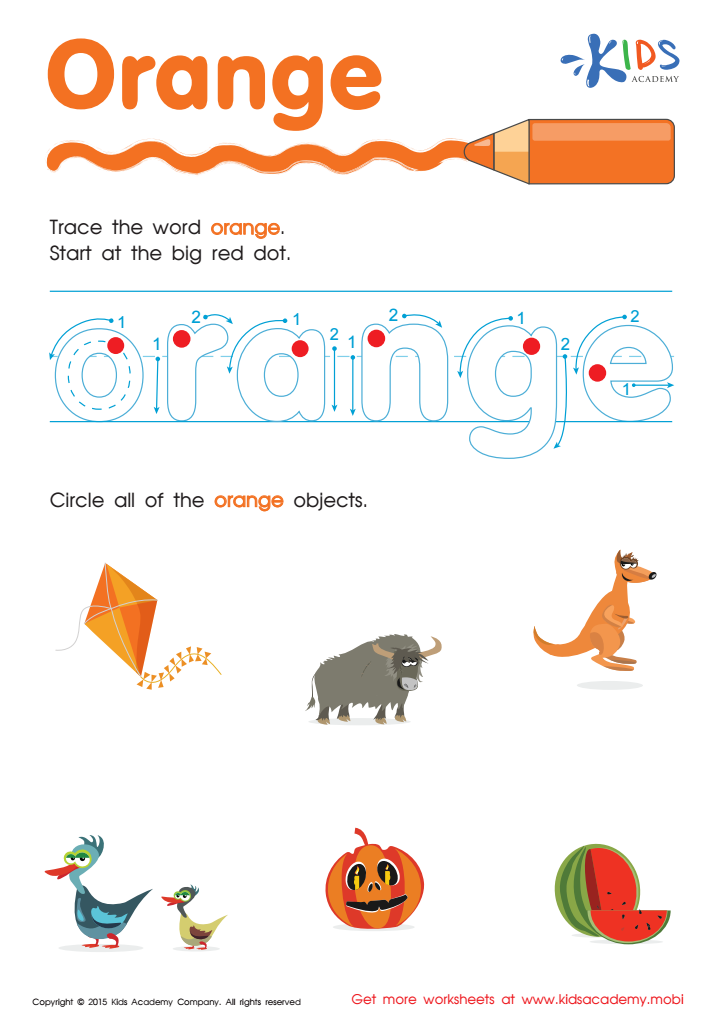
Orange Tracing Color Words Worksheet
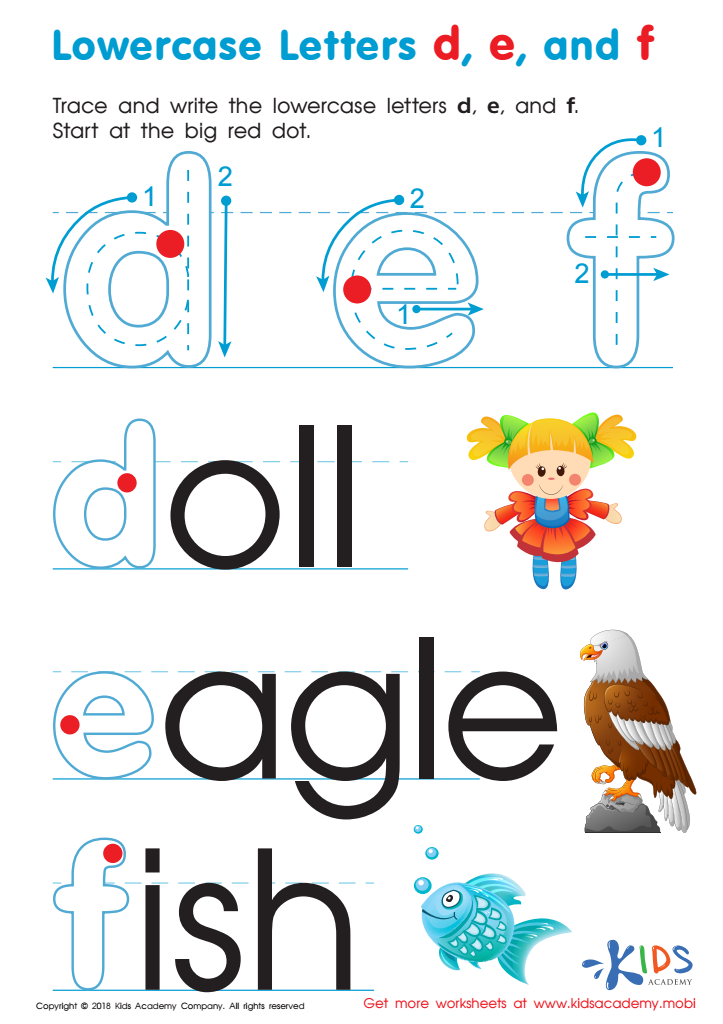
Lowercase Letters d e f Worksheet
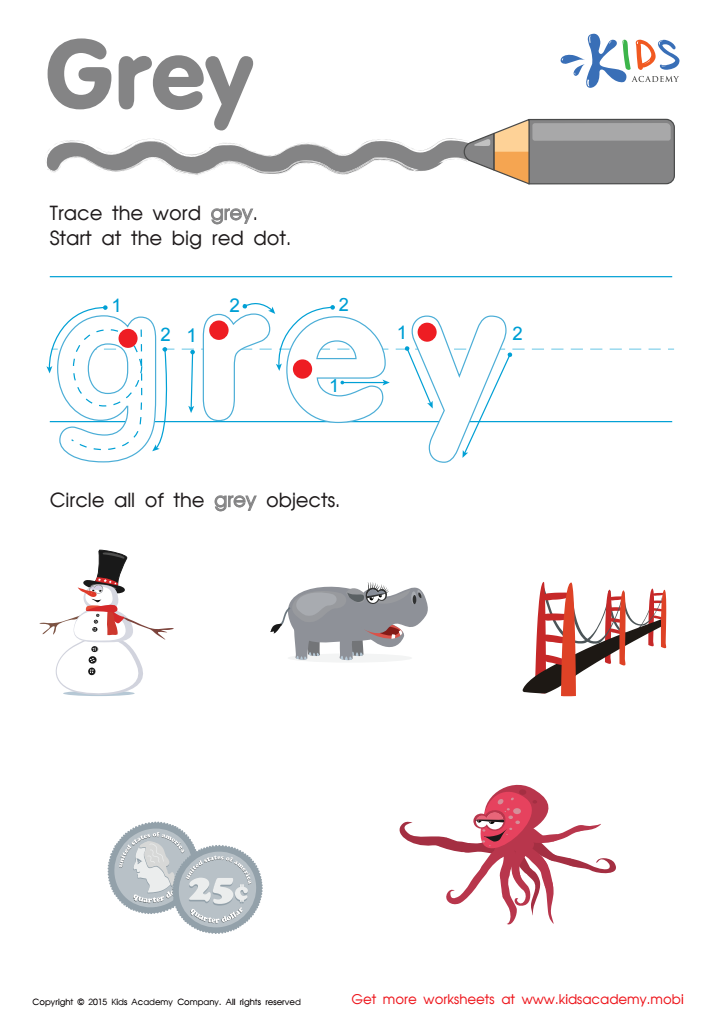
Grey Tracing Color Words Worksheet
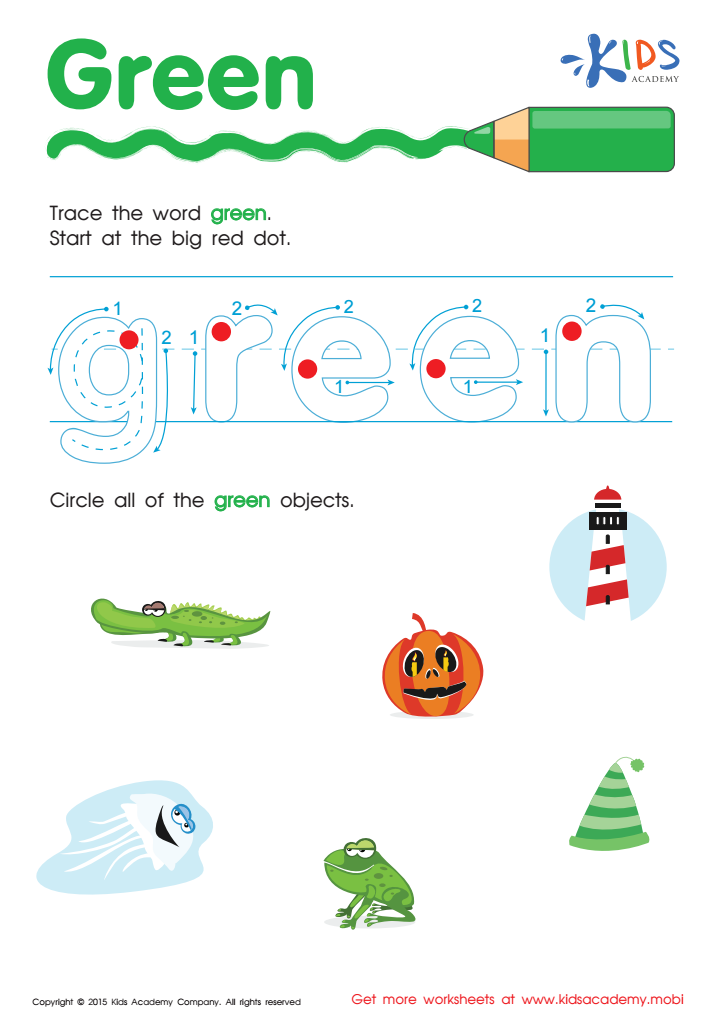
Green Tracing Color Words Worksheet
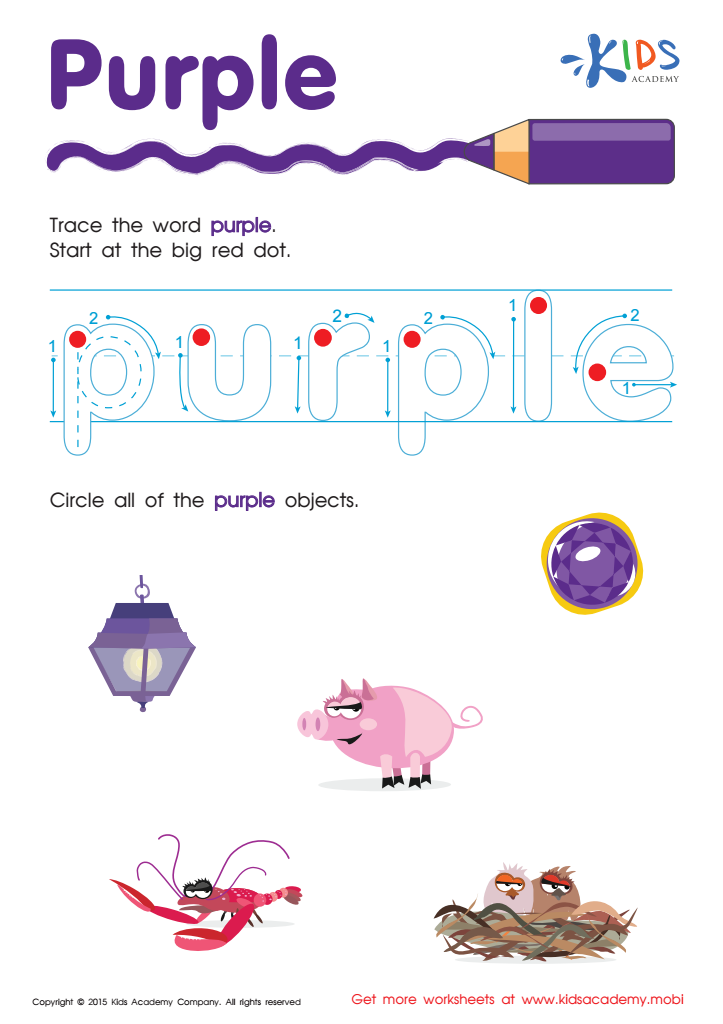
Purple Tracing Color Words Worksheet
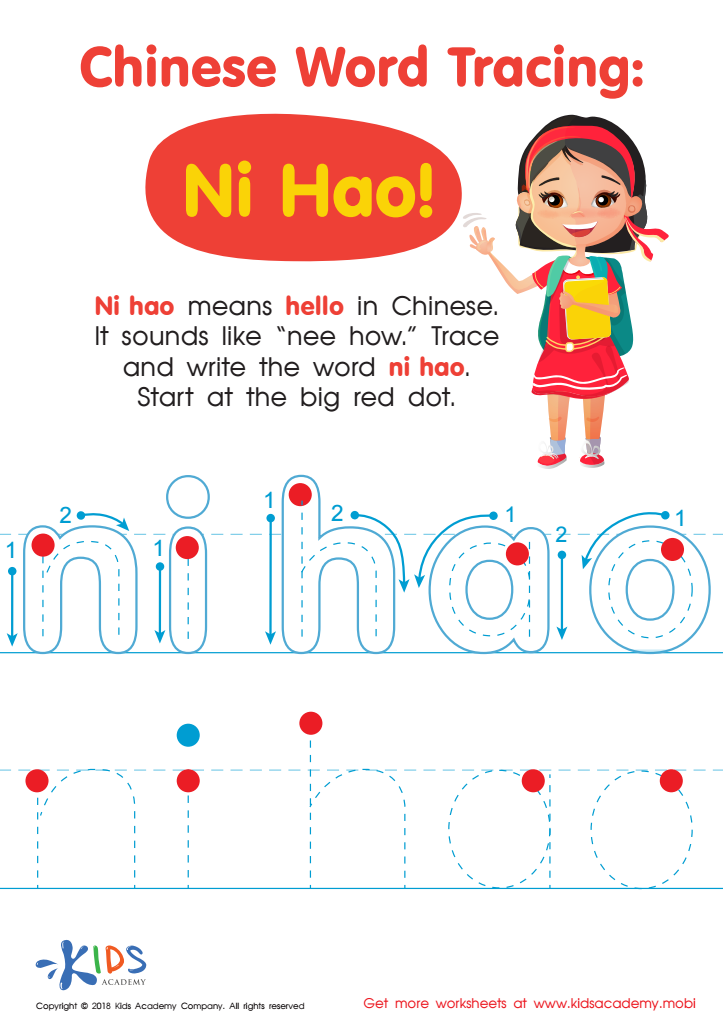
Chinese Word Tracing: Ni Hao Worksheet
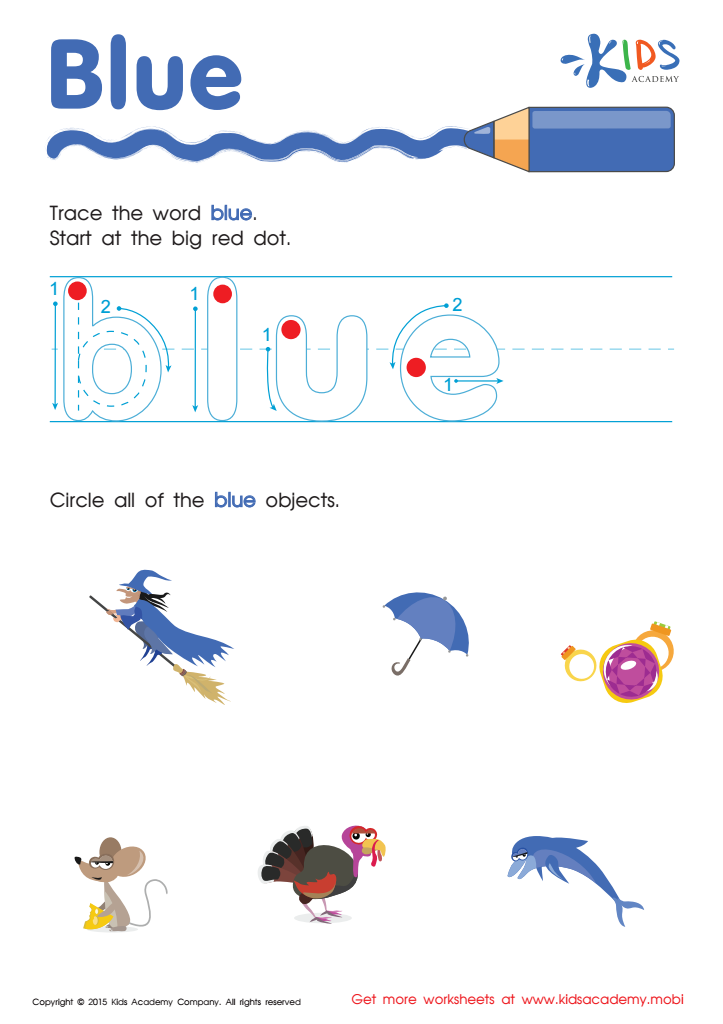
Blue Tracing Color Words Printable
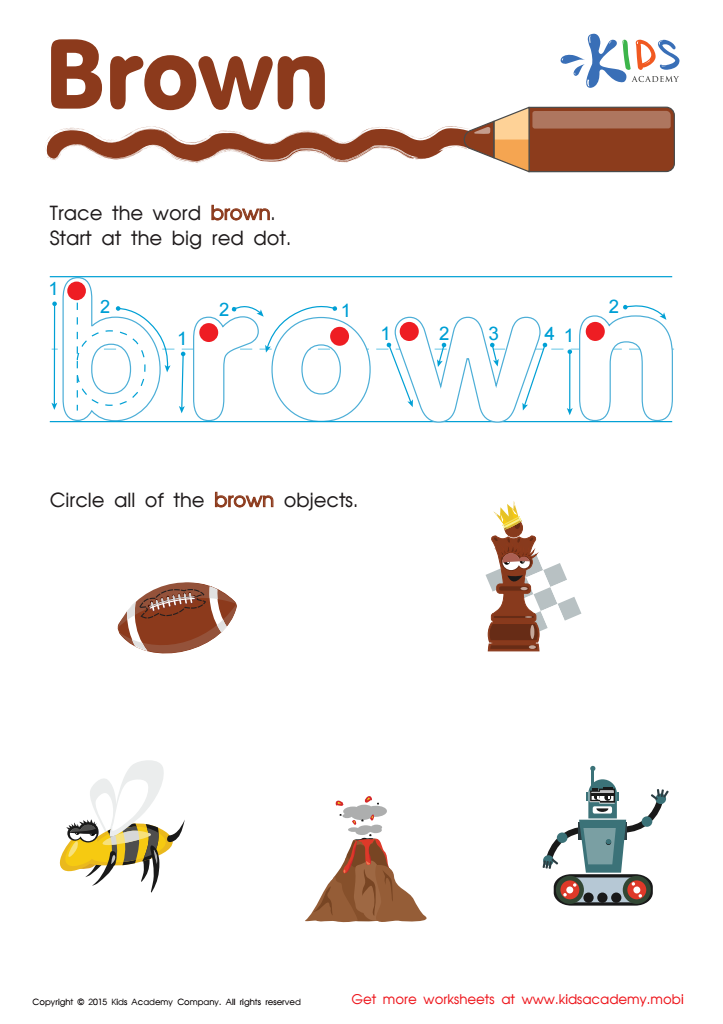
Brown Tracing Color Words Worksheet








Parents and teachers should prioritize handwriting practice and the tracing of words for children ages 3-7 because it's a foundational skill critical for their academic and personal development. At this developmental stage, children are still honing their fine motor skills, and tracing helps them strengthen finger and hand muscles, improving dexterity and coordination. This practice also significantly impacts cognitive development. Handwriting practice links phonemes (sounds) with graphemes (symbols or letters), enhancing their understanding of the alphabet and improving overall literacy.
Moreover, handwriting practice promotes concentration and patience. Children learn to focus on fine details as they accurately trace letters and words, contributing to their ability to concentrate on more complex tasks as they grow older. Handwriting also contributes to better memory retention. When children write by hand, especially through repetition in tracing, they are more likely to better remember and understand what they’re learning.
Furthermore, handwriting practice boosts confidence and self-esteem. As children start to see their own improvement and hear praise from parents and teachers, they build pride in their accomplishments. This early confidence can drive them to take on new challenges and persist with difficult tasks throughout their educational journey. In essence, handwriting practice is far more than just learning to write; it is a crucial element for the holistic growth of young learners.