Letter recognition Alphabet Worksheets for Ages 3-8
91 filtered results
-
From - To
Discover our engaging Letter Recognition Alphabet Worksheets designed specifically for children ages 3-8! These colorful, interactive worksheets help young learners master letter identification and improve their understanding of the alphabet through fun activities. Each worksheet features vibrant illustrations and age-appropriate tasks that promote creativity, fine motor skills, and cognitive development. With a variety of worksheets to choose from, children will enjoy practicing letter recognition while building confidence in their reading and writing abilities. Perfect for homeschoolers, early childhood classrooms, or after-school enrichment, these resources make learning the alphabet an enjoyable and rewarding experience. Start your child’s literacy journey today!
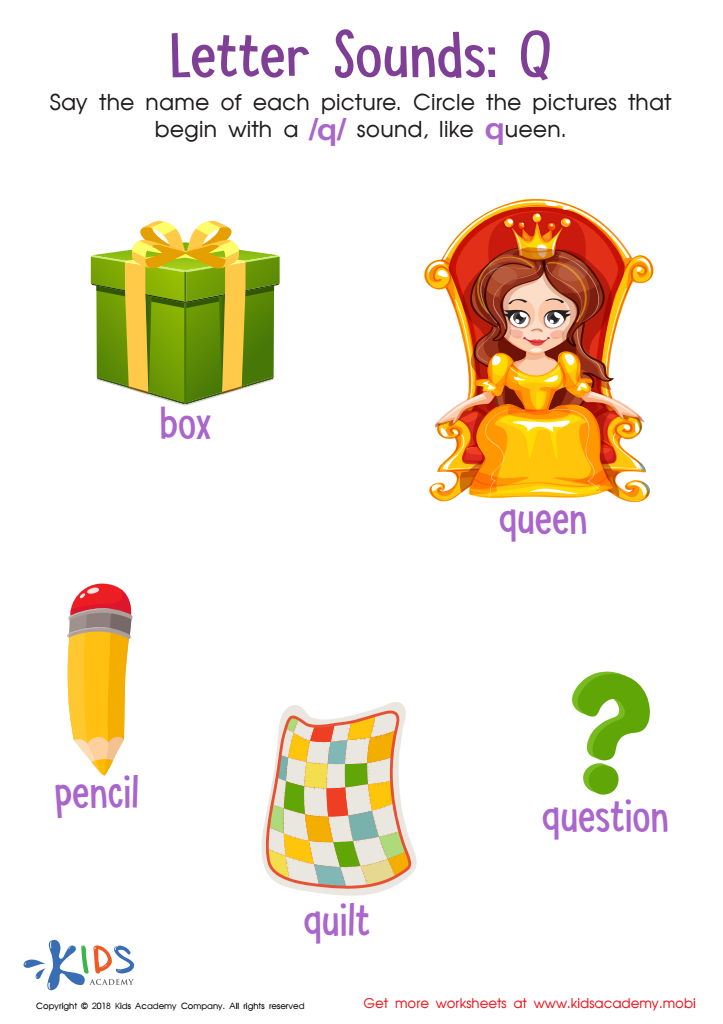
Letter Q Sounds Worksheet
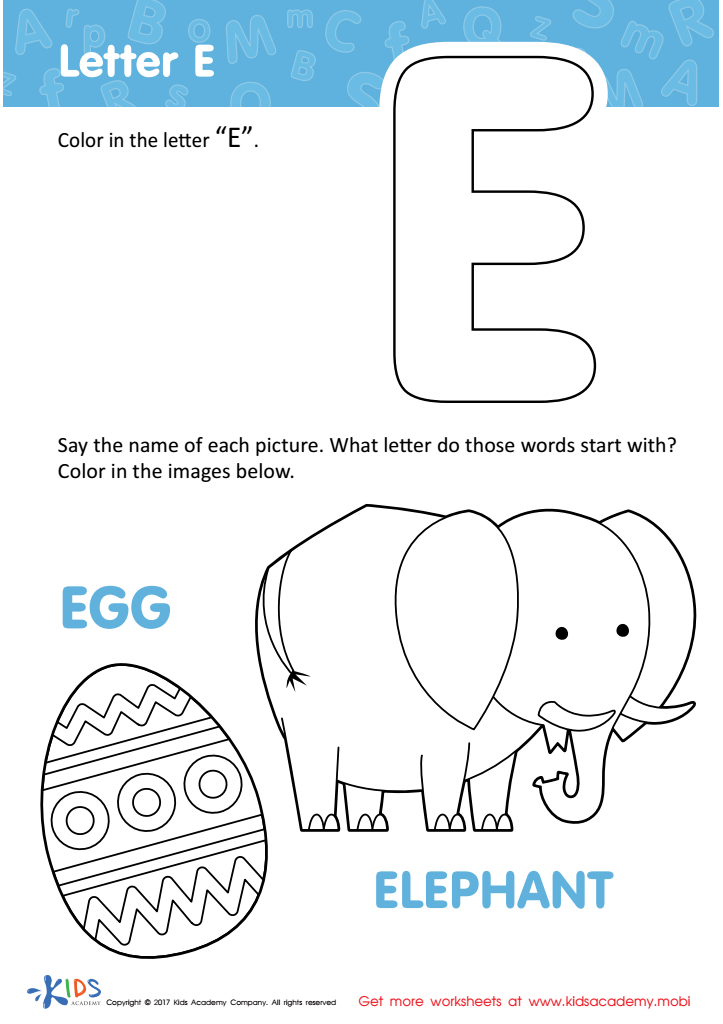
Letter E Coloring Sheet
 Assign to My Students
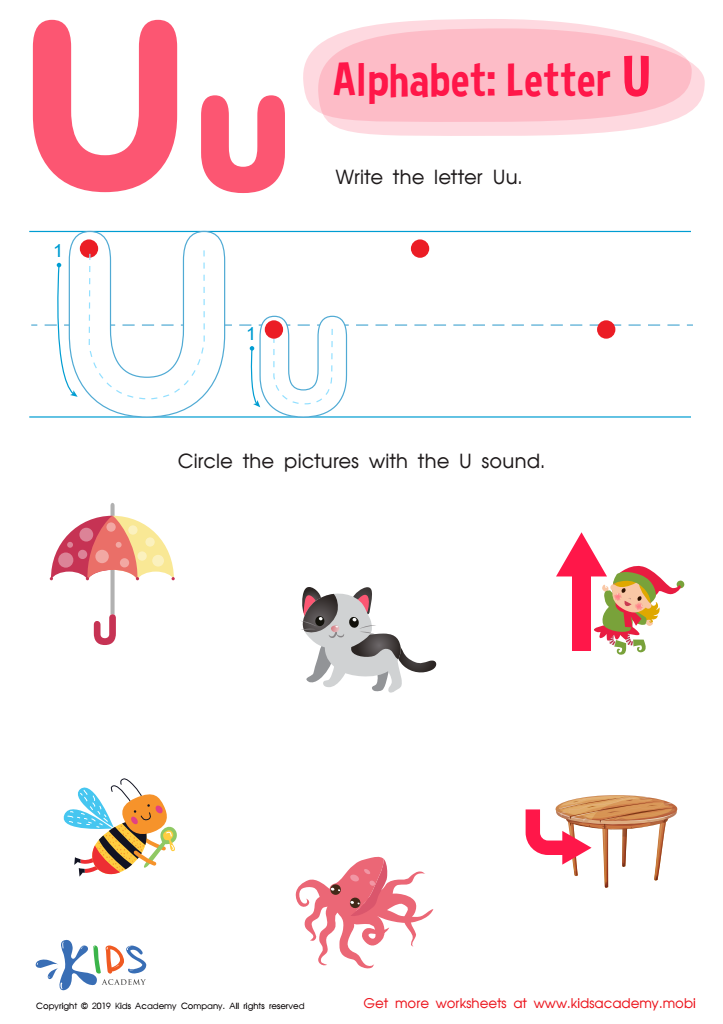
Letter U Tracing Worksheet
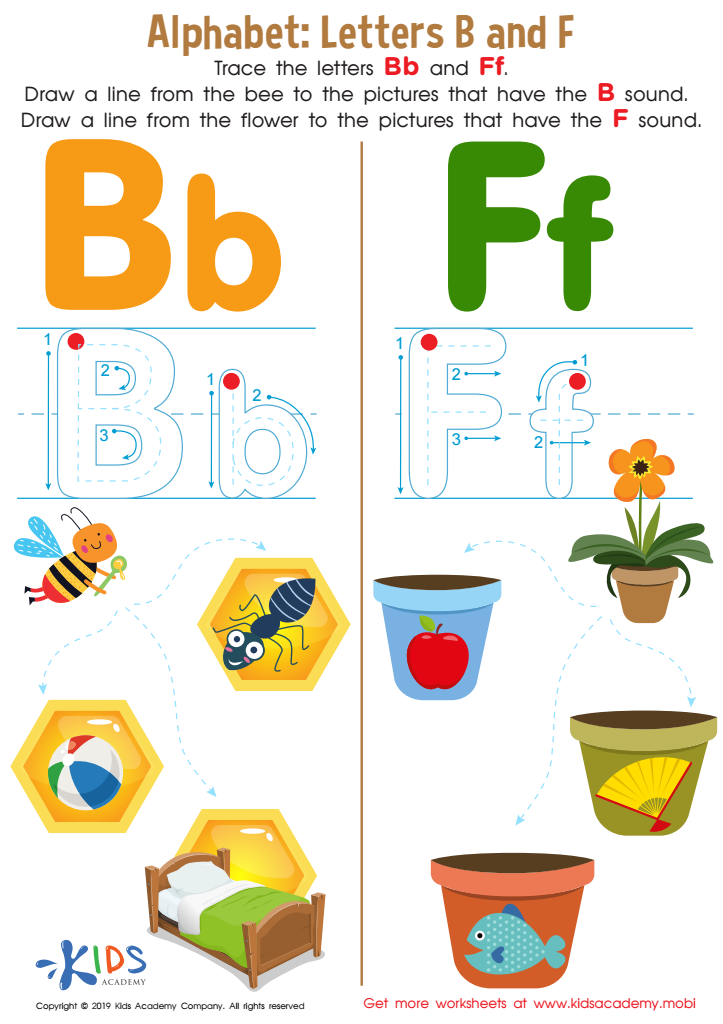
Letters B and F Tracing Worksheet
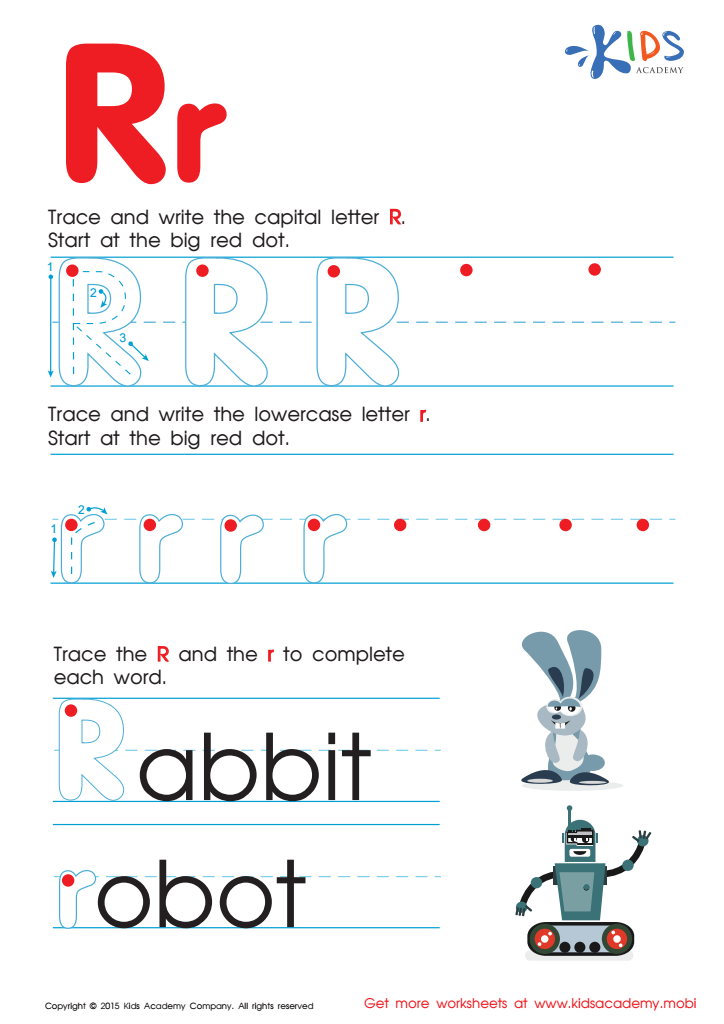
Letter R Tracing Page
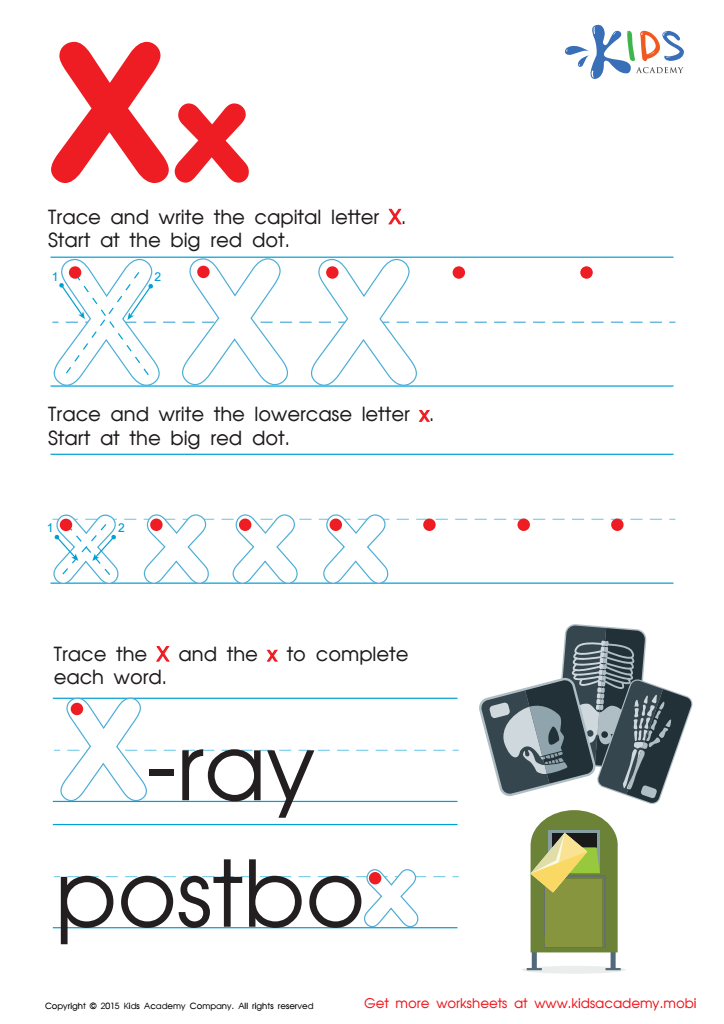
Letter X Tracing Page
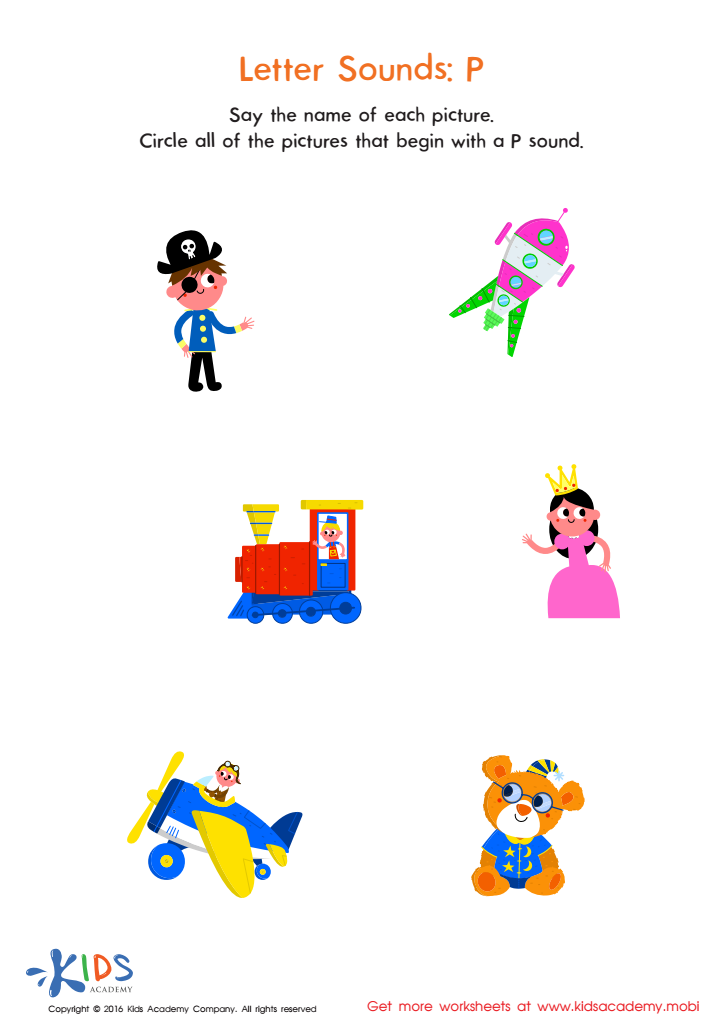
Letter P Sound Worksheet
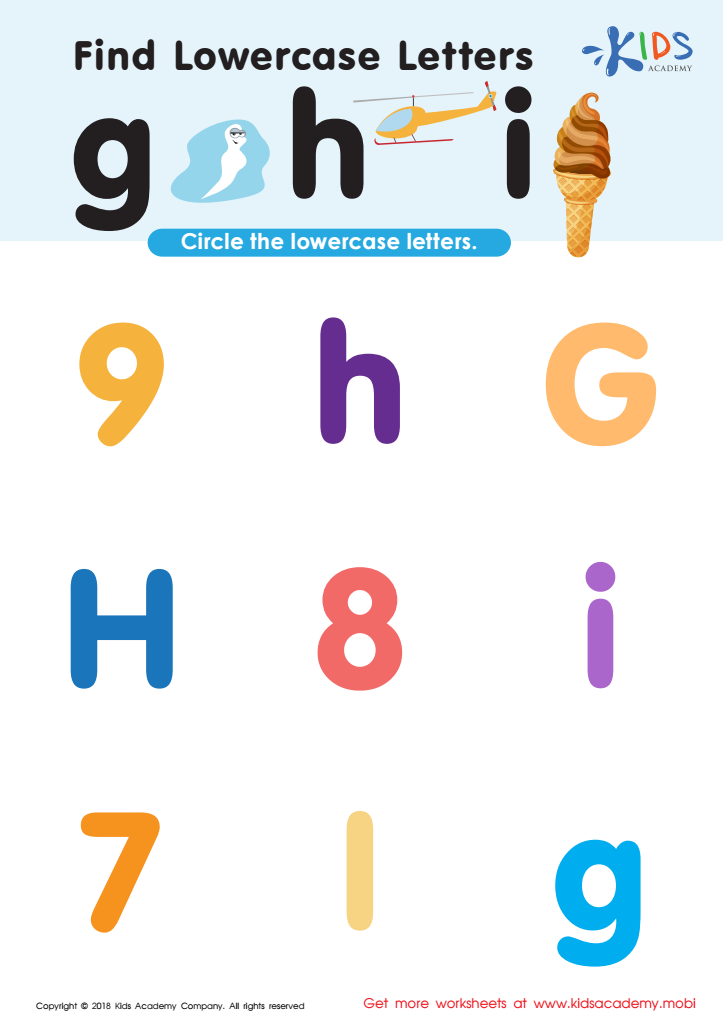
Find Lowercase Letters g h i Worksheet
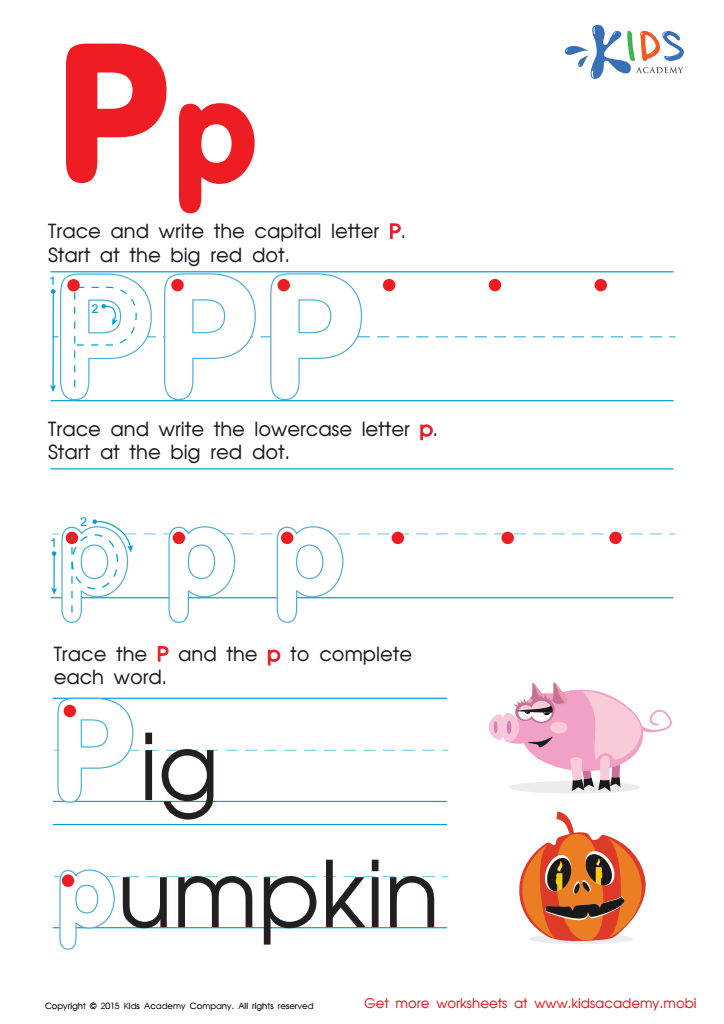
Letter P Tracing Page
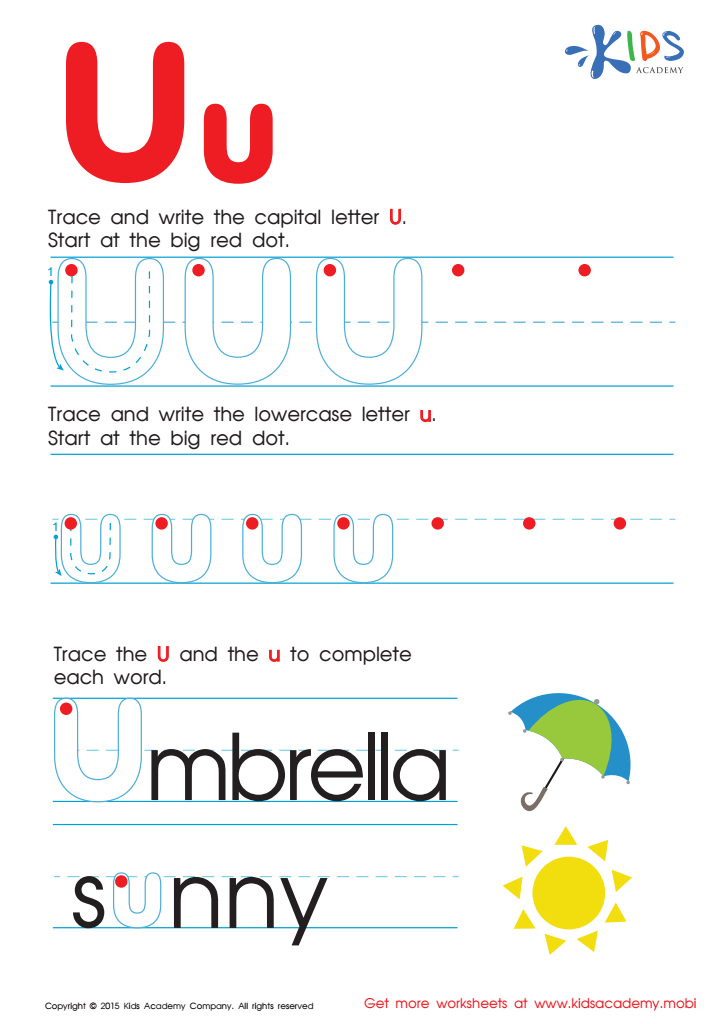
Letter U Tracing Page
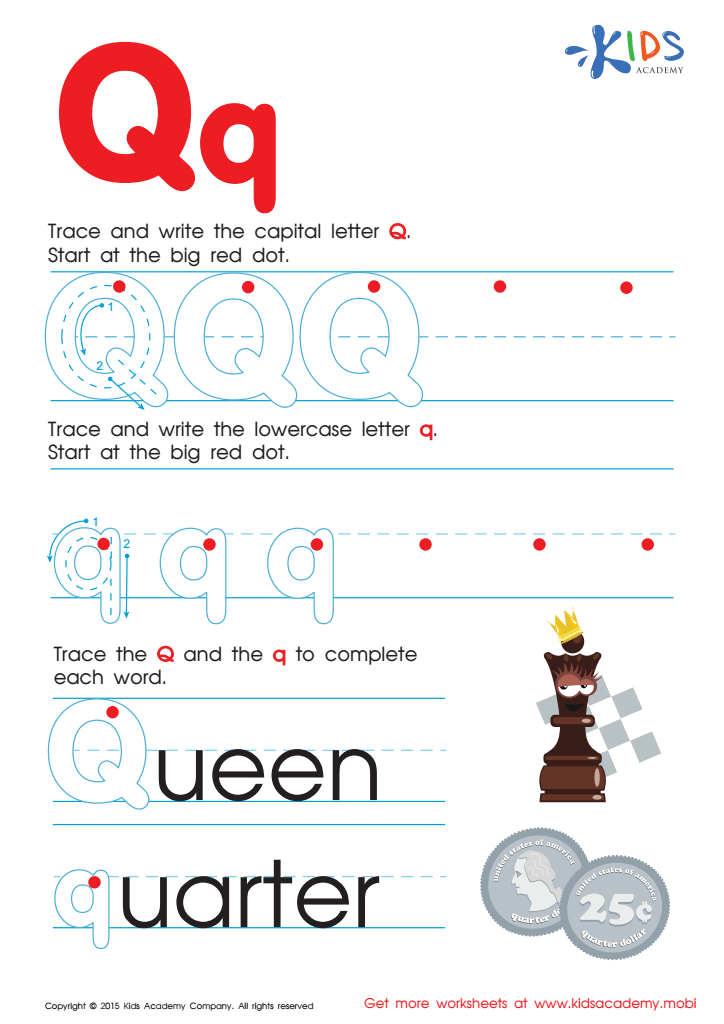
Letter Q Tracing Page
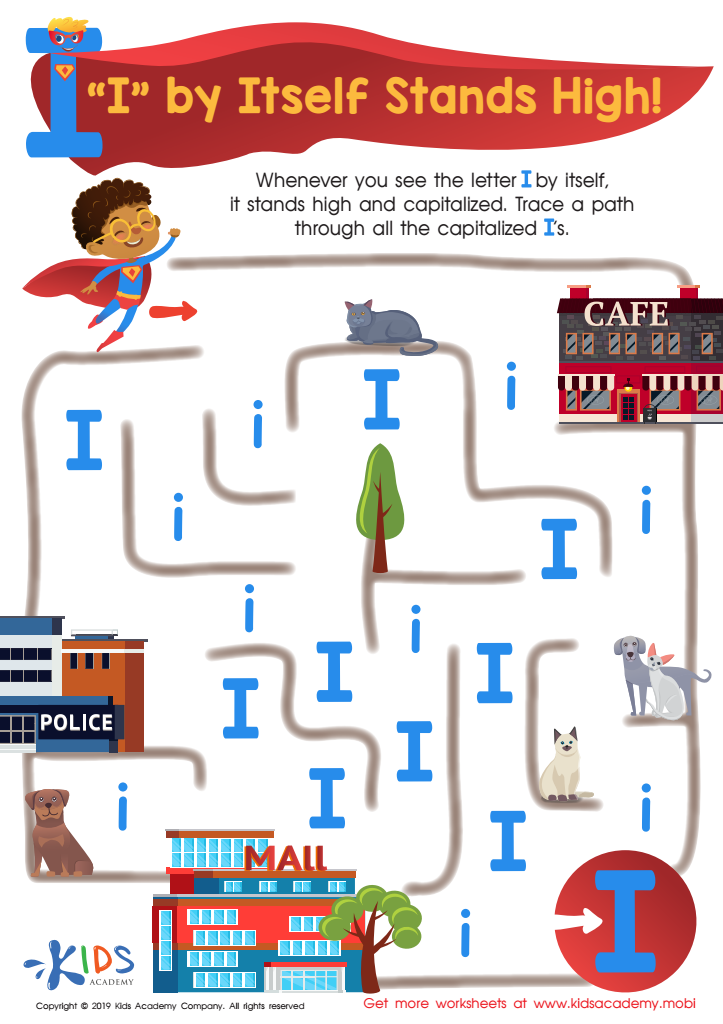
I Stands High Worksheet
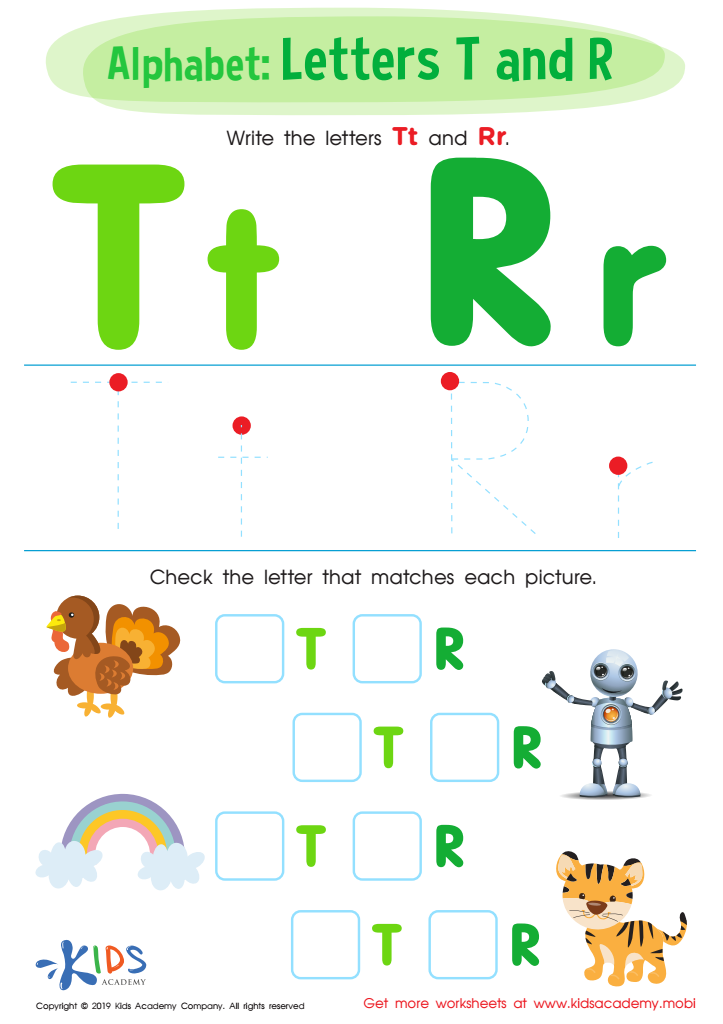
Letters T and R Worksheet
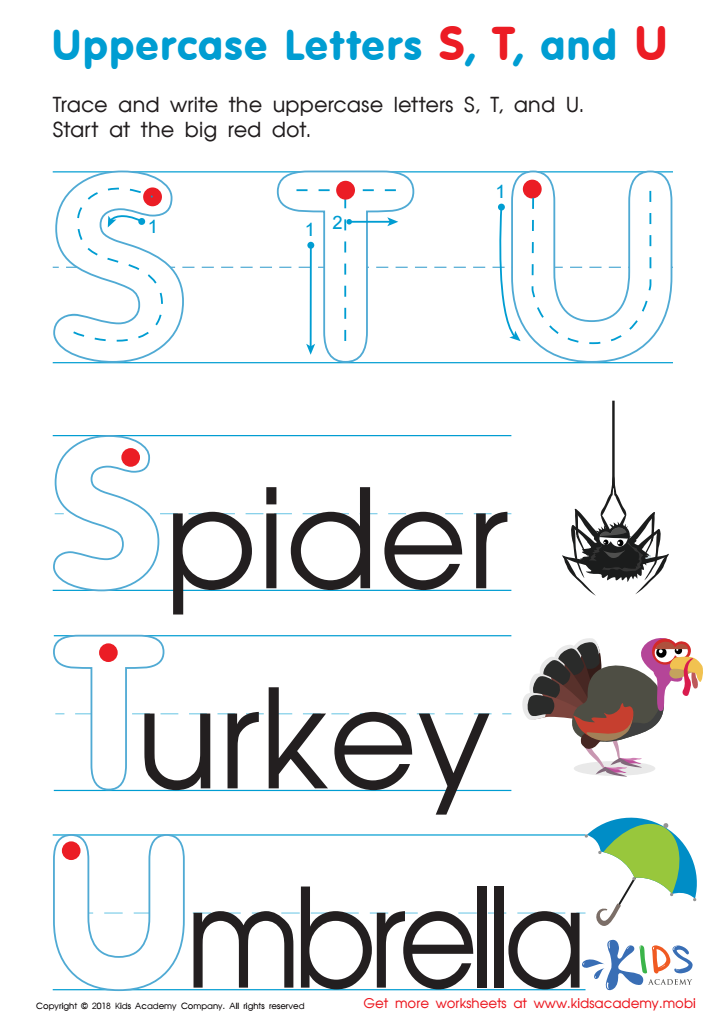
Uppercase Letters S, T, and U Worksheet
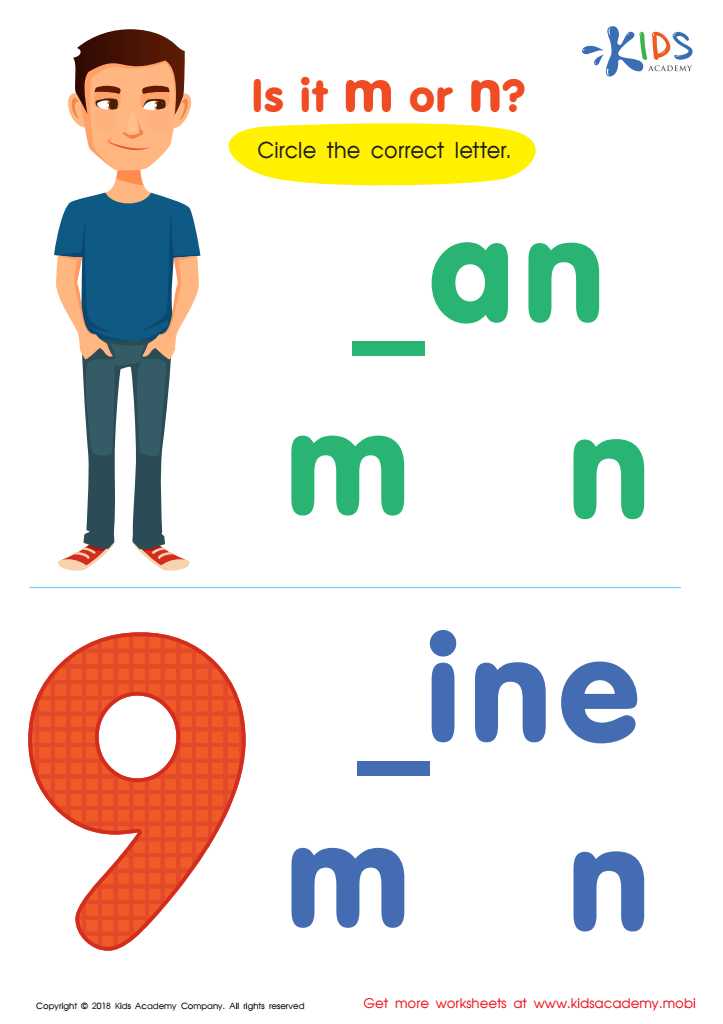
Is It m or n? Worksheet
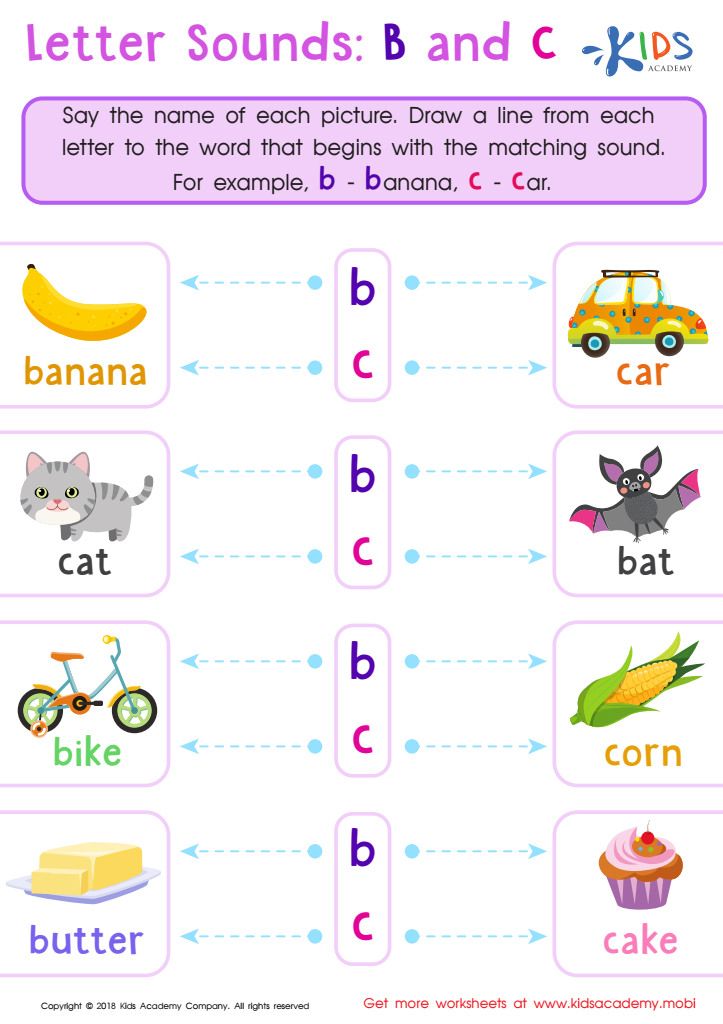
Letter B and C Sounds Worksheet
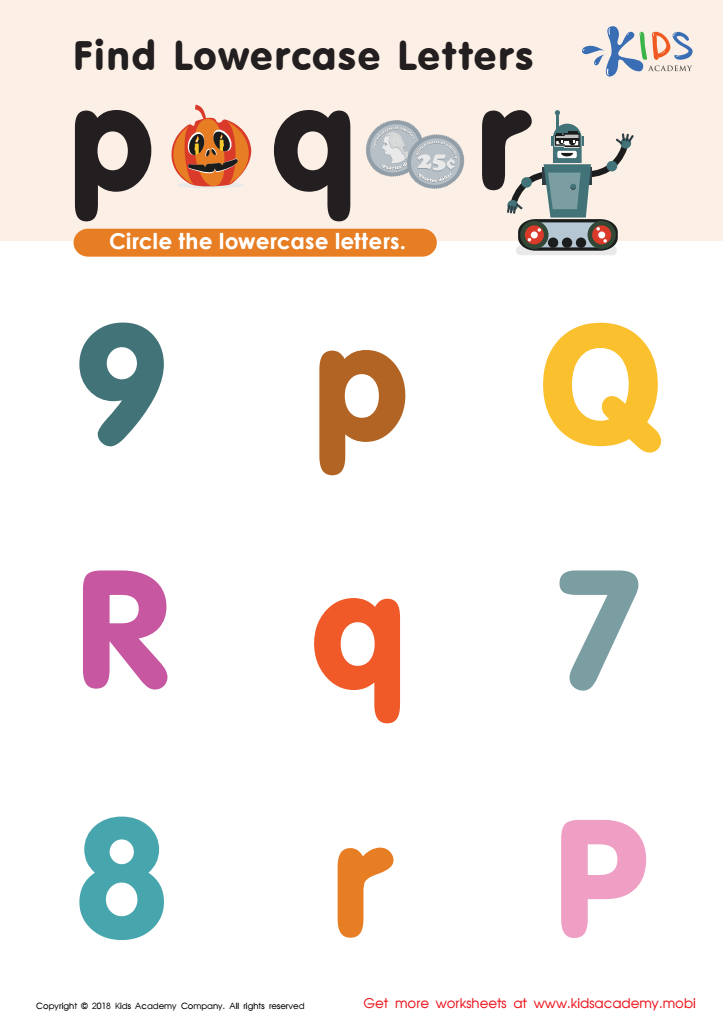
Find lowercase Letters p q r Worksheet
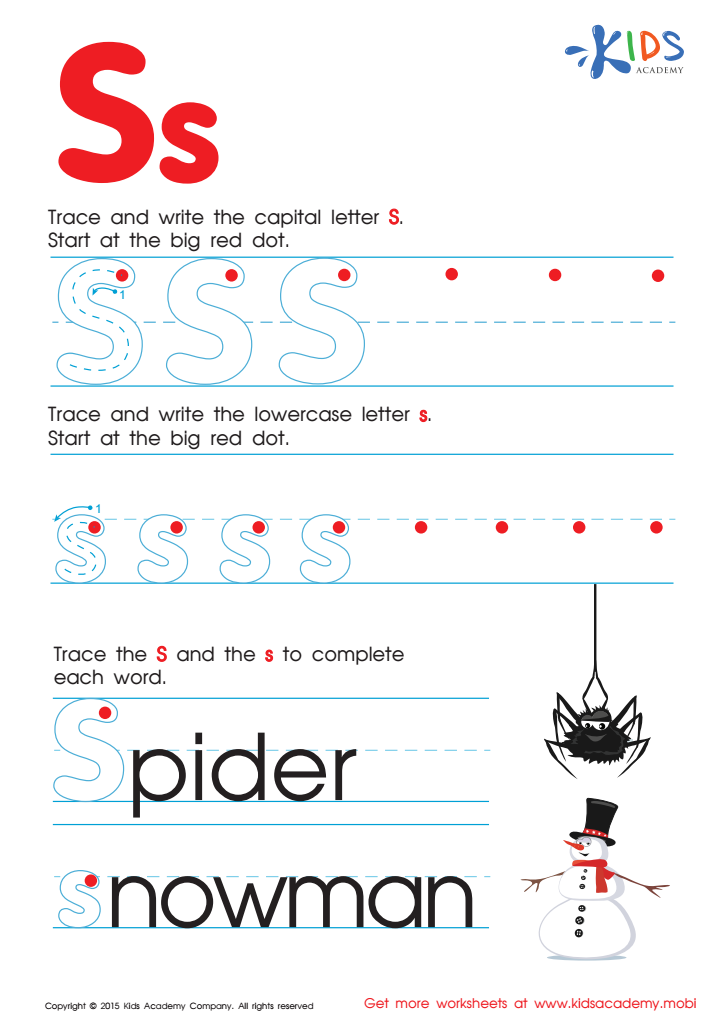
Letter S Tracing Page
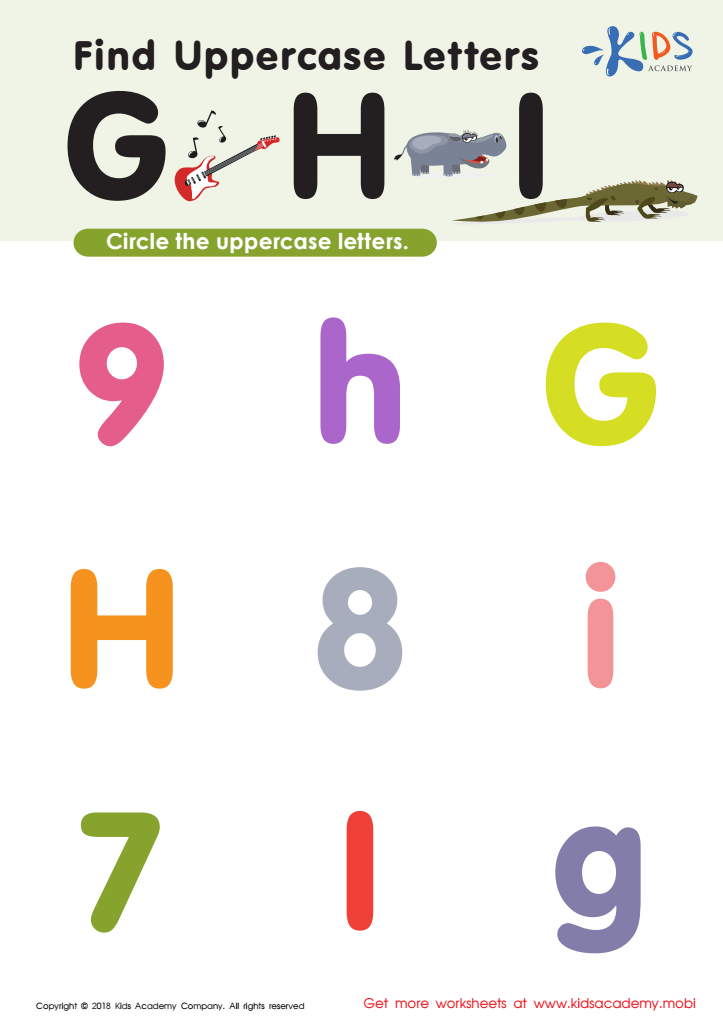
Find Uppercase Letters G, H, and I Worksheet
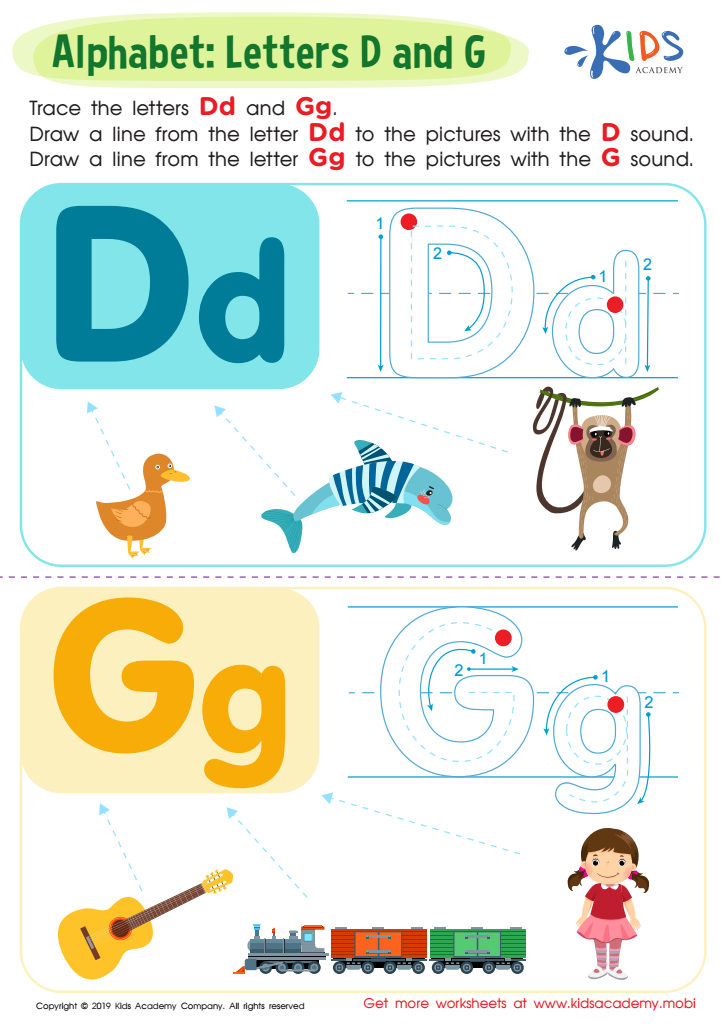
Letter D and G Tracing Worksheet
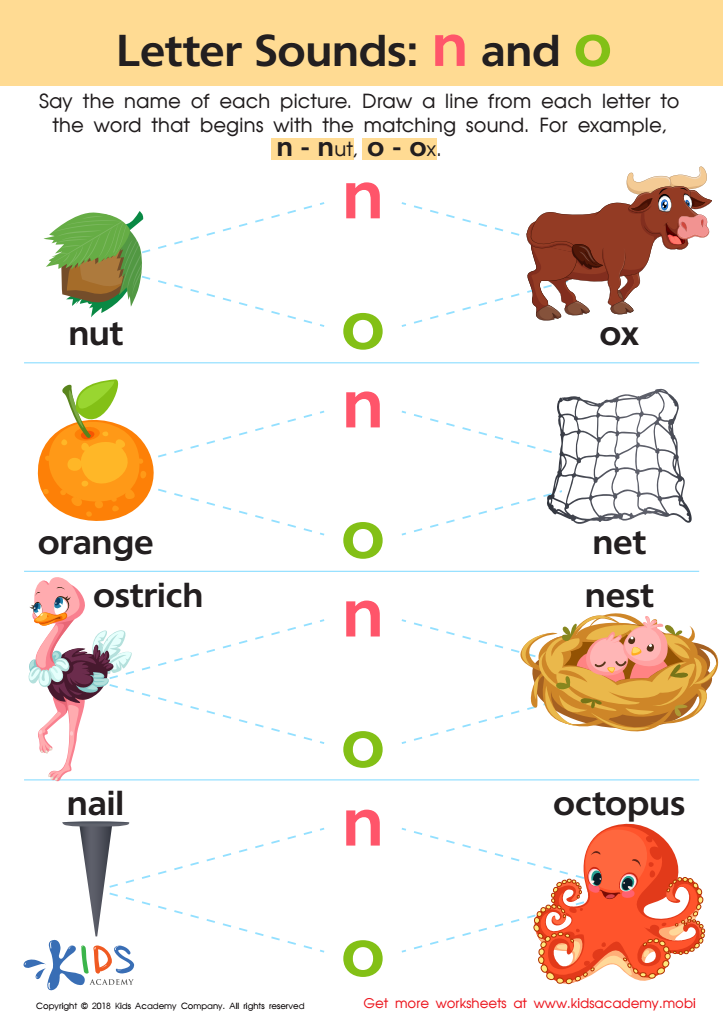
Letter N and O Sounds Worksheet
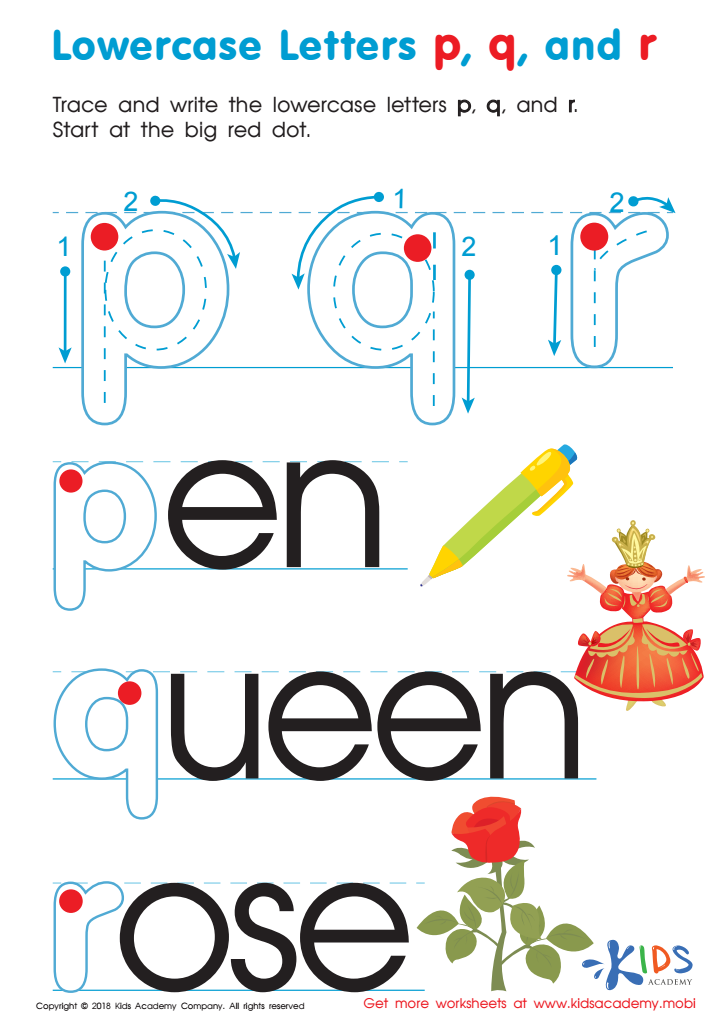
Lowercase Letters p q r Worksheet
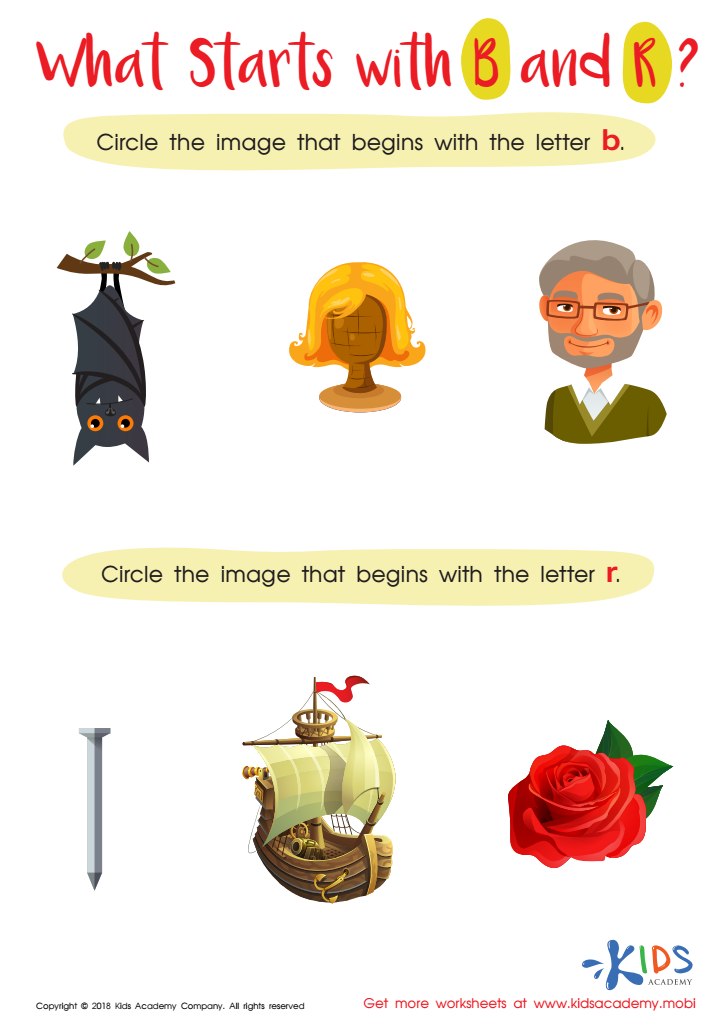
What Starts with B and R? Worksheet
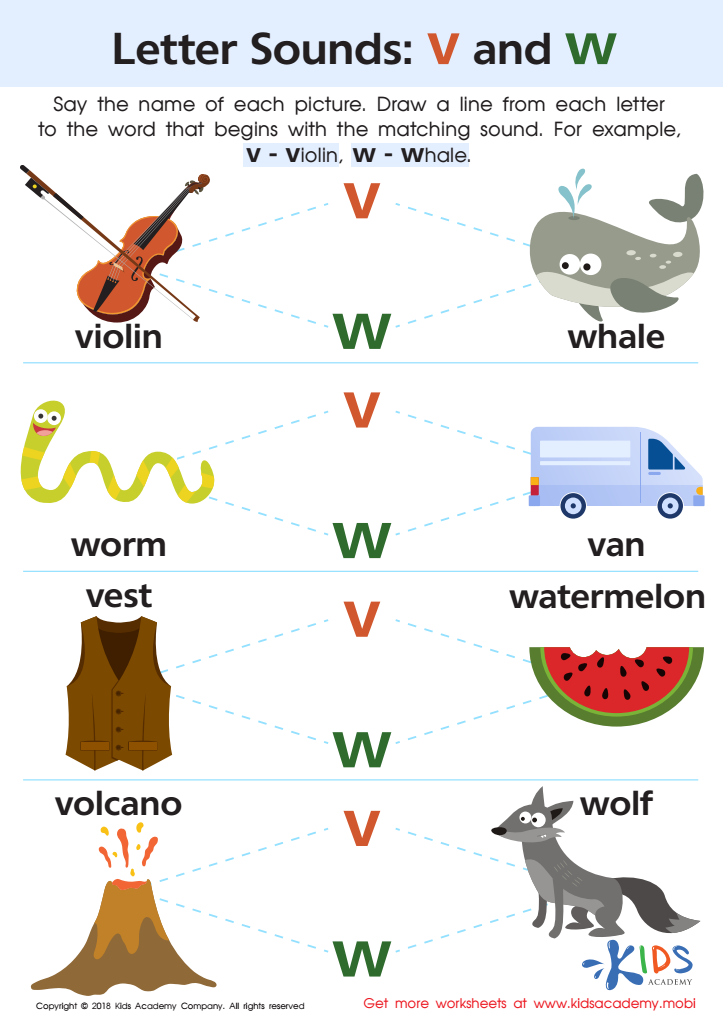
Letter V and W Sounds Worksheet







Letter recognition is a foundational skill essential for young children's literacy development and overall academic success. For ages 3-8, mastering the alphabet is crucial, as it lays the groundwork for reading and writing proficiency.
Understanding letters and their corresponding sounds enables children to decode words, making the process of reading less daunting and more engaging. Early letter recognition encourages phonemic awareness; as children learn to identify and name letters, they begin to connect letters with their sounds, an essential step for vocabulary development and spelling.
Moreover, fostering this skill during early childhood enhances cognitive development, strengthens memory, and encourages critical thinking. It promotes communication skills, which are fundamental for social interactions and self-expression.
Parents and teachers play a vital role in supporting letter recognition through interactive activities, such as reading books, playing alphabet games, and using educational tools. These experiences create a rich, stimulating environment that nurtures a love for learning and instills confidence in the child's abilities.
In summary, prioritizing letter recognition during these formative years is paramount, as it empowers children not just academically but also socially and emotionally, setting them up for lifelong success.







