Phonics Skills Alphabet Worksheets for Ages 3-8 - Page 3
67 filtered results
-
From - To
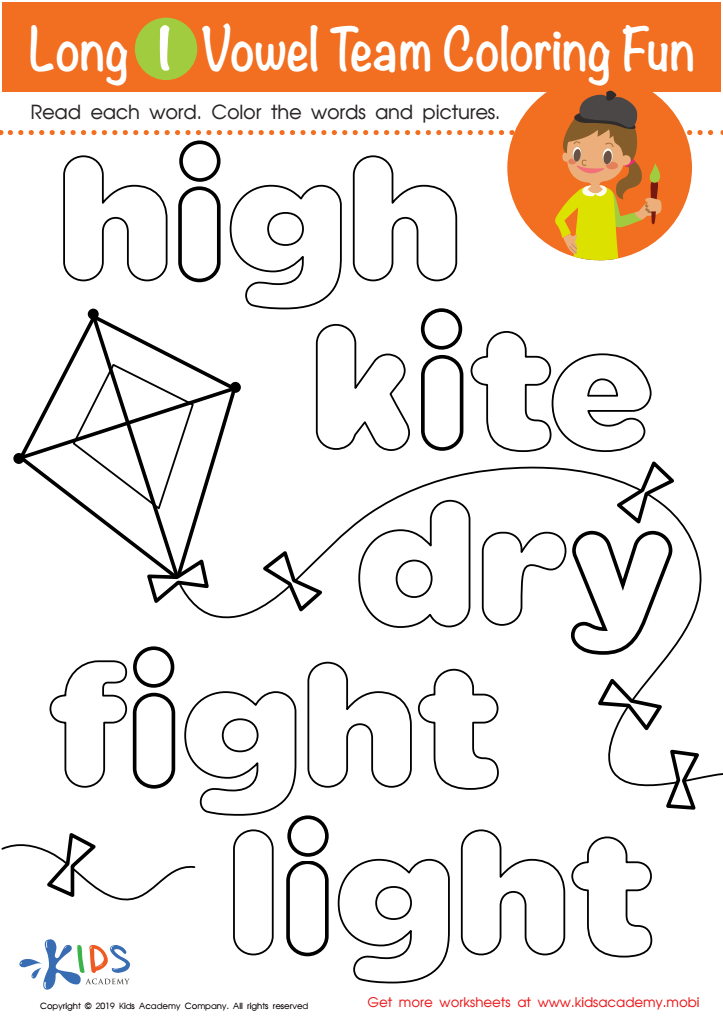
Long I Vowel Team Coloring Worksheet
 Assign to My Students
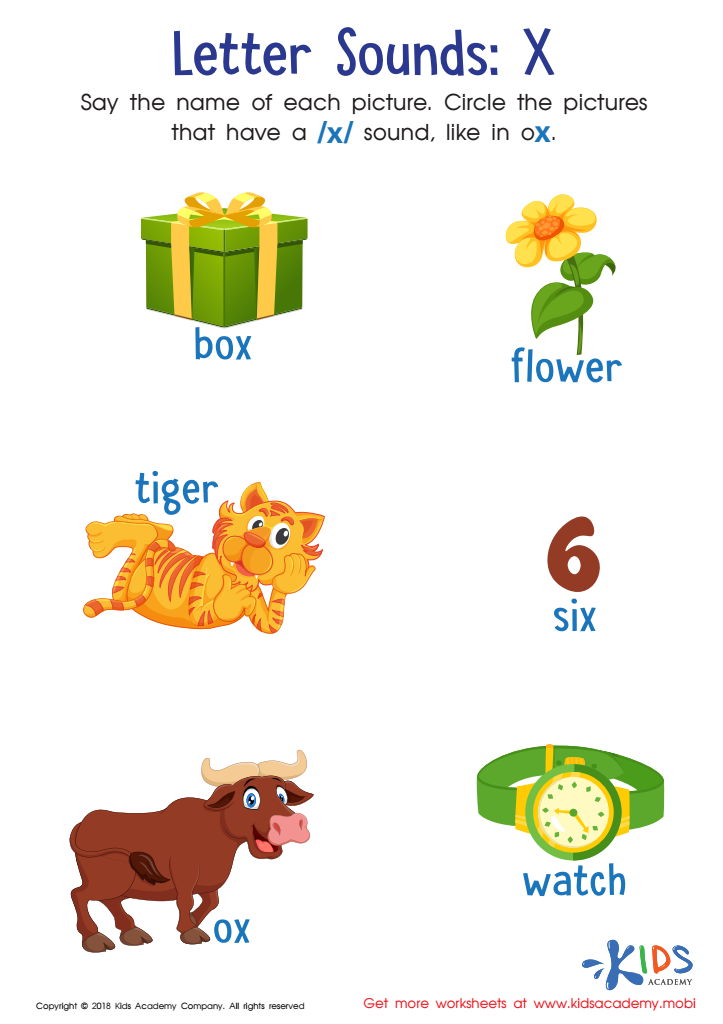
Letter X Sounds Worksheet
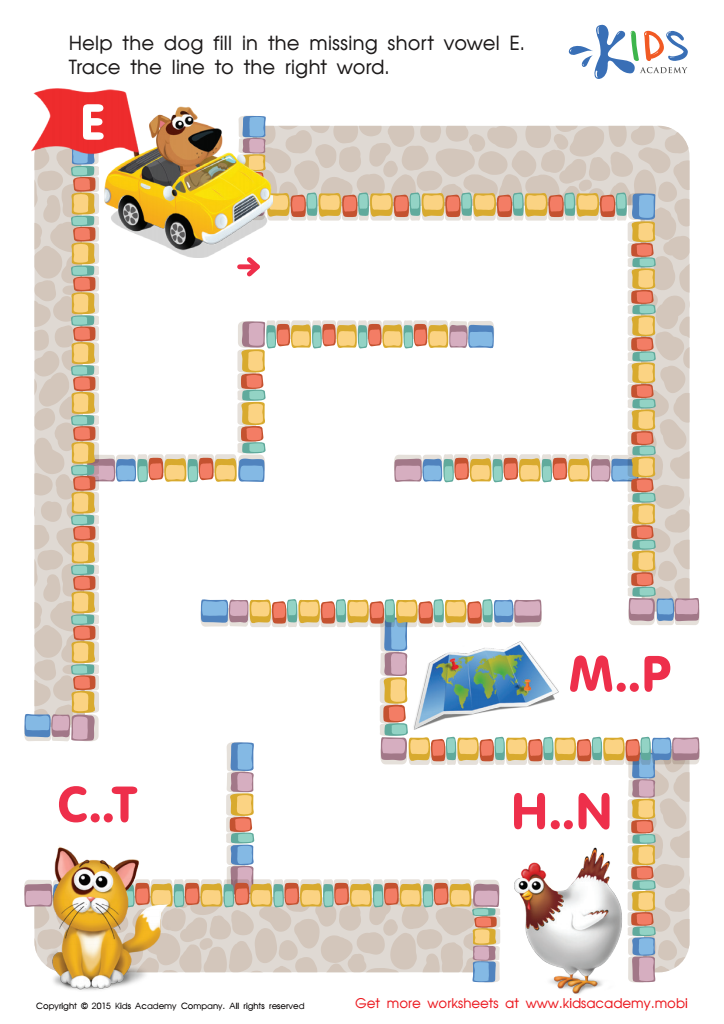
Short Vowel Sound E Worksheet
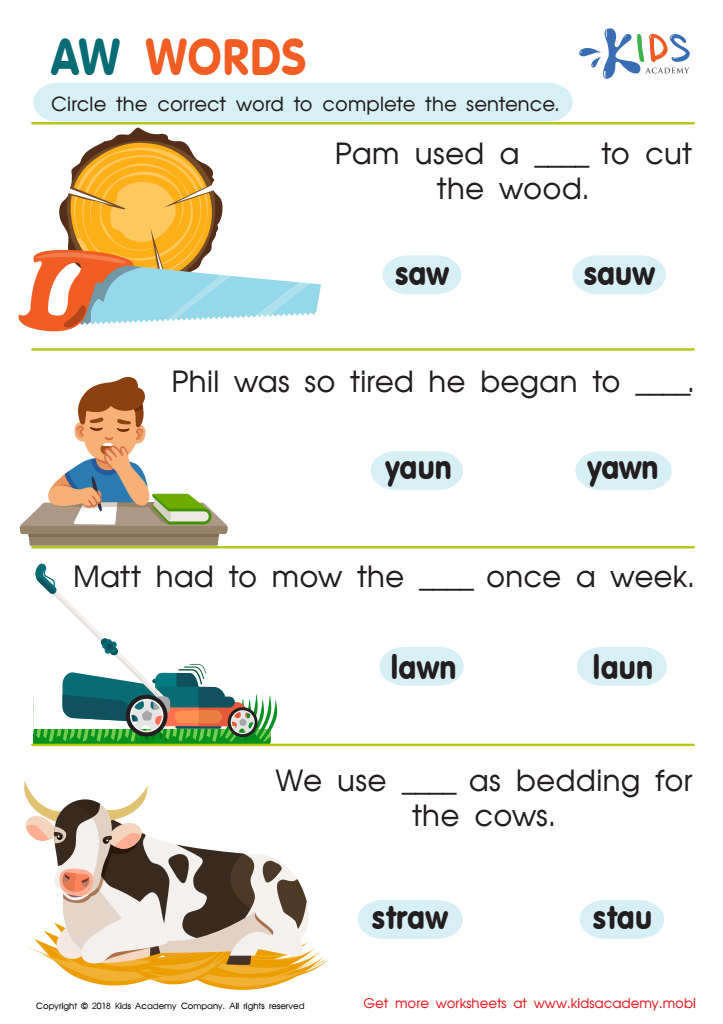
Reading: AW Words Worksheet
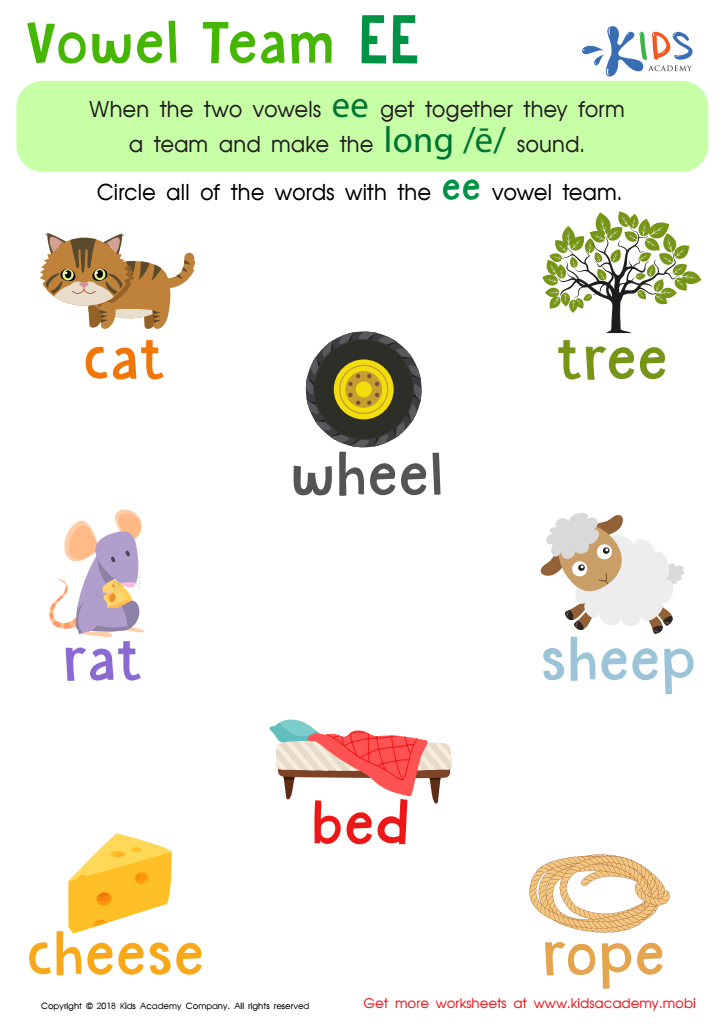
Reading: Vowel Team EE Worksheet
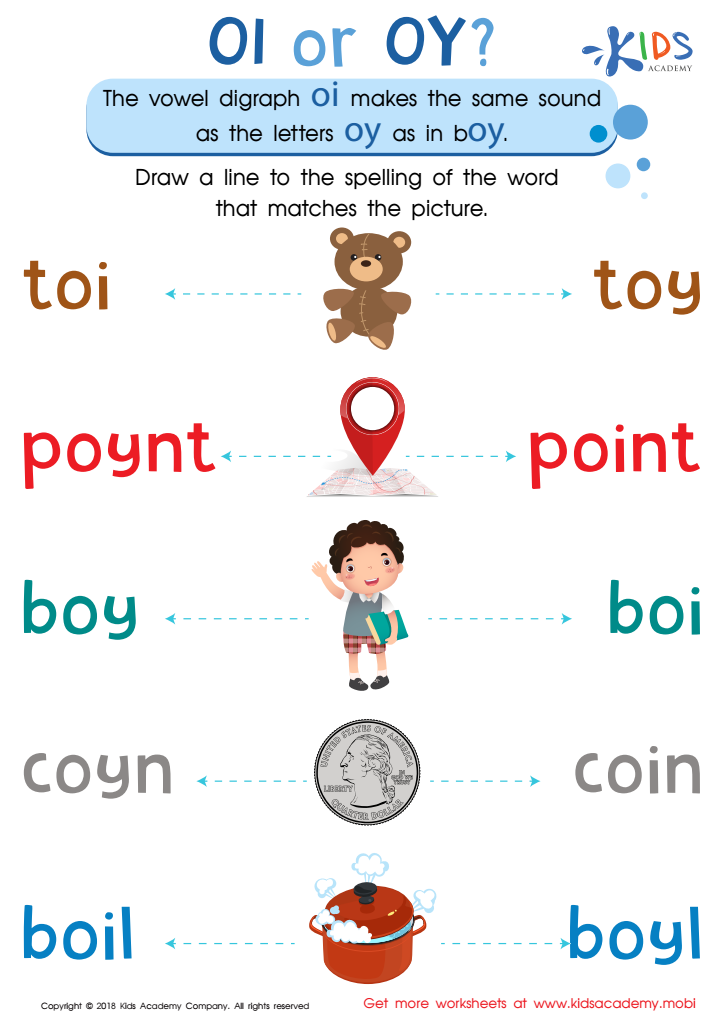
Reading: OI and OY Worksheet
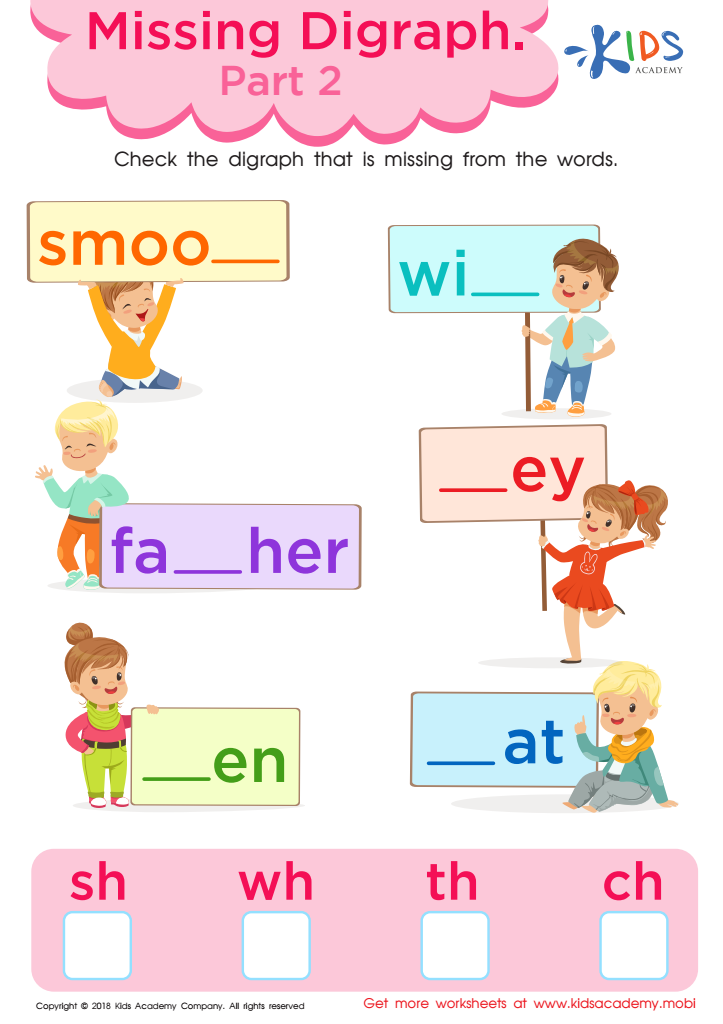
Missing Digraph: Part 2 Worksheet
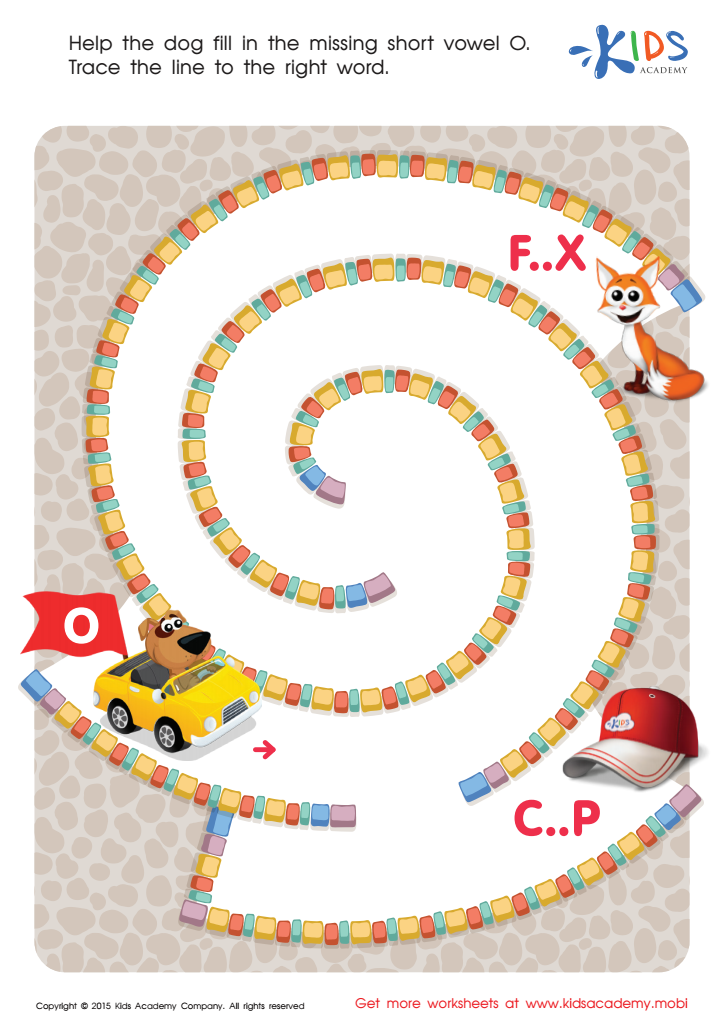
Short Vowel Sound O Worksheet
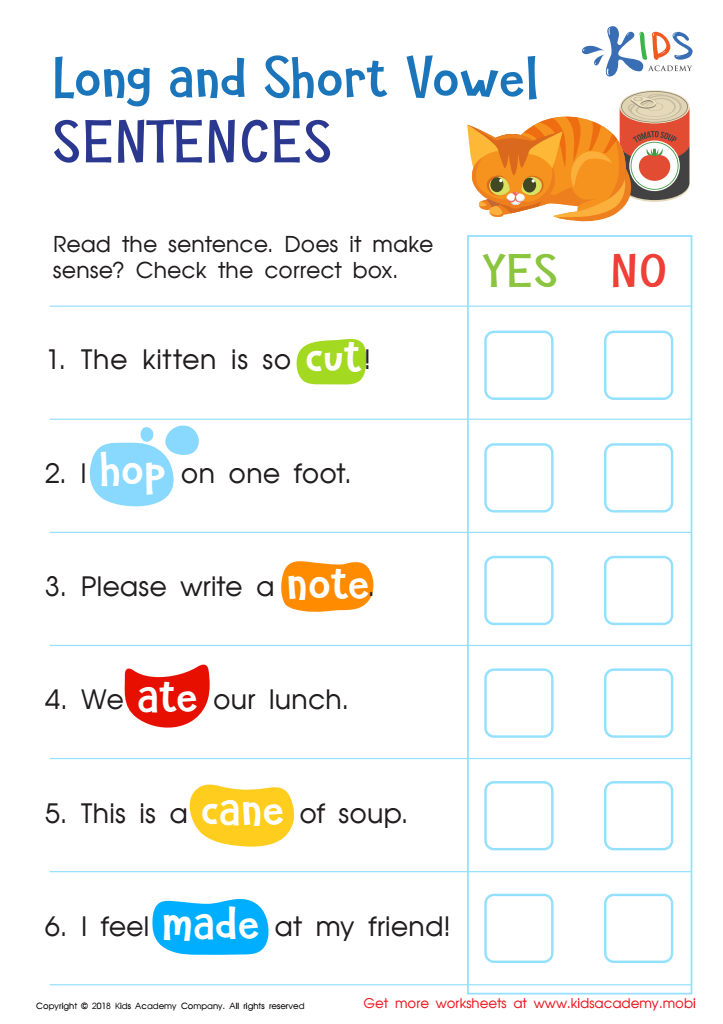
Long and Short Vowel Sentences: Assessment Worksheet
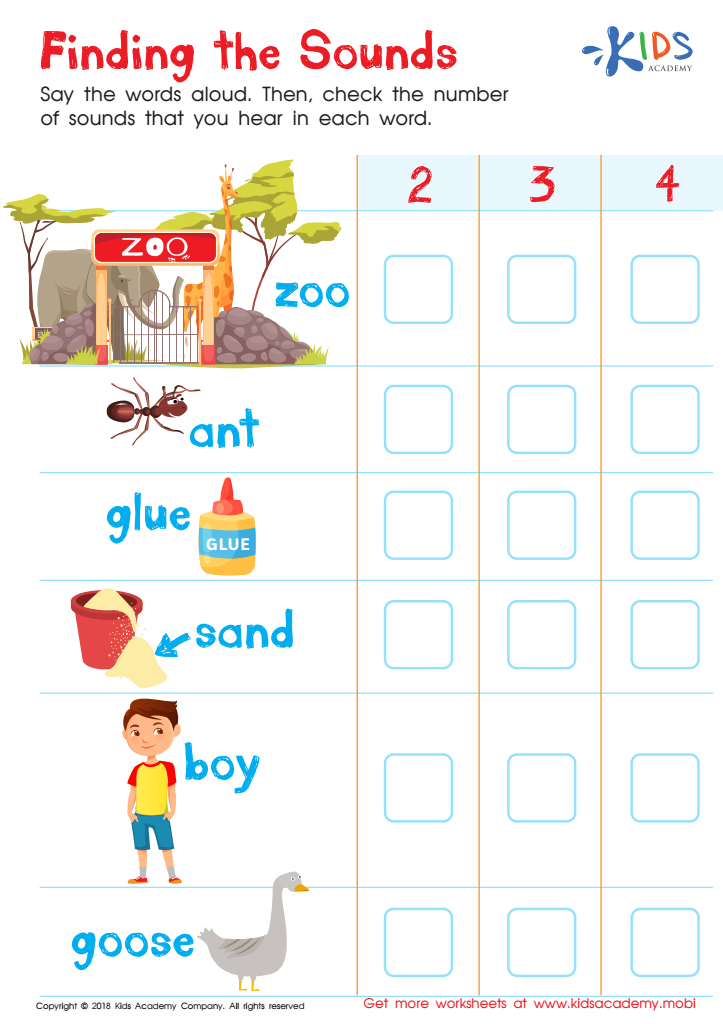
Finding the Sounds Worksheet
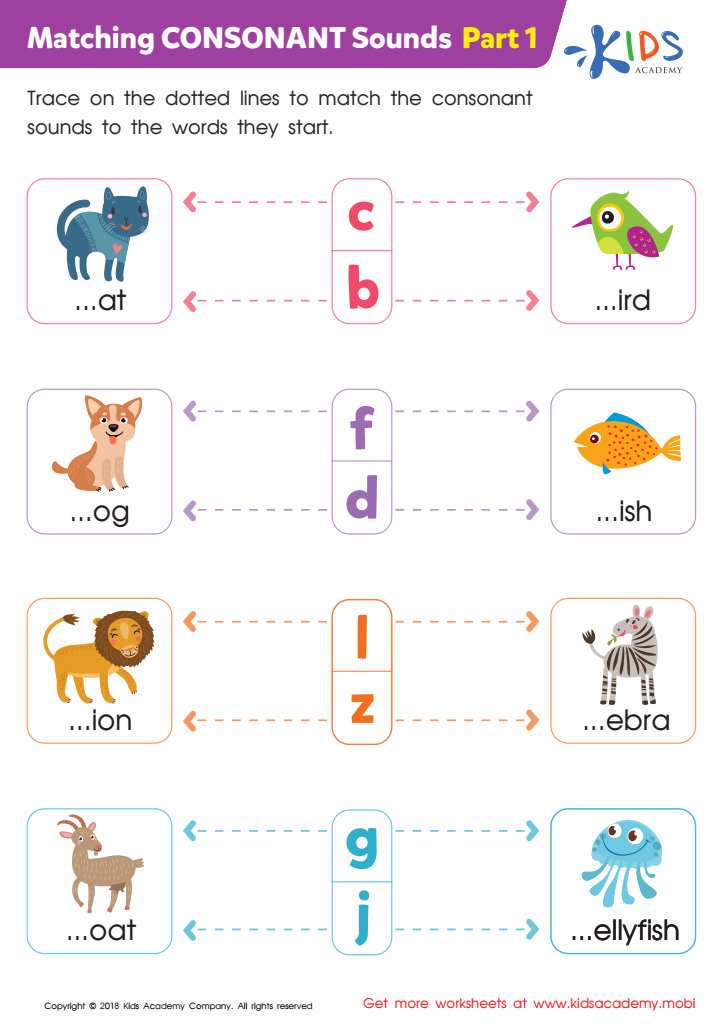
Matching Consonant Sounds: Part 1 Worksheet
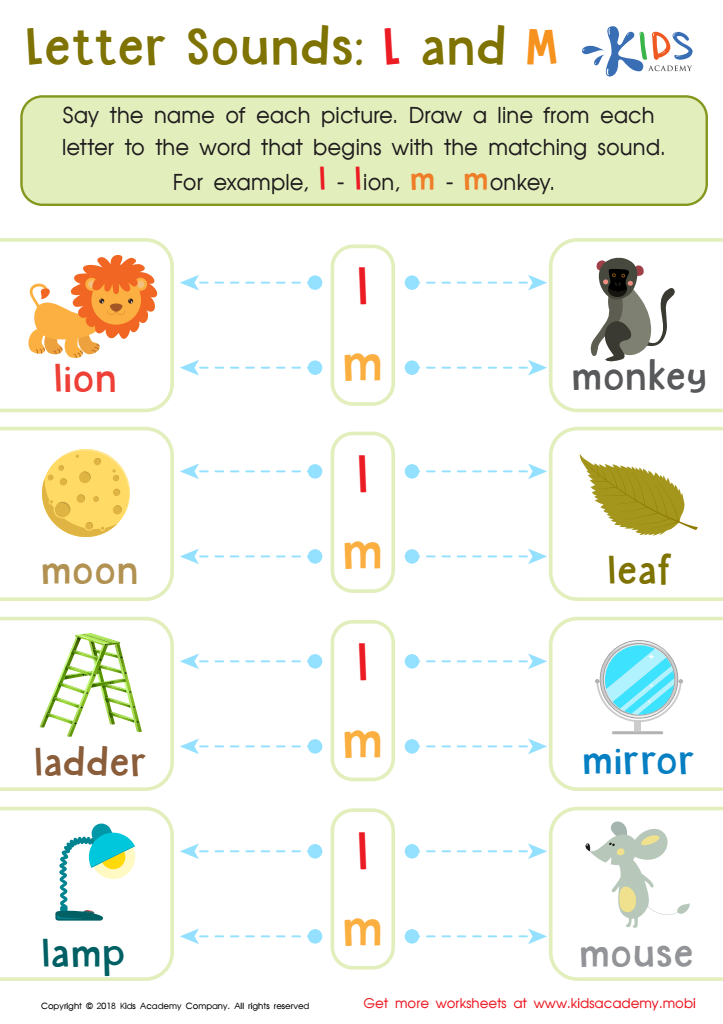
Letter l and M Sounds Worksheet
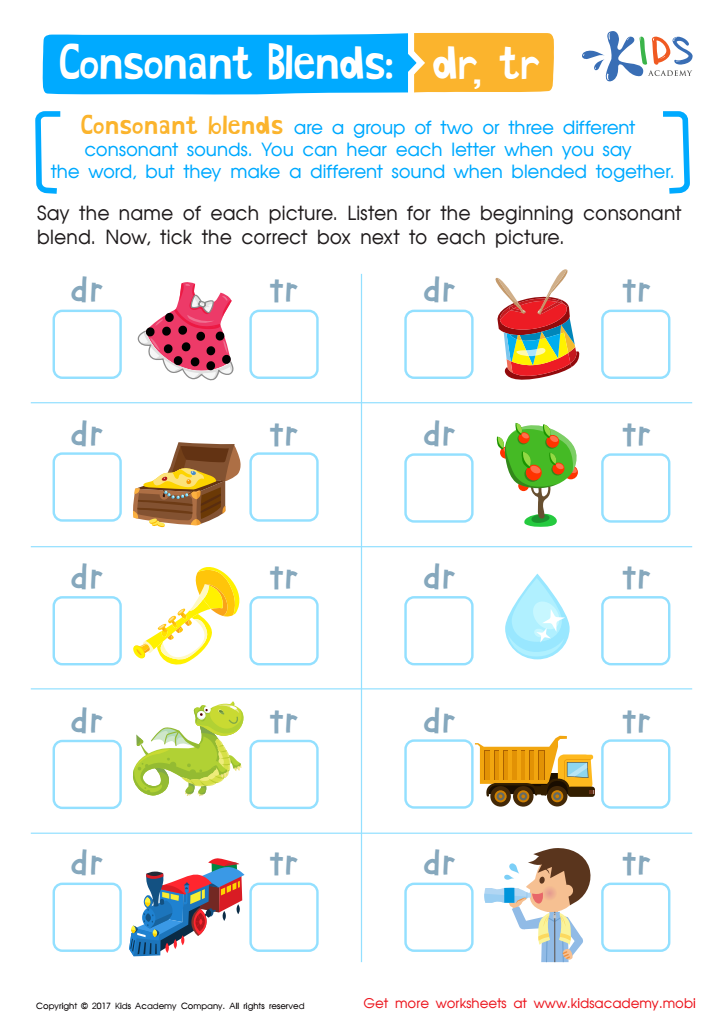
Consonant Blends: "Dr" and "Tr" Printable
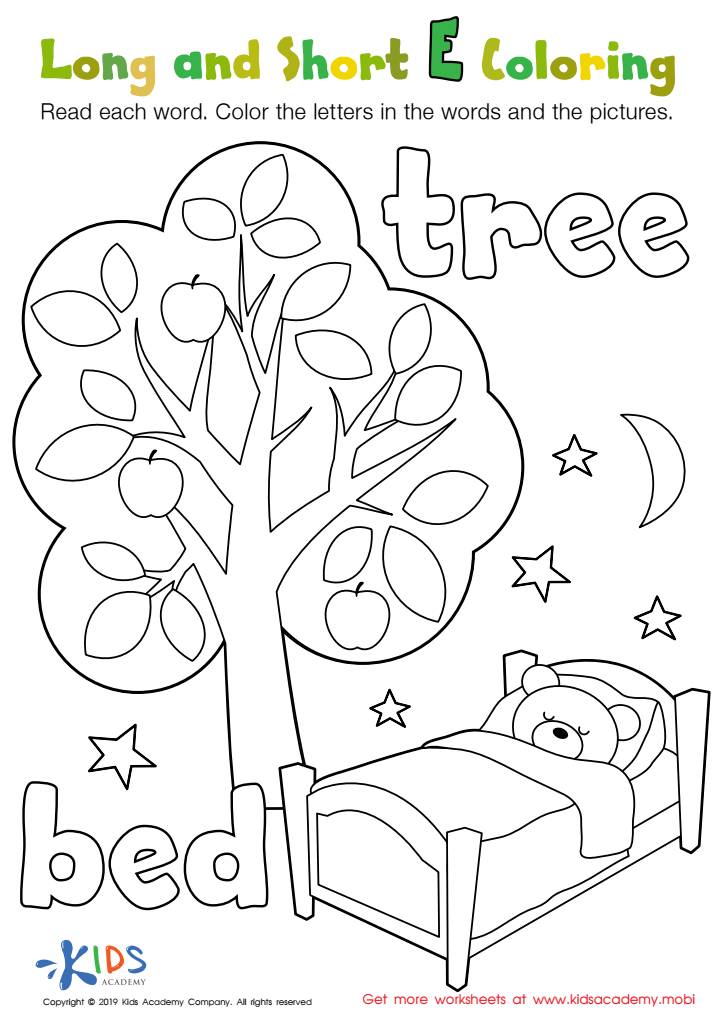
Long and Short E Worksheet
Assign to My Students
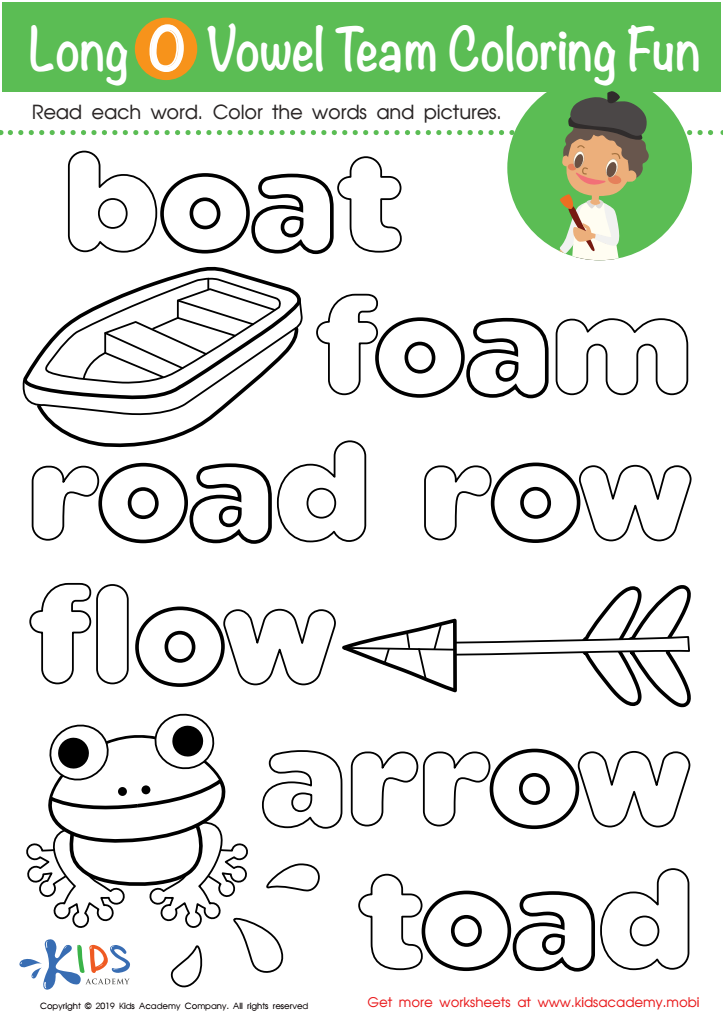
Long O Vowel Team Coloring Worksheet
Assign to My Students
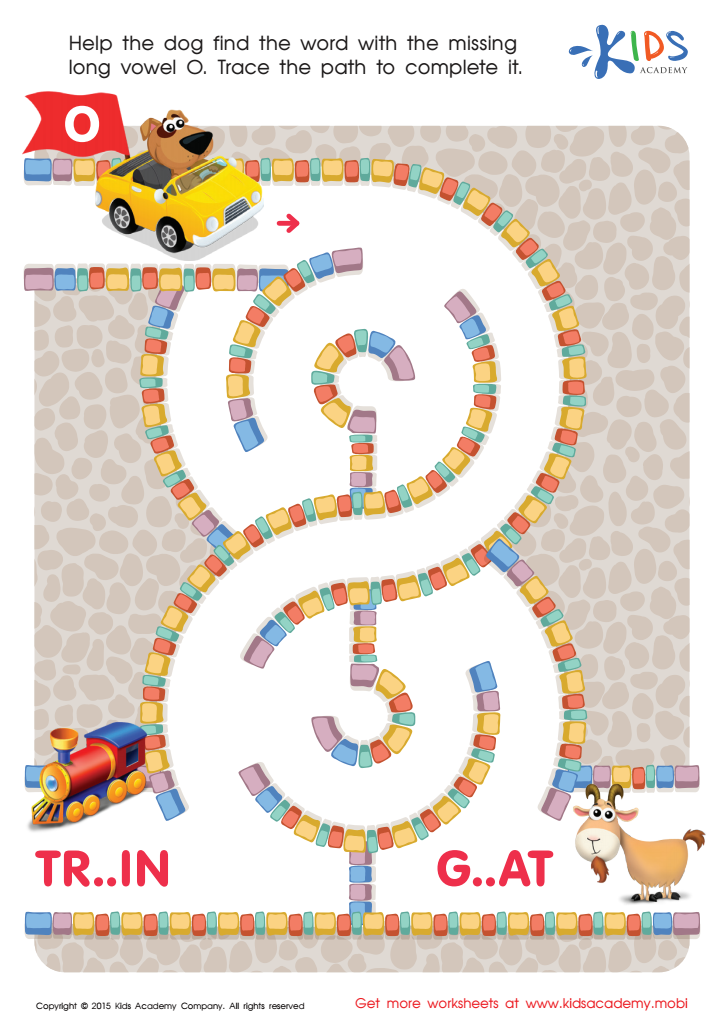
Long Vowel Sound O Worksheet
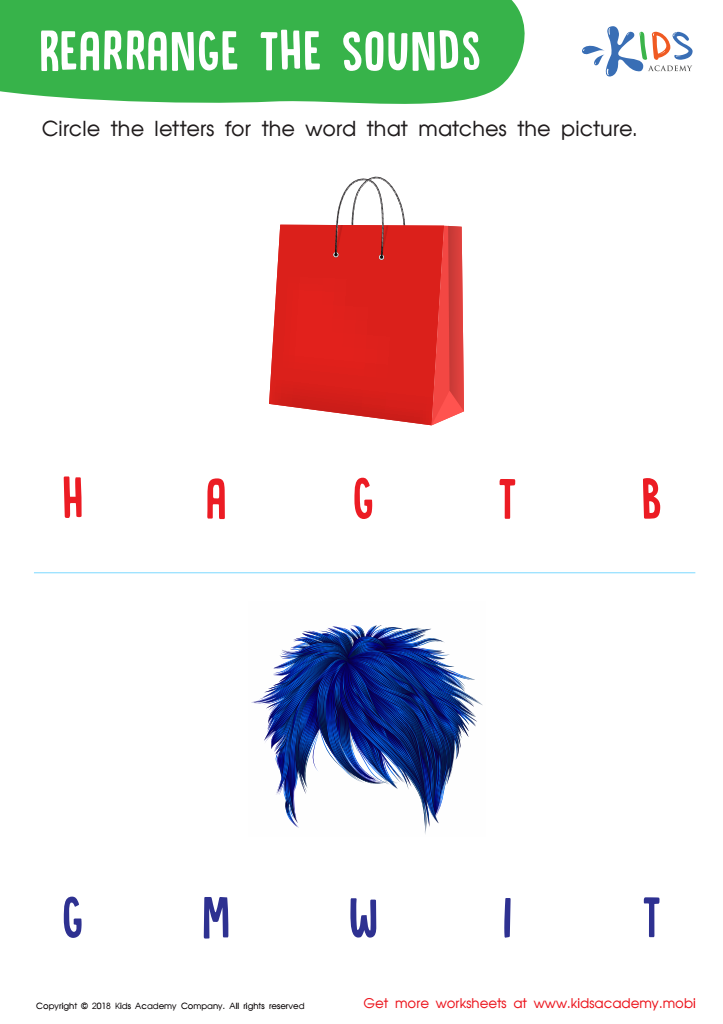
Rearrange the Sounds Worksheet
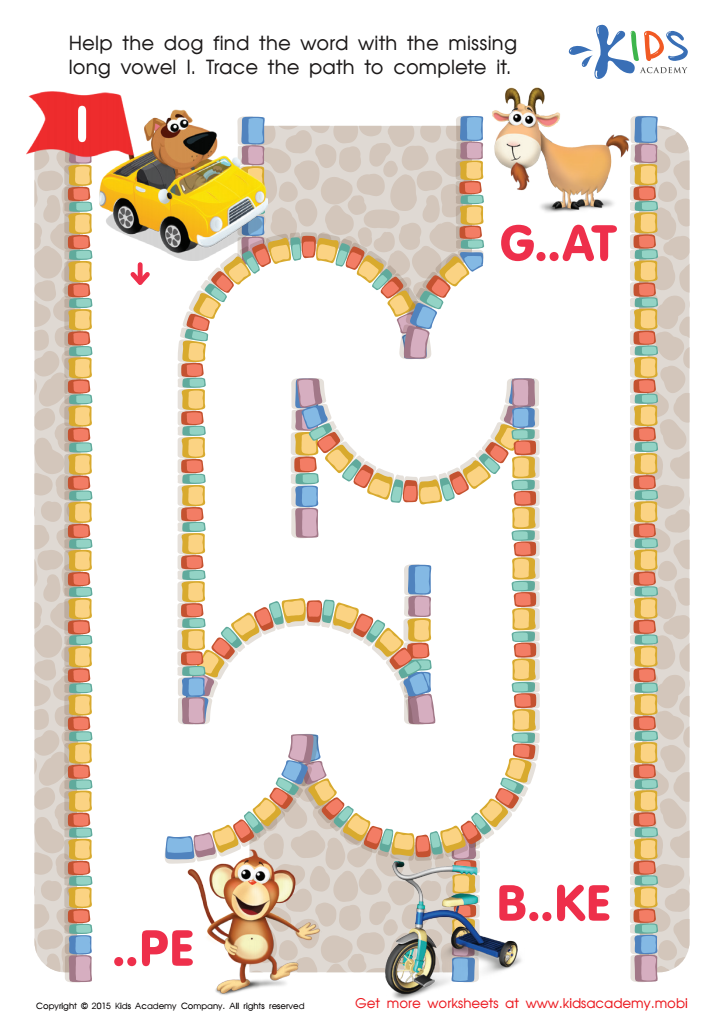
Long Vowel Sound I Worksheet
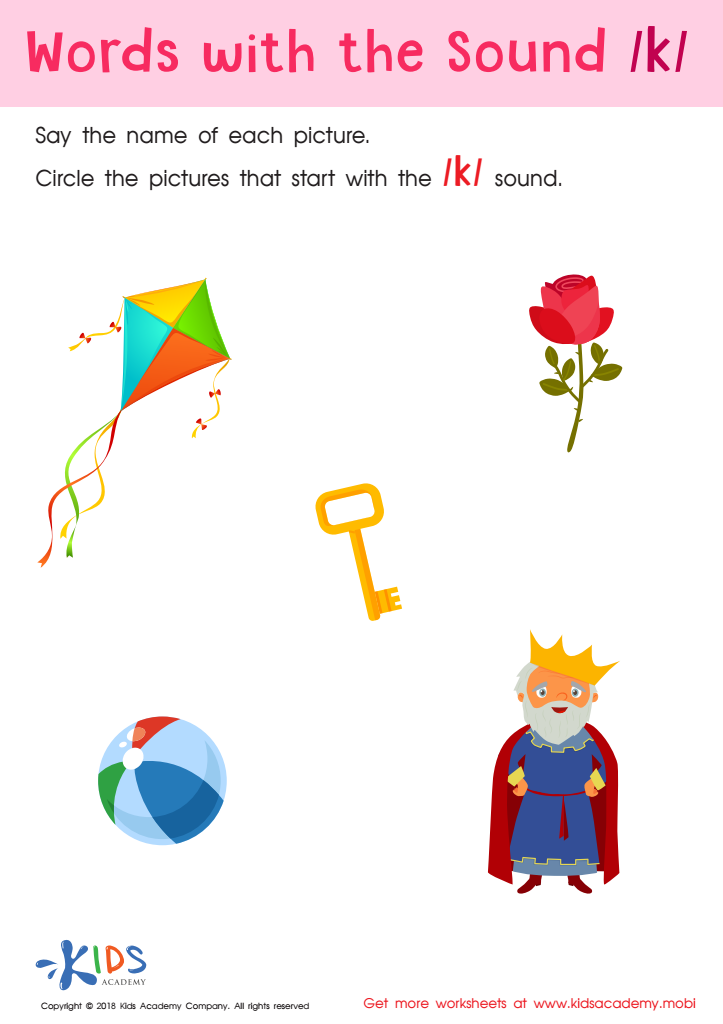
Words with sound k Reading Worksheet








Phonics skills, particularly for ages 3-8, are foundational for early literacy development and critical to a child's overall academic success. At this young age, children are highly receptive and begin to make vital connections between letters and sounds, which is the essence of phonics. Mastering phonics allows children to decode new words, promoting reading fluency. As they encounter new words, their reading comprehension naturally improves, fostering a lifelong love for reading and learning.
Parents and teachers should prioritize phonics because it develops critical thinking skills and enhances cognitive development. Through activities like letter recognition, sounding out words, and blending sounds, children strengthen their memory, attention, and problem-solving abilities. Structured phonics instruction has also been proven to close achievement gaps, particularly for children from diverse linguistic and socio-economic backgrounds.
Moreover, early success in reading boosts a child's self-confidence and academic self-concept. As they experience the joy and pride in reading independently, their motivation to learn increases. In a world where literacy is a key determinant of educational and professional opportunities, mastering phonics from an early age sets the foundation for both future academic pursuits and everyday tasks, making it a cornerstone of early childhood education that parents and teachers cannot afford to overlook.







