Word Recognition Alphabet Worksheets for Ages 3-8 - Page 2
34 filtered results
-
From - To
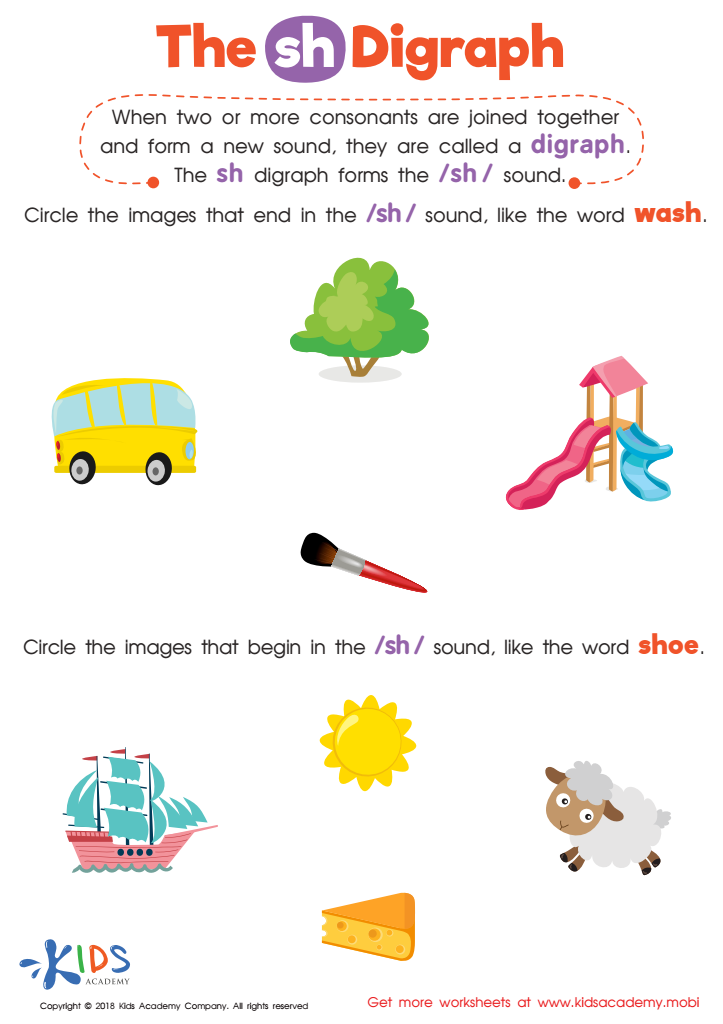
The SH Digraph Worksheet
 Assign to My Students
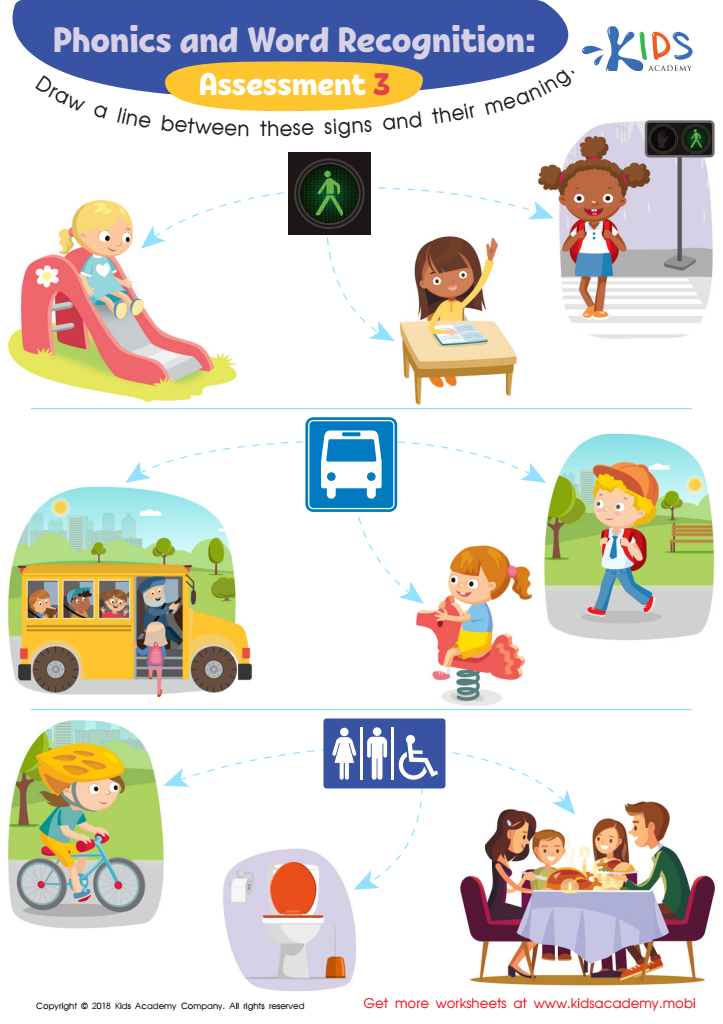
Phonological Awareness: Assessment 3 ELA Worksheet
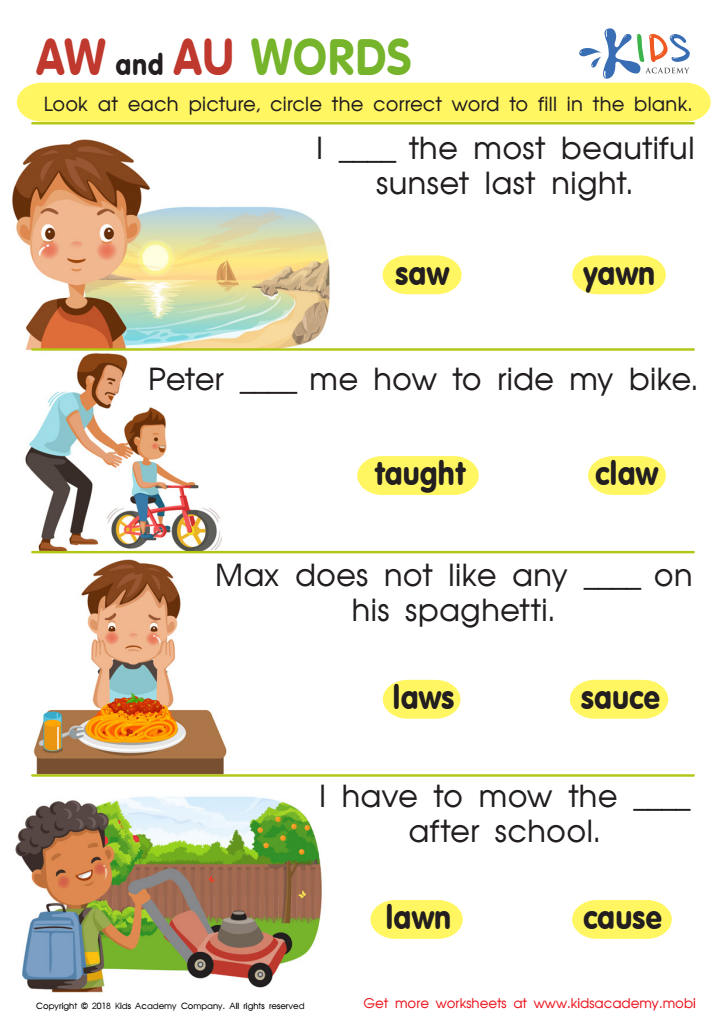
Reading: AW and AU Words Worksheet
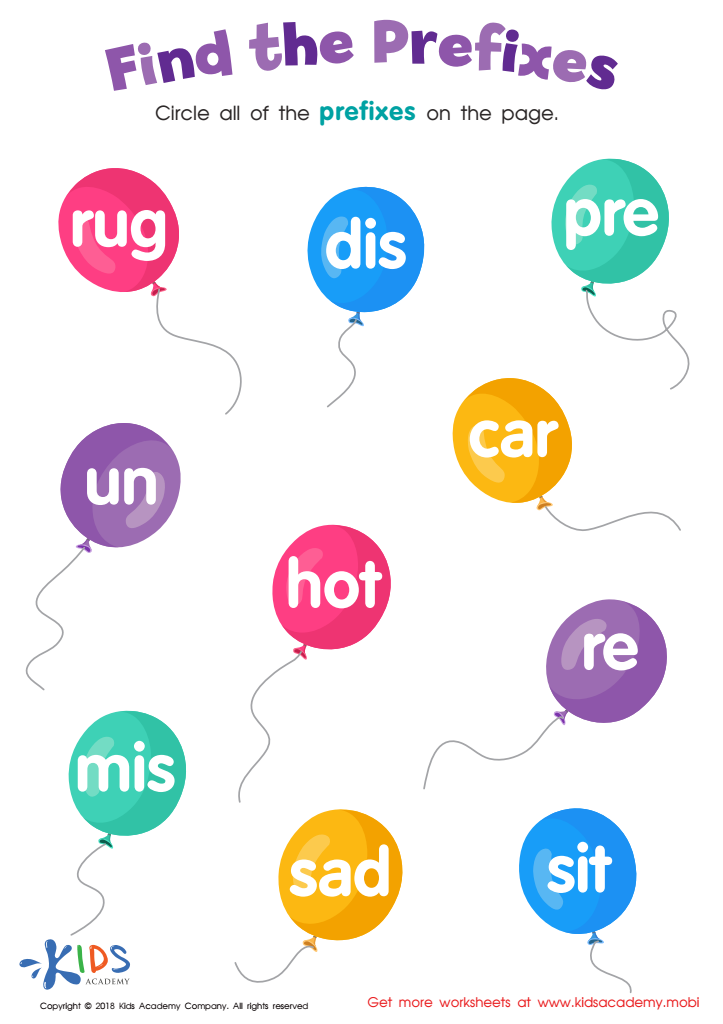
Reading: Find the Prefixes Worksheet
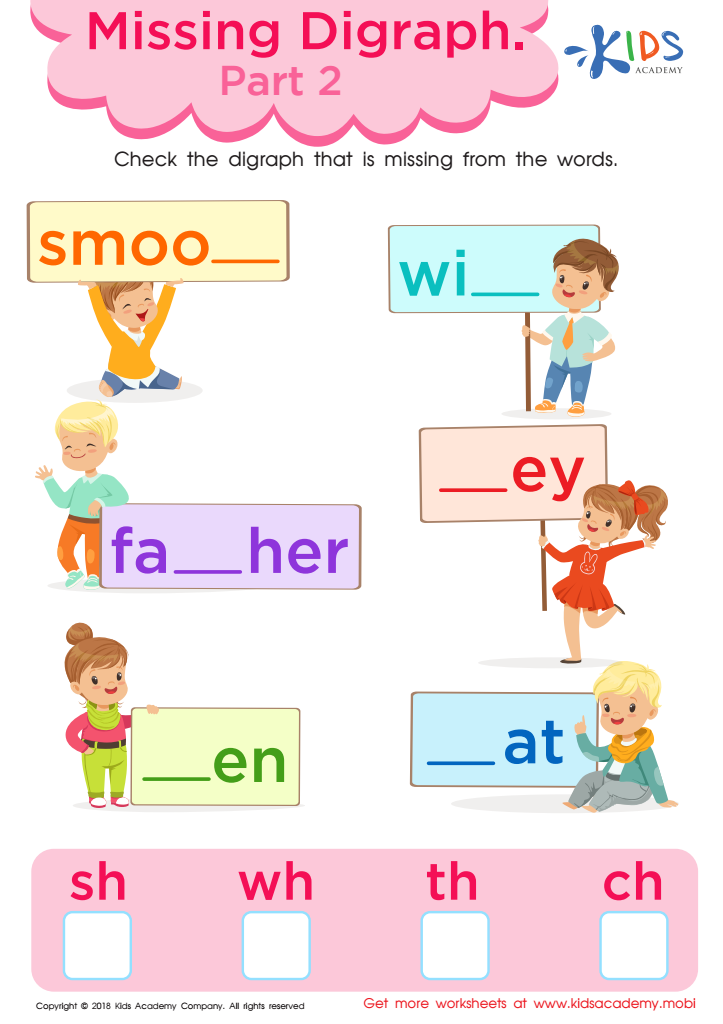
Missing Digraph: Part 2 Worksheet
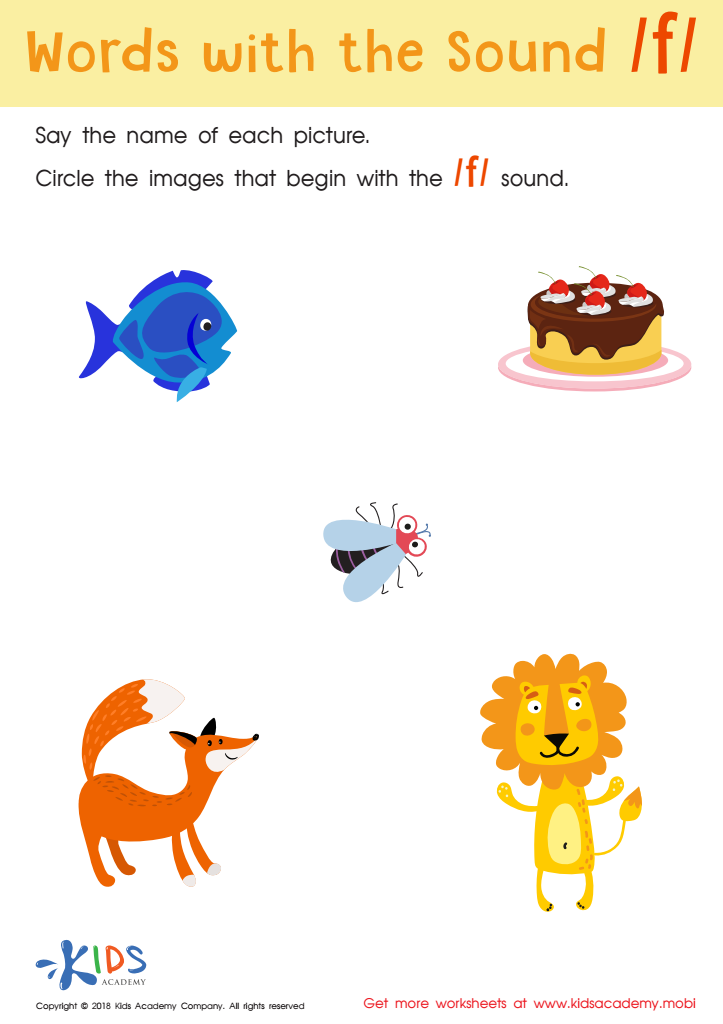
Words with sound f Reading Worksheet
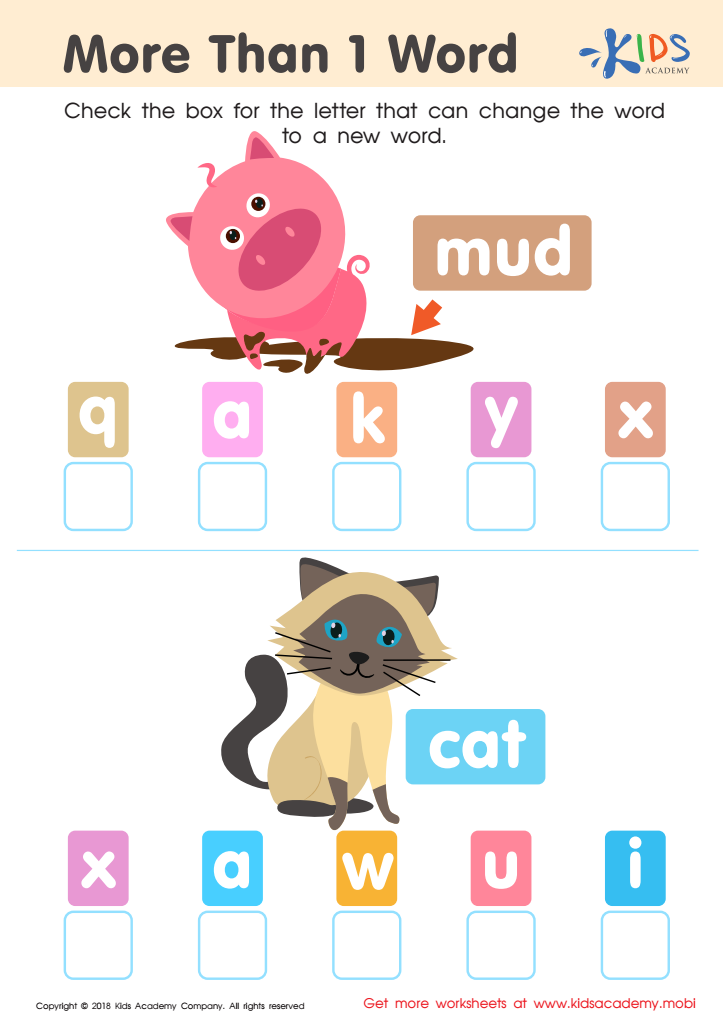
More than 1 word Worksheet
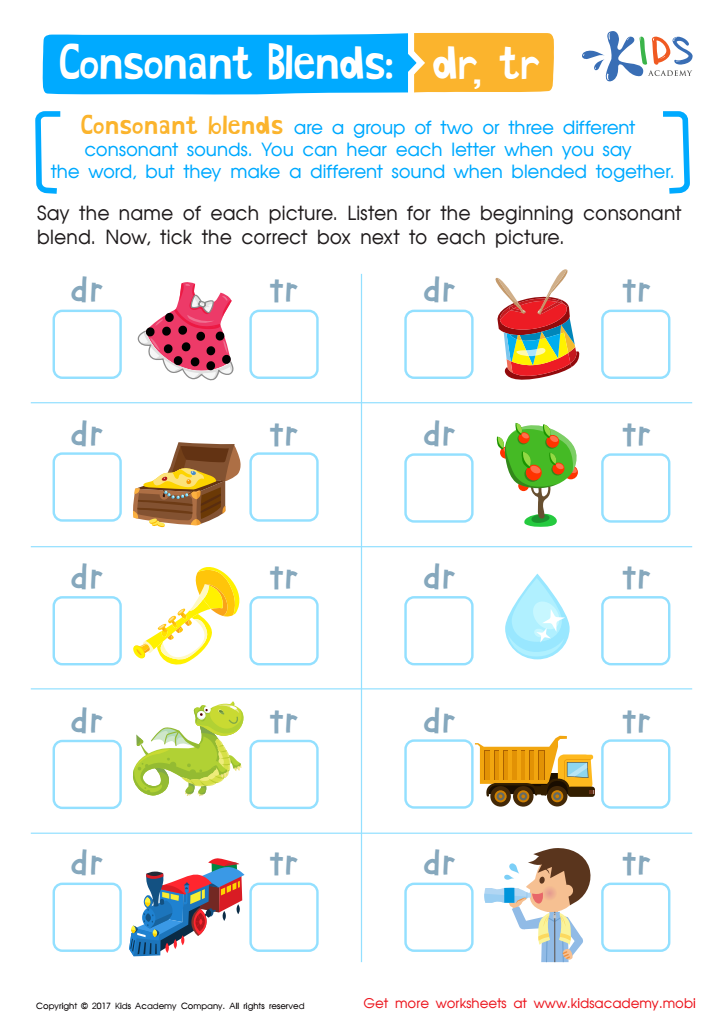
Consonant Blends: "Dr" and "Tr" Printable
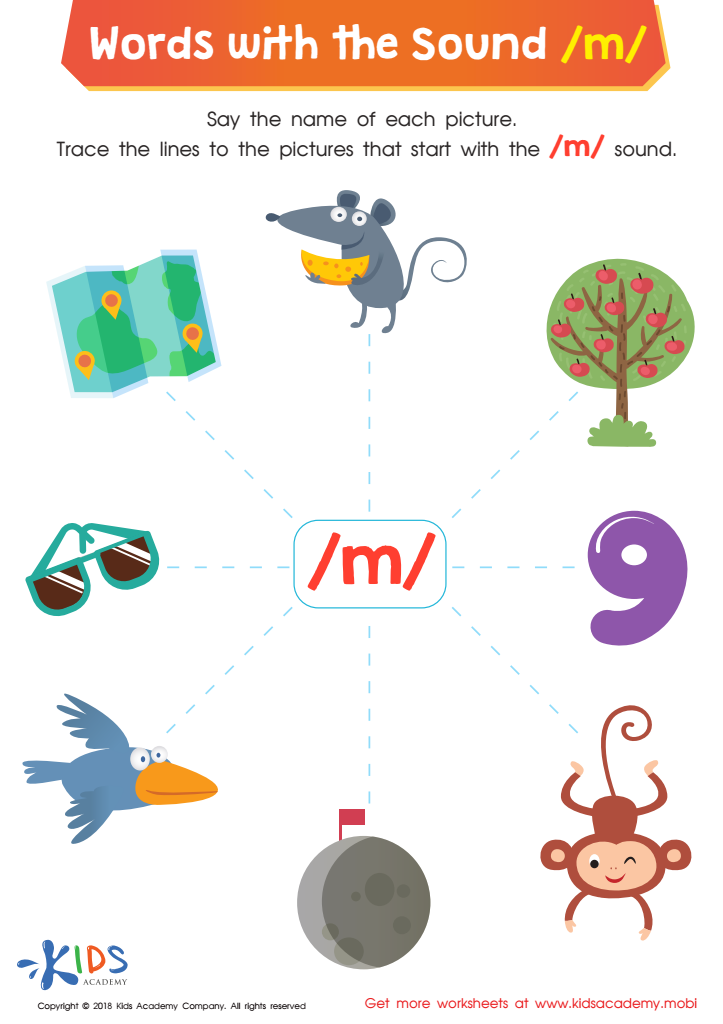
Words with Sound M Reading Worksheet
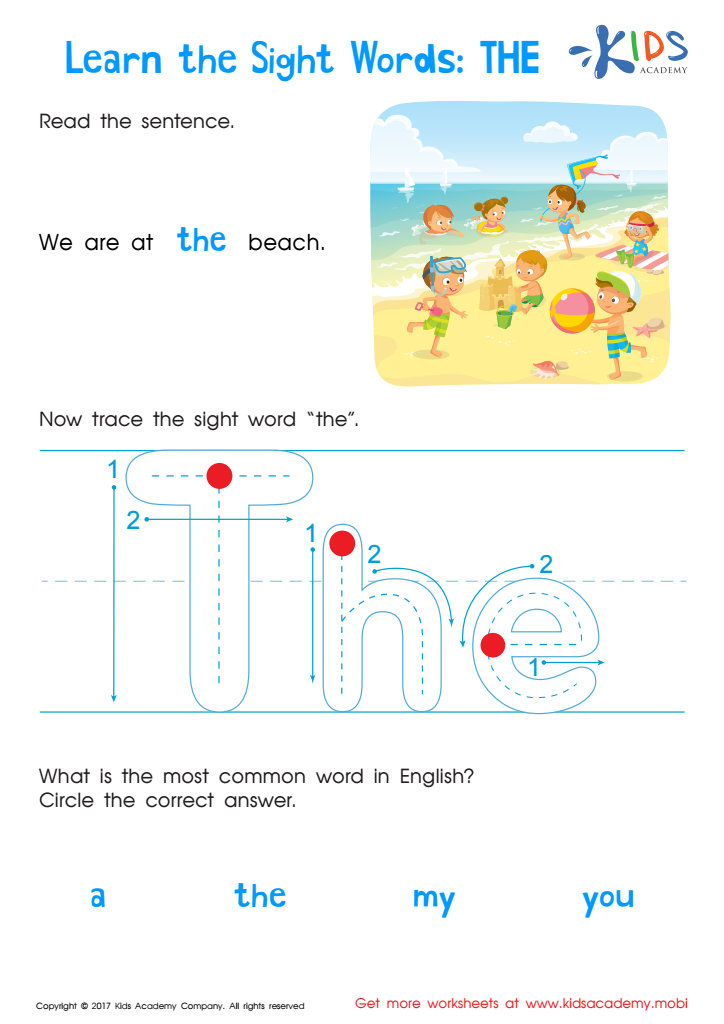
Sight Words: The Worksheet








Word recognition is a cornerstone of early literacy, and introducing the alphabet to children ages 3-8 plays a critical role in this development. During these formative years, children's brains are incredibly receptive to learning and absorbing new information. Teaching the alphabet lays the groundwork for decoding, a skill essential for reading proficiency. Knowing the alphabet helps children recognize and understand the connections between letters and sounds, facilitating smoother and more confident reading experiences.
Parents and teachers who prioritize word recognition alphabet help their children build a robust vocabulary and improve their comprehension skills. Early familiarity with the alphabet can also enhance cognitive development by improving memory, attention, and linguistic abilities. As children start recognizing letters in their environment—books, street signs, or even packaging—this constant reinforcement further solidifies their understanding.
Moreover, a strong foundation in the alphabet promotes a positive attitude towards learning and reading, fostering self-confidence in young learners. When children feel competent in their abilities, they are more likely to engage in further educational activities and face new challenges with enthusiasm.
By instilling early proficiency in word recognition and the alphabet, parents and teachers set children on a path to academic success and lifelong learning, making it a vital focus in early education.







