Vocabulary expansion Phonics Worksheets for Ages 3-8 - Page 2
58 filtered results
-
From - To
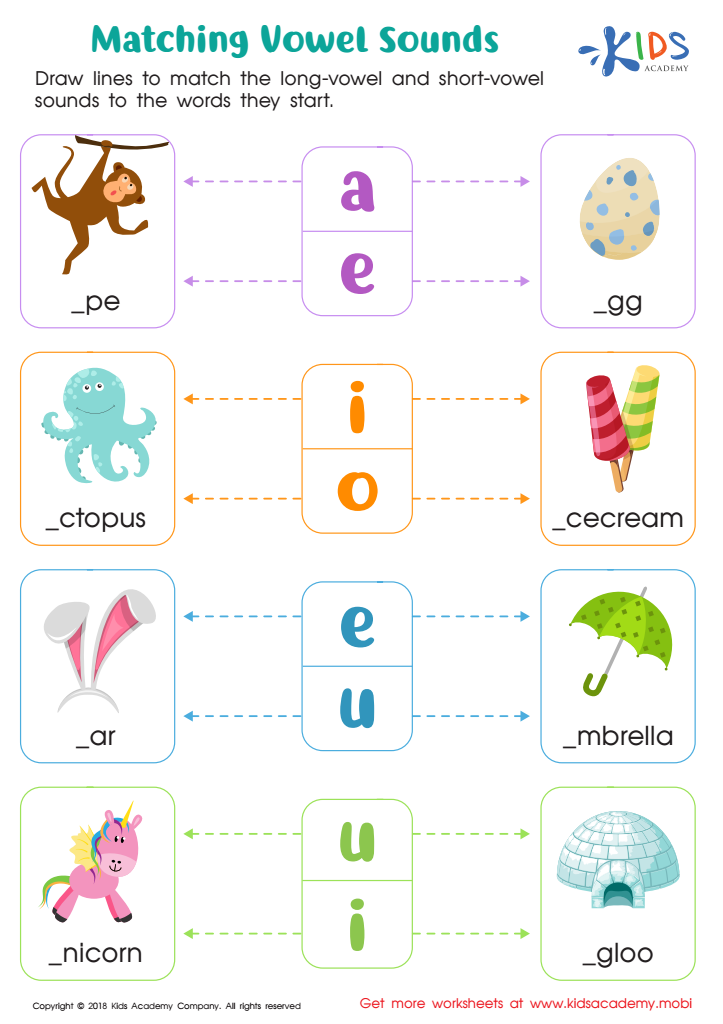
Matching Vowel Sounds Worksheet
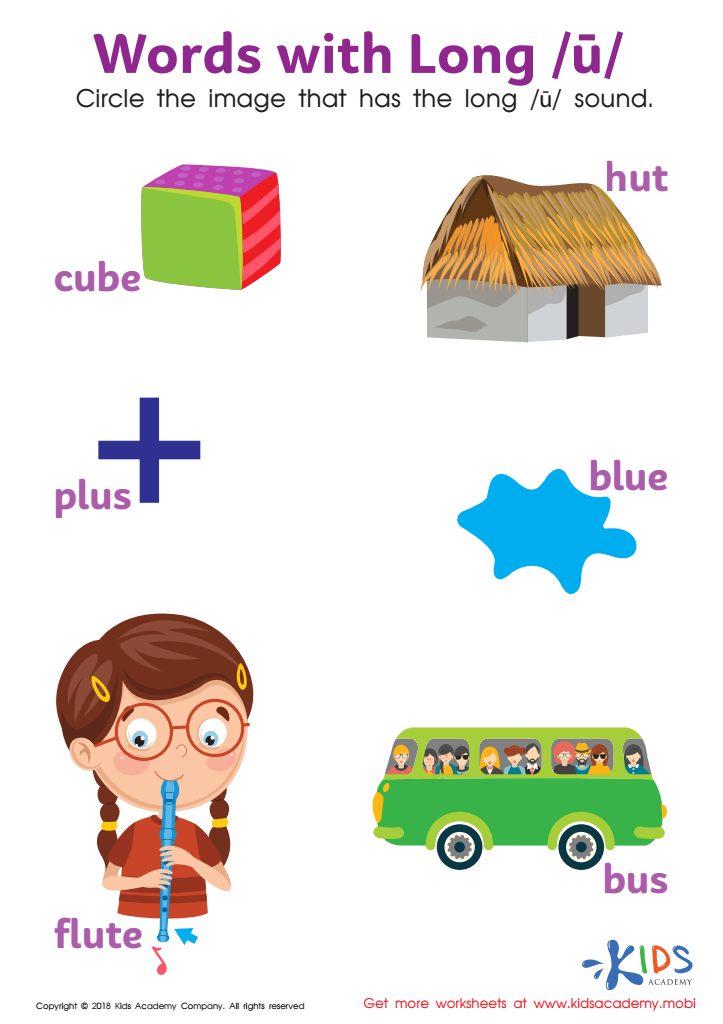
Words with Long U Reading Worksheet
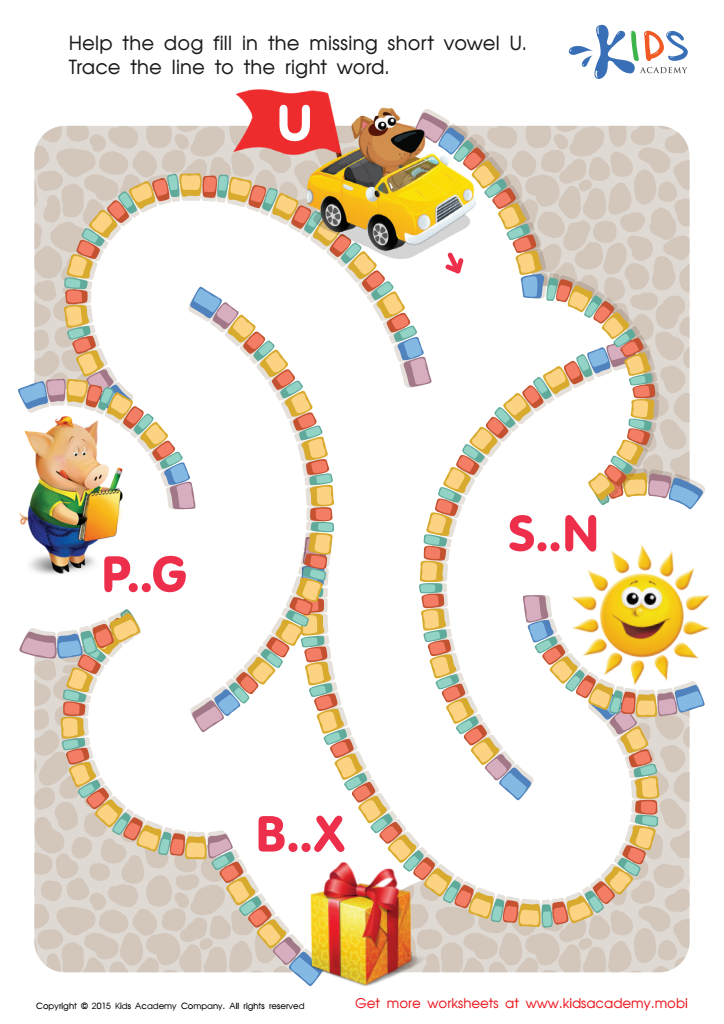
Short Vowel Sound U Worksheet
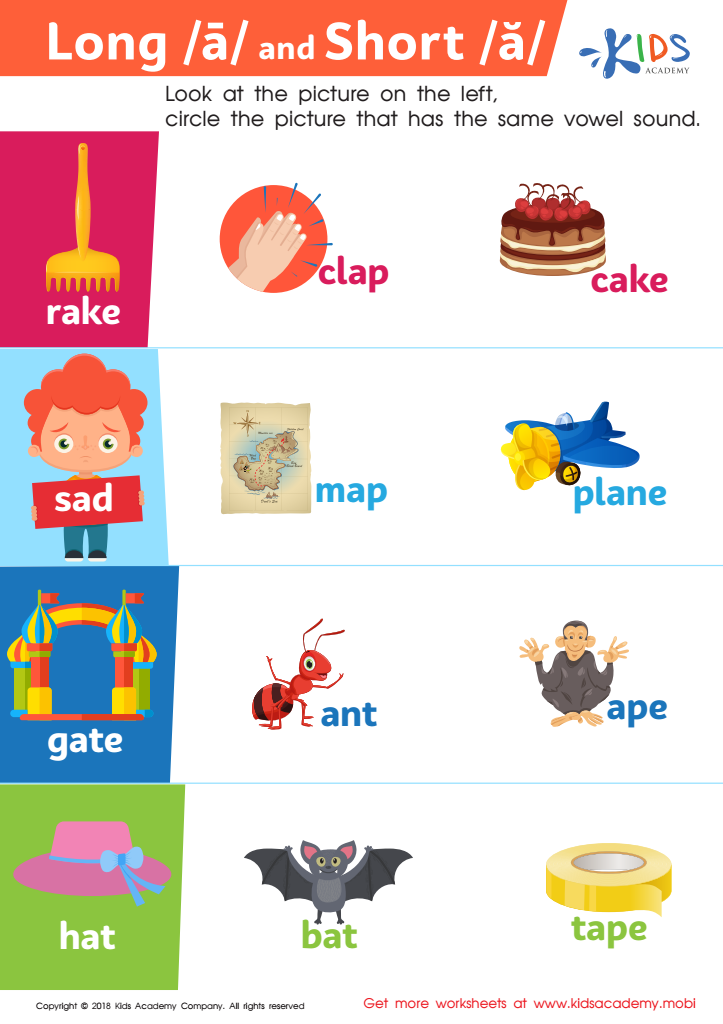
Reading: Long a and Short a Worksheet
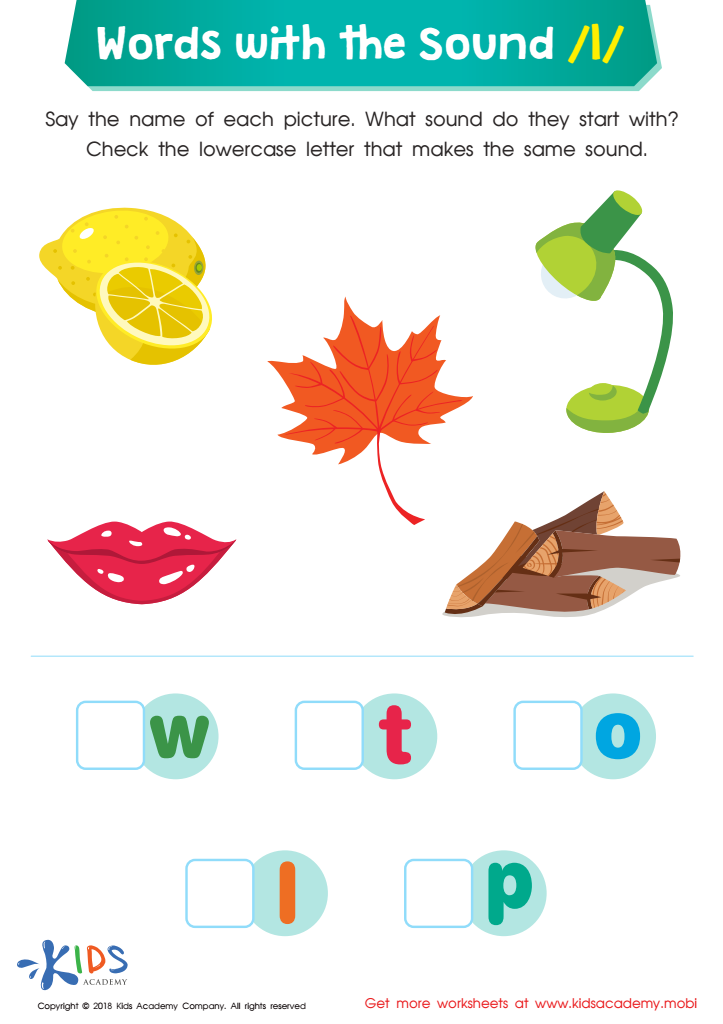
Words with Sound L Reading Worksheet
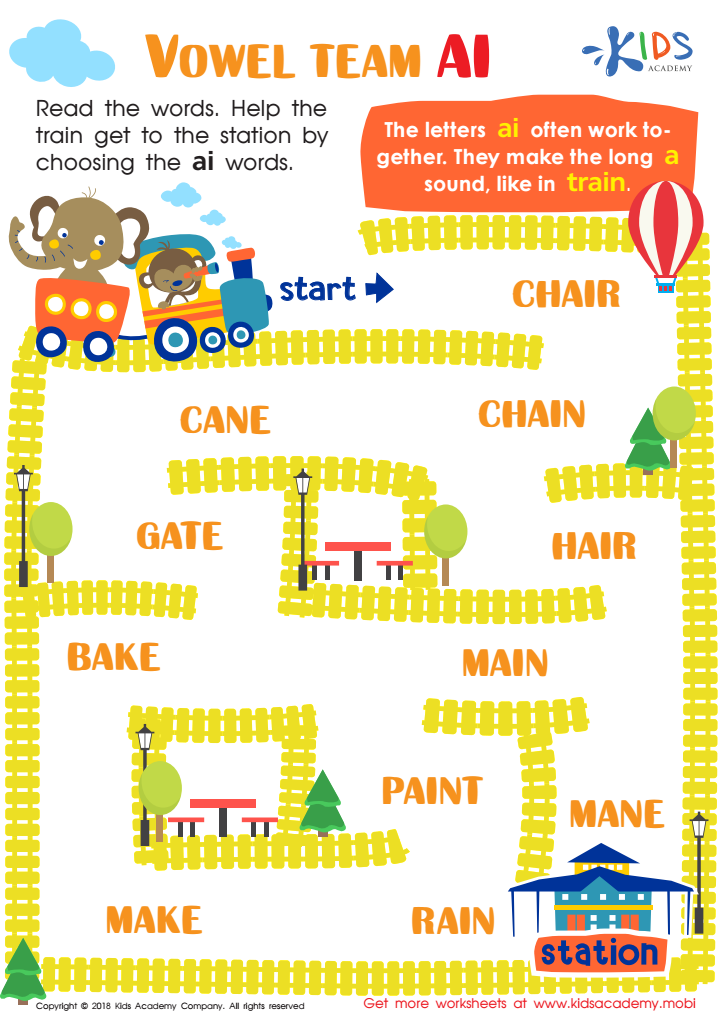
Vowel team ai Worksheet
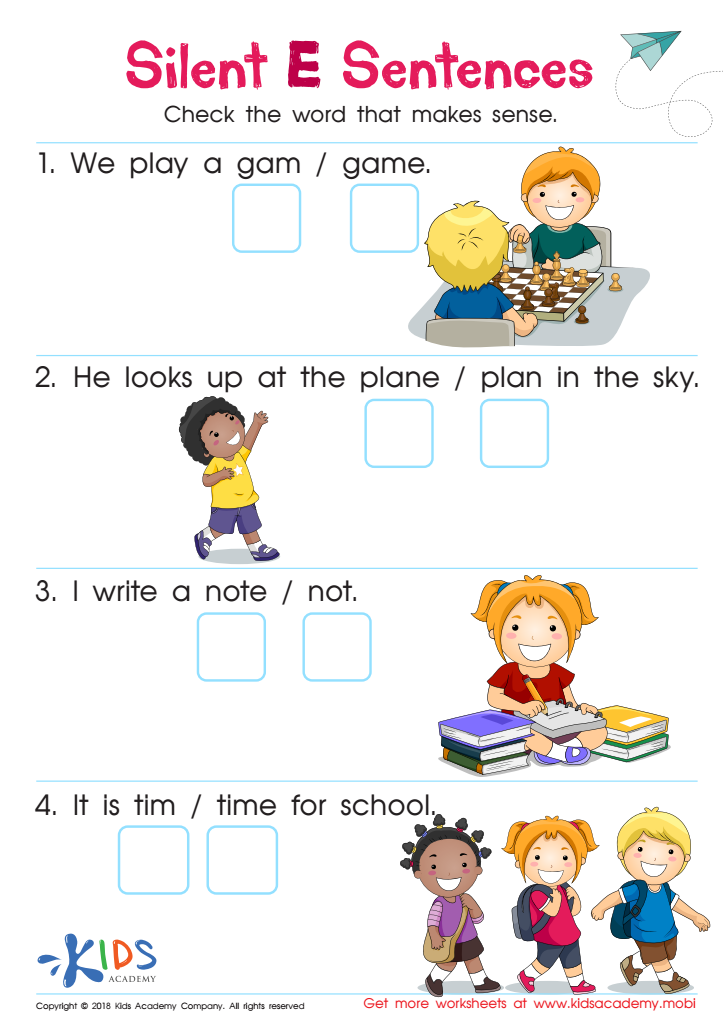
Silent E Sentences Worksheet

Long and Short U Worksheet
 Assign to My Students
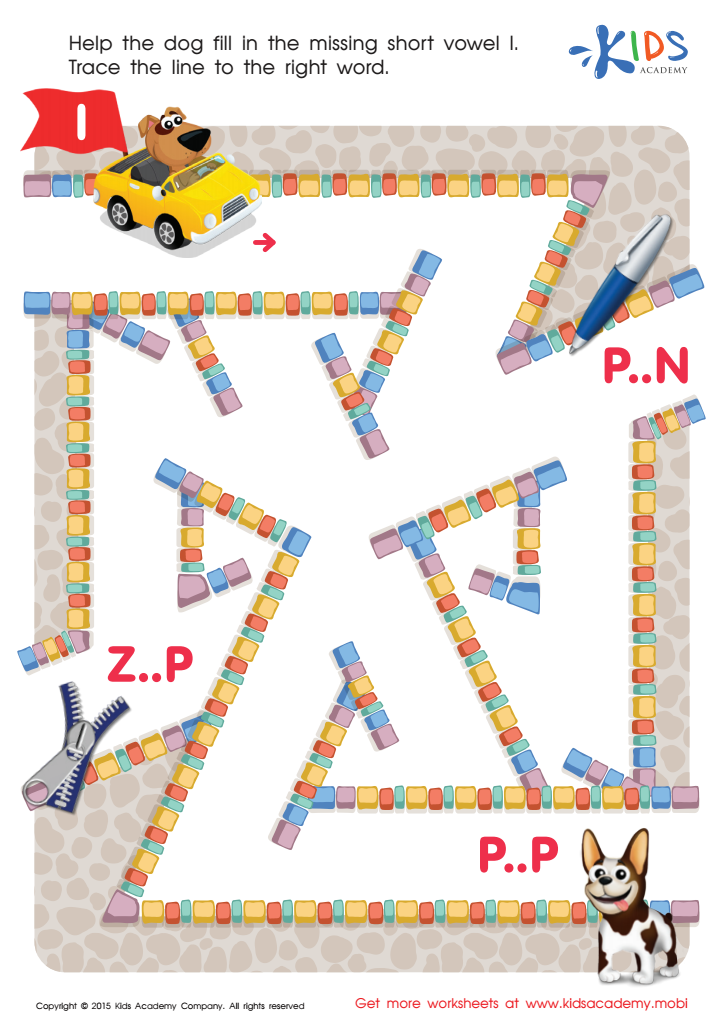
Short Vowel Sound I Worksheet
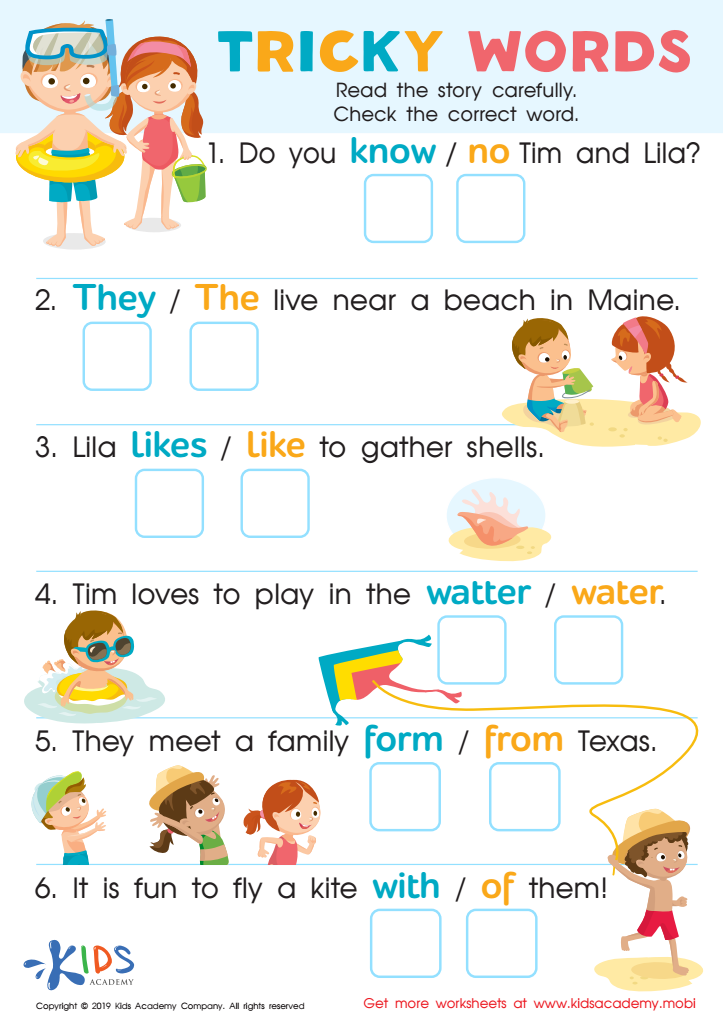
Tricky Words Worksheet
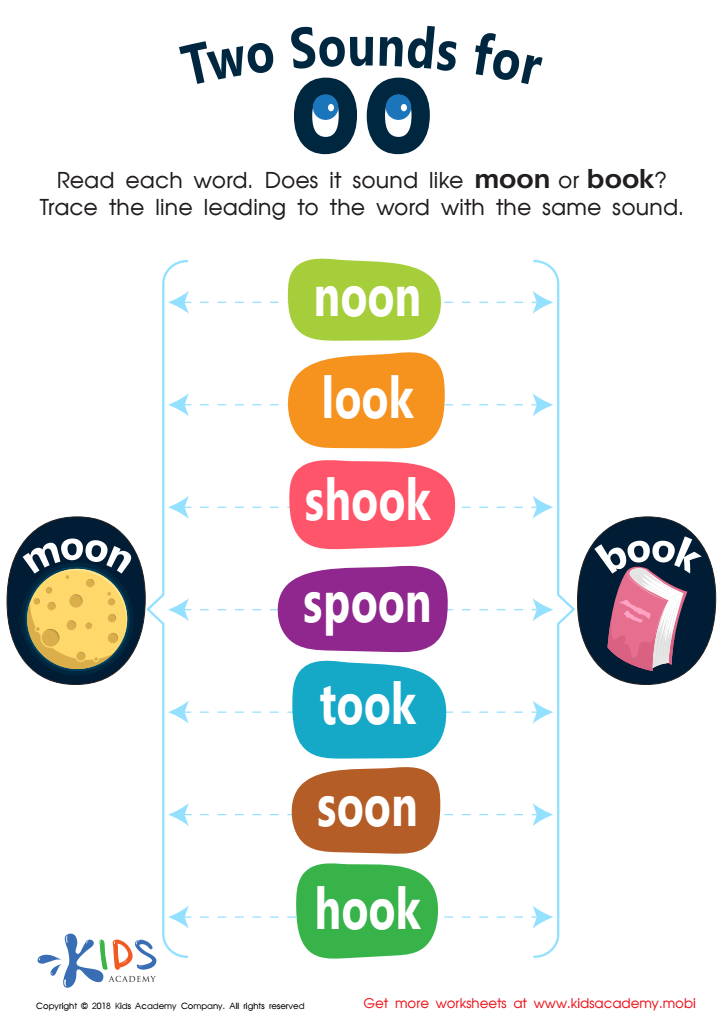
Two Sounds for OO Worksheet
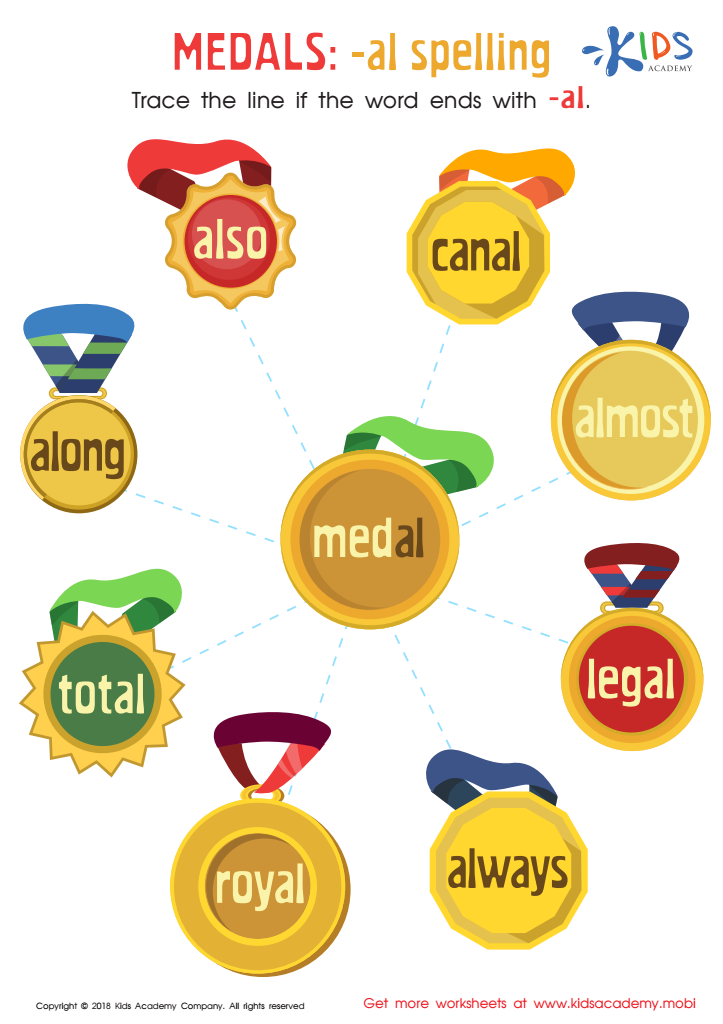
Medals: Al Spelling Worksheet
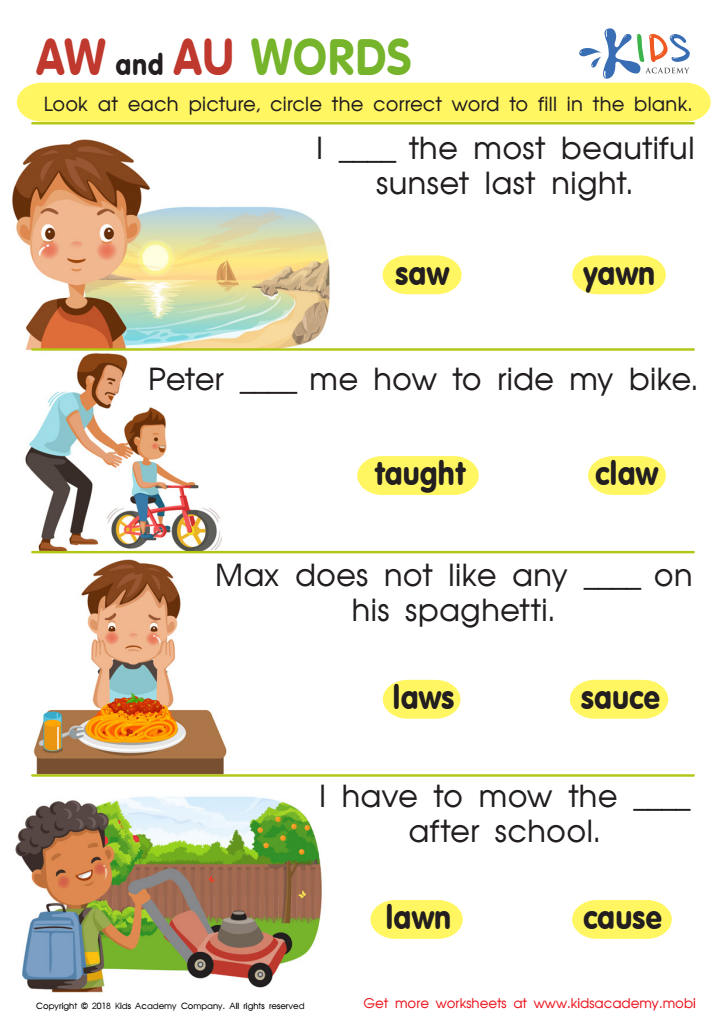
Reading: AW and AU Words Worksheet
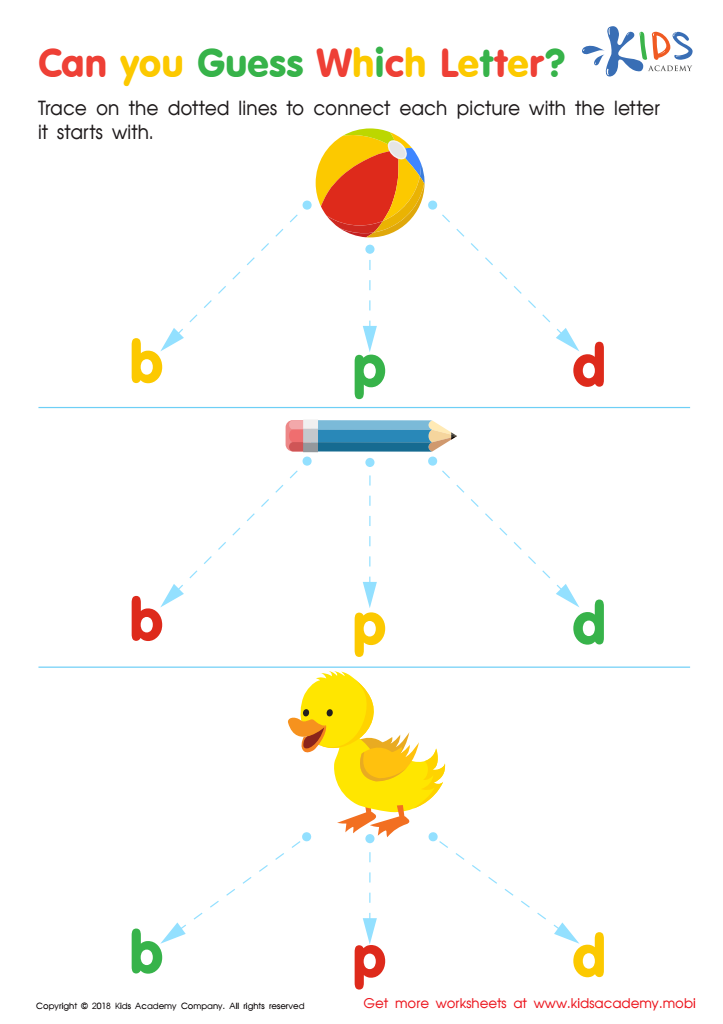
Can you Guess Which Letter? Worksheet
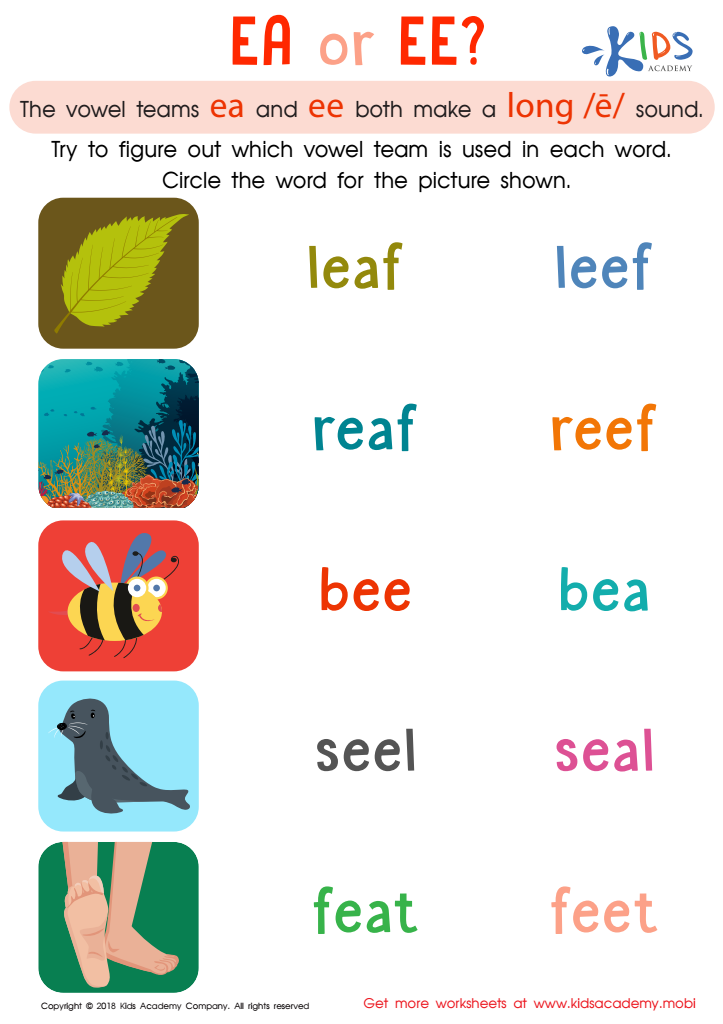
Reading: EA and EE Worksheet
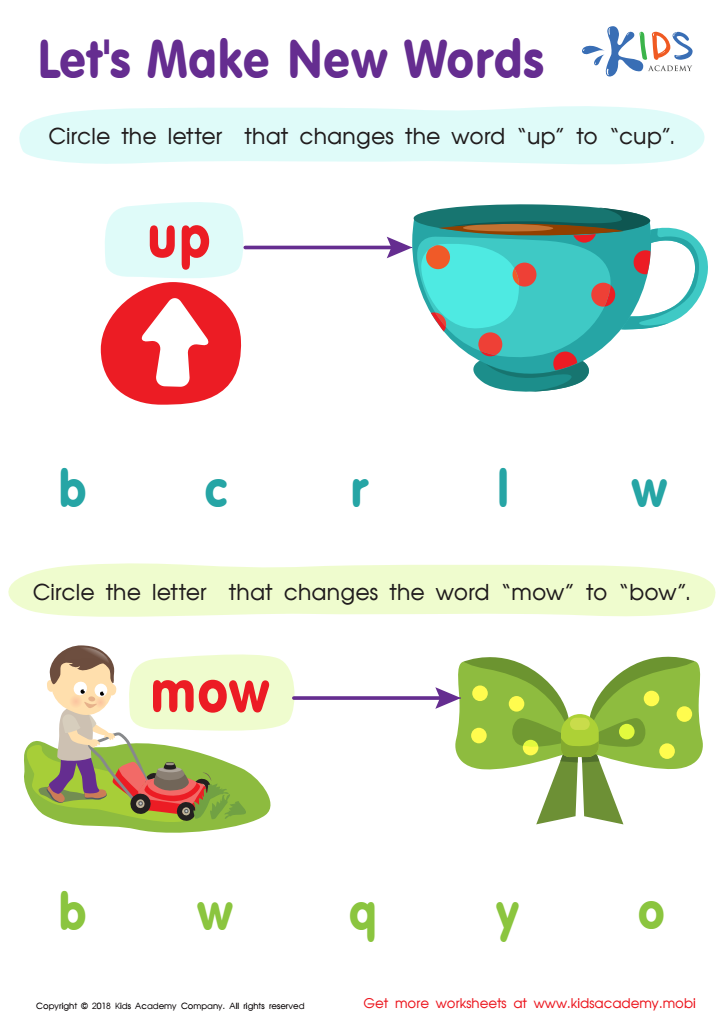
Let's Make New Words Worksheet
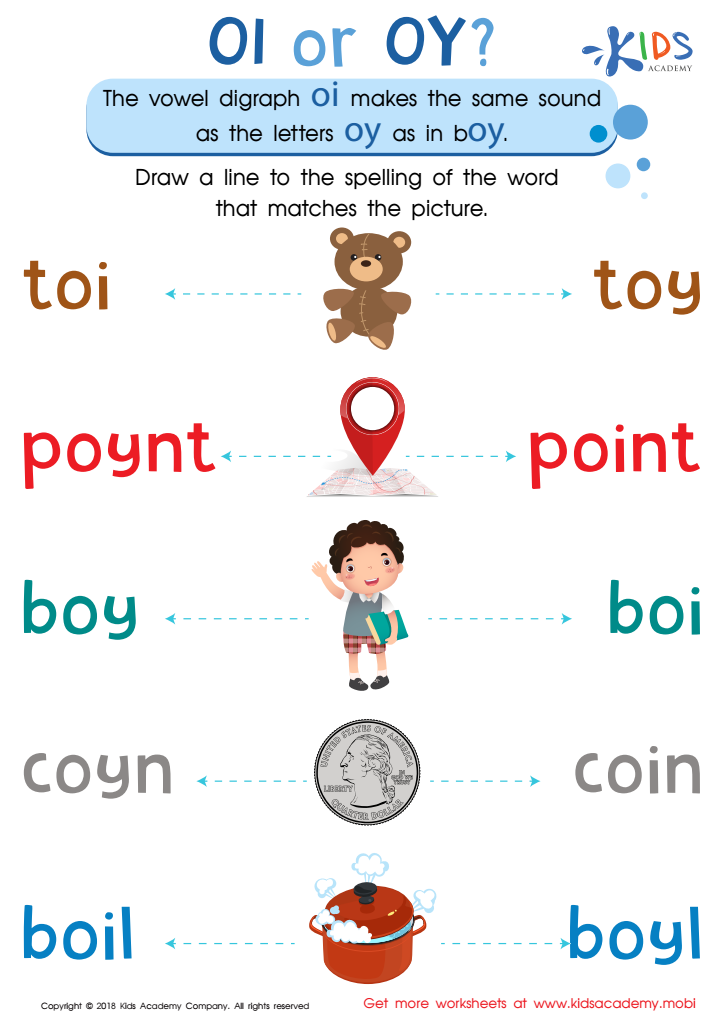
Reading: OI and OY Worksheet
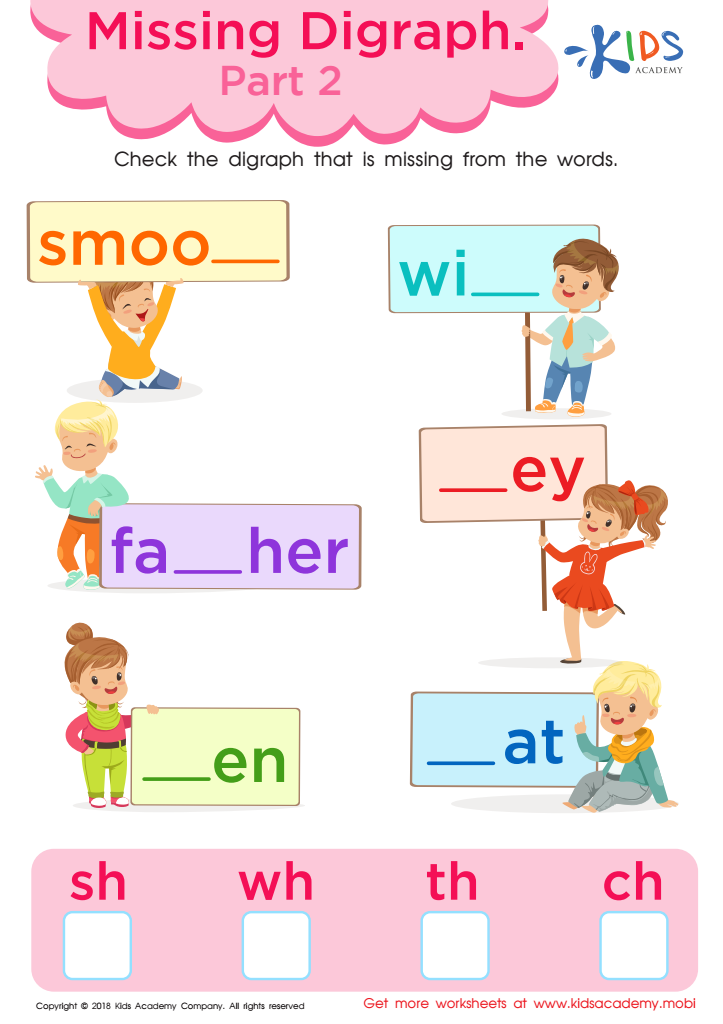
Missing Digraph: Part 2 Worksheet
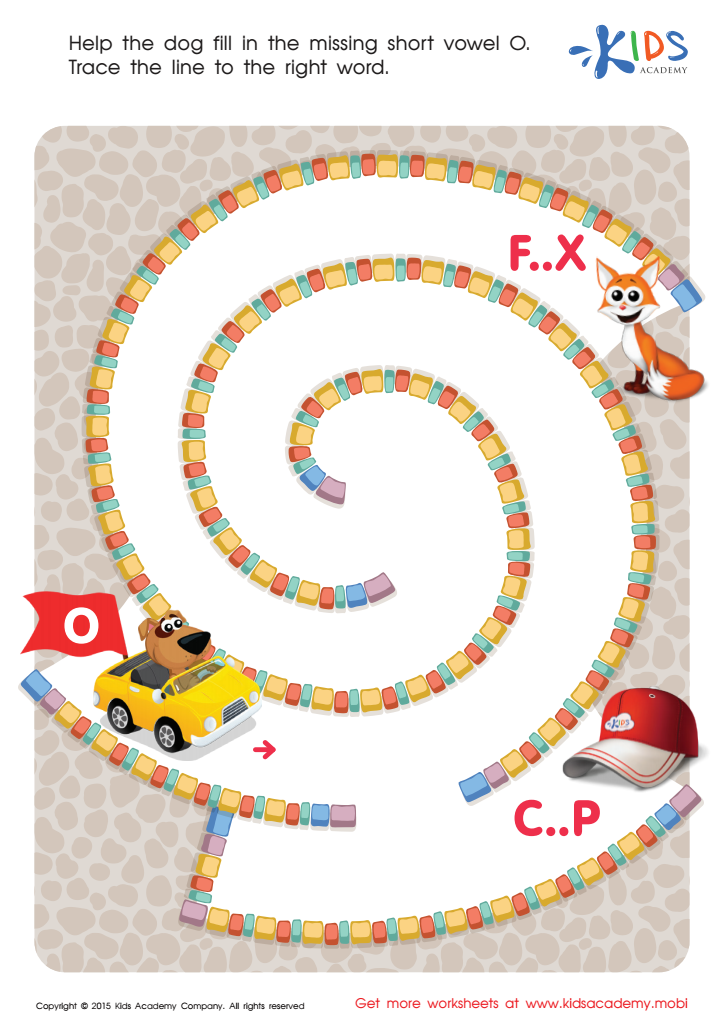
Short Vowel Sound O Worksheet
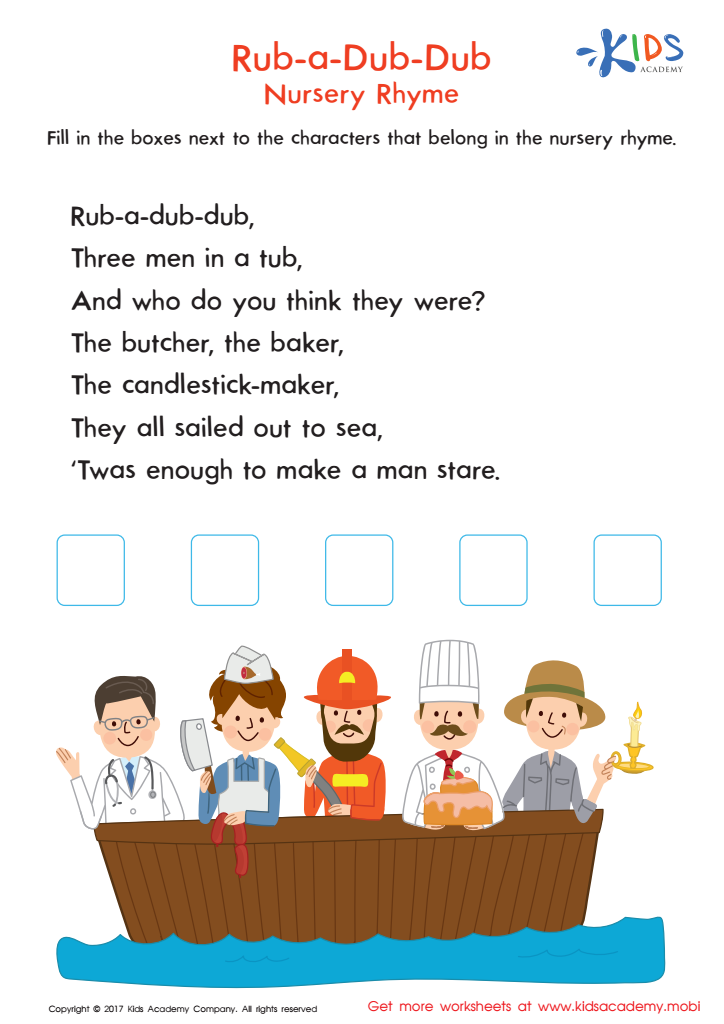
Rub a Dub Dub Printable
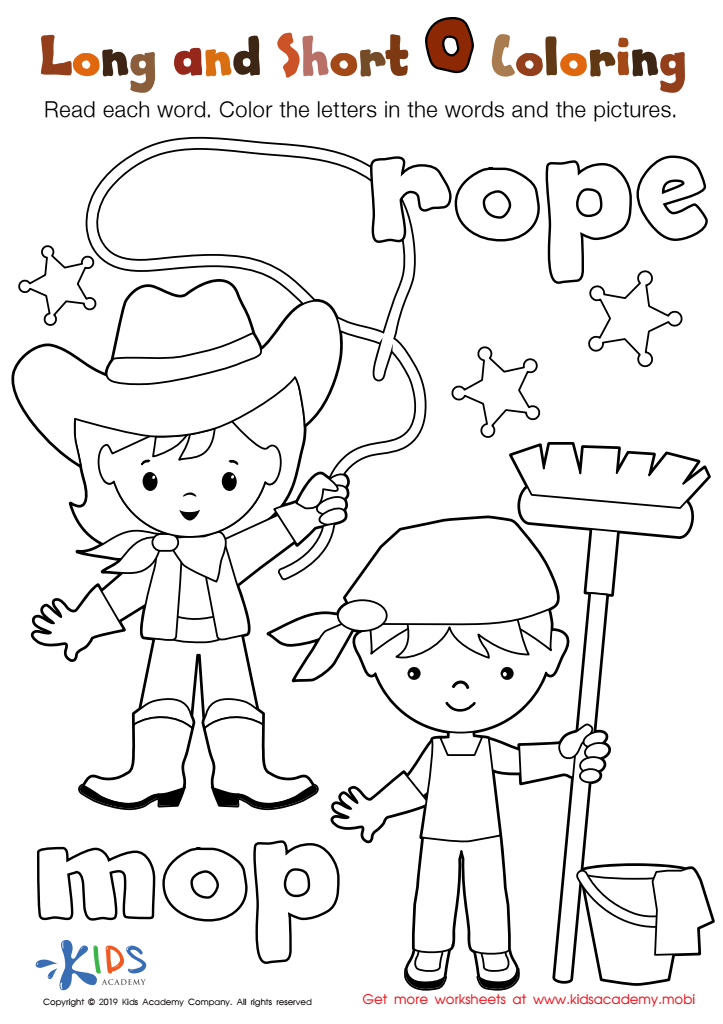
Long and Short O Worksheet
Assign to My Students
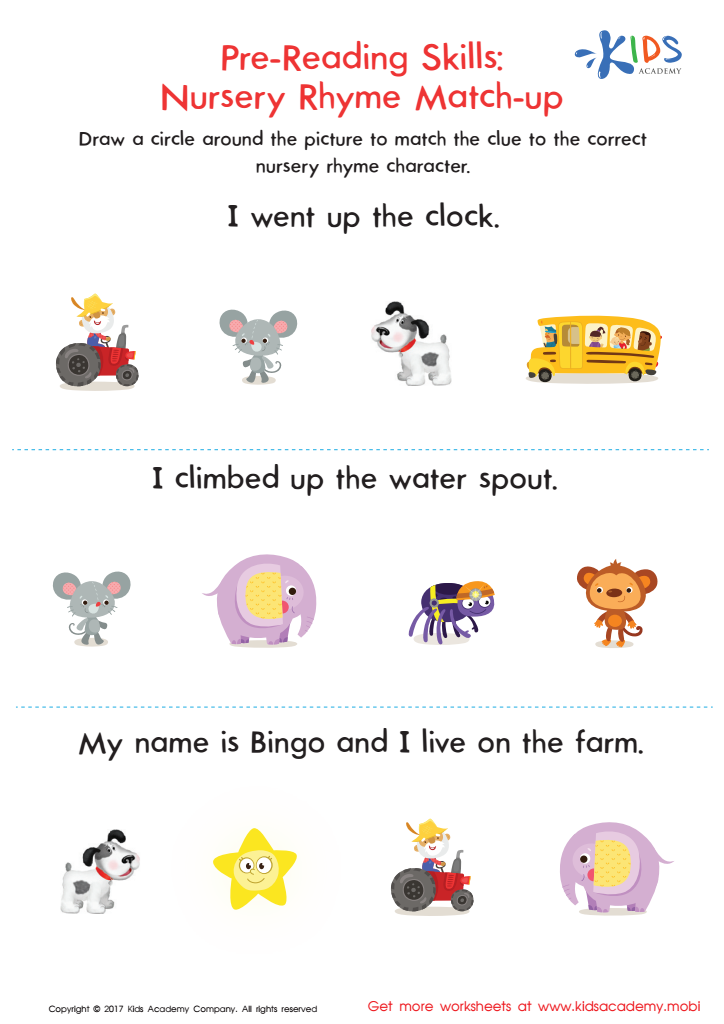
Nursery Rhyme Match–Up Worksheet
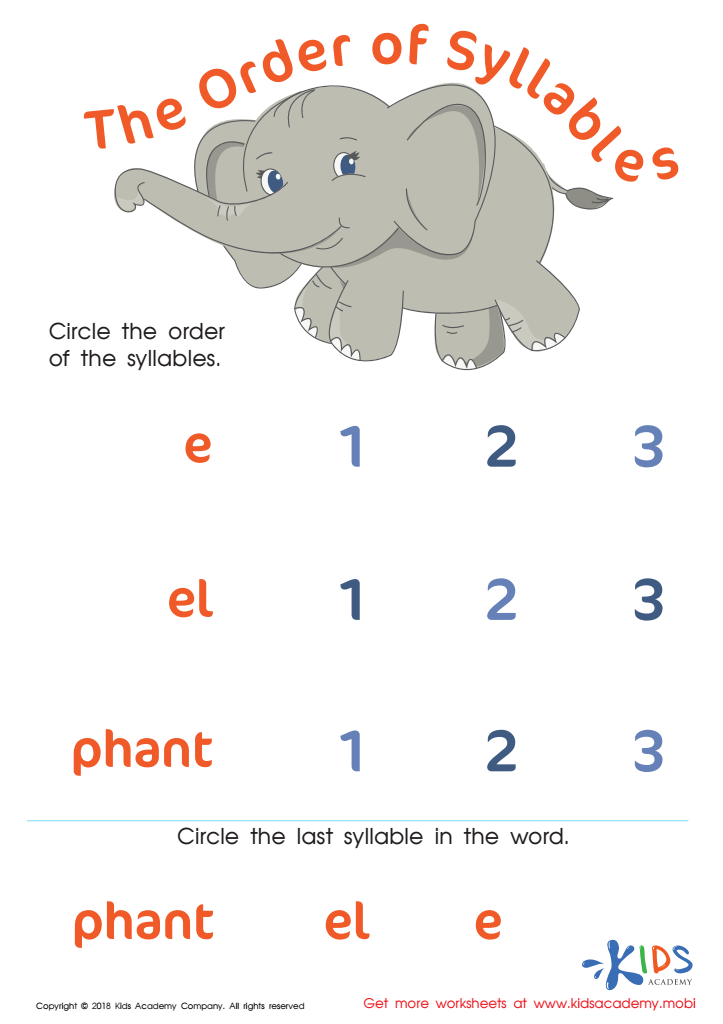
The Order of Syllables Worksheet
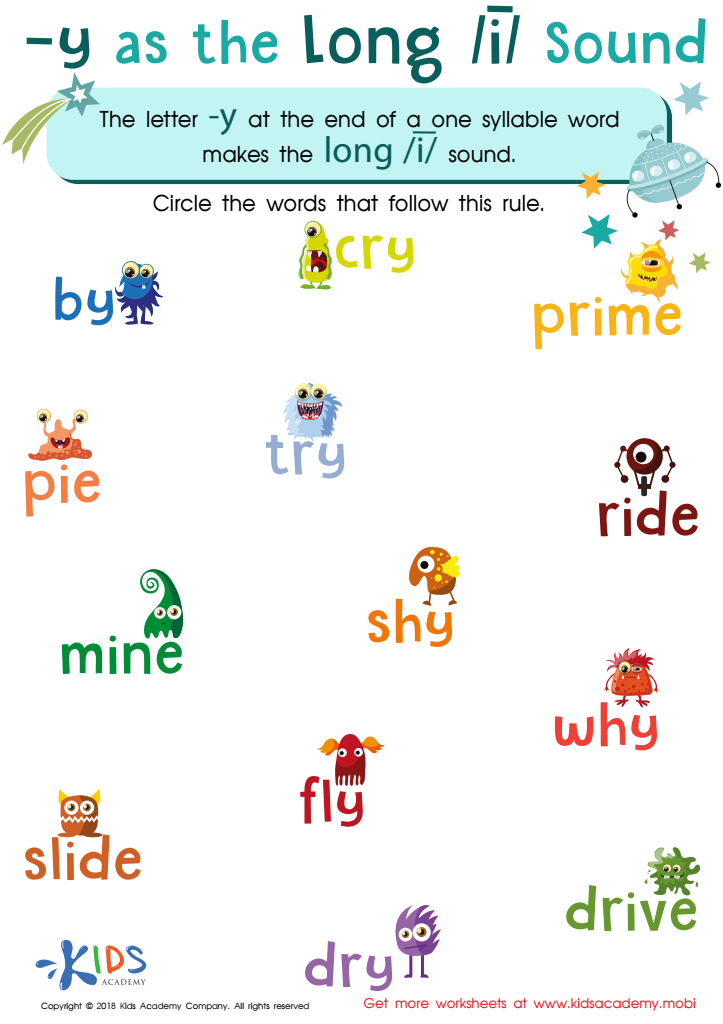
Reading: Y as Long I Worksheet








Vocabulary expansion and phonics instruction are foundational aspects of early childhood education that play crucial roles in a child's overall development. For ages 3-8, focusing on these areas helps set the stage for future academic success, effective communication, and lifelong learning.
Firstly, vocabulary expansion is essential because it enhances a child's ability to understand and express ideas. A rich vocabulary aids in reading comprehension and listening skills, enabling children to grasp more complex stories and instructions. This, in turn, boosts their confidence and academic performance across subjects.
Phonics, on the other hand, is the method of teaching reading by correlating sounds with letters or groups of letters. It helps children decode words, making reading an easier and more enjoyable process. Phonics instruction improves spelling and develops a strong foundation for literacy. By understanding sound-letter relationships, children can better tackle unfamiliar words and gradually become independent readers.
Parents and teachers must emphasize these areas to foster a love for reading and learning. Engaging young minds in fun and interactive activities like reading aloud, playing word games, and using phonics apps can make vocabulary and phonics instruction enjoyable. The focus on these educational building blocks during ages 3-8 not only encourages early academic achievement but also promotes continuous intellectual growth, social interaction, and lifelong learning skills.







