Handwriting practice Worksheets for Ages 3-8 - Page 2
96 filtered results
-
From - To
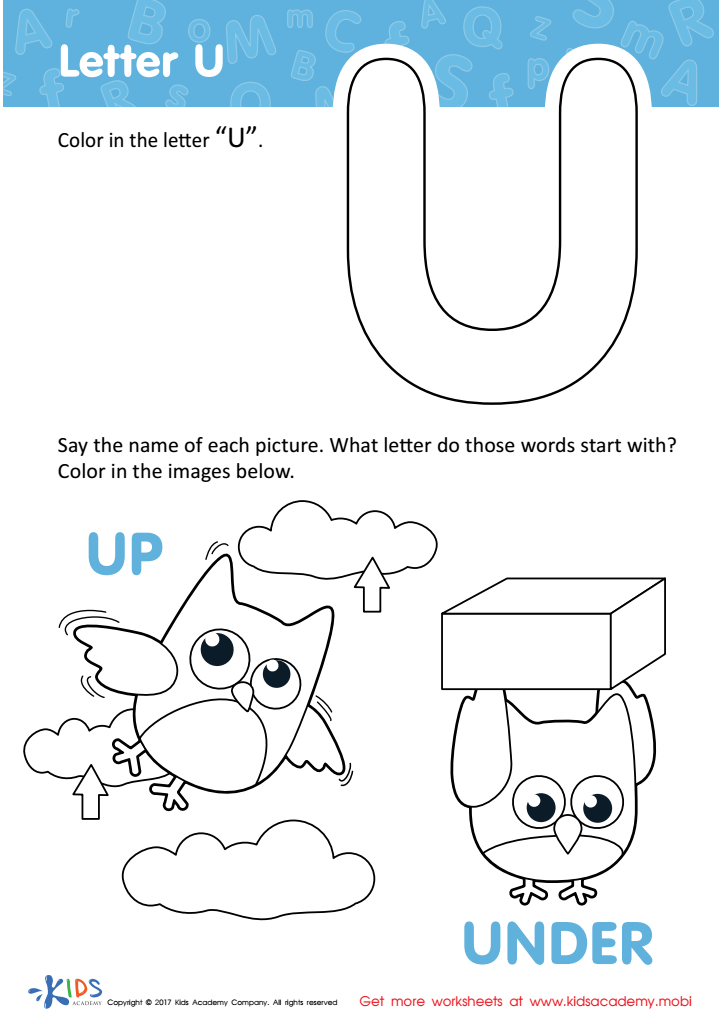
Letter U Coloring Sheet
 Assign to My Students
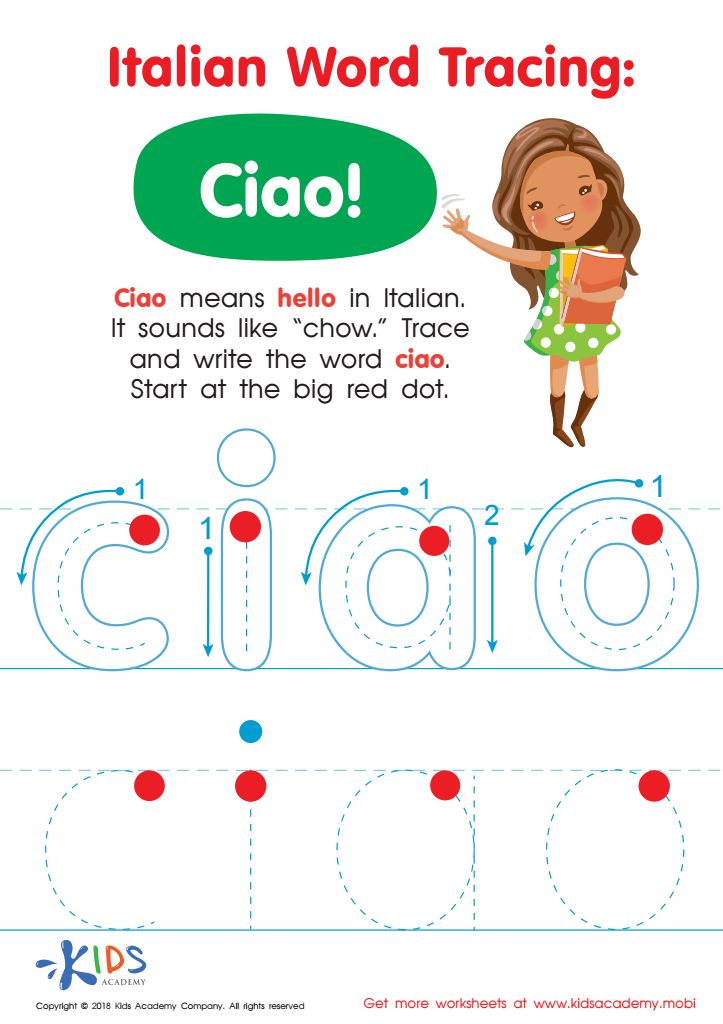
Italian Word Tracing: Ciao Worksheet
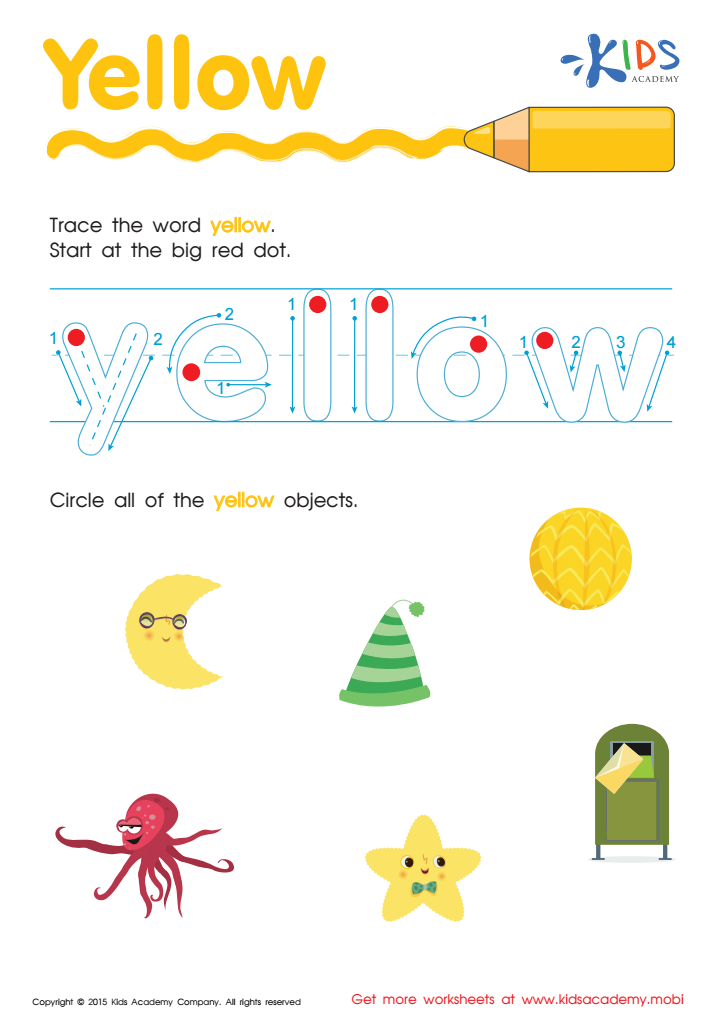
Yellow Tracing Color Words Worksheet
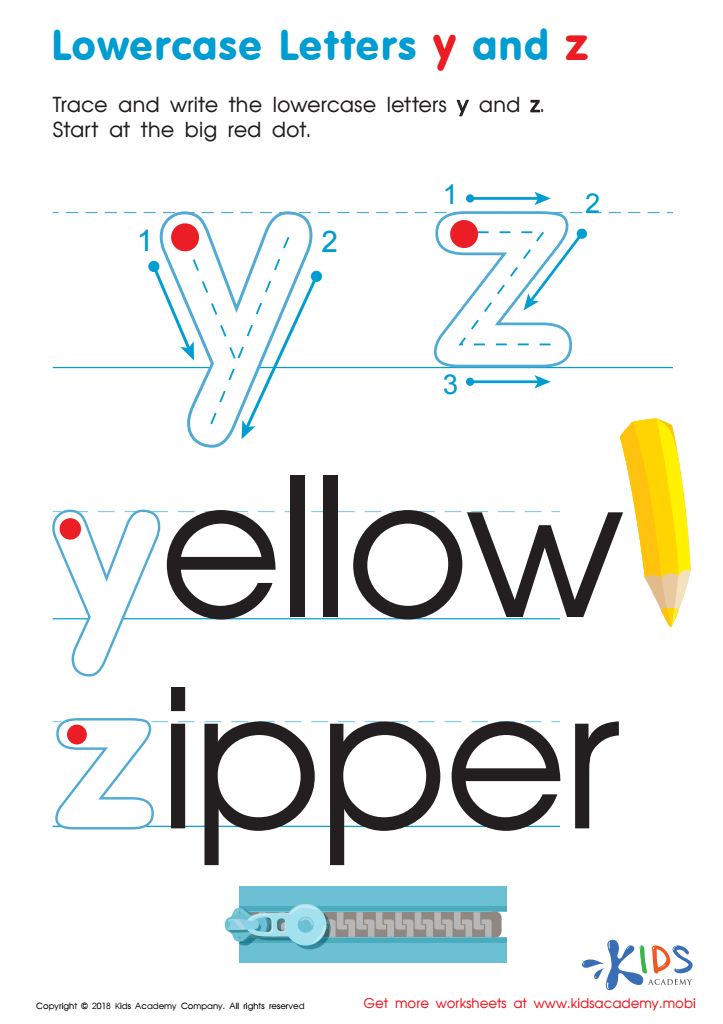
Lowercase Letters y z Worksheet

Letter C Tracing Page
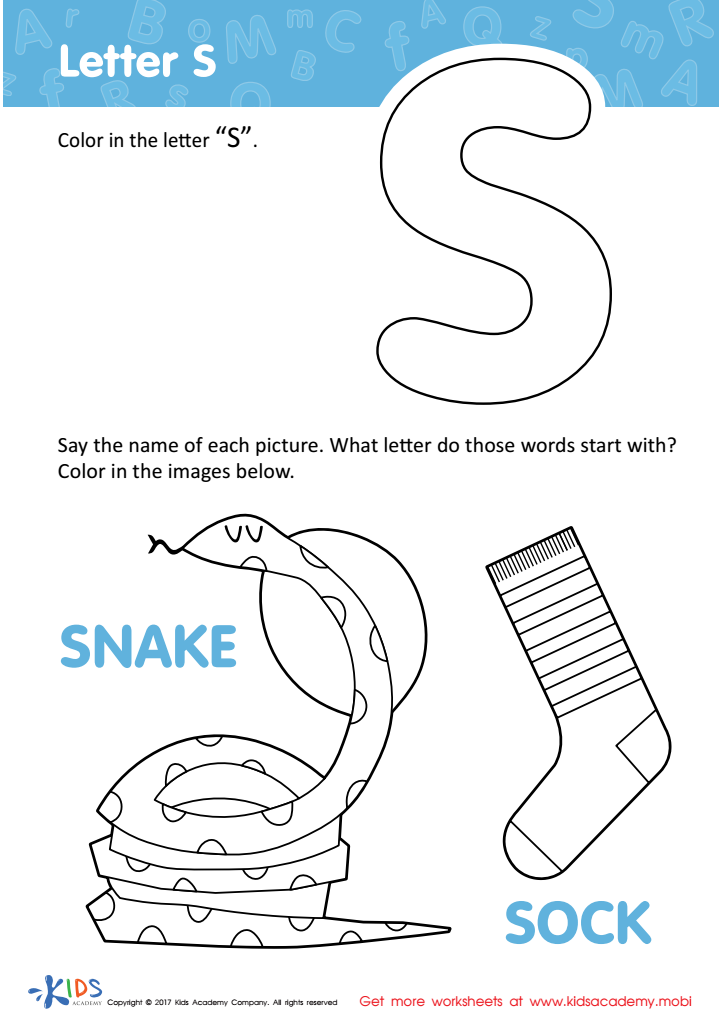
Letter S Coloring Sheet
Assign to My Students
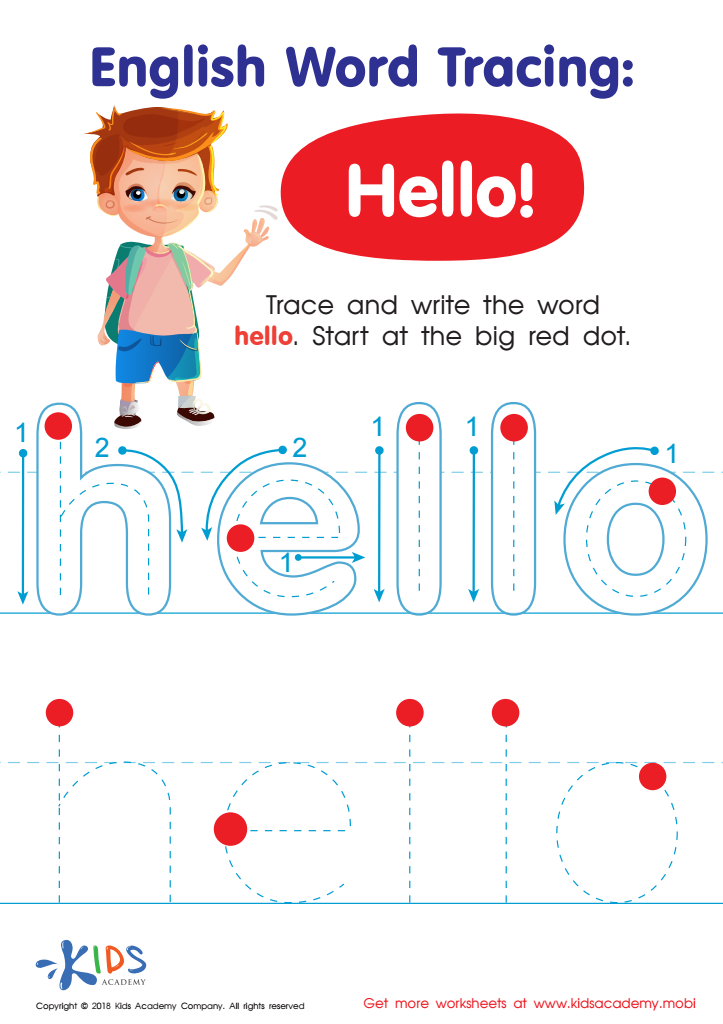
English Word Tracing: Hello Worksheet
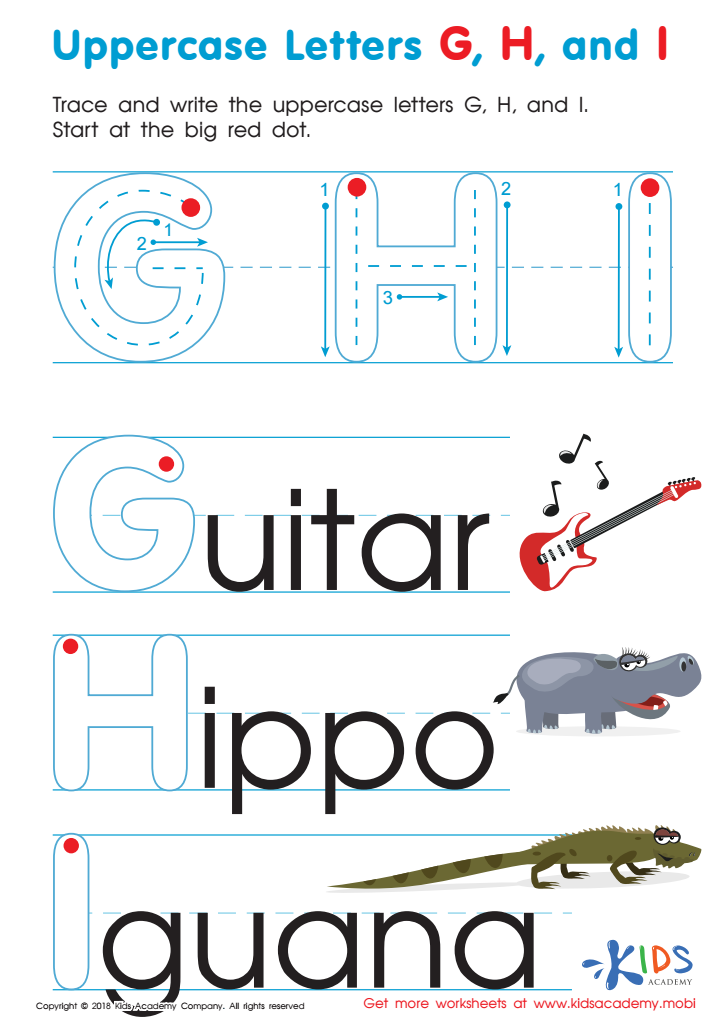
Uppercase Letters G, H, and I Worksheet

Letter G Tracing Page
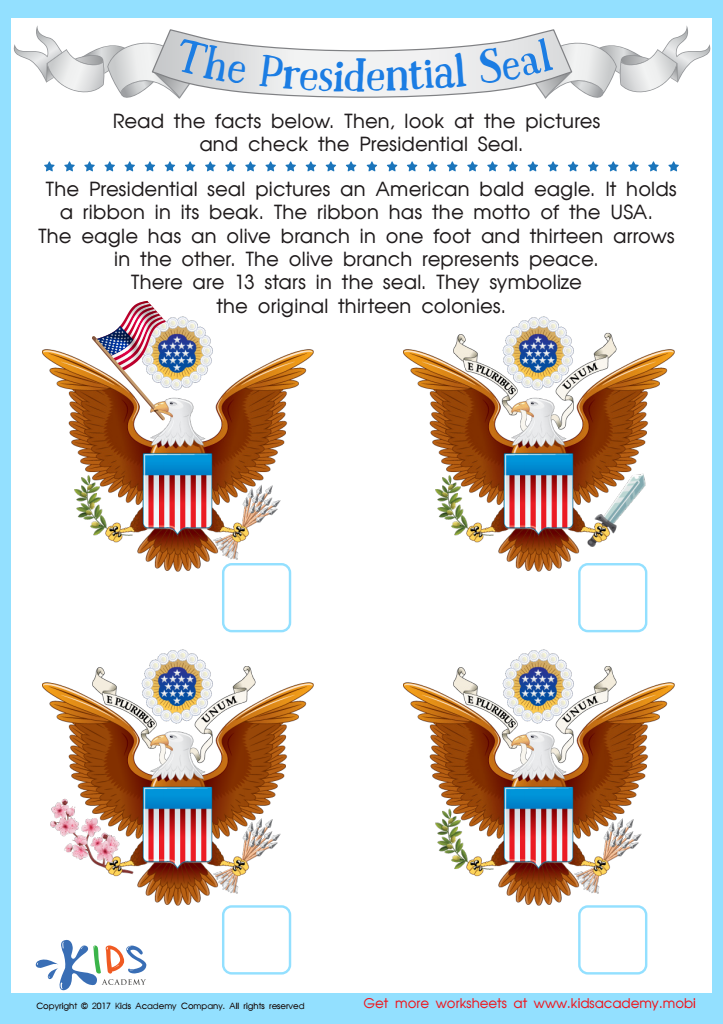
The Presidential Symbol Worksheet
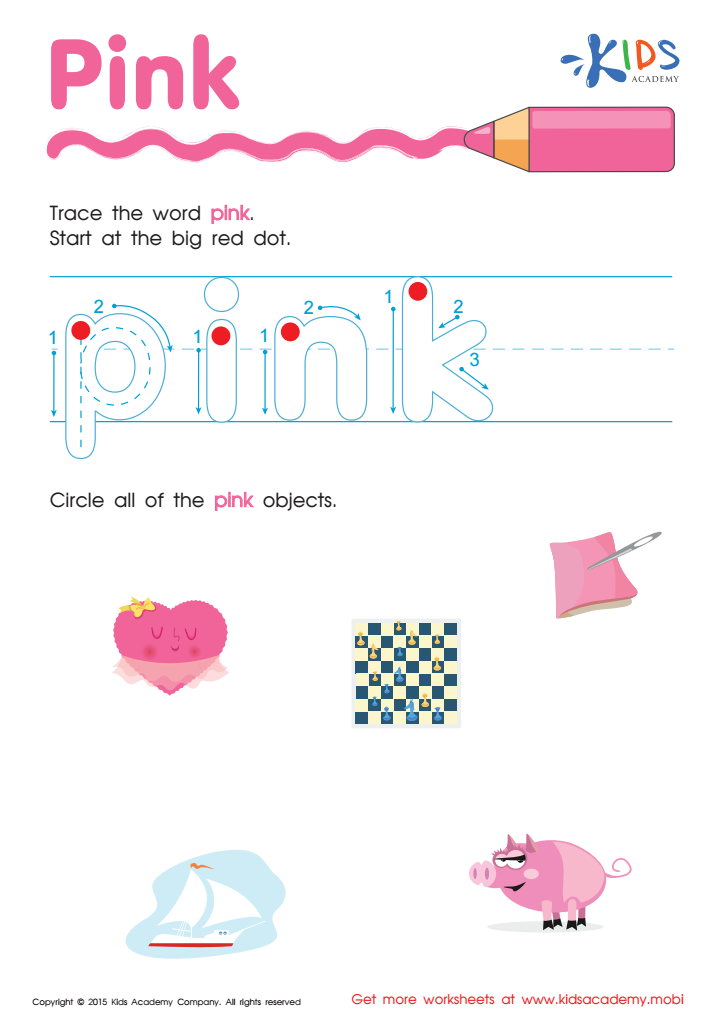
Pink Tracing Color Words Worksheet
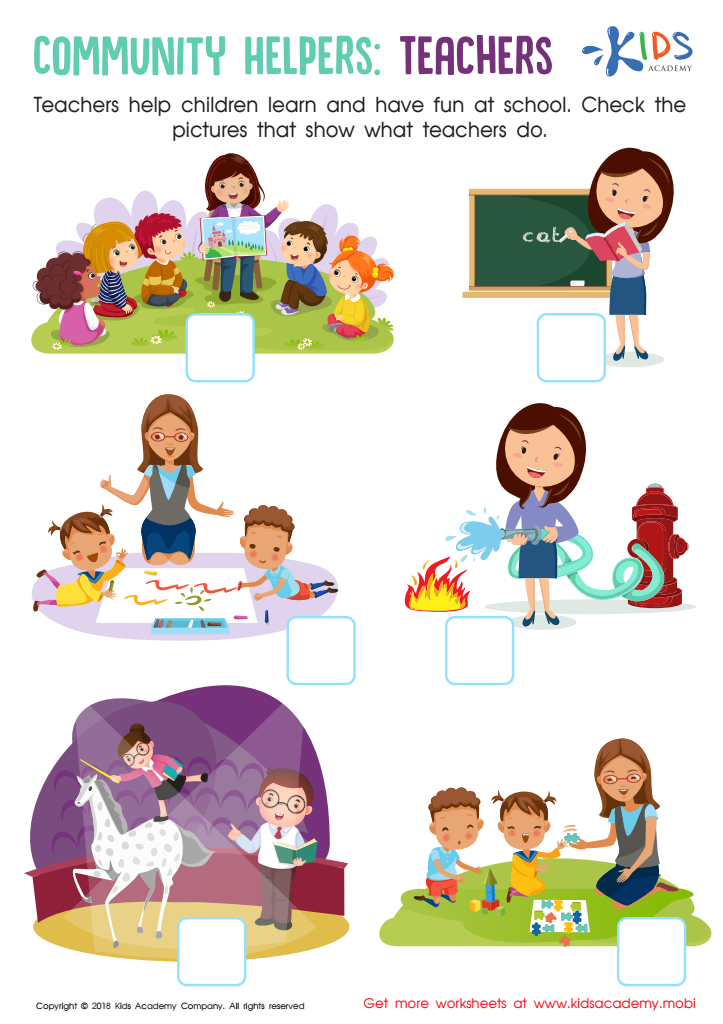
Teachers Community Helpers Worksheet
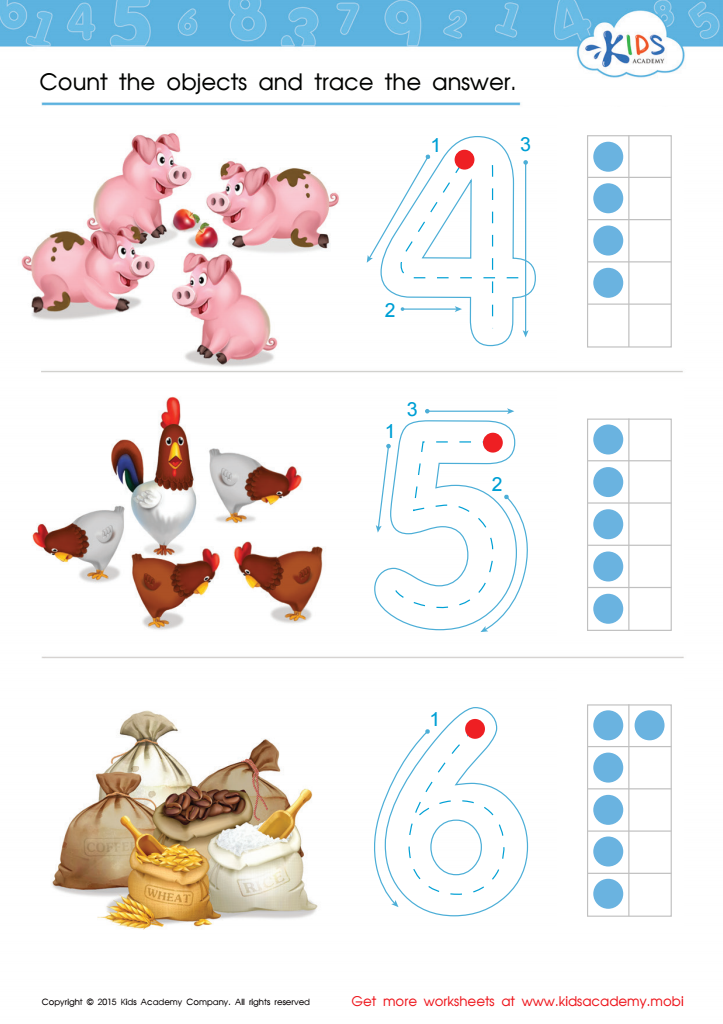
Count and Trace 4 – 6 Worksheet
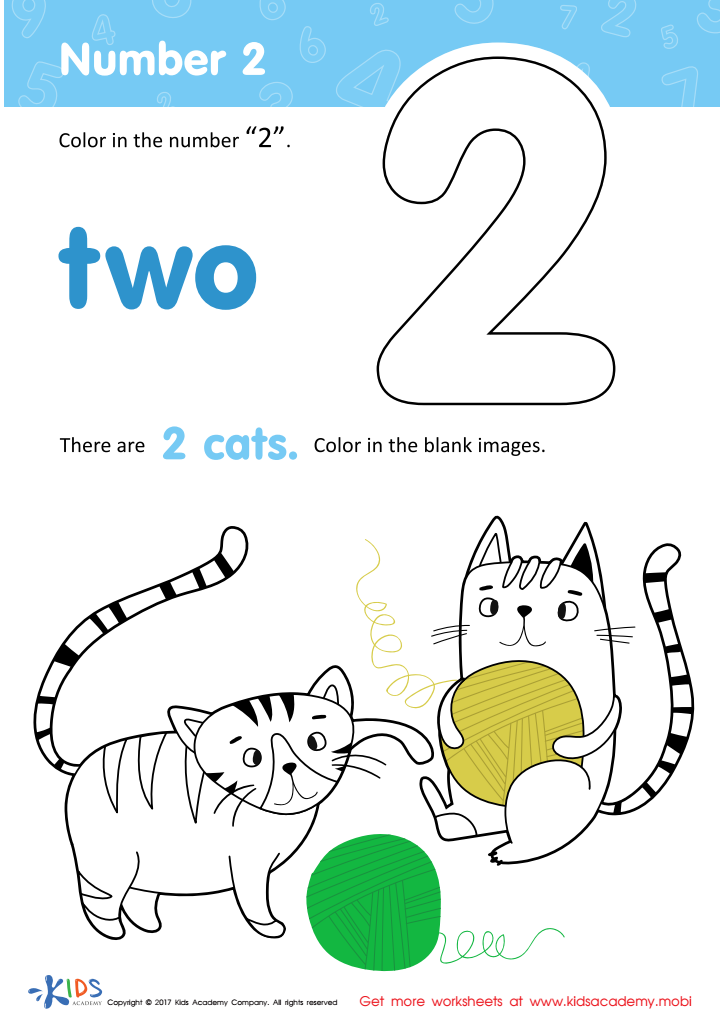
Number 2 Printable
Assign to My Students
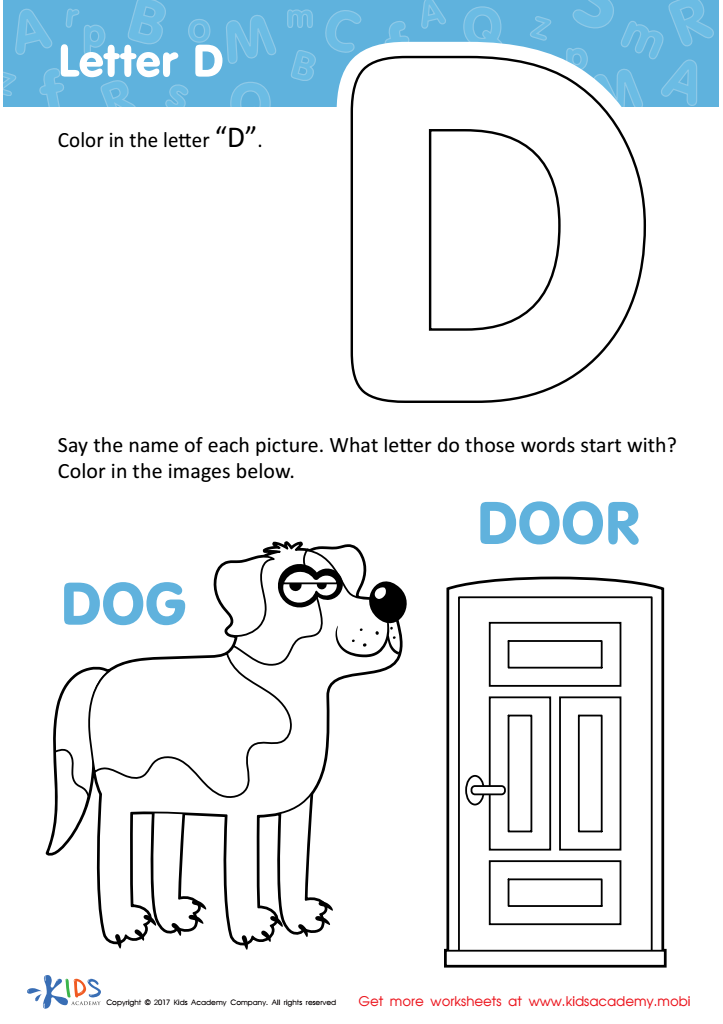
Letter D Coloring Sheet
Assign to My Students
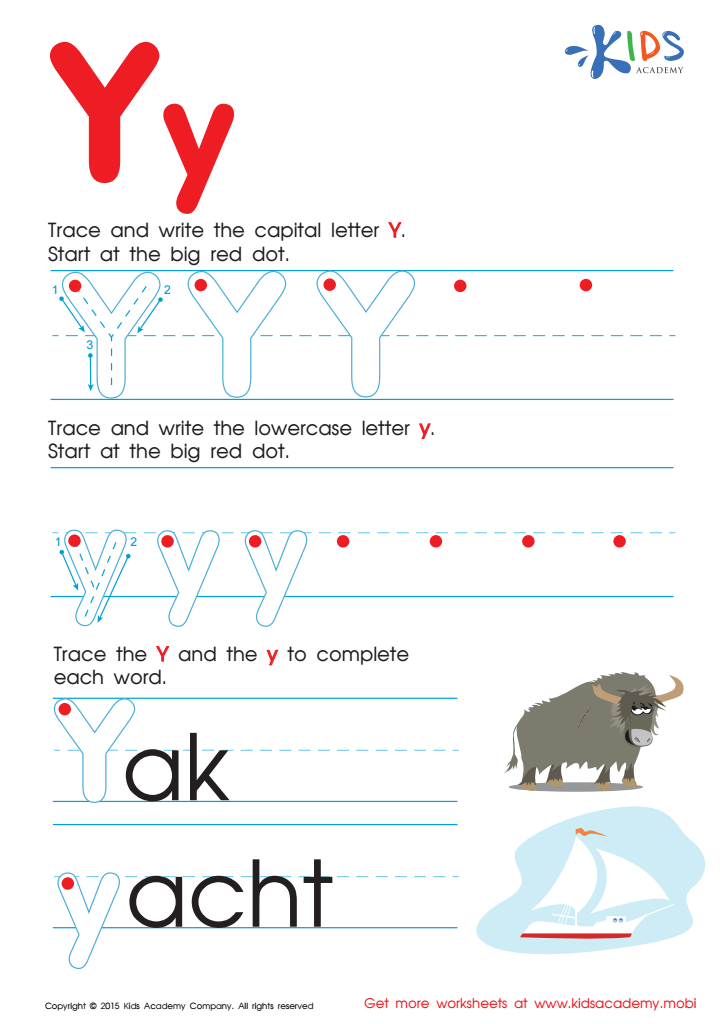
Letter Y Tracing Page
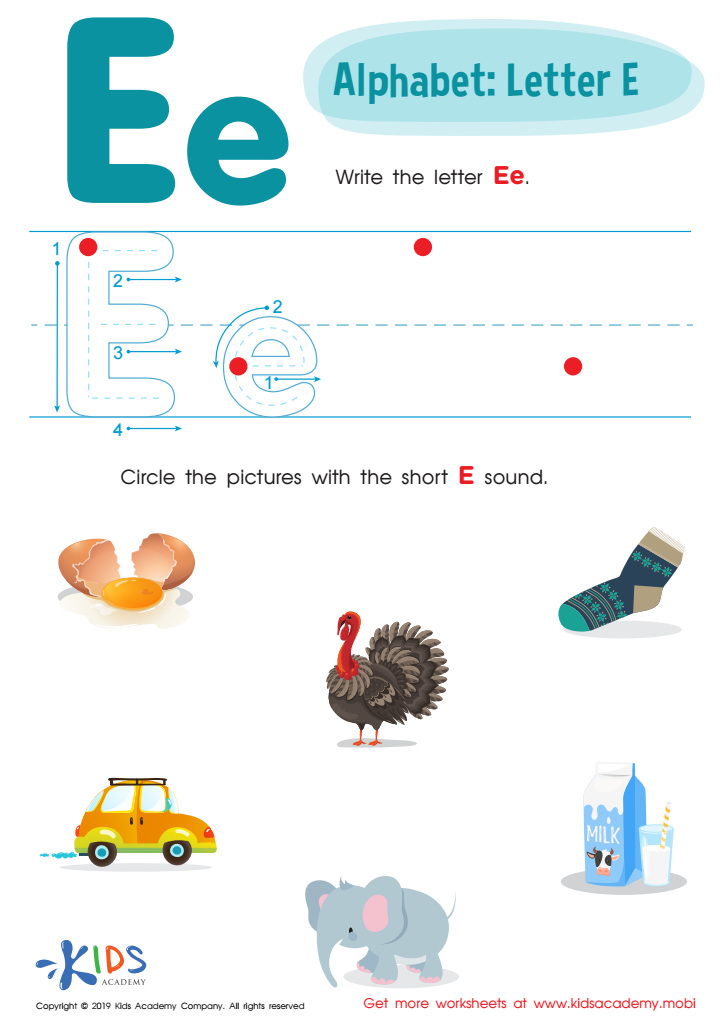
Letter E Tracing Worksheet
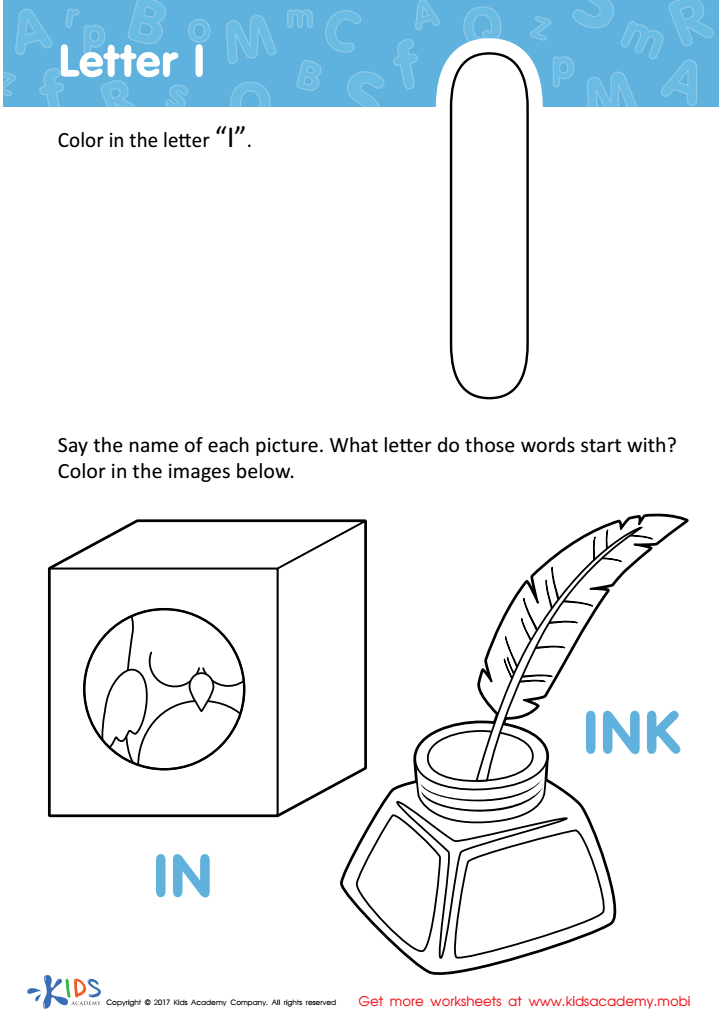
Letter I Coloring Sheet
Assign to My Students
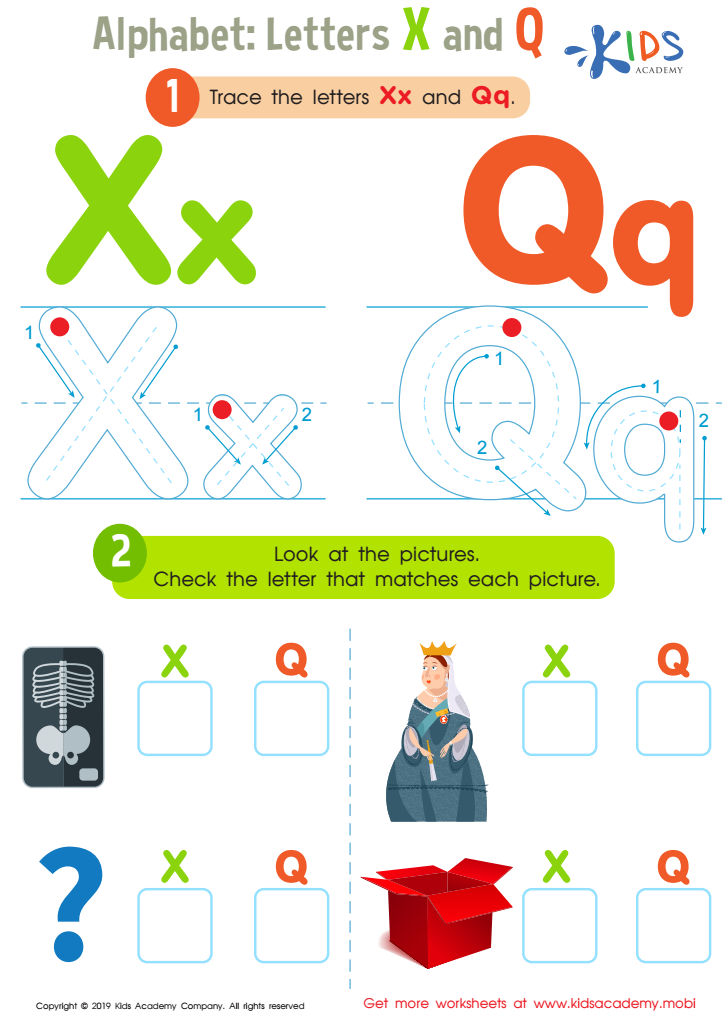
Letters X and Q Tracing Worksheet
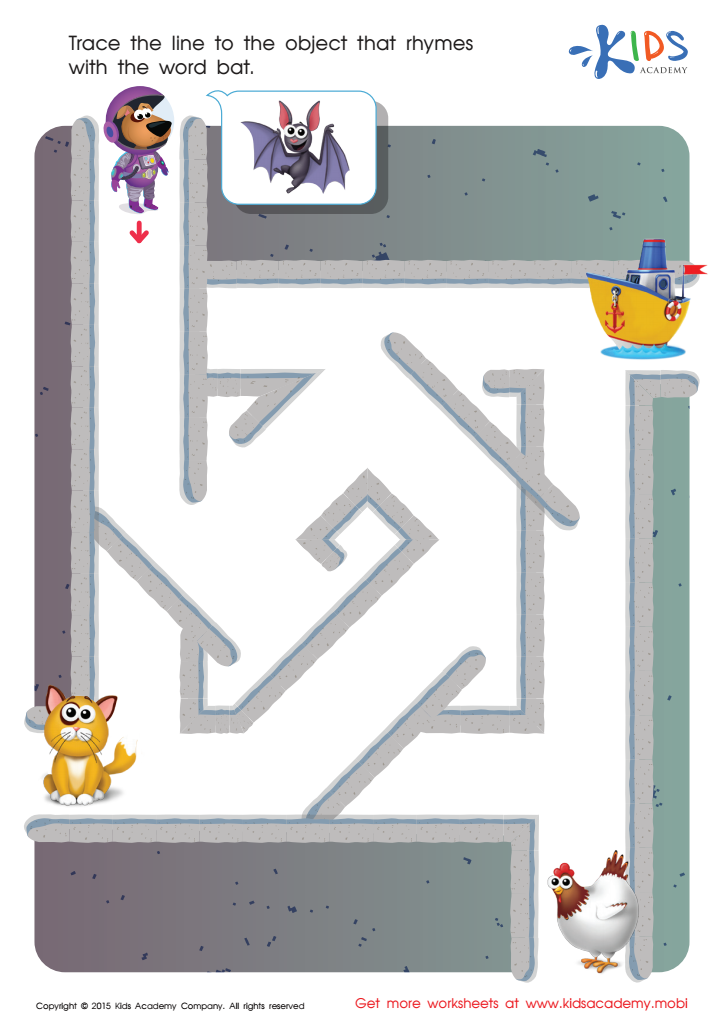
Bat Rhyming Words Worksheet
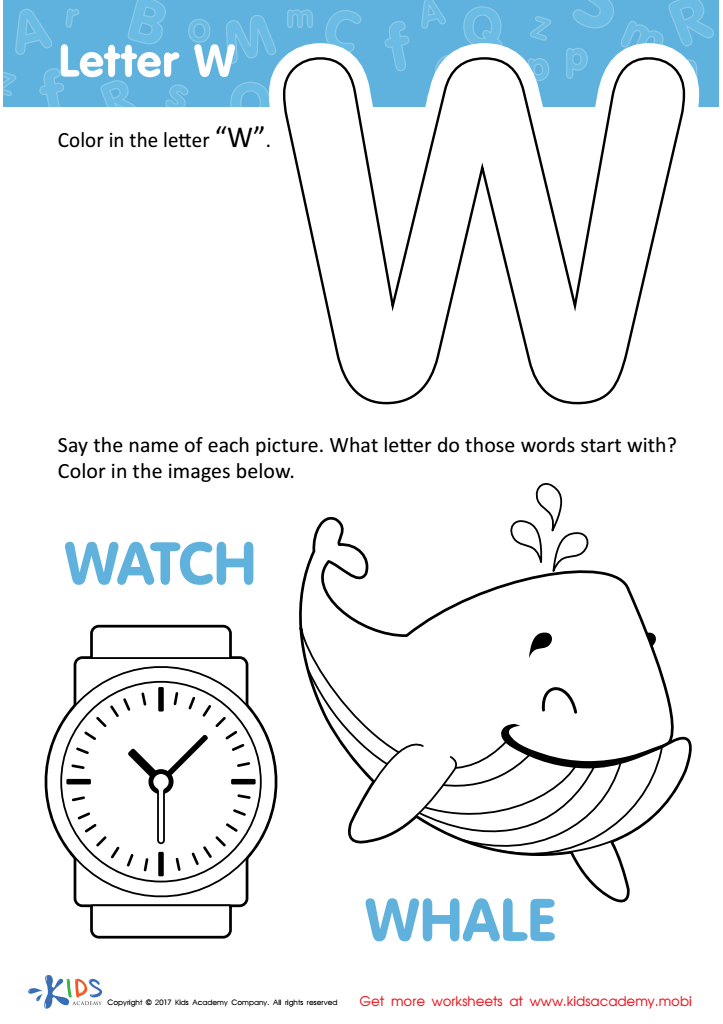
Letter W Coloring Sheet
Assign to My Students
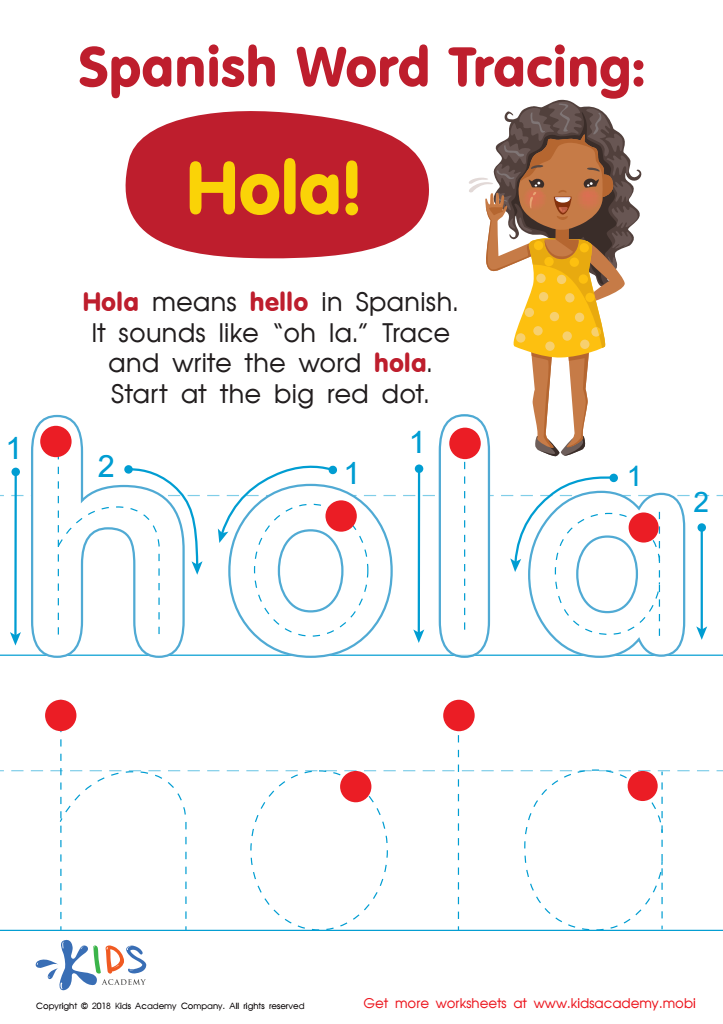
Spanish Word Tracing: Hola Worksheet
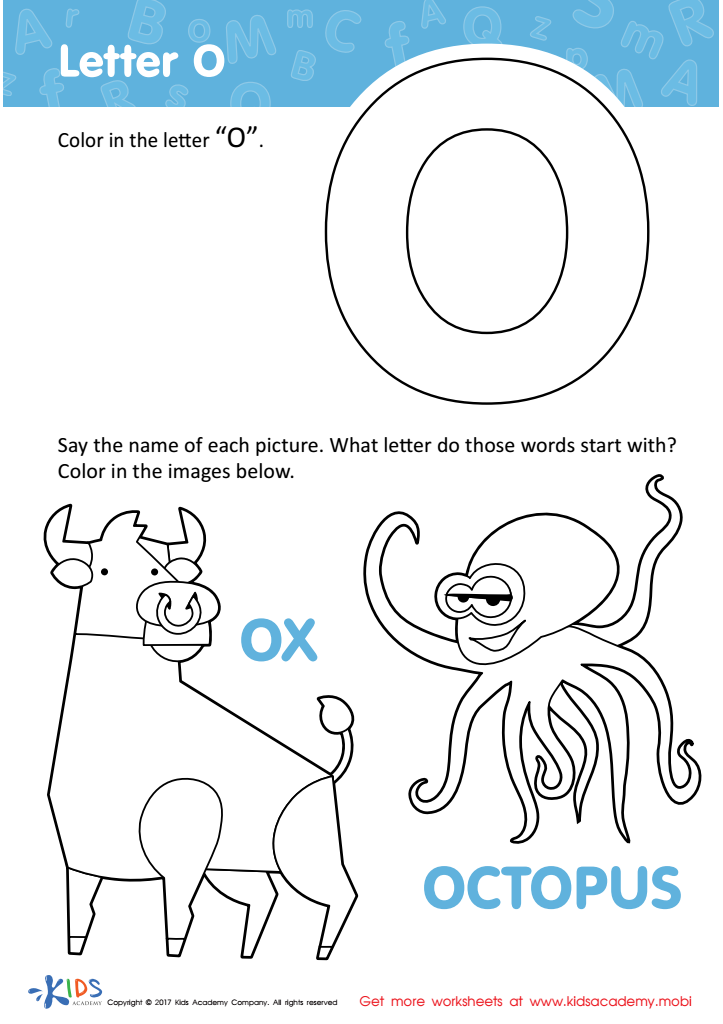
Letter O Coloring Sheet
Assign to My Students



.jpg)




Handwriting practice for children aged 3-8 is crucial for their overall development and educational success. During these formative years, children's fine motor skills are still developing. Engaging in handwriting activities helps them strengthen these skills, improving hand-eye coordination and dexterity. Moreover, handwriting fosters cognitive development; as children learn to form letters and organize their thoughts on paper, they enhance their ability to communicate effectively and express their ideas clearly.
Importantly, handwriting also plays a significant role in literacy development. The process of writing by hand activates different parts of the brain compared to typing, leading to improved memory retention and understanding of letter shapes and sounds. This is particularly beneficial for early readers and writers.
Furthermore, regular handwriting practice instills discipline and perseverance in young learners. It encourages them to take pride in their work, helping build self-esteem and motivation.
Ultimately, parents and teachers should value handwriting practice not only for academic readiness but as a foundation for essential life skills. Establishing a habit of writing early can contribute to a child’s success in school and beyond, equipping them with the tools they need for effective communication and personal expression.








